

China's First Digital Therapeutic, Xiao Beike, Advances from RWD to RWE with Phase II Real-World Evidence Milestone
Recently, Xiaobeike (Hepatitis B Mother-to-Child Transmission Prevention and Control Management Software), China’s first digital therapeutic product, successfully completed the second phase of data governance. As of October 19, 2021, the medical team at Zhilan Health has enrolled nearly 30,000 cases in the second phase of real-world data collection, further expanding Xiaobeike’s real-world clinical research database.
This data cleaning effort involved extensive and in-depth collection of real-world data, along with quality control of the entered information. This included laboratory tests (renal function, HBV DNA, liver function, and hepatitis B serological markers), infant hepatitis B vaccine and hepatitis B immune globulin (HBIG) vaccination status, neonatal outcomes (at delivery and six months postpartum), and medication usage (antiviral and hepatoprotective agents). These measures ensured the authenticity and accuracy of the “Xiao Beike” data, marking a significant step toward increasingly precise and comprehensive end-to-end management—from clinical data acquisition to the research, development, and application of digital therapeutics. In collaboration with Professor Hou Jinlin’s team, Xiao Beike will release research findings based on this real-world dataset, yielding new insights into the clinical prevention of mother-to-child transmission of hepatitis B.
According to a report published in The Lancet in 2018, the prevalence of hepatitis B virus (HBV) infection in China ranged from 5.1% to 10%, with approximately 80 million chronic HBV carriers, including 20 million patients with clinical hepatitis B. Approximately 45% of chronic HBV infections in China are attributed to mother-to-child transmission (MTCT), which is the primary route of transmission for viral hepatitis B. Following neonatal administration of the hepatitis B vaccine combined with hepatitis B immune globulin (HBIG), the MTCT rate decreased to 6%; however, it remained as high as 11% among infants born to HBeAg-positive mothers with high viral loads. Although infants born to hepatitis B surface antigen (HBsAg)-positive mothers can be effectively protected by early postnatal vaccination, there remains a 5% risk of infection if the mother has a high viral load. Prophylactic antiviral therapy for eligible HBeAg-positive mothers can further reduce the transmission rate to zero.
Antiviral therapy for mothers with high viral loads has been proven to effectively prevent mother-to-child transmission of HBV and is recommended by the Guidelines for the Prevention and Treatment of Hepatitis B.1,2. In a multicenter prospective observational cohort study by Xiao Beike3, no infants born to HBeAg-positive mothers who received antiviral therapy were infected with HBV, indicating that eliminating mother-to-child transmission of hepatitis B virus is achievable through routine immunoprophylaxis for all infants and antiviral treatment for HBsAg-positive mothers with high viral loads.
In July 2015, the “Zero Mother-to-Child Transmission of Hepatitis B Project” by Xiao Beike was officially launched at the Great Hall of the People in Beijing. The project was initiated by the China Foundation for Hepatitis Prevention and Control, with Professor Hou Jinlin’s team from Nanfang Hospital serving as the lead clinical research unit, and Hangzhou Zhilan Health Co., Ltd. (hereinafter referred to as “Zhilan Health”) as the supporting organization. The intelligent mobile health application “Xiao Beike” was utilized throughout the project. By leveraging mobile tools, the project established a nationwide collaborative network for preventing mother-to-child transmission, built an integrated hospital-community platform for blocking hepatitis B mother-to-child transmission, and explored methods for fostering close coordination between hospitals and communities.
Over a six-year period, Phase I study was conducted: a prospective, multicenter, observational cohort study (July 2015 to May 2018), selecting 1,008 HBsAg-positive pregnant women with hepatitis B from 10 hospitals across China. Follow-up management was carried out using the Xiao Beike APP. On the basis of combined immunization with hepatitis B vaccine and hepatitis B immunoglobulin for newborns, antiviral drugs were additionally administered to pregnant women with high viral loads in the late stage of pregnancy. The test results at 7-12 months of age for infants born to 905 hepatitis B-positive pregnant women who completed follow-up showed that the success rate of mother-to-child transmission blockade was 99.12% (897/905). Phase II study (Phase 1): A more extensive and in-depth real-world study (June 2017 to May 2019), with 132 hospitals nationwide joining the project, included over 10,000 cases of hepatitis B-positive pregnant women, achieving a mother-to-child transmission blockade success rate exceeding 99%.
In November 2019, Xiao Beike (an auxiliary diagnostic software for mother-to-child transmission blockade of hepatitis B) obtained a Class II medical device registration certificate. This was not only the first officially approved mobile app-based medical device registration certificate in China’s liver disease prevention and control field, but also the first such certificate for any digital therapeutic product in China.
Research findings from Xiao Beike have been successively published in renowned core journals both domestically and internationally, including The Lancet Infectious Diseases, Clinical Gastroenterology and Hepatology, and the Journal of Clinical Hepatology. Meanwhile, China’s first technical guidance document on the full-process management of mother-to-child transmission (MTCT) blockade of hepatitis B, titled “Clinical Management Pathway for Blocking Mother-to-Child Transmission of Hepatitis B,” was released and published online in October 2018 in the prestigious international journal Clinical Gastroenterology and Hepatology.
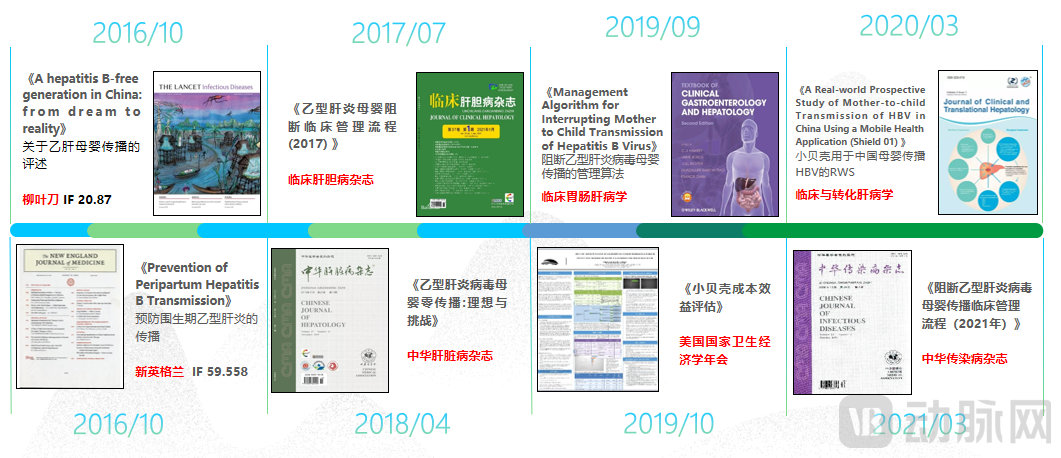
Figure 1: Research findings from Shell Institute are being published successively in renowned journals
On March 30, 2019, the World Health Organization (WHO) reviewed China’s efforts and achievements in hepatitis B prevention and control on its official website, noting that China is advancing toward the goal of zero mother-to-child transmission (MTCT) of hepatitis B and acknowledging the contribution of the “Little Shell Hepatitis B Zero MTCT Project” to China’s hepatitis B prevention and control initiatives. By leveraging mobile health tools, this project has facilitated improved follow-up management for pregnant women with hepatitis B, playing a significant role in achieving zero MTCT of hepatitis B.
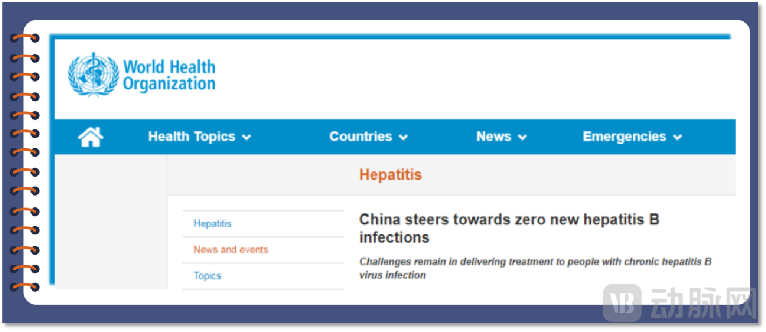
Figure 2: WHO Official Website Highly Praises Little Shell
Two papers generated by the Xiaobeike Platform served as evidence-based medical evidence for the revision of the WHO (World Health Organization) 2020 Guidelines on Prevention of Mother-to-Child Transmission of Hepatitis B.
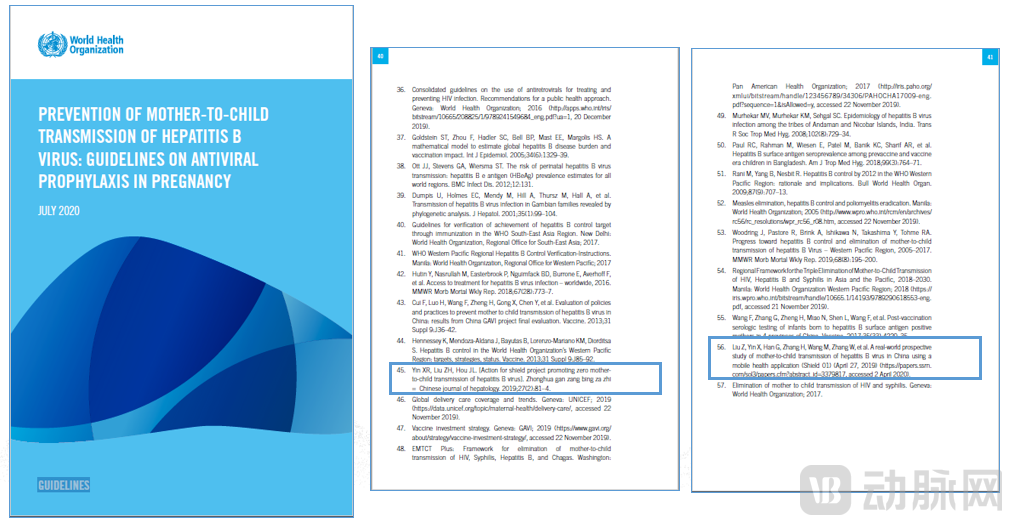
Figure 3: Citations for the Revision of the WHO (World Health Organization) 2020 Guidelines on Prevention of Mother-to-Child Transmission of Hepatitis B
At the same time, Xiao Beike has also received recognition from numerous authorities in the field of liver disease.

Figure 4: Handwritten Evaluation of Xiaobeike by Experts in the Field of Liver Disease
Xiao Beike App is China’s first approved prescription digital therapeutic product. It provides comprehensive follow-up management for pregnant women with hepatitis B throughout pregnancy and the postpartum period, enabling functions such as data collection, data cleaning, information push, doctor-patient communication, and patient education. By leveraging digital and intelligent approaches to intervention management and health education for preventing mother-to-child transmission (MTCT) of hepatitis B, it aims to eliminate MTCT of chronic hepatitis B virus.
Zhilan Health is a medical technology company specializing in the research, development, and application of digital therapeutics. Centered on patient needs and guided by clinical value, it provides disease-specific digital health products and data-related services to researchers and companies across the upstream and downstream industry chain, while also offering patients a variety of digital therapeutic products and medical services. Its R&D pipeline covers multiple disease areas, including liver diseases, respiratory conditions, and mental health disorders, spanning the entire diagnosis and treatment cycle for various diseases. It delivers comprehensive, deeply digitized diagnostic and therapeutic services, providing patients with full-cycle disease management from screening to condition management.
References:
1. Obstetrics Group of the Chinese Society of Obstetrics and Gynecology, Chinese Medical Association; Chinese Society of Perinatal Medicine, Chinese Medical Association. Clinical guidelines for the prevention of mother-to-child transmission of hepatitis B virus (2020) [J]. Chinese Journal of Perinatal Medicine, 2020, 23(5): 289-298.
2. Chinese Foundation for Hepatitis Prevention and Control, Infectious Diseases Branch of the Chinese Medical Association, Hepatology Branch of the Chinese Medical Association. Clinical management process for blocking mother-to-child transmission of hepatitis B virus (2021)[J]. Chinese Journal of Infectious Diseases, 2021, 39(03):139-144.
3. .X Yin, Han G , Zhang H , et al. A Real-world Prospective Study of Mother-to-child Transmission of HBV in China Using a Mobile Health Application (Shield 01)[J]. Journal of Clinical and Translational Hepatology, 2020, 8(X):1-8.