

Zhumadian Model: A Scalable and Sustainable Approach to COPD Full-Cycle Standardized Management
November 17, 2021, marked the 20th World COPD Day.
Amid these opportunities, some remain on the sidelines, others are fully prepared, while early movers have solidified their foundations and taken the lead. Zhumadian City is precisely such a pioneer.
At the 2021 China Conference on Standardized Tiered Diagnosis and Treatment of Chronic Obstructive Pulmonary Disease (COPD), held in Beijing today, Bao Changyong, Secretary of the Zhumadian Municipal Committee of the Communist Party of China, delivered a presentation titled “Exploration of a Standardized Tiered Management Model for COPD.” He shared how Zhumadian City started from scratch and gradually pioneered the “Zhumadian Model” for building a system of COPD prevention and control.
The Zhumadian Model, also known as the "Zhumadian Citywide Model." The entire project is composed ofGuided by the expert team of the National Center for Respiratory Medicine andFormulate diagnostic and treatment standards, with the government implementing administrative orders for public health management, in conjunction with Qiyi Medical's"QiYi" Intelligent Disease Management System, carried out throughout the entire city of ZhumadianStandardization of COPD,Scale-upofScreening, diagnosis and treatment, and management activities.
In this model, the government plays a leading role and is crucial to the project’s success. Meanwhile, expert teams, medical institutions at the county, township, and village levels, as well as the technology and operations team from Qiyi Medical, are also indispensable components of the initiative. Recently, VCBeat interviewed Ms. Zhang Yan, Co-Founder and Marketing Director of Qiyi Medical, who oversees the project’s technology and operations, and Dr. Jia Mingyang, Vice President of Zhumadian Yongxing Township Health Center, the primary healthcare institution responsible for implementation. These interviews aim to provide deeper insights into the “Zhumadian Model” from both technical and practical perspectives.
Zhumadian City, located in the heartland of the Central Plains, comprises nine counties and one district, with a population of over 9.6 million, more than 8 million of whom are engaged in agriculture, making it a major agricultural city. In the past, due to the widespread burning of crop residues such as straw and prevalent smoking habits among villagers, respiratory diseases were highly prevalent in most rural areas of Zhumadian. During winter, the respiratory departments of hospitals even faced severe bed shortages, with patients struggling to secure hospital beds.
In early 2019, Academician Wang Chen of the Chinese Academy of Engineering and Professor Yang Ding from China-Japan Friendship Hospital led an in-depth survey of county-level people’s hospitals and primary healthcare institutions across various districts and counties in Zhumadian City. The survey revealed significant gaps in staffing, equipment, and other resources within the respiratory departments of many primary care hospitals in Zhumadian. Consequently, the standardized management of respiratory diseases was placed on the agenda.
In June 2019, the People's Government of Zhumadian City and China-Japan Friendship Hospital signed a strategic cooperation agreement on the construction of a chronic obstructive pulmonary disease (COPD) prevention and control system, launching a project for the standardized management of COPD, with the aim of raising public awareness of the hazards of respiratory diseases and promoting the effective decentralization of high-quality medical resources.
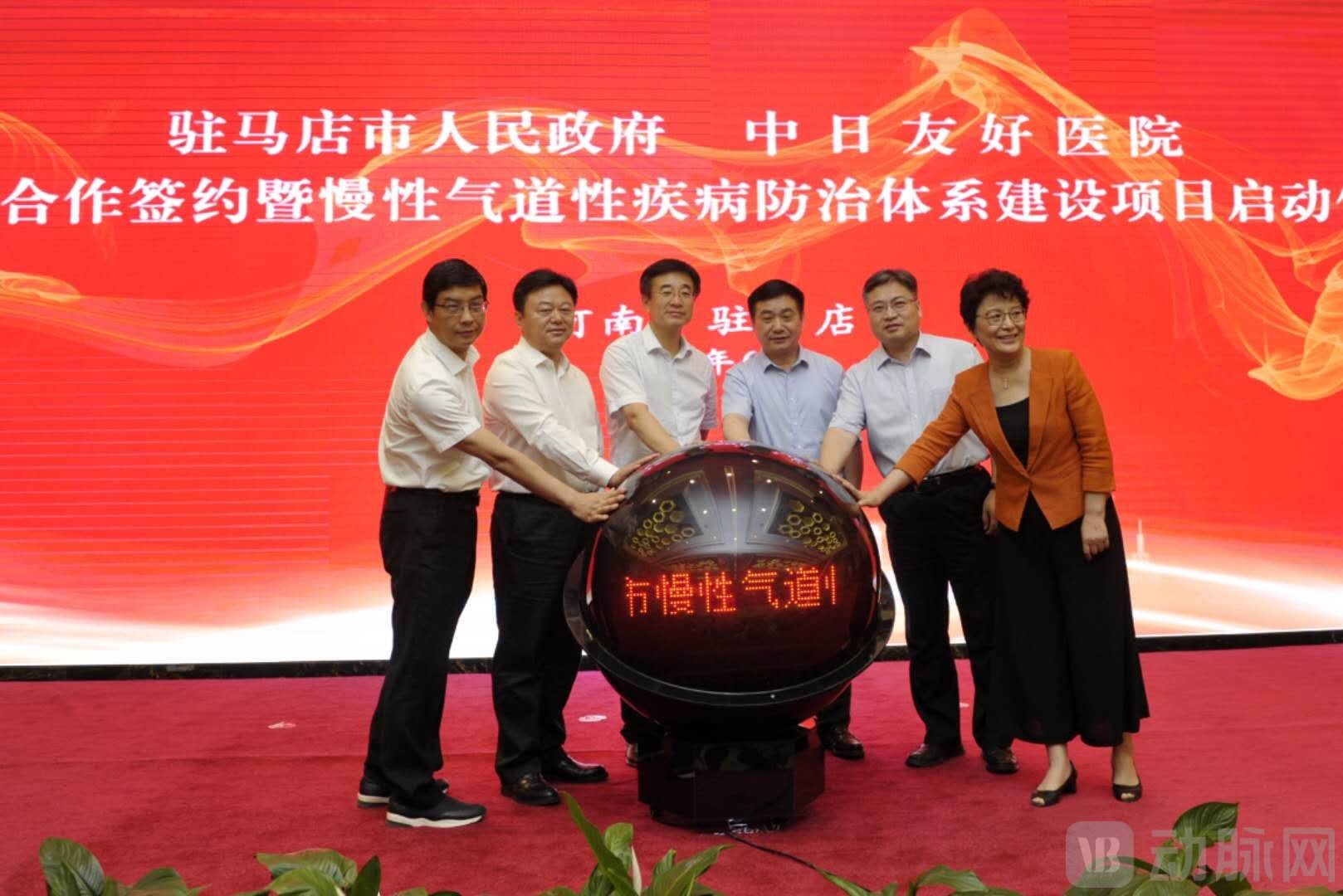
Due to epidemic prevention and control measures, the project was officially launched on December 1, 2020. The government provided policy support, allocation of equipment, personnel, and medications, as well as incentive and safeguard mechanisms for primary care physicians. The National Center for Respiratory Medicine and China-Japan Friendship Hospital offered academic guidance, research training, and teaching certification support. Qiyi Medical, the technology and operations provider, supplied the system operation platform and support for two-way referrals.
This project clearly defines the division of responsibilities for respiratory disease diagnosis and treatment across the three-tier medical healthcare system at the city, county, township, and village levels. Village clinics serve as centers for respiratory disease screening and health education, responsible for screening, patient education, and follow-up care. Township health centers provide pulmonary function testing, disease diagnosis, and routine treatment. County-level hospitals handle complex case confirmation and critical care management. Based on the severity of patients’ conditions, a rational two-way referral mechanism has been established among these three tiers of medical institutions.
Currently, the standardized management project for chronic obstructive pulmonary disease (COPD) in Zhumadian City has achieved multifaceted outcomes.
First, in terms of discipline construction,The overall development level of the respiratory discipline across the city has significantly improved. All 12 medical institutions at or above the secondary level within Zhumadian City—including Zhumadian Central Hospital, Zhumadian Hospital of Traditional Chinese Medicine, and the people’s hospitals of its 10 districts and counties—have obtained certification for standardized construction of their Pulmonary and Critical Care Medicine (PCCM) departments. From the perspective of departmental development, a specialized respiratory discipline system has been initially established in these 12 hospitals.
Secondly, in terms of talent development,From December 2020 to May 2021, more than 5,000 medical personnel across the county, township, and village levels in Zhumadian City completed comprehensive training on chronic obstructive pulmonary disease (COPD) knowledge and pulmonary function testing, covering project workflows, disease knowledge, pulmonary function testing, and application of the management platform. On July 27, 2021, the Zhumadian Municipal Health Commission issued the “Notice on Conducting Online Training for the Prevention and Control of Chronic Obstructive Pulmonary Disease in Zhumadian City,” leveraging the intelligent disease management system “Qi Yi” to deliver online training. Within three months, over 2,100 primary healthcare workers participated in the online training, and 1,600 of them passed the assessment.
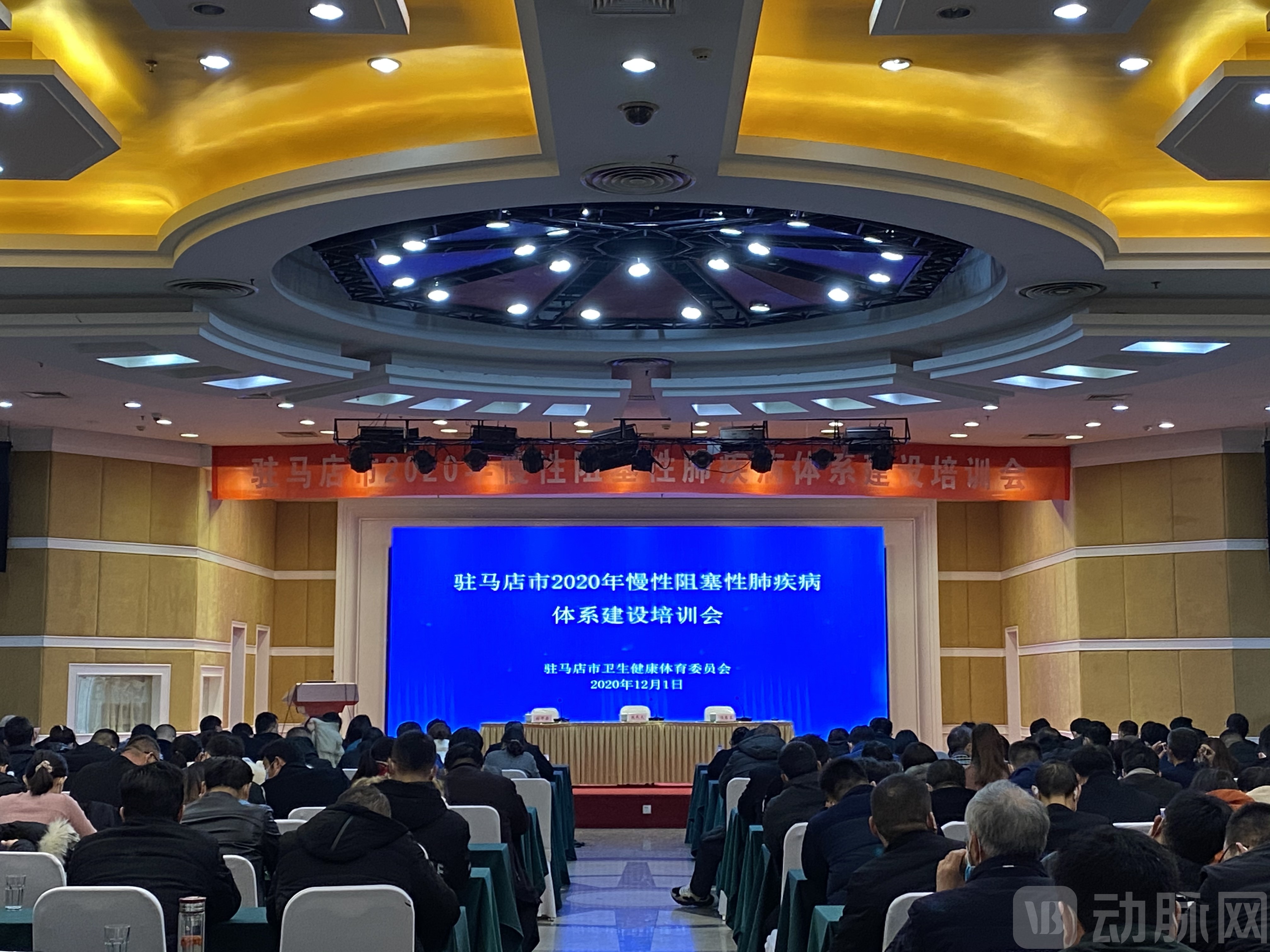
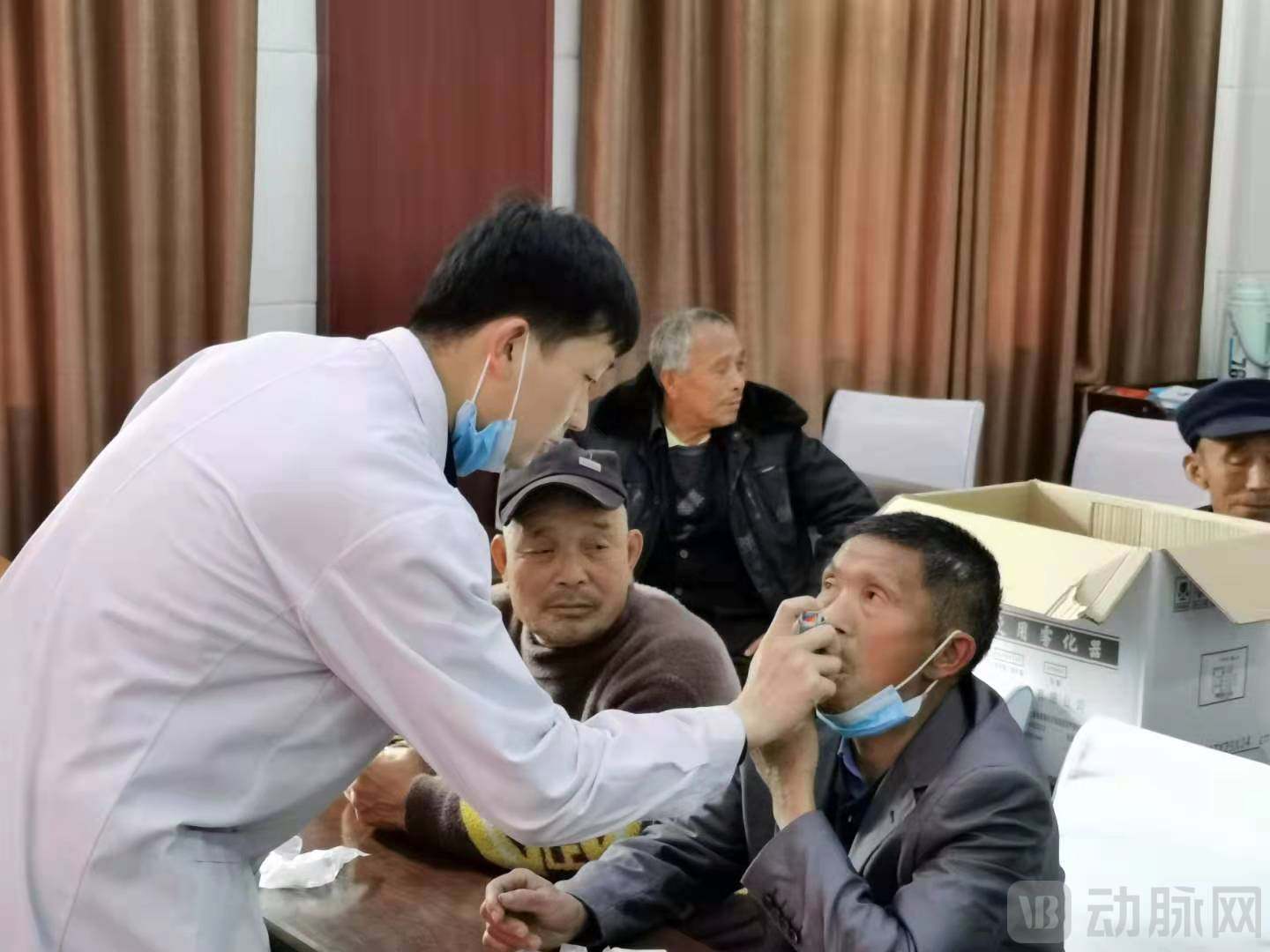
Standardized Management Throughout the Entire Disease CourseManagement。Prior to the project’s implementation, chronic obstructive pulmonary disease (COPD) management in Zhumadian City relied predominantly on diagnosis and treatment at large tertiary hospitals, with primary care institutions having relatively weak foundations in this area. Following the project’s launch, medical personnel at all levels across the city conducted COPD questionnaire screenings and spirometry tests within local communities. Through the “Qi Yi” intelligent disease management system, electronic health records have been established for nearly one million residents, questionnaire-based risk assessments have been performed for approximately 900,000 individuals, and spirometry has been carried out for high-risk patients identified through screening. Standardized diagnosis, treatment, and follow-up care have been provided according to the severity of the disease.
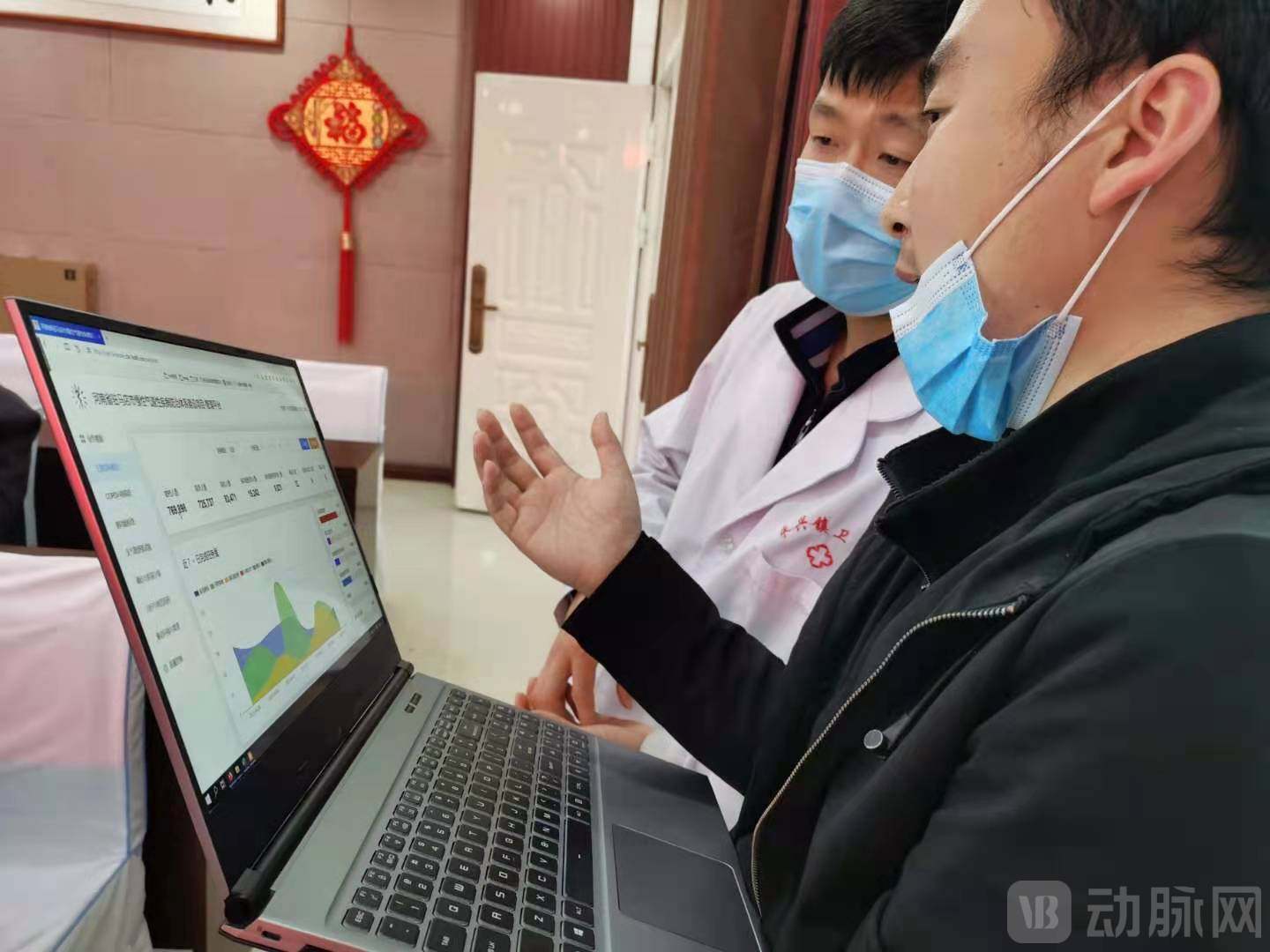
Finally, the establishment of a city-wide big data management platform.By integrating multi-channel medical data, Qiyi Medical assisted in building the big data platform for the Zhumadian City COPD Prevention and Control Center, establishing a closed-loop management model for COPD that covers screening, diagnosis, confirmation, treatment, and follow-up. This approach connects data from both physicians and patients, ensuring traceable disease management and providing data support for subsequent scientific research and policy formulation.
Over the past two years, through the tireless efforts of multiple parties, Zhumadian has not only created its own miracle but also summarized practical experience with significant value for implementation.The “Five Ones” Zhumadian Citywide Model: One series of government-issued documents; one standardized system for respiratory discipline development; whole-process management of chronic respiratory diseases for a population of one million; one supporting incentive mechanism for primary care physicians; and one citywide big data management platform.
As a practitioner of this initiative, Dr. Jia Mingyang, Deputy Director of Yongxing Township Health Center in Zhumadian City, remarked that the standardized management of chronic obstructive pulmonary disease (COPD) has significantly enhanced the diagnostic and treatment capabilities of the health center’s physicians. Internally, the medical and nursing team has shown heightened enthusiasm for work and learning, with markedly increased participation in case discussions and training programs. Externally, thanks to mature two-way referral tools, healthcare providers at the health center have more opportunities to communicate with doctors at higher- and lower-level institutions, leading to greater proficiency and synergy in collaborative care. Furthermore, patient trust in the health center has risen, with many individuals from other regions specifically traveling there to seek medical attention.
In just two years, the respiratory medicine department in Zhumadian City has evolved from obscurity into a new “calling card” for the city. Ms. Zhang Yan, Co-Founder and Marketing Director of Qiyi Medical, stated that this model represents a replicable, scalable, and sustainable approach to standardized whole-course management of chronic obstructive pulmonary disease (COPD), which is now being extended to multiple regions.
From the outset of the project, Qiyi Medical has been involved in the standardized management of chronic obstructive pulmonary disease (COPD) in Zhumadian.
Ms. Zhang Yan introduced that, under the guidance of an expert team, Qiyi Medical has innovatively developed a specialized disease management solution for Zhumadian City, featuring a “city-wide model + full-process management” approach. The company has also developed “Qiyi,” an intelligent disease management system that leverages artificial intelligence and digital innovations, integrated with smart hardware, to provide tools for respiratory disease risk screening, diagnosis and treatment, patient follow-up, and health management. These tools serve the Health Commission, hospital administrators, department heads, medical staff, and patients, and include service modules such as a SaaS management platform, data analytics, an out-of-hospital follow-up system, and a patient-facing interface.
Qiyi Medical possesses robust capabilities in medical scientific research,During the preliminary preparation phase,ItsOur expert team references the latest domestic and international disease guidelines,In-depth study of disease patterns,Strictly FollowNational Center for Respiratory MedicineProduct workflow design is based on established diagnostic criteria to ensure the medical rigor of the product.
In Product DesignDuring the process,From the perspective of user experience,Qiyi Medical: For the Management, Physician, and Patient PortalsDifferentUser DesignedMore Human-Centeredusage workflow and user interface.
For managers, the product ensures visibility into both processes and outcomes. For instance, managers can gain a clear overview of the macro-level progress of projects while also monitoring the status and smoothness of individual projects, facilitating subsequent guidance and follow-up. Furthermore, Qiyi Medical has invested substantial human and material resources in data security and has obtained the National Level 3 Classified Protection Certification, thereby safeguarding the security of its products.
During the design of the physician-facing platform, Qiyi Medical conducted in-depth field visits to grassroots medical institutions across Zhumadian, gaining insights into the clinical knowledge levels, daily work habits, and disease diagnosis and treatment workflows of village, township, and county-level physicians. This approach ensures that the product serves physicians effectively and enhances its practical utility.
Dr. Jia Mingyang shared some details about how primary care physicians use the intelligent disease management system “Qi Yi” to manage patients with respiratory diseases in their jurisdictions.
The “QiYi” intelligent disease management system features a minimalist and clear product design, with a clean and intuitive interface and user-friendly workflows. Users can perform risk assessments via questionnaires simply by opening the app on their smartphones. Upon completion of the questionnaire screening, the system wirelessly connects to pulmonary function testing devices via Bluetooth, facilitating physicians’ subsequent clinical procedures.
To facilitate standardized disease management for large-scale populations, Qiyi fully leverages artificial intelligence technology to automatically allocate tasks and deliver precise recommendations through backend logical computations. This approach optimizes resource allocation within the jurisdiction and enhances patient management. Meanwhile, it helps physicians rapidly acquire diagnostic and treatment skills for newly emerging diseases, standardizes clinical care protocols across physicians of different levels, and significantly improves service efficiency and quality.
During continuous operations,SystemService modules can be directly added, eliminating the need for redundant platform development.This is also attributable to Qiyi Medical’s meticulous upfront design, which enabled the creation of a platform characterized by high availability, strong scalability, and other key features.
When discussing areas for improvement in the project, both Ms. Zhang Yan and Dr. Jia Mingyang highlighted disease education. “Chronic obstructive pulmonary disease (COPD) has a slow progression, leading many to believe that it poses little harm; however, this is not the case. This is an ongoing effort that requires collaboration among all stakeholders to enhance the diagnostic and treatment capabilities of primary healthcare providers, continuously educate patients, and help them develop awareness of self-health management,” said Ms. Zhang Yan.
While primary care institutions have made progress in discipline development, enhancing the specialized clinical competencies of primary care physicians remains a significant and long-term challenge. Dr. Jia Mingyang noted that it is essential to expand learning opportunities for healthcare professionals and strengthen training programs to improve the diagnosis and treatment capabilities for respiratory diseases at township health centers and community health service centers. Only through such measures can the national tiered diagnosis and treatment policy—aiming for “minor illnesses treated within townships and major illnesses managed within counties”—be more effectively implemented.
At this stage, Qiyi is continuously expanding its service offerings, such as the training module launched in July, which addresses the challenges of conducting offline training under pandemic prevention and control measures.In the future, Qiyi Medical will simultaneously pursue two key initiatives: first, to further refine its products and optimize the user experience for physicians, while subsequently strengthening patient-facing promotion to encourage active patient participation in their own disease management; second, to gradually expand its scope from chronic obstructive pulmonary disease (COPD) to other respiratory conditions, such as asthma and lung cancer. Currently, this model is being rolled out in provinces including Henan, Shandong, Jiangsu, and Guangdong.
The “Zhumadian Model” is advancing by leaps and bounds. As an explorer and innovator of this model, Qiyi Medical has conducted in-depth research into disease patterns, gained insights into the needs of patients and physicians, and addressed core pain points in the diagnosis, treatment, and management of chronic respiratory diseases, thereby creating a replicable and reference-worthy innovative model for chronic disease management. We firmly believe that internet healthcare innovators, represented by Qiyi Medical, will unleash tremendous energy in driving industry progress and social development.