

SATOL Accelerator Files for IPO: A Clinical-Need-Driven Incubator Powering Over 50 MedTech Startups
Amidst the wave of “Mass Entrepreneurship and Innovation” in China, a large number of innovative enterprises and industrial incubators supporting these ventures have emerged.
Generally, industry incubators help entrepreneurs reduce startup risks and costs, thereby increasing the success rate of new ventures, by providing startups with physical space, financial support, and corresponding ancillary services. However, in today’s environment of rapidly accelerating technological iteration and market evolution, mere financial and spatial support is clearly insufficient to sustain the continuous development of life science startups.
Startups in the life sciences sector, in particular, often face greater challenges across key dimensions such as technological innovation, clinical needs, regulatory oversight, and funding security. How to orient development toward genuine clinical demands and achieve sustained organizational growth and product iteration by balancing technological innovation, regulatory compliance, and financial support has become a fundamental prerequisite for the long-term success of life science startups.
In this context, many life science incubators are contemplating how to help companies establish close ties with clinical practitioners, how to facilitate timely access to clinical needs, and how to assist companies in achieving R&D breakthroughs.
Shulan SATOL Accelerator, an industrial incubation platform under Shulan Junjie Capital, is one such example.
Established in 2016, the Shulan SATOL Accelerator is now located in the Liangzhu Life Science Town in Yuhang, Hangzhou. Covering an area of approximately 15,600 square meters, it is one of the core specialized accelerators in the pilot zone of Liangzhu Town.
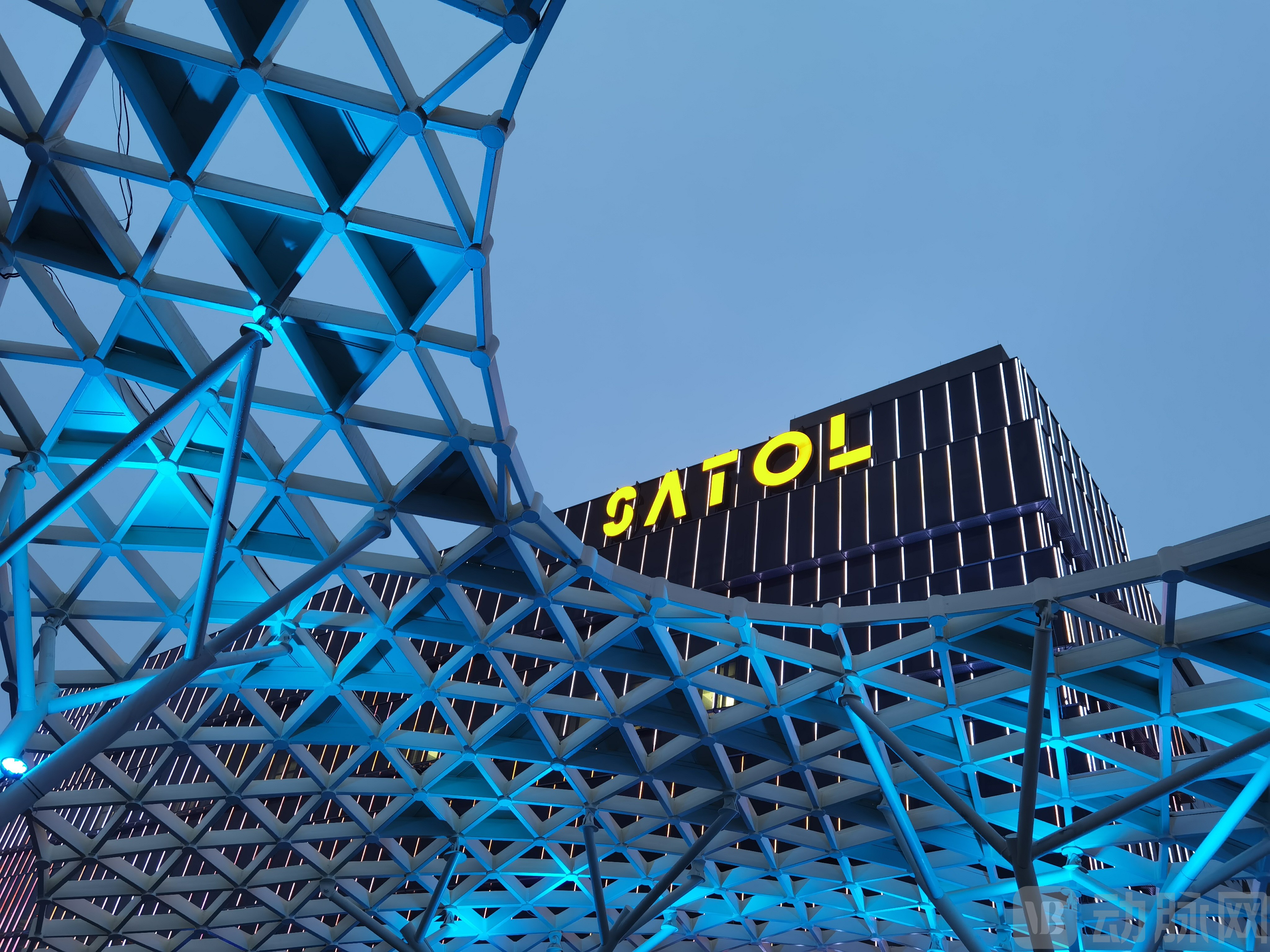
Leveraging the clinical resources connected by Shulan Medical Group, the Shulan SATOL Accelerator builds a multi-level, cross-disciplinary platform integrating medicine and engineering through three core businesses: research incubation, fund investment, and community services. It promotes the integrated development of life science technologies and clinical applications, supporting medical technology professionals in innovation and entrepreneurship.
To date, the Shulan SATOL Accelerator has successfully incubated more than 50 enterprises through talent placement, industry incubation, and policy introduction, including many high-quality companies in various niche sectors.
Why Did the Shulan SATOL Accelerator Choose to Settle in Liangzhu? What Is Its Incubation Logic? Which Niche Sectors Does It Focus On? What Substantive Support Can It Offer to Life Sciences Companies? And What Is the Future Evolutionary Direction of Industry Incubators? With these questions in mind, VCBeat interviewed Xu Dilong, Chairman of the Shulan SATOL Accelerator, in an effort to find answers.
In selecting its incubation focus, the Shulan SATOL Accelerator has chosen the life sciences sector, striving to become a specialized incubator that is small yet refined, and exquisite in its professionalism.
On one hand, with strong support from national policies, the life sciences sector has indeed delivered impressive performance in the capital markets.
According to VCBeat's "Global Healthcare Industry Capital Report for Q3 2021," buoyed by the strong IPO performance in 2020 and large-scale M&A transactions,In Q3 2021, the global healthcare and medical sector witnessed its highest quarterly financing growth in nearly three years, with total funding reaching a new single-quarter record of over RMB 179.6 billion. Biopharmaceuticals, healthcare informatics, Internet+Health, and in vitro diagnostics (IVD) emerged as the hottest investment themes globally, with the biopharmaceutical sector continuing to hold an absolute leading position.
Specifically, in Q3 2021, there were a total of 72 financing deals exceeding $100 million, with nearly half involving companies in the biopharmaceutical sector. In the case of financing deals at the tens-of-millions and millions levels, although biopharmaceutical enterprises still ranked first, their lead was marginal; digital health and medical device companies followed closely behind and were virtually on par with each other.
Since small-scale financing is typically concentrated in Series A and earlier stages, this indicates that capital remained closely focused on startups in the medical device and digital health sectors in Q3 2021.
“In the field of life sciences, many new technologies must undergo a lengthy process before they can truly enter the medical sector, facing numerous challenges along the way. These include determining whether there is a genuine clinical need, whether the technology can effectively meet that need, and addressing the high costs of trial and error during preclinical stages. Therefore, we conceived the idea of establishing a specialized incubator,” Xu Dilong revealed to VCBeat.
On the other hand, venturing into the life sciences sector is also a continuation of Shulan Medical Group’s original mission in healthcare delivery.
It is understood that Shulan Medical Group is a technology-driven healthcare conglomerate integrating health medical services, medical research, and medical education. While providing medical services, the group actively explores medical research in the field of life sciences and the translation of scientific achievements into practical applications. Focusing on the multidisciplinary convergence of “biology, medicine, engineering, and information,” it cultivates interdisciplinary talents centered on health medicine and constructs an integrated ecological closed loop encompassing “clinical practice, research, education, and industry.”
It is worth noting that ““Exploring Life” is itself one of the missions of Shulan Medical Group. The group’s abundant resources of clinical experts are capable of supporting the Shulan SATOL Accelerator in realizing its vision of promoting the integration of medicine and engineering in the life sciences sector.
“At that time, Shulan Healthcare Group had reached a relatively stable stage of development, with a clinical expert team of nearly 1,000 members. We believed that by leveraging the clinical expertise within Shulan Healthcare Group, we could foster close collaboration between researchers and clinicians, thereby accelerating the clinical translation of new technologies.”
Thus, the Shulan SATOL Accelerator was established, conducting research incubation and fund investment as a virtual incubator, until it settled in the Liangzhu Life Science Town in Yuhang, Hangzhou, in 2020.
Regarding the decision to establish a presence in Liangzhu Life Science and Technology Town, Xu Dilong cited three primary reasons: first, Shulan Medical Group is rooted in Hangzhou; second, its development philosophy aligns closely with that of Liangzhu and the broader health industry in Hangzhou; and third, Hangzhou offers significant policy and geographical advantages for the life and health industry.
For example, the Hangzhou Municipal Government has implemented relevant support policies in areas such as financial support, talent acquisition, investment promotion, and the application of innovative products:
In terms of financial support, rewards of RMB 1 million and RMB 2 million will be granted to enterprise projects for new drug development that newly enter Phase II and Phase III clinical trials, respectively; for new drugs that obtain national new drug registration certificates and achieve industrialization in Hangzhou, a reward of RMB 10 million per variety will be provided for Class I new drugs, and RMB 5 million per variety for Class II and Class III new drugs, among others.
In terms of talent acquisition, in alignment with the transformation needs of the biopharmaceutical industry, a catalog of urgently needed and scarce industrial talents has been compiled, and incentive mechanisms for recruiting and cultivating innovative entrepreneurial teams in new drug development have been improved.
In terms of investment promotion, we will vigorously attract leading enterprises and provide key support to global top 500 pharmaceutical companies, central state-owned enterprises, and biopharmaceutical companies listed on the main board that establish headquarters, regional headquarters with independent legal person status, branch offices, R&D centers, or production bases in Hangzhou.
“Yuhang’s locational advantages are quite pronounced, and it offers robust policy support for technological innovation along with a favorable business environment. Therefore, we ultimately chose to establish our accelerator in Liangzhu, Yuhang.”
The establishment of the Shulan SATOL Accelerator can introduce higher-quality projects to the Liangzhu Life Science Town, diversify its business ecosystem, and promote the translation of scientific research achievements into clinical applications.
During the interview, "clinical needs" was a term that Xu Dilong consistently emphasized.
This is evident from the areas of focus and the companies incubated by the Shulan SATOL Accelerator.
In terms of focus areas, the Shulan SATOL Accelerator concentrates on integrating life sciences with real-world clinical needs, primarily targeting precision diagnostics, innovative therapies, and research services driven by medical big data.
From a more granular perspective, in the field of precision diagnostics, the Shulan SATOL Accelerator focuses primarily on clinical mass spectrometry, molecular diagnostics, and microbiome testing. In the realm of innovative therapies, its key areas of interest include cell therapy, digital therapeutics, minimally invasive techniques, and biomaterials. In the sector of healthcare big data, the accelerator’s primary focus covers drug discovery, antibody development, and biological design.
It is evident that clinical mass spectrometry, cell therapy, and biological design have already brought or are currently bringing transformative changes to the field of medicine, representing promising sectors poised to effectively address clinical needs.
From the perspective of incubated enterprises, those that align with clinical needs and hold genuine promise for addressing them are more likely to gain favor from the Shulan SATOL Accelerator.
Taking Zhejiang Shengchuang Precision Medicine Technology Co., Ltd. as an example, it is a national high-tech enterprise that focuses on the research and development of menstrual blood stem cell drugs and holds independent intellectual property rights for its proprietary menstrual blood stem cell technology in China.
In 2016, Shulan Junjie Capital assisted the founding team in transitioning to corporate operations and made an equity investment, actively promoting its clinical research and new drug applications.
As of now, Zhejiang Shengchuang Precision Medicine Technology Co., Ltd. has established a professional advisory team comprising multiple renowned experts and dozens of clinical specialists. The company has collaborated with nearly 20 Grade A tertiary hospitals, undertaken research topics and related tasks for 10 national, provincial, and municipal key R&D projects, and has been approved to establish the Hangzhou Regional Cell Preparation Center. Meanwhile, its investigational stem cell injection for the treatment of idiopathic pulmonary fibrosis has officially entered Phase I clinical trials and has received support from the National Science and Technology Major Project on “Major New Drug Development.”
“The mission of the Shulan SATOL Accelerator is to promote the integration of medicine and engineering. Therefore, our incubation logic starts with addressing genuine clinical needs,” stated Xu Dilong. “Our greatest strength lies in our ability to identify technology teams that can truly solve clinical problems and empower them with effective clinical resources and industrialization support.”
Research incubation, fund investment, and community services are the three core business segments of Shulan Accelerator.
In terms of research incubation, the Shulan SATOL Accelerator primarily provides enterprises with services such as talent acquisition and R&D support.
“In terms of talent acquisition, we first review leading domestic and international journals. If we identify outstanding individuals, we proactively reach out to establish contact, assess the potential for effective communication, and recruit them into our incubation projects. We then facilitate their engagement with clinical experts and actively promote the clinical translation of their academic achievements,” said Xu Dilong.
In addition, the Shulan SATOL Accelerator has co-established laboratory platforms with high-quality incubated enterprises, providing them with laboratory technicians, experimental equipment, and testing facilities.
AndIn terms of fund investment, VCBeat has learned that the technology funds under Shulan Junjie Capital have completed the establishment of one seed fund and two venture capital (VC) funds. To date, it has invested in a portfolio of high-quality enterprises in fields such as genetic testing, gene editing, cell therapy, microbiome, DNA synthesis, precision oncology, medical artificial intelligence, and novel medical materials.
“When a project is still in the seed stage, we provide it with certain startup capital through our seed fund. At this stage, our investment actually carries a public-welfare attribute,” said Xu Dilong.
AndRegarding the selection of investment targets, Xu Dilong stated that for early-stage projects, the Shulan SATOL Accelerator focuses primarily on whether they can address genuine clinical needs, the likelihood of achieving this, and the implementation timeline. The emphasis lies on assessing the comprehensive capabilities of the R&D team and the opportunities within the specific sector.
Community services mainly consist of three components: the World Life Science and Technology Conference, the SATOL Life Science and Technology Innovation and Entrepreneurship Competition, and the SATOL Future Medical Technology Leaders Camp, with a more pronounced public welfare orientation.
Specifically, the World Life Sciences Conference is an event dedicated to promoting the integration of life sciences with clinical medicine and health entrepreneurship. Centered on bringing together the brightest minds from the global medical, scientific, and industrial communities, the conference focuses on the “life and health” sector. It showcases collaborative and innovative achievements by scientists worldwide in this field, while fostering multidisciplinary convergence across biology, medicine, engineering, and information technology, as well as deepening industrial development.
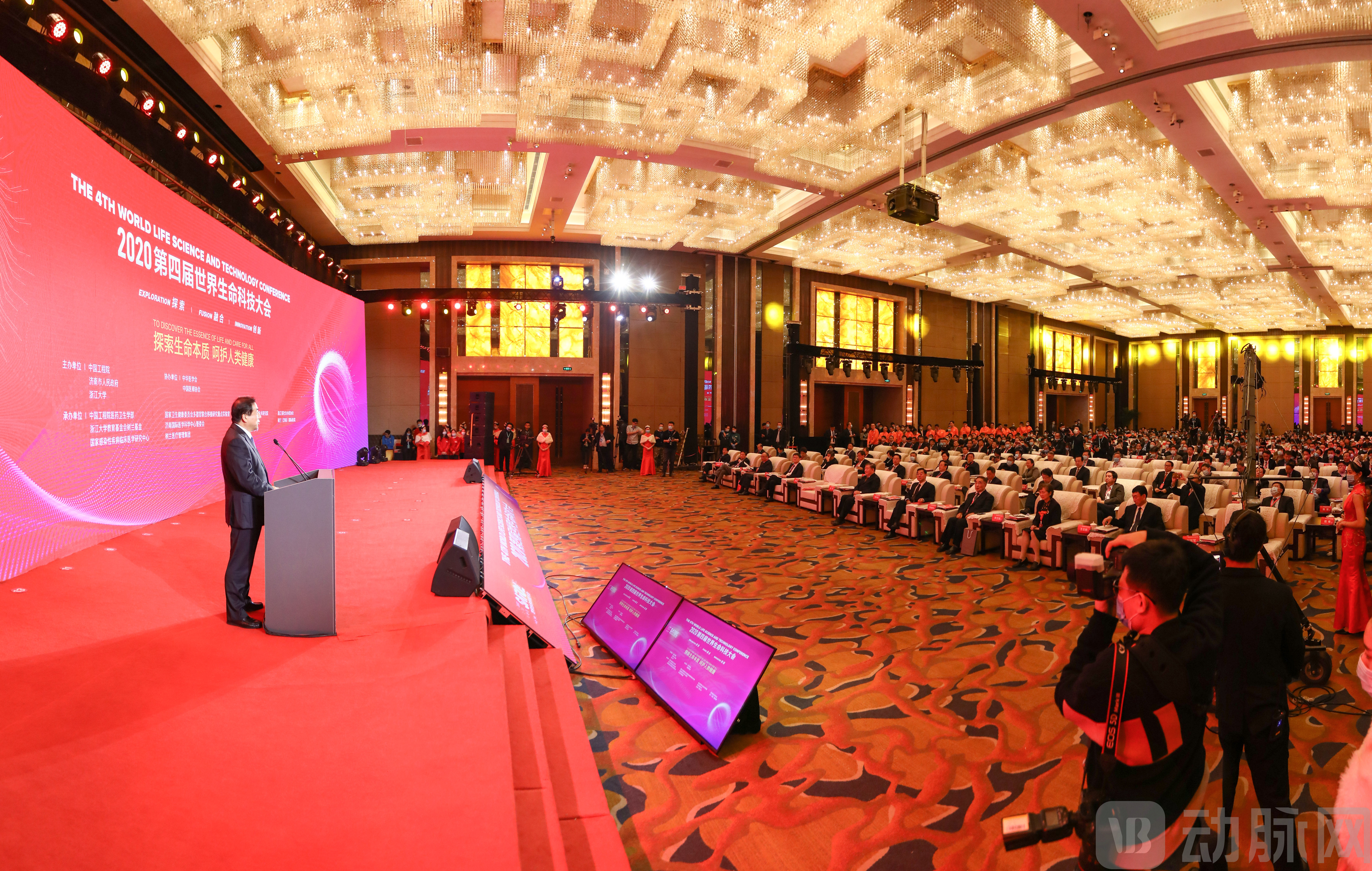
To date, the World Life Science and Technology Conference has been successfully held four times,2021 World Life Science and Technology Conference to Be Held at Liangzhu Mengqi Town from November 19 to 21
VCBeat has learned that the 2021 World Life Sciences Conference invited numerous distinguished experts from specialized fields to attend. The conference featured nine sub-forums, including the International Hepato-Pancreato-Biliary and Organ Protection Summit, the International Forum on Infection and Microecology, the Forum on Innovation in Intelligent Orthopedics Development, and the High-Level Forum on Digital Health and the Internet, among others. These sessions focused on cutting-edge industry trends and collaboratively mapped out a blueprint for sector development.
Furthermore,The 2021 World Life Science and Technology Conference saw upgrades compared to previous editions, particularly in the number of experts and agenda setting.
“First, due to the impact of the pandemic, this conference will primarily adopt an online participation format, thereby reaching a broader audience. Second, the number of invited experts is greater than in previous years. Third, hosted by the Hangzhou Municipal Government, this year’s conference is of a higher caliber than its predecessors. Fourth, the agenda will place greater emphasis on discussions regarding the clinical application of innovative technologies,” Xu Dilong told VCBeat.
The Smart Liangzhu 2021 · SATOL (China) Life Science Technology Innovation and Entrepreneurship Competition was successfully held on October 23–24, 2021. This competition has been successfully held for five editions.
The competition has invited top-tier domestic investment institutions, clinical experts, and industry leaders to form a judging panel, facilitating precise and efficient matchmaking and communication between project teams and investors. This initiative aims to accelerate their growth and attract high-quality innovative ventures to establish themselves in the Hangzhou region.
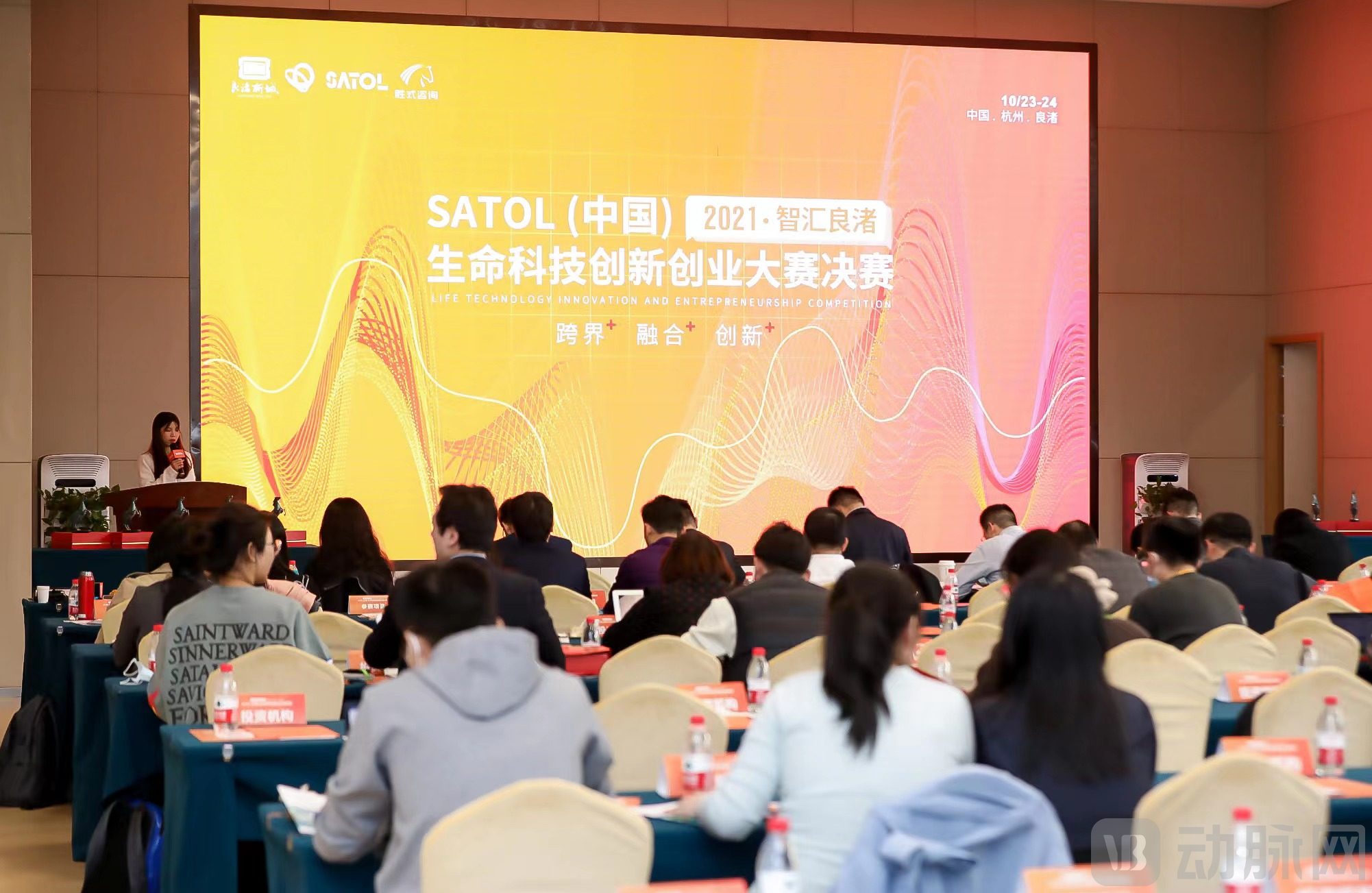
Notably, companies that made the list in the first four editions of the Life Science Technology Innovation and Entrepreneurship Competition have all demonstrated strong fundraising capabilities and secured capital support in subsequent stages.
“We initiated this competition with the aim of building a bridge between capital and projects, enhancing opportunities for communication and exchange, and providing participating companies with a platform to showcase their value,” said Xu Dilong. “For us, this is entirely a public welfare endeavor.”
Furthermore, the interview with Xu Dilong coincided with the recruitment phase for the inaugural SATOL Future Medical Technology Leaders Camp.
The course features mentors such as resource integration experts, professionals with established management mindsets, partners from renowned investment firms, and leaders from industry-leading enterprises, helping entrepreneurs reevaluate their business development paths and thereby address entrepreneurial challenges.
“Throughout the growth journey of life science and technology enterprises, it is essential to continuously address challenges such as technological innovation, organizational iteration, regulatory compliance, and financial security. Therefore, from clinical needs assessment to clinical trial strategy, from intellectual property management to competitive dynamics, and from market promotion to capital acquisition, entrepreneurs must continually enhance their professional expertise and comprehensive capabilities to mitigate startup risks,” disclosed Xu Dilong. “This is the original intention behind our establishment of the Leadership Camp.”
“At present, the enterprises we incubate still rely heavily on physical spaces. However, with the continuous advancement of policies and regulations, as well as ongoing breakthroughs in medicine and digital technologies, the form of incubators will inevitably evolve,” summarized Xu Dilong.“The form of future incubators will undoubtedly become increasingly virtual, no longer relying solely on a physical space or entity. It will evolve into a comprehensive organizational system, centered around technological advancements in the medical field, and develop towards a direction of sharing and symbiosis.”