So-Young Releases Survey on High-Net-Worth Individuals in Aesthetic Medicine: Over 60% of Consumers Fall Victim to 'Price Discrimination via Personal Connections'
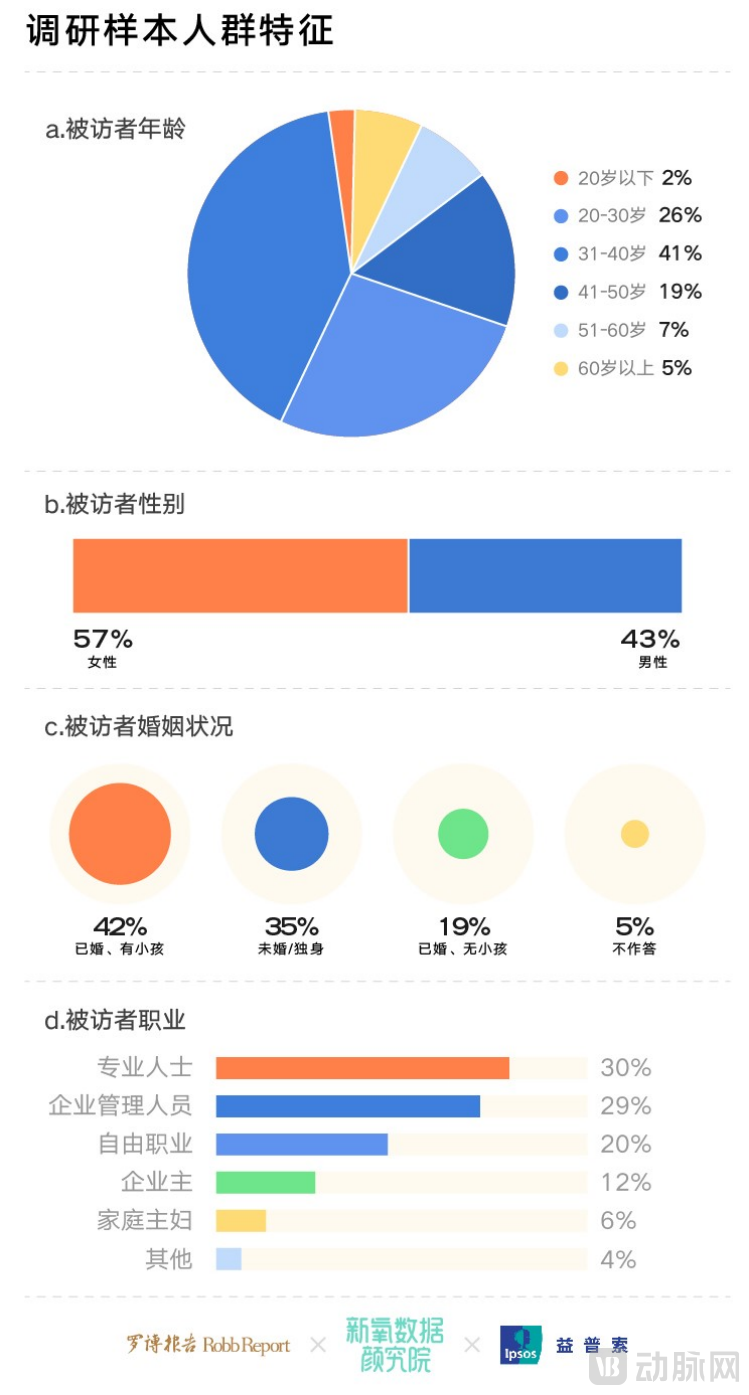
On November 15, SoYoung Data Yanjiuyuan, in collaboration with Robb Report and Ipsos, jointly conducted a survey and released the “2021 White Paper on Quality Living.” The study targeted Robb Report readers, China’s high-net-worth individuals, and related stakeholders, incorporating medical aesthetics consumption into its scope for the first time to reveal the attitudes and trends of high-net-worth individuals toward medical aesthetic procedures.
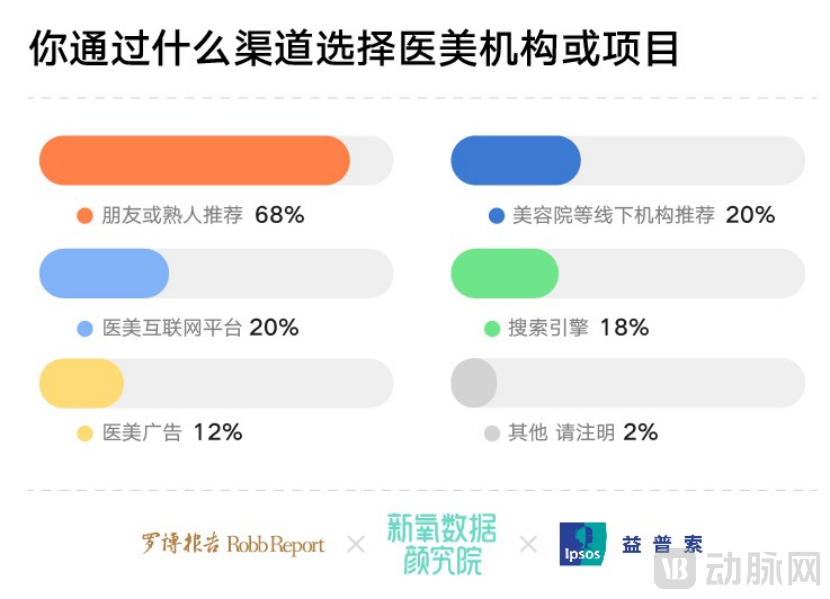
Surveys indicate promising growth in the medical aesthetics consumption market among high-net-worth individuals. Among the high-net-worth respondents, 44% had no prior experience with medical aesthetic services, while 22% expressed interest in such services. Over 60% of respondents chose medical aesthetic institutions based on “referrals from acquaintances or friends.” This irrational decision-making factor not only creates opportunities for exploitative practices targeting existing customers but also underscores the value of professional and safe medical aesthetics platforms.
With the comprehensive realization of a moderately prosperous society, the medical aesthetics market is gradually flourishing, and public acceptance of medical aesthetic consumption is rising significantly. Survey results indicate that high-net-worth individuals exhibit slightly lower acceptance of medical aesthetics compared to the general population. Only about 18% and 30% of respondents reported being “fully accepting” and “accepting” of medical aesthetic procedures, respectively, while approximately 38% chose “neutral,” indicating a wait-and-see stance.
Meanwhile, the future acceptance of medical aesthetics among high-net-worth individuals is promising. Data shows that 56% of high-net-worth individuals have experienced medical aesthetic procedures. Among the 44% who have not, 22% express an intention to try medical aesthetic services. Combined, current and potential users of medical aesthetics account for over 70%.
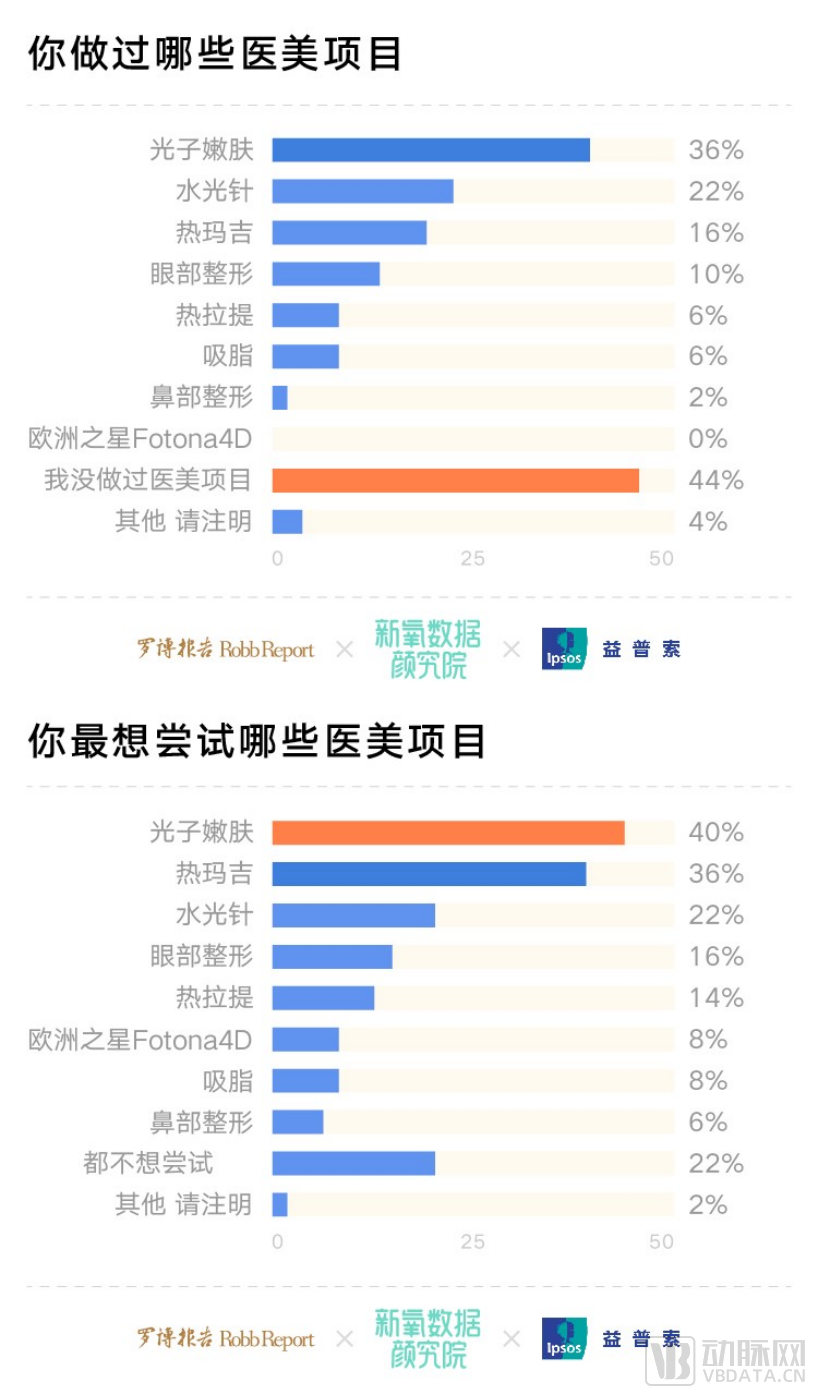
Regarding specific demand for medical aesthetics, respondents showed a stronger preference for non-invasive procedures. Photorejuvenation and Thermage were the most favored, ranking first and second, respectively, in terms of consumption willingness among high-net-worth individuals, accounting for 40% and 36% of the total.
This survey also examined respondents’ expenditure on medical aesthetics. Despite their substantial wealth, high-net-worth individuals tend to be relatively “conservative” in their spending on medical aesthetic treatments: over 52% report annual expenditures below RMB 10,000, and 90% spend less than RMB 50,000 per year. The market for medical aesthetic services among high-net-worth individuals still holds significant growth potential.
In actual aesthetic medicine consumption, high-net-worth individuals’ understanding and discernment capabilities still require improvement. Surveys show that 68% of respondents choose aesthetic medicine institutions based on recommendations from friends or acquaintances. Even among high-net-worth individuals, who generally have higher education levels and extensive social experience, decision-making in actual aesthetic medicine consumption is easily influenced by various subjective and external factors. The popularization and enhancement of scientific awareness in aesthetic medicine consumption remain a long and arduous task.
Professor He Zhaohua of Beijing United Lige First Hospital warns that referrals through acquaintances often prioritize personal interests, with insufficient attention paid to the technical expertise and qualifications of medical institutions; therefore, patients are advised to exercise caution. Furthermore, informal third-party referral channels pose risks of personal data leakage.
From the perspective of specific considerations, complete institutional licensing, authenticity of pharmaceuticals and medical devices, and the reputation of both institutions and physicians are the three most valued factors among high-net-worth individuals, all of which directly relate to “the safety of aesthetic medicine consumption.” Furthermore, in a survey on “which approach is safest in aesthetic medicine consumption,” more than half of the respondents believed that institutions whose information has been thoroughly verified for authenticity—through searches on major platforms, verification by professional aesthetic medicine platforms, and certification by government authorities—are the safest.
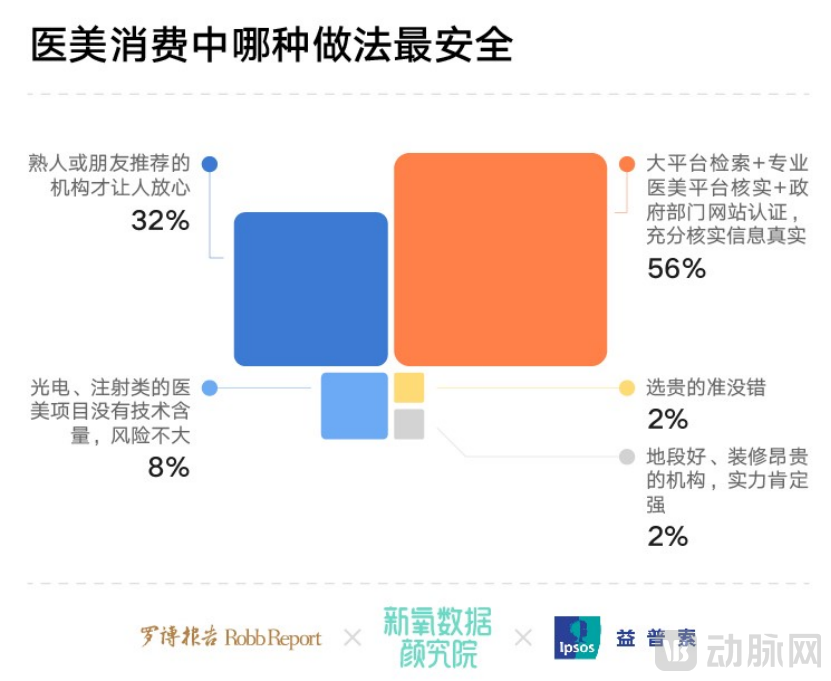
This data indicates that while the majority of high-net-worth individuals possess an awareness of safe medical aesthetic consumption, they still rely primarily on recommendations from friends and acquaintances when making actual choices. This discrepancy between stated beliefs and actions highlights that although these individuals have some understanding of safety in medical aesthetics, their knowledge remains superficial and has not been accorded the importance it deserves. For the current medical aesthetics industry, consumer safety education must continue, as achieving alignment between knowledge and practice will take time.
Irrational choices in medical aesthetics consumption decisions among high-net-worth individuals are often driven by two factors. First, there is information asymmetry between medical aesthetics institutions and consumers. Second, even with a certain level of industry knowledge, the decision-making process is inevitably influenced by marketing strategies. Against this backdrop, referrals from acquaintances and friends, which involve more subjective factors, have become the most feasible source for decision-making. This further underscores the necessity of ongoing consumer education.
In March 2021, So-Young released the Chinese medical aesthetics industry’s first popular science guide to avoiding pitfalls, ushering in a new era of systematic consumer education for medical aesthetics. Since then, So-Young has continued to launch specialized editions of its “Guide to Avoiding Pitfalls in Medical Aesthetics Consumption,” including volumes on eye and nose procedures and fat-related treatments. These guides provide corresponding recommendations across dimensions such as pricing, service quality, and physician qualifications, offering consumers professional information and consumption warnings.
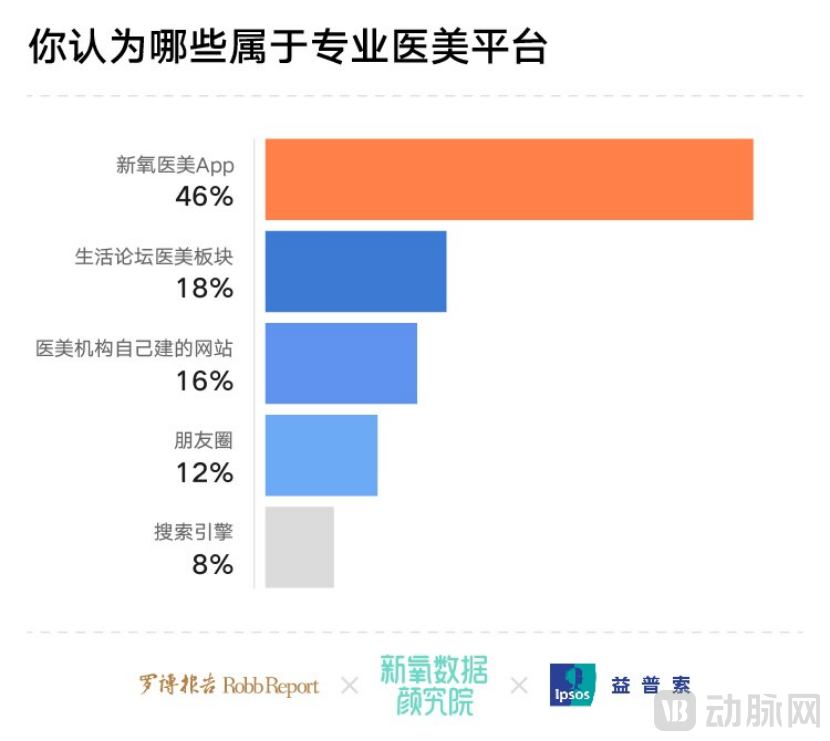
A survey shows that 46% of respondents consider the So-Young Medical Aesthetics App to be a more professional medical aesthetics platform.