

Soyoung Launches 'Hundred Cities, Thousand Stores' Initiative to Promote Authentic Aesthetic Products
On November 17, VCBeat exclusively learned that, to continue supporting the use of authentic, officially distributed products in China’s medical aesthetics industry, China’s leading integrated medical aesthetics service platformSoYoung Technology has internally launched its “100 Cities, 1,000 Stores” initiative, introducing a comprehensive B2B2C support program for upstream brand owners. By joining forces with platform operators, brand manufacturers, and certification bodies, the company aims to co-create a healthy, sustainable ecosystem for authentic, non-surgical medical aesthetic services.
Under the plan, So-Young will rigorously select premium leading upstream manufacturers, offering them and their certifying bodies high-quality onboarding benefits and continuous operational support. This initiative aims to help manufacturers rapidly increase the online penetration of authentic branded products, enhance brand premium capabilities, strengthen consumer recognition of product authenticity, and provide promotional traffic support both on and off the So-Young platform. Through this tripartite collaboration, a genuine medical aesthetics ecosystem will be established.
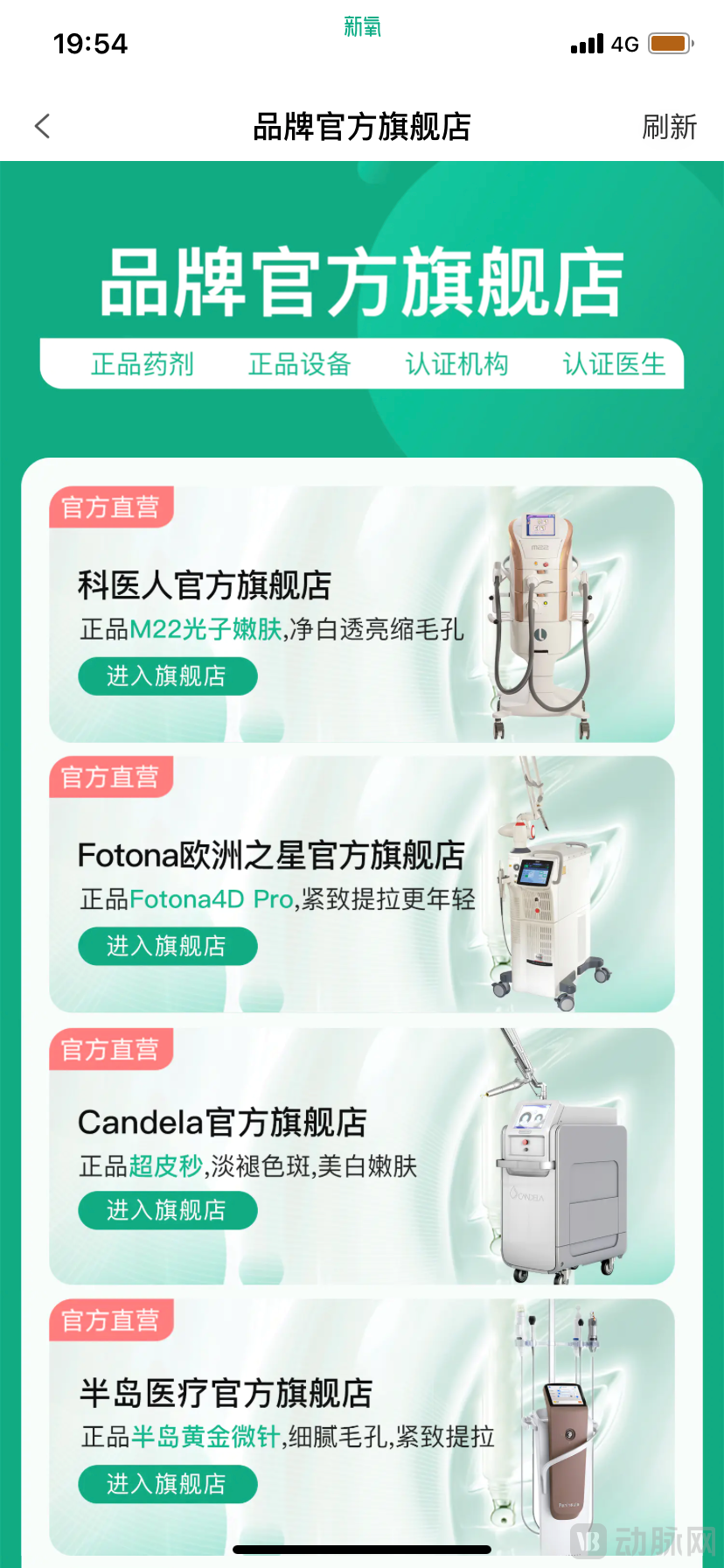
As of now, the official brand flagship stores on the So-Young platform have attracted 11 energy-based device brands to join, covering all leading companies in the energy-based device sector, such as Fotona, Lumenis, Candela, Alma Lasers, Cynosure, and Qizhi Laser (listed in no particular order). Additionally, 13 pharmaceutical product brands have joined the platform, building a communication bridge between brand manufacturers and end consumers.
For manufacturersBy joining So-Young’s “100 Cities, 1,000 Clinics” initiative, brands can enhance the online penetration of their authorized institutions, increase the proportion of authentic products associated with their brand online, strengthen brand premium capabilities, and acquire more users seeking genuine offerings. Upon enrollment, brand manufacturers effectively establish an internet-based hub for authentic, officially distributed products, enabling rapid, large-scale acquisition of end consumers. Objectively, this enhances the long-term sustainability of their business operations.
After all, if a brand wants to reach a broader consumer base, it must establish effective communication channels with end consumers.
YesFor medical aesthetic institutions,, it also lowers the entry threshold for manufacturers’ certified authentic institutions to join the platform, enabling them to access premium benefits. Furthermore, So-Young will provide ongoing operational support to ensure these institutions achieve efficient customer acquisition on the So-Young platform.
For example, So-Young has developed exclusive support policies for it, including So-Young Standard Session Cards, multiple e-commerce Standard Session Cards, one-click submission via the So-Young backend, and So-Young self-operated services. Meanwhile, So-Young provides growth support opportunities for new institutions, comprehensive guidance on merchant operations, operational task strategy guides, high-value benefit rewards, e-commerce training courses, and regular data review and diagnostics.
For consumersOn the official brand flagship store of the So-Young app, users can clearly view information on authentic pharmaceuticals, genuine devices, accredited institutions, and certified physicians. This not only resolves the passive position caused by past information asymmetry but also allows consumers to directly access star products with authenticity guarantees and services from high-quality accredited institutions through the medical aesthetics platform, thereby creating an inherent protective barrier for their medical aesthetic consumption.
In a nutshell, the “100 Cities, 1,000 Clinics” initiative has effectively established connections among medical aesthetics consumers, brand manufacturers, and authentic product certification bodies, enabling consumers to access high-quality, guaranteed medical aesthetics services—a critical component for the healthy development of the medical aesthetics industry.
The Market Size of Light Medical Aesthetics Approaches 80 Billion Yuan
According to research data from iiMedia Research, the market size of China's non-surgical medical aesthetics industry was RMB 54.5 billion in 2020, and is projected to reach RMB 79.8 billion this year.
"Light medical aesthetics" refers to skin management procedures performed through non-surgical medical methods. Currently, the term broadly encompasses cosmetic treatments such as laser therapy, biotechnology-based treatments, chemical peels, injectable fillers, and radiofrequency therapy.
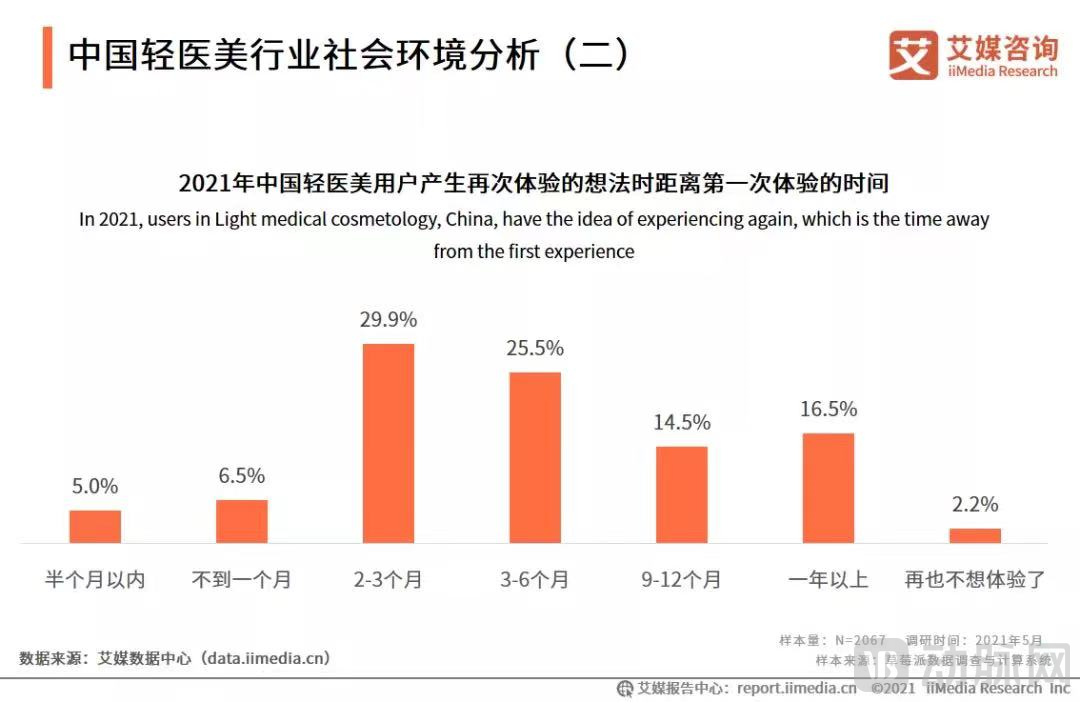
As minimally invasive aesthetic procedures primarily involve skincare and cause minimal trauma, they offer relatively quick recovery times, leading to their growing popularity in the market. According to research, 29.9% of users consider repurchasing within two to three months after their first minimally invasive aesthetic treatment, while over 10% entertain thoughts of repeat purchases within one month, indicating a significant “addictive” nature associated with these procedures.
Furthermore, over 90% of non-surgical aesthetic medicine consumers choose to share their consumption experiences, with more than 40% doing so online, making it the primary channel for the widespread dissemination and peer recommendation of aesthetic medical services.
As pandemic prevention and control become normalized and the economy recovers, the medical aesthetics industry is poised for a rebound in pent-up demand, with non-surgical medical aesthetics emerging as a key growth driver. Meanwhile, strengthened industry regulation, rising consumer purchasing power, shifting perceptions toward medical aesthetics, and breakthroughs in R&D and technological capabilities by leading domestic non-surgical medical aesthetics companies are set to fuel explosive growth in this sector.
90% of Equipment in Illegal Medical Aesthetic Clinics Is Counterfeit
A recent report titled “2021 China Medical Aesthetics Anti-Aging Consumption Trends Report,” jointly released by Xinhua Finance, a subsidiary of Xinhua News Agency, and SoYoung Data Yanjiuyuan, shows thatIn 2020, energy-based device treatments and injectable procedures accounted for a significant share of the total market size for non-surgical minimally invasive aesthetic medicine, reaching 42.80% and 42.50%, respectively. The majority of these were anti-aging aesthetic treatments, such as intense pulsed light (IPL) skin rejuvenation and mesotherapy injections (e.g., skin boosters).
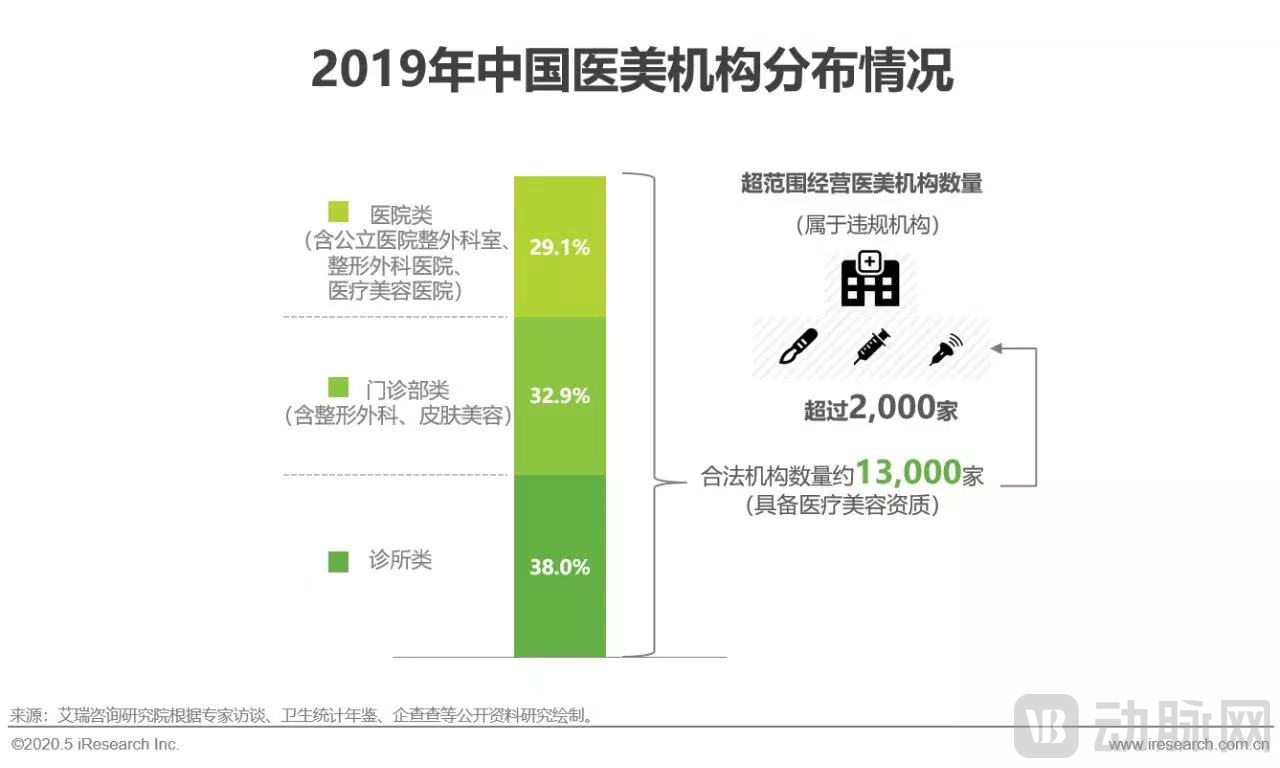
However, according to the “White Paper on Insights into China’s Medical Aesthetics Industry 2020,” due to the high cost, strong monopoly, and strict regulation of legitimate energy-based devices, only 33.3% of injectable products circulating in the market are authentic. More than 90% of medical aesthetic devices circulating in illegal medical aesthetic establishments are counterfeit, with less than 10% being genuine or parallel-imported products that have entered the market through multi-tier leasing or smuggling—a situation starkly contrasting with that of licensed medical aesthetic institutions.
If consumers rashly choose illegal medical aesthetic institutions for photoelectric medical aesthetic procedures, they may at best see no results and lose money, or at worst suffer permanent harm.
It is evident that for the medical aesthetics ecosystem to develop in a virtuous cycle, effective, authentic, and reliable information communication channels are urgently needed for non-surgical aesthetic consumption.
Self-Regulation in the Medical Aesthetics Industry Is Urgently Needed
Amidst the chaos in the medical aesthetics market, a series of regulatory policies have been sequentially introduced by relevant authorities, accompanied by stringent centralized enforcement campaigns. As the market undergoes a natural selection process, non-compliant small and medium-sized medical aesthetics institutions will be gradually phased out, paving the way for stronger growth among legitimately operated service providers.
SoYoung has also spearheaded industry self-regulation initiatives, urging self-oversight across the entire medical aesthetics supply chain through multi-stakeholder participation and collaborative supervision, thereby comprehensively establishing a “firewall” against the black market in the medical aesthetics industry.
For instance, this September, So-Young released China’s first “Non-Surgical Aesthetic Medicine Ranking.” All products included in this list have been approved by the National Medical Products Administration (NMPA), and currently cover areas of concern to aesthetic medicine consumers.Mesotherapy, Photoelectric Skin Rejuvenation, Device-Based Anti-Aging, Injectable AestheticsFour major categories, further refined into 24 specific scenarios such as IPL skin rejuvenation and hyaluronic acid injections for neck wrinkles.
In fact, thanks to the joint efforts of multiple stakeholders, China’s medical aesthetics industry has achieved phased results in its self-regulatory initiatives; however, the path toward effective industry governance remains long and arduous.
Platform + Manufacturers + Institutions Jointly Building a Healthy Light Medical Aesthetics Ecosystem
Uneven Profit Distribution in the Light Medical Aesthetics Industry Chain: Upstream Companies Enjoy High Gross Margins, with Raw Material Manufacturers Such as Hyaluronic Acid and Botulinum Toxin Standing Out; Meanwhile, the Midstream and Downstream Sectors Are Fragmented with Low Concentration, Making Them More Prone to Issues Like Inconsistent Service Quality and False Advertising.
As the “100 Cities, 1,000 Clinics” initiative is further implemented, So-Young will continue to leverage this program to build a communication platform among manufacturers, certification bodies, and consumers. By joining forces with more upstream medical aesthetic brands and its own certification agencies, So-Young is committed to promoting awareness of authentic devices, pharmaceuticals, and consumables, thereby further safeguarding the legitimate rights and interests of aesthetic seekers.
Notably, as So-Young’s platform empowerment strategy undergoes iterative upgrades, thousands of brand-certified institutions are expected to join the So-Young platform in the future.Platform + Brand Manufacturers + Certification BodiesThe three parties will jointly build a healthy and sustainable ecosystem for authentic, minimally invasive aesthetic services, breaking down information asymmetries and price barriers in the medical aesthetics industry.
Under the combined influence of industry regulation, institutional self-discipline, and platform empowerment,The non-surgical medical aesthetics industry will evolve toward digitalization, branding, and standardization, ultimately ushering in an era of safety, accessibility, and wellness for consumers.