

Proxinse Medical: Innovating with 3D Electronic Laparoscopes and Optical 3D Technology to Advance the Industry
Recently, Bosheng MedicalThe 3D Full HD electronic laparoscope has received approval from the National Medical Products Administration (NMPA) and is now officially launched on the market. Previously, Bosheng Medical’s independently developed 4K Ultra-HD endoscopic camera system was approved for market release in August 2021.
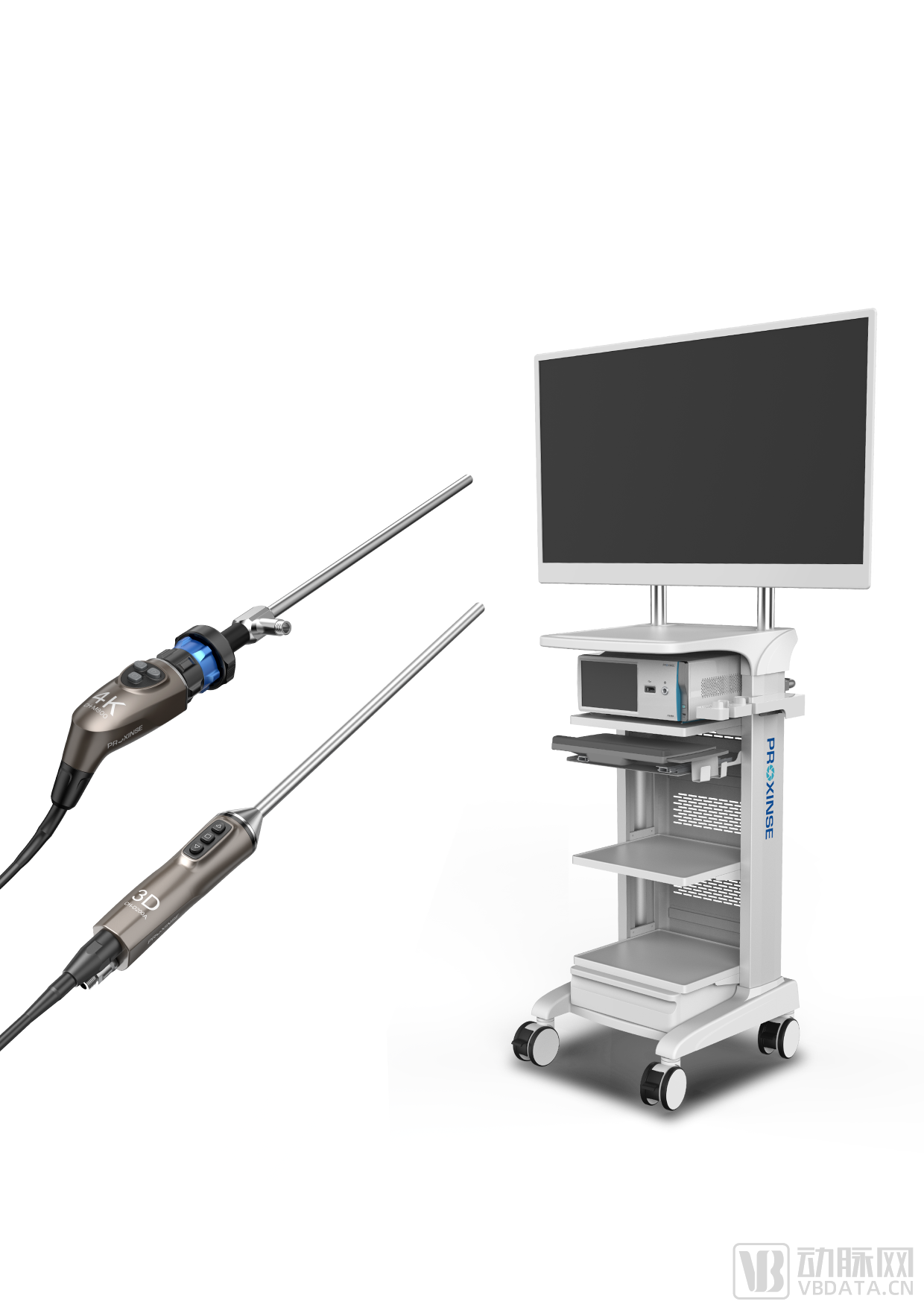
The successive approvals of 4K ultra-high-definition endoscopes and 3D high-definition electronic laparoscopes signify that Bosheng Medical has mastered the most advanced technologies in the field of endoscopy, including 4K and 3D, and that its product quality has been recognized by the National Medical Products Administration.
According to available information, Bosheng Medical was founded in 2017 and is a national high-tech enterprise dedicated to the research and development, manufacturing, sales, and service of innovative products in the field of minimally invasive surgery. Currently, Bosheng Medical has launched an integrated medical endoscopic camera system with full independent intellectual property rights, which fully supports 4K ultra-high-definition endoscopes, 3D full-HD electronic laparoscopes, and other devices.
Shenzhen Bosheng Medical Technology Co., Ltd. stated, “Leveraging independent research and development and technological innovation, the image quality and safety of our endoscopic products have reached an internationally leading level, and we have obtained multiple national technical patents.”
According to the "2021 Endoscopy Innovation Trends Report" released by VCBeat: Driven by multiple factors including policies, enterprises, technology, and patient demands, China's endoscopy industry is accelerating its development. In 2019, the market size of endoscopes in China was RMB 22.5 billion, and it is expected to grow to RMB 42.3 billion by 2024.
Currently, domestic endoscope manufacturers are planning to leverage technological innovation to overtake competitors and capitalize on localized advantages to provide superior distribution channels and services, thereby gradually capturing market share.
For example, the 3D full-HD electronic laparoscope launched by Bosheng Medical has driven the development of the medical industry and gained clinical recognition through its technological advantages and high-quality imaging.
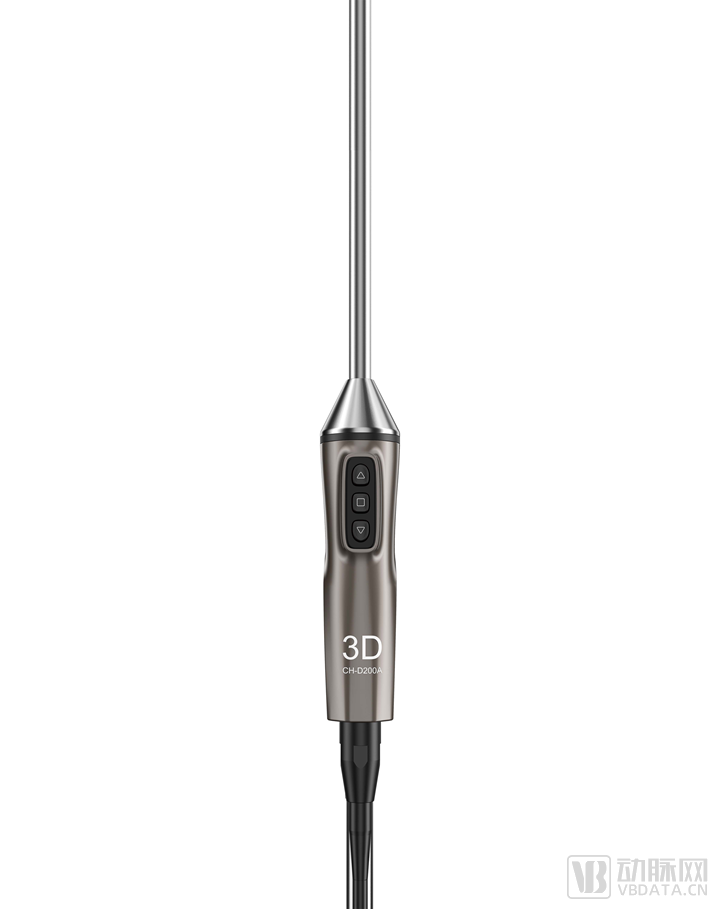
Zhang Yu, co-founder of Bosheng Medical, stated: “Traditional endoscopes display 2D images that only show flat visuals and cannot present the natural depth of objects. During procedures, physicians must rely on factors such as scope movement, the size of anatomical structures, linear perspective, and texture gradients to judge depth perception. Mastering these techniques requires extensive practice.”Compared with traditional 2D endoscopes, 3D endoscopes enhance the surgeon’s spatial perception by providing stereoscopic images, resulting in a clearer surgical field and more distinct anatomical layers, thereby overcoming the limitations of 2D endoscopy to some extent.”
Furthermore, compared with traditional 2D endoscopes, 3D endoscopes enhance depth perception in the surgeon’s visual field through stereoscopic three-dimensional imaging, facilitating clear identification of tissue layers and improving surgical precision.. Taking laparoscopic gastrectomy as an example, the challenges lie in the frequent changes of surgical scenarios, complex anatomical planes, and numerous vascular variations, which lead to a higher risk of intraoperative bleeding. The use of 3D laparoscopy provides higher local magnification of the operative field, along with enhanced stereoscopic depth and layering perception. This enables more precise surgical maneuvers and effectively helps avoid some bleeding-prone situations commonly encountered during 2D laparoscopic radical gastrectomy.
Leveraging the three-dimensional stereoscopic effect of 3D endoscopes, physicians can acquire surgical skills more rapidly and with reduced learning curves, thereby facilitating the promotion and large-scale adoption of innovative surgical techniques.Studies have shown that, compared with 2D laparoscopy, the use of 3D laparoscopy for training in basic surgical techniques results in shorter operative times, fewer operational errors, and improved precision. Overall, 3D laparoscopic surgery can be widely applied in the training and practice of junior surgeons, including beginners.
Regarding indications, according to the “2019 Chinese Expert Consensus on 3D Laparoscopic Surgical Techniques,” 3D laparoscopic surgery is performed based on established and standardized 2D laparoscopic procedures, with surgical steps and operative techniques largely consistent with those of 2D surgery. Its range of indications is also comparable to that of 2D laparoscopic surgery, primarily including procedures in biliary tract, appendiceal, thyroid, splenic, pancreatic, hepatic, colorectal, gastrointestinal, bariatric, and abdominal wall hernia surgery.
Among them, 3D endoscopes can reduce intraoperative bleeding and shorten surgical time due to their inherent characteristics, demonstrating advantages in many subspecialty fields such as gastric surgery, gastroesophageal reflux disease, and bariatric surgery.In surgeries for gastroesophageal reflux disease and hiatal hernia, the use of 3D laparoscopy enables surgeons to more easily identify tissues such as the pleura that are in close proximity to the hernia sac, thereby avoiding injury. During hiatal repair and fundoplication, 3D laparoscopy allows for more precise and rapid needle handling and suturing, resulting in a smoother surgical procedure.
Leveraging the advantages of 3D endoscopes, Shenzhen Bosheng Medical Technology Co., Ltd. is poised to capture market share with its leading products and boost the localization rate of endoscopes in China.
In fact, overseas companies started earlier in the field of 3D endoscopy. For example, in 2011, Karl Storz launched a surgical 3D imaging system comprising the TIOCAM1 3D video laparoscope, a 3D camera, a 3D monitor, and 3D polarized glasses. Olympus had introduced 3D endoscopy products in the 1990s, and when it re-launched its 3D endoscopes in 2013, the market response was quite strong.
The 3D high-definition electronic laparoscope developed by Bosheng Medical differs from the aforementioned imported products. It not only provides high-definition 3D imaging but also leverages the principle of the comfort zone for 3D stereoscopic vision and a proprietary 3D calibration algorithm to optimize the surgeon’s experience, reducing fatigue and dizziness.
Clinical experts believe that 3D endoscopes are prone to causing visual dizziness and fatigue due to the vergence-accommodation conflict, i.e., the inconsistency between the focal distance of the eyes and the convergence distance of the line of sight. Scientists have discovered through visual experiments that if the convergence distance falls within a certain range around the focal distance, viewers can still easily perceive 3D information without experiencing visual fatigue. This range is referred to as the comfort zone for observing 3D stereoscopic vision.
Based on this discovery, Bosheng Medical has developed its proprietary 3D calibration algorithm and adaptive stereoscopic perception feature.Shenzhen Bosheng Medical Technology Co., Ltd. introduced: “The company’s stereoscopic vision technology ensures that images remain consistently within the surgeon’s 3D comfort zone, delivering a realistic and comfortable visual experience. It not only maintains superior stereoscopic effects during image magnification, mirroring, and flipping, but also significantly reduces visual fatigue symptoms such as dizziness and discomfort.”
In addition, unlike the algorithm-based 3D technology commonly found in the market, Bosheng Medical usesDual-Channel Optical 3D Imaging TechnologyShenzhen Bosheng Medical Technology Co., Ltd. stated: “The 3D high-definition electronic laparoscope, featuring a front-end dual-channel CMOS design, simulates the principles of human binocular vision to deliver authentic and superior spatial depth perception. This provides surgeons with precise depth awareness of internal anatomical structures, thereby enhancing hand-eye coordination.”
In addition, Bosheng Medical’s endoscopy processor is compatible with all endoscopes of the same brand and features high-precision dimming algorithms, six-axis color calibration, proprietary video stabilization technology, and PIE image enhancement, while also supporting simultaneous 3D and 4K recording.
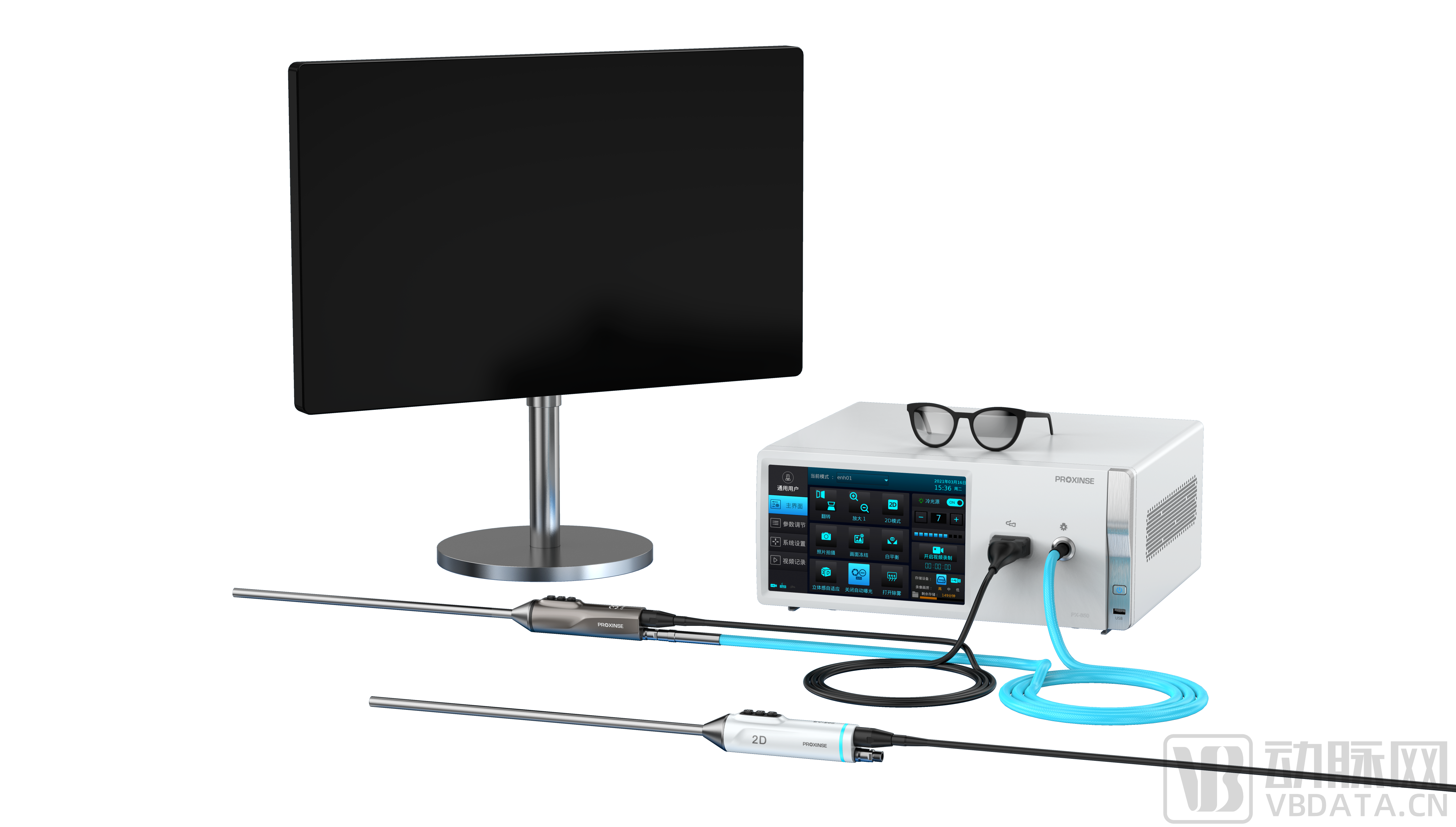
Leveraging the unique features and stereoscopic imaging advantages of 3D full-HD electronic laparoscopes, Bosheng Medical is poised to drive transformation in China’s endoscopy industry.
In terms of product portfolio, in addition to 3D HD electronic laparoscopes and 4K ultra-high-definition endoscopes, Bosheng Medical also plans to launchFluorescence Endoscope。
Zhang Yu, co-founder of Bosheng Medical, stated: “All of the company’s products are independently developed and manufactured in China. Our ability to rapidly and continuously launch new products is driven by our strong R&D team. The core members of our team each have over ten years of experience in the healthcare industry, with extensive expertise in technological accumulation and understanding market demands for medical products.”
Leveraging its robust R&D team, Shenzhen Bosheng Medical Technology Co., Ltd. (Bosheng Medical) will remain committed to independent innovation, continuously launching new and iterated products. As domestically produced endoscopes from companies like Bosheng Medical receive regulatory approval and enter the market, China’s endoscopy market is poised for significant transformation. Amid the wave of domestic substitution, Chinese manufacturers such as Bosheng Medical are expected to rapidly increase their market share, generating substantial profits while advancing the development of China’s endoscopy industry.