

SATOL Accelerator Drives Innovation in Life Science: Bridging Clinical Needs and Industrial Transformation

SHULAN HEALTH
New Type of International, High-Tech, Research-Oriented Medical Group
In recent years, with the deep integration of the biotechnology and information technology industries, a wave of innovation in the life sciences sector is sweeping across.
On the one hand, innovative startups in fields such as biopharmaceuticals, medical devices, and digital health have emerged in large numbers, and their performance in the capital markets has indeed been impressive.
In Q3 2021, the global healthcare and medical sector witnessed its highest quarterly growth rate in nearly three years, with total financing reaching a new single-quarter record of over RMB 179.6 billion. Biopharmaceuticals, healthcare informatics, Internet-plus-health, and in vitro diagnostics (IVD) emerged as hot topics for global investment, while the biopharmaceutical sector continued to maintain its absolute leading position.
On the other hand, to some extent, the growth path of these startups has been quite “arduous.”
Based on the data, VCBeat conducted an incomplete statistical analysis of business registration data this year. The results showed that more than 20,000 medical enterprises in China were deregistered within one year of their establishment.
Fundamentally, this stems from factors such as high entry barriers in sectors like biopharmaceuticals and medical devices, stringent policy regulations, and lengthy R&D cycles. Taking the translation of scientific achievements into practice as an example, transforming an initial scientific concept into laboratory results, and then converting the technology into mature commercial products for industrial implementation, requires not only substantial financial support but also access to clinical and industrial resources.
Against this backdrop, not only have numerous biopharmaceutical industrial parks and incubators emerged across China to provide startups in the life sciences sector with funding, physical space, and scientific research resources, but innovation in the life sciences industry has also been elevated to the level of national strategy.
Against the backdrop of continuous policy support and the industry’s pursuit of development, the 2021The World Life Science and Technology Conference was held from November 19 to 21 in Liangzhu Mengqi Town, Yuhang District, Hangzhou.
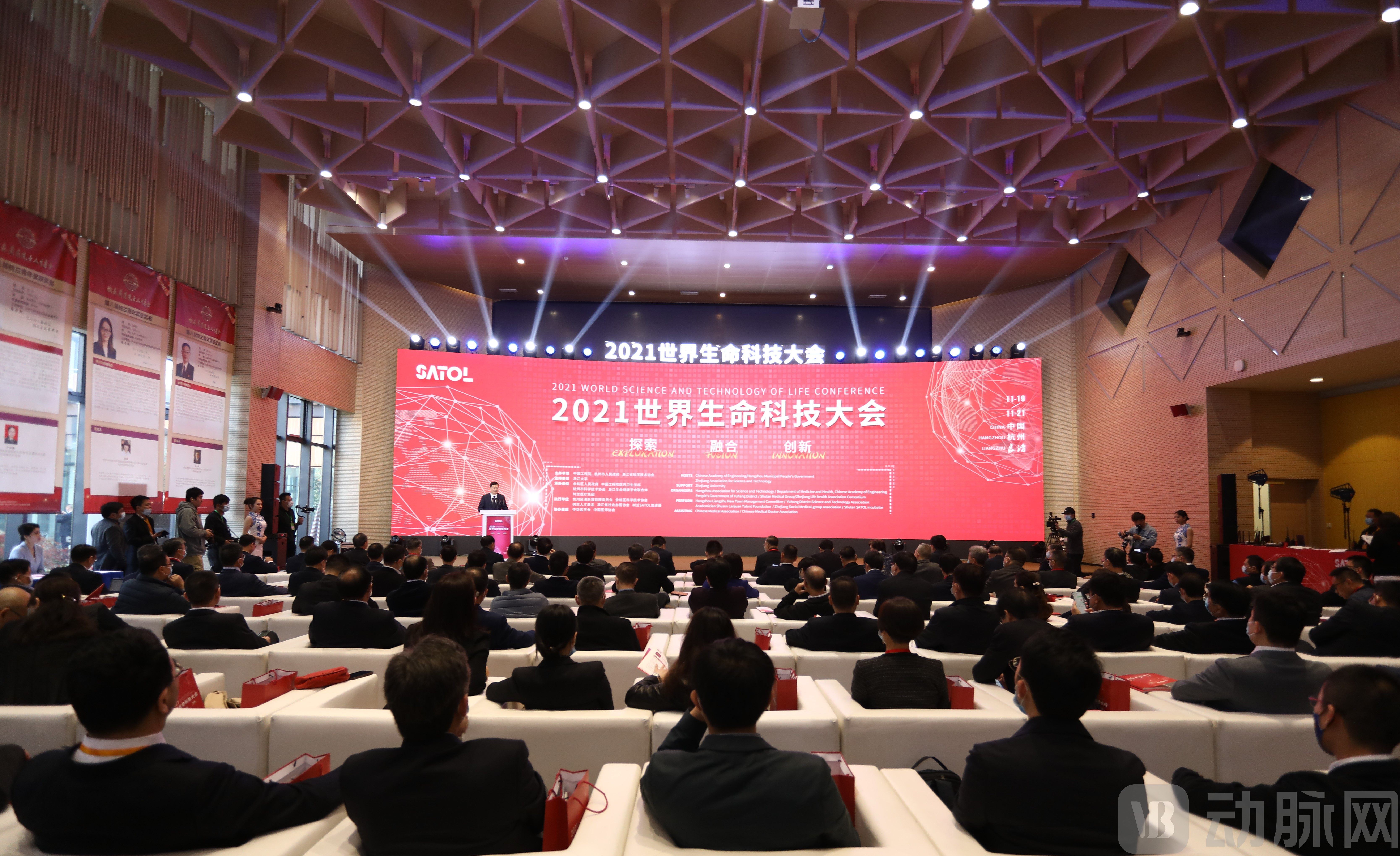
2021World Life Science and Technology Conference
This conference focuses on the development trends of future healthcare and life sciences, the interdisciplinary advancement of medicine and engineering, and the clinical translation of scientific achievements. Guided by the motto “Exploration, Integration, and Innovation,” it showcases innovative accomplishments in the global life and health sector. Its subsidiary forums—including the International Summit on Hepatobiliary and Pancreatic Diseases and Organ Protection, the International Forum on Infectious Diseases, and the Summit on Innovation in Traditional Chinese Medicine—provide a platform for dialogue on frontier explorations in industrial development.
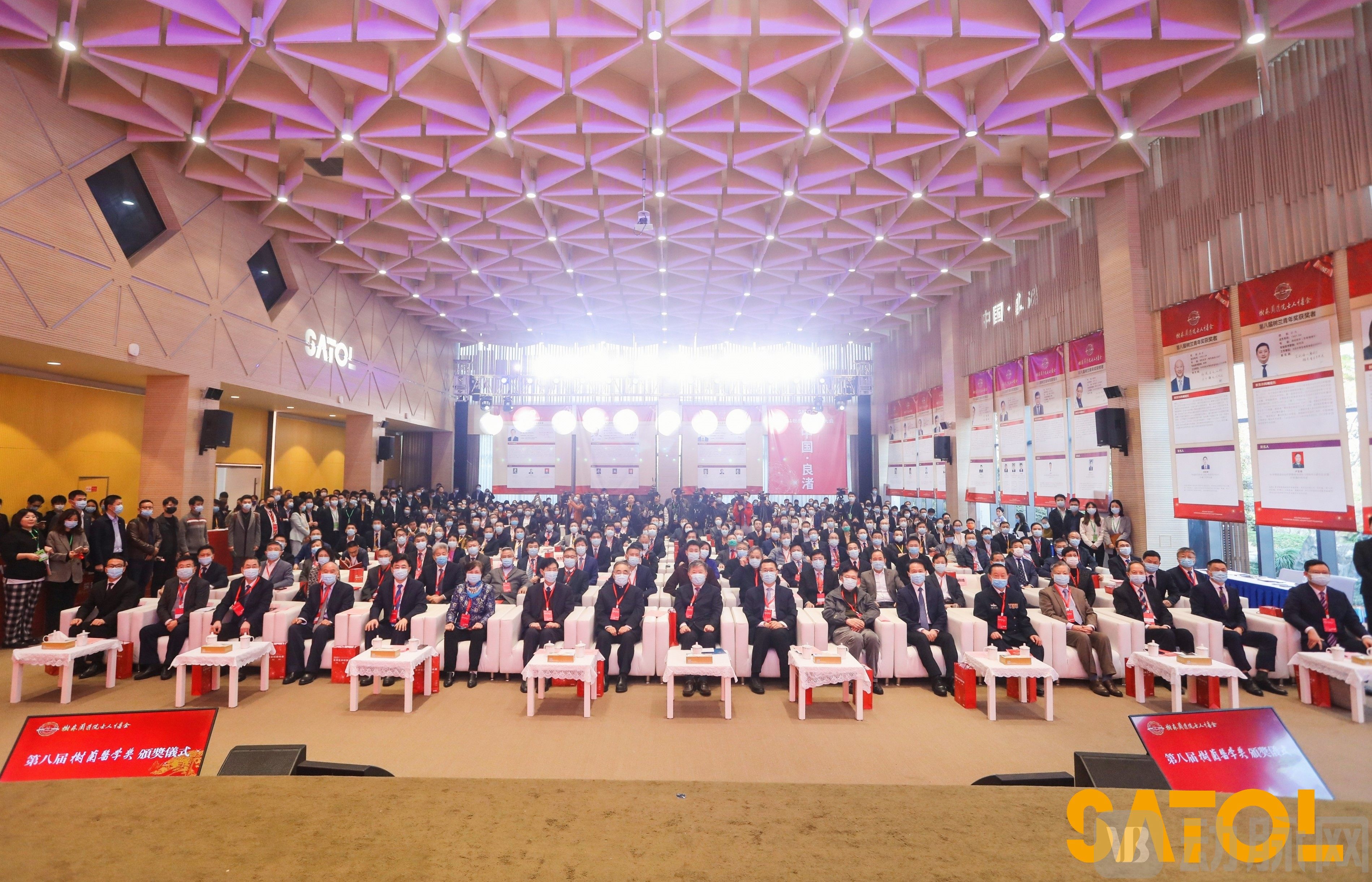
2021World Life Science and Technology Conference
At this conference, the final rankings of the 2021 SATOL (China) Life Science Technology Innovation and Entrepreneurship Competition were prominently announced. It is reported that since its launch in July, this year’s SATOL (China) Life Science Technology Innovation and Entrepreneurship Competition attracted more than 470 participating projects. After five rounds of competition, a total of 20 companies (projects) were shortlisted for the Top 20 Innovation and Entrepreneurship List.
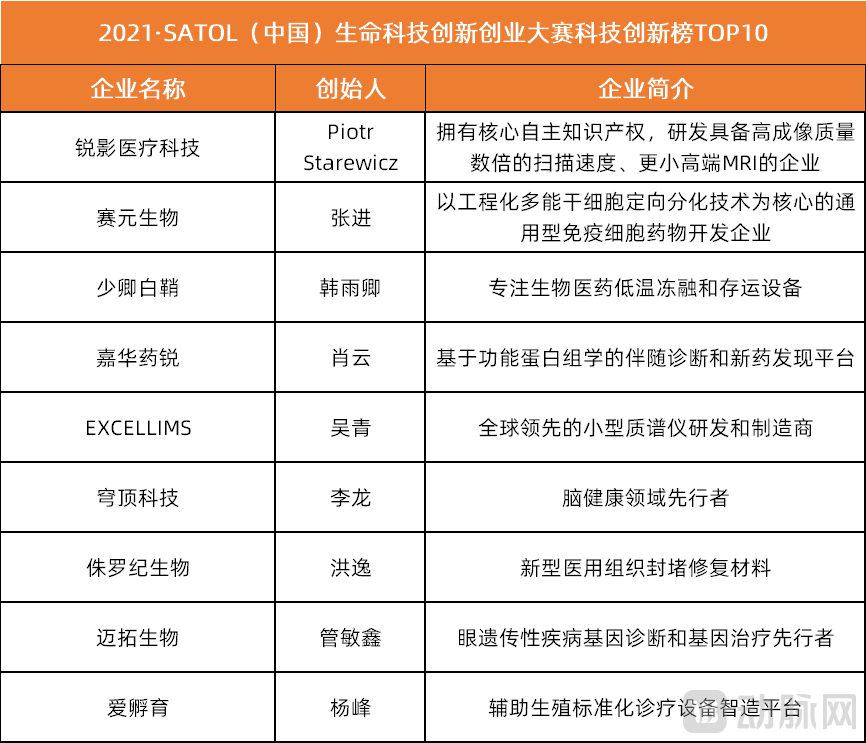
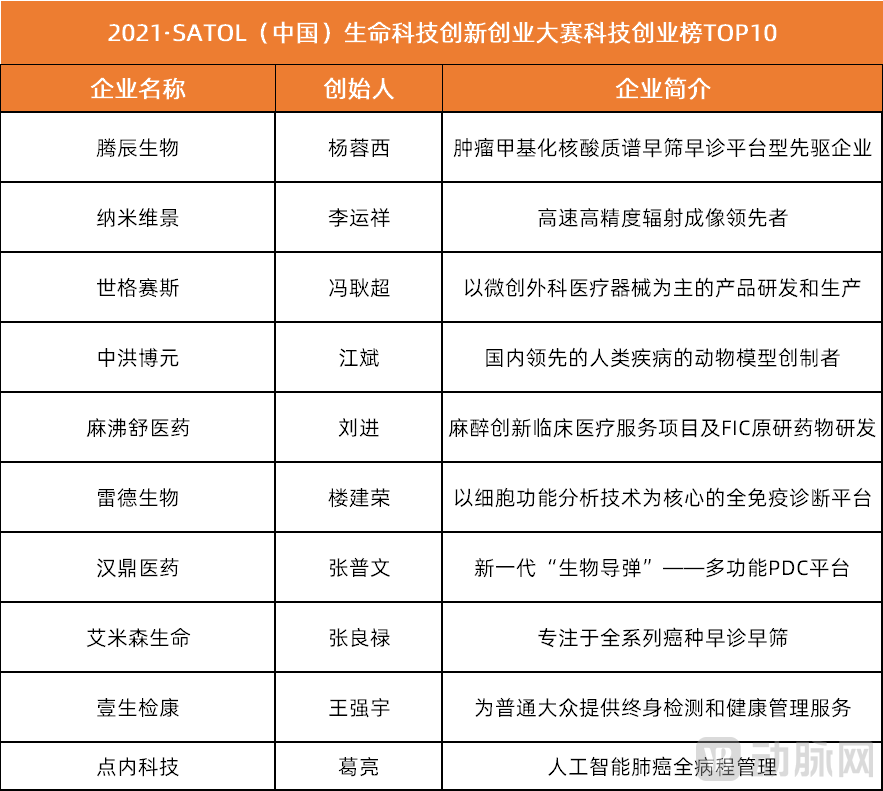
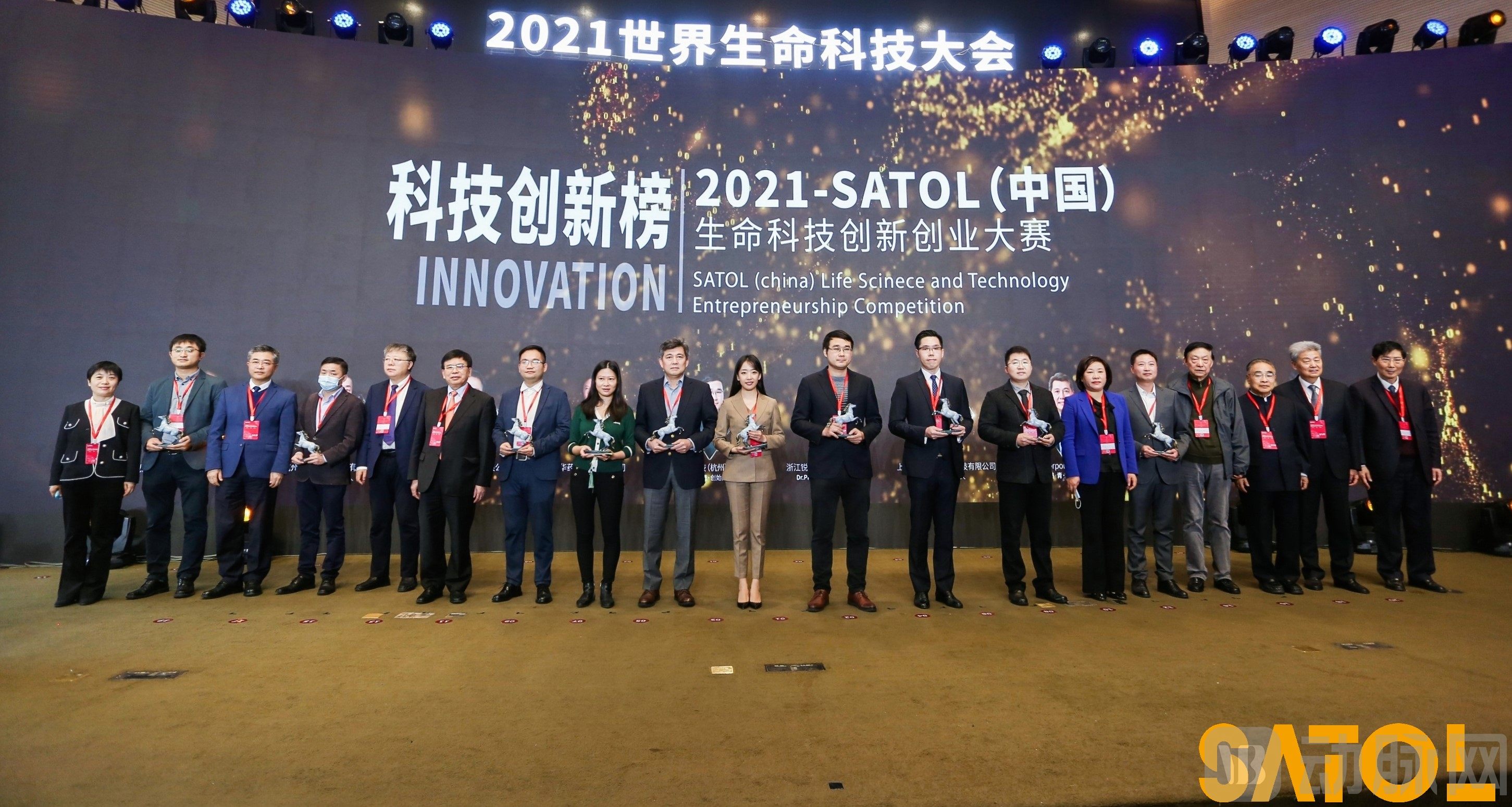
SATOL (China) Life Science Technology Innovation and Entrepreneurship Competition: Award Ceremony for the Technological Innovation List
Meanwhile, ten life science innovation enterprises, including Aifuyu (Shanghai) Medical Technology, Diannei (Shanghai) Biotechnology, Ataike Biotechnology, Minzhong Yikang Technology, Taiguang Technology, Weiyuan Testing Technology, Xihang Biopharmaceuticals, Jiejun Qingke (Hangzhou) Technology, and Zhejiang Baidi Biotechnology, held a signing ceremony with Liangzhu Life Science Town to jointly pursue development.
What enables Liangzhu Life Science and Technology Town to attract high-quality life science and technology enterprises? What role has the SHULAN SATOL Accelerator played in this process? Beyond facilitating industrial commercialization, how does the SHULAN SATOL Accelerator support companies through each stage of their growth? In the following sections, VCBeat will address these questions one by one.
Similar to traditional industry accelerator models, the SHULAN SATOL Accelerator also provides fund support to startups, addressing their funding source challenges.
It is reported that the SHULAN SATOL Accelerator is a subsidiary of Shulan Junjie. In addition to the SHULAN SATOL Accelerator, Shulan Junjie also manages two technology funds.
Currently, the technology fund has completed the establishment of one seed fund and two venture capital (VC) funds, and has invested in a portfolio of high-quality enterprises across fields such as genetic testing, gene editing, cell therapy, microbiome, DNA synthesis, precision oncology, medical artificial intelligence, and novel biomedical materials.
SHULAN SATOL Accelerator often intervenes at the seed stage of projects, providing seed funding to support their development.
When evaluating early-stage projects, the SHULAN SATOL Accelerator focuses primarily on whether they address genuine clinical needs, the likelihood of successfully solving these problems, and the timeframe required for implementation. For mid-to-late-stage projects, the accelerator places greater emphasis on the comprehensive capabilities of the R&D team and market opportunities within the respective sector.From a certain perspective, investing in earlier-stage projects entails greater ultimate risk, yet the SHULAN SATOL Accelerator, which remains bullish on the development of the life sciences sector, is firmly committed to this strategy.
However, unlike traditional accelerator models, the SHULAN SATOL Accelerator also provides startups with access to valuable clinical resources.
For enterprises, the ability to engage more closely with clinical practice is often the key determinant of their survival. Only products that truly address clinical challenges and have been validated through clinical practice can gain their own “vitality” in the healthcare sector.However, most innovative enterprises in the life sciences sector often lack access to high-quality clinical resources, which has become a major obstacle to their development.
Behind the SHULAN SATOL Accelerator is SHULAN HEALTH, which boasts abundant clinical resources.
As a research-oriented medical group integrating healthcare services, medical research, and medical education, SHULAN HEALTH actively explores medical research in the life sciences and the translation of scientific achievements into practical applications while providing medical services. Focusing on the multidisciplinary convergence of “biology, medicine, engineering, and information,” it has cultivated interdisciplinary talent centered on health medicine and established an integrated ecological closed loop encompassing “clinical care, research, education, and industry.”
Currently, SHULAN HEALTH boasts a clinical expert team of nearly 1,000 members. Leveraging these clinical resources, the SATOL Accelerator facilitates close collaboration between researchers and clinicians, thereby accelerating the clinical translation of new technologies.
The SHULAN SATOL Accelerator has effectively addressed the two core challenges faced by startups in the life sciences sector: securing initial startup capital and accessing clinical resources.
However, the efforts made by the SHULAN SATOL Accelerator in accompanying enterprises through their growth journey extend far beyond this.
For a company seeking greater market visibility to accelerate its growth, evolving from a seed into a sapling is merely the beginning; substantial additional “nutrient” resources are required to grow into a towering tree.
For startups in the life sciences sector, it is all too easy to fall into the trap of “working in isolation.” Even when they genuinely engage with clinical practice, understand clinical needs, and refine their products under the guidance of clinical experts, they may still encounter unexpected setbacks—such as finding that industry development has already advanced to “Version 2.0,” rendering their original technology obsolete.Keeping abreast of the latest industry developments and achievements helps companies correct deviations and adjust their strategic direction in a timely manner.
The World Life Science and Technology Conference was thus born.
It is reported that the sub-forums of each World Life Science and Technology Conference focus on the industrial frontier, with all invited guests being top academicians and experts in the domestic industry.Taking the 2021 World Life Science and Technology Conference as an example, it featured nine sub-forums, including the International Summit on Hepatobiliary and Pancreatic Diseases and International Organ Protection, the International Forum on Infectious Diseases, the Summit on Innovation in Traditional Chinese Medicine, and the High-Level Forum on Digital Health and the Internet. The conference showcased the most cutting-edge explorations in life sciences and technology worldwide. The life science and health industry also drew insights from these discussions to explore future development directions.
Furthermore, innovative enterprises need to raise awareness of their existence during their development. The SATOL Innovation and Entrepreneurship Competition serves as a platform for companies to showcase themselves.
At each Innovation and Entrepreneurship Competition, the SHULAN SATOL Accelerator invites top-tier domestic investment institutions, clinical experts, and industry leaders to form a judging panel. This facilitates precise and efficient matchmaking and communication between project teams and investors, accelerating corporate growth and attracting high-quality innovative ventures to establish themselves in Hangzhou.
Established in 2016, the SHULAN SATOL Accelerator is now located in the Liangzhu Life Science Town in Yuhang, Hangzhou. Covering an area of approximately 15,600 square meters, it is one of the core professional accelerators in the pilot zone of Liangzhu Town.
SHULAN SATOL Accelerator chose to establish its presence in Liangzhu, Yuhang District, Hangzhou, primarily due to the city’s vibrant atmosphere for life sciences innovation and its comprehensive supporting services.
In recent years, Hangzhou has been making every effort to build a demonstration zone for Healthy China, with the life and health industry showing strong momentum for vigorous development.
In 2021, Hangzhou’s life sciences and pharmaceutical industry attracted approximately RMB 3.54 billion in investment. In recent years, many globally renowned pharmaceutical companies, including AstraZeneca, have established a presence in Hangzhou. The city ranks fifth in China for the number of listed biopharmaceutical companies and the number of enterprises among the Top 100 Pharmaceutical Industrial Companies, while its count of biopharmaceutical unicorn companies ranks second nationwide.
In terms of policy, Hangzhou has formulated and issued the “Several Opinions on Accelerating the High-Quality Development of the Biopharmaceutical Industry”;To support the construction of a demonstration zone for common prosperity through high-quality development, Hangzhou has established an innovation-led fund-of-funds with a capital scale of RMB 100 billion, including a RMB 20 billion biomedical industry development fund.
In recognition of the strategic importance of the life and health industry, Hangzhou has established a dedicated task force for the biopharmaceutical and health sectors. The city provides comprehensive support services spanning pharmaceutical R&D, clinical trials, and manufacturing, with a strong focus on cultivating an optimal business environment and fostering a premier ecosystem for innovation and entrepreneurship.
Leveraging the numerous policy incentives offered by Hangzhou to foster innovation in the life sciences industry, the SHULAN SATOL Accelerator is dedicated to assisting enterprises in establishing their industrial operations in Hangzhou.
However, more importantly, the SHULAN SATOL Accelerator aims to promote innovation in the global life and health industry with a focus on “people’s health,” achieve the goal of “universal sharing,” and contribute to the building of common prosperity.
Currently, China is advancing toward its second centenary goal. While the new round of technological and industrial revolutions has driven economic development and the fight against poverty has yielded fruitful results, it is essential to remain vigilant against issues such as people falling back into poverty due to illness. It is also necessary to recognize that significant technical challenges persist in the medical field, and special groups, including patients with rare diseases, continue to face difficulties such as lack of available treatments and high medical costs. Against this backdrop, ensuring that the benefits of innovation are shared by all will become one of the major trends in the life sciences industry. In this process, the SHULAN SATOL Accelerator has been continuously integrating resources from various sectors to foster innovations in the life sciences industry that prioritize public health and universal accessibility.