

Rainmed Medical Pioneers Revolutionary FFR and IMR Technologies to Advance Precision Diagnosis in Coronary Artery Disease and Build a Leading Vascular Interventional Robotics Platform

RainMed
Developer of Vascular Interventional Surgical Robots
Currently, the diagnosis and treatment of coronary artery disease are evolving from traditional assessments based solely on structural indicators derived from coronary angiography toward precision medicine approaches centered on functional metrics, such as Fractional Flow Reserve (FFR) and Index of Microcirculatory Resistance (IMR).The combination of FFR and IMR can provide a comprehensive functional assessment from the epicardial coronary arteries to the intramyocardial microcirculation, promising to propel the precision diagnosis and treatment of coronary artery disease into a new era and spark a new revolution.
FFR (Fractional Flow Reserve) refers to the ratio of the maximum blood flow that can be obtained in the myocardial region supplied by a coronary artery with stenotic lesions to the theoretical maximum blood flow that would be available in the same region under normal conditions. FFR is currently the globally recognized gold standard for determining whether coronary stenosis causes ischemia, and it is used to assist physicians in formulating optimal treatment plans.
The 2016 Chinese Guidelines for Percutaneous Coronary Intervention recommend functional assessment for patients with moderate stenosis (50%-90%), with a Class IA recommendation. Currently, in Europe, the United States, and other developed countries, FFR diagnosis is routinely performed for patients with moderate stenosis before deciding on coronary stent implantation. However, in China, the penetration rate of FFR testing is less than 1%, representing an untapped blue-ocean market.
Beyond FFR, the Index of Microcirculatory Resistance (IMR) has garnered significant attention from both the clinical community and industry in recent years. IMR reflects the level of microcirculatory resistance and is used to assess the status of coronary microcirculation. Recent studies have demonstrated that IMR plays a valuable role in diagnosing microcirculatory dysfunction and predicting the long-term incidence of major adverse cardiovascular events (MACE) in patients with coronary artery disease. In the 2019 ESC Guidelines for the diagnosis and management of chronic coronary syndromes, IMR was designated as a Class IIa recommendation and is currently recognized as the gold standard for evaluating coronary microvascular dysfunction (CMD).
The organic integration of IMR and FFR enables a comprehensive assessment of coronary blood flow in patients with coronary artery disease. However, current quantitative measurement methods for IMR are complex, limited to scientific research, and not yet suitable for large-scale clinical application. Quantitative IMR measurement has become a research hotspot in the cardiovascular field worldwide, and breakthroughs in its measurement techniques will usher in the next revolution in coronary functional diagnostics. Therefore, the IMR market represents an even more promising blue ocean.
Founded jointly by returning scholars and top industry technical experts, Suzhou Rainmed Medical Technology Co., Ltd. (“Rainmed Medical”), a domestic high-tech medical enterprise, entered and established its presence in the fields of angiography-based FFR and IMR assessment at an early stage, emerging as a notable player in both areas. Adhering to independent innovation and dedicated R&D, Rainmed Medical launched the Coronary Angiography-Based Fractional Flow Reserve Measurement System (caFFR) and developed the world’s first non-invasive microcirculatory lesion diagnosis and treatment system (caIMR). Notably, caFFR obtained both EU CE certification and China NMPA approval in 2019.
Currently,Rainmed Medical is poised to become the world’s first company with non-invasive products for measuring coronary flow reserve fraction and coronary microcirculatory resistance index.Furthermore, Rainmed Medical aspires to great heights,Committed to becoming a global leader in vascular interventional surgical robotics, we will progressively build “unmanned operating rooms,” develop integrated solutions for catheterization laboratories, empower healthcare professionals, and benefit patients worldwide.。
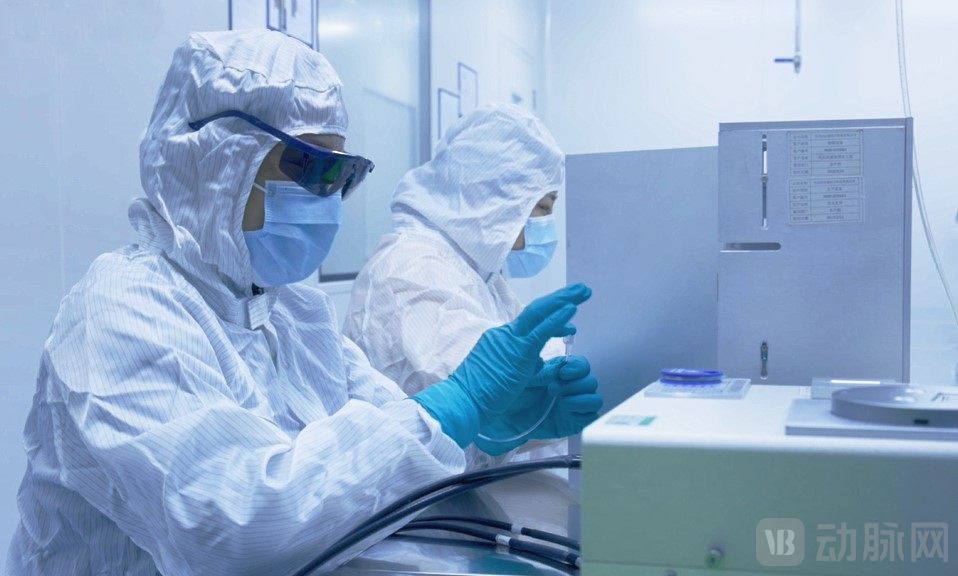
Rainmed Medical Product Testing and Production Workshop
In the field of cardiovascular diagnosis and treatment, there are two brothers. The younger brother, Huo Yunfei, graduated from Beijing Institute of Technology, studied abroad, and obtained a master's degree in computer science from the University of Manchester. He has worked for many years in Fortune 500 technology companies and is a technical expert in the field of computing. The elder brother, Huo Yunlong, graduated from Tsinghua University, studied abroad, and obtained a Ph.D. in mechanical engineering from Washington State University. During his studies in the United States, he studied under a renowned professor in the field of biomechanics and has deeply engaged in research on biofluid mechanics.
During his studies in the United States, Huo Yunlong observed numerous challenges associated with traditional pressure wire-based fractional flow reserve (FFR) measurements. This sparked his idea to apply biofluid mechanics to blood flow assessment. He firmly believed that integrating biomechanics with medicine would yield more advanced diagnostic and therapeutic tools, enhance procedural efficiency for operators, and improve patients’ intraoperative experiences. Over time, this vision became increasingly clear and resolute.
In 2012, Huo Yunlong resolutely returned to China, declining lucrative offers from abroad. At that time, traditional fractional flow reserve (FFR) was in a phase of rapid development, with relevant clinical guidelines already established in Europe and the United States. However, the FFR market in China remained virtually untapped. Upon his return, Huo Yunlong joined forces with his brother, Huo Yunfei. Leveraging their respective expertise in fluid dynamics and computer technology, and driven by a sincere commitment to improving the clinical application of cardiovascular diagnostics and benefiting patients with coronary artery disease, they co-founded Rainmed Medical.
To date, Rainmed Medical has attracted a large number of top-tier talents from both China and abroad, gradually establishing an R&D team of over 100 members, primarily composed of individuals with master’s and doctoral degrees. After several years of dedicated research and development, the company has accumulated substantial technical expertise in control algorithms, image-guided navigation, intelligent imaging, and evidence-based medicine. Leveraging its robust R&D team and well-structured organizational framework, Rainmed Medical continues to advance and expand its presence in the market for precise coronary diagnosis.
The first step for Rainmed Medical after its establishment was to seek a revolutionary and innovative approach to upgrade FFR, aiming to “capture” the angiography-based FFR market. This also constituted the company’s earliest vision and the cornerstone of its initial development.
The "Chinese Guidelines for Percutaneous Coronary Intervention" recommend FFR assessment for lesions with 50%-90% diameter stenosis as visually estimated by coronary angiography. The FAME trial demonstrated that relying solely on coronary angiography to guide interventional procedures results in one-third of ischemic patients with moderate stenosis being overlooked, while 20% of patients with severe stenosis are subjected to overtreatment. Although numerous expert guidelines and clinical studies highlight the superior accuracy of FFR, and its adoption rate in international markets has maintained an annual growth rate of approximately 14%, the domestic FFR market in China remains underdeveloped. Currently, clinical assessment of coronary artery disease in China continues to rely primarily on visual estimation via angiography.
Although traditional pressure wire-based FFR measurement is regarded as the clinical gold standard, this approach presents challenges such as technical difficulty, high risk, prolonged procedure time, and high costs, with imported pressure wires priced at approximately RMB 10,000 per unit. While CTA-based CT-FFR is a non-invasive test, it is currently primarily used for screening purposes and cannot serve as a diagnostic basis during PCI procedures.
Overcoming the limitations of the aforementioned detection methods, eliminating the need for invasive pressure guidewires and vasodilators, and reducing the risks and costs associated with FFR measurement constitute the key areas of improvement for Rainmed Medical. After years of dedicated effort, Rainmed Medical has finally achieved its anticipated success.
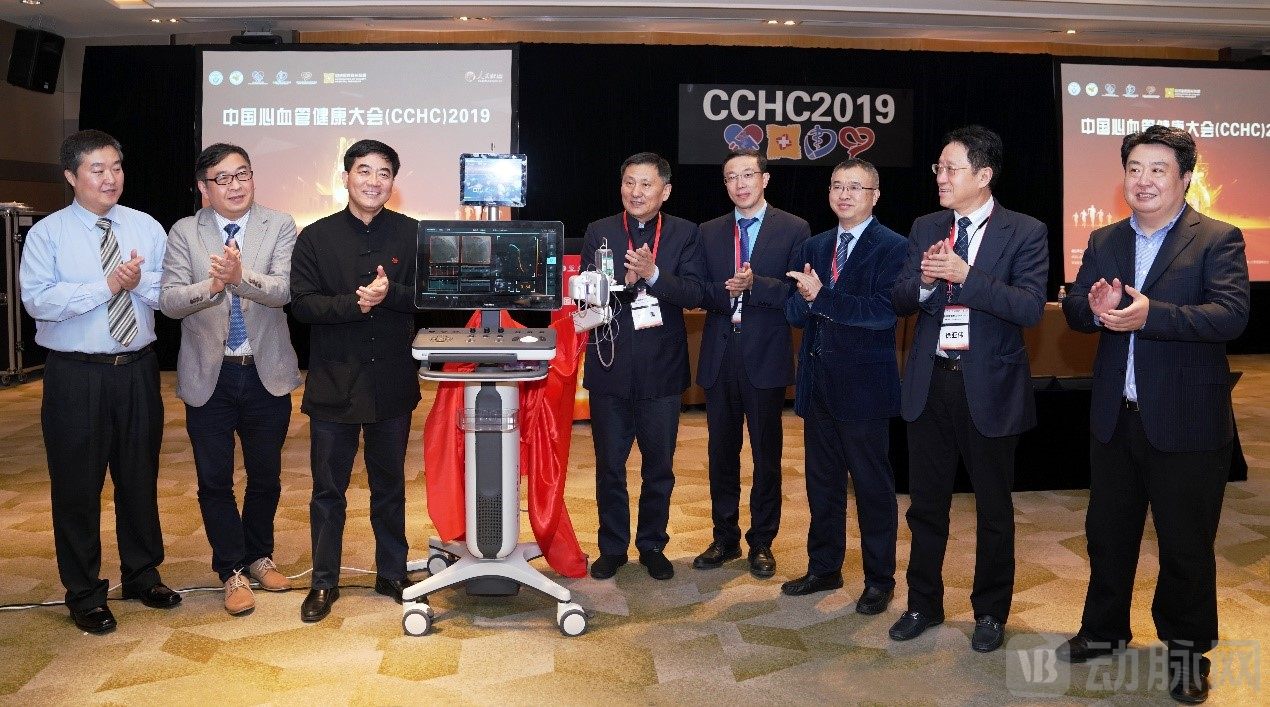
Group Photo of Experts and Leaders at the Launch Event of Rainmed Medical's caFFR
Rainmed Medical’s self-developed FlashAngio caFFR System (hereinafter referred to as “caFFR”) performs three-dimensional vascular reconstruction based on conventional angiographic images, acquires aortic pressure in real time via a dedicated pressure sensor, and calculates fractional flow reserve (FFR) values in real time using optimized computational fluid dynamics algorithms. It can be used for preoperative diagnosis, intraoperative guidance, and postoperative assessment.
At the core of this system is a computational fluid dynamics model based on three-dimensional luminal geometry, developed and optimized by Rainmed Medical, which has successfully passed clinical validation. Unlike other angiography-based FFR products, the caFFR system incorporates the FlashPressure non-invasive pressure sensing chip, capable of real-time acquisition of aortic pressure waveforms as a key reference for FFR measurement. This real-time aortic pressure data enhances the accuracy of FFR calculations.
Rainmed Medical’s caFFR system does not alter the workflow of coronary angiography procedures, aligning with physicians’ established practices. Following hospital adoption, physicians typically acquire the ability to independently perform FFR assessments after just one to two days of training. “We have strived to closely mirror physicians’ operational habits in terms of operation methods, user interface design, and the accuracy of 3D reconstruction. This forms the foundation for physicians to rapidly accept and master our product within a short period.”
This angiography-based FFR product demonstrates approximately 96% concordance with FFR values measured by conventional pressure wires, making it the innovative FFR product with the highest consistency to traditional wire-based FFR currently available.
In late September 2019, Rainmed Medical’s caFFR system and its accompanying aortic pressure sensor received CE certification from the European Union, making it the first Chinese domestic company to sell FFR products overseas and achieving a breakthrough in exports of similar products. Subsequently, in December 2019, these two products were approved by China’s National Medical Products Administration (NMPA). As a result, Rainmed Medical became the first Chinese domestic enterprise in the FFR field to obtain both NMPA and CE certifications. To date, caFFR has been adopted by hundreds of hospitals, with its application volume rapidly increasing.
Most patients with coronary heart disease exhibit varying degrees of coronary microvascular dysfunction (CMVD). To improve patient prognosis, measurement of the index of microcirculatory resistance (IMR) is equally indispensable.
Microcirculation refers to blood circulation occurring within small blood vessels. Coronary microcirculatory dysfunction is one of the mechanisms leading to myocardial ischemia, significantly affecting the survival rate and prognosis of patients with coronary heart disease. Although the coronary microcirculation is not visible under coronary angiography, it accounts for 95% of the entire coronary circulation. The index of microcirculatory resistance (IMR) reflects the level of microcirculatory resistance and is used to assess the status of coronary microcirculation.
In clinical practice, the Index of Microcirculatory Resistance (IMR) can serve as a prognostic indicator for patients with acute myocardial infarction (AMI). For AMI patients undergoing percutaneous coronary intervention (PCI), persistently elevated IMR values are associated with poorer postoperative recovery of electrocardiographic parameters and cardiac function, as well as reduced survival rates. Consequently, many hospitals have initiated research projects aimed at addressing microcirculatory dysfunction in these patients.
However, to date, quantitative measurement methods for the Index of Microcirculatory Resistance (IMR) have been highly complex, limited to scientific research, and unsuitable for widespread clinical adoption. The clinical community is calling for novel IMR measurement techniques. Leveraging its accumulated expertise and competitive advantages, Suzhou Rainmed Medical Technology Co., Ltd. has successfully addressed this global challenge in IMR measurement. According to publicly available information,Currently, caIMR is the world’s first non-invasive IMR measurement product to enter clinical trials.。
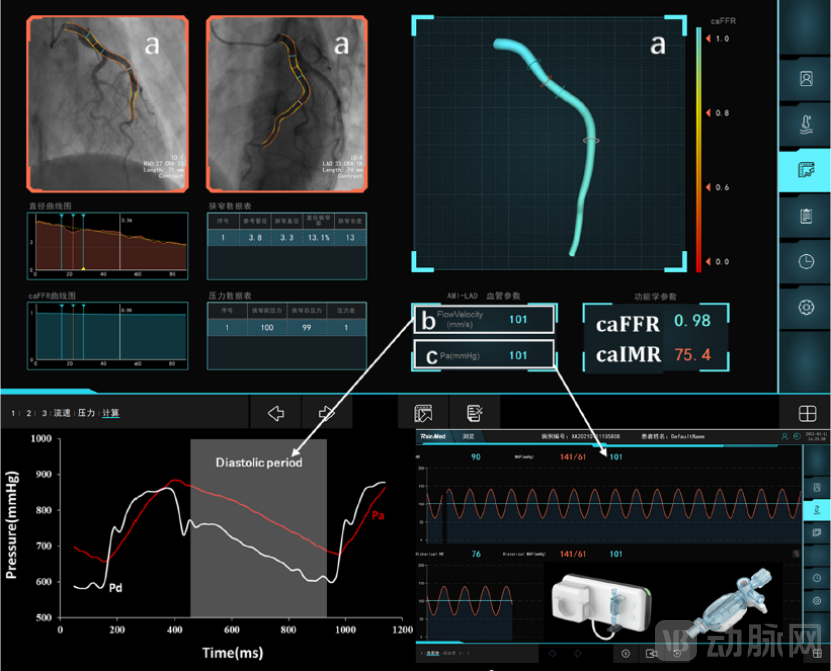
Rainmed Medical caIMR Calculation Interface
The launch of Rainmed Medical’s caIMR has attracted widespread attention from renowned experts both domestically and internationally, who have conducted a series of studies on the caIMR product. Previously, the Journal of the American College of Cardiology: Cardiovascular Interventions (JACC: Cardiovascular Interventions) published an article titled “Application of Angiography-Based Microcirculatory Resistance Index (caIMR) in Patients with STEMI.” George Stouffer, Director of the Department of Cardiology at the University of North Carolina and Director of the McAllister Heart Institute, and Joseph Rossi, Clinical Professor of Cardiology at the University of North Carolina, specially wrote a commentary for this article. The commentary pointed out that post-PCI IMR testing holds broad clinical application prospects; Rainmed Medical’s caIMR, as a simple technique for measuring coronary microcirculatory function, will provide better prognostic assessment for patients with ST-elevation myocardial infarction (STEMI). It will promote the development of diagnostic and therapeutic approaches for coronary microcirculatory dysfunction and pave the way for subsequent clinical trials and large-scale application.
By integrating the previously launched caFFR system with the caIMR system, physicians can leverage Rainmed Medical’s comprehensive product portfolio to deliver precise diagnoses, enabling a holistic assessment of coronary blood flow at both macroscopic and microscopic levels.“Whether it is FFR testing or IMR testing, our goal is to provide doctors and patients with a better diagnostic tool, enabling comprehensive macroscopic and microscopic assessment of myocardial ischemia before, during, and after surgery.”
In the field of precision cardiovascular diagnostics, Rainmed Medical has independently pioneered innovations and pursued proactive growth, gradually establishing a global network encompassing research and development, manufacturing, sales, and services.
Driven by innovation and R&D, Rainmed Medical has assembled an R&D team of over 100 members, establishing Suzhou as a hub for innovative talent. Looking ahead, the company will establish two dedicated research institutes focused on “AI + Imaging” and robotics, further enhancing its overall R&D and innovation capabilities. In terms of production, Rainmed Medical’s new manufacturing facility commenced operations this year, increasing production capacity by more than tenfold. On the marketing front, Mr. Lü Yonghui, former Deputy General Manager of Lepu Medical, has joined the company, enabling Rainmed Medical to rapidly build a comprehensive domestic and international marketing system. This has strengthened and optimized its marketing capabilities across China and globally, significantly accelerating product sales and hospital adoption.
Rainmed Medical has always stayed close to the clinical frontline, identifying needs at the forefront of industry trends. The company maintains long-term collaborations with benchmark hospitals such as Peking University First Hospital, Zhongshan Hospital Fudan University, Fuwai Hospital Chinese Academy of Medical Sciences, and West China Hospital Sichuan University. Beyond the hospital setting,Rainmed Medical has also signed a strategic cooperation agreement with GE Healthcare China, a multinational technology giant, and established close collaborative relationships with pharmaceutical distribution companies such as China Resources Medical Devices and Jointown Medical Devices.Rainmed Medical’s “circle of friends” in the field of cardiovascular diagnosis and treatment is expanding and becoming increasingly high-end.
In its future development, Rainmed Medical will continue to advance the research and refinement of its caFFR and caIMR products, optimize product quality, benefit more physicians and patients, and elevate the diagnosis and treatment of cardiovascular diseases, thereby ushering the cardiovascular field into a new era of comprehensive assessment of myocardial ischemia.
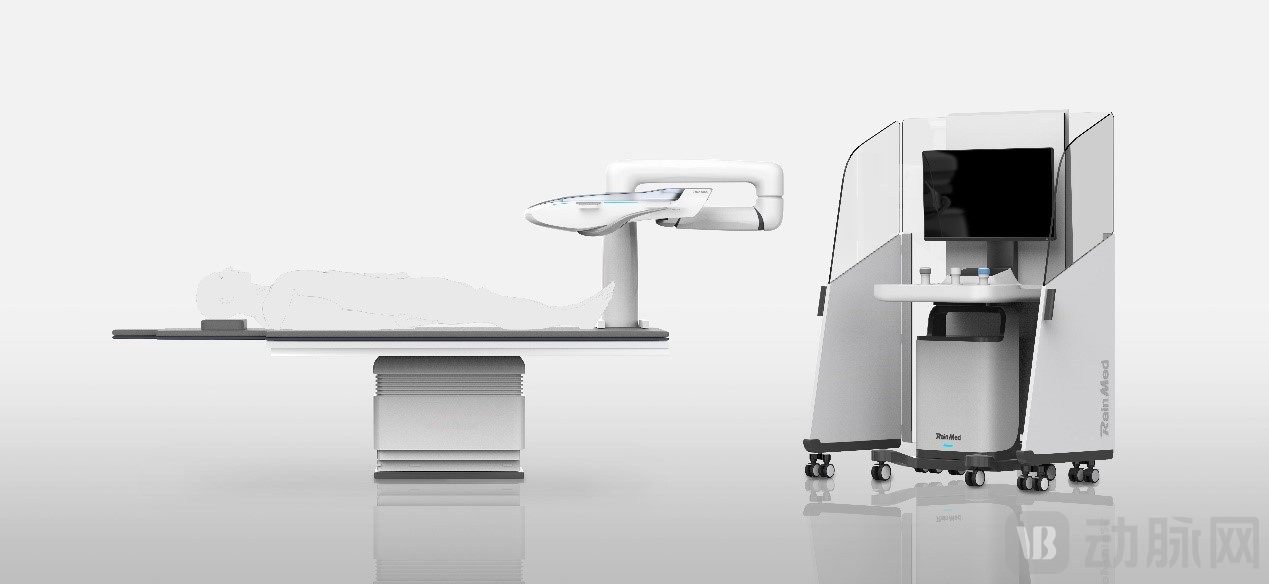
Rainmed Interventional Surgical Robot
Meanwhile, Rainmed Medical will implement its new strategy, continuously increase R&D investment, uphold the spirit of innovation, and leverage its technological expertise in control algorithms, image navigation, intelligent imaging, and evidence-based medicine.In the future, we will launch vascular interventional surgical robots to gradually establish “unmanned operating rooms,” liberating clinicians from tedious and time-consuming tasks, thereby empowering and serving them.。
In the future, chief experts will only need to focus on overall surgical planning, leveraging equipment to achieve precise, efficient, and convenient preoperative diagnosis, intraoperative guidance, and postoperative assessment, thereby realizing automation and standardization of surgical procedures. This will significantly enhance medical standards in small and medium-sized cities, help address the imbalance in the distribution of doctors and patients across China, provide better medical services for patients with coronary artery disease, and bring greater benefits to society.