

Jiangsu LifeGuard Medical Technology Unveils 'Life Violet S100' Filtered Far-UVC Disinfection Device to Offer New Global Pandemic Solution
During the 2021 Tokyo Olympics, China achieved its pre-departure goal of “zero infections,” with all 777 delegation members returning home safely; 222-nm ultraviolet technology played a significant role in epidemic prevention.
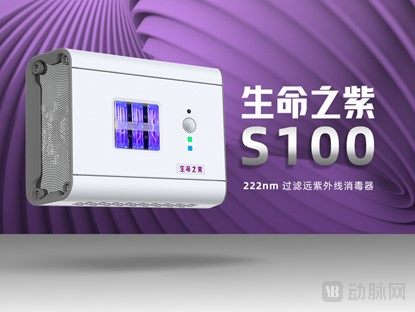
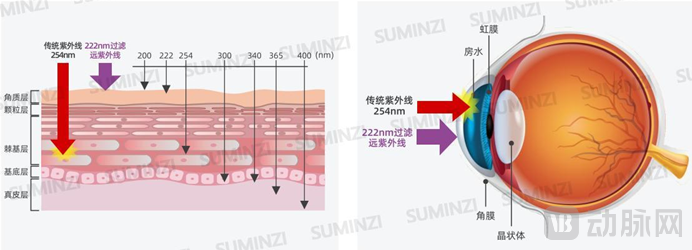
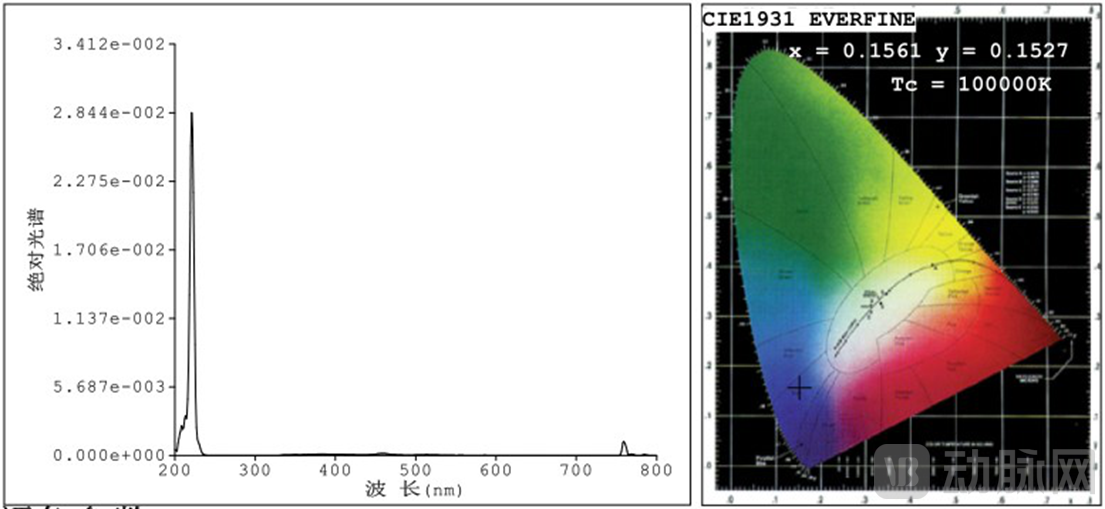
Recently, Jiangsu LifeGuard Medical Technology Co., Ltd., located in China Medical City in Taizhou, has developed and launched the “LifeGuard S100” Far-UVC Disinfector. This device features a central wavelength of 222 nm and utilizes narrow-band pass filters to confine the primary germicidal spectrum to the 200–230 nm range. Equipped with Kr-Cl excimer modules and specialized narrow-band pass filters, the product emits far-ultraviolet light exclusively within the 200–230 nm band. It efficiently inactivates pathogenic microorganisms in the air and on surfaces. Due to its limited penetration depth in skin and eyes—unable to penetrate the stratum corneum, tear film, or the cytoplasm of individual human cells—it is safe for both skin and eyes.
Ultraviolet (UV) disinfection, with a history spanning over a century, has been proven to inactivate bacteria and viruses. It is widely used in hospitals, air conditioning systems, and sterilization cabinets. In recent years, schools have also adopted UV lamps for air disinfection in classrooms. However, because direct exposure to UV radiation can damage unprotected eyes and exposed skin, traditional UV disinfection can only be employed in unoccupied environments.
In recent years, there have been critical technological breakthroughs in this field. In 2017, a study by Columbia University in the United States found that hairless mice exposed to 222 nm far-UVC radiation sustained no skin damage. In 2019, research results from Shimane University in Japan showed no corneal damage under exposure to 222 nm far-UVC radiation, demonstrating its safety for the eyes. In 2020, human trials conducted by Kobe University in Japan involved exposing skin to higher doses of 222 nm far-UVC radiation, with no detectable damage observed. Also in 2020, the Japanese Society for Regenerative Medicine exposed cells to 222 nm far-UVC radiation and found that cellular damage was significantly less than that caused by conventionally used 254 nm UVC radiation. Multiple experiments have confirmed that far-UVC radiation in the 200–230 nm wavelength range not only fails to penetrate the stratum corneum of the skin and the tear film of the eye but also hardly penetrates the cytoplasm of individual cells, thereby demonstrating potential safety.
Trials have demonstrated that far-UVC light at a wavelength of 222 nm is harmless to human skin and eyes, while inactivating up to 99.98% of the SARS-CoV-2 virus within 30 seconds. The “Purple of Life” Far-UVC Disinfection Device will provide a new solution for global epidemic prevention and control.
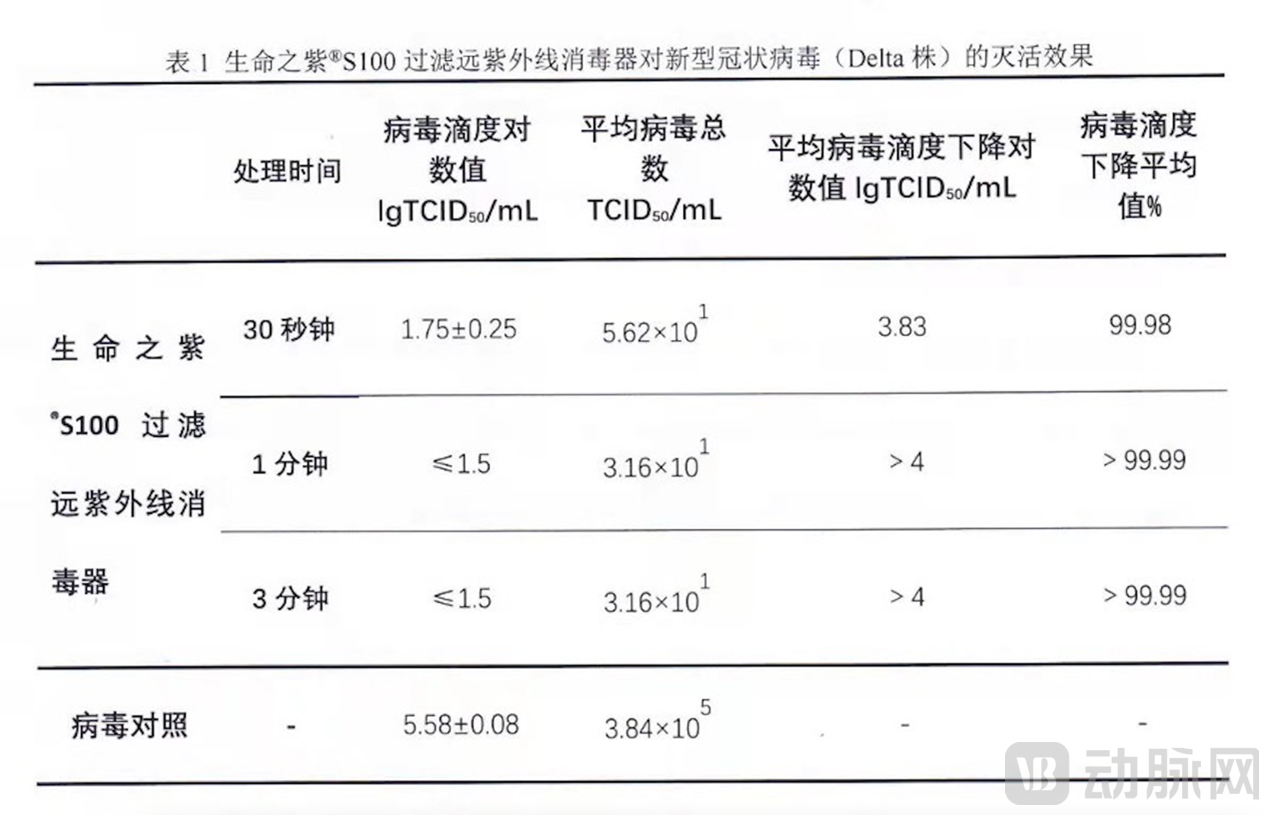
Han Wei, General Manager of Jiangsu Life Guardian Medical Technology Co., Ltd., stated during the exchange: “The 222nm filtered far-UVC technology adopted by ‘Life Purple’ was first implemented by the Arkansas Air National Guard in the United States as early as last September. It also became a highly favored new technology for the Chinese Olympic Delegation during this year’s Tokyo Olympics. Current experiments have confirmed that ‘Life Purple’ can efficiently inactivate the novel coronavirus. ‘Life Purple’ is striving to become the ‘Purple Hue of Healthy China’ and is committed to providing new solutions for the global fight against the pandemic.”