

From Reactive Care to Proactive Health: Zhiyun Health's Digital Chronic Disease Management Powers the Healthy China Strategy
2021 marked the inaugural year of the 14th Five-Year Plan and the new starting point for the golden decade of the “Healthy China 2030” strategy.
Over the past few decades, China’s healthcare system has undergone gradual development, bringing about transformative changes in medical and health services as well as in the population’s health status. Specifically, life expectancy at birth increased from 35 years before the founding of the People’s Republic of China to 77.3 years in 2019, while infant mortality and maternal mortality rates declined sharply.
Yin Dakui, former Vice Minister of the Ministry of Health and Honorary President of the Chinese Medical Doctor Association, stated during his appearance on the program “Healthy China Forum”: “This is a strategic and directional issue. Significant progress has been made in the prevention and control of many diseases. Notably, China achieved the most effective containment of the COVID-19 pandemic worldwide. Furthermore, regarding numerous infectious diseases and chronic non-communicable diseases, the national government recognized these challenges more than a decade ago and has since strengthened prevention and control efforts against them.”
Standing at the new historical juncture marked by the convergence of the second decade of the “Healthy China” initiative and the 14th Five-Year Plan period, it is crucial to adhere to the principle of prioritizing prevention while placing equal emphasis on prevention and treatment, and to improve the healthcare service system, so as to facilitate the achievement of the Healthy China 2030 goals.
Yin Dakui pointed out that the population’s health currently faces a dual disease burden. “One category comprises infectious diseases, endemic diseases, and severe conditions at the primary care level caused by traditional biological models and physicochemical factors; however, the greater burden actually stems from chronic diseases, including cerebrovascular diseases, cardiovascular diseases, metabolic disorders predominantly represented by diabetes, cancer, and chronic obstructive pulmonary disease.”
According to statistics from the National Health Commission, China currently has nearly 300 million patients with chronic diseases, with an annual increase of 10 million. China has entered a period of high prevalence of chronic diseases and is home to the largest population of chronic disease patients globally.
“Infectious diseases can be prevented through vaccines and immunizations. Of course, this also includes certain cancers, such as cervical cancer, for which bivalent, quadrivalent, and nonavalent HPV vaccines are available. However, the vast majority of chronic diseases do not have vaccines,” said Yin Dakui.
Yin Dakui also pointed out, “For chronic diseases, the best vaccines are health management and health education; this is the most effective social vaccine and comprehensive vaccine.”
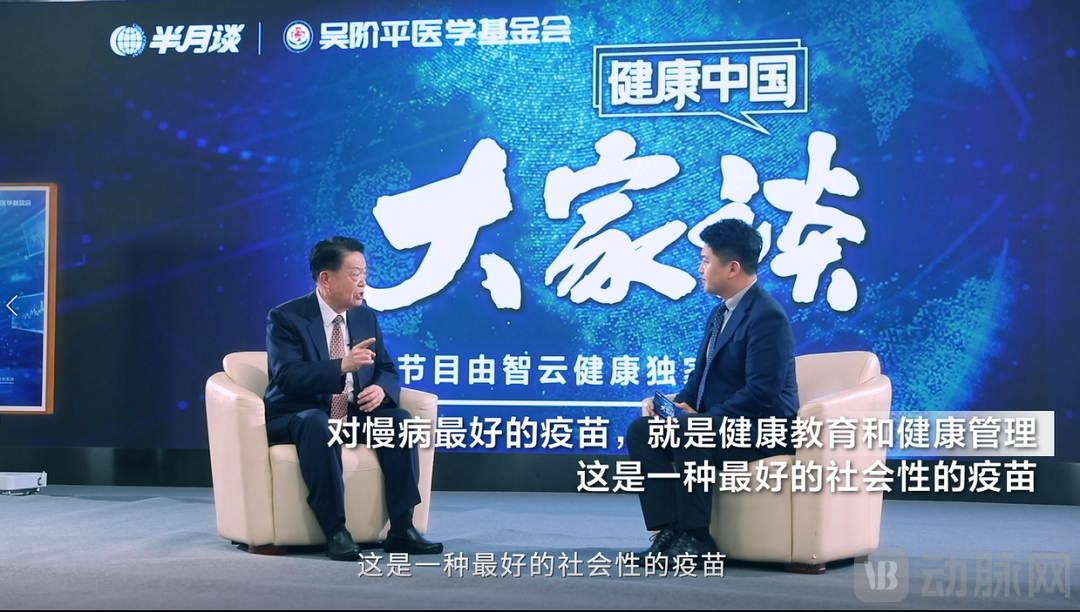
Safe and effective chronic disease management has become a critical issue in the field of public health and society at large. How can we optimize health management and health education to truly harness the potential of this “comprehensive vaccine”?
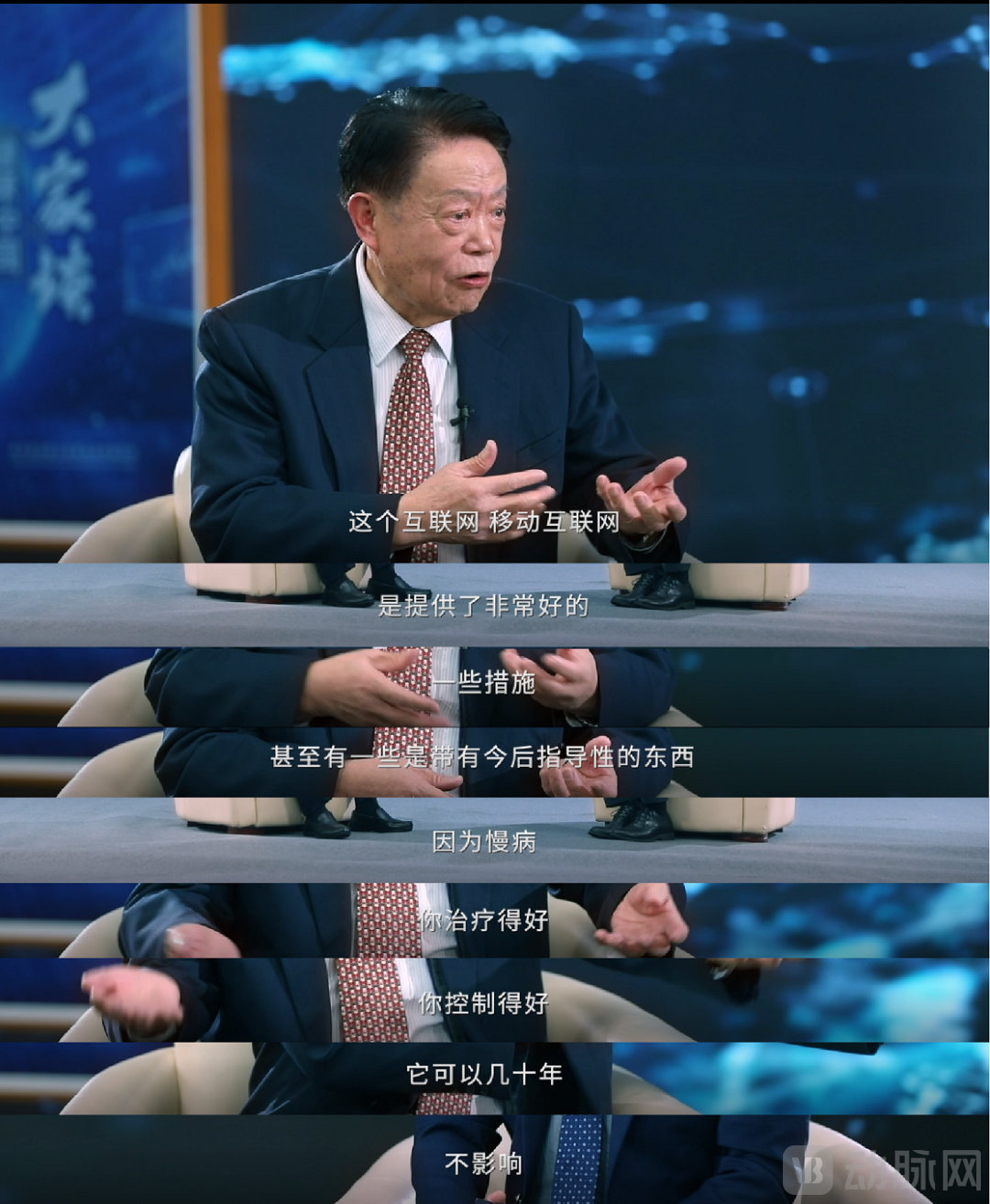
In Yin Dakui’s view, the emergence of emerging technologies and tools—such as mobile internet, big data, cloud computing, 5G, and wearable devices—has provided new strategic directions for the prevention and control of chronic diseases. “These approaches can effectively reduce the need for patients to make frequent hospital visits solely for prescription refills, while also facilitating the collection of health metrics such as blood pressure and blood glucose levels, thereby guiding physicians in adjusting treatment plans.”
In fact, from a characteristic perspective, chronic diseases are also particularly suitable for digitalization. The population with chronic diseases has non-severe early symptoms, cannot be cured immediately, has a long management cycle, and has personalized management needs.
Compared with traditional chronic disease management approaches, the digital model enables tiered diagnosis and treatment, improves patient adherence, lowers barriers to medical consultation, and optimizes clinical diagnosis, thereby enhancing therapeutic outcomes and improving the efficiency of healthcare resource utilization.
Taking diabetes as a specific example, many internet healthcare platforms provide online blood glucose monitoring and health education content for patients, who can also schedule appointments and conduct online consultations. Meanwhile, these platforms collaborate with offline pharmacies to offer services such as prescription renewal for follow-up visits and medication delivery. This approach not only enhances patients’ health awareness but also addresses the issue of medication accessibility. Companies in the market offering such services include Baidu Health, JD Health, WeDoctor, Yuanxin Technology, and Zhiyun Health.
In reality, whether for disease treatment or chronic disease management, care cannot be separated from the setting of public hospitals, even beyond hospital walls. As Yin Dakui noted, “Public hospitals account for one-third of all medical institutions but handle 80% of diagnosis and treatment services.”
Taking diabetes management as an example, traditional in-hospital blood glucose control is hindered by the limited expertise of non-endocrinology medical staff, resulting in poor patient education outcomes. Meanwhile, endocrinologists face excessive workloads, preventing timely intervention in high-risk events. More critically, disparate and unconnected systems across hospital departments create severe information silos, leading to delayed information transmission.
In response to these challenges, Zhiyun Health has launched “Zhiyun Yihui,” an information-based SaaS platform for hospitals. The platform integrates with hospital HIS systems, collects comprehensive clinical pathway data for inpatients, and establishes individual patient profiles. Additionally, AIoT devices developed by Zhiyun Health facilitate the connectivity of medical equipment. The system can also parse physician orders into tasks pushed to nurses, perform multidimensional analysis of patients’ blood glucose data, and provide blood glucose alerts.
According to research data from a Grade A tertiary hospital collaborating with Zhiyun Health, the implementation of a precision MDT chronic disease management protocol reduced the average length of stay for inpatients by 3.2 days and increased the rate of blood glucose normalization by 20%. After three days of hospitalization, mean fasting blood glucose decreased by 3.3 mmol/L, and mean postprandial blood glucose decreased by 4.1 mmol/L.
Furthermore, Zhiyun Health has developed a variety of solutions to drive digital innovation in chronic disease management: these include innovating the medical consortium model to facilitate the decentralization of medical resources; reducing patient burden through precise multidisciplinary team (MDT) chronic disease management processes; and serving over 1,900 hospitals and 160,000 pharmacies, thereby establishing itself as a benchmark for digital chronic disease management in China.
In recent years, policy focus has shifted upstream in disease management, facilitating a transition from treatment to prevention—a shift that also applies to chronic diseases. The Healthy China 2030 Planning Outline explicitly identifies reducing premature mortality from major chronic diseases as one of its key indicators, calls for the implementation of comprehensive strategies for chronic disease prevention and control, and aims to achieve health management for chronic diseases across the entire population and throughout the life course by 2030.
Digital chronic disease management platforms, leveraging cutting-edge technologies and standardized online protocols for end-to-end disease management, are emerging as a robust complement to traditional offline healthcare services.
Program Introduction: “Healthy China · Expert Forum”“Healthy China · Expert Forum” is an interview program featuring senior experts in the broader health sector, jointly produced by Ban Yue Tan Magazine and the Wu Jieping Medical Foundation, with exclusive sponsorship support from Zhiyun Health. The program explores industry development from a whole-industry-chain perspective, including policy support, market demand, and technological infrastructure.