

Former ByteDance Executive Wu Dezhou Aims to Transform Global Health with Sharklet's Physical Antimicrobial Technology
“Having joined Huawei in 2001 and started working on mobile phones in 2004, I can say that I was among the earliest pioneers of Huawei’s mobile phone business.”
Wu Dezhou, a name nearly ubiquitous in the mobile phone industry, merely stated this fact to VCBeat, as if it were nothing worth boasting about.
Yet during his more than decade at Huawei, Wu Dezhou personally participated in and witnessed the rise of the “Honor” brand, seeing “Honor” become truly “honorable.”
Smartisan Technology also invited him as a distinguished guest in 2016 to participate in the development of its new smartphone series. Under his leadership, a number of critically acclaimed smartphones were launched, including the Smartisan Nut series.
Following the acquisition and integration of Smartisan’s mobile phone business by ByteDance, Wu Dezhou also transitioned from Smartisan to ByteDance’s New Stone Lab.
It seems his fate has become inextricably linked to the mobile phone and smart hardware industries.
However, after serving at Huawei, Smartisan, and ByteDance, Wu Dezhou chose to depart and embark on a brand-new journey.
In March this year, Wu Dezhou announced on Weibo that he had left ByteDance’s New Stone Lab and joined Sharklet as its Global CEO.
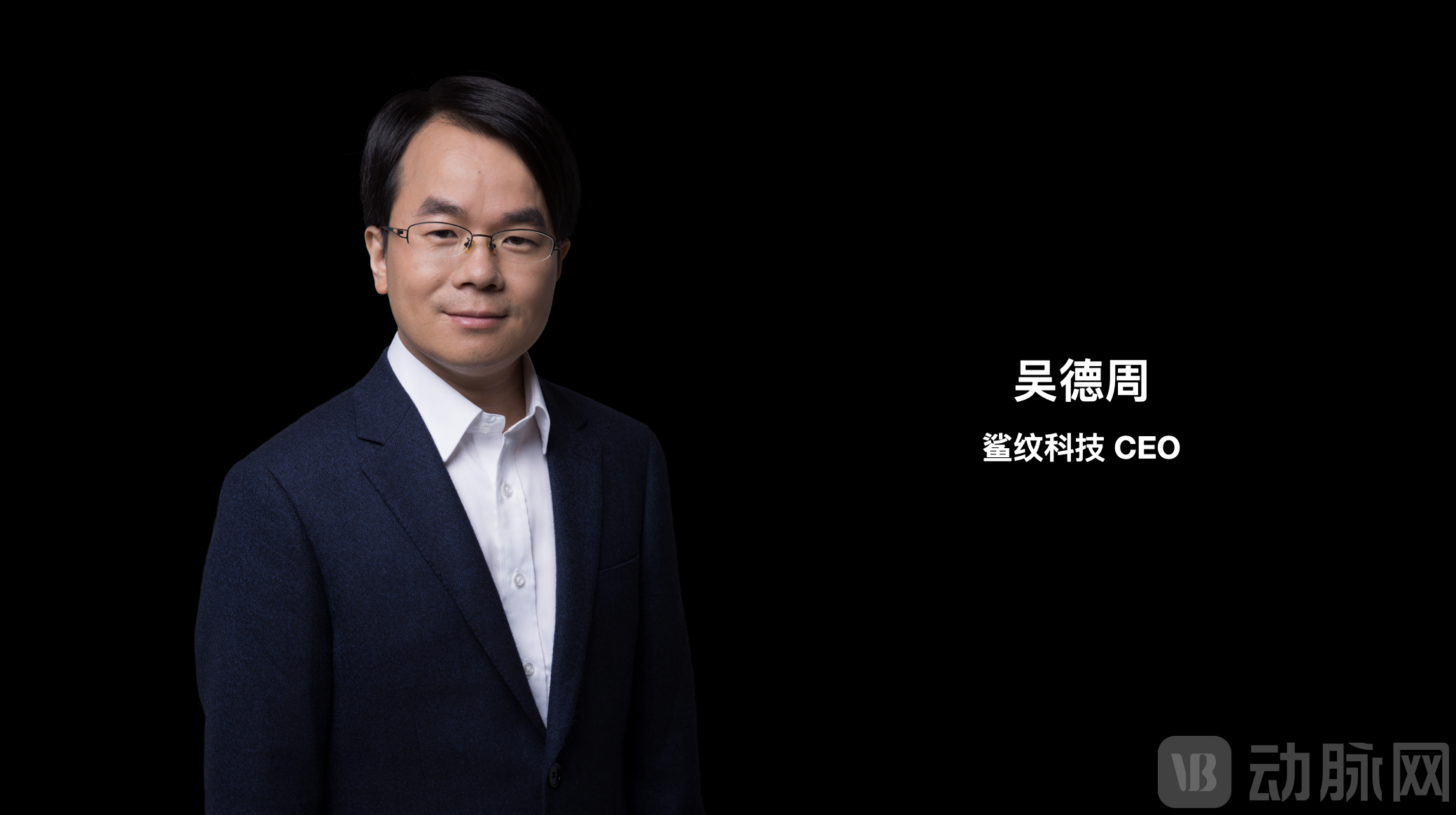
Why he made such a choice—we may glimpse some of his reasoning from his Weibo posts in October—
“I am 45 years old this year. For the first 20 years of my career, I was primarily engaged in the mobile phone industry. I hope to dedicate the next 20 years to focusing on the broader health and wellness sector. Entrepreneurship in this field is highly rewarding, as it truly ‘benefits everyone.’”
But “a sense of achievement” is not everything.
Will Wu Dezhou, a veteran with two decades of experience in the mobile phone and smart hardware sectors, apply the “mobile phone mindset” to disrupt the healthcare industry? And why did he choose Sharklet Technologies to realize his vision of “benefiting everyone” in the broader health and wellness space?
These unspoken matters may have been addressed in our interview with him.
In 1951, Hemingway, while in Cuba, wrote the novella The Old Man and the Sea, which cemented his place in literary history.
In the book, he writes:
When the old man saw it swimming toward him,
When the old man saw him coming
Knew it was a fearless shark
He knew that this was a shark that had no fear at all
"Unyielding Until the Goal Is Achieved"
It would do exactly what he wished
He prepared the harpoon while tightening the rope.
He prepared the harpoon and made the rope fast
"Watching the shark"
While he watched the shark
Come on
Come on
In this slightly tragic story, Hemingway portrays an old man who struggles against sharks and nature without compromise.
More than two decades later, another individual embarked on a more than 40-year struggle against “sharks.” He is Professor Anthony Brennan, an expert in materials engineering.
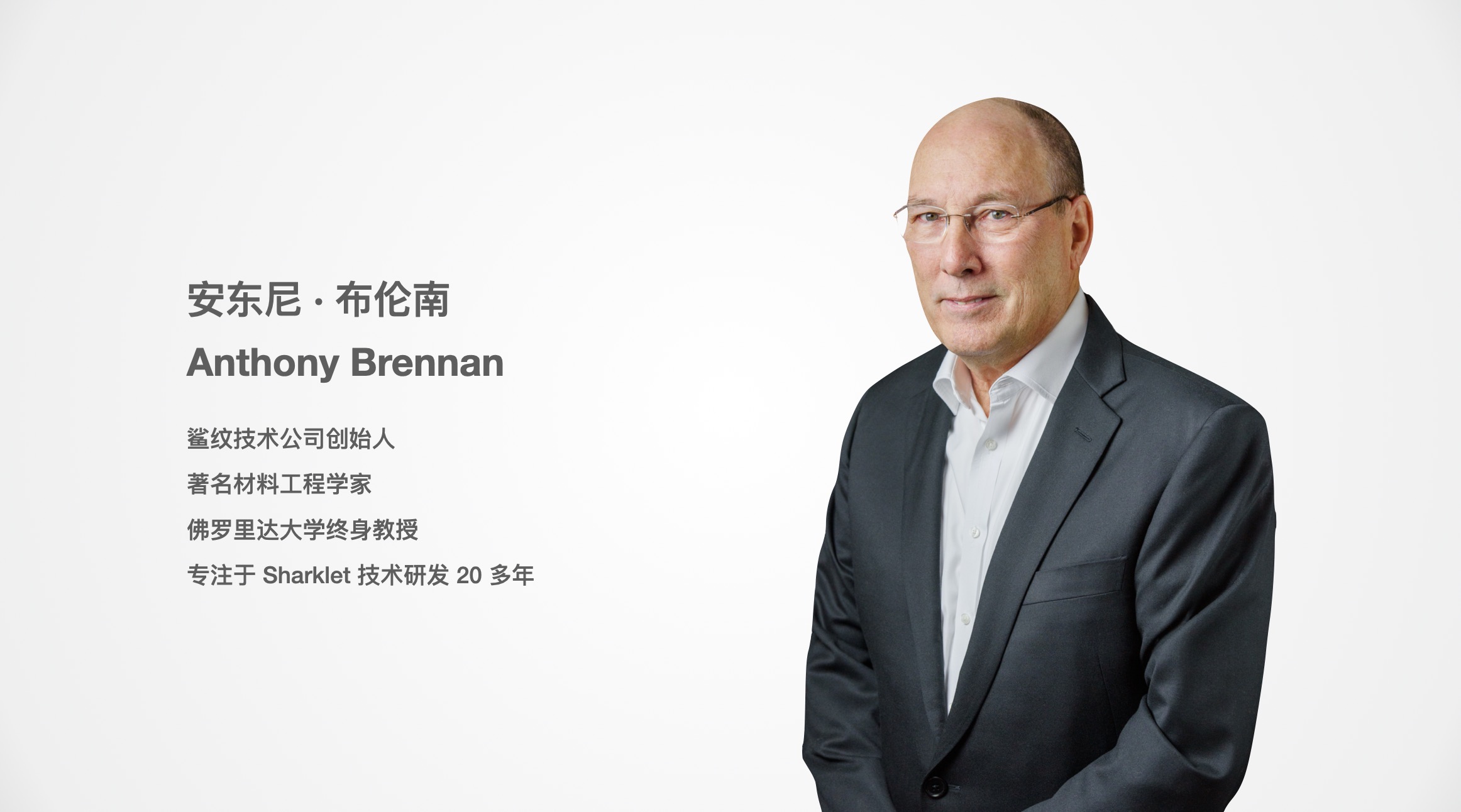
“I am afraid of sharks, but I enjoy observing them up close to identify their distinctive features,” said Professor Brennan in a video filmed in 2019. The inspiration for Sharklet’s physical antimicrobial technology came precisely from such “day-to-day” observations of sharks.
In 1978, Professor Brennan began his scientific research on bioadhesion. In 2000, one of his research projects focused on reducing the attachment of algae and other organisms to ship hulls.
“As the ship was about to leave the port, I looked at the vessel covered in seaweed. Such a large ship appeared like a swimming whale. I remarked that whales also harbor numerous microorganisms on their bodies. Everyone agreed, saying yes. Then I asked, which animals do not have such organisms attached? Finally, I thought of sharks. Everyone told me that this is because sharks swim very fast, making it difficult for microorganisms to adhere to their bodies. However, I countered by asking, what about the small sharks in aquariums? They do not swim around extensively; they simply remain in the water, much like ships docked in the port.”
Inspired by this observation, Professor Brennan immediately initiated research into why sharks do not harbor microbial attachments upon returning to his academic institution. His study revealed that the microstructures on the surface of shark skin constituted the long-sought solution for anti-biofouling.
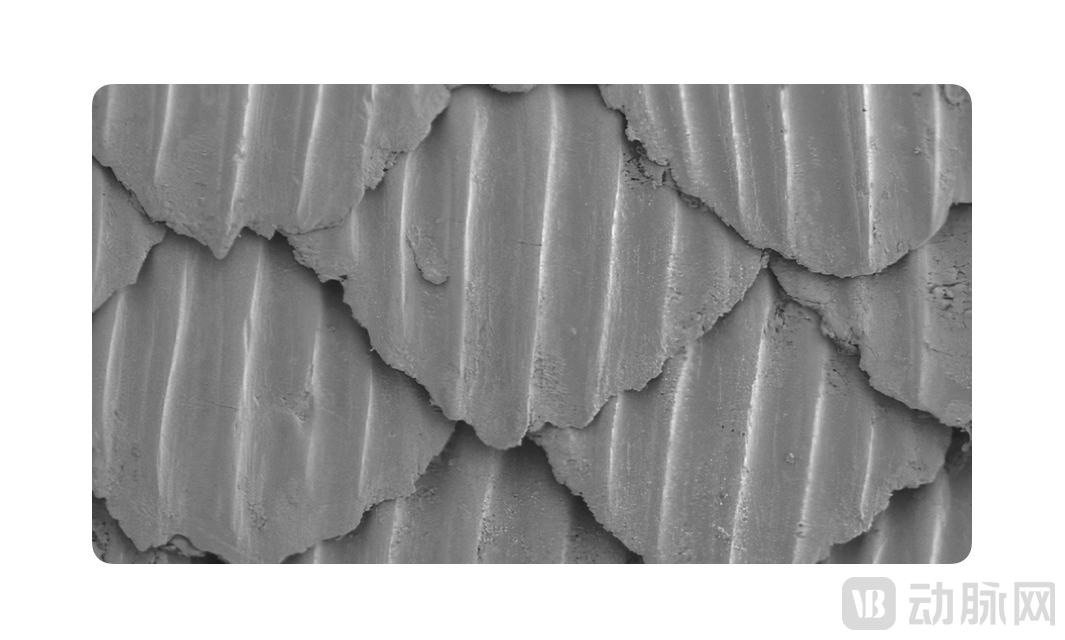
Microscopic Shark Skin Denticles
After numerous experiments, Professor Brennan finally developed the Sharklet microstructure, which is arranged in a diamond pattern. It was named “Sharklet” because it signifies something very small; the dimensions of the Sharklet microstructure are approximately one-twentieth to one-tenth those of ordinary shark scales. These diamond-shaped microstructures are only 2 micrometers wide and up to 16 micrometers long.
By mimicking the arrangement and combination of microstructures on shark skin, Professor Brennan developed Sharklet, a physical antimicrobial technology. The professor pointed out, “We have created a physical barrier to prevent bacteria from coming into contact with one another. By establishing this physical barrier, it becomes nearly impossible for them to form a colony.” “Without the ability to form colonies, they cannot cause infection.”
In November 2021, the article “Application of Biomimetic Microstructures in Controlling Surface Microbial Contamination,” published in the Chinese Journal of Disinfection, identified three primary mechanisms by which Sharklet surfaces inhibit microbial transfer—
First, microstructures can significantly increase the hydrophobicity of material surfaces, thereby inhibiting contact between liquids and the surface. Since microorganisms typically contaminate surfaces via liquids (such as body fluids) or small droplets (such as respiratory droplets), superhydrophobic surfaces represent an important research direction for novel antibacterial surfaces;
Secondly, the uneven micro-grooved structure significantly reduces the effective contact area between microorganisms and the surface, thereby weakening the interaction between microorganisms and the surface;
Furthermore, even if a small amount of liquid remains on the surface of the microstructures, the microorganisms carried within it settle to the bottom of the microstructures via capillary action as the liquid evaporates. Consequently, these microorganisms are less likely to be transferred to contact plates (under laboratory testing conditions) or to potential hosts touching the surface (in practical applications).
These three mechanisms work synergistically to collectively inhibit the contact-mediated transfer of microorganisms on Sharklet surfaces, thereby achieving antifouling efficacy.
The experimental data also confirmed the significant value of Sharklet technology in inhibiting microbial transfer via contact:
The mass-produced Sharklet polypropylene film currently demonstrates an 82.8% inhibition rate against the transmission of influenza B virus, and an 85.1% inhibition rate against the transmission of coronavirus 229E;
Sharklet microstructures inhibited Staphylococcus aureus contamination on all tested surfaces, with an average inhibition rate of 95%;
……
Data indicate that Sharklet technology can effectively reduce the risk of pathogen transmission via contact, with significant application potential in infectious disease control, reducing healthcare-associated contact infections, and mitigating and controlling infections caused by indwelling medical devices.
Professor Brennan, who had long recognized the promising applications of Sharklet technology, founded Sharklet Technologies in 2007. Due to its significant technological potential, the company has secured long-term research and development funding.
In 2017, Sharklet was acquired by Peaceful Union, a medical device company based in Hangzhou, China. In China, it began to be known externally as “Sharklet Technology.” In 2018, Wu Dezhou became associated with Sharklet Technology. In 2019, Sharklet Technology made its public debut and held its first press conference at the Olympic Gymnasium of Beijing University of Technology. In 2021, Wu Dezhou announced his official entry into Sharklet Technology, assuming the role of CEO.
“From day one, I believed we needed to partner with Chinese companies to further develop our manufacturing processes and enhance competitiveness.” Professor Brennan stated that Sharklet’s “long-term goal is to find Chinese partners to bring products to market faster, more effectively, and more cost-efficiently.”
The acquisition by a Chinese company and the addition of Wu Dezhou signify that Sharklet Technologies is achieving more rapid breakthroughs in the Chinese market, thereby accelerating its market expansion process.
Joining “Sharklet Technologies” was merely a personal choice for Wu Dezhou. But what prompted an industry veteran with two decades of experience in the mobile phone sector to commit to it so wholeheartedly?
In the interview, Wu Dezhou mentioned many points, but they can be summarized into two main reasons:
First, his insights into trends in industries such as smartphones and electric vehicles have made him reluctant to invest further. His decision not to continue pursuing the smartphone sector stems from the fact that “after working in it for so long, you realize that much of the work is constantly repetitive. Although you may try different aspects, it still amounts to repetition.” The smartphone field no longer provides him with a sense of novelty or excitement. In Wu Dezhou’s view, sectors like electric vehicles are also on the verge of becoming red-ocean markets, and what has happened in the smartphone industry may well be replayed in the electric vehicle sector.
Second, we are optimistic about the development prospects of the broader health and wellness sector. “Since the pandemic, public attention to health has continued to rise. However, most companies in the health sector remain relatively traditional, and our reliance on overseas technologies and solutions is still very high.” “Whether in software, hardware, or medical services, many segments are only just beginning to develop, leaving substantial room for growth.”
“Applying many of the strategies and mindsets from the mobile phone industry or the internet era to transform and upgrade the healthcare sector,” said Wu Dezhou, “I believe this direction could be very intriguing. By empowering traditional industries, we can bring greater differentiated value to the sector.”
Guided by this conviction, Wu Dezhou stepped into the broader health and wellness sector. Wu pointed out that his decision to assume the role of CEO at Sharklet in March this year, thereby accelerating the commercialization of Sharklet Technologies, was in fact somewhat aligned with the company’s vision and the practical application of its technological R&D.
Ryan Stoneberg, Vice President of Engineering and Manufacturing at Sharklet with over a decade of R&D experience, pointed out that the biggest challenge in implementing Sharklet technology lies in the size of its microstructures.
“The Sharklet structure is at the 2-micron scale, which is extremely difficult to manufacture because few manufacturing infrastructures can support dimensions of this size. Therefore, Sharklet was initially available only in a flat format, measuring 100 mm × 100 mm.”
In addition to initially facing manufacturing size issues, Sharklet also confronted the challenge of converting these two-dimensional templates into three-dimensional products for practical use. This problem was only resolved after years of research and development.
Concerns remain regarding potential wear of the microstructures: will such wear compromise the efficacy of the Sharklet antimicrobial structure?
Ryan Stoneberg stated, “Many products today incorporate macro-textures to protect Sharklet surfaces from abrasion. These structures can be combined with Sharklet technology to extend the lifespan of Sharklet on any surface while preventing wear.” He added, “Much like turf on a football field, removing some of the structure does not actually diminish its role in the overall product. Studies have shown that Sharklet remains effective even when a significant portion of the surface structure has been worn away.”
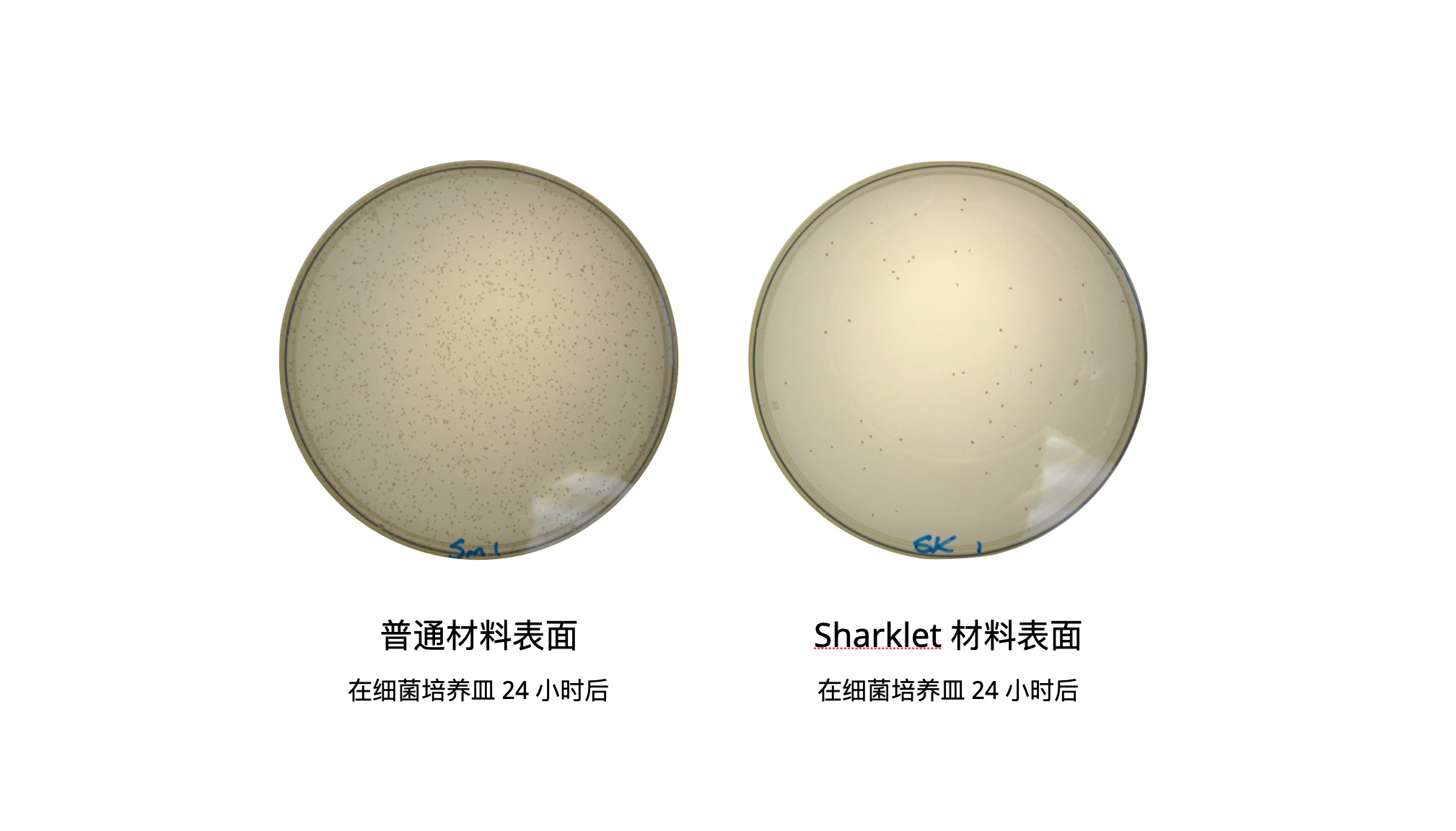
Comparison of Antibacterial Efficacy Between Sharklet and Conventional Material Surfaces
Given this, why has Sharklet’s commercialization progress remained slower than expected after its acquisition by a Chinese company?
This is related to the difficulties in manufacturing Sharklet microstructures in China. The timing of Wu Dezhou’s joining coincided with Sharklet Technology having already resolved this challenge and being ready for industrial implementation—by the end of last year, Sharklet finally identified a partner capable of manufacturing Sharklet microstructures, thereby solving the problem of mass production.
The time is ripe.
In June this year, Sharklet Technologies completed a Pre-A financing round of RMB 30 million. According to Wu Dezhou, the funds will be primarily used to expand the team and localize the implementation of Sharklet technology. The company’s domestic and international teams now comprise more than 40 members. In China, Sharklet Technologies has established its global micro-engineering center in Dongguan. Meanwhile, the company is planning its next round of financing, aiming to promote Sharklet technology in overseas markets that prioritize health and have established awareness of antimicrobial solutions.
For Wu Dezhou, leading Sharklet Technologies, there are currently two issues that need to be considered:
First, how to rapidly promote Sharklet technology and empower products across various industries.
This year, Sharklet has successively partnered with manufacturers in consumer sectors such as electric toothbrushes, adult products, maternal and infant care, and mobile phone accessories, while also establishing a collaboration in the medical field with the publicly listed company Weili Medical.
It is worth mentioning the collaboration with Weili Medical, where both parties will engage in deep cooperation in areas such as medical catheters, and civil and medical gloves.
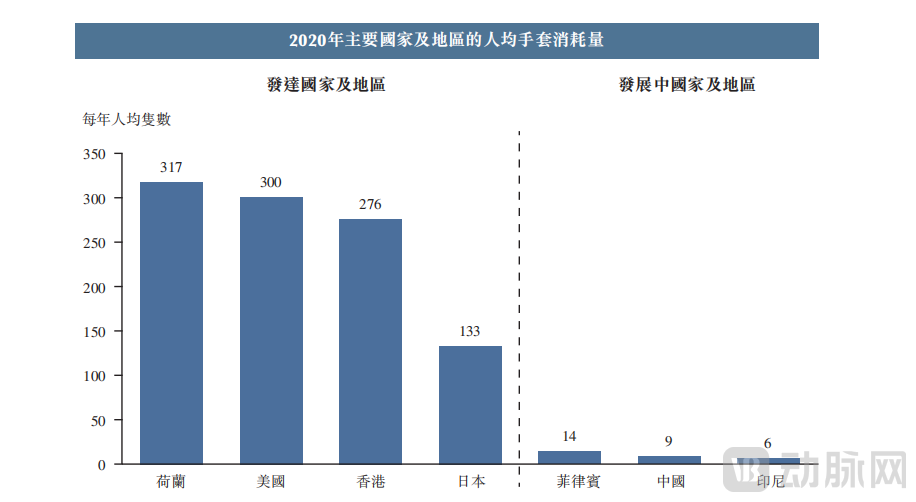
Source: IPO prospectus of Top Glove Corporation Bhd.
According to Frost & Sullivan’s report, the per capita glove consumption in the United States was approximately 300 pairs in 2020, which is about 33 times that of China (9 pairs). With economic development, population growth, and heightened hygiene awareness, domestic glove consumption in China is expected to increase further. The partnership between the two parties is also grounded in confidence in the future market. Meanwhile, Sharklet’s physical antimicrobial technology will bring added value to the products.
The collaboration between the two parties extends beyond gloves. In fact, there is a deeply moving story behind this partnership, which involves another company: the U.S. medical device manufacturer COOK Medical.
Founded in 1963, Cook Medical operates in 135 countries worldwide. Sharklet had already partnered with Cook Medical in 2012 to develop urinary catheters, and in 2015, catheters incorporating Sharklet’s physical antimicrobial technology received CE marking in Europe. The product subsequently obtained FDA clearance. However, it failed to achieve large-scale manufacturing. Cook Medical had previously engaged in business dealings with Weili Medical and inquired whether Weili Medical could manufacture medical device consumables featuring Sharklet technology. Due to limitations in domestic technical capabilities at the time, Weili Medical was unable to meet this requirement.
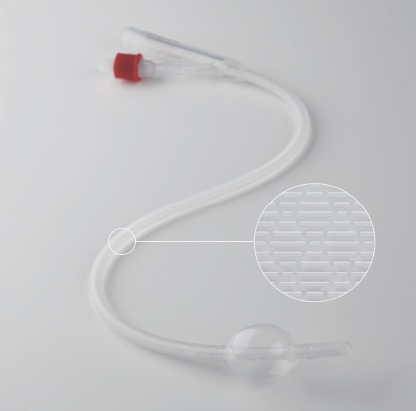
COOK Antibacterial Urinary Catheter (Surface Utilizes Sharklet Physical Antibacterial Technology)
Now that Sharklet Technologies has resolved the challenges of mass production, Weili Medical has chosen to quickly establish a partnership with them. This case can be regarded as one example of the localization of high-end manufacturing in China. The inability to mass-produce COOK urinary catheters is related to the excessively high manufacturing costs abroad. In China, there are certain advantages compared to the United States in terms of raw materials, labor costs, and manufacturing costs.
Sharklet Technologies chose to establish its engineering center in Dongguan, leveraging the manufacturing resources of the Pearl River Delta and partnering with industry-leading manufacturers such as Weili Medical, thereby further reducing product manufacturing costs.
Second, how to address the technical challenges encountered during implementation. For instance, although Sharklet Technologies identified manufacturing partners capable of producing Sharklet microstructures, these partners were still unable to fabricate Sharklet 3D textured structures on specially shaped items such as baby pacifiers. It was precisely for this reason that Sharklet chose to establish a R&D and engineering center in China to accelerate the practical application of its technology.
At the Engineering Center, Sharklet Technologies has strategically established key facilities, including a Micro- and Nano-Engineering Manufacturing Center, a Microbiology Laboratory, and a Reliability Laboratory. These facilities enable Sharklet Technologies to manage the entire product lifecycle, from initial research and development to final quality assurance.
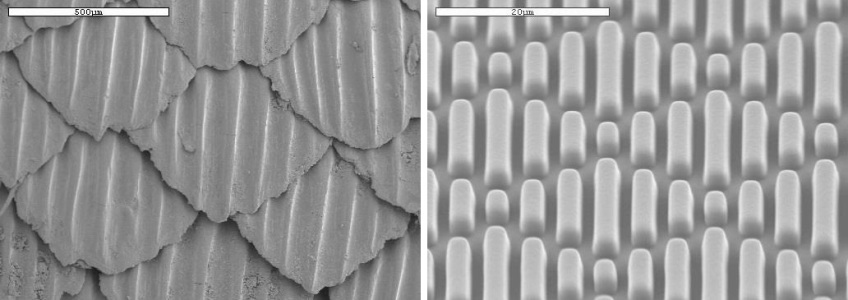
Shark Skin Under a Microscope (Left) and Sharklet Physical Microstructure (Right)
For Sharklet Technologies, the primary challenge lies in implementing Sharklet microstructures on various material surfaces. Currently, the company has achieved mature technical capabilities for applying these microstructures to materials such as plastics, rubber, silicone, and leather. It has even made laboratory breakthroughs with glass, paving the way for future applications in household appliances, such as refrigerator shelves. Meanwhile, the company continues to explore further advancements in applying this technology to ceramics, wood, and other materials.
In terms of business model, “Sharklet Technologies empowers products with its technology to enhance their commercial value and generates revenue through technology licensing fees. Additionally, Sharklet Technologies collaborates with upstream industry partners to rapidly promote its technology to a broader base of enterprise users.”
For instance, through its collaboration with the mobile phone supply chain that provides structural components to manufacturers such as Huawei, OPPO, and vivo, it introduces technology into supply chain enterprises to facilitate overall product iteration and achieve high-quality, low-cost manufacturing. In addition to cooperating with supply chain partners, Sharklet Technologies also engages directly with certain B2B enterprises by providing production molds and licensing its technology.
Professor Brennan once stated, “It is important to recognize that Sharklet technology provides a structure that mimics nature, offering us a barrier against bacteria. Crucially, it is a natural, physical barrier that never employs additional chemicals. It is akin to defending a castle by constructing a moat around it; enemies cannot cross the water-filled moat. It is a physical approach that causes no harm and adds nothing extra.”
In fact, in recent years, due to the extensive use of antimicrobial agents, bacteria have been more frequently exposed to substances capable of killing them. This has led to rapid bacterial evolution, whereby strains that were once easily treatable have gradually developed drug resistance.
In the United States, nearly $2 billion is spent annually on treating patients infected with superbugs. Sharklet’s products offer a novel approach to addressing the current challenge of superbug infections by providing a mechanism to control their further evolution.
On the other hand, Chelsea Megin, Assistant Professor in the Department of Biomedical Engineering at Ansutz School of Medicine, has stated, “Antimicrobial properties are crucial for medical devices. People go to hospitals seeking treatment and hoping to maintain their health, but unfortunately, many end up acquiring infections during their hospital stay. In the United States alone, there are two million cases of hospital-acquired cross-infections each year.”
These infections can lead to severe complications and even patient mortality. The needs of physicians and patients are aligned: “It is not only necessary to reduce the bacterial load in hospitals to maintain patient health, but also to curb the overuse of antimicrobial agents.” Sharklet technology offers a superior solution by creating a non-toxic microenvironment that prevents bacterial adhesion rather than killing the bacteria.
In fact, the outbreak of the pandemic has significantly enhanced people’s health awareness and antimicrobial consciousness, making them more receptive to such physical antimicrobial technologies. Wu Dezhou stated that the exponential growth in antimicrobial products on e-commerce platforms illustrates this trend and highlights the future opportunities for antimicrobial products.
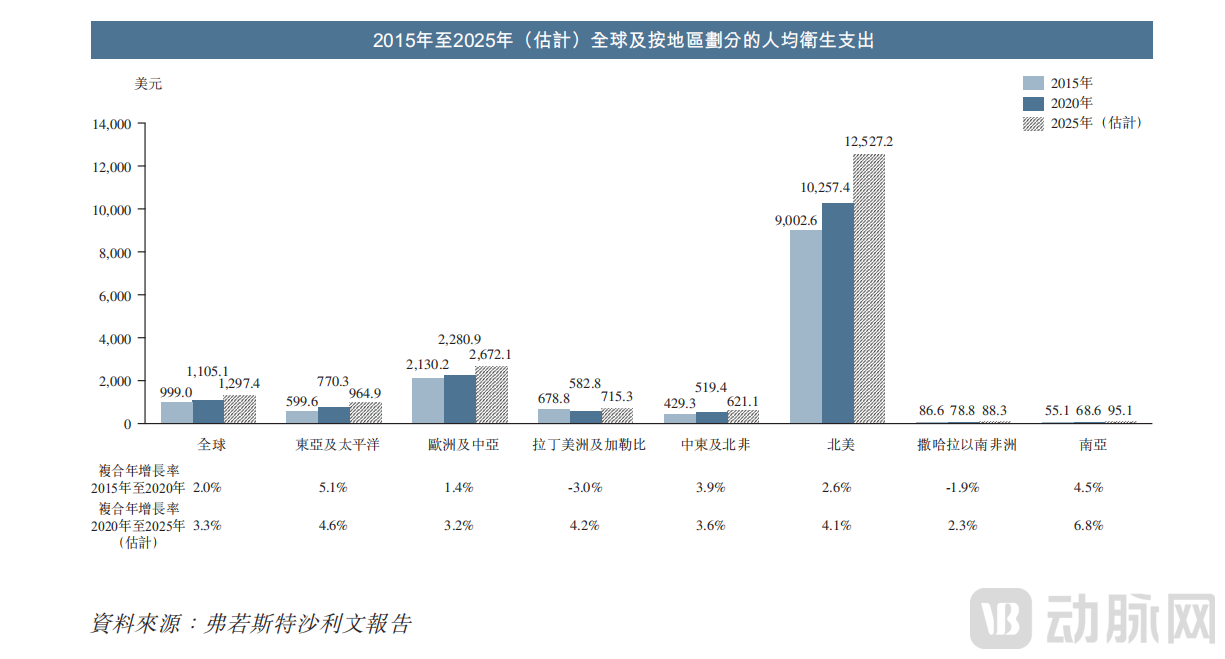
Source: Top Glove Corporation’s IPO prospectus
According to Frost & Sullivan, per capita healthcare expenditure continues to grow across all global regions. Notably, North America is projected to reach a per capita healthcare expenditure of USD 12,527.2 in 2025. On a global scale, the average per capita healthcare expenditure is also expected to reach USD 1,297.4 in 2025.
Sharklet Technologies’ physical antibacterial technology will carve out a niche in the health and hygiene sector.
It is worth noting that Sharklet Technologies’ innovations are not limited to medical supplies but also extend to consumer products, indicating a broader market opportunity.
Wu Dezhou stated that he feels a strong sense of urgency, hoping to accelerate the application of this technology across various fields so that people can quickly receive effective protection.
Sharklet Technologies has a clear positioning for itself: it aims to become a leading brand in the field of antimicrobial solutions and, through its additive-free antimicrobial technology, to serve as an expert guardian of user health. Wu Dezhou appears highly confident in this vision, stating, “Because Sharklet Technologies’ physical antimicrobial technology is unique worldwide, we hope that whenever people think of physical or healthy antimicrobial solutions, they will immediately think of Sharklet.”
Imagine living in a world protected by a “physical barrier.”
Fewer superbug infections, fewer cross-infections...
Perhaps that is the world we are about to enter.