

210 Funding Rounds and Over $15 Billion Pour Into China's Booming Brain Science Sector Over Five Years
Five years ago, Chen Tianqiao, founder of Shanda Interactive Entertainment, invested $1 billion to establish the Tianqiao and Chrissy Chen Institute (TCCI), dedicating himself to brain science research. This year, Zhang Yiming left ByteDance with a resignation letter, venturing into the vast frontier of “brain disease” exploration...
Since “Brain Science and Brain-Inspired Research” was designated as one of the major scientific and technological innovation projects and initiatives in China’s 13th Five-Year Plan Outline in 2016, “brain science” has completed its five-year journey.
210 rounds of financing, over RMB 10 billion in capital inflow, 100+ Chinese enterprises, 90+ domestic brain science research institutions……
Has the concept of “brain science” achieved industrialization? What is the current state of brain science development in China? What exactly makes brain science so appealing that it attracts numerous professionals to enter the field?Many questions remain to be further answered.
VCBeat has compiled a list of 111 companies related to “brain science,” providing an industry-wide scan of the development of China’s “brain science” sector from a corporate perspective.
Following a systematic review, we have defined the scope of this inventory to encompass eight specific sectors: medical-grade brain-computer interfaces (BCIs) and chips, consumer-grade BCIs, robotics and surgical equipment, cutting-edge scientific research equipment, others (EEG sensors and related solutions), clinical EEG big data, intelligent analysis of brain radiological imaging, and digital therapeutics.
Due to constraints on time and data volume, the collected information may not be exhaustive. Enterprises and institutions not included are requested to contact us.
Implementation
The human brain contains 100 billion neurons, 500 trillion synapses, and a multitude of other complex factors, including neurotransmitters composed of amino acids, peptides, and proteins. It is for this reason that brain science is regarded as humanity’s “final frontier,” and unlocking its secrets remains an exceptionally challenging endeavor.
Nevertheless, with breakthroughs in research methodologies and techniques, researchers have gradually found their direction. Brain science has become a hot field in contemporary scientific research. Not only have policies continued to provide increased support, but capital interest has also remained strong.Prominent investors such as Sequoia Capital and iFlytek are included on the list of backers.
Among companies in the field of brain science, four are publicly listed. In addition to these listed companies, a total of 61 companies have secured financing, while 46 companies have not disclosed their financing status. Cumulatively, there have been 210 financing events in this sector, with the total financing amount reaching approximately RMB 10.92383 billion (amounts described as “hundreds of millions” or “tens of millions” are calculated as RMB 100 million and RMB 10 million, respectively, and so on). Most financing rounds are at Series A.
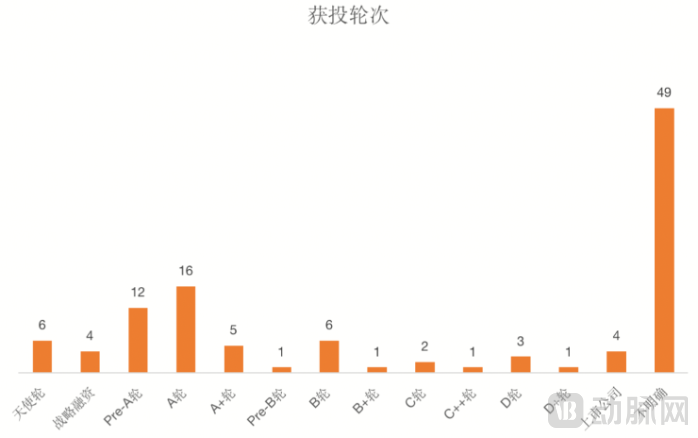
Distribution of Investment Rounds in the Field of Brain Science
Companies with unclear financing rounds are also categorized as “Unclear.”
In 2016, brain science startups reached their “inflection point for growth,” as the number of financing events in the field rose from just a few in previous years to 18, drawing attention from the capital market.
This may well be related to the fact that “Brain Science and Brain-Inspired Research” was designated as one of the major scientific and technological innovation projects and initiatives in China’s 13th Five-Year Plan Outline and was incorporated into the “Major Projects for Scientific and Technological Innovation 2030.”
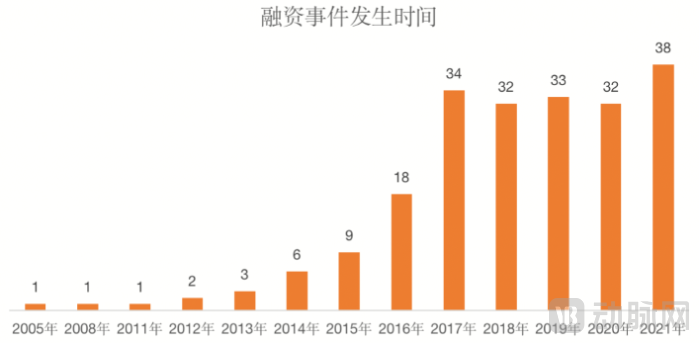
Timing of Financing Events in the Brain Science Sector
As relevant policies were implemented and research centers became increasingly well-established, the industry gradually matured. Interest in the field of brain science has remained strong, with financing activities continuing to surge.andReached a peak in financing in 2021, with 38 financing deals completed.
Advances in technology and research methodologies, coupled with policy implementation, continue to drive industry development.
This year, the state not only released the 14th Five-Year Plan, which highlights targeting frontier fields such as brain science and implementing a batch of forward-looking and strategic national major scientific and technological projects, thereby elevating brain science research to a strategic level, but also saw the “China Brain” Project enter its practical implementation phase this year.
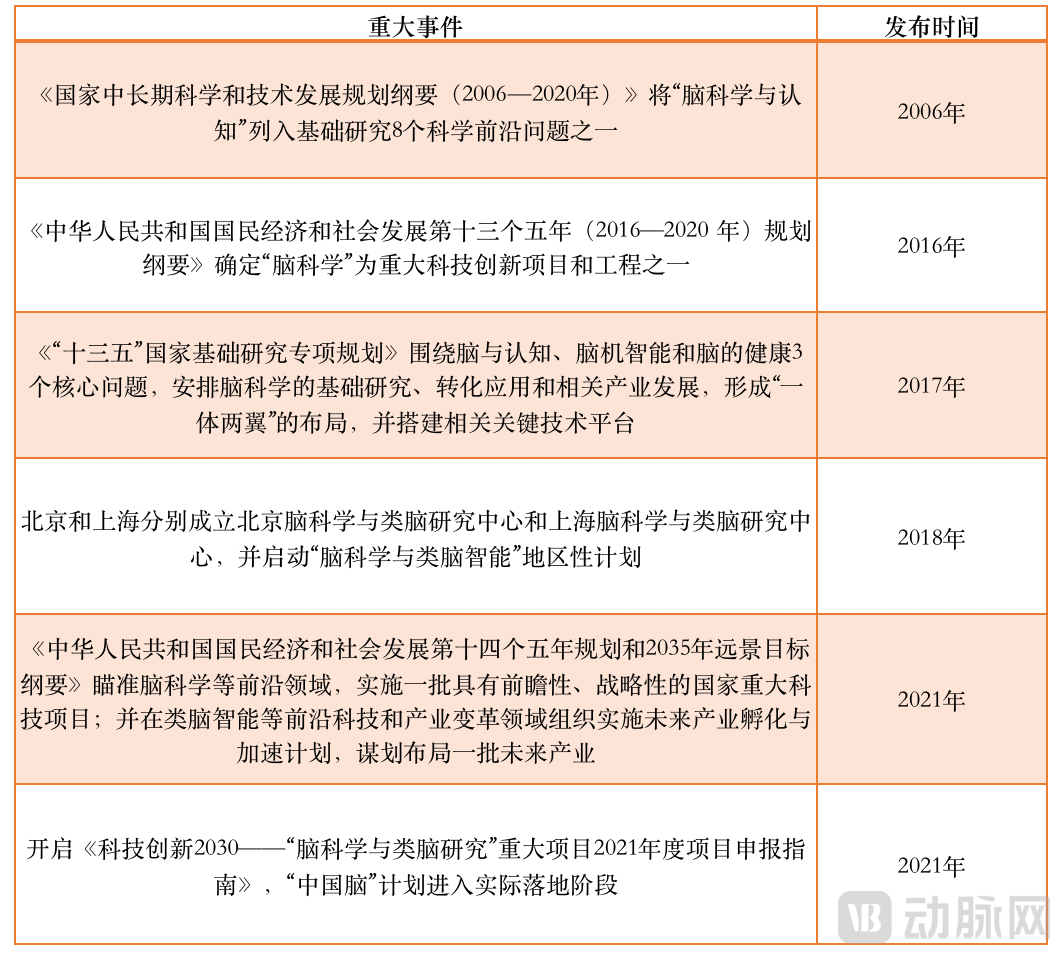
Major Events in the Field of Brain Science
A review of the development in the field of brain science, as well as the national emphasis on brain science research, can only be described as ever-increasing.
From the perspective of specific financing situations, the earliest round of financing in the field of brain science occurred in 2008, secured by SIASUN Robot & Automation. The largest single financing amount reached RMB 3.333 billion, occurring in the field of intelligent analysis of brain radiological imaging, secured by United Imaging Healthcare ((However, neurology diagnostic and therapeutic products are not part of the core product pipelines of either company.)
Excluding listed companies and those that have not disclosed their financing details, the top five companies by total financing amount are United Imaging Healthcare, Shukun Technology, Infervision, Keya Medical, and UBrain Galaxy.Notably, although the total financing in the field of brain science has exceeded RMB 10 billion, the majority of funds have flowed into the field of AI-based medical imaging.
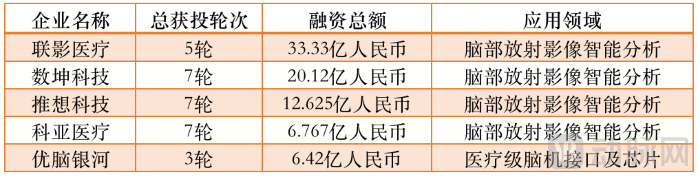
Top 5 Companies by Total Financing Amount
(With hundreds of millions and tens of millions calculated as 200 million and 20 million, respectively)
From the perspective of frequency, the field of intelligent analysis of brain radiological images still ranks at the forefront, with as many as 65 financing events.
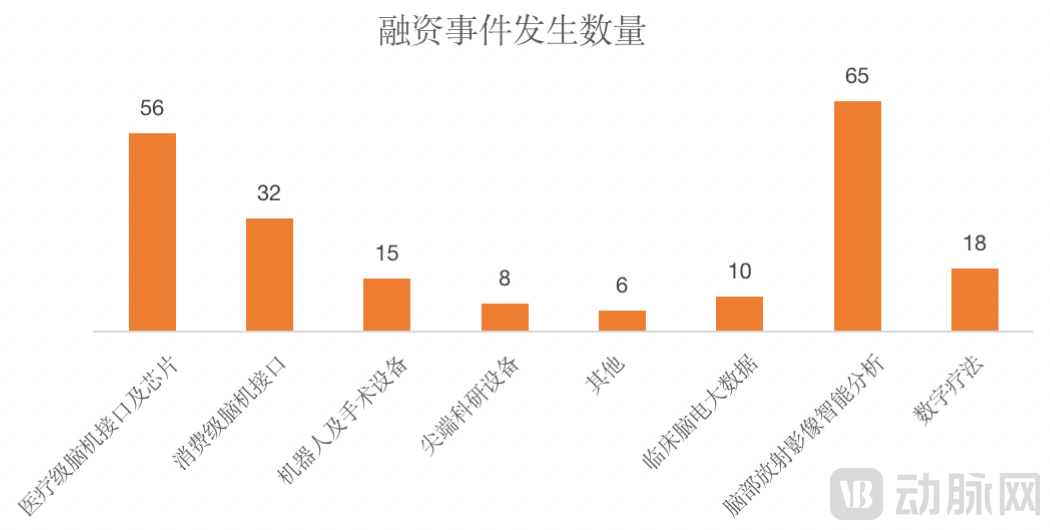
Number of Financing Events in the Field of Brain Science
Growth
What is the specific development status of the brain science field in China?
VCBeat conducted a comprehensive scan of China’s “brain science” industry, covering eight sub-sectors: medical-grade brain-computer interfaces (BCIs) and chips, consumer-grade BCIs, robotics and surgical equipment, cutting-edge scientific research equipment, others (EEG sensors, related solutions and consumables), clinical EEG big data, intelligent analysis of brain radiological imaging, and digital therapeutics.A Review of 111 Companies in China.
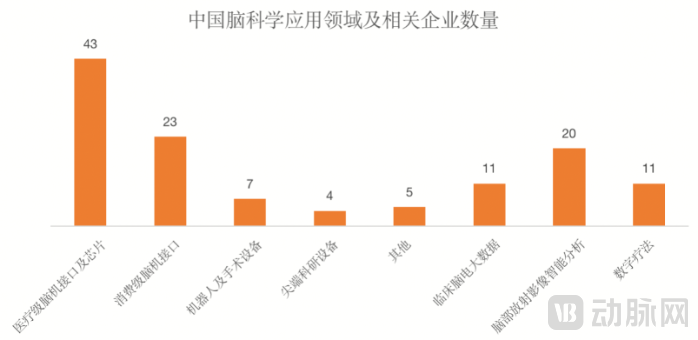
Number of Companies in China's Brain Science Application Sector
(Some companies have deployments across multiple fields)
During its review, VCBeat found that while companies specializing in brain science research each have their own areas of expertise, most are trending toward developing integrated solutions (combining hardware and software) in product development, with many establishing full-chain service offerings.Companies focused on the R&D of brain-computer interface (BCI) devices often possess capabilities in developing consumables and supporting algorithmic analysis systems.
For example, Lingxi Cloud not only offers an all-in-one device for EEG data acquisition and storage but also leverages artificial intelligence technology to develop various quantitative analysis and computer-aided diagnostic methods for high-prevalence brain disorders. These include AI-based solutions for early routine EEG screening, integrated intelligent AI systems for quantitative assessment of brain diseases, an “Internet + AI” smart telemedicine platform, and AI-assisted new drug development.
In terms of the geographic distribution of companies engaged in brain science research, Beijing, Guangdong, Shanghai, and Zhejiang have the highest numbers. Notably, there are as many as 39 such companies in Beijing.
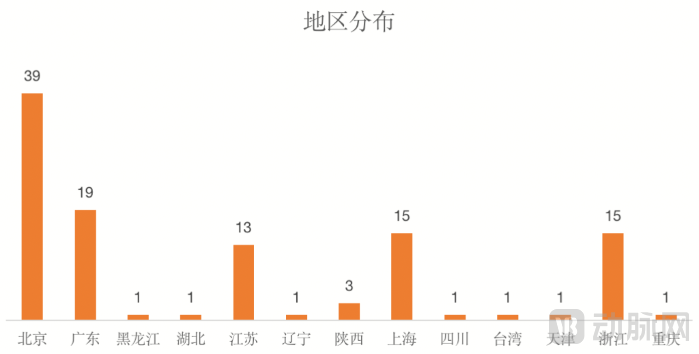
Regional Distribution of Brain Science Enterprises by Establishment Location
In addition to urban economic and resource factors, VCBeat has found that this is also closely related to the establishment of the Beijing Center for Brain Science and Brain-inspired Intelligence and the Shanghai Center for Brain Science and Brain-inspired Intelligence in Beijing and Shanghai, respectively, in 2018, as well as the launch of regional “Brain Science and Brain-inspired Intelligence” initiatives that began funding relevant research projects.
In 2017, “brain science” reached its peak momentum. Overseas, Elon Musk took over Neuralink. In China, 18 “brain science” startups were established, marking a surge in company formations.
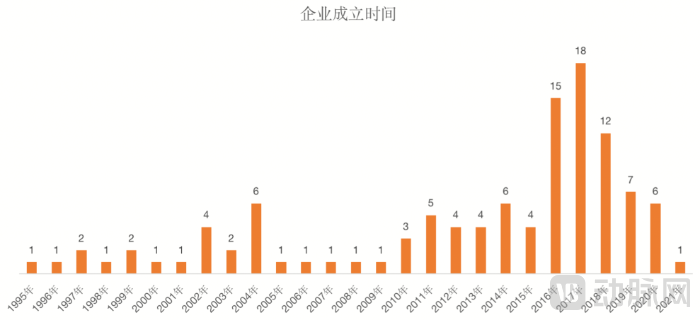
Establishment Dates of Domestic “Brain Science” Enterprises
In the field of brain science, the medical-grade brain-computer interface and chip sector has attracted the largest number of startups, totaling 43.Most of these companies were established after 2019. Although the sector has a large number of startups, the industry is still in its early stages. The product landscape is dominated by non-invasive electrophysiological devices and EEG acquisition systems, with relatively few invasive products or implantable chips.
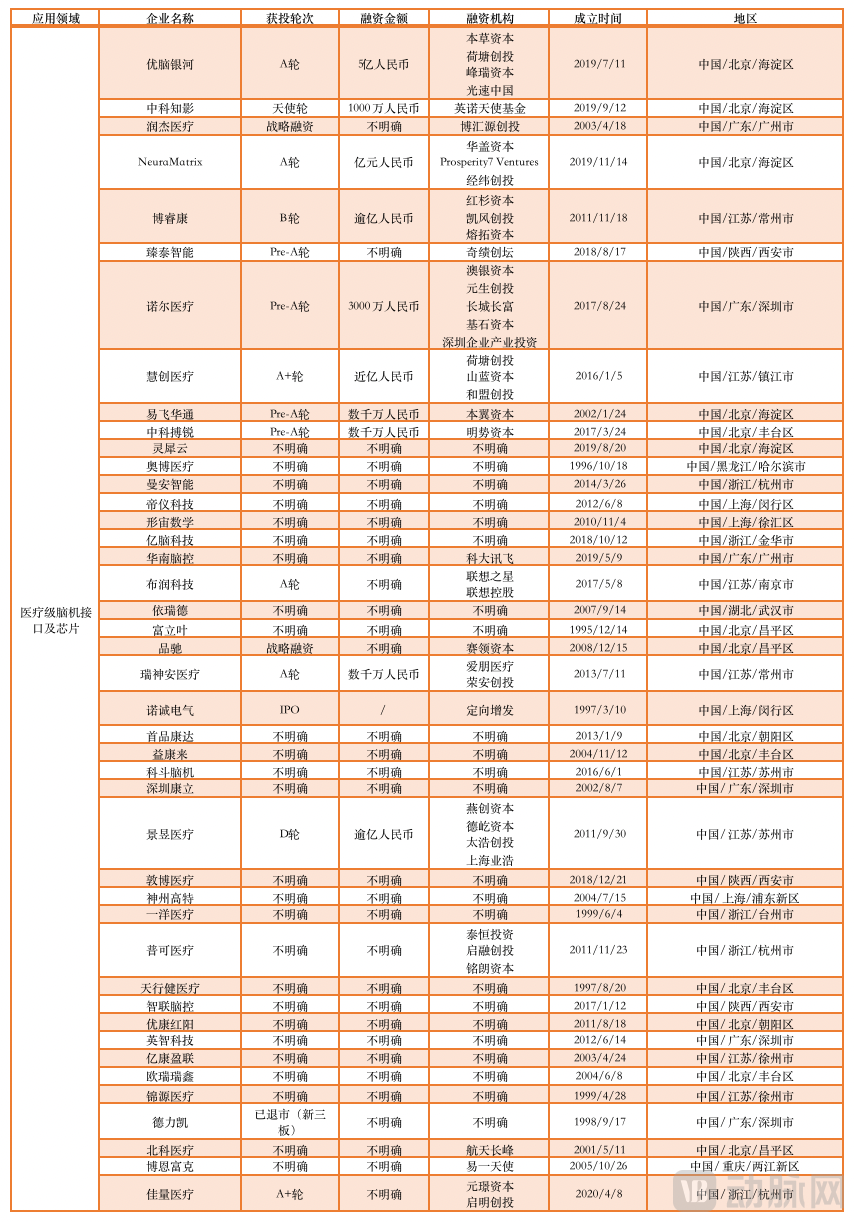
A Company Focused on Medical-Grade Brain-Computer Interfaces and Chips
A total of 56 financing events occurred in this field.Excluding enterprises that have not publicly disclosed,Most financing rounds in the medical-grade brain-computer interface (BCI) and chip sector are at the Pre-A stage, with funding amounts predominantly in the tens of millions. This indicates that the sector is far from reaching a “spark that can start a prairie fire” stage.
Invasive brain-computer interface technology is a noteworthy segment within the field of brain-computer interfaces.
A year ago, Elon Musk unveiled an invasive brain-computer interface (BCI) chip, a development that instantly went viral on social media. In reality, the predecessors of invasive BCI chips are implantable neurostimulators—such as deep brain stimulation (DBS) and vagus nerve stimulation (VNS) devices—which received FDA approval for therapeutic use as early as the 1990s.
There are few representative companies in China’s DBS market; domestic firms such as PINS Medical, Jingyu Medical, Ruishen’an Medical, and Kedou Brain Computer are among those specializing in this field.
Among them, Jingyu Medical has established a presence in the treatment of Parkinson’s disease and multiple psychiatric indications. Despite its relatively mature industrial development, the company continues to pursue innovations in product performance and structure, refining key DBS devices such as electrodes and pulse generators.
However, as brain-computer interfaces (BCIs) evolve toward ultra-miniaturization, wireless connectivity, and integrated acquisition-stimulation capabilities, the next generation of implantable neurostimulators—invasive BCI chips—is poised to become a key frontier in the future development of brain science.
Due to the high technical barriers in this field, few domestic companies have established a presence. According to statistics from VCBeat, NeuraMatrix is the only such company in China. NeuraMatrix provides a one-stop solution ranging from micro-implantable devices to hardware servers, software, various electrodes, and data analysis services.
Compared with medical-grade brain-computer interface (BCI) products, consumer-grade BCI products are “lighter” and more closely integrated into daily life. Applications such as “high-tech headbands in the classroom,” “student attention monitoring,” “sleep patches,” and “brain-controlled racing cars” exemplify the use of BCI technology in everyday settings; however, people rarely associate these applications with terms like “brain-computer interface” or “brain science.”
From the perspective of corporate product application scenarios, sleep monitoring and health management have become the primary entry point for consumer-grade brain-computer interface (BCI) products.Among these, sleep monitoring products account for half of the consumer-grade brain-computer interface (BCI) market, with most companies having developed related sleep monitoring solutions.Meanwhile, key application scenarios include meditation, cognitive enhancement, brain-computer interface racing, mental health assessment, and safe operations.
Among them, BrainCo’s “Intelligent Bionic Hand” and Niantong Intelligence’s “Exoskeleton Rehabilitation Hand,” designed to assist stroke patients in hand function rehabilitation training, are among the most differentiated products in this field.
According to VCBeat statistics, there are a total of 23 companies focused on the development of consumer-grade brain-computer interface (BCI) products. The majority of these companies have secured Pre-A round financing.
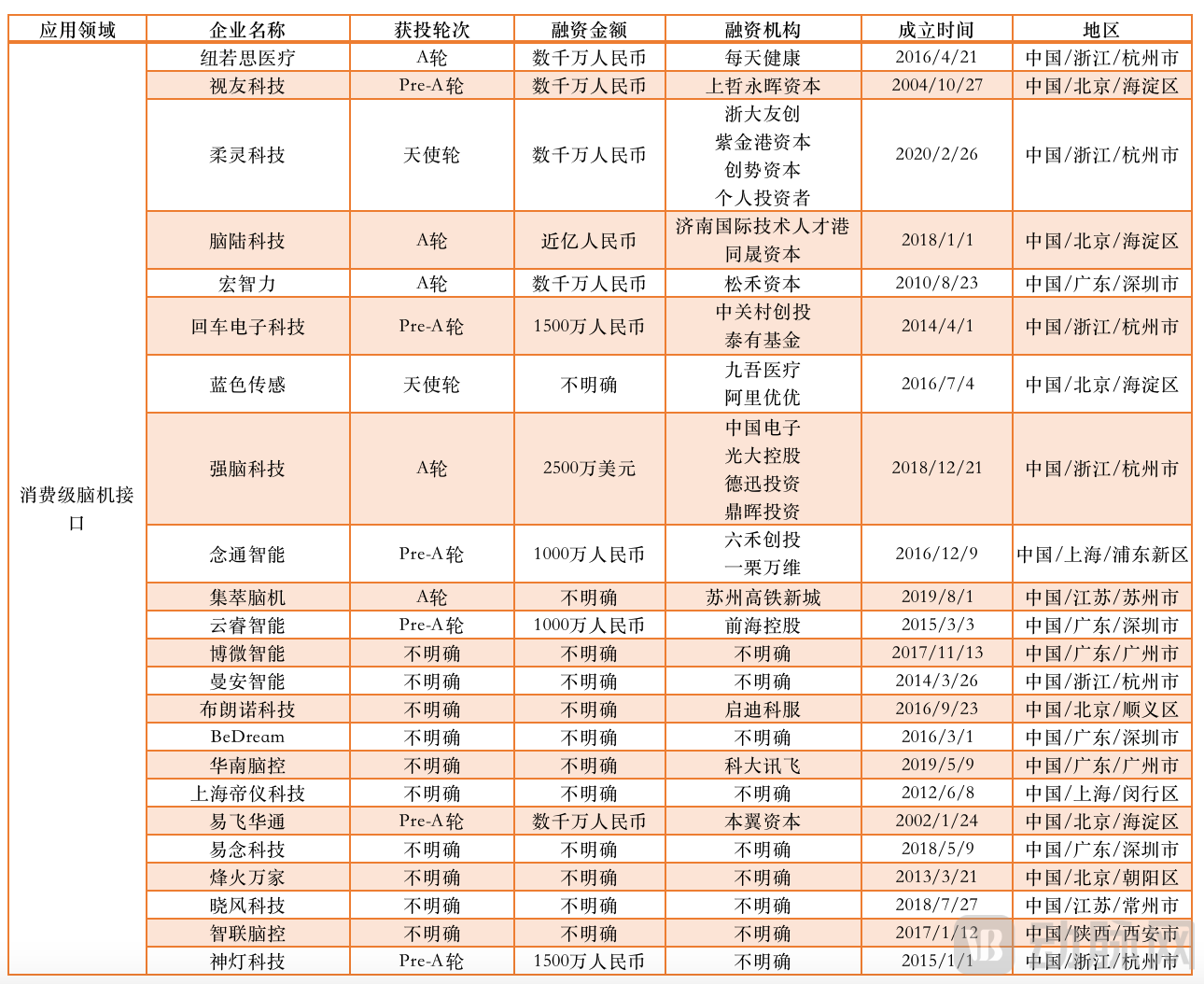
Consumer-Grade Brain-Computer Interface Enterprise
In terms of financing amounts, BrainLand Technology and NeuroXess have been the most favored by investors.
BrainCo has developed a comprehensive solution based on EEG analysis by independently researching and developing hardware, software, and algorithms related to brain-computer interfaces (BCI). In addition to creating sleep-aid products and brain health screening tools, the company has established an open brain cloud platform. This platform provides API interfaces for BCI hardware and software devices, as well as data analytics services, to various industries including finance, insurance, security, healthcare, and entertainment.
BrainCo has established three product lines: the BrainRobotics bionic hand, which integrates brain-computer interface (BCI) technology with artificial intelligence algorithms; the “StarKids” social skills and attention rehabilitation system; and a mindfulness system. Among these, BrainRobotics captures electromyographic (EMG) signals from the residual limb and employs deep neural network algorithms to decode user intent, thereby enabling various prosthetic movements.
The “StarKids Social and Attention Rehabilitation System” provides a more scientific diagnostic standard for autism. Meanwhile, the FocusZen mindfulness stress-relief system effectively alleviates user anxiety. BrainCo’s products are highly innovative and cater to a broader demographic.
Based on the above analysis, it is evident that despite the diverse product forms in this sector, there remains a risk of homogenization, which will to some extent increase the difficulty for enterprises to “break through.”How to build corporate differentiation and expand into more application scenarios is a question that companies in this sector need to continuously consider.
There are seven companies in the robotics and surgical equipment sector, characterized by high average funding amounts per round, later-stage financing rounds, and relatively mature business development.
This sector primarily focuses on companies dedicated to the research and development of neurosurgical robotic systems.
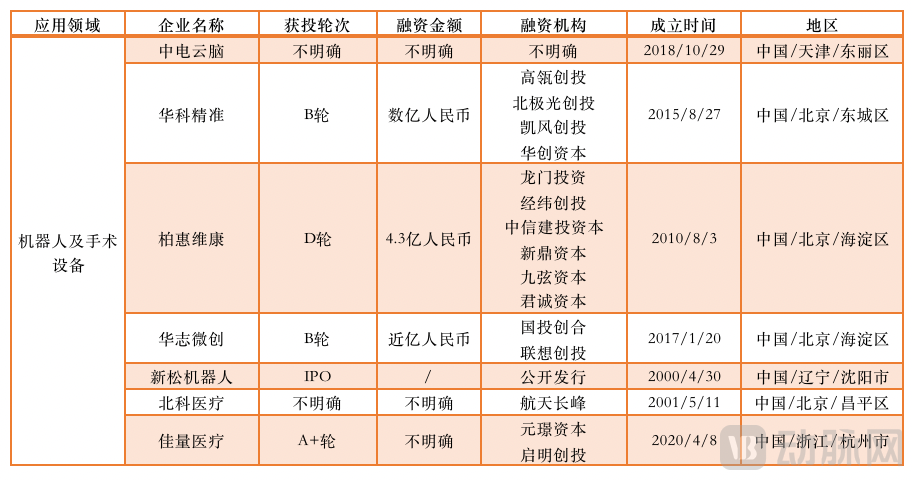
Specializing in Robotics and Surgical Equipment Enterprises
Given the high precision requirements, complexity, and significant risks associated with neurosurgical procedures, there is a natural market demand for surgical robots. The aforementioned “invasive brain-computer interface” products require surgical implantation into the brain. Currently, neurosurgical robots have achieved their highest penetration rate in stereoelectroencephalography (SEEG) electrode implantation surgeries for epilepsy.
Huake Jingzhun and Baihui Weikang primarily focus on the development of neurosurgical robotic systems and neurosurgical navigation products. Huazhi Microinvasive centers its R&D efforts on surgical navigation, having launched a frameless stereotactic system for brain surgery.
In addition, China Electronics Cloud Brain has launched a “pure mind-controlled” artificial neural robotic system for whole-limb stroke rehabilitation. By simulating central neural pathways and decoding patients’ motor intention signals, the system stimulates paralyzed limbs to perform corresponding movements, thereby enabling active rehabilitation training.
The cutting-edge scientific research equipment sector is located at the forefront (upstream) of the brain science industry chain, providing relevant research equipment for brain science research.
From a theoretical perspective, brain science research primarily serves three purposes: “brain exploration, brain protection, and brain creation.” Among these, “brain exploration” refers to investigating the functions, structures, and principles of the brain, including its physical composition, biological mechanisms, and operational functions.
Before fully understanding the mechanisms of the brain, it is necessary to develop various indicators for early warning and early diagnosis of major brain diseases, such as biomarkers in blood and other body fluids, molecular components in cerebrospinal fluid, brain imaging, and brain function metrics. This process requires support from advanced scientific research equipment to assist in exploring the pathogenic mechanisms of more brain diseases in the field of brain science.
Currently, there are few domestic developers of cutting-edge scientific research equipment that can be found through search engines; only four companies are identified: SuperVision Imaging, Newton Technology, RWD Life Science, and Kedou Brain-Computer Interface.
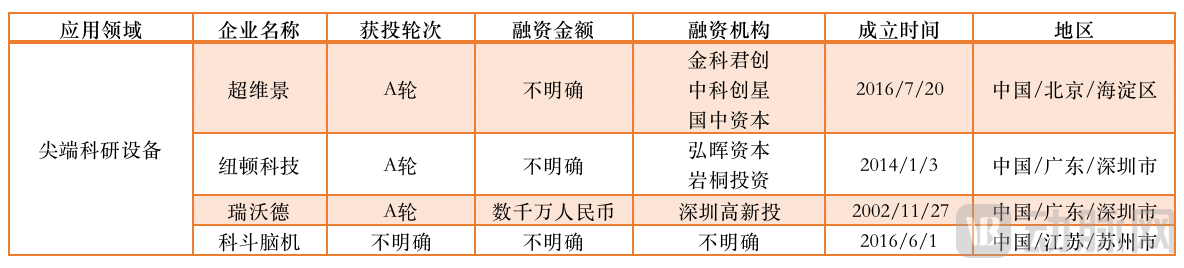
A Review of Companies Specializing in Cutting-Edge Scientific Research Equipment
RWDThe company boasts a robust product pipeline, offering a range of cutting-edge research equipment for the life sciences sector. In the area of animal neural signal modulation and detection, it has developed optogenetic systems, fiber photometry recording systems, in vivo physiological recording systems, and sleep deprivation systems.
SuperVisionThe miniature two-photon microscope imaging system is worth noting. This device enables real-time, high-speed, high-resolution imaging of neuronal functional activity at the level of individual dendritic spines in freely moving mice. It allows researchers to obtain imaging results that closely reflect physiological conditions.
In the digital era, it is difficult to discuss technology without addressing big data and artificial intelligence. Brain science is no exception. There are a total of 11 companies specializing in clinical electroencephalogram (EEG) big data, with Beijing being the primary hub for such enterprises.
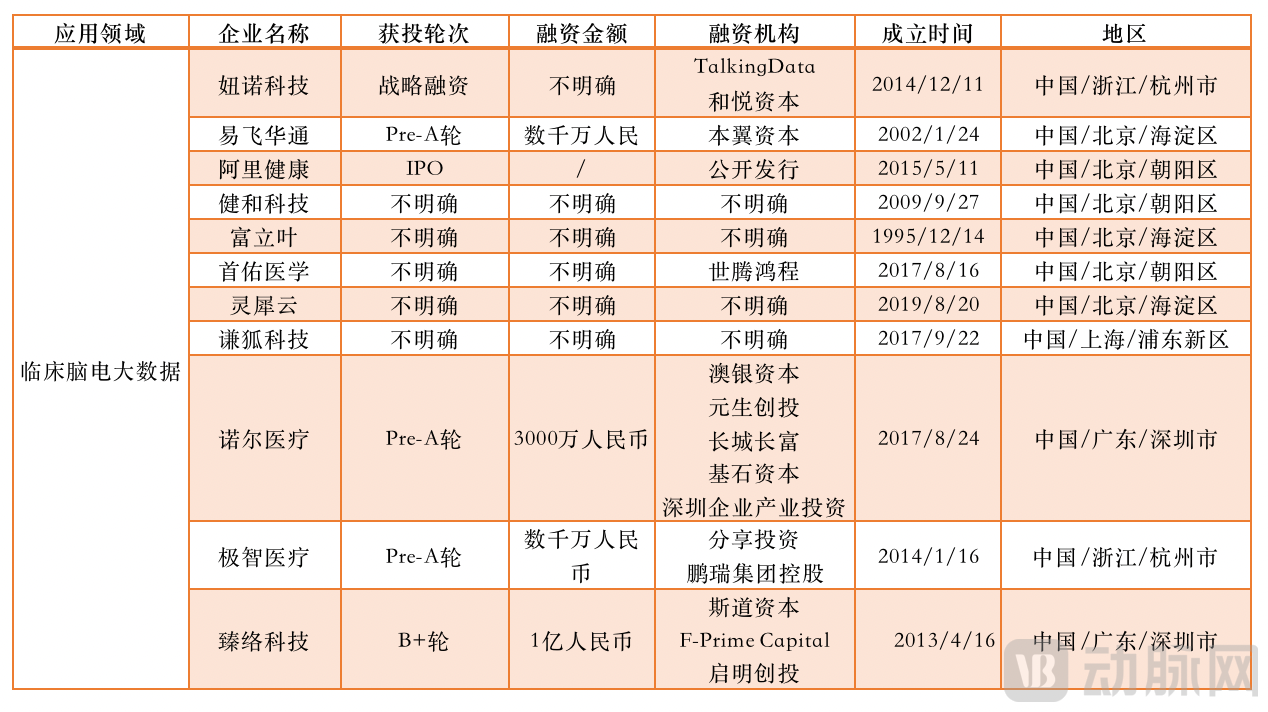
A Company Specializing in Big Data for Clinical Electroencephalography (EEG)
As previously mentioned, product R&D largely exhibits a trend toward building integrated solution systems (combining hardware and software), with numerous companies having established end-to-end service chains.Nuo Nuo Technology has implemented a dual hardware-software design strategy centered on electroencephalogram (EEG) technology, creating an EEG cloud platform dedicated to the diagnosis and treatment of neurological disorders.
Meanwhile,Dai Shenyi, CEO of Niunuo Technology, once discussed the reasons behind this with VCBeat:“Initially, we focused solely on software development, but we encountered numerous challenges during the data acquisition process. First, EEG data collection was inconsistent due to variations in acquisition devices. Second, many portable scenarios hold significant application value, yet numerous manufacturers have overlooked this demand. Third, EEG data must undergo multiple algorithmic transformations and interference removal to generate analyzable signals. Moreover, capturing signals associated with specific feature values requires a deep understanding of micro-signal processing, which inevitably demands thorough knowledge of the underlying hardware.”
In the field of brain science, Alibaba Health has also made inroads.Its AI laboratory has developed the “Epilepsy EEG Analysis Engine,” which significantly reduces the time physicians previously spent analyzing electroencephalograms (EEGs) of epilepsy patients. By integrating algorithmic systems, it automatically detects various types of epileptic abnormal discharges, thereby enhancing detection efficiency and accuracy.
Although the specific application scenarios for clinical EEG big data vary, the strategic layouts of Nuonuo Technology and Alibaba Health indicate that the primary implementation setting remains at the primary care level. By leveraging EEG big data systems and related digital technologies, this approach aims to reduce physicians’ image interpretation time, address the shortage of medical professionals in primary care settings, and, to a certain extent, improve the accuracy of EEG interpretation.
Thus, medical big data and telemedicine platforms are also the primary application scenarios in this field.
It is worth mentioning that, Fourier Intelligence, the earliest-established “brain science” company in this field.Established in 1995, the company completed multiple major high-tech projects starting in 1996, including the “Autonomic Nervous System Response Detection System” and the “Multi-channel Physiological Signal Acquisition and Automatic Analysis System.” Its main products include the Neonatal Brain Function Analysis System, the Pediatric Brain Function Analysis System, and the Brain Function Analysis System for Middle-aged and Elderly Adults. As one of the earliest enterprises in the field, its experience and methodologies merit further exploration.
As the area attracting the most funding in brain science, its importance is self-evident.
There are a total of 20 companies in this field, including Qianhu Technology, Shanghai Aijin, and Hui Naoyun, which specialize in intelligent analysis of brain radiological images. There are also companies such as Zhiyu Technology, United Imaging Healthcare, Yasen Technology, and Shukun Technology, which focus on multi-domain medical image analysis.
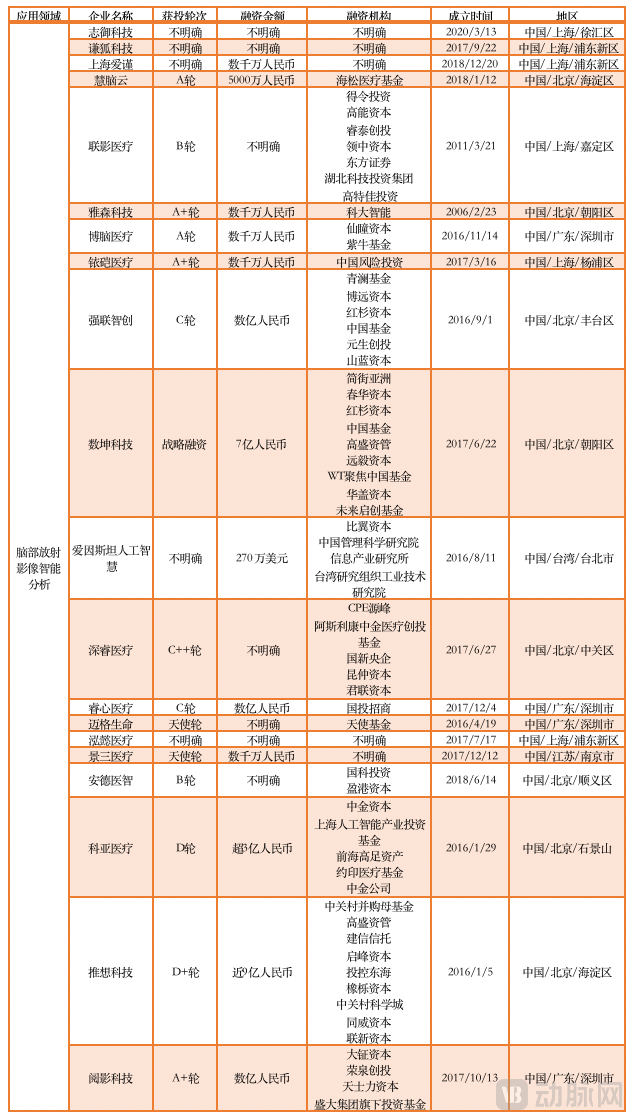
A Company Specializing in Intelligent Analysis of Brain Radiological Imaging
As medical imaging has become a relatively mature application scenario for artificial intelligence technology, many companies have embarked on the exploration of brain imaging and secured substantial financing.Among the top five companies by total financing, four specialize in intelligent analysis of brain radiological imaging (United Imaging Healthcare, Shukun Technology, Infervision, and Keya Medical).
Among them, United Imaging Healthcare focuses on medical products for the entire process of imaging diagnosis and treatment. Shukun Technology has five product lines: Digital Brain, Digital Heart, Digital Abdomen, Digital Chest, and Digital Musculoskeletal. Deepwise Medical focuses on decision support and follow-up in areas such as early screening for lung cancer, early screening for breast cancer, auxiliary assessment of stroke, and assessment of children's growth and development. The exploration of such enterprises in the field of brain science is mostly centered on cerebrovascular and cardiovascular diseases.
Companies specializing in intelligent analysis of brain imaging offer a richer variety of related products.Such as neuroimaging analysis, tractography, 3D reconstruction of brain regions, quantitative analysis of brain images, and early screening and diagnosis of Alzheimer's disease.
Among them, Ande Medical Intelligence has established a strategic presence in the AI-powered precise diagnosis of intracranial tumors. Its MR-based AI-assisted diagnostic software for intracranial tumors leverages deep learning algorithms trained on hundreds of thousands of pathologically verified brain tumor cases to enable the diagnosis of various intracranial tumors, such as meningiomas, vestibular schwannomas, medulloblastomas, and gliomas.
Such products primarily serve to enhance the precision and standardization of diagnosis, assist in surgical planning and assessment, and improve the efficiency of diagnosis and treatment. In terms of social value, they help address the shortage of medical resources.
There is a flaw in brain disease screening: the traditional medical scale-based screening method suffers from low efficiency, low accuracy, and a lack of horizontal and vertical comparability. Specifically, it is difficult to conduct large-scale screening within a short period using traditional medical scales, resulting in low efficiency. Moreover, paper-based scales pose challenges in collecting patient data. Meanwhile, the manual-dominated approach is prone to low screening accuracy due to subjective judgments based on individual experience and timing errors.
The continuous growth in the number of patients with brain disorders, coupled with the challenges in developing traditional chemical drugs for these conditions, has shifted attention toward the promising new field of digital therapeutics.In June 2020, the FDA granted its first approval to EndeavorRx, a video game-based digital therapeutic for treating attention-deficit/hyperactivity disorder (ADHD) in children, marking a milestone in the field., thereby further validating the effectiveness of digital therapeutics from another perspective.
According to statistics from VCBeat, there are only 11 digital therapeutics companies focused on the treatment and screening of brain diseases.
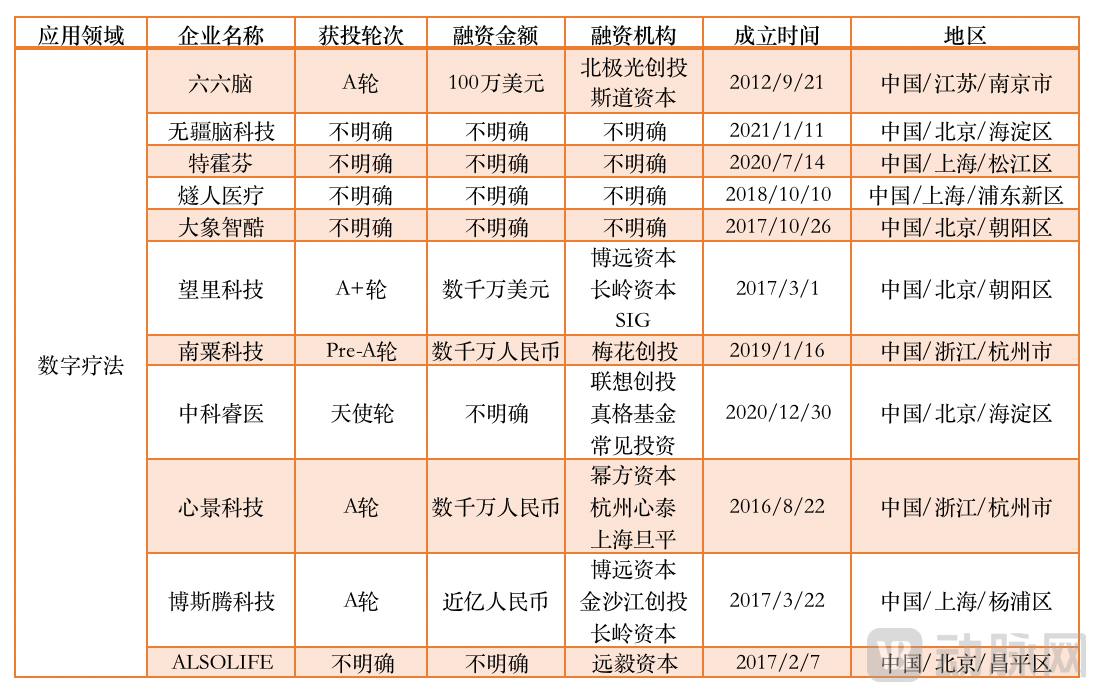
Digital Therapeutics Company
According to industry insiders,Due to the need for digital therapeutics R&D engineers to possess interdisciplinary knowledge in medicine, engineering, and brain science, there is a shortage of talent in this sector. Meanwhile, insufficient market education has led to issues such as a disconnect from clinical application in actual product deployment.
Therefore, further promoting the integration of “industry-academia-research” and continuously improving the deployment of relevant research institutes are key to addressing this issue.
On the other hand, digital therapeutics companies focus on a broad spectrum of brain disorders, including Alzheimer’s disease, Parkinson’s disease, post-stroke cognitive impairment, as well as psychiatric and psychological conditions. In the future, expanding product pipelines from the diagnosis and treatment of single diseases to multiple disease categories is likely to become a key development trend.
Among them, Teva has established three major product pipelines for Alzheimer's disease, postpartum depression, and attention deficit hyperactivity disorder (ADHD) in children.
SuiRen Medical boasts two major product pipelines: brain-computer interface systems and digital therapeutics.Its self-developed Brain Function Assessment and Screening System (BESS) integrates electroencephalography (EEG), near-infrared spectroscopy (NIRS), and eye-tracking technologies with virtual reality (VR) and specialized Cognitive Process Monitoring Assessments (CPMA). This system enables comprehensive, multi-dimensional data acquisition within approximately 10 minutes, facilitating holistic monitoring and analysis of brain health.
Given the relatively small number of companies identifiable within each specific niche, we have grouped enterprises engaged in EEG product sensors and related solutions into the same sector.
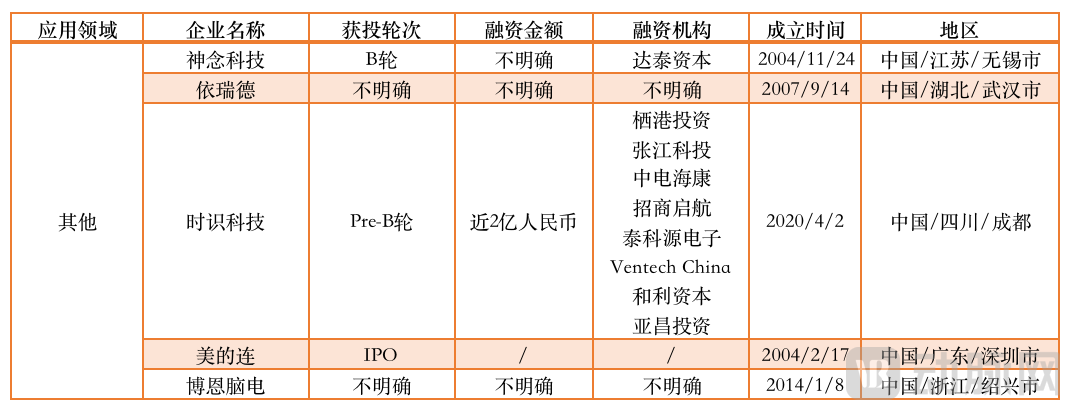
Among them, Shennian Technology specializes in bioelectric sensing technology.In the EEG field, it primarily provides EEG sensors and devices, EEG algorithms, and application software to help partners and developers launch their own EEG products in the shortest possible time.
In simple terms, users can develop their own products based on NeuroSky’s hardware and development tools, or create applications to be bundled and sold with NeuroSky’s hardware devices. For example, NeuroSky’s chips can be embedded into wearable devices to monitor and improve users’ health conditions. To date, millions of EEG devices have incorporated its TGAM module.
Shishi Technology boasts a broader scope of application, with its product suite primarily centered on brain-inspired intelligence. Application scenarios include human-computer interaction in smart homes, intelligent robots, wearable devices, smart security, and the Industrial Internet of Things (IIoT).
Future
The brain science industry is in a growth phase, but it is worth noting that although total financing in the field of brain science has exceeded RMB 10 billion, the majority of funds have flowed into the sector of AI-powered medical imaging. The earliest financing events occurred in the fields of robotics and surgical equipment, yet four of the top five companies by financing amount are from the AI-powered medical imaging sector.
Furthermore, based on current data, most technologies in the medical brain-computer interface (BCI) field remain conventional, predominantly relying on traditional electroencephalography (EEG) devices, with few companies achieving innovative breakthroughs such as BCI chips.
But as was written in the founding letter of the TeHofen team, our exploration of human brain diseases launched today is like the white dove released by Noah. The complexity of the brain is akin to a vast ocean; we bear a heavy responsibility to find a new continent for human survival amidst this boundless sea. To the outside world, this may seem like a foolish endeavor, but I believe we have already discerned the direction toward that continent.
Brain science research is particularly complex, and it may take time to unravel the “secrets” of the human brain. What we can observe, however, is that numerous explorers have already set sail on their own arks in pursuit of this “ultimate frontier of humanity.”