

Xu Tian, Vice President of Westlake University: The Risk of 'Me-too' Is No Less Than First-in-Class; Startups Should Offload Non-Core Tasks from Scientists
“From the very beginning of project selection, we do not leave the decision-making to scientists alone; instead, we leverage our own expertise to make judgments. If we decide to proceed, we then assemble a comprehensive team to tackle key challenges. We provide incubation services, including space and equipment, assist enterprises in developing business plans, and help them secure financing. Beyond these efforts, we also handle intellectual property protection, construct viable business models—including exit strategies—conduct commercial negotiations, and manage logistical operations. We have developed a complete, proven workflow that encompasses all these aspects, allowing scientific teams to focus exclusively on science and technology and to resolve technical issues.”
The intensive rollout of domestic policies in the past two years signals that the commercialization of scientific research will undoubtedly become the central theme of China’s industrial development over the next 5–10 years.
China’s scientific and technological achievement transformation sector is in a phase of rapid growth. The implementation of the Law of the People’s Republic of China on Promoting the Transformation of Scientific and Technological Achievements has clarified the state’s supportive stance toward this endeavor, while flexible distribution of proceeds from service inventions has boosted researchers’ enthusiasm for commercializing their findings. The 14th Five-Year Plan also repeatedly emphasizes the need to “strengthen intellectual property protection and significantly enhance the effectiveness of technology transfer and commercialization.”
However, we must acknowledge that the commercialization of scientific and technological achievements in China is still in its early stages, with most research outcomes yet to complete the transformation from “research” to “production.” Relevant data show that,Chinese universities hold approximately 30 times the number of patents as their U.S. counterparts, yet employ only one-tenth the number of staff dedicated to intellectual property and technology transfer management. The commercialization rate of scientific and technological achievements in China stands at merely 10%, significantly lower than the 80% observed in the United States.
So, how can the challenges of translating scientific research into practical applications be overcome to unleash the “vibrant potential” of China’s academic and research community? VCBeat andProfessor Tian Xu, Vice President of Westlake University and a renowned expert in the translation of scientific research achievementsThis dialogue aims to offer some insights for industry professionals engaged in the commercialization of scientific research achievements.
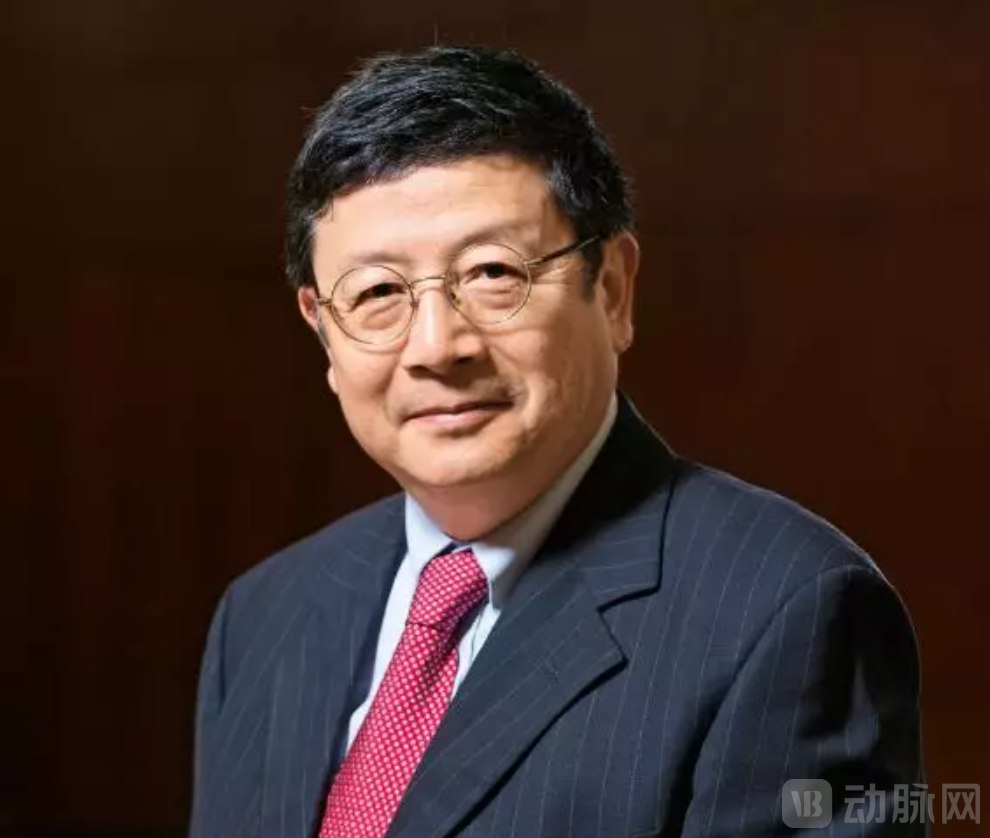
Professor Xu Tian, Vice President of Westlake University and a renowned expert in the commercialization of scientific research achievements
Biography: Tian Xu received his bachelor’s degree from Fudan University, his Ph.D. from Yale University, and completed his postdoctoral training at the University of California, Berkeley. Before returning to China, he taught at Yale University for 25 years, where he served as the Eugene Higgins Professor of Genetics, Associate Department Chair, Advisor to the President of Yale University, and an Investigator of the Howard Hughes Medical Institute. He previously chaired the Chinese American Society of Biochemistry and Molecular Biology and served as the U.S. Co-Chair of the U.S.-China Frontiers of Science Exchange Committee. In 2018, he joined Westlake University on a full-time basis as the Eugene Higgins Professor of Genetics and Vice President. He is also a member of the Expert Advisory Committee of the Overseas Chinese Affairs Office of the State Council and a Director of the Association for Relations Across the Taiwan Straits.
Professor Xu Tian has a deep passion for education. His genetics course has been one of the most popular at Yale University over the past two decades. His laboratory has trained more than thirty professors who now serve at universities worldwide. He has been honored as an Outstanding Doctoral Thesis Advisor at Yale and as a National Outstanding Doctoral Thesis Advisor in China.His research primarily focuses on growth regulation and genetic methodologies. As one of the founders of the field of growth regulation, his laboratory was the first to identify key regulatory genes and signal transduction pathways in this area. These discoveries have provided new theories and mechanisms for understanding development and disease, contributing significantly to the diagnosis of various diseases and the development of novel therapeutics.Professor Xu has long served on the editorial boards of top-tier international academic journals, including *Cell*, and was a founding editorial board member of *Disease Models and Mechanisms*. He has also served as Chairman of the Scientific Committee at the Roskamp Institute/Incubator, Chief Scientist at Fosun Pharma, and Chairman of the Lingzhi Incubator. In these roles, he has effectively promoted the industrialization of biotechnology, acting as a founder and advisor for multiple technology companies.Holder of dozens of international patents, many of his inventions are widely used around the world. He led a Chinese team in pioneering the mammalian PiggyBac (PB) system as a new tool for gene therapy. Additionally, Drug Farm 006 became China’s first globally innovative new drug to enter clinical trials following the discovery of a novel drug target.
Below is the transcript of the dialogue between VCBeat and Professor Xu Tian:
(To facilitate smooth reading, VCBeat has made editorial adjustments to the text without altering its original meaning.)
1Amid Industry-Wide Involution, the Risks of Developing “Me-Too” Drugs Are No Less Than Those of First-in-Class Therapies
VCBeat: We understand that before returning to China, you spent over two decades abroad engaged in scientific research and the commercialization of research findings. A few years ago, you returned to China and began incubating related research projects domestically. Based on your observations of the development of the Chinese market, what has been your most significant impression in recent years?
Xu Tian:My most profound impression stems from the tremendous development and progress in China. In the field of biomedicine, we have evolved from initially pursuing “me-too” and “me-better” drugs to now developing “best-in-class” and “first-in-class” therapies. This represents a significant transformation and a highly appropriate developmental trajectory. First, it is essential to engage in “me-too” development as a learning process, which aligns with the inherent laws of new drug R&D. Meanwhile, “me-too” drugs provide more affordable treatment options for many patients, addressing a genuine market demand.
By the end of 2015, we established a drug discovery platform dedicated to identifying novel therapeutic targets and developing first-in-class drugs based on these new targets. Currently, our lead candidate has entered clinical trials.This marks the first novel drug target independently discovered in China, as well as the first instance where such a domestically identified target was leveraged for drug development and advanced into international clinical trials. Beyond our own efforts, it is highly encouraging to observe that numerous biotechnology companies and major pharmaceutical enterprises in China are now shifting their focus toward the development of first-in-class drugs.
By the end of 2015, the domestic landscape in China was not what it is today. At that time, we planned to raise funds to develop first-in-class therapies. Many colleagues in China advised us that this approach was not feasible, arguing that only “me-too” drugs could be developed in China, and even pursuing “me-better” products carried significant risks. The investment community at the time predominantly funded “me-too” projects, considering them easier to execute, faster to market, and lower in risk. Nevertheless, I remained steadfast in my commitment to developing first-in-class innovative drugs. This conviction stemmed from my experience in the United States, where I participated in incubating and founding ten companies, all focused on first-in-class innovations, whether in medical devices or novel therapeutics. I believed that we should likewise persist in pursuing genuine innovation and first-in-class developments in China. In this regard, I am deeply grateful to investors such as Mr. Yang Zhi, who held strong confidence in our team. They affirmed that they would support us regardless of our chosen direction—even if we pursued first-in-class projects—as long as our team was leading the effort. We are truly thankful for their trust and support.
In recent years, we have clearly observed that domestic investment institutions and enterprises are maturing, increasingly shifting their strategic focus toward first-in-class assets—a significant transformation.Of course, this would not have been possible without the encouragement, guidance, and support provided by our government through its policies, which have compelled the domestic biopharmaceutical market to embrace innovation. As a result, we have witnessed significant shifts and progress in both mindset and technology within just a few years. I find this development highly commendable and truly exciting.
Since the reform and opening-up, our country has accomplished in just 40 years a developmental journey that took other developed nations 200 years. Currently, we are accelerating our pace in innovation and striving to be pioneers. As China moves to the center of the global stage, begins to lead global civilization, and contributes to human progress, all aspects of development must reach new heights. It is of great significance that we strive to be pioneers in core technologies and core products. At present, the government, academia, and industry are working together to drive innovation forward.
VCBeat: Yes, everyone is making great efforts. You just mentioned that in late 2015, despite the relatively weak atmosphere for drug innovation in China, you still chose to incubate a first-in-class novel drug project, which has since developed very well. The incubation process must have left you with many memorable moments. Could you briefly share with us about this project?
Xu Tian:Yes. Previously, we discussed how genetics was used to identify which genes are involved in specific biological processes. The research approach involved random mutagenesis of genes to determine which mutations were associated with particular biological processes, followed by further investigation into these genes to elucidate their mechanisms. At Drug Ranch, we have taken this approach one step further.
The team I lead at Fudan University has developed a novel method for inducing mammalian gene mutations, known as piggyBac (PB) transposon mutagenesis technology. This approach enables the rapid, large-scale identification of disease-associated genes and the establishment of various disease models. In 2005, we published our findings in Cell. Since then, with the founding of Drug Farm, our team has remained deeply committed to this field for over a decade, continuously refining the transposon system. We have successfully achieved genome-wide mutagenesis in mice, accomplishing this at low cost and within a short timeframe of just one year.
Certainly. The ultimate goal of drug discovery is to identify therapeutic targets. By systematically inducing gene mutations in disease animal models using this approach, we can determine which genetic mutations prevent the onset of disease, thereby identifying potential drug targets.The piggyBac transposon mutagenesis technology is a gene mutagenesis technique with independent intellectual property rights in China. Drug Farm’s application of this technology to drug target screening is also a pioneering initiative.To date, we have identified multiple novel drug targets using this technology. Moreover, we believe that the drug targets identified through our approach exhibit a higher success rate compared to those discovered via traditional methods.
Why is this the case? The traditional development process for new drugs, after identifying a drug target, generally proceeds as follows: initial testing in vitro (in test tubes), followed by cell-based assays, then animal studies, and subsequently advancement to clinical trials. This involves progressing through Phase I, II, and III clinical trials before final market approval. The probability of success for any given drug target reaching the market may be as low as one in a thousand, reflecting an extremely low success rate. Why is this so? This is becauseTraditional methods involve in vitro testing after a drug target is identified. Although the resulting experimental data may appear promising, the biological processes within living organisms are highly complex; therefore, results obtained from in vitro and cellular assays do not necessarily replicate in animal and human studies. Consequently, we believe that to determine the efficacy of a drug target, in vivo testing in animals should be conducted first. Only upon successful in vivo validation should subsequent drug development proceed, as this approach significantly enhances the success rate of drug R&D.
Our concept is inspired by the historical development of traditional Chinese medicine (TCM). In the past, people administered remedies without understanding their mechanisms of action within the human body. Those found to be effective in treating diseases were selected and established as legitimate medicines. This approach is not unique to TCM; approximately 40–50% of Western pharmaceuticals also originated not from in vitro studies of molecular mechanisms, but from natural drug molecules identified through empirical testing and screening in humans. Of course, times have changed, and such practices now raise significant ethical concerns. Therefore, we employ mammalian models to conduct this screening, aiming to identify novel and effective drug targets.
Currently, we have also begun fundraising and are preparing to collaborate with multiple teams to expand the development potential of our PiggyBac transposon mutagenesis technology platform—specifically, by conducting large-scale screening for novel drug targets and advancing them into our product pipeline R&D. We are both thrilled and highly confident.
Furthermore, we have integrated cutting-edge technologies to accelerate new drug development. Drug Farm has developed its proprietary “AI Chemist” platform, leveraging self-developed artificial intelligence technologies to rapidly create first-in-class drugs based on novel therapeutic targets.
This is similar to AlphaGo, which defeated the world Go champion and serves as a classic example of artificial intelligence surpassing the human brain. DeepMind developed algorithms for move generation and value assessment of each move, ultimately defeating the world champion through continuous data training and deep learning.Applying a similar approach, we developed algorithms for generating candidate drug molecules and evaluating the value of each molecule. By continuously training and learning from drug development data using artificial intelligence, we created the “AI Chemist.”
Drug Farm’s AI chemist has been instrumental in the development of our first-in-class novel drugs, rivaling and even surpassing human medicinal chemists, much like AlphaGo. Our proprietary in vivo drug target screening platform (IDInvivo) and AI-driven new drug discovery system (MedChem5), dramatically accelerating the entire first-in-class novel drug development process. In just five years, the company has grown from scratch—identifying drug targets, discovering entirely new targets, developing a novel first-in-class drug, and advancing into global clinical trials... This pace is unprecedented. As a domestic enterprise, we are deeply gratified by this success and have gained significant confidence.
Throughout this development, we have also observed other companies increasingly making strategic moves in the innovation of first-in-class drugs. I believe that, with active government guidance and market participation, China will soon enter a new phase of widespread innovation. We look forward to collaborating with other teams to make meaningful contributions to the industry.
VCBeat: How do you view the risks associated with first-in-class drugs?
Xu Tian:In fact,From the current perspective, we believe that the risk of developing first-in-class drugs is not necessarily higher than that of developing me-too or me-better drugs.Why is this the case? As is well known, the value of first-in-class innovative drugs is undoubtedly greater than that of me-too or me-better drugs. If the average market value of a first-in-class drug is RMB 70 billion, the average market value of a me-better drug may be only RMB 5 billion. For me-too drugs, the value is even lower, ranging from tens of millions to RMB 100 million. This is because first-in-class drugs benefit from first-mover advantage, allowing them to capture the market. In contrast, me-better drugs must break into a market already occupied by similar existing products, effectively displacing competitors’ offerings—a challenging task indeed, let alone for me-too drugs.
From another perspective, although first-in-class drug development is challenging and has a low success rate, me-too and me-better drugs are not necessarily easier to succeed. This risk primarily stems from current market competition: while me-too drug development is relatively straightforward, this accessibility means that many companies have the capability to pursue it, resulting in intense market competition. For instance, in the PD-1 sector, there are over 80 companies in China competing fiercely on financial strength, speed, and various resources, all vying to capture limited market share and patient populations. If a pharmaceutical company developing me-too drugs can rank among the top three or five, it may still secure some market presence; otherwise, profitability becomes exceedingly difficult. This risk is substantial, yet many fail to grasp this reality.
2“Human” factors dominate startup failures; tasks that scientists are not good at should be “taken away” from them.
VCBeat: Many domestic and international technology transfer organizations adopt either a problem-oriented approach, where they identify market pain points and then initiate or seek out relevant scientific research to guide the commercialization of findings, or a result-oriented approach, where they closely monitor cutting-edge technological developments and then identify suitable market applications for them, among other models. Which approach have you adopted, and how do you go about translating scientific research into practical outcomes?
Xu Tian:This is an excellent question that gets to the heart of the matter. Personally, my initial foray into translational research was driven by a serendipitous opportunity. My close friend, Jonathan Rothberg, had a first child diagnosed with a rare disease, and my research happened to uncover the pathogenesis of this condition as well as potential therapeutic agents—it seemed almost fated. Consequently, his family decided to fund translational efforts focused on the diagnosis and treatment of rare diseases. Together, we established the Rothberg Center for Children’s Diseases Incubator in the town where we both resided, adjacent to Yale University.
There,We make judgments by combining cutting-edge scientific and technological research with market demands to develop new instruments and products.The Rosberg Incubator has also incubated more than ten renowned technology companies and multiple products, such as the world’s first gene sequencer (454), the world’s first chip-based sequencer (Ion Torrent), including the world’s first smart handheld ultrasound device (Butterfly Network) approved in 2017, as well as the world’s first mobile MRI scanner and the world’s first protein sequencer (Quantum-Si), both launched this year. Several of these companies have become unicorns.
AI Therapeutics is another company we founded. Over the past five years, we have advanced four drug candidates into five clinical trials: one in Phase III, one in Phase II, and one in Phase I. This represents an unprecedented pace. The philosophy behind this company aligns with that of the AI chemist I just discussed. We aim to leverage artificial intelligence to predict the likelihood of a drug’s success, striving to partially replace the traditional experimental approaches used for preclinical validation and progression into clinical trials.
In addition to the companies incubated by Rosberg Incubator, Professor Jingke Weng from MIT and I co-founded another company in Boston called DoubleRainbow Biosciences. DoubleRainbow Biosciences primarily integrates metabolomics, genetics, and artificial intelligence to study natural products for the identification and production of bioactive molecules.
Let me provide an example: How did Tu Youyou’s team ultimately transform their research on Artemisia annua (sweet wormwood) into a treatment for malaria? First, it was necessary to identify artemisinin, the active molecule, within the plant. Once identified, the molecule had to be produced via chemical semi-synthesis or total synthesis. Only after successful synthesis could preclinical and clinical trials be conducted to develop it into a drug. This entire process took 30 years. The challenge lies in the fact that a single plant contains thousands of molecules, making it extremely difficult to determine which one is therapeutically effective—a highly complex data problem. Even after identifying the active molecule, researchers still faced the hurdle of chemical synthesis. In the past, this typically required assembling a large team of chemists to spend several years attempting semi-synthesis or total synthesis; if synthesis proved unfeasible, the project had to be abandoned. Natural products are often too structurally complex to allow for efficient synthesis.
Shuanghong Technology aims to integrate artificial intelligence with metabolomics to rapidly identify bioactive molecules. Once these molecules are identified, we believe that medicinal chemists are no longer required, as the plants themselves can synthesize them. By combining AI with genetics, we identify the enzymes and their corresponding genes responsible for synthesizing these small molecules in plants. We then employ synthetic biology to insert these genes into yeast for fermentative production, thereby achieving biosynthesis and bypassing traditional chemical synthesis entirely. We have now successfully validated this entire technological pathway, marking a significant breakthrough.
VCBeat: How do you make decisions when choosing to incubate or establish these companies?
Xu Tian:This is also an excellent question: how should we select scientific discoveries to bring to market? Should we prioritize those that will only find practical application a century from now, or those that can be transformed into applicable products and generate market value within three to five years? With the rapid and ever-changing pace of scientific and technological advancement, it is extremely difficult to predict the future trajectory of any given scientific discovery. This remains the most pressing challenge for both the business and investment communities.
ThisAssessments of the future translational potential of scientific discoveries should not rely solely on the scientists conducting the research; instead, they are best evaluated by investors and entrepreneurs with industrialization experience, as well as scientists who have previously engaged in technology transfer.
Every scientist tends to believe that their own research is the most significant and valuable, making it difficult for them to exercise sufficient rationality and objectivity when asked to make judgments. In academia, scientists primarily engage in free exploration without needing to consider market forces. Consequently, scientists often lack expertise in corporate management, are unfamiliar with the mechanisms for market-oriented translation of research outcomes, pay insufficient attention to intellectual property protection, and have a limited understanding of how to distribute benefits. Each scientist claims that their technology is the most advanced and useful, yet the technical challenges they are tackling may not find practical application for another century. Expecting them to master the entire commercialization process and become all-around experts is highly unrealistic. In my own case, I became involved in the translation of scientific achievements into practical applications largely by chance, and have been gradually learning through practice for over two decades now.
VCBeat: So, what do you think a proper process for translating scientific research into practical applications should look like?
Xu Tian:In essence, it is about having the right people do the right things and professionals handle professional matters. After years of experience in translating scientific achievements into practical applications, we have found that80% of startups ultimately fail, not due to scientific failures, but often due to other factors, such as failures in team management.
Therefore, at the Roseberg Incubator and the enterprises we subsequently incubated,From the outset of project selection, decisions are not left to scientists alone; rather, we leverage our own expertise to make judgments.If it is determined that the procedure should be performed, we will then organize a comprehensive multidisciplinary task force.We provide incubation services, offering venue and equipment, assisting enterprises with business planning, and facilitating fundraising. Beyond these, we also engage in intellectual property protection, business model construction—including exit mechanisms—business negotiations, and logistical management...We have developed a comprehensive set of best practices and implemented them in their entirety, enabling our team of scientists to focus exclusively on scientific and technological aspects and address technical challenges.In this case, the success rate of startups will be significantly increased. This model could be called deep incubation.
Our core philosophy is,“Take away” tasks that scientists are not good at from their hands and instead let professionals who understand them do it.It is impractical to expect scientists to learn and handle corporate management, operations, and patent protection from start to finish. This is due not only to the prohibitive learning costs but also to the excessive time commitment required. Indeed, many startup failures stem from these very issues.
VCBeat: Overseas incubators typically build startup teams using the model you just described, where scientists lead technical breakthroughs and professional managers are recruited to handle corporate management and operations. However, this model does not seem to be common in China. Startup teams here are usually composed of the original technical founders, with company operations managed by individuals who have extensive industry management experience. What is your view on this phenomenon?
Xu Tian:You are quite right. This is, in fact, closely tied to our cultural background. Historically, Chinese culture has emphasized government service over commerce, a deeply entrenched traditional mindset that has persisted for thousands of years among the Chinese nation. This mentality continues to influence modern times, manifesting as a preference for scientists over entrepreneurs.
Thus, we often see scientists with numerous honorary titles wielding significant influence and exhibiting a degree of individual heroism. These scientists frequently lack an awareness of the proper allocation of corporate interests and are reluctant to share benefits with others, as they believe that the technology was developed solely through their own research efforts.
Why does this phenomenon occur? Because academia always encourages scientists to pursue unique innovations rather than emphasizing teamwork. However, this approach does not work for industrial translation.Entrepreneurship is by no means about individual heroism; rather, it requires collaborative efforts from a team, with each member assuming appropriate responsibilities. Only in this way can the technical expertise of scientists be effectively integrated with the managerial capabilities of entrepreneurs, thereby facilitating the smooth translation of scientific achievements into practical applications.For instance, developing a protein sequencer or leveraging artificial intelligence for drug discovery requires not only computer scientists, biologists, chemists, and pharmaceutical experts, but also the integration of these multidisciplinary teams for collaborative breakthroughs, rather than relying on individual heroism.
In fact, our country has extensive experience in collaborative key-task initiatives, as demonstrated by the highly successful “Two Bombs, One Satellite” project and the National Space Program. However, these initiatives were driven by national interests and pursued regardless of cost. In product development, we cannot simply replicate this model; instead, we need to establish benefit-sharing mechanisms and engage in collaborative efforts, which are closely linked to ultimate success.
Of course, there are also issues on the part of entrepreneurs. When scientists and certain entrepreneurs co-found ventures, some entrepreneurs often engage in underhanded tactics, depriving scientists of their rightful interests. This erodes mutual trust between the parties. Without safeguards for their respective interests, it is difficult to achieve success.
Overall, I believe the issue is not significant, as everything undergoes a process of development and maturation. Our scientists and entrepreneurs are continuously learning from the market, and the emergence of “me-too” and “me-better” innovations has provided them with ample opportunities for learning.The maturation of the market is also a process of continuously educating scientists and entrepreneurs. Both parties are gradually becoming familiar with and understanding what constitutes the correct model for collaboration, while simultaneously achieving continuous progress.In fact, Chinese scientists, investors, and entrepreneurs are advancing at a remarkably rapid pace.
VCBeat: Apart from the team-related challenges you mentioned in terms of outcome translation, what are your thoughts and suggestions regarding incentive mechanisms under relevant policies?
Xu Tian:The core challenge lies in the misconceptions held by our scientists, government agencies, and universities regarding the commercialization of scientific and technological achievements.There is room for improvement in the management systems of Chinese universities in promoting the translation of scientific research achievements.For example, due to the lack of supportive policies, some university leaders do not place sufficient emphasis on the commercialization of scientific research achievements. Why? Because transforming research outcomes into practical applications may only impose burdens and risks on administrators, without contributing to the recognition of their job performance.
Over the past 40 years of China’s reform and opening-up, the economy has taken off. A significant factor behind this success lies in the proactive efforts of government officials to attract investment during the early stages of the reform era. For a considerable period, investment attraction served as a key performance indicator for evaluating the competence of government officials. This positive incentive mechanism encouraged officials to actively pursue investment opportunities, thereby enabling China’s rapid and robust economic growth. Currently, as China enters a new stage of development, the recruitment and introduction of elite talent have become a crucial metric in assessing official performance.
However, the commercialization of scientific research achievements is not currently included in the performance evaluation systems for university administrators, making it difficult to expect them to take significant action in this area. This represents a distinctive bottleneck in China’s current development phase. Nevertheless, I am confident that as the government continues to intensify its efforts and implement relevant policies to promote the translation of scientific research into practical applications, these issues will ultimately be resolved.