

Beijing Chaoyang Hospital Launches the First Remote Emergency Intelligent Imaging Diagnosis Engineering Research Center in Beijing
On November 27, the launch ceremony of the “Beijing Engineering Research Center for Remote Emergency Intelligent Imaging Diagnosis,” jointly established by Beijing Chaoyang Hospital (affiliated with Capital Medical University, hereinafter referred to as Beijing Chaoyang Hospital), Beijing Huairou Hospital, and Huiying Medical Technology (Beijing) Co., Ltd., was held at Beijing Chaoyang Hospital. Attendees included Xu Jianli, President of Beijing Chaoyang Hospital; Sun Shimin, Deputy Director of the Development and Reform Commission of Huairou District, Beijing; Guo Shubin, Vice President of Beijing Chaoyang Hospital; Sun Qianmei, President of Beijing Huairou Hospital; Guo Na, Co-founder and COO of Huiying Medical; Wang Jing, Director of the Scientific Research Department of Beijing Chaoyang Hospital; and Yin Wenpeng, Assistant to the President and Director of the Emergency Department of Beijing Huairou Hospital. Together, they witnessed a new chapter in the digital transformation and intelligent development of emergency medicine, marking the commencement of a new journey in AI-enabled imaging diagnosis.
The establishment of Beijing Engineering Research Centers is approved by the Beijing Municipal Development and Reform Commission (DRC), aiming to accelerate the construction of an international science and technology innovation hub, enhance original innovation capabilities, promote breakthroughs in key core technologies, and facilitate the translation and application of research outcomes. The “Notice on Launching the 2021 Application for Beijing Engineering Research Centers” issued by the DRC specifies that the 2021 Beijing Engineering Research Centers focus on three major areas: next-generation information technology, medicine and health, and green low-carbon development. The Beijing Engineering Research Center for Remote Emergency Intelligent Imaging Diagnosis leverages next-generation artificial intelligence technologies to drive innovation in medicine and health, with strategic deployments in AI-assisted diagnosis and the application of healthcare big data.
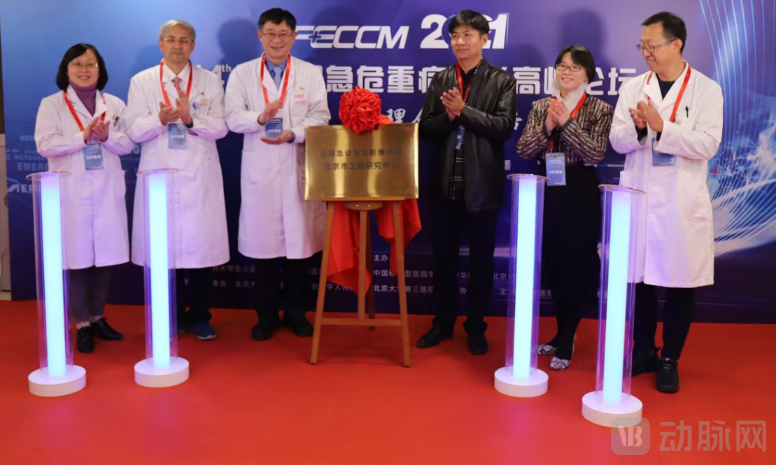
Guests at the conference unveiled the plaque for the Engineering Center
Yin Wenpeng, Deputy Director of the Engineering Center, stated at the launch ceremony, “Both Beijing Chaoyang Hospital and Huairou Hospital are teaching hospitals affiliated with Capital Medical University, with Huairou Hospital being under the trusteeship of Beijing Chaoyang Hospital. The Department of Emergency Medicine is a national leader in the field, managing a high volume of patients with various acute and critical conditions. By joining forces with Huiyi Huiying, the two hospitals are co-establishing the Beijing Engineering Research Center for Remote Intelligent Imaging Diagnosis in Emergency Care. This initiative leverages the emergency medicine expertise of both Beijing Chaoyang Hospital and Huairou Hospital, using the Engineering Center as a nexus to address key technical challenges and clinical needs in remote intelligent imaging diagnosis for emergency care.”Effectively integrate and link the advantageous resources of the medical and industrial sectors, focusing on emergency medical conditions that heavily rely on imaging diagnosis, such as acute myocardial infarction, trauma, stroke, acute abdomen, and viral pneumonia., accelerate breakthroughs in key technical bottlenecks of intelligent imaging diagnosis for remote emergency care. On the other hand,Huiyi Huiying leverages the advantages of AI in medical imaging to create a complete closed loop encompassing data aggregation, standardized acquisition, cleaning, governance, annotation, AI-based computation, and clinical application of models., undertaking tasks such as collaborative technological breakthroughs, platform construction, product development, and commercialization.” Director Yin Wenpeng expressed his expectations for the Beijing Engineering Research Center for Remote Emergency Intelligent Imaging Diagnosis, hoping that the three collaborating parties would, under the guidance of the government and universities,Position the Engineering Center as a leader in multidisciplinary, cross-sector collaborative innovation, a new benchmark for intelligent diagnosis of regional remote emergencies, and a premier hub for cultivating interdisciplinary talent.
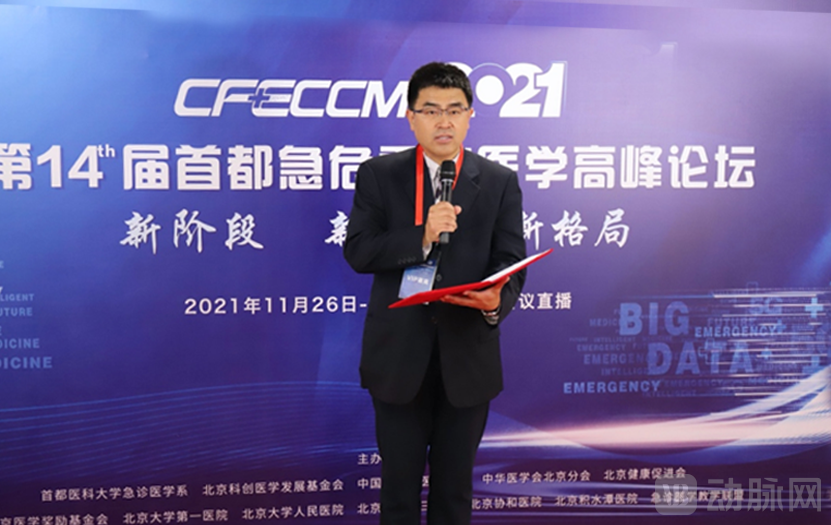
Address by Yin Wenpeng, Assistant to the President and Director of the Department of Emergency Medicine at Beijing Huairou Hospital
The Emergency Department of Beijing Chaoyang Hospital is one of the largest in China, ranking second for three consecutive years on the Science and Technology Evaluation Metrics (STEM) list for Chinese hospitals. The Emergency Medicine Alliance, centered at Beijing Chaoyang Hospital, comprises more than 65 prestigious medical schools and over 100 renowned hospitals nationwide, incorporating more than 200 emergency medicine experts from across China. As a key “Regional Emergency Medicine Center,” the Department of Emergency Medicine at Beijing Huairou Hospital assumes responsibility for the treatment of acute and critically ill patients throughout the Huairou District. It manages 130,000 patient visits annually, provides emergency resuscitation to nearly 7,000 patients, and achieves a resuscitation success rate of 97%.
Given that common critical conditions in emergency medicine present a complex landscape characterized by a broad disease spectrum, acute onset, rapid progression, and diverse clinical features, emergency physicians are often required to manage conditions spanning multiple specialties. This challenge is compounded by the fact that most emergency patients present with multiple comorbidities. In such time-critical scenarios, even slight delays can compromise treatment outcomes or endanger lives. Consequently, these factors impose exceptionally high demands and significant challenges on emergency physicians’ diagnostic capabilities, speed, and accuracy.
Construction of the First Beijing Engineering Research Center for Intelligent Imaging Diagnosis in Remote Emergency CareOn the one hand, through technological breakthroughs and continuous improvement in the development and application of intelligent imaging products, it is possible to enhance image reading speed, reduce the risk of missed or misdiagnoses, and improve the efficiency and quality of emergency diagnostics., thereby enabling the provision of targeted and most effective treatment regimens within the golden hour, which in turn effectively reduces mortality rates, shortens the treatment cycle, and lowers medical costs;On the other hand, leveraging technological advantages such as artificial intelligence to facilitate early warning, prediction, prevention, and treatment of major diseases can reduce patients’ medical expenditures and save the nation hundreds of billions of yuan annually in waste caused by unnecessary and ineffective treatments.

Attendees expressed high expectations for the establishment of the Engineering Center. Xu Jianli, President of Beijing Chaoyang Hospital, stated that the founding of the Beijing Engineering Research Center for Remote Emergency Intelligent Imaging Diagnosis holds innovative, technological, and demonstrative significance for emergency medicine disciplines across China. Based in the capital and serving the entire nation, he looks forward to the Engineering Center achieving greater accomplishments in the future. Guo Shubin, Vice President of Beijing Chaoyang Hospital and Director of the Clinical Research Center for Emergency Medicine, who also serves as the Director of the Engineering Center, remarked that the establishment of the center represents a significant step in Beijing Chaoyang Hospital’s digital transformation and intelligent development. Leveraging the clinical research and technological innovation capabilities of the Beijing Engineering Research Center for Remote Emergency Intelligent Imaging Diagnosis, the center aims to create a benchmark for smart emergency care in Beijing and throughout China.
The center is located at Beijing Huairou Hospital. Sun Shimin, Deputy Director of the Development and Reform Commission of Huairou District, Beijing, outlined the requirements for the Engineering Center, expressing the hope that it would take the lead in the joint development and initial application of intelligent imaging diagnostic products for remote emergency care. This initiative aims to leverage artificial intelligence technologies to accelerate the enhancement of emergency care capabilities at Huairou Hospital, thereby supporting Huairou Science City in addressing its shortcomings in healthcare services. Sun Qianmei, President of Beijing Huairou Hospital, stated that the future growth of the Engineering Center depends on support from all parties. She expressed her expectation that stakeholders will collaborate on innovation to accelerate the parallel advancement of integrated development across “AI + medical big data + clinical practice.”
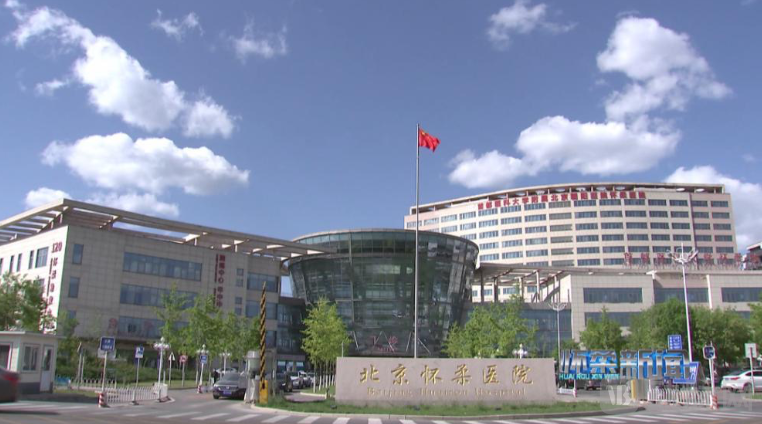
Schematic Diagram of the Location of the Beijing Engineering Research Center for Intelligent Imaging Diagnosis in Remote Emergency Care
According to reporters, the Remote Emergency Intelligent Imaging Diagnosis R&D and Application Platform is poised to become a training hub for medical AI talent. By transforming the learning and working models of clinical medical professionals, it aims to enhance their professional skills and comprehensive competencies, cultivate cross-disciplinary leading talents at the forefront of health and medical big data intersection and application, establish a new think tank for digital emergency transformation strategies, and accelerate efforts to achieve parity with developed nations in the collaborative innovation and development of “AI + Medical Big Data + Clinical Practice.”
Guo Na, Co-founder and COO of Huiying Medical Technology (Beijing) Co., Ltd., stated in her address that the approval and launch of the “Beijing Engineering Research Center for Remote Emergency Intelligent Imaging Diagnosis” represents a strong impetus from the Beijing Municipal Development and Reform Commission for policies supporting the medical artificial intelligence industry, elevating the industrialization of digital healthcare to new heights in intelligent healthcare. Huiying Medical Technology (Beijing) Co., Ltd. possesses robust R&D capabilities in AI algorithms and product innovation; its AI-assisted DR fracture diagnosis system received China’s first Class III certification from the National Medical Products Administration (NMPA), and its auxiliary diagnostic products for viral pneumonia have been deployed in over 50 countries worldwide. It is a privilege for Huiying Medical to collaborate with Beijing Chaoyang Hospital and Beijing Huairou Hospital in establishing this Engineering Center, marking a new chapter in the company’s deep integration into clinical healthcare scenarios and its innovative translation efforts alongside top-tier hospitals and physicians. The Research Center focuses on improving emergency diagnosis and treatment experiences and outcomes for conditions such as acute myocardial infarction, trauma, stroke, acute abdomen, and viral pneumonia. It aims to build an integrated intelligent emergency diagnosis platform and a big data AI research platform. By structuring disease representations and constructing medical ontology knowledge bases, the Center transforms multi-modal emergency medical images into mineable “big data,” thereby achieving data innovation and value addition. This approach addresses the need for homogeneous, integrated, and scientific emergency care, providing standardized, consistent, high-quality, and efficient emergency imaging diagnostic services without regional disparities.
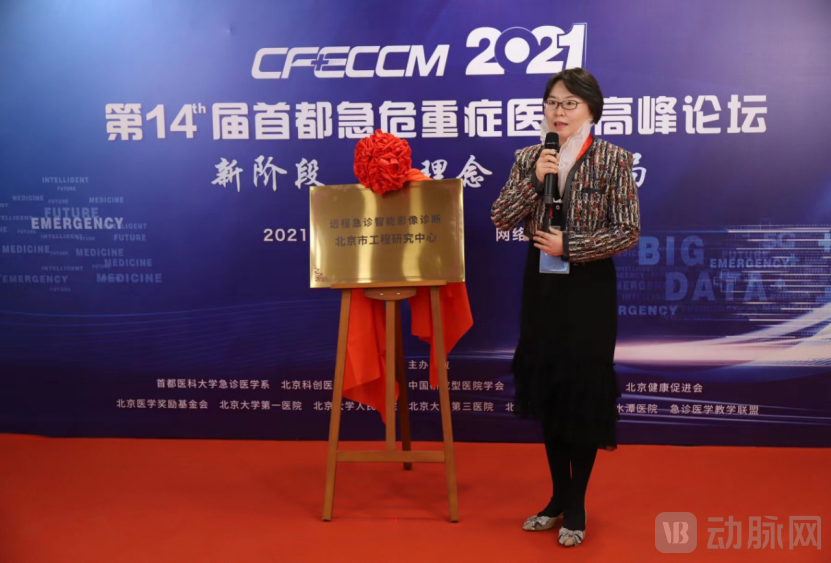
Address by Guo Na, Co-founder & COO of Huiying Medical Technology (Beijing) Co., Ltd.
The official launch of the Beijing Engineering Research Center for Intelligent Imaging Diagnosis in Remote Emergency Care will drive pioneering initiatives in empowering emergency medical services with intelligent imaging, fostering the integration of big data and artificial intelligence technologies with industrialization. Leveraging the spillover effects of its platform technologies and services, the center will gradually expand its reach from the Beijing-Tianjin-Hebei region to nationwide, further promoting the adoption of intelligent imaging diagnostic products for remote emergency care and effectively catalyzing the development of an industrial ecosystem for AI-assisted diagnosis in emergency medicine.
Beijing’s First Remote Emergency Intelligent Imaging Diagnosis Engineering Research Center Launched: How Is Beijing Chaoyang Hospital Building a New High Ground for AI-Powered Emergency Platforms? Let Us Anticipate How This 5,000-Square-Meter Emergency AI Center Will Empower Healthcare System Development in the Beijing-Tianjin-Hebei Region and Across China.