

Rehabilitation and Elder Care Emerge as the Hottest Investment Frontier: Two Companies File for IPO, Multiple Startups Secure Hundreds of Millions in Funding
Recently, the rehabilitation market has begun to heat up. Capital has started to frequently invest in the rehabilitation sector.
In terms of rehabilitation service provision, Sanxing Medical acquired two rehabilitation hospitals for RMB 516 million in November 2021; in the field of rehabilitation assistive devices, Cofoe Medical also announced its intention to acquire two rehabilitation assistive device companies for RMB 227 million, thereby bringing rehabilitation wheelchairs and the Beibeijia brand under its umbrella.
In the primary market, in addition to companies such as Fourier Intelligence, Zhuodao Medical, and Siyi Intelligence securing multiple rounds of financing in the rehabilitation assistive devices sector, VCBeat has recently learned that Bangbang Robotics, which focuses on home-based rehabilitation and intelligent mobility aids, has also closed a new round of financing exceeding $10 million, led by Changling Capital, to accelerate its layout and deep engagement in this industry.
Previously, rehabilitation assistive device companies also delivered impressive performance on the STAR Market, which currently lists three such companies specializing in rehabilitation equipment: Xiangyu Medical, Vishee Medical, and Pumen Technology. Xiangyu Medical has a market capitalization exceeding RMB 9.7 billion, while Vishee Medical’s market capitalization surpasses RMB 7 billion.
In recent years, the rehabilitation assistive devices sector has not only given rise to several publicly listed companies but also generated hundreds of millions in revenue. As a critical infrastructure component for an aging society, this sector is gaining momentum with the emergence of an increasing number of intelligent robotics companies.
China’s rehabilitation assistive device market is substantial. According to statistics from the Ministry of Civil Affairs, the scale of China’s rehabilitation assistive device industry was approximately RMB 700 billion in 2020. It is projected that by 2025, the industry’s scale is expected to surpass RMB 1 trillion.
Does the recent surge in capital investment in the rehabilitation sector signal the onset of a new transformation? VCBeat (WeChat ID: vcbeat) has analyzed the development trends and opportunities in China’s rehabilitation assistive device industry.
The entire rehabilitation market has long been regarded as a “depression” within China’s healthcare system.
China’s healthcare system has long prioritized emergency care and treatment while neglecting prevention and rehabilitation, resulting in an insufficient overall supply of rehabilitation resources and their uneven distribution.
The shortcomings of the rehabilitation market in the past were reflected in insufficient supply: small per capita scale of rehabilitation services, a limited number of rehabilitation hospitals, and a significant shortage of rehabilitation physicians. However, the rehabilitation market holds immense potential, with a notable increase in demand for rehabilitation services.
In terms of the supply of rehabilitation assistive devices, China’s rehabilitation assistive device market was previously fragmented and disordered. Rehabilitation assistive devices are products designed to improve, compensate for, or substitute for human bodily functions, as well as to facilitate adjunctive therapy and prevention; they include appliances, equipment, instruments, technologies, and software. Items ranging from large-scale rehabilitation training instruments to small items such as canes and prescription glasses all fall within the category of rehabilitation assistive devices.
Over the past two decades, the vast majority of rehabilitation products in China have remained at the stage of imitating overseas technologies, with innovation primarily originating from abroad; China has largely been engaged in the production of relatively low-end products.
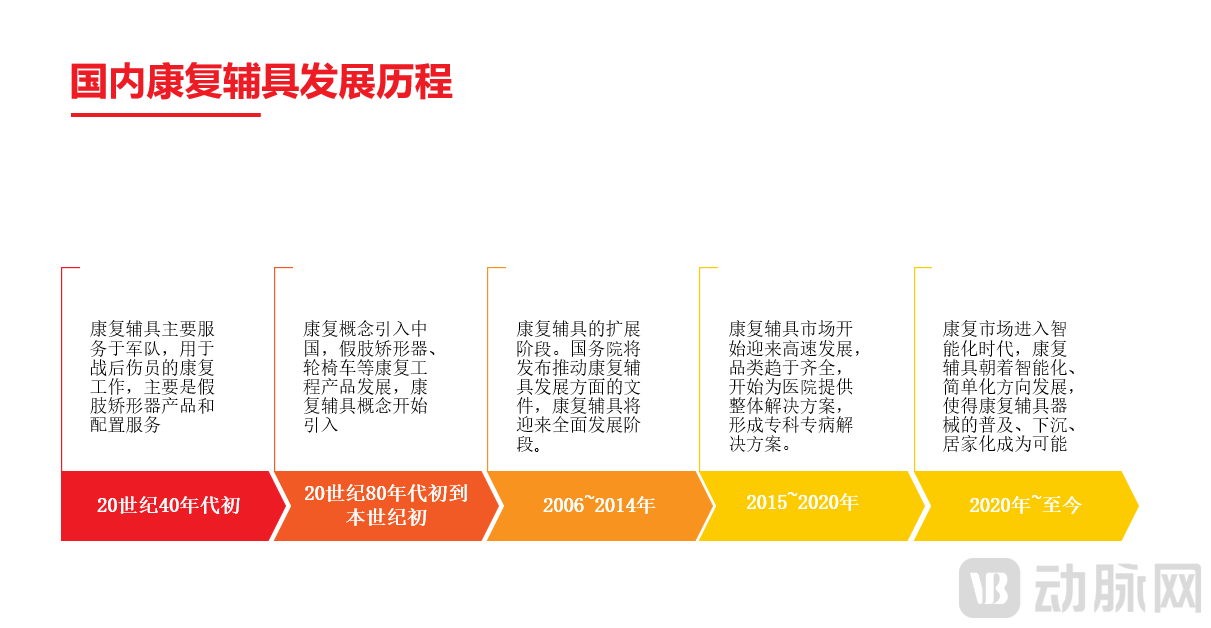
The shifting landscape of the rehabilitation assistive device market is driven by policy. As policies vigorously promote the establishment of a three-tier rehabilitation system to address gaps and strengthen weak links, the rehabilitation assistive device industry has ushered in a surge of development. Companies such as Xiangyu Medical and Vishee Medical have risen to become industry leaders during this period of rapid growth.
Since 2008, the Chinese government has strengthened policy support for the rehabilitation medical sector and actively explored the establishment of a three-tier rehabilitation medical service system. A series of measures have been introduced sequentially, including requirements that general hospitals at Level II and above establish departments of rehabilitation medicine, encouragement of direct private capital investment in rehabilitation hospitals, support for the transformation of Level II general hospitals into specialized rehabilitation hospitals, and expansion of medical insurance coverage for rehabilitation services. These initiatives have significantly boosted the enthusiasm of both public hospitals and social capital to invest in rehabilitation medical institutions, thereby driving the market demand for rehabilitation medical devices to expand comprehensively from primarily Level III hospitals to Level II hospitals, specialized rehabilitation hospitals, and community hospitals.
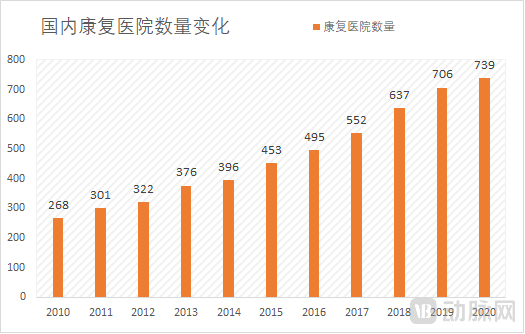
Data source: Health and Health Statistics Yearbook, compiled by VCBeat
Driven by policy, there has been an explosive surge in demand for rehabilitation department development across a large number of hospitals. The need for integrated and specialized solutions to rapidly establish rehabilitation departments in most hospitals has fueled rapid growth in China’s rehabilitation equipment market.
According to Frost & Sullivan data, the market size of rehabilitation medical devices in China grew from RMB 11.5 billion in 2014 to RMB 28.0 billion in 2018, with a compound annual growth rate (CAGR) of 24.9%, outpacing the overall medical device industry. The market size of rehabilitation medical devices in China is projected to reach RMB 67.0 billion by 2023, at a CAGR of 19.1%.
An industry insider stated, “Companies such as Xiangyu, Qianjing, and Vishee Medical actually reaped the first wave of dividends from the development of rehabilitation equipment. At that time, domestic hospitals urgently needed a large volume of basic devices to get their rehabilitation departments operational. Amid the gap between supply and demand, a batch of domestic companies seized the opportunity. These pioneers, which initially grew through imitation and contract manufacturing, captured the first wave of benefits from the rehabilitation industry’s growth, standing out among thousands of rehabilitation assistive device enterprises in China to become industry leaders and achieve rapid revenue growth.”
Although China’s rehabilitation assistive device industry has experienced a minor boom, it still lags significantly behind that of developed countries.
In developed countries, the rehabilitation assistive device industry has established a complete industrial chain. Regarding insurance reimbursement, payment mechanisms such as long-term care insurance and commercial insurance cover certain rehabilitation assistive devices, thereby alleviating the financial burden on users. In terms of business models, countries such as Germany, Japan, and Denmark have largely implemented rental systems for rehabilitation assistive devices and also boast large-scale cleaning and disinfection service providers.
The market for rehabilitation assistive devices in developed countries is also substantial. Japan’s rehabilitation assistive device market is valued at approximately ¥1.76 trillion, encompassing 40,000 types of products, with around 6,000 assistive device rental companies serving a population of 120 million. The United States’ market size in this industry is approximately ¥1.28 trillion, offering about 40,000 product varieties. Germany also boasts a market size of RMB 510 billion and provides 32,000 types of rehabilitation assistive devices.
China, with over 200 million elderly individuals and 85 million people with disabilities, is the country with the largest number of individuals requiring rehabilitation assistive devices and the greatest market potential worldwide. However, public awareness of rehabilitation medicine remains relatively low in China, and significant supply gaps persist in institutions, equipment, talent, and the industrial chain.
A significant shortcoming persists in China’s rehabilitation assistive device industry. The primary tier of the rehabilitation system, which serves as its cornerstone, has yet to be established.
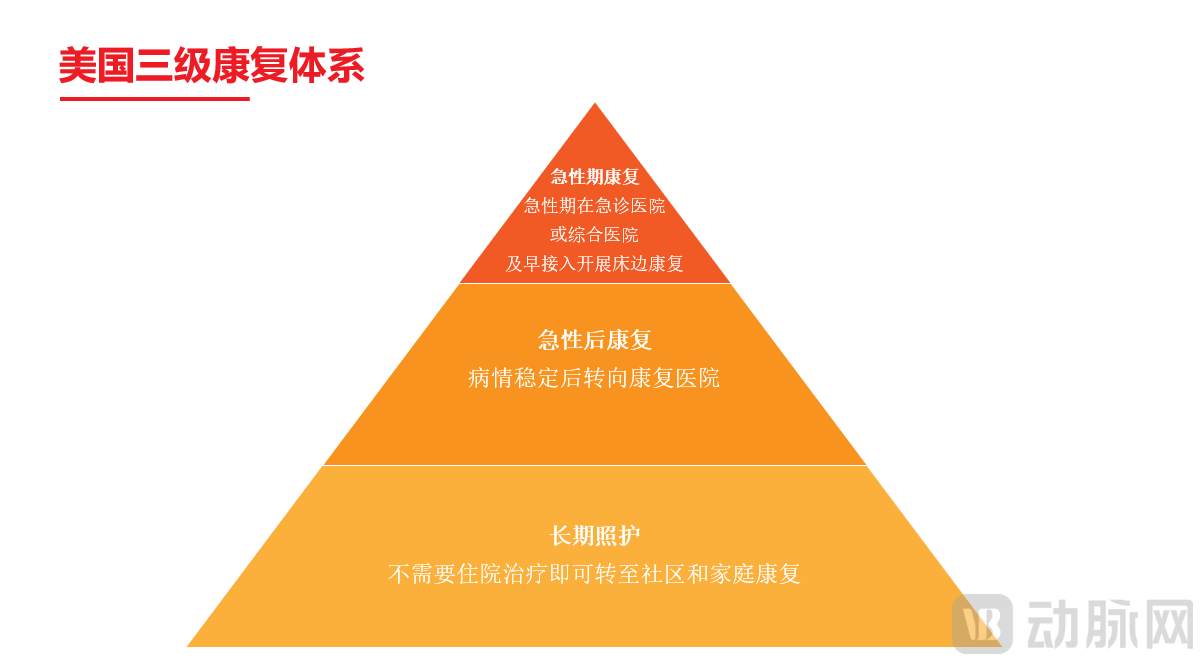
In-hospital rehabilitation and home-based rehabilitation focus on different priorities: in-hospital rehabilitation targets patients requiring short-term rehabilitation, whereas home- and community-based rehabilitation serves those needing long-term rehabilitation.
Currently, within China's three-tier medical rehabilitation system, rehabilitation resources primarily serve patients in the acute phase of illness, concentrating mainly in tertiary general hospitals. Consequently, the substantial long-term chronic rehabilitation needs of a large patient population remain unmet.
Especially among the population with lower-limb motor impairments within the chronic and home-based rehabilitation sectors, China sees countless patients each year who are unable to walk due to stroke, cerebral palsy, or accident-induced paralysis. Statistics show that there are up to 24 million people with lower-limb disabilities in China, and more than 10 million stroke survivors. Among China’s nearly 300 million elderly population, 20% experience mobility impairments. These groups often remain bedridden or semi-bedridden due to lower-limb motor dysfunction, representing the most challenging and high-demand segment within the three-tier medical rehabilitation system. They all have varying degrees of long-term rehabilitation and ambulation assistance needs, making them one of the key focus areas for products in the overall three-tier medical rehabilitation market.
An industry insider stated, “Traditional rehabilitation products deployed in community settings are predominantly conventional mechanical devices. Although they are low-cost, they fail to meet the market demand for professional rehabilitation equipment. It is very common for unprofessional home- and community-based rehabilitation to cause secondary injuries and yield poor therapeutic outcomes.”
Several companies in China are exploring this market, among which Bangbang Robotics has achieved certain success in both the market and product development after years of exploration. VCBeat interviewed and learned that the team at Bangbang Robotics comes from Harbin Institute of Technology, known as the "cradle of talent for China's robotics industry," and also includes an industrial design team from Politecnico di Milano. The team has accumulated nearly 10 years of experience in robot control systems and remote rehabilitation systems, forming two core technology platforms: intelligent assistive device control systems and remote rehabilitation systems. Currently, they have developed two mature product lines—walking assistance robots and rehabilitation robots—providing a complete solution for users with lower limb motor dysfunction, ranging from rehabilitation to independent living and autonomous mobility.
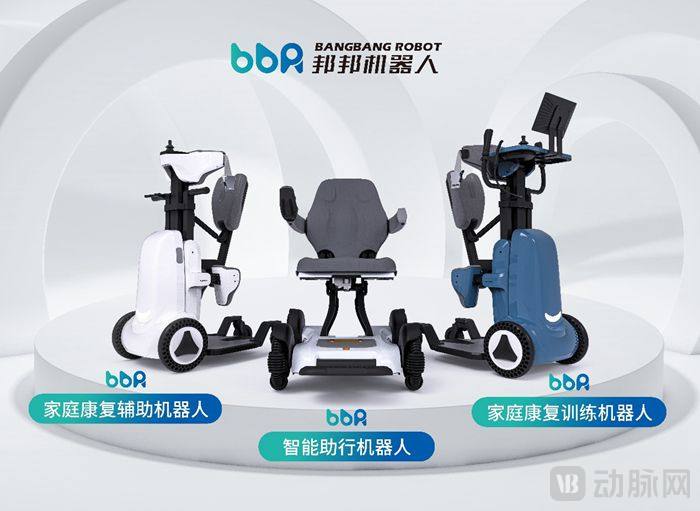
In an interview with VCBeat, Li Jianguo, founder of Bangbang Robotics, stated that the company had long observed domestic rehabilitation needs. He noted that in recent years, against the backdrop of a shortage of professional rehabilitation personnel, there has been substantial demand for intelligent rehabilitation assistive devices within Chinese communities, with a clear trend toward extending professional rehabilitation services to community and home settings.
This trend has also been validated by the nationwide promotion of Bangbang Robotics’ products. The company’s product line is divided into consumer-grade and professional-grade tiers, comprehensively covering the spectrum of tertiary medical rehabilitation needs from professional institutions to home settings.
In the professional market, Bangbang Robotics has launched its lower-limb rehabilitation robot products, achieving equipment coverage in over 100 disability rehabilitation homes across China, as well as nearly 200 hospitals and community rehabilitation institutions in various provinces. These include the Shanghai Sunshine Rehabilitation Center, Guangdong Work Injury Rehabilitation Hospital, Sichuan Bayi Rehabilitation Center, and the Second Affiliated Hospital of Shenyang Medical College. By connecting community rehabilitation sites with hospitals through Bangbang Robotics’ professional rehabilitation software service system, specialized rehabilitation services are truly extended to the home setting. Furthermore, leveraging multi-sensor fusion, remote rehabilitation technology, and backend big data analytics, the product provides patients with “digital therapeutics” in the form of structured rehabilitation programs.
Li Jianguo stated, “This product sees high utilization in community rehabilitation hospitals, with training and usage frequency reaching 7–10 sessions per day, achieving high-frequency use. Bangbang’s products simplify the donning and fitting process, enabling one therapist to guide multiple patients through simultaneous training, thereby alleviating the severe shortage of therapists. The cost recovery period for institutions is also short, and the product’s overall cost-effectiveness closely aligns with the market demands of tertiary medical rehabilitation.”
As China’s rehabilitation assistive device market enters a new phase of development, shifting from policy-driven to market-driven growth, companies in this sector must ultimately rely on their own self-sustaining capabilities to emerge as new industry leaders.
Currently, industry transformation has created two major opportunities: first, the intelligent upgrading of traditional medical devices; and second, the development of innovative products tailored to the long-term rehabilitation and mobility assistance needs of individuals in home and community settings. These two trends present new growth opportunities for enterprises.
In the consumer market, Bangbang Robotics has launched home rehabilitation assistance robots and intelligent walking aid robots, addressing users’ three major needs for independent living, rehabilitation, and mobility at home. Since their launch two years ago, Bangbang Robotics’ consumer products have achieved cumulative sales of nearly 10,000 units, reaching 17 countries and regions worldwide, including the United Kingdom, Germany, the United States, France, Singapore, and Australia.
Li Jianguo stated, “Only by addressing users’ most essential needs and significantly improving service quality can startups in the rehabilitative assistive devices market find opportunities.”
Taking Bangbang Robotics’ targeting of the population with functional limitations as an example, the company initially focused on the substantial market of independent living for individuals with lower-limb motor impairments during its product development. The patient population with lower-limb motor impairments is large, with nearly 600 million users worldwide. Therefore, Bangbang Robotics developed home-based rehabilitation-assistive mobile robots and walking-assist robots specifically for users with lower-limb motor impairments, significantly improving patients’ quality of life. These products gained widespread recognition upon their market launch.
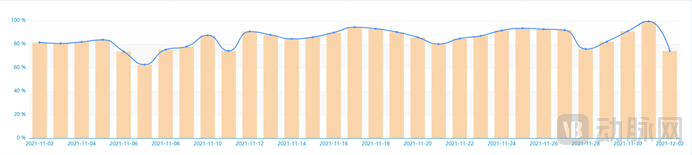
Bangbang Home Rehabilitation Assistive Robot: Daily Active User Rate (November–December 2021, exceeding 90%)
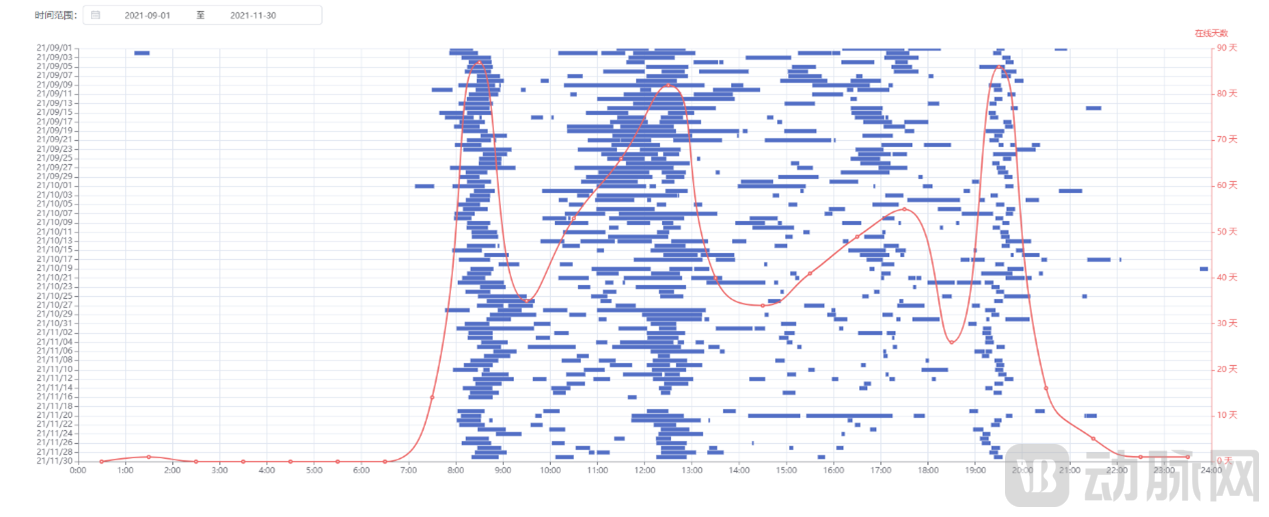
Distribution of Typical Usage Periods for Bangbang Walking Assistance Robots (September–November 2021; Average Daily Usage per User: 3–4 Hours)
During market expansion, Bangbang Robotics’ products were included in the Guangdong Provincial Catalogue of Assistive Devices for Work-Related Injury Insurance, with a reimbursement rate of up to 100%, marking a significant breakthrough for intelligent assistive devices. In the specialized market for persons with disabilities, Bangbang Robotics’ products were also listed in the Basic Configuration Catalogue of Assistive Devices for Persons with Disabilities issued by the Disabled Persons’ Federations of Shanghai, Beijing, and Shenzhen, with reimbursement rates ranging from 75% to 100%. This substantially lowered the purchase threshold and earned strong market recognition. In the elderly care sector, Bangbang Robotics’ products were included in the Shanghai Rehabilitation Equipment Rental Catalogue, with monthly government rental subsidies reaching up to RMB 600 per user.
So, what exactly are the technical barriers associated with intelligent assistive devices?
From a technical perspective, the emerging trend toward intelligent rehabilitation assistive devices involves upgrading smart rehabilitation equipment to enable remote collection of patient training data. By leveraging big data mining of patient and therapeutic data, knowledge graphs can be constructed for both single and comorbid conditions, thereby providing online guidance for scientific and standardized rehabilitation training.
Intelligent devices facilitate healthcare professionals in monitoring patients’ rehabilitation progress and managing rehabilitation cases through smart systems, thereby alleviating the shortage of professional rehabilitation therapists in China. For patients, intelligent rehabilitation equipment enables quantitative rehabilitation assessments, enhances their enthusiasm and initiative in participating in rehabilitation training, and improves the overall effectiveness of rehabilitation therapy.
The core issue to be addressed in the era of intelligent transformation is achieving intelligent human-computer interaction by integrating technologies such as smart sensors, the Internet of Things (IoT), and big data.
Nowadays, various robots have become part of our daily lives, with robotic vacuum cleaners emerging as common household appliances. However, in China, a society with an aging population, rehabilitation assistive robots remain rare.
Although both are robotic in form, rehabilitation assistive robots face higher R&D barriers.
High barriers are primarily reflected in foundational technologies. An industry insider explained, “The key challenge in developing rehabilitation robots lies in system integration. While individual motor control or interactive sensing is not particularly difficult, the real difficulty resides in integrating multiple sensors, modules, and motion components into a unified system through computational processing. Achieving linkage, coordination, and seamless synergy between the user’s active and passive movements is highly challenging.”
Compared with standard robotic vacuum cleaners, the development of rehabilitation robots presents additional challenges. While robotic vacuums are standardized products, rehabilitation and ambulation-assist robots must accommodate varying levels of user recovery. This requires manufacturers to standardize inherently non-standardized solutions, significantly increasing design complexity.
In terms of application scenarios, traditional household or commercial robots typically operate with autonomous mobility, which presents relatively lower control complexity; examples include robotic vacuum cleaners and hotel food-delivery robots.
The challenge with rehabilitation robots lies in human-controlled movement: how to ensure user safety while maintaining a positive user experience. This elevates the control complexity of rehabilitation robots to the level of “autonomous driving.”
Taking Bangbang Robotics’ walking assistance products as an example, to help patients with lower-limb motor impairments better adapt to the walking-assist robot, the Bangbang team measured the force applied and usage habits of users across different age groups during their initial use. Based on these findings, they developed an assisted driving module. In Bangbang Robotics’ novice mode, the walking-assist robot learns the user’s operational habits and provides a personalized driving plan and parameters.
To mitigate safety risks, Bangbang Robot has integrated a road condition perception system into its platform, enabling automatic detection of terrain conditions to ensure sufficient power output and maintain overall center-of-gravity stability under all circumstances. Additionally, Bangbang Robot’s mobility assistance products feature a built-in one-touch emergency call system.
From the perspective of global rehabilitation industry development, hundreds of companies have emerged in recent years. Overseas enterprises are leading the global trend in rehabilitation robotics, leveraging their technological advantages in control systems, ergonomics, and high-precision shaft machining and manufacturing.
However, in terms of intelligent technology, China possesses a robust supply chain foundation and is well-positioned to achieve overtaking leadership. With advancements in domestic technology and the continuous accumulation of relevant experience, rehabilitation products have entered a phase of intelligent development. A cohort of innovation-driven smart rehabilitation enterprises has emerged in China, further strengthening the technological and innovative attributes of rehabilitation robots.
Bangbang Robotics’ products have gained widespread recognition, with their core competency lying in the mastery of proprietary technologies. Only by possessing extensive foundational technologies can flexible product portfolio development be achieved. All of Bangbang Robotics’ core modules are independently developed, including drive systems, multi-module sensors, motor technology, remote rehabilitation systems, and intelligent assistive device control technologies. Consequently, the company demonstrates superior performance in terms of system integration and overall cost-effectiveness.
With the advent of an aging society, home modifications for age-friendly living will unlock a market worth hundreds of billions, driving higher demands for the supply of rehabilitation assistive device products and services.
China’s medical and surgical capabilities are at a globally advanced level; however, postoperative and post-discharge care, as well as healthcare services, remain relatively underdeveloped in terms of both disciplinary expertise and service delivery.
As previously mentioned, we are already witnessing the rapid rise of domestic enterprises, which are swiftly enhancing the quality and performance of traditional products, accelerating industrial layout, and positioning themselves to seize the opportunities presented by the next wave of explosive growth in China’s rehabilitation assistive device market.
Regarding the vision for rehabilitation assistive robots, Li Jianguo, founder of Bangbang Robotics, stated, “I envision that future rehabilitation assistive robots will function like professional caregivers, addressing a diverse range of user needs, including independent living at home, autonomous mobility, and rehabilitation. In terms of business model, users could even settle payments by treating them as wages for the robots, with companies in this industry operating more like robotic labor agencies that dispatch robotic employees to households.”
According to the Second National Sample Survey on Persons with Disabilities in China, the total number of persons with disabilities nationwide was 85.02 million, including 24.72 million with physical disabilities and 13.86 million with multiple disabilities. Based on these figures, it is estimated that by 2018, although more than 10 million person-times (accounting for 12%) of the disabled population had access to basic rehabilitation services, this provision remained inadequate relative to the total disabled population of over 80 million. Nationwide, at least 70 million persons with disabilities still lacked access to basic rehabilitation services.
This gap is being filled. In recent years, the government has continuously increased investment to improve access to high-quality and affordable rehabilitation services; with rising living standards, public awareness of rehabilitation has steadily grown; systems such as long-term care insurance and rehabilitation equipment rental are also being progressively refined. Against this backdrop, market demand for rehabilitation-related equipment in China continues to grow at a rapid pace. Driven by escalating rehabilitation needs, the future development of rehabilitation medical devices will enjoy greater market space and potential. In particular, home-use and primary-care rehabilitation equipment present substantial market potential and opportunities.