

The Future of Domestic Small Molecule Drug Development: A Comprehensive Analysis of 26 Listed Companies and 283 Pipelines
Statistics on new drugs approved by the FDA from 1993 to 2020 reveal that the development of new molecular entities (i.e., small-molecule drugs) has experienced a golden era, with their proportion declining gradually from a peak of 96% to approximately 75% in 2020. With the emergence of numerous innovative biotechnologies, including antibodies, gene therapies, cell therapies, antibody-drug conjugates (ADCs), and oncolytic viruses, the number of small-molecule drug developments is showing a further trend of slow decline.
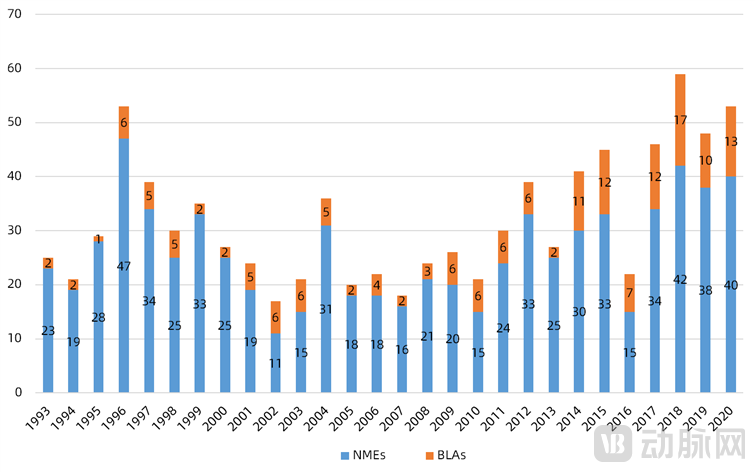
Figure 1. Number of new molecular entities (NMEs) and biologics license applications (BLAs) approved by the FDA over the years (Source: Asher Mullard. 2020 FDA drug approvals. Nat Rev Drug Discov, 2021 Feb;20(2):85-90.)
In terms of the market, a comparison of sales data for innovative drugs over the past two decades reveals that eight of the top ten best-selling innovative drugs globally in 2000 were small-molecule drugs. Starting in 2008, the number of small-molecule drugs among the top ten began to drop to five or fewer, and by 2019, only four remained. Their share of total sales has also shown a gradual decline, indicating that the market for small-molecule drugs is being steadily eroded.
In addition to the rise of novel biologics—such as antibodies, gene therapies, and cell therapies—which have aggressively captured a portion of the small-molecule drug market, small-molecule drug development has been constrained by the declining annual growth rates in the discovery of new targets and the diversity of small-molecule libraries, resulting in relatively low success rates. However, recent advances in emerging technologies, including PROTACs, molecular glues, and AI-driven drug discovery, have introduced new R&D paradigms, revitalizing the field of small-molecule drug development.
To more directly assess the innovation capabilities in domestic small-molecule drug development, we have compiled the innovative small-molecule drug pipelines of companies listed on the STAR Market and those listed under Chapter 18A of the Hong Kong Stock Exchange as of October 2021, aiming to provide a concrete understanding of the current state of small-molecule drug research and development in China.
Based on multidimensional statistics covering drug targets, R&D progress, and innovative technologies, we have drawn the following conclusions:
1. For most targets, domestic R&D progress still lags behind the global level, but the gap is gradually narrowing;
2. Indications for innovative drugs are concentrated in the oncology field, with solid tumors, lung cancer, and hematologic malignancies ranking as the top three;
3. There are 36 major innovative targets, with the top three being KRAS, FGFR4, and SHP2;
4. R&D for SHP2, FASN, IAP/XIAP, FXR, and FGFR4 targets is at a globally leading level;
5. Numerous new R&D concepts have emerged in the field of small molecules, potentially leading to breakthroughs in PROTAC technology, molecular glues, and allosteric modulation.
136 Innovative Targets, 5 Globally Leading
Based on the criteria of products not yet launched globally or approved for marketing in 2021, we analyzed the product pipelines of pharmaceutical companies, including both independently developed assets and in-licensed rights. We identified a total of 36 innovative targets of interest to companies listed on the STAR Market and the Hong Kong Stock Exchange. The most prominent target was KRAS, with nine products in clinical development; ranking second was FGFR4, with seven products under investigation; followed by SHP2, TYK2, THR-β, and FASN, with four and three investigational products, respectively.
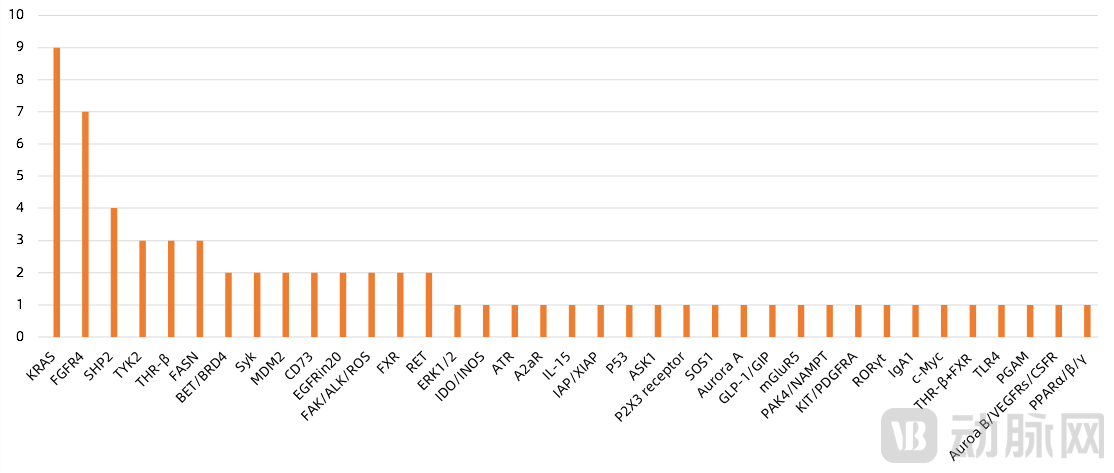
Figure 2. Innovative Targets for Small-Molecule Drugs
Among the 36 innovative small-molecule targets mentioned above, oncology is a key focus area for innovative pharmaceutical companies, showing a trend of expansion in therapeutic indications and accounting for 72.17%. Metabolic diseases rank second, accounting for 12.17%, followed by central nervous system (CNS) disorders at 11.3%. Other indications include anti-infective, immunological, and other diseases. Within the oncology field, solid tumors rank first, accounting for 24.14%, followed by lung cancer at 19.54%. Hematologic malignancies, colorectal cancer, and liver cancer are also areas of interest for innovative pharmaceutical companies, accounting for 12.64%, 10.34%, and 10.34%, respectively. Additionally, each company has its own specific areas of focus, including epithelial tumors, pancreatic cancer, breast cancer, liposarcoma, ovarian cancer, prostate cancer, thyroid cancer, and other tumor types.

Figure 3 Disease Areas Involving Innovative Targets
Accelerated Innovation at the Target Level Continues to Narrow the R&D Gap with Global Standards.Although the clinical development of most targeted therapies by foreign pharmaceutical companies is advancing faster than that of domestic firms, certain targets remain at a leading or comparable level globally. Among innovative targets under investigation, the development of SHP2 inhibitors in China has reached Phase II clinical trials, outpacing the Phase I/II trials conducted abroad. Meanwhile, four other targets—FASN (Phase III), IAP/XIAP (Phase II), FXR (Phase II), and FGFR4 (Phase I/II)—are on par with global research and development efforts.
For innovative pharmaceutical companies to stand out, differentiated innovation is key. Among the top 10 hot R&D targets, KRAS inhibitors and SYK inhibitors have already been marketed abroad, while domestic R&D remains in Phase I clinical trials; foreign TYK2 inhibitors have filed new drug applications, whereas domestic TYK2 inhibitors are still in preclinical research. Additionally, the development of several other targets—THR-β, BET, MDM2-p53, and CD73—lags one clinical phase behind the global forefront.Therefore, among the popular targets, only three have clinical progress that keeps pace with the global landscape, indicating that domestic innovative pharmaceutical companies hold no significant advantage. Only through differentiated innovation guided by the clinical disease profile in China can local innovative drug developers gain a competitive edge.
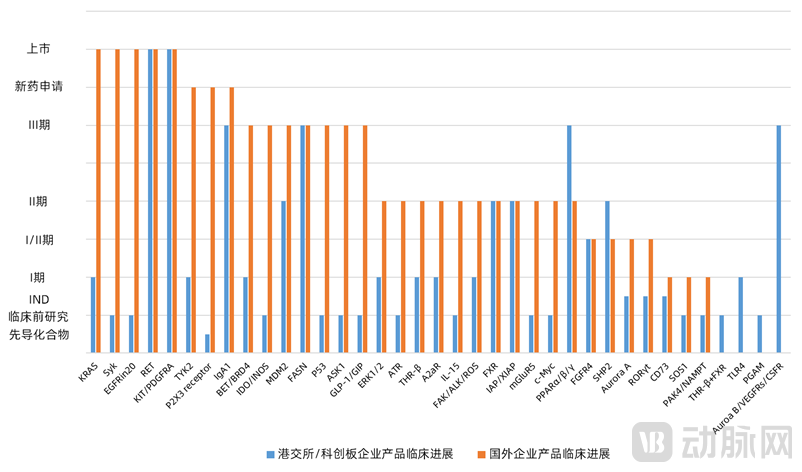
Figure 4. Comparison of Clinical Progress for the Same Target Between Domestic and International Markets (Selecting the Most Advanced Product for Each Target)
2Research Progress on Hot Targets
The RAS oncogene encodes a GTP-binding protein and comprises three isoforms: KRAS, NRAS, and HRAS, which regulate cell growth, proliferation, and differentiation. RAS is one of the most frequently mutated oncogenes in human cancers. Among RAS-driven cancers, 85% are caused by KRAS mutations, which are present in 90% of pancreatic cancers, 30–40% of colorectal cancers, and 15–20% of lung cancers. In KRAS-mutant tumors, the most common mutation sites are KRAS G12D, KRAS G12V, and KRAS G12C, with KRAS G12C accounting for approximately 40%.
Currently, chemotherapy remains the standard of care for patients with KRAS-mutant tumors. However, KRAS mutations are typically associated with poor response and increased resistance to chemotherapy, creating an urgent and significant need for drugs that specifically inhibit KRAS. Nevertheless, KRAS has long been considered an undruggable target. First, as a small GTPase with a low molecular weight, KRAS possesses few druggable pockets. Second, KRAS binds GDP and GTP at picomolar concentrations; consequently, it is difficult for small-molecule drugs to compete with GTP/GDP for binding to the KRAS protein’s nucleotide-binding domain, which greatly reduces the feasibility of developing nucleotide-competitive inhibitors.
On May 29, 2021, the U.S. FDA announced the accelerated approval of Lumakras (sotorasib, AMG510), developed by Amgen, for the treatment of patients with non-small cell lung cancer (NSCLC) harboring KRAS G12C mutations. As the first anticancer therapy targeting a specific KRAS mutation, this approval marks a milestone, signifying that the long-held belief that KRAS is an "undruggable" target is now history.
The development of small-molecule KRAS G12C inhibitors in China has lagged behind that in other countries. Currently, the most advanced candidate is JAB-21822 from Jacobio Pharmaceuticals, which is in Phase I clinical trials for the treatment of patients with non-small cell lung cancer (NSCLC) and colorectal cancer (CRC) harboring KRAS G12C mutations. Additionally, among companies listed on the STAR Market and those listed under Chapter 18A of the Hong Kong Stock Exchange, other players with pipelines in the KRAS G12C space include Adagene, Antengene Corporation, InnoCare Pharma, Allist Pharmaceuticals, Zeltis Therapeutics, and Chipscreen Biosciences.
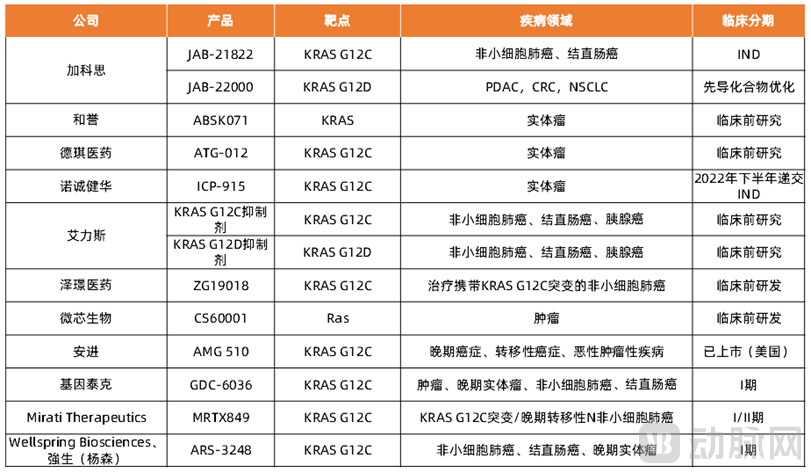
Table 1. Selected Domestic and International Pharmaceutical Companies with KRAS Inhibitors
Although the KRAS G12C inhibitor AMG510 has been marketed abroad for the treatment of NSCLC, it shows limited efficacy in treating CRC with KRAS G12C mutations.Therefore, in the fields of colorectal cancer (CRC) and other tumors with KRAS G12C mutations, China is on par with international standards.Furthermore, to prevent the development of resistance to KRAS G12C inhibitor monotherapy in cancer patients while enhancing therapeutic efficacy, the field of KRAS G12C has shifted toward combination strategies. For example, Amgen initiated a Phase I clinical trial in December 2019 evaluating AMG510 in combination with the SHP2 inhibitor RMC-4630 for the treatment of advanced solid tumors harboring KRAS G12C mutations. Mirati launched a Phase I/II clinical trial in April 2020 assessing the KRAS G12C inhibitor MRTX849 in combination with the SHP2 inhibitor TNO155 for the treatment of advanced, metastatic, and malignant cancers.
SHP2 is a protein tyrosine phosphatase (PTP) encoded by the PTPN11 gene and has long been recognized as a proto-oncogene. As a critical signaling node and regulator, SHP2 transduces signals from receptor tyrosine kinases (RTKs) downstream through the RAS signaling pathway, thereby regulating cancer cell proliferation. Aberrant activity of PTPs and RTKs can lead to abnormal tyrosine phosphorylation and trigger various types of cancer.
SHP2 plays a critical role in various cancer types, including (I) constitutively active RAS pathway signaling, such as KRAS G12C/D/V mutations in non-small cell lung cancer (NSCLC), esophageal squamous cell carcinoma, colorectal cancer, gastric cancer, pancreatic cancer, and ovarian cancer, as well as Class III BRAF or NF1 loss-of-function (LOF) mutations in NSCLC, melanoma, ovarian cancer, and bladder cancer; and (II) receptor tyrosine kinase (RTK) alterations and fusions, such as EGFR mutations and amplifications in NSCLC, esophageal squamous cell carcinoma, and head and neck squamous cell carcinoma, HER2 amplification in breast cancer, and ALK, RET, or ROS1 mutations in NSCLC.
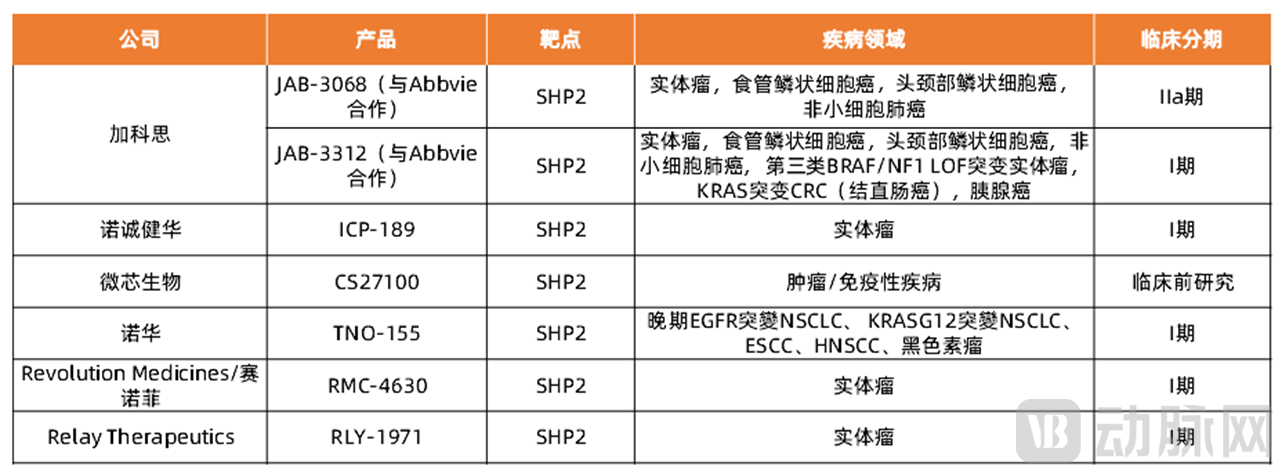
Table 2. Selected Domestic and International Pharmaceutical Companies Developing SHP2 Inhibitors
Among global R&D efforts, China’s innovative pharmaceutical company Jacobio Pharmaceuticals has made the most rapid clinical progress with its SHP2 inhibitor JAB-3068, which is currently in Phase IIa clinical trials. Jacobio has licensed its SHP2 inhibitor to AbbVie and is co-developing JAB-3068 with AbbVie. Additionally, other Chinese pharmaceutical companies, such as InnoCare Pharma and Chipscreen Biosciences, have also established pipelines in SHP2 inhibitors. Internationally, pharmaceutical companies including Revolution Medicines/Sanofi and Relay Therapeutics are pursuing SHP2-targeted therapies for the treatment of solid tumors, with their candidates currently in Phase I clinical trials.
As SHP2 is a downstream regulator of the PD-(L)1 pathway and exerts its effects through the RAS/RAF/MEK/ERK pathway, combining SHP2 inhibitors with PD-1 inhibitors, KRAS inhibitors, and RTK inhibitors can enhance the therapeutic efficacy of monotherapies and overcome drug resistance associated with monotherapy. Jacobio has initiated Phase I clinical trials evaluating the SHP2 inhibitor JAB-3068 in combination with a PD-1 antibody for the treatment of esophageal squamous cell carcinoma (ESCC), head and neck squamous cell carcinoma (HNSCC), and non-small cell lung cancer (NSCLC). Additionally, the company has launched studies on the SHP2 inhibitor JAB-3312 in combination with a PD-1 antibody, a MEK inhibitor (MEKi), and a KRAS G12C inhibitor (KRAS G12Ci) for the treatment of ESCC, HNSCC, NSCLC, KRAS-mutant colorectal cancer, pancreatic cancer, and KRAS G12C mutation-positive NSCLC and colorectal cancer.
Fibroblast growth factor receptors (FGFRs) are highly conserved and abundantly expressed transmembrane tyrosine kinase receptors. The FGFR family comprises four closely related members, FGFR1–4. FGFR alterations are present in approximately 7.1% of solid tumors, with the highest prevalence observed in urothelial bladder cancer (31.7%), cholangiocarcinoma (25.2%), hepatocellular carcinoma (20%), breast cancer (17.5%), and gastric cancer (6.7%). Specific FGFR alterations are associated with distinct cancer types, and hyperactivation of the FGFR4 pathway is commonly observed in hepatocellular carcinoma.
FGFR4-specific inhibitors offer greater specificity compared to pan-FGFR inhibitors, making them advantageous for treating patients with hepatocellular carcinoma (HCC) characterized by aberrant FGFR4 signaling activation. However, pan-FGFR inhibitors retain a certain degree of FGFR inhibitory activity and may therefore compete with FGFR4 inhibitors. As of May 2021, three pan-FGFR inhibitors had been approved globally, while no pan-FGFR inhibitors had received approval in China; furthermore, no FGFR4-specific inhibitors were commercially available worldwide. Currently, the level of FGFR inhibitor research and development in China is on par with global standards. ABSK011, developed by the domestic innovative pharmaceutical company Akeso Biopharma (HeYu Pharmaceutical), is undergoing Phase Ib/II clinical trials for the treatment of FGF19-positive HCC. Additionally, other Chinese pharmaceutical companies, including Jacobio Pharmaceuticals, CStone Pharmaceuticals, InnoCare Pharma, and EverMed Therapeutics, have also established pipelines in the FGFR4 field.
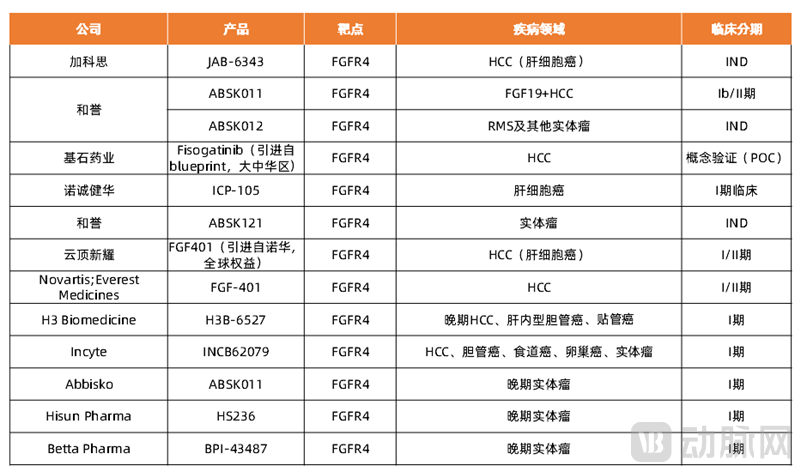
Table 3 Partial Domestic and International Pharmaceutical Companies Developing FGFR4 Inhibitors
3Innovative Technologies for Small-Molecule Drug Development
Novel therapeutic modalities such as antibody-drug conjugates (ADCs), cell therapies, and gene therapies are gradually emerging. As the most traditional form of pharmaceuticals, small-molecule drugs currently face intense competition from biologics, yet they retain irreplaceable advantages. In recent years, various new technologies have emerged in the small-molecule field, further driving innovation and research and development in small-molecule drug discovery.
Related companies: Arvinas, C4 Therapeutics, Kymera Therapeutics, Genentech, Pfizer, AstraZeneca, Merck & Co., Amgen, Gilead Sciences, Boehringer Ingelheim, GlaxoSmithKline, Celgene, Eli Lilly, AbbVie, Johnson & Johnson, Jiaxing Youbo, Shanghai Ruiyin, Chengdu Fendi Technology, Hejing Medicine, Haichuang Pharmaceutical, Jacobio Pharmaceuticals, Kelun Pharmaceutical, CSPC Pharmaceutical Group, Hengrui Medicine, BeiGene, Livzon Pharmaceutical Group, Kintor Pharmaceutical, Lingtai Biopharma, Hangzhou Duoyu Biotechnology, Meizhi Biotechnology, Enrui Pharmaceutical, LinkMed Pharmaceuticals, Wuyuan Biotechnology, Haisco Pharmaceutical, Tongyuan Kang, WuXi Biologics, Medicilon, etc.
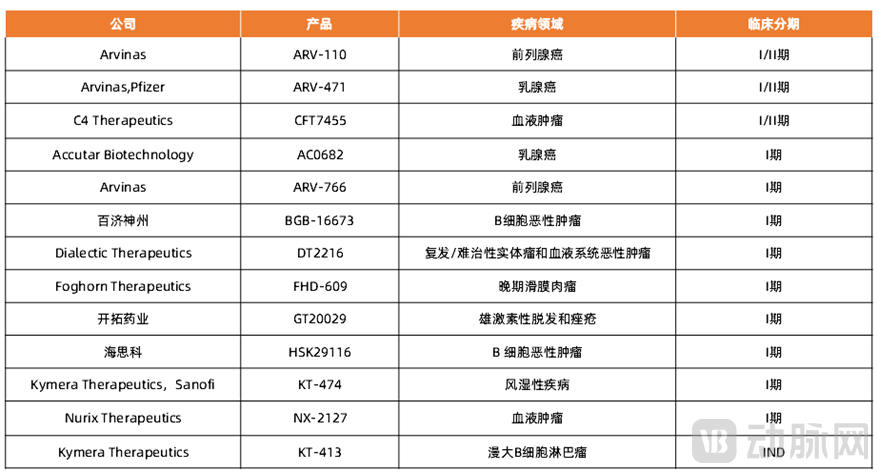
Table 4. Leading PROTAC Companies and Their Products with Rapid Progress
PROTAC (Proteolysis Targeting Chimera) is a bifunctional small molecule composed of a target protein ligand and an E3 ubiquitin ligase ligand connected by a linker. It leverages the ubiquitin-proteasome system to recognize, bind, and degrade disease-related target proteins. One of the greatest advantages of PROTAC technology is its ability to convert targets from “undruggable” to “druggable.” It has made progress in the fields of oncology and autoimmune diseases and demonstrates significant potential in overcoming drug resistance.
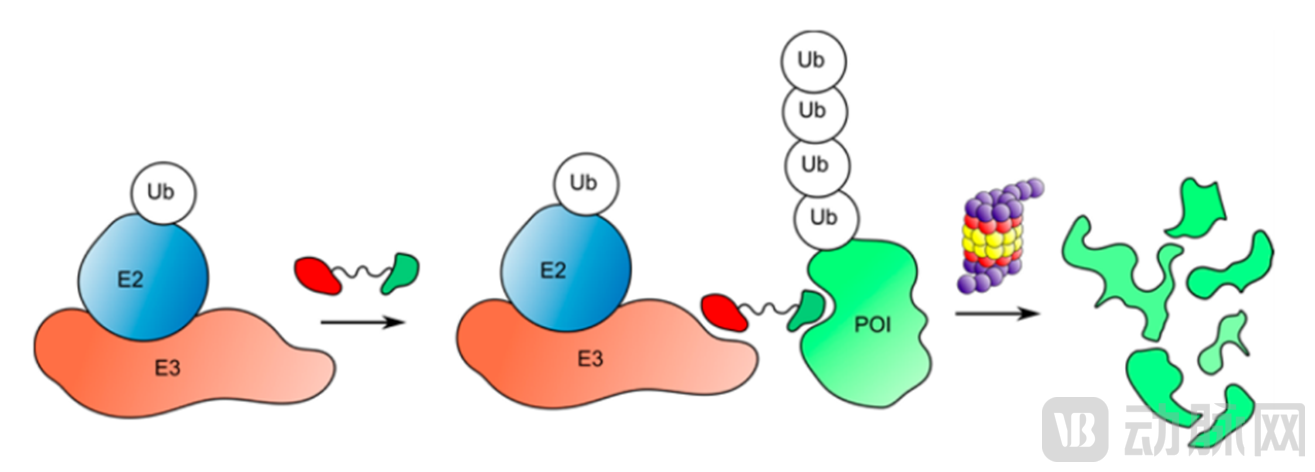
Figure 5. PROTAC-mediated ubiquitination and proteasomal degradation (Ub: ubiquitin; POI: protein of interest; Source: G. Burslem and C. Crews. Small-Molecule Modulation of Protein Homeostasis. Chem Rev. 2017 Sep 13;117(17):11269-11301.)
Related companies: Novartis, Bristol-Myers Squibb, C4 Therapeutics, Boehringer Ingelheim, Monte Rosa Therapeutics, WanChun Pharma, Biaxin Bio, etc.
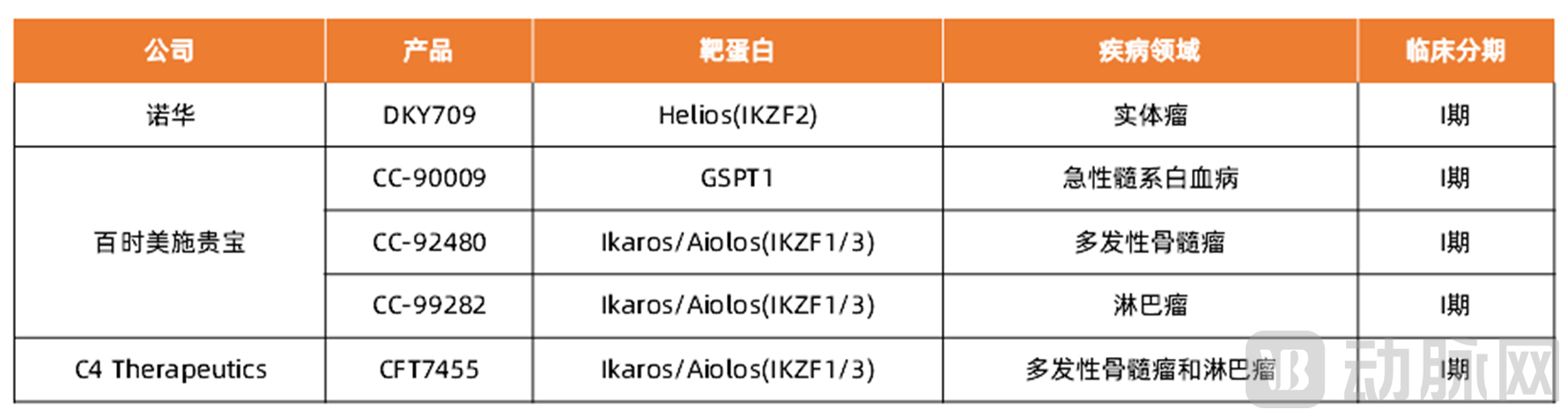
Table 5. Selected Molecular Glue Companies and Their Products
Molecular Glues are a class of proximity-inducing small molecules that promote the dimerization or co-localization of two proteins by forming ternary complexes. They enable precise temporal control over various biological processes, such as signal transduction, transcription, chromatin regulation, and protein folding, localization, and degradation. When one of the protein molecules is an E3 ubiquitin ligase, molecular glues can induce ubiquitination of the other protein, leading to its degradation via the proteasome pathway. Although both molecular glues and PROTACs are protein degraders, they differ in their mechanisms of action and molecular structural characteristics. Generally, molecular glues have low molecular weights and favorable physicochemical properties for optimization. Molecular glues primarily induce or stabilize protein-protein interactions (PPIs) between E3 ubiquitin ligases and substrate proteins, thereby leading to protein degradation. They are capable of degrading previously undruggable target proteins and do not require binding pockets on the target proteins.
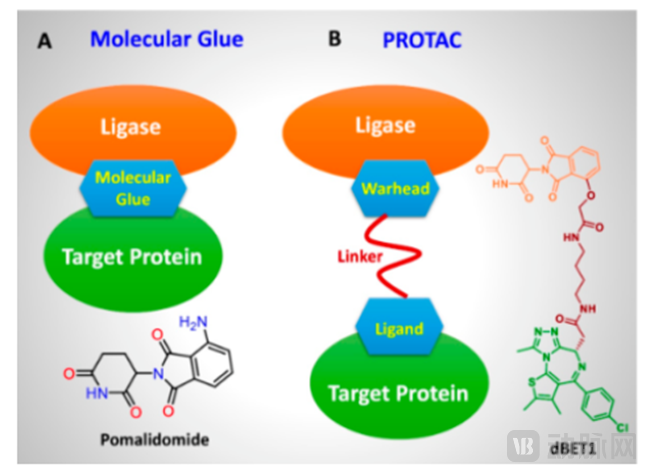
Figure 6. Differences between molecular glues and PROTACs (Source: Dong et al. Novel regulation of Ras proteins by direct tyrosine phosphorylation and dephosphorylation. Cancer Metastasis Rev. 2020 Dec;39(4):1067-1073.)
Classical molecular glue degraders, such as thalidomide analogs and the aryl sulfonamide anticancer agent indisulam, exploit the protein–protein interaction interface between E3 ubiquitin ligases and target proteins to reprogram the selectivity of ubiquitin ligases, thereby catalytically driving target ubiquitination. Thus, molecular glues overcome the limitations of traditional small-molecule inhibitors, rendering a subset of previously “undruggable” targets “druggable.” Owing to their lower molecular weight and superior drug-like properties compared with PROTACs, molecular glues hold considerable promise for research and development; however, their design remains challenging, and robust drug-development strategies are not yet well established.
DNA-Encoded Compound Library (DEL)
Related companies: HitGen, X-Chem, GSK, Novartis, Nuevolution (acquired by Amgen), Vipergen, HitGet, Haystack Sciences, DyNAbind GmbH, Plexium, HotSpot, WuXi AppTec, Chengdu HitGen, Haoyuan Chemexpress, etc.
DNA-Encoded Library (DEL) refers to the synthesis of ultra-large-scale compound libraries by combining a vast number of chemical building blocks. Each building block is associated with a unique DNA code. Consequently, compounds synthesized from multiple building blocks also possess a unique DNA code, which is generated by combining the codes of all constituent building blocks. Based on this principle, DEL technology can expand small-molecule compound libraries to the scale of billions or even trillions, significantly increasing the probability of identifying drug-like compounds. As an emerging small-molecule drug screening technology in recent years, DEL has become one of the mainstream methods for compound screening due to its large library capacity and rapid screening speed. The main strategies for constructing DNA-encoded compound libraries include DNA-recorded synthesis and DNA-templated synthesis; other approaches include DNA routing synthesis and ESAC (Encoded Self-Assembling Chemical) synthesis. Currently, several GSK candidates are in clinical trials, including GSK-2982772 (an ATP-competitive RIP1 kinase inhibitor for the treatment of psoriasis, rheumatoid arthritis, and ulcerative colitis), GSK-2256294 (a soluble epoxide hydrolase inhibitor for diabetes and delayed intracerebral hemorrhage, among other indications), and GSK-3145095 (a RIP1 kinase inhibitor for the treatment of pancreatic cancer).
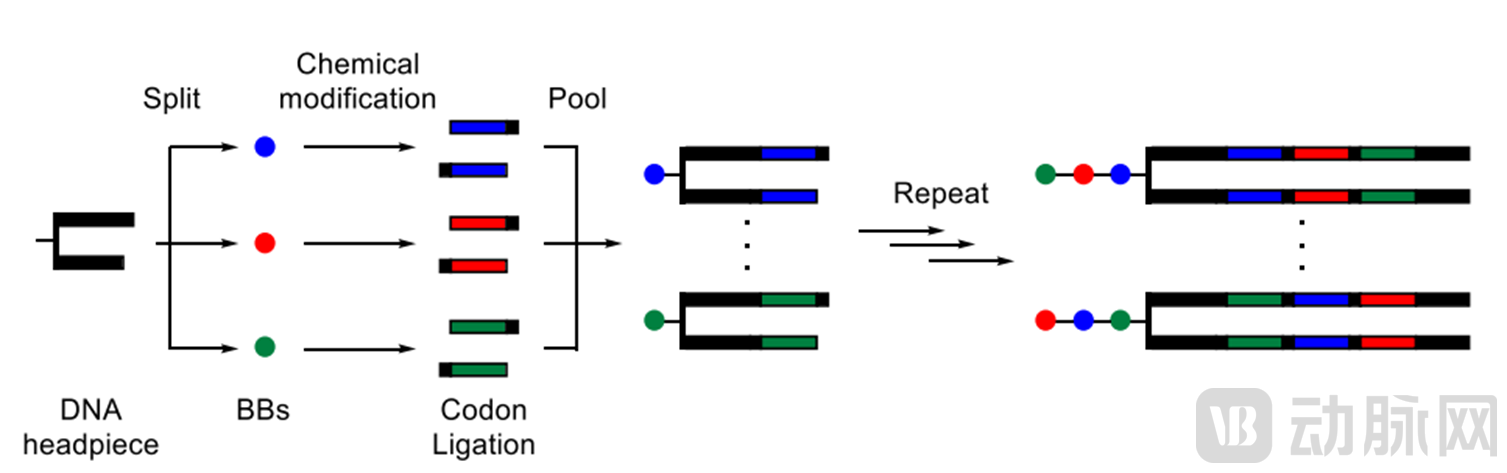
Figure 7. Schematic illustration of DNA-encoded compound library synthesis (Source: Vipergen ApS, Copenhagen, Denmark. An overview of DNA-encoded libraries: A versatile tool for drug discovery. Prog Med Chem. 2020;59:181-249.)
Related Companies: Atomwise, IBM Watson, Insitro Medicine, BenevolentAI, ProteinQure, Berg Health, Insilico Medicine, XtalPi, Panorama Medicine, DeepBiome, EngineBio, Xbiome, Infinitus Pharmaceuticals, Zhiyao Technology, Depth Intelligence, AccutarBio, Fermionics, Suikun Intelligence, Xingkangyuan, StarPharma, MetaMed, Yudao Biologics, Zheyuan Technology, BioMap, Calcite Biosciences, YiYao Technology, StoneWise, Suozhi Biology, Derzhi Pharma, Yuanqi Pharma, Yunshi Software, Xige Biotech, Zhitu Biology, Huanyi Biology, Happy Life Technology, Kehui Intelligent Pharma, Fendi Pharma, etc.
Artificial Intelligence (AI) plays a crucial role in the field of new drug development. With the advancement of key AI technologies such as natural language processing, machine learning, deep learning, and knowledge graphs, AI empowers various aspects of new drug development, including target discovery, hit and lead compound identification, design of synthetic routes for drug molecules, establishment of disease models, and exploration of new indications, thereby significantly enhancing the efficiency of new drug development.
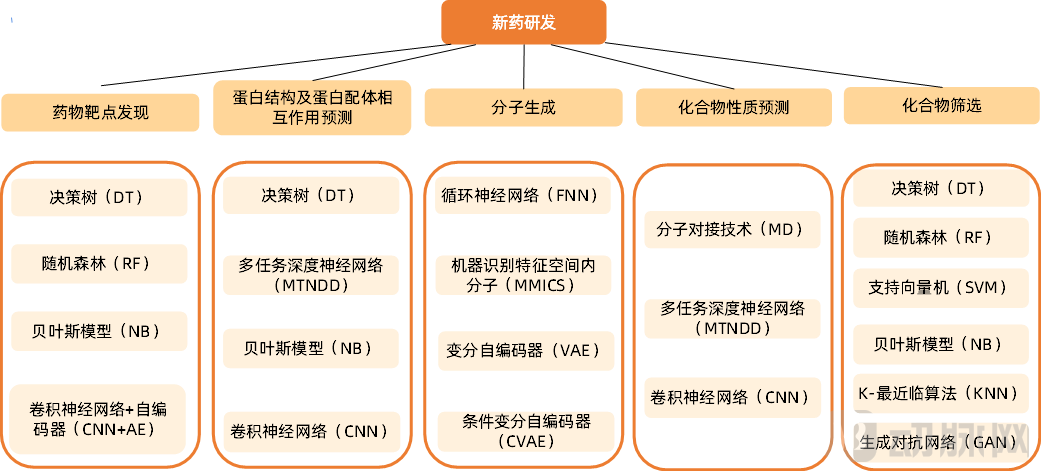
Figure 8. Commonly Used Artificial Intelligence Technologies in Various Stages of New Drug Discovery
Pharmaceutical companies have entered into deep strategic collaborations with AI-driven drug discovery firms to accelerate the efficiency of new drug development by leveraging artificial intelligence technology platforms. Atomwise specializes in AI-based drug design; its AtomNet® is the first virtual drug discovery platform and has been engaged in approximately 1,000 projects with multiple pharmaceutical companies.
In China, XtalPi, an AI-driven drug discovery company, drives pharmaceutical innovation through digitalization and intelligence. By leveraging cutting-edge technologies in computational physics, quantum chemistry, artificial intelligence, and cloud computing, it enhances the efficiency and success rates of critical drug development stages—such as molecular generation, virtual screening, and high-precision activity prediction—while reducing R&D costs.
Related companies: Novartis, Roche, Gilead, Bristol Myers Squibb, Sanofi, Nimbus Therapeutics, HotSpot Therapeutics, Relay Therapeutics, Gain Therapeutics, Black Diamond Therapeutics, Revolution Medicines, Yudaobiologics, etc.
Allosteric Regulation stabilizes proteins in either an inactive or active state by specifically influencing conformational changes, which differs from traditional substrate-competitive inhibitors. Based on the effects of allosteric modulation, these mechanisms can be categorized into two types: Allosteric Inhibition and Allosteric Activation. Allosteric regulation offers superior selectivity, safety, and potential to overcome drug resistance, thereby transforming some targets from “undruggable” to “druggable,” which has attracted significant attention from both the scientific and industrial communities. With advances in structural biology, the identification of allosteric sites has become relatively easier, further promoting the development of small-molecule drugs targeting allosteric regulation.

Figure 9. Schematic diagram of the allosteric regulation mechanism (Source: Mary Ann Clark, Matthew Douglas, Jung Choi. Biology 2e. OpenStax. 2018)
In addition to the small-molecule R&D and innovative technologies described above, gene-editing technology also plays a pivotal role in new drug development. At its core, gene editing employs programmable artificial nucleases to make site-specific modifications to genomic DNA. In small-molecule drug discovery, gene editing can address challenges related to preclinical evaluation systems, novel target identification, and drug resistance through strategies such as gene knock-in, gene knockout, base conversion, and chromosomal rearrangement.