

Rainmed Medical Secures Nearly $100 Million Series D Funding Led by Ping An Capital to Advance 'Unmanned Cath Lab' Vision
Suzhou Rainmed Medical Technology Co., Ltd. (“Rainmed Medical”), a company specializing in vascular interventional surgical robots, announced the completion of its nearly USD 100 million Series D financing round. The round was led by Ping An Capital, the core private equity platform of Ping An Group, with participation from internationally renowned institutions such as Seresia Asset Management and Lighthouse Canton.
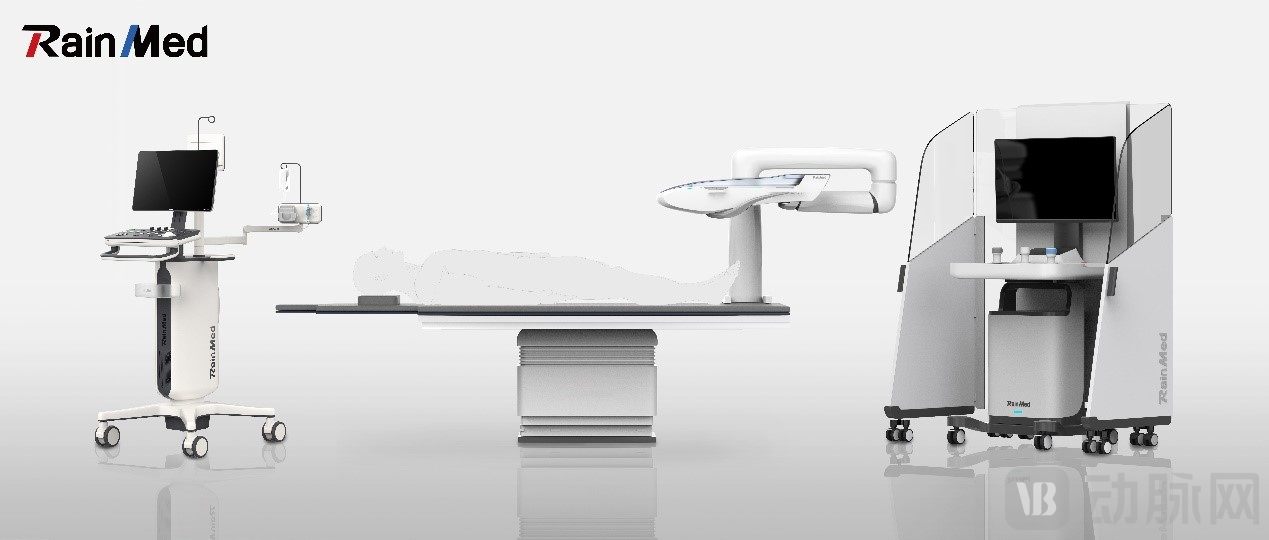
Runmaide Medical Interventional Surgical Robot
This round of financing will be used to accelerate the clinical research and commercialization of the company’s coronary flow fractional reserve measurement system (caFFR) and coronary microcirculation disorder diagnostic system (caIMR), support the continuous R&D of multiple subsequent product pipelines, and launch a globally leading vascular interventional surgical robot, gradually building an “unmanned operating room.”
Earlier this year, Rainmed Medical just completed a C-round financing of hundreds of millions of RMB, led by the well-known institution Greenwoods Asset Management and followed by existing shareholders such as Cowin Capital. What makes Rainmed Medical stand out, having secured two rounds of substantial financing within a year and continuing to gain favor from top-tier investment institutions?
Looking Back at 2021:
Revolutionary Precision Diagnosis and Treatment Products Rapidly Deployed, “Unmanned Operating Room” Sector Fully Launched
As a medical high-tech company founded in 2014, RainMed Medical first attracted top-tier capital with its remarkable achievements in the field of precise diagnosis and treatment of cardiovascular diseases. Especially this year, the company has achieved rapid development based on its previous accumulation in the field of precise diagnosis and treatment, and has fully implemented its interventional surgery robot strategy.
As the first FFR product in China to secure both EU CE certification and Chinese NMPA approval, caFFR, launched by Rainmed Medical, has become the dominant product in the domestic FFR market. In terms of commercial implementation,RainMed Medical’s sales network covers 28 provinces across China, with over 100 partner distributors, and its caFFR products have been implemented in nearly 1,000 hospitals nationwide.。
Meanwhile, the caFFR product has made rapid progress in clinical research, with the company publishing dozens of research papers, andInitiated a post-market clinical study directly benchmarking against traditional pressure-wire FFRPressure wire-based FFR is regarded as the gold standard for functional diagnosis of coronary arteries, while caFFR is expected to become an image-based FFR product non-inferior to the gold standard.
This year, Rainmed Medical'sThe clinical development of caIMR, a coronary microcirculation diagnostic product, is progressing smoothly, with the potential to become the world’s first approved non-invasive microcirculation diagnostic product.. More than twenty leading medical institutions, both domestic and international, have conducted a series of studies on the application scenarios of caIMR and continue to publish multiple articles in top-tier international journals such as JACC.
In the field of precise coronary artery diagnosis, Rainmed Medical is undoubtedly at the forefront, both in R&D and commercialization. Yet the company’s vision extends far beyond this.
In 2021, Runmaide Medical fully entered the strategic implementation phase for vascular interventional surgical robots. The surgical robot sector has seen significant growth, with intelligence and automation becoming important trends in the future development of catheterization labs. Currently,The company’s Medical Robotics Research Institute has been fully established. Its digital diagnostic module, featuring FFR and IMR capabilities, is now mature, while the development of modules such as intelligent interventional angiography is nearing completion. The company’s vascular interventional surgical robot is poised to become the world’s first revolutionary product covering the entire workflow of coronary intervention procedures.。
In the field of cardiovascular diagnosis and treatment, Rainmed Medical is not “going it alone.” This year,The company has successively entered into strategic partnerships with industry-leading firms, including GE Healthcare China, China Resources Medical Devices, and Jointown Medical Devices., to help accelerate the implementation of the company's precision diagnosis and treatment technologies.
All achievements made by RainMed Medical in 2021 were based on the company’s technological accumulation and forward-looking product layout in the field of vascular intervention over the past eight years.
From caFFR to caIMR products, and further to interventional surgical robots, Rainmed Medical is driving the in-depth development of precision coronary medicine.
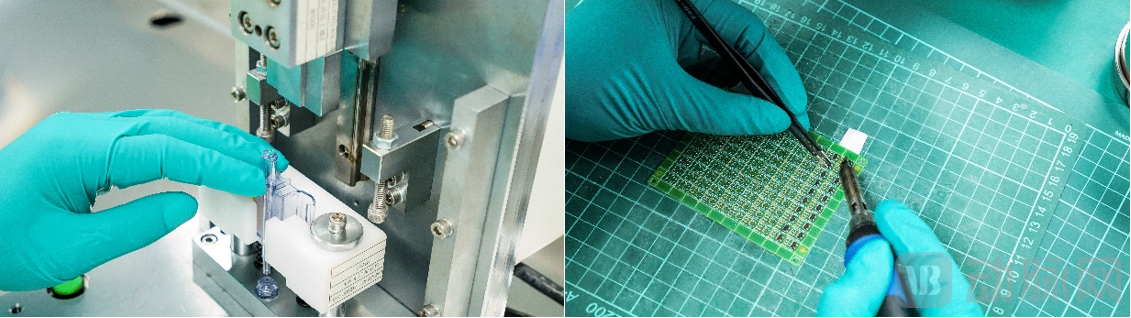
Production Scenarios for Rainmed Medical Products
Company founder Huo Yunfei previously worked at Siemens and China Mobile Group, bringing extensive experience in computer system research and development as well as project management. Co-founder Huo Yunlong studied abroad in his early years and engaged in cardiovascular fluid dynamics research; he currently serves as a tenured associate professor and doctoral supervisor at the School of Life Sciences and Biotechnology, Shanghai Jiao Tong University. Backed by top-tier industry technical experts and returning overseas scholars, the company has nearly 200 patents granted or under application, dedicated to addressing pain points in coronary functional diagnosis through revolutionary and leading-edge technological solutions.
RainMed Medical’s caFFR demonstrates a diagnostic concordance of up to 95.7% when compared with traditional pressure-wire FFR, making it the domestically produced FFR product with the highest concordance currently available.Moreover, the caFFR product aligns with physicians' clinical workflow habits, enabling them to independently perform FFR measurements after only brief training.
The product received approval from China’s National Medical Products Administration (NMPA) and the European CE certification in 2019, becoming the first domestically produced fractional flow reserve (FFR) product to gain market access in both China and the European Union. Since its launch, caFFR has garnered widespread recognition from experts and scholars. It has now achieved large-scale hospital sales, leading the market for domestically produced FFR products.
As the caFFR product obtained certification and achieved rapid commercialization, Rainmed Medical ventured into uncharted territory to further advance the precision diagnosis of coronary artery disease, taking on the challenge of non-invasive coronary microcirculation diagnosis—a field demanding exceptionally high technical expertise and rarely explored by companies worldwide.
In recent years, coronary intervention has undoubtedly been the fastest-growing and most localized segment within vascular intervention, with coronary functional diagnostics also gradually emerging. For major coronary vessels, both clinical practitioners and enterprises are delving deeper, leading to frequent innovations in domestically produced non-invasive coronary functional diagnostic products. However, due to the greater technical challenges involved in detection, coronary microcirculation diagnosis remains a "business blind spot" for most companies.
Many patients with coronary heart disease have varying degrees of CMD (coronary microvascular dysfunction), which is one of the important pathogenic mechanisms of myocardial ischemia., directly affecting the progression of coronary heart disease and patient prognosis.The coronary microcirculation system consists of coronary microvessels, capillaries, and venules, with its primary function being the regulation of myocardial blood perfusion. These vessels are not directly visible on coronary angiography, yet they account for 95% of the total vascular volume in the coronary circulation.
Research evidence indicates that among patients with suspected coronary heart disease (CHD), 51% of men and 54% of women have coronary microvascular dysfunction (CMD). However, in China, only 6.3% of patients with coronary microvascular disease receive appropriate treatment. Therefore, when diagnosing CHD, relying solely on coronary angiography to assess epicardial coronary stenosis is insufficient; it is also necessary to evaluate coronary microcirculatory function.
Currently, diagnostic approaches for assessing coronary microvascular dysfunction include non-invasive methods such as positron emission tomography (PET), myocardial contrast echocardiography, and cardiovascular magnetic resonance imaging, as well as invasive techniques like Doppler flow mapping and thermodilution. Each of these methods has its own advantages and disadvantages; in settings with limited medical resources,There is an urgent need in China and globally for a non-invasive, visualizable, and easy-to-operate diagnostic method.。
IMR is an index that reflects the level of microcirculatory resistance, enabling quantitative assessment of myocardial microcirculation status. It is unaffected by hemodynamic changes and demonstrates high reproducibility.Studies have demonstrated that the Index of Microcirculatory Resistance (IMR) has significant diagnostic value for microcirculatory dysfunction and serves as a robust predictor of long-term major adverse cardiovascular events (MACE) in patients with coronary heart disease. In the 2019 ESC Guidelines for the diagnosis and management of chronic coronary syndromes, IMR is classified as a Class IIa recommendation and is currently recognized as the gold standard for assessing coronary microvascular dysfunction (CMD).
However, traditional pressure wire-based IMR measurement requires the use of a pressure wire and vasodilators, along with multiple injections of saline, resulting in prolonged measurement times. Consequently, it is currently limited to scientific research and lacks the conditions for large-scale clinical application. While most domestic companies are flocking to the non-invasive FFR sector, few have ventured into the field of non-interventional IMR.
Runmaide Medical dares to be the first in the world.The company’s caIMR is the world’s first non-invasive IMR measurement product to enter clinical trials, capable of quantitatively measuring IMR non-invasively within 2–3 minutes without requiring a pressure wire or vasodilators.Backed by a robust clinical and academic team, the market-launch clinical studies for caIMR are led by Zhongshan Hospital Affiliated to Fudan University. Meanwhile, leading experts and scholars both domestically and internationally have conducted a series of studies on caIMR, with their findings progressively published in prestigious international journals.
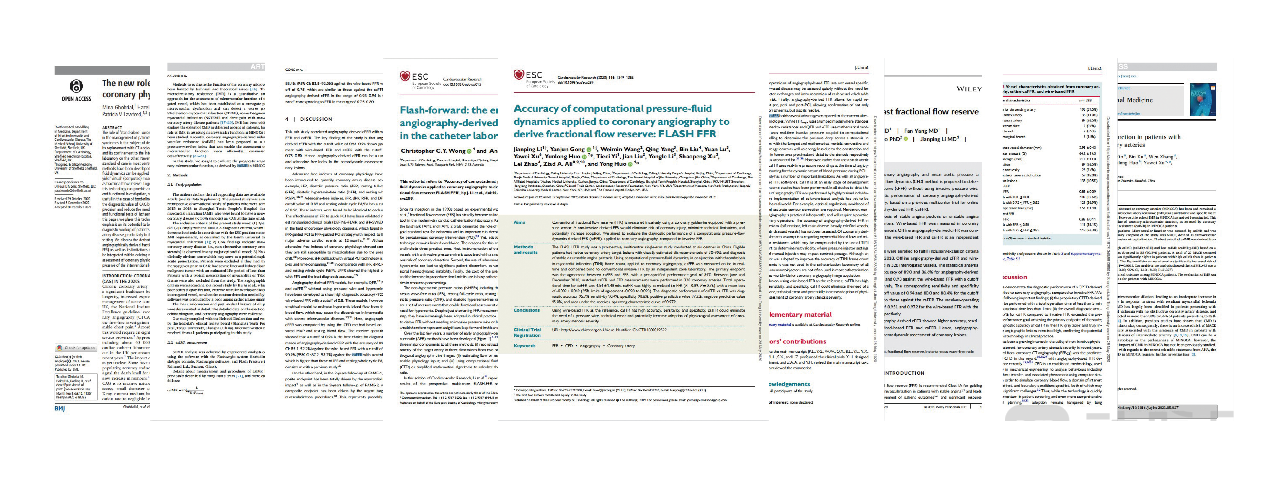
Clinical Research Findings Continuously Published in Top Domestic and International Journals
Among these, the top-tier international journal JACC has clarified the significant importance of Rainmed’s caIMR in advancing the field of coronary microcirculatory functional assessment. It highlights that the caIMR product requires neither a pressure wire nor vasodilators, nor does it demand additional procedural maneuvers by the operator. This simplified technique for measuring microcirculatory function will provide better prognostic evaluation for patients with ST-elevation myocardial infarction (STEMI).
Runmaide Medical has established a product portfolio for the precise diagnosis of coronary artery disease (CAD). The organic integration of caFFR and caIMR enables a comprehensive assessment of CAD from both macroscopic and microscopic perspectives. Meanwhile, to advance its grand strategy of creating “unmanned operating rooms,” the company has embarked on the independent research and development of vascular interventional surgical robots.
With the listing of MicroPort MedBot and Meituan’s investment in a surgical robotics company, the sector has captured significant attention this year. Meanwhile, the da Vinci Surgical System continues to expand its commercial deployment globally. Statistics show that the global market size for surgical robots reached $8.321 billion in 2020.
China’s surgical robot market remains an untapped blue ocean. According to Frost & Sullivan, the market size in China grew from USD 93 million in 2015 to USD 425 million in 2020, representing a compound annual growth rate (CAGR) of 35.7%. It is projected to reach USD 3.84 billion by 2026, with a CAGR of 44.3%.
In China, where the distribution of medical resources between doctors and patients is uneven, surgical robots help facilitate the decentralization of healthcare resources and improve the precision of therapeutic procedures. However, to date, the market penetration of surgical robots in China remains very low, primarily concentrated in two major fields: laparoscopic surgery and orthopedic surgery. As the field of vascular intervention gradually develops in China, there is an urgent need to meet the clinical demand for interventional surgical robots.
According to a report by Frost & Sullivan, China has 17 million patients with coronary heart disease, with nearly 4 million coronary angiography procedures performed annually and over 1 million percutaneous coronary intervention (PCI) procedures.
Vascular interventional procedures must be performed under X-ray guidance. To avoid radiation exposure, physicians are required to wear heavy lead aprons during operations. However, over time, catheterization laboratory physicians inevitably suffer from the effects of radiation. Moreover, vascular interventional surgeries are complex, requiring adherence to intricate protocols for coronary angiography and flexible, precise manipulation of guidewires and catheters. This places extremely high demands on physicians’ professional expertise, leading to an uneven regional distribution of percutaneous coronary intervention (PCI) procedures.
The emergence of vascular interventional surgical robots not only enables physicians to perform procedures in a safe environment away from radiation, but also standardizes surgical workflows, enhances the precision of interventional operations, and minimizes errors caused by human factors, thereby improving patients’ surgical outcomes and prognosis.
However, the development of vascular interventional surgical robots is by no means an easy task.
Compared with the “star” of the surgical robotics field, the da Vinci Surgical System, vascular interventional surgical robots target cardiovascular, cerebrovascular, and peripheral vascular procedures. They must enable automated interventional angiography, vascular diagnosis, and surgical navigation, while manipulating a wider array of medical devices, including guidewires, catheters, balloons, and stents of various specifications. Furthermore, these robots must provide robust force feedback, visual feedback, and certain navigation capabilities to ensure precise and error-free operation within tortuous blood vessels.
Globally, the CorPath robotic system, developed by Corindus Vascular Robotics (a subsidiary of Siemens Healthineers), was approved by the FDA for coronary interventions in 2016 and subsequently received FDA approval for peripheral vascular interventions in 2018.
Turning our attention to the Chinese market, Siemens Healthineers’ latest-generation CorPath® GRX Coronary Intervention Robotic System has entered the National Medical Products Administration’s (NMPA) “Special Approval Channel for Innovative Medical Devices.” The domestically produced Luban minimally invasive vascular intervention surgical robot has taken the lead in completing clinical trials. Meanwhile, MicroPort MedBot’s introduced R-ONE® vascular intervention surgical robot has completed the enrollment of the first patient in its NMPA registration clinical trial.
However, as of now, China has not yet approved any vascular interventional surgical robots. Furthermore, other vascular interventional surgical robots in the industry all rely on angiography and physicians’ diagnostic findings to manipulate instruments for stent implantation and lesion management.RainMed Medical’s surgical robot is expected to enable automated interventional angiography, intelligent diagnosis, and surgical navigation, covering the complete procedural workflow for the diagnosis and treatment of cardiovascular diseases.
Leveraging its technological expertise in control algorithms, image-guided navigation, artificial intelligence in imaging, and evidence-based medicine, Runmaide Medical’s vascular interventional surgical robot is expected to achieve commercialization within three years, as the company progressively builds its “unmanned operating room.”
In summary, Rainmed Medical’s strategic choices encompass both highly competitive “golden” tracks and untapped “blue ocean” markets. The company’s current product portfolio is being expanded through an additive approach. By combining caFFR with caIMR, comprehensive diagnosis of coronary artery disease can be achieved, delivering a synergistic effect where “1+1>2.” Furthermore, caFFR and caIMR can serve as digital functional diagnostic modules to empower vascular interventional surgical robots, enabling more precise and intelligent diagnostics.
In addition to its technological superiority and forward-looking strategic layout, Rainmed Medical, as a company with robust comprehensive strength, has established a global network for research and development, manufacturing, sales, and services.
In recent years, the niche of precision diagnosis and treatment based on imaging-derived FFR has attracted many outstanding startups. However, many companies in the industry are currently facing challenges in monetization; they have overcome the “mountain” of innovative product development and regulatory approval, only to get stuck on the “slope” of commercialization.
In this regard, Rainmed Medical holds a “first-mover” advantage, with its caFFR product already deployed in nearly 1,000 hospitals. The product’s design aligns with clinicians’ operational workflows, and its sales model is well-positioned to capitalize on market trends.
Moreover, to keep pace with mass production of its products, Runmaide Medical has established two manufacturing bases with a total area exceeding 6,000 square meters, achieving semi-automated production.Production capacity can reach over 1 million units of medical consumables and more than 10,000 medical devices annually.. The company places particular emphasis on product quality control, actively improves its supply chain quality management system, establishes a quality supervision department, and invests substantial resources in production control to implement a rigorous quality management system, thereby achieving high-quality and efficient production.
Meanwhile, Lu Yonghui, General Manager of Runmaide Medical, leveraged his 20 years of experience in the healthcare industry to rapidlyEstablished a marketing team of over 100 members and set up two major marketing centers in China and overseas, significantly accelerating product sales and hospital formulary inclusion.. Currently, Rainmed Medical’s commercial network covers 28 provinces across China and includes nearly 100 distributors, with distribution networks established in Europe, Africa, Southeast Asia, and other regions.
Furthermore, to facilitate the implementation of innovative products, Rainmed Medical has also built a robust industry “circle of friends.”The Company has entered into strategic partnerships with global healthcare giant GE HealthCare, China Resources Medical Devices (a renowned domestic medical device service platform), Jointown Pharmaceutical Group (a leading private pharmaceutical distribution enterprise), and Hanxi Putai (a leading domestic investment management institution for cardiovascular hospitals).“Inner-circle peers” mutually empower one another, accelerating the clinical adoption of innovative technologies.
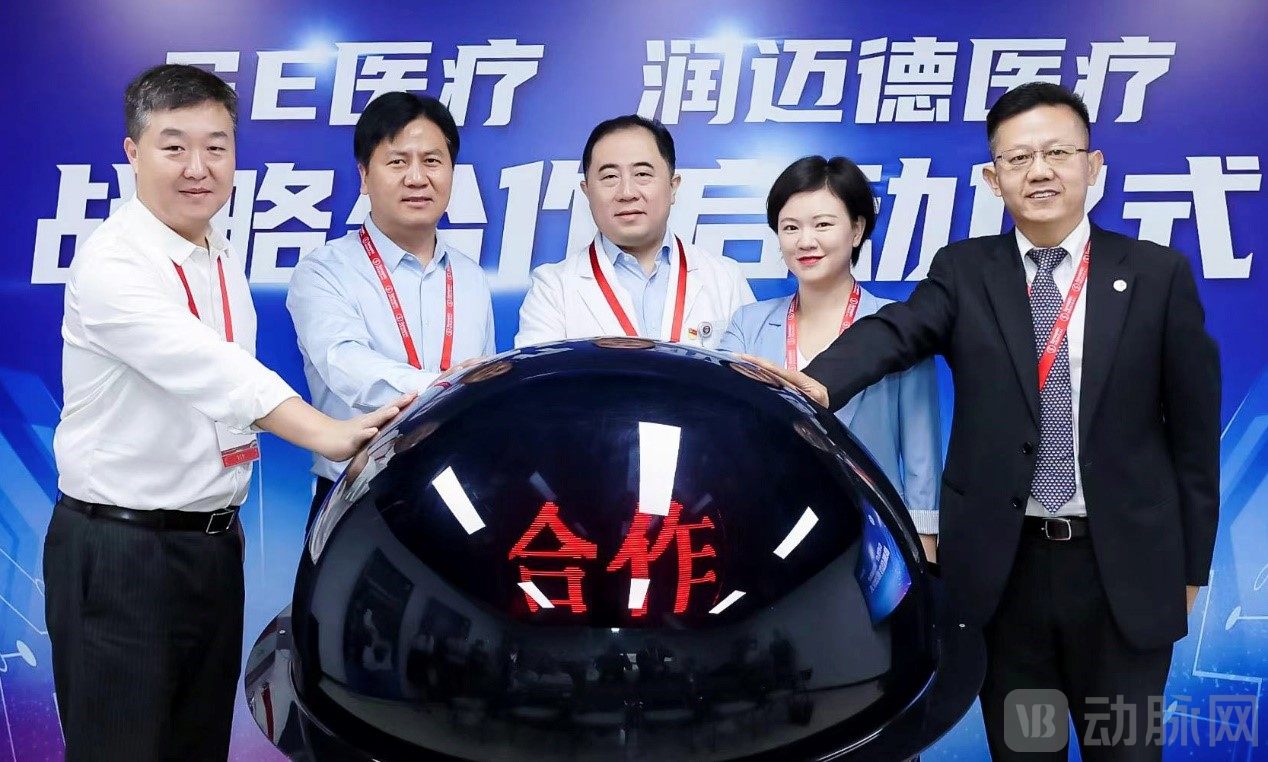
GE Healthcare China and Rainmed Medical Strategic Cooperation Launch Ceremony
Driven by Rainmed Medical’s robust capabilities in production, marketing, and sales, the deployment and commercialization of its caFFR product have achieved a leading position in the domestic FFR market. Having overcome the challenges of initial implementation, the company is now moving further toward profitability. Meanwhile, its well-established commercialization model will also facilitate the future market launch and commercial adoption of the caIMR product.
Looking Ahead:
Building a Platform-Based Enterprise: The Concept of the “Unmanned Operating Room” Is Emerging
This round of financing not only affirms Rainmed Medical’s past achievements but also represents a significant bet on the company’s future development strategy, propelling Rainmed Medical toward its vision of the “unmanned operating room.” Furthermore, with CFO Zhang Liang and Vice President Liu Kangjian both having worked in the capital markets for many years and possessing extensive experience in financial management and capital operations, they willPromote the standardized operations and continuous fundraising of Rainmed Medical, paving the way for a smooth future listing on the capital markets.
In terms of products, Rainmed Medical will continue to advance the clinical research and commercialization of its caFFR and caIMR products, aiming to build a globally leading vascular interventional surgical robot. Meanwhile,The company will continue to increase its R&D investment, constantly expand the application scope of its products, and gradually cover coronary arteries, cerebrovascular vessels, pulmonary arteries, renal arteries, and other peripheral vessels.
In terms of market development, the company will gradually expand its market presence through two major marketing centers in China and overseas, while establishing a comprehensive distribution network abroad. Regarding talent development, Runmaide Medical already has an R&D team of over 100 members. Moving forward, it will continue to enhance its “Medical Robotics” Research Institute and establish an “AI + Imaging” Research Institute, thereby cultivating more talent for the Chinese-made medical device industry.
Looking ahead, Rainmed Medical will build a platform-based enterprise centered on vascular interventional surgical robots. The development of interventional surgical robots in China is gaining momentum, and the company is poised to enter a fast-track growth phase.
Reference Article: “Professor Lu Qingsheng: Characteristics and Future Development Directions of Endovascular Interventional Surgical Robots”