

Hospitals Navigate Challenges in Scaling 'Internet + Nursing Care' Amid Rising Demand for Elderly Home-Based Services
At year-end, two “authoritative releases” drew considerable attention:
The National Health Commission issued the "Notice on Launching Pilot Programs for Elderly Medical and Nursing Care Services," explicitly requiring the implementation of pilot programs for home-based medical and nursing care services for the elderly, with 15 regions including Beijing, Tianjin, Zhejiang, Shanghai, and Guangdong designated as pilot provinces.
In the same week, the Central Committee of the Communist Party of China and the State Council issued the “Opinions on Strengthening Elderly Care Work in the New Era,” reiterating the development of “Internet + care services” and actively promoting home-based elderly care beds and nursing-oriented elderly care beds.
A common thread underlies both documents: China has further advanced into an aging society, and correspondingly, the importance of medical and care services for the elderly is becoming increasingly evident.
According to the data from the Seventh National Population Census, individuals aged 60 and above account for 18.7% of China’s total population. Amid the increasingly severe demographic challenges, elderly patients with chronic diseases, those with disabilities, and the very old face substantial time and energy costs in accessing hospital care, constrained by factors such as the uneven distribution of medical resources and economic conditions.
In 2019, the National Health Commission issued the “Pilot Work Plan for ‘Internet + Nursing Services,’” proposing that registered nurses provide home-based nursing services in an “online application, offline service” model to individuals with mobility impairments, such as the elderly of advanced age or those with disabilities. Consequently, the responsibility for addressing this issue has once again fallen on hospitals.
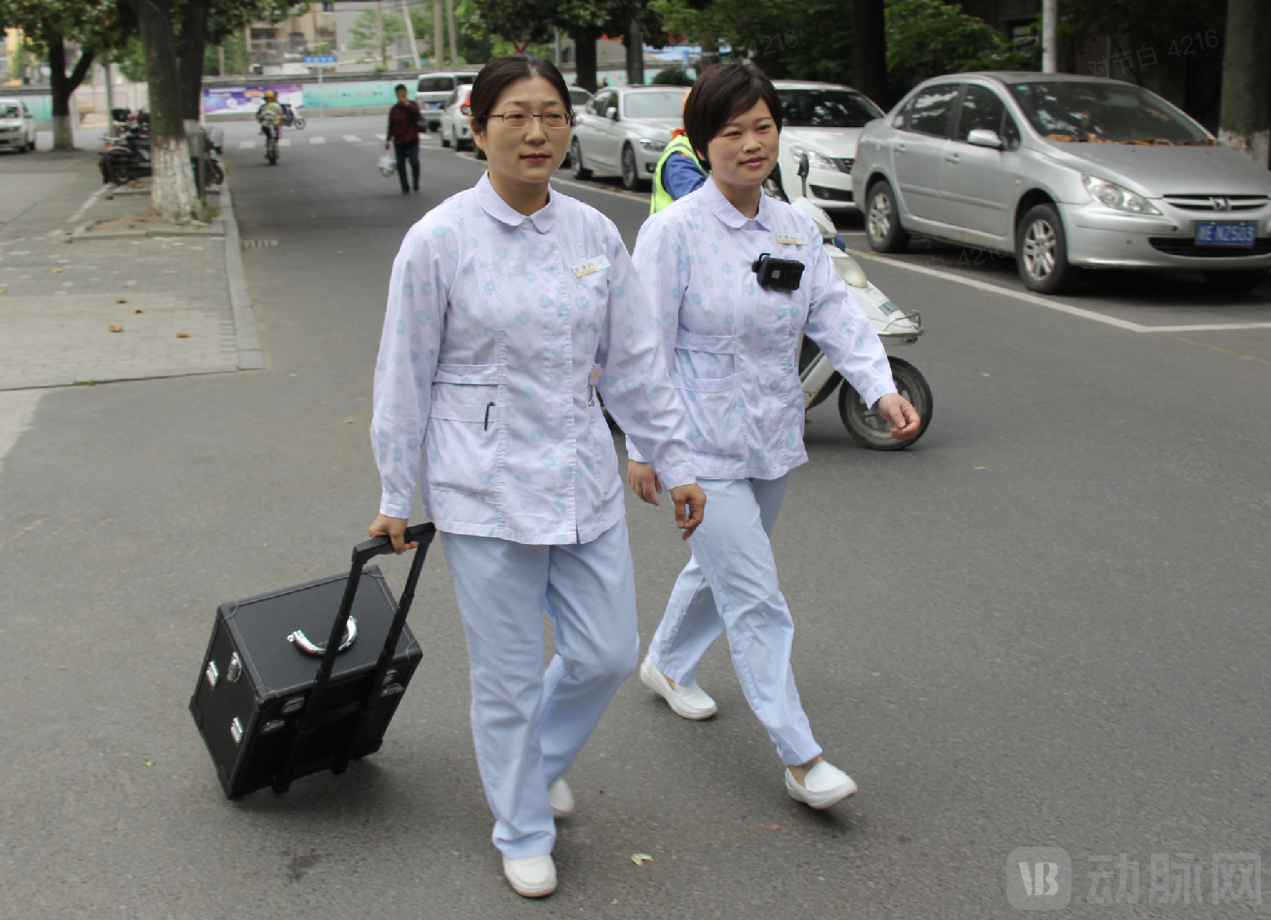
“Internet-Plus Nursing” Services and “App-Based Nurses”
Currently, the implementation of “Internet + Nursing” services in hospitals is primarily categorized into three models. The first is led by local governments, which integrate relevant functionalities into existing smart government or smart healthcare systems. The second is hospital-led, where hospitals commission enterprises to develop online nursing appointment features, with the hospitals assuming operational responsibility upon delivery. The third involves collaborative development between hospitals and platforms; in addition to providing technology, transportation, and insurance services, these platforms jointly operate with the hospitals and continuously optimize the services.
According to statistics, among public hospitals that have already implemented “Internet + Nursing” services, the third model leads in both adoption speed and scale. Its value lies in its ability to fully integrate hospital nursing resources while leveraging the advantages of enterprises, including mature internet thinking, operational flexibility, and stronger operational capabilities.
It is worth noting that during the pilot implementation of “Internet + Nursing” services in multiple regions, Weimai has been one of the earliest and most widely covered platforms in China offering such services. In implementing these services, Weimai has collaborated with hospitals to make numerous exploratory efforts.
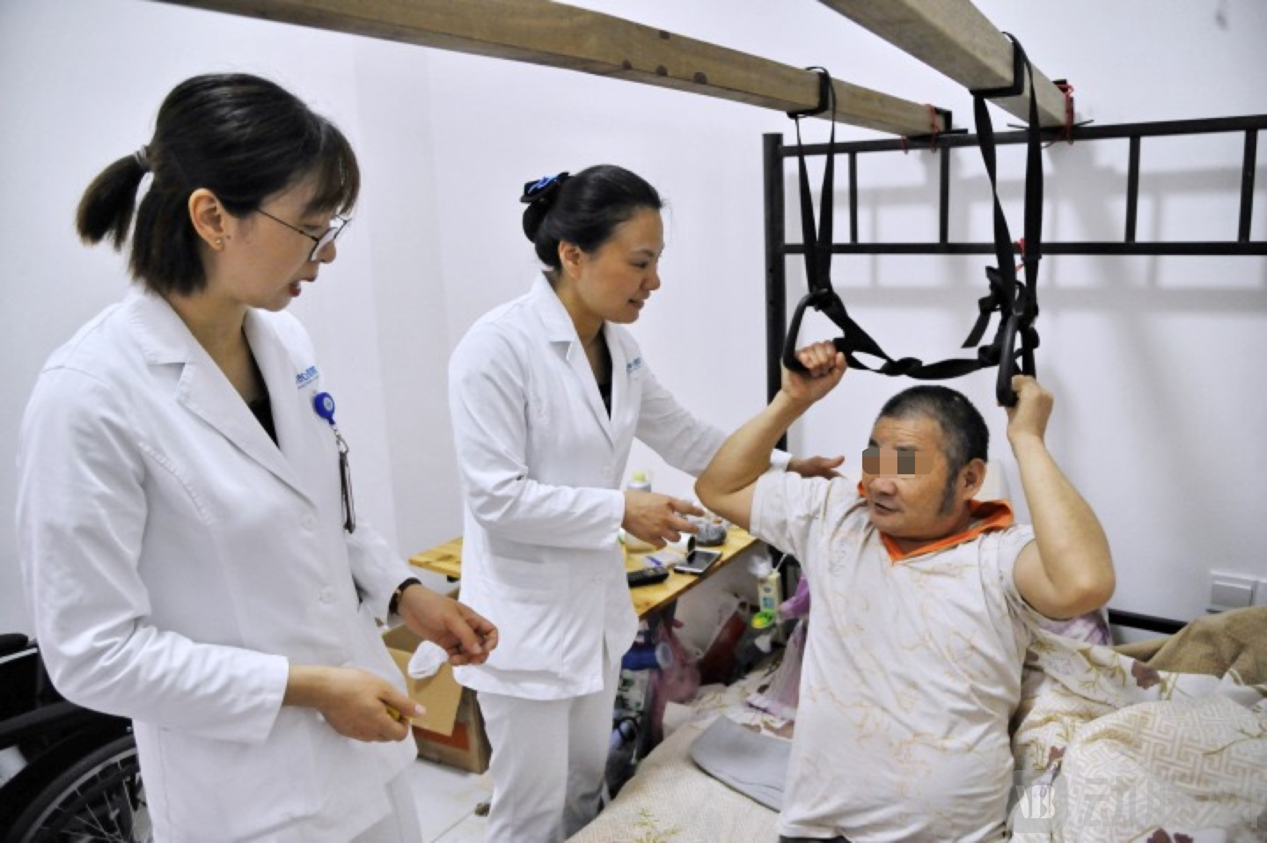
Nurses from Jinhua Central Hospital are providing home-based care for elderly patients.
The first “hurdle” is the issue of safeguards for service implementation. For healthcare professionals to step out of hospitals and into patients’ homes is far more complex than simple house calls. Which medical staff are suitable to serve as “home-visit nurses”? How can transportation and safety concerns be addressed? ... Implementing an entirely new model means that its architects must start from scratch, anticipating all potential challenges and devising corresponding solutions:
To address medical risks of significant concern to both healthcare providers and patients, Weimai has collaborated with hospitals to establish an insurance protection mechanism. This includes securing personal safety insurance and medical malpractice liability insurance for nursing staff, patients, and service items. Additionally, based on the Weimai App, one-touch emergency alert and audio recording features have been launched to ensure the personal safety of both medical personnel and patients.
To address the transportation needs of medical staff, both parties have integrated an online ride-hailing system into the platform, ensuring travel efficiency and reducing costs. Furthermore, Weimai and the hospital have conducted extensive research and established standardized protocols for patient billing and medical insurance payments.
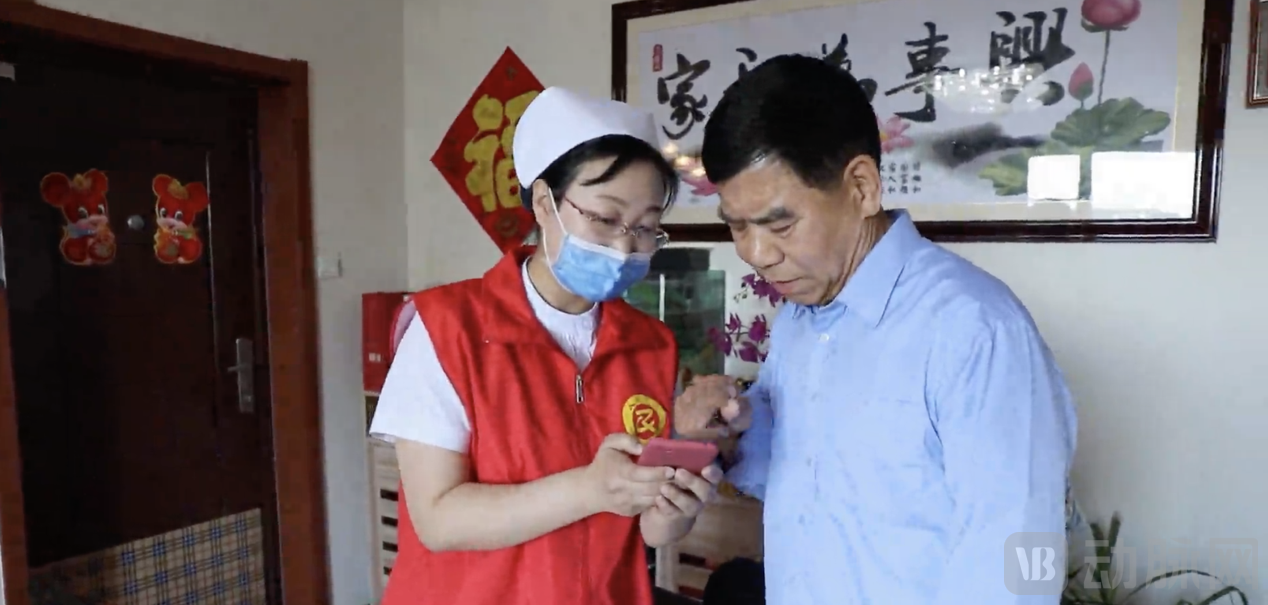
“Hebei Cangzhou’s ‘On-Demand Nurses’ Provide Home-Based Indwelling Catheter Maintenance Services for the Elderly”
With the “safety net” in place, the next consideration is a series of differentiated issues in the implementation of hospital services.
“Internet + Nursing”: “Nursing” is the content, and “Internet +” is the means. In Shaoxing, Zhejiang Province, multiple hospitals in the city have collaborated with Weimai to tailor solutions to each hospital’s specific needs, achieving the first city-wide full coverage of “Internet + Nursing Services” in urban areas across China.
Shaoxing Central Hospital operates multiple campuses locally. To address this, the hospital chose to directly launch on Weimai in the form of a “Medical Consortium,” breaking down technical barriers between campuses and expanding its service reach.
Catering to the elderly population’s preference for Traditional Chinese Medicine (TCM) nursing, Shaoxing Keqiao District Hospital of Traditional Chinese Medicine has upgraded its TCM nursing services through internet-based solutions, establishing a distinct competitive advantage among local TCM hospitals.
Shaoxing Second Hospital, in collaboration with Weimai, has jointly launched the “Dispatch Model,” enabling nurses to accept orders online during off-duty hours. This arrangement has increased their service-related income and boosted their motivation.
After medium and large hospitals established their “Internet + Nursing” service platforms, sub-district community health service centers were also able to integrate simultaneously. Through the decentralization of services, Shaoxing’s urban coverage rate for “Internet + Nursing” services ranks among the highest in Zhejiang Province and across China.
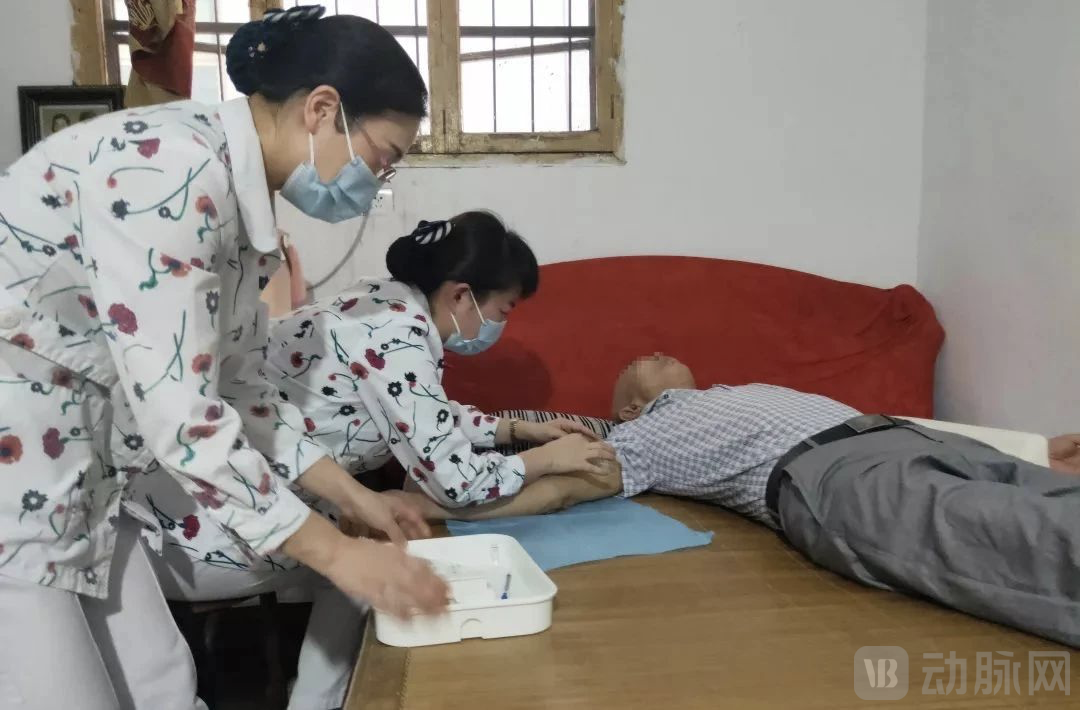
"Online Booked Nurses" Provide Home Nursing Care for Elderly Patients in Shaoxing
In addition to Zhejiang, hospitals in Henan, Shandong, Anhui, Sichuan, and other regions have also adopted the “Weimai Model” for home-based nursing care. For elderly patients in these areas, this approach maximizes the savings in medical consultation time and alleviates the burden of family caregiving. For hospitals and nurses, “Internet Plus Nursing” has likewise delivered unique value propositions.
For hospital nurses, in-hospital services mean "patients seek out nurses," with most nursing tasks carried out according to physicians' orders. In contrast, home-based medical and nursing care means "nurses seek out patients," requiring more thorough assessments of elderly patients to accurately identify their care needs. This poses the greatest challenge to the professional competencies of many healthcare providers.
The Director of the Nursing Department at a hospital in Sichuan stated, “Through home-based medical and nursing services, nurses have gained additional service-related income, which has boosted staff motivation and team stability. More importantly, nurses are proactively enhancing their professional skills, leading to improved patient satisfaction.”


On the Weimai platform, “on-demand nurses” have earned patients’ acclaim through their actions.
The impact of “Internet + Nursing” services on public hospitals is even more profound.
“By providing home-based nursing care, the hospital has expanded its public welfare influence and reputation, thereby attracting a stable patient base. When elderly patients or their relatives and friends have other healthcare needs in the future, they will think of this hospital first,” said Yang Dongdong, Director of the Nursing Department at Zhangqiu District People’s Hospital in Jinan City.
The data also corroborates Director Yang’s statement. On Weimai’s “Internet + Nursing” service platform, the patient with the highest number of orders scheduled nurse home visits from the same hospital 69 times within one year, averaging one appointment every five days, while the service coverage of some hospitals expanded by 1.5 times or more.
In the future, whole-course disease management services will be a key direction for the development of the healthcare service system. The Notice on Launching Pilot Programs for Elderly Medical and Nursing Care Services proposes that, after one year of pilot exploration, local experiences and typical practices in elderly medical and nursing care services that are replicable and scalable should be established.
This implicitly requires hospitals to use home-based care as an entry point, extending nursing services beyond hospital walls to cover post-diagnosis, post-examination, post-surgery, and post-discharge phases, thereby establishing a whole-course management service system aligned with the national context of population aging.
As the details of the “Notice” are implemented and social demand continues to grow, we have reason to believe that pilot provinces and internet healthcare companies represented by Weimai will bring us more mature experience in elderly care services. As an essential component of whole-course disease management, “Internet + Nursing” will also help hospitals achieve business growth, provide healthcare professionals with compliant income, and deliver more services to patients by extending post-discharge care.
In the future, “Internet + Nursing” will unlock greater potential and is worth anticipating by a broader audience.