

China-France Collaborative Bay Area International Vaccine Innovation Center Unveils World-Class Smart Vaccination Clinic and Files Prospectus
On December 4, the Greater Bay Area International Vaccine Innovation Center was inaugurated in the Biopharmaceutical Innovation Industrial Park in Pingshan District, Shenzhen, Guangdong Province, China. Centered on ecosystem innovation in vaccines, the center integrates functions including vaccine innovation incubation, immersive science popularization of vaccine knowledge, exhibition of the history of vaccine development, and exchange and cooperation in the vaccine field. It is China’s first international vaccine innovation center.
French Ambassador to China Laurent Bili sent a congratulatory message. Li Bin, Deputy Director of the National Health Commission and President of the Chinese Preventive Medicine Association; Lu Jiang, Deputy Director of the National Disease Control and Prevention Administration and Secretary of the Party Committee of the Chinese Center for Disease Control and Prevention; Jean-Marc Fenet, Minister-Counselor of the French Embassy in China; Feng Zijian, Secretary-General of the Chinese Preventive Medicine Association; Hervé Foucher, Consul General of France in Guangzhou; Su Shengfeng, Member of the Party Leadership Group of the Guangdong Provincial Medical Products Administration; and leaders from Pingshan District of Shenzhen Municipality, Sanofi Pasteur, and other relevant entities attended the opening ceremony.
The "2nd Greater Bay Area (Shenzhen) Vaccine Summit," co-hosted by the Chinese Preventive Medicine Association and the People's Government of Pingshan District, Shenzhen, was held concurrently.
The establishment of the Vaccine Innovation Center began in November 2019, when the “Memorandum of Understanding on Strategic Cooperation in Vaccine Innovation” was signed at the Great Hall of the People in the presence of the heads of state of China and France. The memorandum proposed to promote international cooperation in the research and development of innovative vaccines and to support Shenzhen in building China’s first world-class vaccine innovation center.
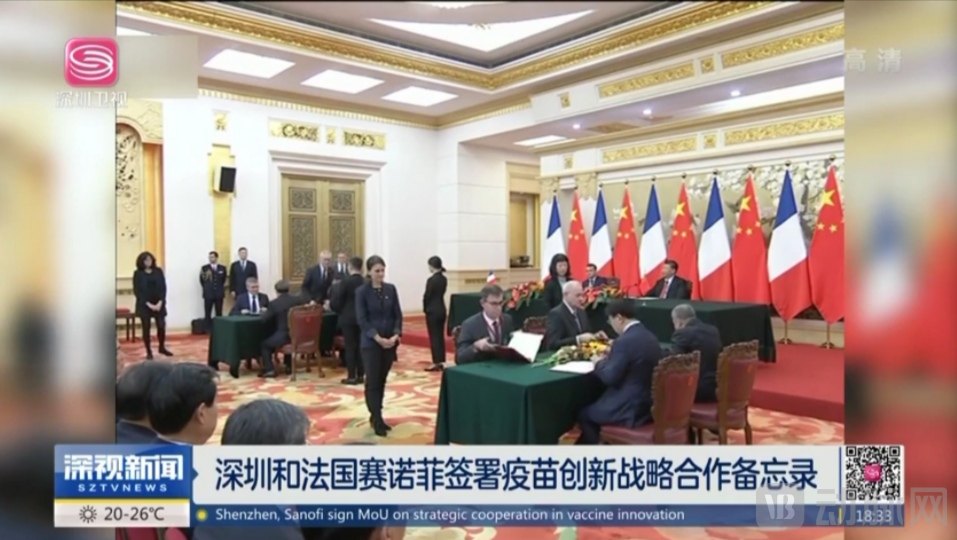
In early 2020, the novel coronavirus spread across the globe. As human lives and health faced significant threats, vaccines, regarded as the “ultimate solution” embodying the consensus of numerous experts, brought hope to the global fight against the pandemic. Guided by top-level design and driven by public expectation, Shenzhen Municipality and Sanofi Pasteur joined forces through government-enterprise collaboration to accelerate the development of the Greater Bay Area International Vaccine Innovation Center, thereby fulfilling ahead of schedule the mission entrusted to them by the peoples of China and France.
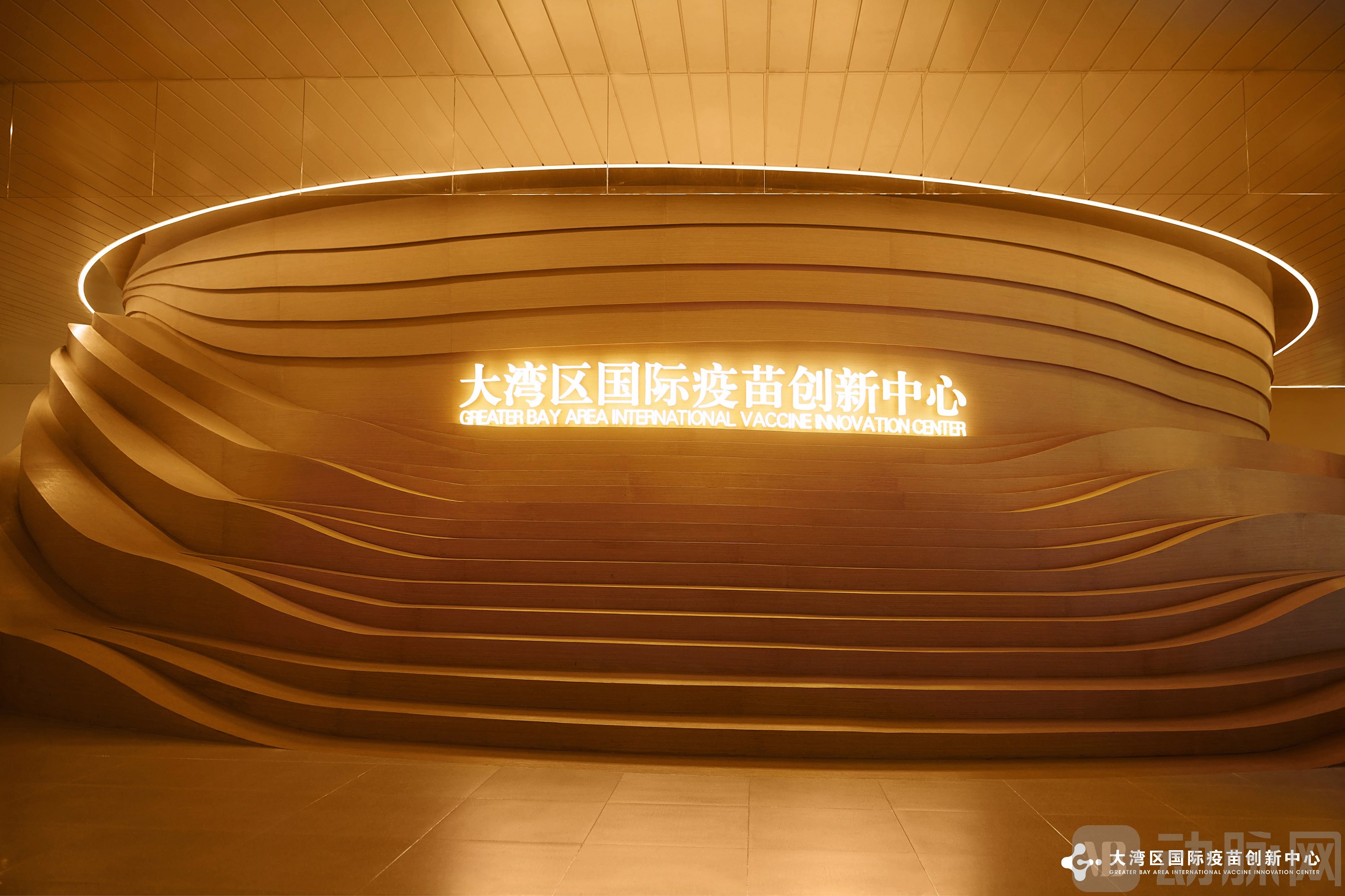
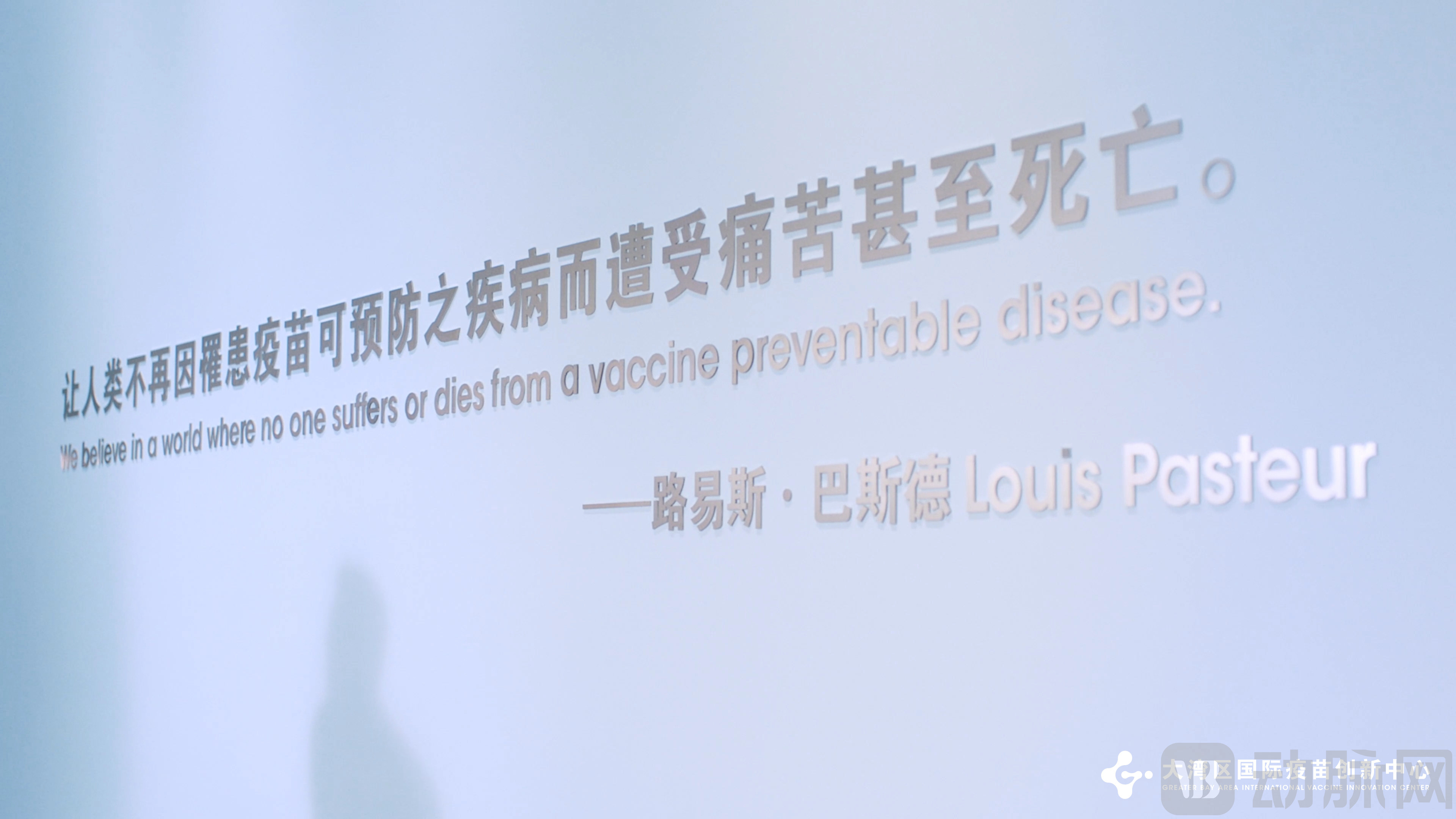
Vaccines are one of the greatest achievements in public health in the 20th century. As the most cost-effective and efficient means of protecting susceptible populations and preventing and controlling infectious diseases, vaccines have become a focal point of research in the biomedical field and a priority for industrial development.
The Greater Bay Area International Vaccine Innovation Center carries the dual significance of driving full-chain innovation and upgrading in China’s vaccine industry, as well as building a bridge for vaccine innovation cooperation between China and the global community.
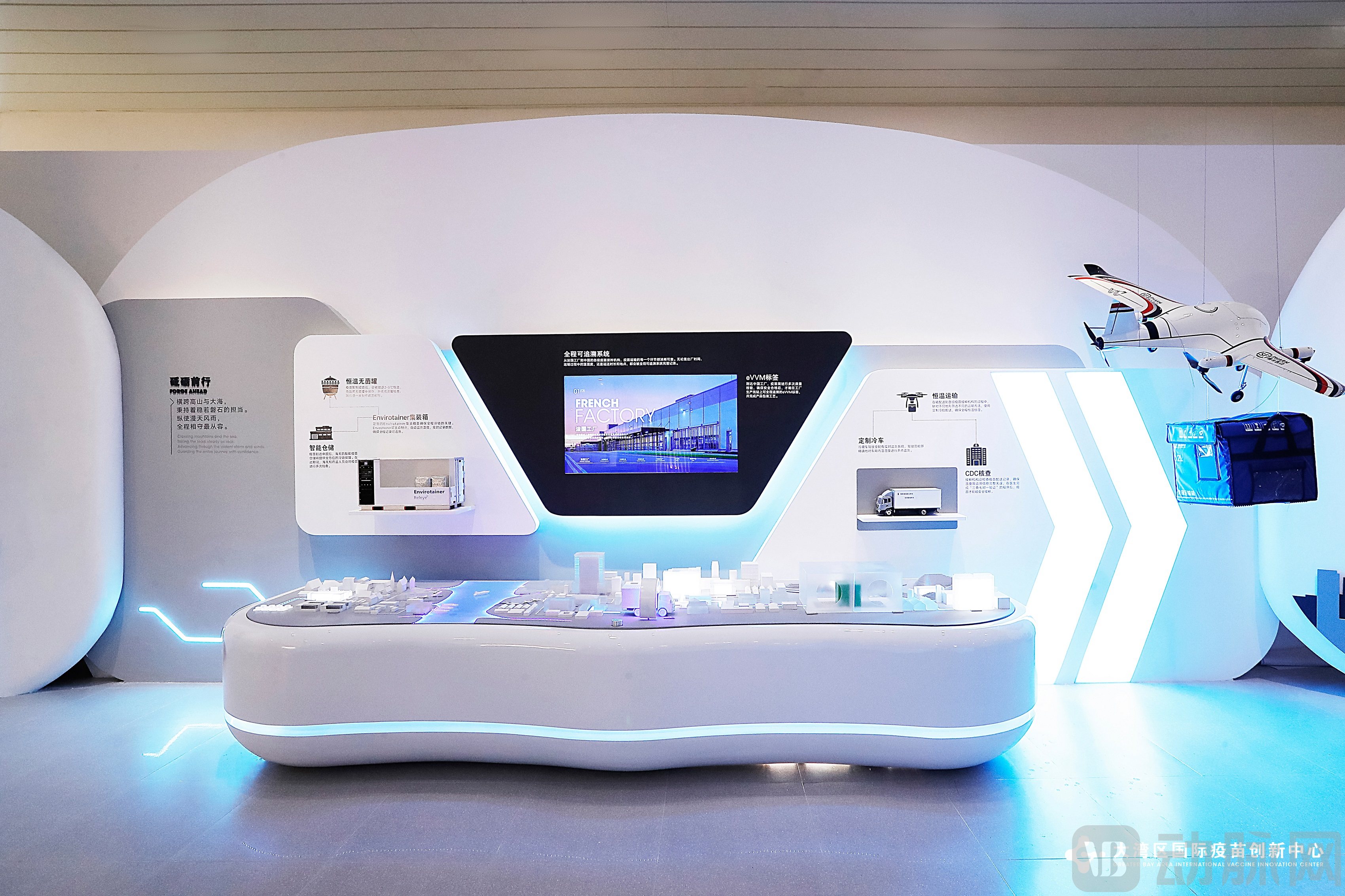
On the inauguration day of the Greater Bay Area International Vaccine Innovation Center, the 5G-enabled smart vaccination clinic and the unmanned vaccine administration system were unveiled as pioneering innovative achievements showcased by the center. According to reports, these solutions were jointly developed by 13 partners in the innovation ecosystem alliance. They integrate comprehensive functionalities spanning the entire vaccine lifecycle—from R&D, manufacturing, cold-chain logistics, and end-to-end electronic label traceability prior to arrival at the clinic, to cloud-based registration, intelligent pre-screening, integrated unmanned administration, and telemedicine services upon arrival. These innovations effectively streamline complex vaccination procedures, enhance vaccination efficiency and accessibility, and outline a comprehensive smart scenario for future vaccine administration.
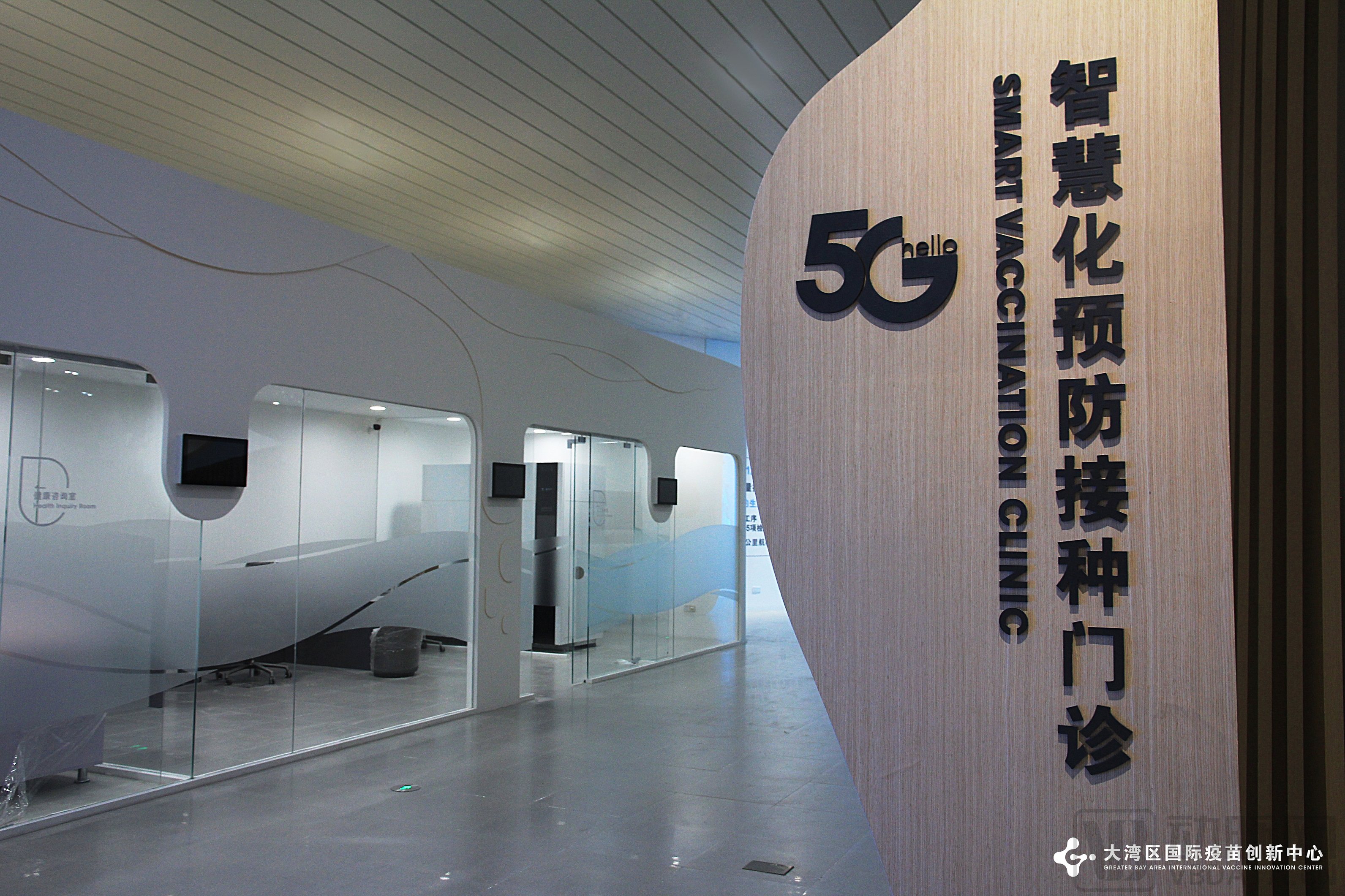
With the support of 5G-enabled smart vaccination clinics and unmanned vaccination systems, vaccination clinic staff burdened with heavy workloads, new parents exhausted by frequent visits to vaccination sites, and health regulators struggling with vaccine traceability will all be relieved from their predicaments and benefit from the fruits of technological innovation. In the future, leveraging technologies such as 5G, big data, cloud computing, and artificial intelligence, digital technology will bring about significant changes to the public health and healthcare industries. In the long run, the organic integration of various technologies is expected to substantially improve efficiency across vaccine research and development, supply chain, logistics, and administration, thereby providing solutions for public health needs in multiple scenarios.
“The Innovation Center will subsequently assume greater functions in commercial and technological incubation, supporting activities such as the demonstration of innovative technologies and achievements within the field, corporate roadshows, investment matchmaking, and talent training. This initiative aims to facilitate vaccine-related innovation and entrepreneurship, thereby empowering the development of public health.” Zhang Heping, Head of Sanofi Pasteur Greater China, expressed his hope that, by leveraging the Vaccine Innovation Center as a platform, an ecosystem and an innovation alliance can be established to jointly upgrade both the hardware and software infrastructure of public health.
Since the implementation of planned immunization in 1978, China has successfully eradicated infectious diseases such as smallpox and significantly reduced the incidence of hepatitis B, pertussis, and other infectious diseases. Currently, the vaccination coverage rate for vaccines included in China’s National Immunization Program has exceeded 90%.
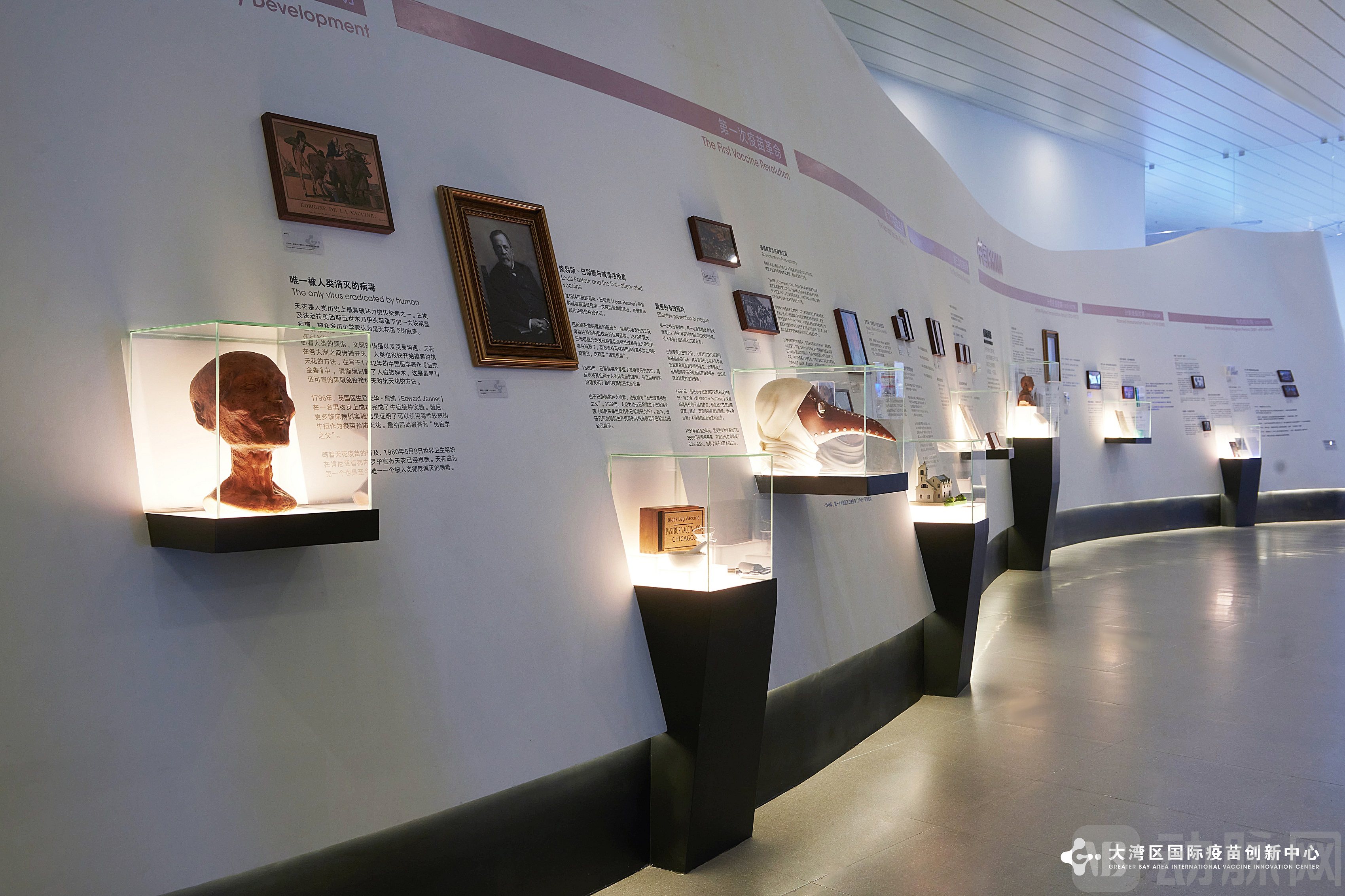
To enhance public scientific understanding of vaccines, facilitate the introduction and administration of innovative vaccines, and meet the health needs of residents in the Greater Bay Area, the Innovation Center will open its doors to the public as China’s first physical vaccine museum integrating technology and art exhibitions.
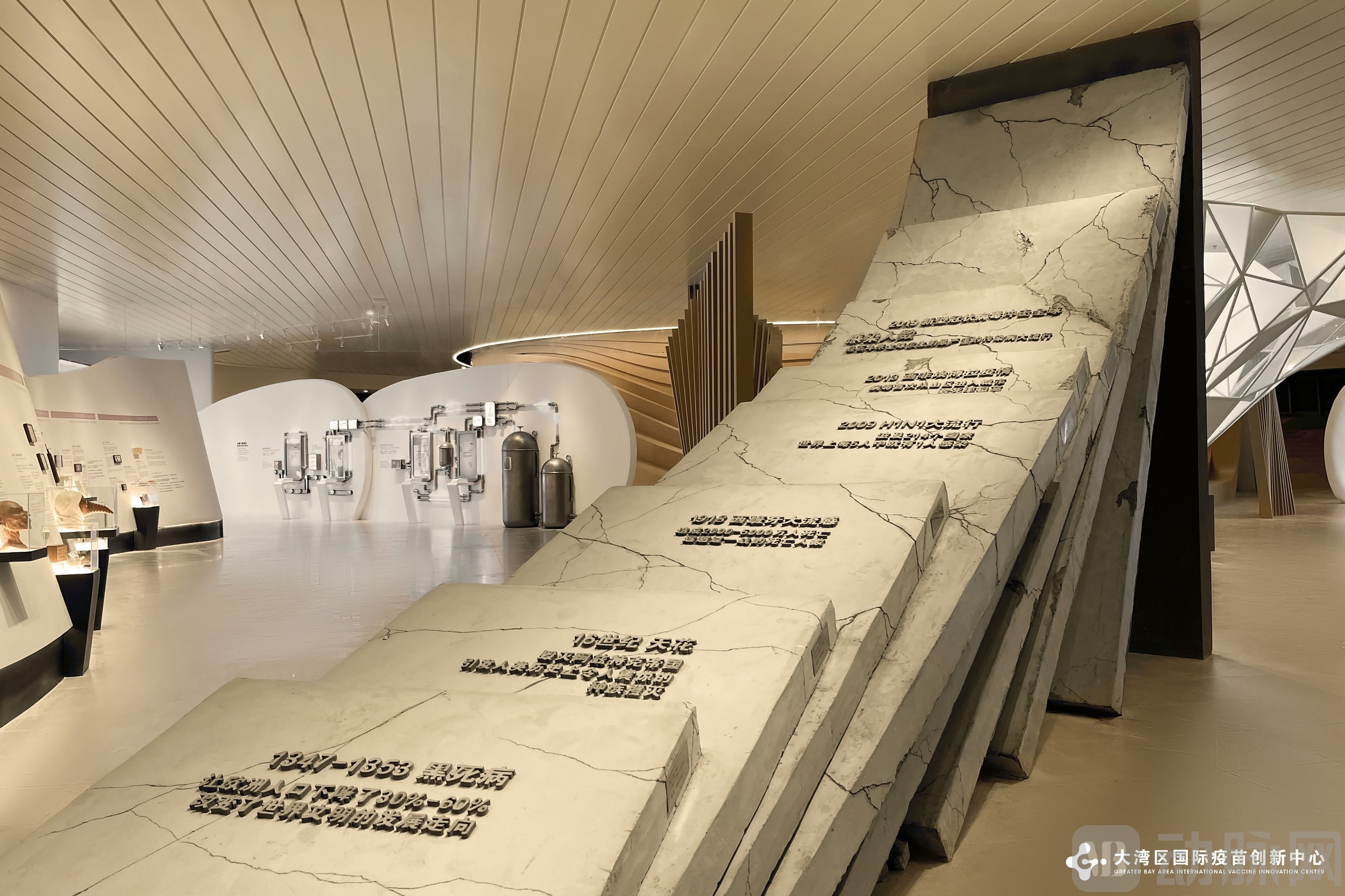
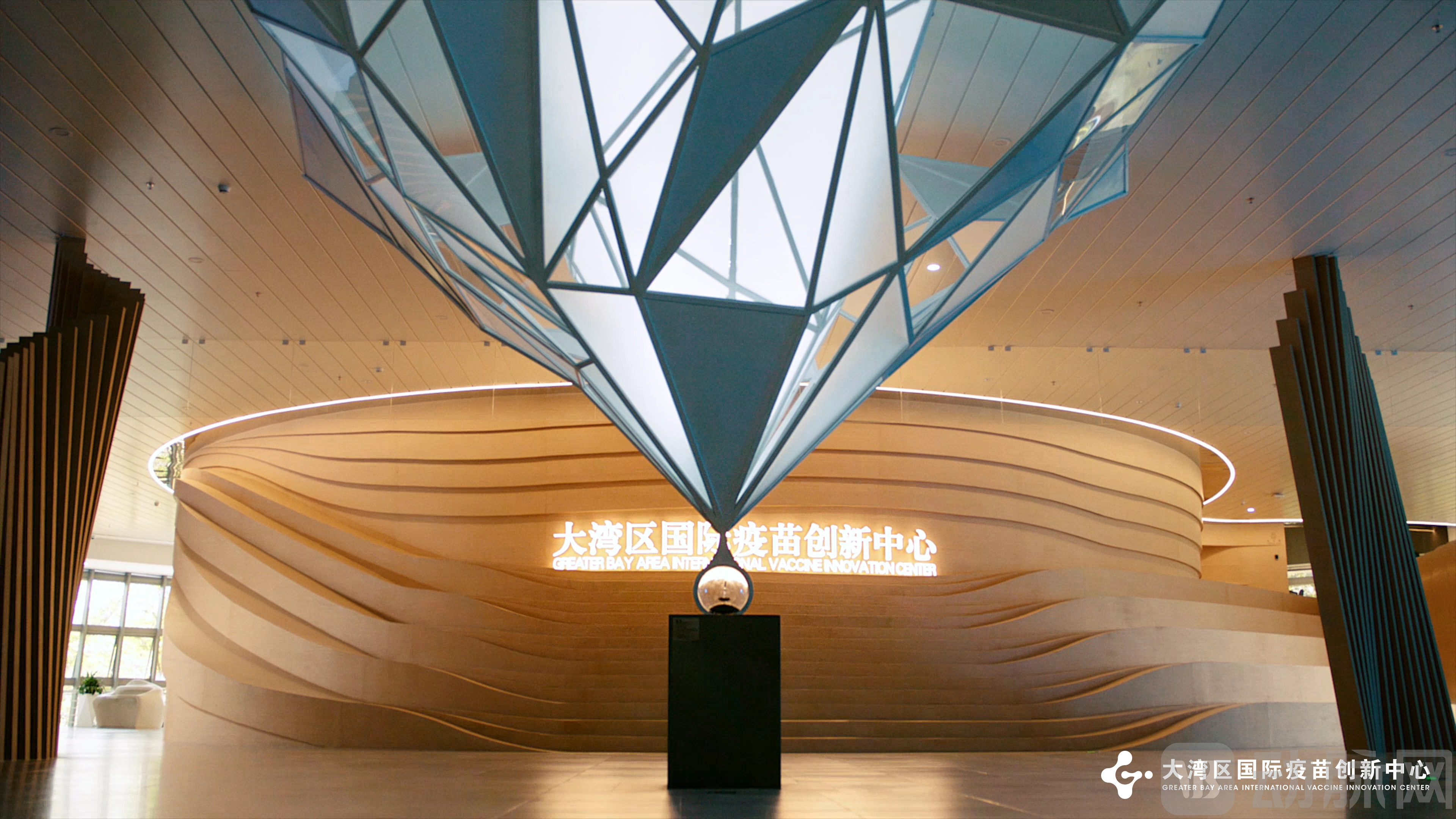
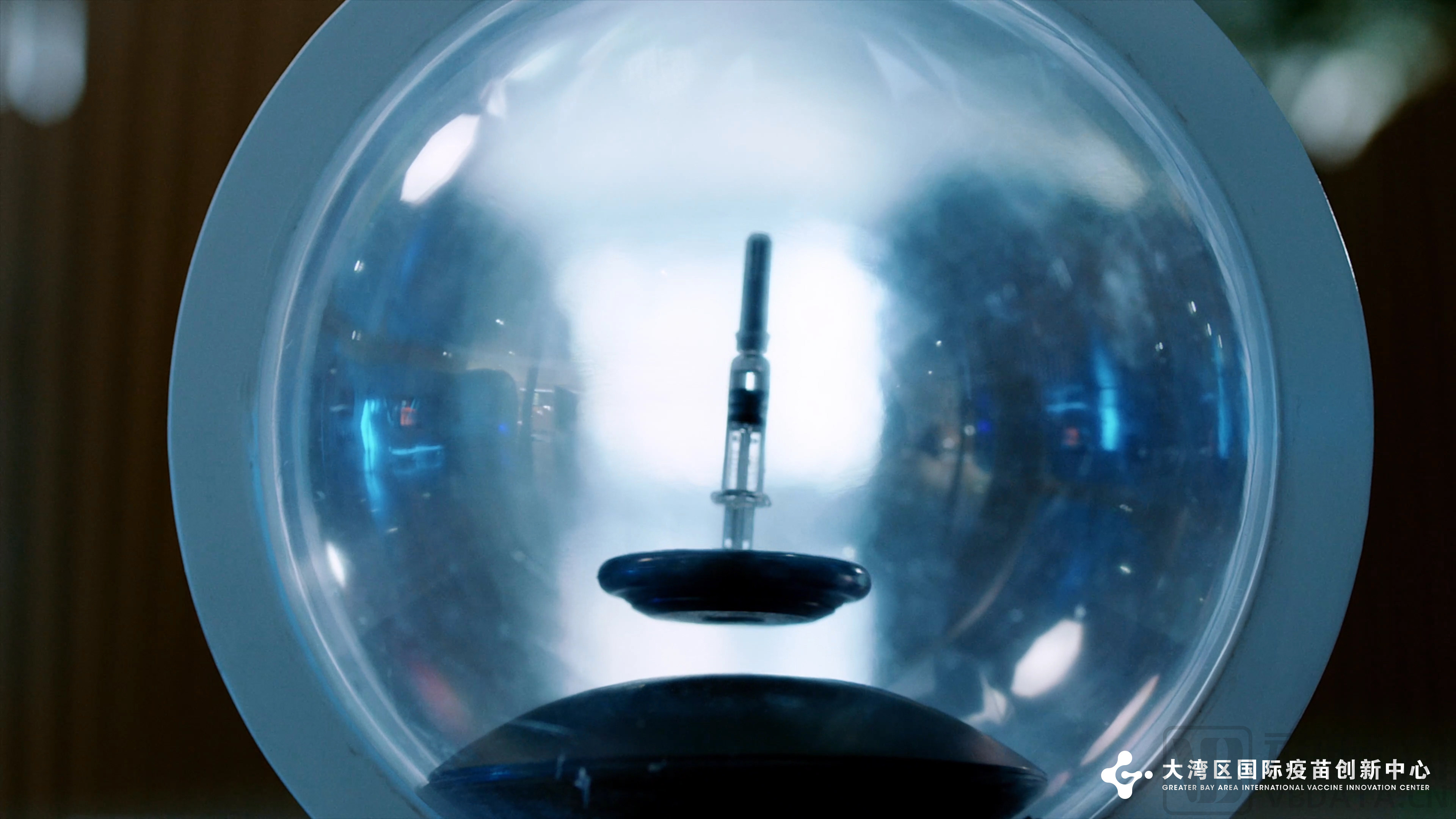
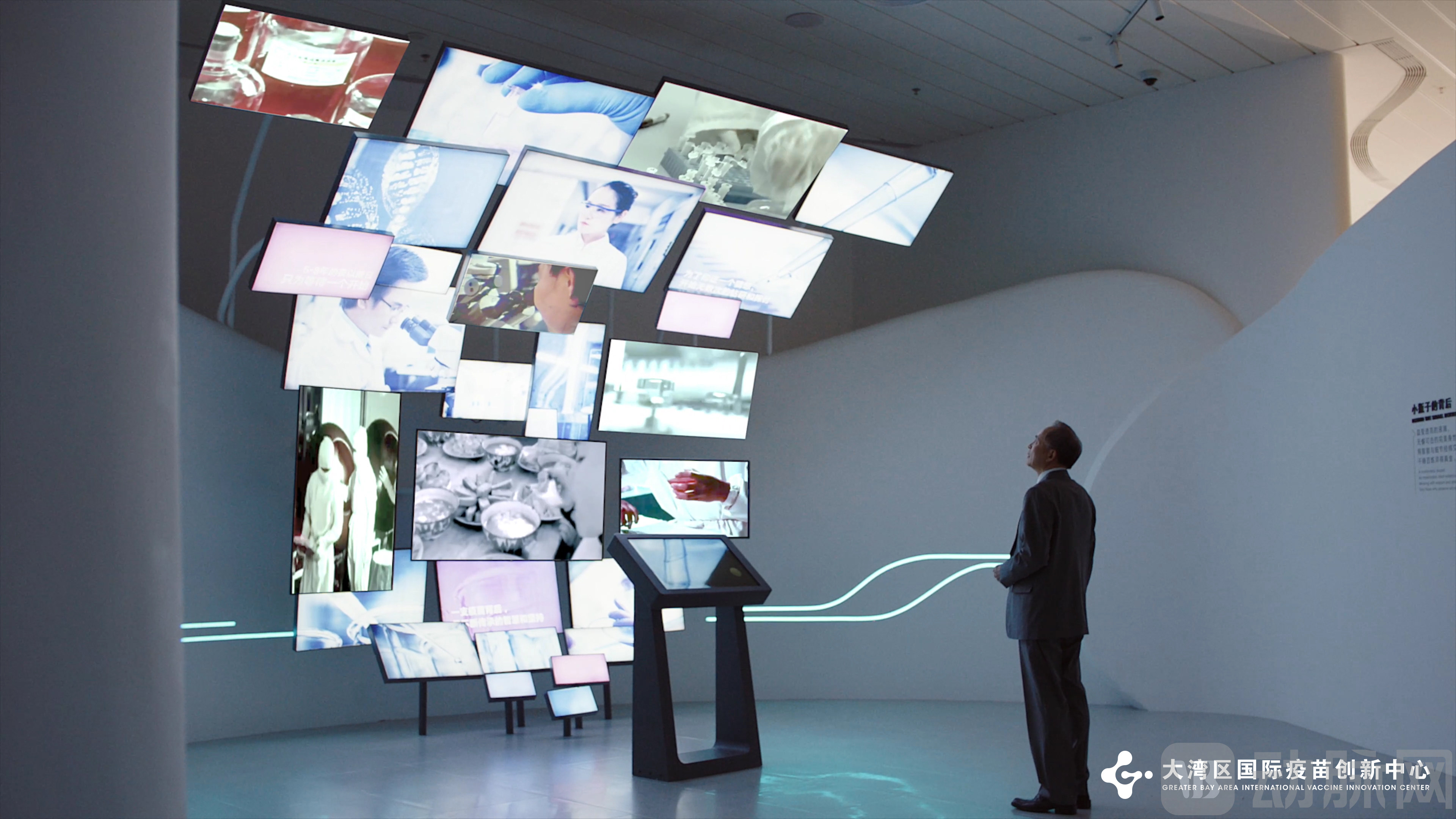
Spanning over 3,021 square meters, the museum features 14 exhibition points that chronicle the history and major achievements of China’s vaccine development and infectious disease prevention and control. Organized along a chronological axis, the narrative weaves together stories and key figures to highlight this progress. Furthermore, by integrating multimedia digital technologies, sculptural art, domino installations, sand tables, and simulated reconstructions, the museum presents a grand panorama of humanity’s innovative battles in vaccination.
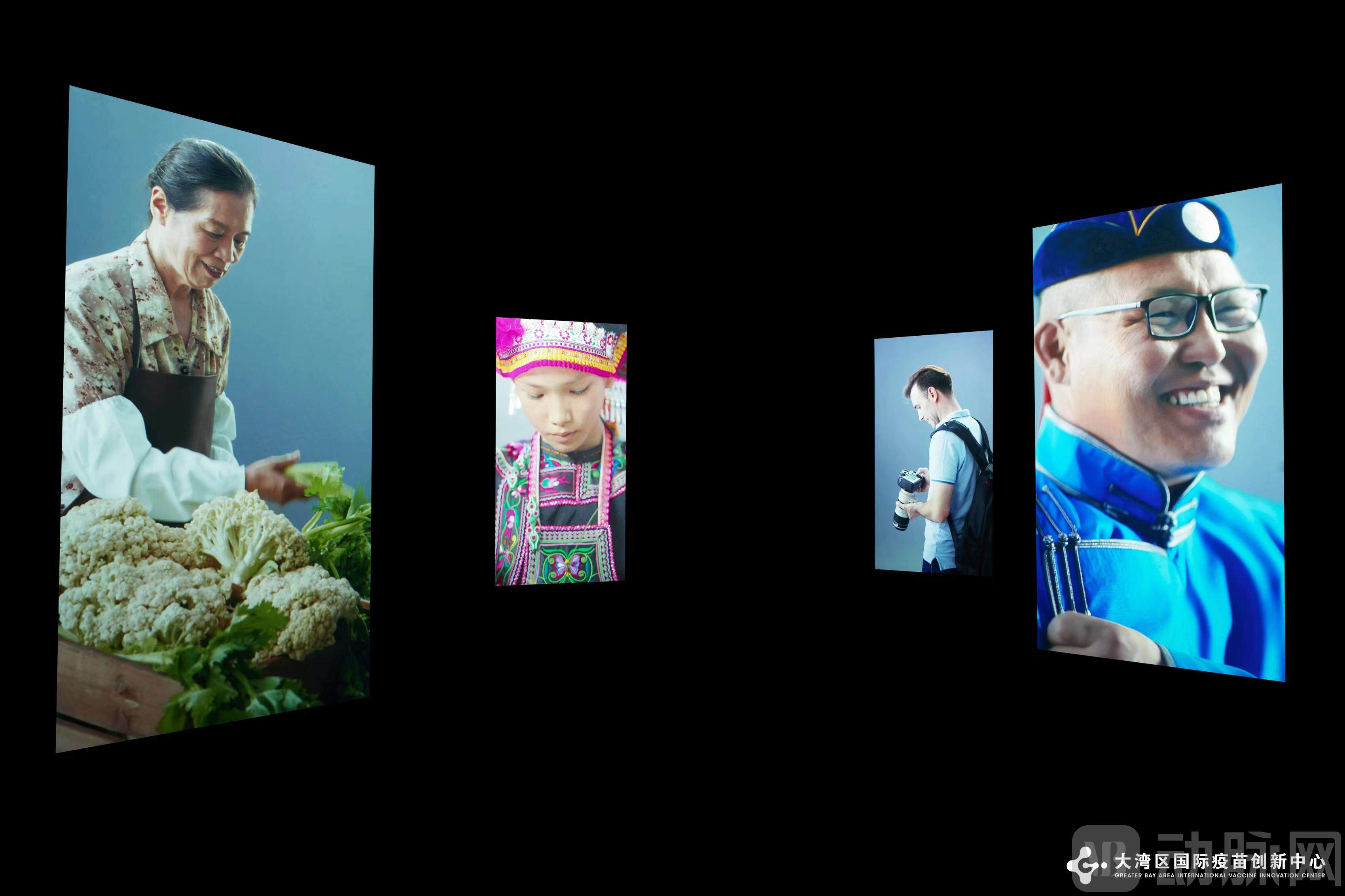
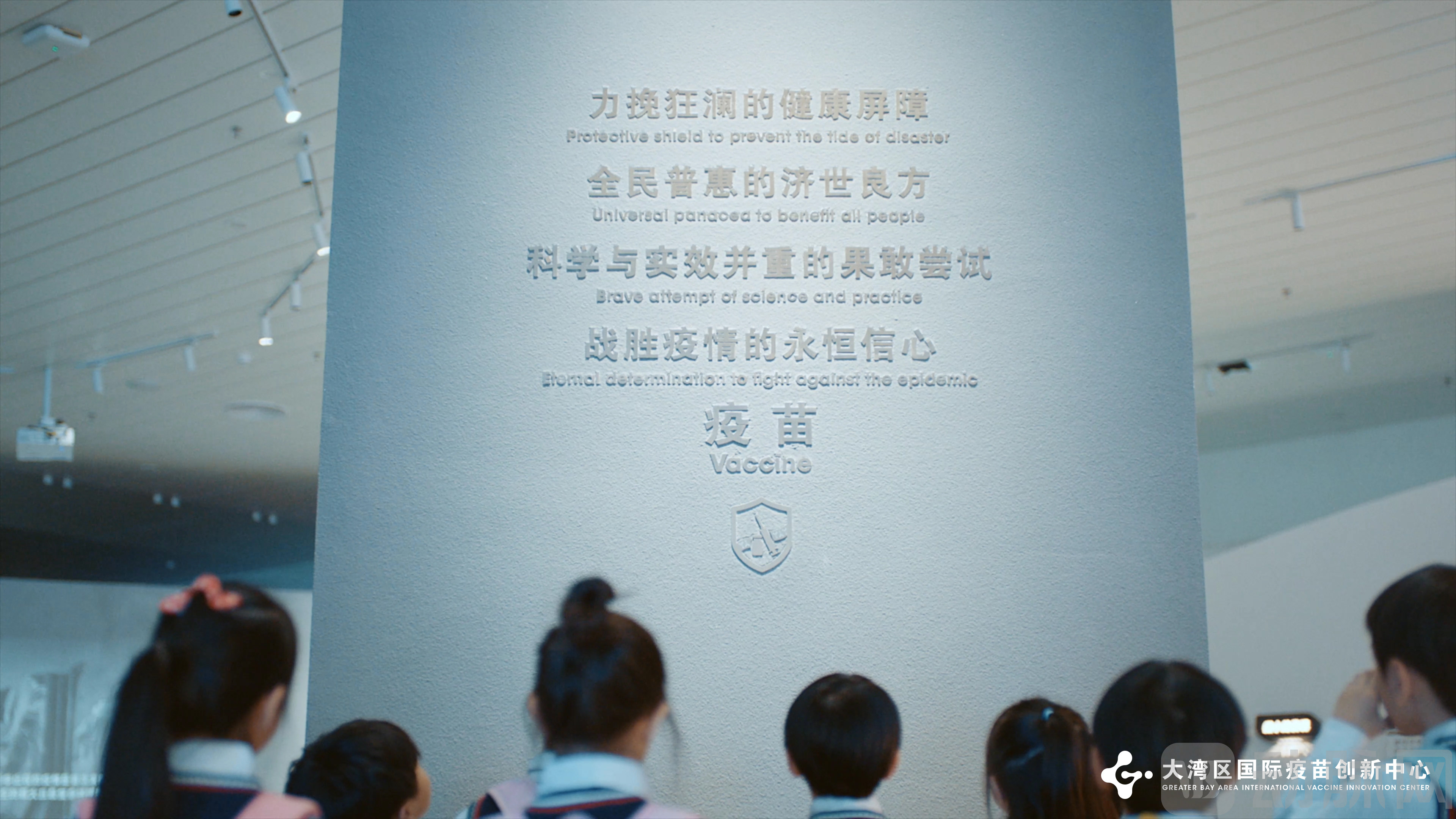
The sudden outbreak of the COVID-19 pandemic has served as a major test of public scientific literacy. To enhance public understanding of vaccines, the Innovation Center will not only remain fully open to the general public but also serve as a science education base for primary and secondary school students. By offering immersive experiences that integrate “technology, art, and humanities,” the Center aims to strengthen public awareness of vaccination and drive the advancement of the entire vaccine industry.
“We look forward to the Innovation Center becoming a source and incubator of new ideas and explorations in the international vaccine field, as well as a testing ground and accelerator for deeper global cooperation, achieving more genuine breakthroughs that benefit public health,” said Zhang Heping. The establishment of the Innovation Center marks another milestone in Sanofi Pasteur’s development in China, further fulfilling its steadfast commitment to safeguarding the health of the Chinese public through vaccine innovation.
Following the completion ceremony, the 2nd Greater Bay Area (Shenzhen) Vaccine Summit, themed “Innovation • Integration, Sharing Health,” officially commenced. Approximately 1,000 representatives from disease control and prevention agencies, the Greater Bay Area, international organizations, industry enterprises, academia, and media participated through a hybrid online-offline format. They jointly explored how to strengthen global cooperation in the inaugural year of the 14th Five-Year Plan, further enhance disease prevention and control capabilities, and contribute to achieving the “Healthy China 2030” initiative.