

Can Assisted Reproductive Technology Alleviate China's Population Crisis Amid Birth Rates Falling Below 1%?
According to the latest data from the 2021 China Statistical Yearbook, China’s birth rate in 2020 was only 0.852%, falling below 1% for the first time, while the natural population growth rate (birth rate minus death rate) also dropped to 0.145%. Experts predict that the era of negative population growth in China may arrive sooner than expected. The sharp decline in births and the accelerating aging of the population will pose significant challenges to China, particularly in areas such as labor supply and pension systems.
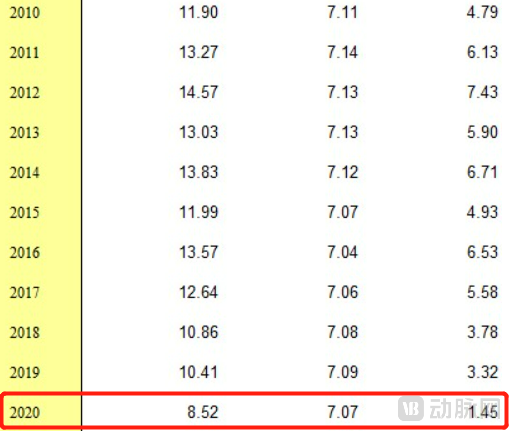
From left to right: China’s birth rate, death rate, and natural growth rate over the years (unit: ‰) (screenshot from the China Statistical Yearbook)
In the face of an increasingly severe demographic situation, the Chinese government has actively introduced relevant policies in recent years to reverse this trend. From the “two-child policy for couples who are both only children” in 2011, to the “universal two-child policy” in 2015, and further to the fully implemented “three-child policy” in 2021, the gradual relaxation of childbirth restrictions aims to improve China’s population structure, implement the national strategy for proactively addressing population aging, and maintain the country’s advantage in human resource endowments.
However, the actual impact of policy implementation has not been as significant as anticipated. Lu Jiehua, Vice President of the China Population Association and Professor in the Department of Sociology at Peking University, stated in a media interview that since the three-child policy was introduced in May 2021, no tangible results have been observed thus far. Addressing demographic challenges through the three-child policy is difficult, as third births account for a relatively small proportion of total births; first and second births are far more significant. Expectations following the earlier relaxation to allow two children were lower than previously projected, which led to the subsequent introduction of the three-child policy.
Whether it is the two-child or three-child policy, the key to alleviating China’s current demographic situation lies inAddressing the Challenges of “Unwillingness to Have Children,” “Inability to Afford Childbirth,” and “Inability to Afford Child Rearing” Among People of Childbearing AgeTherefore, supporting measures aligned with the policy were poised to be introduced following the implementation of the three-child policy.
On July 20, 2021, the second month after the full implementation of the three-child policy, the Decision of the Central Committee of the Communist Party of China and the State Council on Optimizing Fertility Policies to Promote Long-term Balanced Population Development (hereinafter referred to as the “Decision”) was officially released. The Decision made significant arrangements for implementing the three-child fertility policy and supporting measures, including abolishing restrictive measures such as social maintenance fees, developing various forms of inclusive services, improving maternity leave and maternity insurance systems, and promoting educational equity and the supply of high-quality educational resources. Related industries have also ushered in a new era of opportunities.
Article 4 of the Decision, “Improving the Level of Prenatal and Childcare Services,” states: (14)Standardizing the Application of Human Assisted Reproductive TechnologyStrengthen planning guidance, enforce rigorous technical approvals, and establish a human assisted reproductive technology (ART) service system that balances supply and demand with rational spatial distribution. Enhance oversight of ART services and strictly regulate the application of related technologies. Launch targeted initiatives to improve fertility capacity and standardize diagnosis and treatment services for infertility. This document elevates the assisted reproduction industry to unprecedented historical significance, serving as a crucial component in safeguarding and promoting the public’s reproductive health needs and fostering high-quality development in reproductive medicine.
In 2015, the National Health and Family Planning Commission issued the Guiding Principles for the Allocation Planning of Human Assisted Reproductive Technology (2015 Edition), to guide provinces (autonomous regions, and municipalities) in scientifically planning the development of human assisted reproductive technology from 2015 to 2020. The document proposed scientific planning for the allocation of human assisted reproductive technology and human sperm banks, ensuring standardized and orderly application of assisted reproductive technology, and stipulated in principle that one assisted reproductive technology (ART) medical institution should be established per 3 million population.
In 2021, with the implementation of the three-child policy, the Chinese government further standardized and supported the assisted reproductive technology (ART) industry at this critical juncture. It introduced new guiding principles for the 14th Five-Year Plan (2021–2025), responded to widely discussed proposals regarding fertility preservation for unmarried women, and proposed optimizing the licensing and approval processes for medical institutions providing ART services.
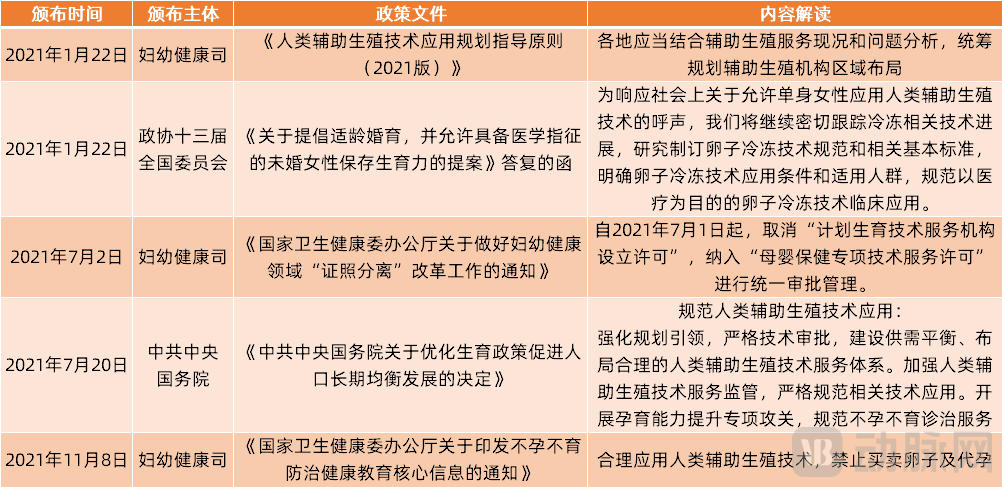
Policy Documents on Assisted Reproductive Technology Released in 2021
On January 22, 2021, the Department of Maternal and Child Health of the National Health Commission released the latest 2021 version of the “Guiding Principles for the Planning of Human Assisted Reproductive Technology Applications” (hereinafter referred to as the “Guiding Principles”), to guide all regions in formulating provincial-level plans for the application of human assisted reproductive technology (2021–2025) in accordance with relevant principles and requirements and local conditions, thereby ensuring the standardized and orderly development of the preparation and approval of human assisted reproductive technology services.
Amid the overall backdrop of a continued decline in China’s population of reproductive age and a stabilization in the volume of human assisted reproductive technology (ART) services, the new version of the Guidelines was promulgated. It requires that, in formulating the Plan for the Application of Human Assisted Reproductive Technology (2021–2025), all localities place greater emphasis on safeguarding social public welfare, optimizing the efficiency of resource supply, and improving service quality.
It is worth noting that the 2021 “Guidelines” classified human assisted reproductive technology institutions into three categories: “Husband's sperm artificial insemination, donor sperm artificial insemination, in vitro fertilization-embryo transfer, intracytoplasmic sperm injection”、“Preimplantation Genetic Diagnosis (PGD)”、“Human Sperm Bank”. It is required that the number of newly added assisted reproductive technology (ART) institutions providing “artificial insemination with husband’s semen, artificial insemination with donor semen, in vitro fertilization-embryo transfer, and intracytoplasmic sperm injection” from 2015 to 2021 shall not exceed 15% of the total number of such institutions as of the end of 2020. In principle, one ART institution may be established for every 2.3 to 3 million residents based on the permanent population. Furthermore, in principle, no more than one human sperm bank shall be established per province (autonomous region or municipality).
As of the end of 2020, there were a total of 536 medical institutions in China approved to provide human assisted reproductive technology (ART) services. If the new establishment requirements outlined in the “Guiding Principles” are applied, the number of ART institutions in China will exceed 600 in the next phase.
Following the promulgation of the Guidelines, many provinces and municipalities began planning to add new assisted reproductive technology (ART) institutions in the second half of 2021. In November, 12 provinces and municipalities, including Shanghai, Hebei, Henan, Tianjin, Guizhou, Anhui, Shaanxi, and Shanxi, successively released the “Plan for the Application of Human Assisted Reproductive Technology (2021–2025).” Among them, Sichuan Province planned to add 20 ART institutions, Anhui Province planned to add 10, and Shaanxi Province planned to add 10.
The addition of new ART institutions will expand the overall assisted reproductive technology market, meet more clinical demands for assisted reproduction, and bring significant benefits to the entire industry. Previously, China had a relatively small number of ART service providers, with a fragmented market and low concentration. The top five assisted reproductive institutions collectively held nearly 20% of the market share. However, the introduction of new ART institutions will help increase market concentration in the assisted reproductive sector, while also providing fair competitive opportunities for more public and private medical institutions to obtain assisted reproductive licenses, thereby optimizing and promoting the healthy development of the entire industry.
Professor Feng Huailiang, Member of the Assisted Reproductive Technology Standards Committee of the National Medical Products Administration (NMPA)It also stated that the promulgation of the "Guiding Principles for the Planning of Human Assisted Reproductive Technology Applications" (2021 Edition) has presented both opportunities and challenges for the assisted reproductive technology industry:
I. Opportunities:By increasing the opportunities for medical institutions across provinces and cities to obtain qualifications and by expanding the number of assisted reproductive technology (ART) facilities, access to medical care can be appropriately improved.Challenges:If the number of institutions increases without changes to current treatment and management models, it will not only lead to increased investment in and waste of medical equipment assets at new facilities, thereby raising treatment costs, but also result in inconsistent treatment quality and success rates. The problem of overcrowding at large centers and insufficient patient volume at small centers will persist.
II. From the Perspective of the Upstream Assisted Reproductive Technology Sector, which may immediately boost sales of medical devices, while the adoption and promotion of domestically produced brands—such as pharmaceuticals, reagents, consumables, and technical testing services—have created new market opportunities and avenues for growth. The expansion of treatment capacity drives up demand for reagents, consumables, pharmaceuticals, and diagnostic tests, while simultaneously heightening the need to reduce treatment costs. These are areas where domestic brands can deliver significant value, making their substitution for imported products highly consequential.
III. Have the newly added institutions truly increased the healthcare utilization rate and expanded the scope of technical services for patients with infertility?The key lies in how to increase the number of patients treated, reduce treatment costs, and improve treatment success rates. Based on the current operational model of healthcare institutions, only by adopting domestically produced drugs, reagents, and consumables can treatment costs be significantly reduced. However, this requires a urgent shift in mindset among these institutions.
In summary, given the uneven standards among assisted reproductive technology (ART) institutions in terms of treatment, management, and operations, coupled with regulatory constraints, whether true market share has increased remains contingent on the introduction of national policies. For instance, in other medical sectors, the state encourages and supports the use of domestically produced brands and relaxes operational models for institutions, aiming to reduce treatment costs and patient expenditures, thereby improving treatment success rates.
Following the implementation of the three-child policy, clinical demand for assisted reproductive technology (ART) has surged. According to a report by CCTV Finance on September 15, 2021, the number of patients seeking clinical ART services has increased to varying degrees in recent months. Data from iiMedia Research shows that China’s assisted reproduction market size reached approximately RMB 35.473 billion in 2020, representing a 12.9% year-on-year growth. Meanwhile, driven by the implementation of the three-child policy and enhanced service capacity in assisted reproduction, the penetration rate of assisted reproduction in China has further increased.
In China, the childbearing age for first-born children is primarily concentrated between 20 and 29 years, while that for second-born children is mainly between 25 and 34 years. The implementation of the “three-child” policy may lead to an increase in the number of advanced maternal age pregnant women (aged 35 and above), who face a higher risk of birth defects.
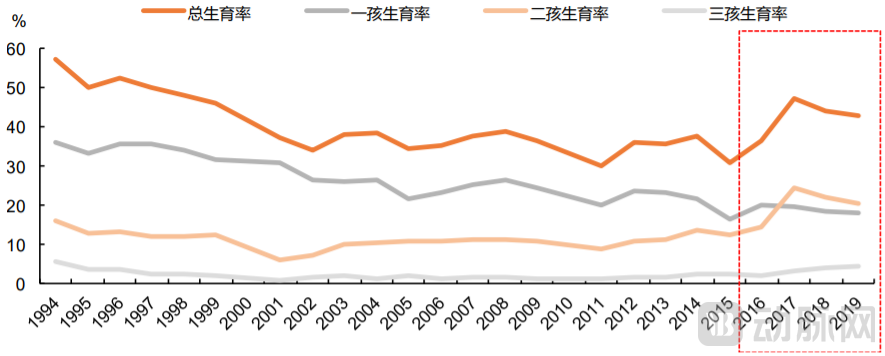
China's Total Fertility Rate and Fertility Rates for First, Second, and Third Children (Data Source:National Bureau of Statistics, Ping An Securities Research Institute)
In response to this situation, the state has further advanced the implementation of the three-tier prevention system for birth defects to safeguard healthy childbirth among the public. As can also be seen in the 2021 Guidelines, “Preimplantation Genetic Diagnosis (PGD) Technology"Institutions newly establishing and implementing preimplantation genetic diagnosis (PGD) techniques should be planned within medical institutions qualified for prenatal diagnosis, with a focus on evaluating the institution's technical conditions and genetic counseling service capabilities."
"The Guidelines" propose that, in principle, the number of institutions offering preimplantation genetic diagnosis (PGD) shall not exceed 30% of the number of institutions offering in vitro fertilization (IVF) technology. Each province (autonomous region, and municipality directly under the Central Government) shall, based on local conditions, clearly plan the number of assisted reproductive technology institutions authorized to perform preimplantation genetic testing (PGT). Institutions may only commence preimplantation genetic screening (PGS) after obtaining approval to conduct preimplantation genetic diagnosis (PGD).
The state has placed significant emphasis on the establishment of institutions for "preimplantation genetic diagnosis (PGD) technology."Expand the scope of newborn disease screening to promote early screening, diagnosis, and treatment.. Safeguard the health of pregnant women and children, comprehensively prevent and treat birth defects, and standardize the application of human assisted reproductive technologies. Among these, preimplantation genetic testing (PGT), also known as third-generation in vitro fertilization (IVF), is one of the most cutting-edge technologies in the field of assisted reproduction.
Third-generation in vitro fertilization (IVF) technology primarily utilizes preimplantation genetic testing (PGT) to screen out genetic defects, prevent hereditary diseases, and select normal embryos for implantation, thereby ensuring healthy offspring and achieving the goal of eugenics. Driven by the three-child policy, the rising number of advanced maternal age pregnancies will inevitably increase the clinical demand for third-generation IVF. Meanwhile, the national emphasis on establishing new prenatal diagnostic medical centers will further promote the development of the entire third-generation IVF industry.
In the past two years, PGT-related kits have also been approved for market launch in China. For example, Berry Genomics’ semiconductor sequencing-based PGT-A kit and Jiabaorenhe’s reversible terminator sequencing-based PGT-A kit have provided excellent product options for prenatal diagnosis medical centers implementing third-generation IVF technology.
According to the previously released "Report on the Current Status of Infertility in China" by the China Population Association, there are over 50 million couples of childbearing age in China affected by infertility, accounting for 12.5%–15% of the childbearing population. More than two decades ago, the infertility rate among China’s childbearing population was only 3%. This means that one in every six to eight couples faces infertility issues. According to Frost & Sullivan’s projections, the prevalence of infertility in China is expected to reach as high as 18.2% by 2023.
Multiple factors contribute to the rising infertility rate, including environmental pollution, lifestyle stress, and changing attitudes toward sexuality. The interplay of these complex factors has led to a surge in the number of infertile individuals in China. This has undoubtedly become one of the internal factors hindering the increase in China’s fertility rate, while assisted reproductive technology (ART) offers a solution to the challenge of infertility.
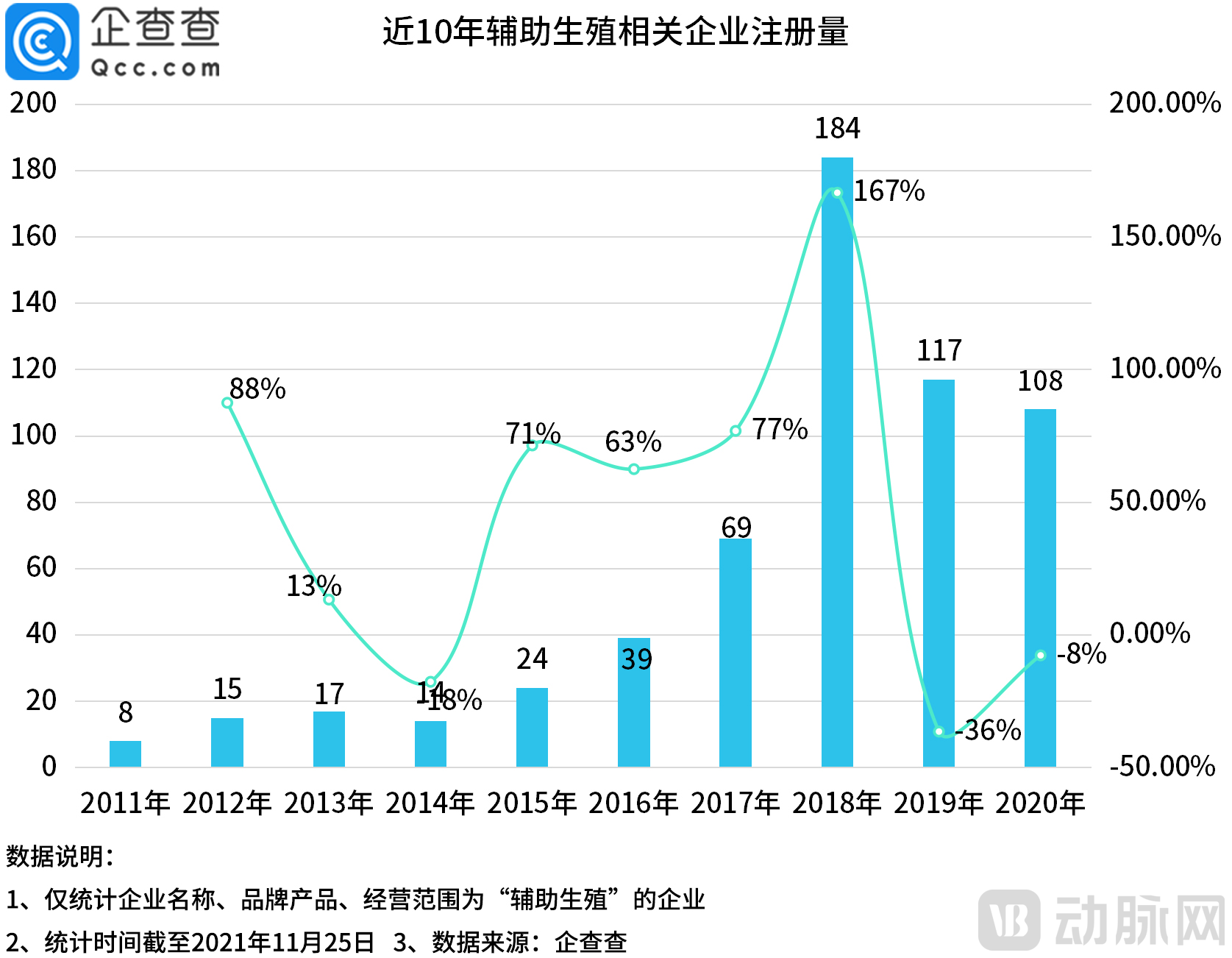
According to data from Qichacha, there are currently more than 640 existing enterprises related to assisted reproductive technology (ART) across China. Over the nearly ten years since 2011, the number of newly registered ART-related enterprises in China has shown a fluctuating downward trend. The number of registrations reached an all-time high in 2018, with 184 new enterprises, representing a year-on-year increase of 167%. In 2019 and 2021, the number of new registrations declined year by year, standing at 117 and 108, respectively. From January to October 2021, a total of 58 new ART-related enterprises were added, a year-on-year decrease of 41%.
China’s assisted reproductive technology (ART) industry primarily consists of upstream technology/product suppliers, midstream ART information service providers, and downstream ART centers. Based on keyword searches using Qichacha data, the current ratio of upstream technology/product suppliers to midstream ART information service providers among existing ART-related enterprises in China is approximately 3:1. Upstream medical device supply is dominated byRuibo Biorepresented by, under its umbrella already has13 ModelsMedical device products (as shown in the figure below) have obtained registration certification from the National Medical Products Administration. The products basically cover 95% of the consumables used in assisted reproductive technology procedures, fully replacing imported products and reducing the cost of assisted reproduction.
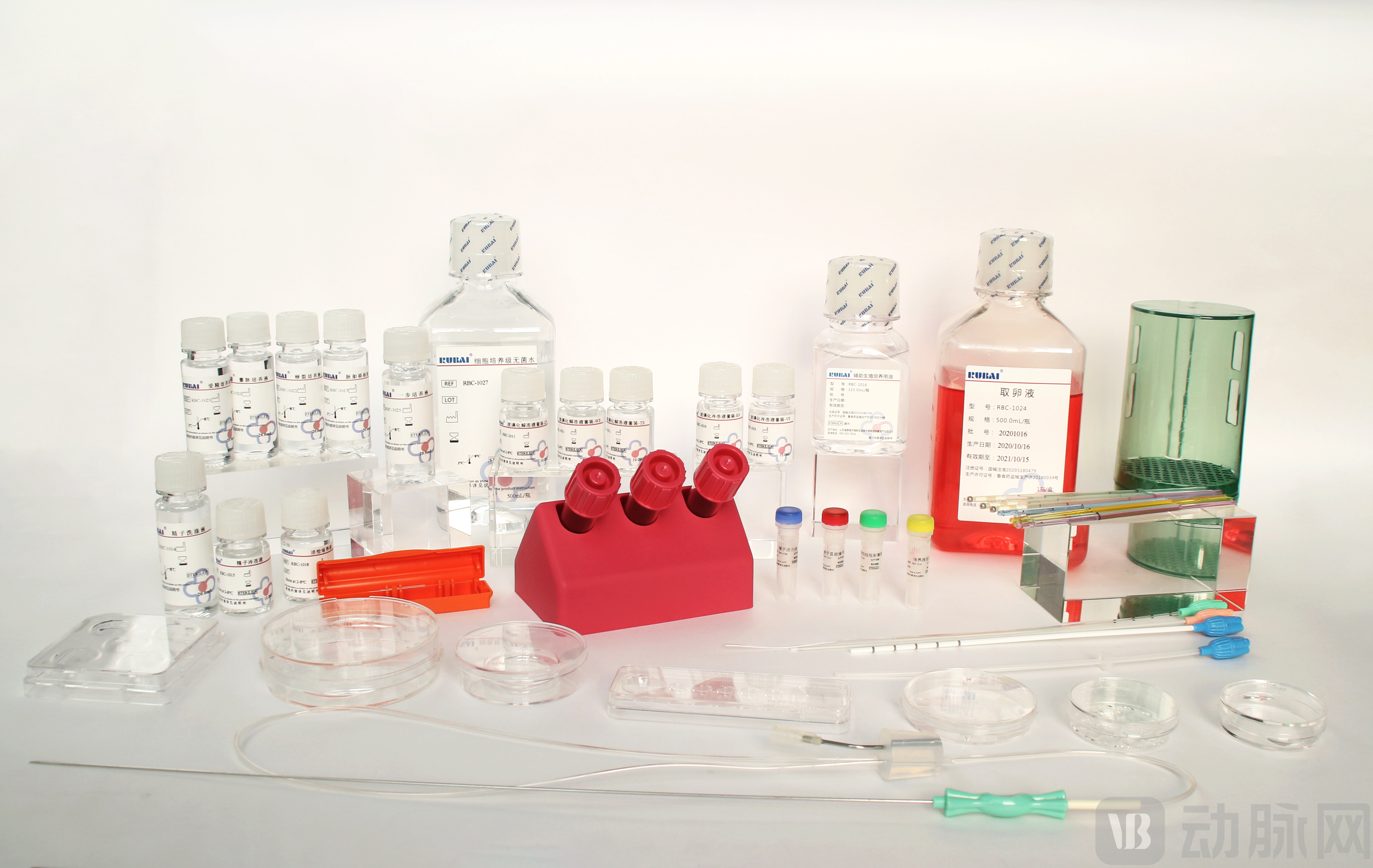
Medical devices used in assisted reproductive technology, including culture media, oocyte retrieval fluids, petri dishes, and cryoloops
Upstream assisted reproductive technologies are primarily categorized into first-generation (IVF), second-generation (ICSI), and third-generation (PGT) in vitro fertilization techniques. First- and second-generation IVF mainly address male and female infertility, whereas third-generation IVF services are primarily targeted at families with repeated implantation failures after first- or second-generation IVF, as well as high-risk couples with chromosomal abnormalities or a family history of monogenic genetic disorders who are at risk of having offspring with genetic anomalies.
In China, the average success rate of first-generation (IVF) and second-generation (ICSI) in vitro fertilization is currently around 50%, which can address the fertility issues of most patients with infertility. For patients who experience repeated implantation failure using first- or second-generation techniques, third-generation (PGT) IVF technology can be employed. This approach improves the success rate of assisted reproduction by selecting healthy embryos, preventing and controlling genetic risks, and decoding uterine factors (through endometrial receptivity analysis).
Although assisted reproductive technology can increase the fertility rate of people with infertility, the current penetration rate of assisted reproduction in China is very low.In 2018, the penetration rate of assisted reproductive technology (ART) in China was only 7%, compared with 30.2% in the United States, indicating a significant disparity.However, even if the penetration rate of assisted reproductive technology (ART) in China reaches 30.2%, comparable to that of the United States, driven by increased public awareness and adoption of in vitro fertilization (IVF) as well as technological maturation, this would only address infertility issues for 15 million couples of childbearing age. In the face of the current challenge involving approximately 335 million men and women of childbearing age (15–49 years) in China who are “unwilling to have children,” the contribution of ART remains merely a drop in the bucket.
Supporting the assisted reproductive technology industry is one of the supportive measures to improve the quality of eugenics and childcare services domestically and alleviate China’s demographic challenges. To comprehensively address China’s demographic situation, it can be gleaned from the “Decision” that the state is actively exerting efforts across seven dimensions, including enhancing family development capabilities, establishing and improving a comprehensive assistance and security system for families with special family planning circumstances, and developing an inclusive childcare service system, so as to support the smooth implementation of fertility policies and mitigate China’s demographic pressures.
2021 marked a new historical high for the assisted reproductive technology (ART) sector. Early in the year, a celebrity’s surrogacy scandal thrust the ART industry into the spotlight, clearly delineating the boundaries of ART in China: medical institutions and healthcare professionals are strictly prohibited from implementing surrogacy in any form. In February of the same year, Berry Genomics, a leader in genetic testing for assisted reproduction, listed on the Hong Kong Stock Exchange, becoming the first publicly traded company in China specializing in ART-related genetic testing. In May, the implementation of the three-child policy prompted an immediate response from the secondary market, with shares of Jinxin Fertility, a leading ART enterprise, surging by more than 22% in a single day.
Similarly, the number of approved upstream medical devices for assisted reproductive technology (ART) also reached another peak in 2021. According to data from the official website of the National Medical Products Administration (NMPA), as of the end of November, more than 70 ART medical devices had been approved in China. Among them, a total of 27 ART medical device products were approved in 2021 alone, accounting for 40% of the total.
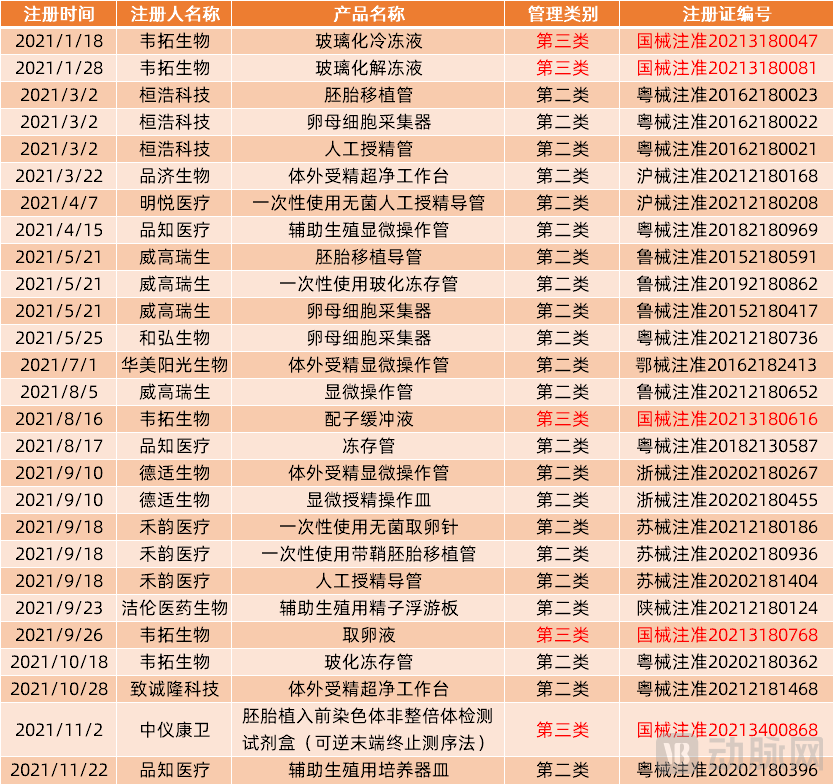 2021Annual Assisted Reproductive TechnologyMedical DevicesLatestApprovedSituation (Data Source: Official Website of the National Medical Products Administration)
Among the 27 assisted reproductive technology (ART) devices approved in 2021, except for the ART diagnostic kit approved for Zhongyi Kangwei (a wholly-owned subsidiary of Jiabao Renhe), all other approved products were ART operational devices. Weituo Biology had four products—“Vitrification Thawing Solution,” “Vitrification Freezing Solution,” “Gamete Buffer Solution,” and “Oocyte Retrieval Solution”—approved in January, August, and September of this year, respectively; all are Class III medical devices, the highest regulatory classification. Additionally, its Class II medical device, the “Vitrification Cryotube,” was approved in October of this year.
In addition, other companies with a significant number of approved assisted reproductive technology devices this year include Weigao Ruisheng, Heyun Medical, Huanhao Technology, and Pinzhi Medical, which obtained 4, 3, 3, and 3 Class II medical device registration certificates, respectively.
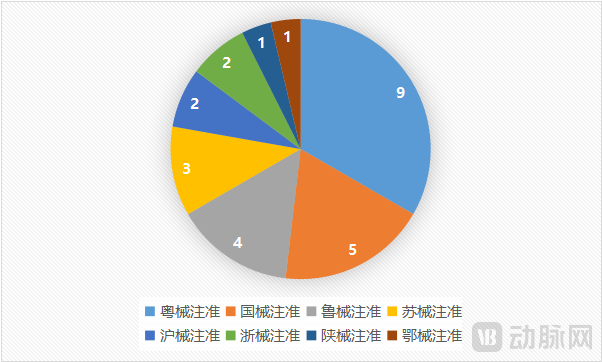
Number of Newly Approved Assisted Reproductive Technology Products in 2021, by Registration Location (Unit: Count)
An examination of product registration locations further reveals that the majority of assisted reproductive technology (ART) devices approved this year are Class II medical devices registered with provincial Medical Products Administrations. Notably, Guangdong Provincial Medical Products Administration approved the highest number of ART medical devices in 2021, accounting for over 30% of the total, with nine products approved therein. Additionally, five Class III medical devices were approved by the National Medical Products Administration. Apart from the aforementioned product approved for Weituo Biotech, the other is the PGT-A kit submitted by Zhongyi Kangwei, which was launched to the market this year.
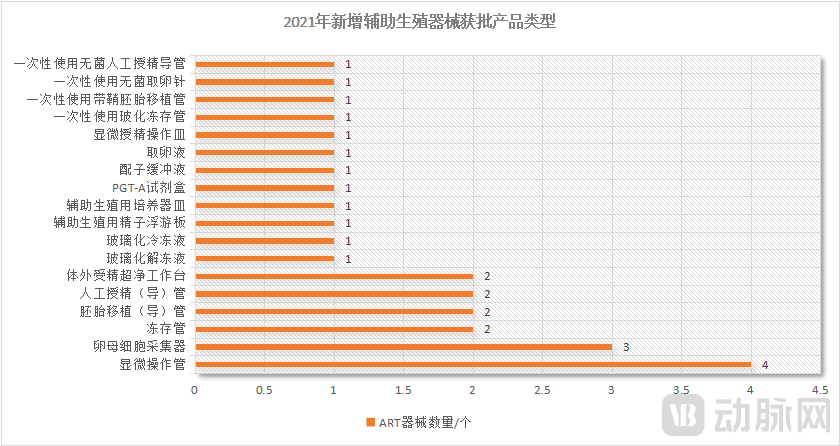
In terms of approved product categories, the ART device with the highest number of approvals this year is the micromanipulation pipette, primarily used for precise operations in assisted reproduction and in vitro fertilization (IVF). This is followed by oocyte retrieval devices, which are designed for collecting oocytes from ovarian follicles. Additionally, two products each were approved this year for cryopreservation vials, embryo transfer catheters, and intrauterine insemination (IUI) catheters.
Based on the performance of the upstream assisted reproductive technology (ART) sector in 2021, we can identify several trends in the development of the ART industry:
As evidenced by currently approved products, the approval rate for assisted reproductive technology (ART) devices in China is accelerating. The product portfolio ranges from small items such as oocyte retrieval needles to large equipment like laminar flow clean benches, with domestically produced ART devices essentially covering the entire spectrum of assisted reproduction procedures. Compared with imported devices, domestic alternatives have evolved from being non-existent to meeting the requirements for comprehensive substitution. For more invasive products subject to stricter regulatory standards, China’s stringent drug administration regulations classify them as Class III medical devices, which undergo rigorous review. Through clinical trials, these devices ensure product quality and safety, enabling them to better replace imported products with their price advantage.
In 2021, the second domestically developed PGT-A kit was launched in China, providing a more compliant, safe, and reliable testing option for the implementation of third-generation IVF technology in hospitals. Compared with the traditional Laboratory Developed Tests (LDT) model, approved PGT test kits better ensure the standardization and regulatory compliance of assisted reproductive testing. The expansion of domestically produced PGT kits from one to two products has further promoted the standardized development of the entire assisted reproduction industry. It is anticipated that more PGT kits will be launched in the coming years, fostering healthy and sustainable growth in the sector.
Alongside the approval of a series of assisted reproductive technology (ART) medical devices, more emerging ART technologies are under development. For instance, using embryonic DNA methylation levels as an indicator to assess preimplantation developmental quality aims to improve clinical pregnancy rates in ART beyond those achieved with third-generation IVF techniques. In 2021, Nuwa Life was established to commercialize this technology, known as PIMS, transitioning it from research to market application. The company’s research disclosures indicate that, with the support of PIMS technology, clinical ART can achieve a single embryo transfer success rate exceeding 70%.
Classic assisted reproductive technologies (ART) are transitioning from clinical trials to the commercial market, while emerging ART innovations are moving from the laboratory into clinical evaluation. The approval of each product and the emergence of every innovation in the field of assisted reproduction collectively promote the healthy development of the industry. In the past two years, domestically produced ART products have seen robust regulatory approvals. Furthermore, 2021 witnessed the implementation of the three-child policy and the issuance of updated guidelines for assisted reproductive technology applications. This convergence of favorable timing, geographic advantages, and human resources has propelled the ART industry into a golden era of development.