

Why CROs Are Called 'New Drug Printers': Bridging Innovation and Clinical Reality
Imagine you are a Stone Age hunter who accidentally falls while hunting, sustaining a deep laceration on your lower leg from a sharp rock. You attempt to staunch the bleeding by binding the wound with nearby weeds, but blood continues to gush out. On the verge of despair, you hastily pluck a few wild herbs, chew them into a pulp, and apply the mash directly to the wound before carrying your hard-won deer back to your tribe. Upon your return, your family grows anxious as they observe the injury on your leg. Yet, a miracle occurs: not only do you survive, but the wound also heals remarkably well. News of this miracle quickly spreads to other tribes, including details about the appearance of the wild herbs you had casually picked. Members of these other tribes begin to emulate your method for treating wounds, and some experience similar miraculous outcomes: injuries that would have otherwise been fatal heal astonishingly well.
The origins of medicine began with such miracles. From Shennong tasting hundreds of herbs to Li Shizhen compiling the Compendium of Materia Medica, the development of medicine has always relied on trial and synthesis. The discovery of a new drug depends on repeated bold attempts.
The emergence of scientific theories and industrialized pharmaceutical manufacturing has made medicine less reliant on chance. Advances in chemistry and biology have enabled systematic research into drugs. Scientists begin by observing natural phenomena, analyze the derived patterns, validate them in the laboratory, and finally apply the findings to patients. This rigorous and meticulous process has significantly reduced the harms caused by trial-and-error approaches during new drug development.
Chemical synthesis and mass production have made drug acquisition no longer entirely dependent on natural sources or the craftsmanship of pharmacists, thereby ensuring the stability of drug quality. However, during this phase, drug discovery was phenomenon-driven; experiments were conducted to determine a compound’s efficacy before its mechanism of action was fully understood. A classic example is aspirin: its therapeutic effect on arthritis was discovered in 1897, but it was not until 1971 that its mechanism was elucidated as being related to the inhibition of prostaglandin synthesis.
Just as we were taking considerable satisfaction in the advances brought about by industrial-scale pharmaceutical manufacturing, a massive dark cloud loomed overhead: cancer. Cancer is a genetic disease caused by accidental genetic abnormalities in human cells, triggered by internal or external factors, which lead to uncontrolled malignant cell growth. The underlying mechanism of cancer may sound simple—cell proliferation driven by genetic changes—but the pathways regulating cell proliferation are arguably more numerous than the roads in Beijing, and the oncogenic pathways can be equally diverse.
Multifactorial diseases such as cancer have created a demand for precision pharmaceuticals, as the underlying causes vary from person to person, thereby reducing the success rate of empirical treatment approaches. Early cancer treatments, including radiation and conventional chemotherapy, inflicted significant harm on the body while targeting the disease, leading to many patient deaths due to treatment-related complications. Therefore, it is essential to first understand the pathogenic mechanisms of the disease to better discover targeted therapies.
Our understanding of disease pathogenesis is attributed to advances in basic and clinical research. Within the complex machinery of the human body, a single malfunction often stems from multiple causes. To pinpoint which bodily systems are compromised, research institutions—primarily hospitals, universities, and research institutes—must integrate analyses of clinical report findings to identify disease characteristics and elucidate the pathways underlying disease onset. Once these pathways are understood, it is necessary to identify potential therapeutic targets to correct the aberrant biological processes, and on this basis, discover stable and reliable drug candidates.
From target identification and lead compound synthesis to the screening of active compounds, these processes are now typically outsourced to contract research organizations (CROs) rather than being conducted in-house by research institutions or pharmaceutical companies. Why are these critical R&D steps entrusted to CROs instead of being performed internally?

Biopharmaceuticals must undergo development steps such as target selection, high-throughput screening, in vitro testing, and animal experiments before they can be used in clinical trials. Illustration: Qingning
Drug targets, lead compounds, and active compounds rarely have just one or two candidates. There are typically several candidate drug targets, whereas lead compounds and active compounds often number in the hundreds, thousands, or even millions. Such a massive undertaking requires large-scale, standardized analytical research. Research teams at universities and institutes are often small groups of fewer than twenty people; they focus on elucidating mechanisms and are ill-equipped to handle the enormous task of high-throughput screening and validation.
In addition to the advantage of handling large-scale studies, CROs can minimize costs through intensive operations and meet stringent pharmaceutical evaluation requirements by standardizing R&D pipelines.
Biopharmaceutical R&D equipment is extremely expensive, with significant costs incurred for sequencers, consumables, experimental analyses, and personnel. Moreover, if such equipment is only used occasionally, its value and functionality are substantially diminished due to high idle rates. Contract Research Organizations (CROs) consolidate similar experiments from numerous projects onto a unified platform. This approach not only maximizes equipment utilization but also ensures the reproducibility and reliability of experimental results through standardized operations performed by systematically trained laboratory technicians, thereby better facilitating subsequent clinical trials.
High R&D costs force small-scale research teams to stake everything on a single bet, thereby increasing the entrepreneurial risks for startups. In contrast, platform-based CROs can explore candidate targets or drugs more extensively, significantly boosting the probability of success. This is critical for the biopharmaceutical industry, where the drug development process typically involves numerous candidates.
New drug development requires multidisciplinary collaboration. Within Contract Research Organizations (CROs) that possess strong resource integration capabilities, various departments bring together talent from disciplines such as chemical synthesis, toxicology, pharmacology, molecular biology, and analytical chemistry. These professionals are assigned to different departments based on their functional roles. This structure not only enables each department to fulfill its specific responsibilities effectively but also allows teams to benefit from internal diversity, thereby enhancing their ability to connect upstream and downstream processes.
Candidate drugs that demonstrate efficacy in in vitro assays cannot be directly advanced to clinical trials, as it remains unknown whether such seemingly effective substances may also cause harm to the human body, and there is no reference for dosing frequency or dosage. Safety pharmacology and toxicology studies are essential to screen for potential toxicity and side effects of the drug in animal models. Researchers first administer the candidate drug to mice or non-human primates to evaluate its effects on the cardiovascular, respiratory, and nervous systems. Pharmacokinetic studies investigate the absorption, distribution, metabolism, and excretion of the drug in animals to optimize dosing frequency and dosage.
These tasks not only require experienced professionals to complete, but also typically necessitate special licenses due to the involvement of animal ethics. CROs have specialized positions dedicated to these tasks, eliminating the need for frequent staff training or permit applications. Moreover, adherence to good standardized practices facilitates the acquisition of corresponding permits, thereby reducing the marginal costs of research and development.
In every country, the clinical trial phase for drugs is the most stringent. During the development of new drugs, the first trials conducted in humans are known as Phase I clinical trials. These studies investigate the properties of the new drug and evaluate its safety, requiring the participation of dozens of volunteers and hospitalization for monitoring. Phase II clinical trials involve actual patients; by this stage, the drug has already been proven safe in humans, allowing it to be administered to patients with more complex physiological conditions. Once both the safety and efficacy of the drug have been verified, the process enters the confirmatory phase for therapeutic effects, where the new drug’s efficacy is evaluated through comparison with existing marketed drugs. It is evident that the most rigorous and complex phase of clinical trials demands large, experienced enterprises capable of mobilizing hospitals, patients, and volunteers, as well as coordinating various resources—a task that is nearly impossible for early-stage pharmaceutical R&D companies.
In such cases, companies can engage CROs with clinical trial capabilities to handle the preparation, application, and execution of clinical trials. The availability of CROs has made new drug development no longer the exclusive domain of large enterprises; small companies and teams can also submit their drug design proposals to CROs, which then carry out the subsequent steps of drug development in accordance with contractual agreements and regulatory requirements.
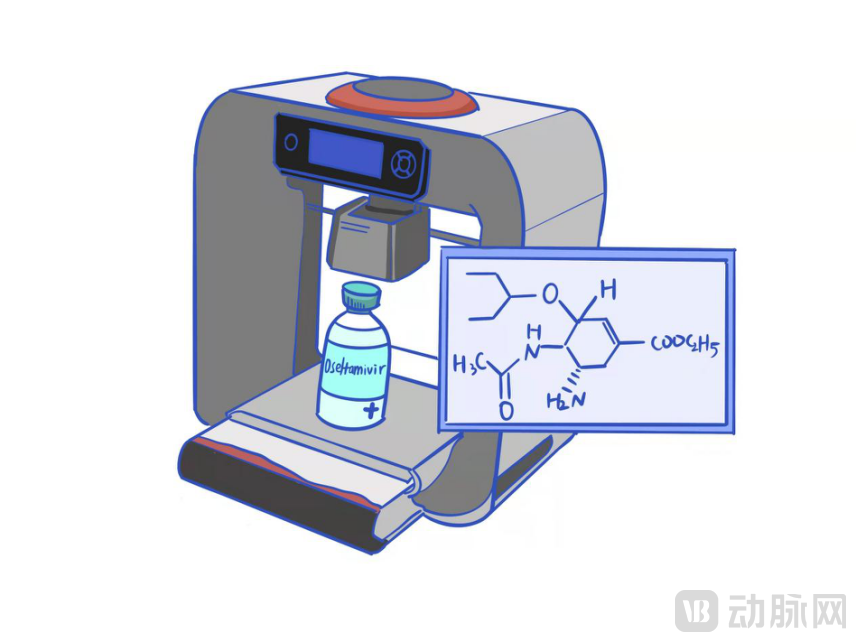
CROs are like “new drug printers,” turning laboratory drug dreams into viable medications. Illustration: Qingning
In this way, CROs function like a “new drug printer,” fully realizing the new drug aspirations of research teams and small enterprises. By reducing the cost of new drug development and providing a more standardized and reliable R&D platform, CROs enable more laboratory-based drug candidates to transition from concept to reality, shorten the gap between basic research and clinical application, and ultimately benefit more patients.
In the face of sudden viral outbreaks and complex diseases, the pharmaceutical industry’s demand for contract research organizations (CROs) has been steadily increasing, endowing the CRO sector with unparalleled growth potential. The CRO landscape features not only industry giants such as LabCorp, IQVIA, WuXi AppTec, and Tigermed, but also smaller, specialized firms like Pharmaron Biosciences, Andu Bio, and Dingtai Pharmaceutical Research.
WuXi AppTec is virtually synonymous with CROs in China. Starting from synthetic chemistry, it has continuously expanded its service scope and integrated resources, while actively laying out frontline biotechnologies such as CAR-T and gene therapy. Tigermed, on the other hand, focuses on preclinical services for drug development, employing mature and reliable technologies and protocols to conduct drug metabolism, toxicology, and other tests on candidate drugs.
Pharmaron has pioneered the evaluation technology for tumor immunotherapy efficacy using human immune system CD34+ humanized mice, along with a 3D tissue culture platform for human tumors, establishing itself as a CRO specializing in immunology and oncology drug R&D. With strong academic support, Andu Bioscience and Dingtai Pharmaceutical Research provide comprehensive services spanning early-stage R&D, clinical development, and regulatory submissions.
CROs, the “new drug printers,” leverage their specialized service capabilities and intensive, efficient R&D platforms to boldly propel novel drug concepts out of the laboratory, guiding candidate drugs through the preclinical stage and bringing hope to more patients.
GL Ventures is Hillhouse’s venture capital platform dedicated to early-stage innovative companies, with a focus on key sectors including hard tech, software, biotechnology, new materials, emerging brands, and consumer technology. GL Ventures seeks out entrepreneurs who are passionate about technology and believe in innovation. We aim to become the first call for founders seeking financing and look forward to accompanying them throughout their entrepreneurial journey.
References:
1. History of Pharmacy. Pharmapproach. 202105. https://www.pharmapproach.com/history-of-pharmacy.
2. The pharmacy technician. American Pharmacists Association. Sixth. Englewood Cliffs, N.J.: Perspective Press/Morton Pub. Co. 2016. [ISBN 978-1-61731-487-2]
3. What is a contract research organization (CRO)? evitria. https://www.evitria.com/journal/antibody-services/contract-research-organization.
4. Hajar R. History of medicine timeline. *Heart Views*. 2015;16(1):43-45. doi:10.4103/1995-705x.153008.