

CommBio Therapeutics Advances Live Biotherapeutic Gene-Engineered Bacteria for Autoimmune and Metabolic Diseases
This November, Novome Biotechnologies announced a strategic collaboration with Genentech, a member of the Roche Group, to leverage Novome’s proprietary genetically engineered microbial medicine (GWMMs) technology platform for the design and development of bacterial strains capable of expressing and delivering specific therapeutic molecules to targeted lesions in the human intestine, thereby treating diseases such as inflammatory bowel disease (IBD).
What the two biopharmaceutical companies are doing is leveraging synthetic biology to artificially design and synthesize therapeutic genetically engineered bacteria, thereby developing novel live biotherapeutic products capable of curing diseases.
In fact, this innovative therapeutic approach has attracted the attention of experts both in China and abroad since its inception. In China, CommBio Therapeutics (hereinafter referred to as “CommBio”) is one of the first new drug R&D companies engaged in bacterial vector-based gene therapy, and has garnered favor from top domestic investment institutions.
According to Dr. Xiang Bin, Founder and CEO of Hedubio, the greatest advantage of genetically engineered bacteria lies in the ability to artificially introduce genes that regulate specific disease signals. This makes the functions and mechanisms of action of genetically engineered bacteria within the human body clearer and more direct, with effects akin to targeted therapy. Over the past two years since its establishment, Hedubio has progressed from initial laboratory research to achieve new insights and breakthroughs in the field of autoimmune and metabolic diseases. The growing body of animal efficacy data has bolstered the company’s confidence in the therapeutic breakthroughs this drug methodology may deliver.

In recent years, a growing body of research has led the medical community to recognize that the pathogenesis of most diseases, particularly chronic conditions, originates from gut dysfunction involving immune or metabolic dysregulation. These diseases encompass not only gastrointestinal disorders such as inflammatory bowel disease and colorectal cancer but also ailments affecting other organs, including liver diseases and neurological disorders, which arise through physiological regulatory pathways such as the gut-brain axis. Despite decades of effort, conventional pharmacological approaches have yet to achieve therapeutic breakthroughs in these chronic diseases.
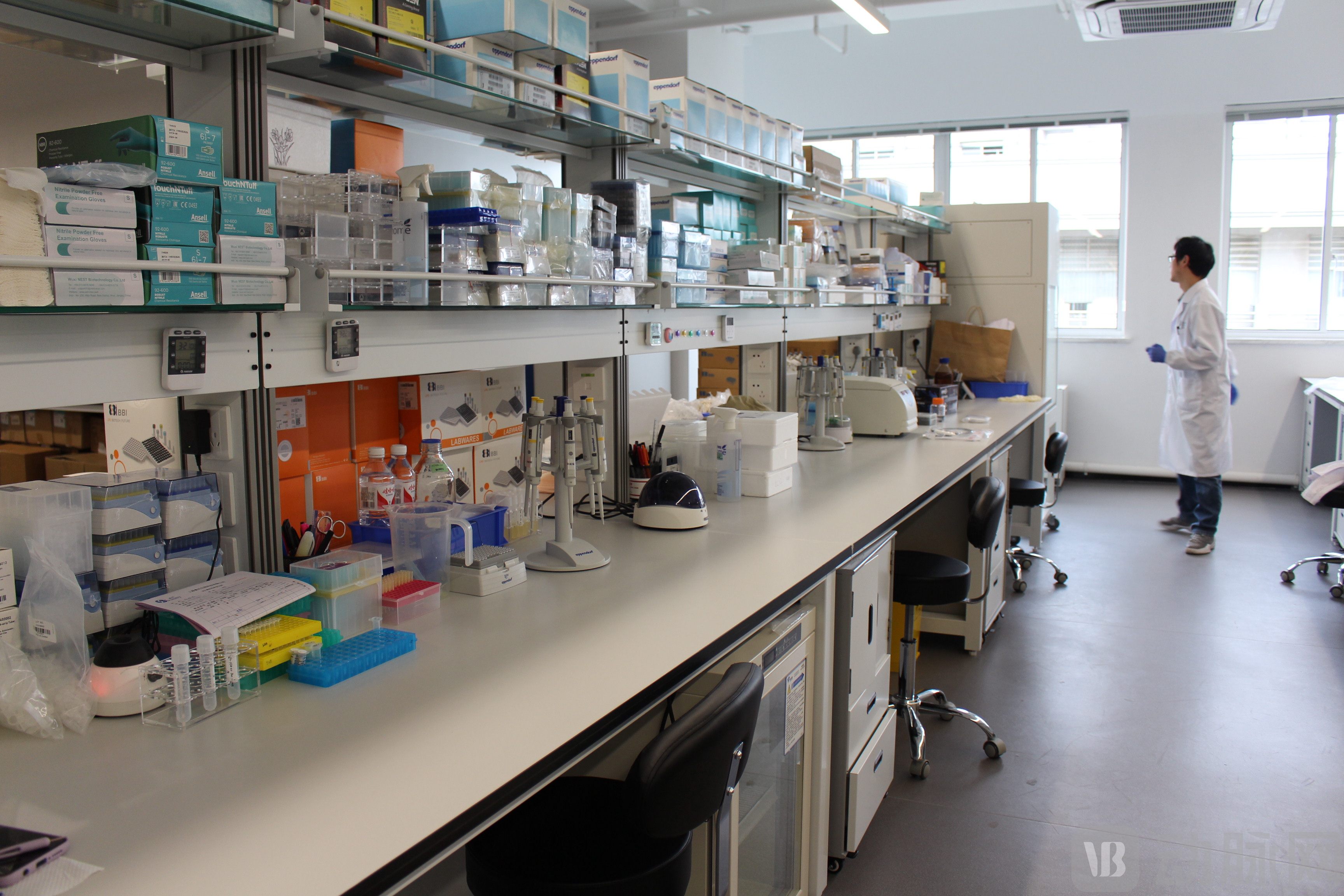
Conversely, trillions of bacteria reside in the human gut, where they aid in food digestion, synthesize vitamins, and train the body’s immune system. Leveraging these microbial communities to directly modulate intestinal function and improve human health has thus become a logical pursuit for major pharmaceutical companies and research institutions.
So-called bacterial vector gene therapy builds on this concept by using technologies such as gene editing and synthetic biology to integrate disease-treating genes into the genome of non-pathogenic bacteria, thereby constructing engineered bacterial strains. These strains are delivered orally to the gut, where they act as “drug factories” in vivo to produce gene-based therapeutics for the treatment and regulation of intestinal metabolic disorders or immune-related diseases.
As one of the first new drug R&D enterprises in China to engage in bacterial vector-based gene therapy, Hedu Biotech is modulating intestinal immunity, metabolism, and disease signaling through methods such as the gut delivery of genetically engineered bacteria. By employing gene-editing techniques like CRISPR-Cas9, the company integrates potential therapeutic genes into specific loci of the bacterial chromosome to construct genetically engineered bacteria and develop them into live biotherapeutic products.
Since its inception, Heduo Bio has focused on researching and developing products for metabolic and autoimmune diseases, gradually establishing a novel drug R&D platform for microbial vector-based gene therapy with independent intellectual property rights. Currently, Heduo Bio has initiated several genetically engineered bacterial projects targeting various diseases, including metabolic rare disorders such as phenylketonuria, inflammatory bowel disease, and other autoimmune conditions. The first batch of priority projects is preparing to collaborate with tertiary hospitals to conduct investigator-initiated trials (IIT), with clinical trials planned to commence in 2023.
In fact, compared with gene therapy products using AAV (adeno-associated virus) and other vectors, microbial vector-based gene therapy products demonstrate significant potential advantages in terms of drug safety, therapeutic efficacy, and cost.
From a safety perspective alone, the vectors selected for microbial vector-based gene therapy products are predominantly probiotics that are harmless to the human body. Their safety profile is reliable, offering more targeted therapy with reduced inter-individual variability in drug response. Furthermore, microbial vectors enable localized intestinal delivery, thereby enhancing the controllability of drug safety.
In terms of specific therapeutic efficacy, unlike AAV vectors, which are constrained by the number and size of genes they can carry, microbial vectors can integrate multiple target genes to enable multi-target therapy, thereby achieving superior drug efficacy.
It is also worth noting that for innovative drug R&D enterprises, microbial vector gene therapy products offer significant advantages in terms of development costs. This means that such products can be made available to a broad patient population at more affordable prices, thereby delivering tangible benefits to patients and ensuring the treatments are financially accessible.
Dr. Xiang Bin stated that bacterial vector gene therapy offers unique advantages, including high safety, strong efficacy, and relatively low cost. Hedubio hopes to not only deliver engineered bacteria to the gut in the future but also to other parts of the body, such as the lungs and skin, thereby treating a wider range of human diseases. “Given the large patient population for various diseases in China, reliance on centralized drug procurement alone is insufficient. Developing innovative medicines that are affordable for the majority should also be a key focus for biopharmaceutical companies.”
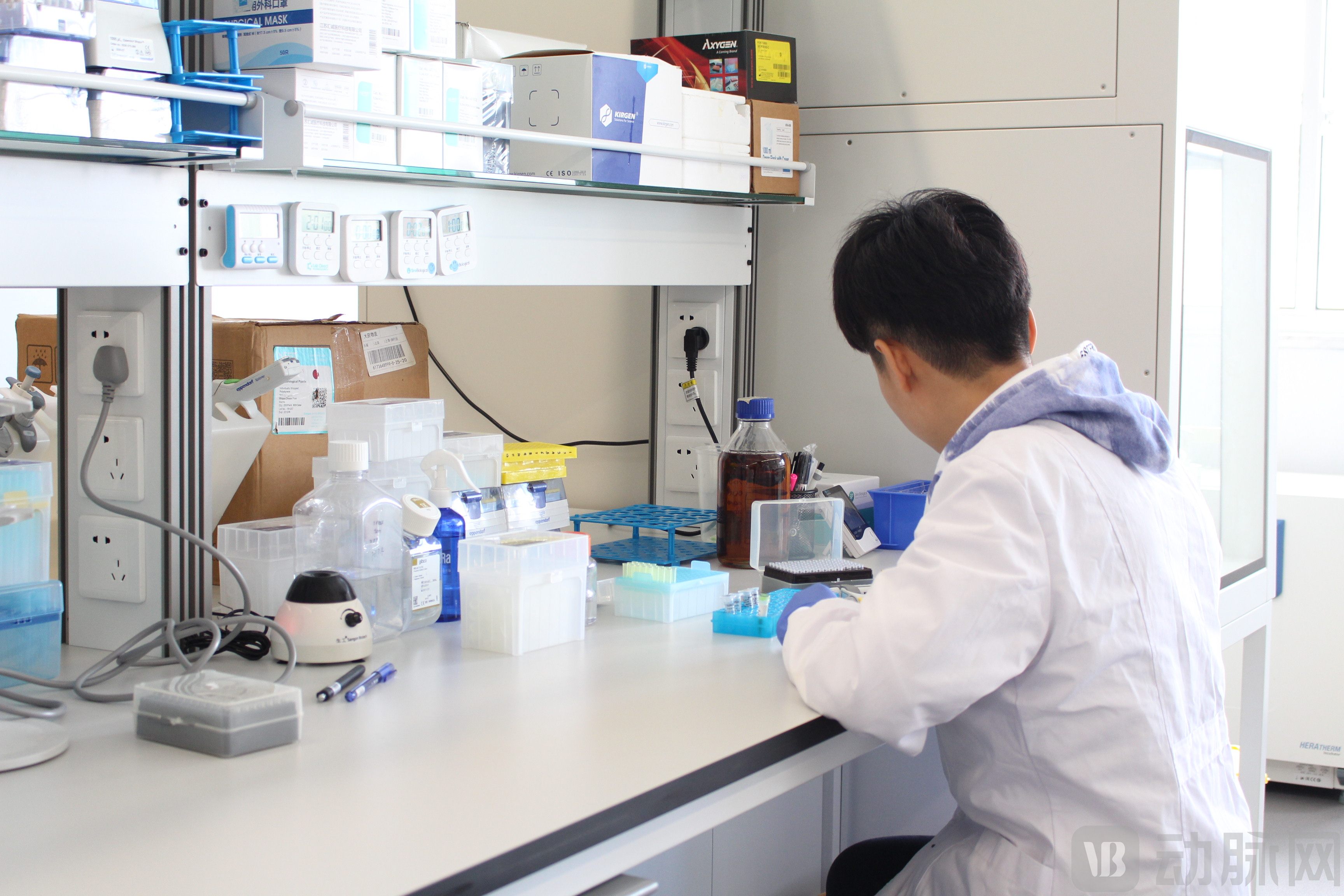
Realizing the vision of Hedu Bio hinges on the efforts of core R&D personnel, particularly those with genuine experience in pharmaceutical research and development teams.
Dr. Xiang Bin once stated, “From a technical perspective, gene editing is relatively easy to perform; however, the challenge lies in designing genetic engineering strategies based on disease biology and developing genetically engineered bacteria into live biotherapeutics.” Supporting Shedu Bio’s R&D of novel live biotherapeutic drugs behind the scenes is a team of frontline expert researchers who have been deeply engaged in technology development for many years.
Public information indicates that Heduo Bio was established in 2019 in Zhangjiang, Shanghai. The company’s founding team hails from the former Novartis Shanghai Research Center, bringing extensive industry management experience as well as substantial research expertise in gut microbiota, disease biology, new drug development, and gene therapy.
Throughout the professional career of Dr. Xiang Bin, Founder and CEO of Hedu Bio, he spent more than ten years engaged in preclinical new drug development at the R&D centers of multinational corporations, while also conducting research in disease biology for over two decades. Prior to founding Hedu Bio, Dr. Xiang led an innovative team at Novartis Institutes for BioMedical Research (China) Co., Ltd., where he explored disease mechanisms from the perspective of intestinal biology and sought novel therapeutic approaches. He was responsible for preclinical studies of new drug development projects, including small-molecule drugs and AAV gene therapies.
Dr. Cheng Dachen, who co-founded Hedubio with Dr. Xiang Bin, is also a senior executive in new drug R&D operations with nearly 20 years of industry experience. He has engaged in R&D and operational work across multiple fields, including preclinical research, clinical development, and CMC (Chemistry, Manufacturing, and Controls) development and production.
In fact, the core team’s composite and extensive experience in new drug development constitutes only one aspect of Heshu Biotechnology’s technical barriers. The company has also invited multiple external experts to form a Scientific Advisory Committee, serving as an “external brain” for its new drug R&D efforts. Participants include renowned global scientists such as Dr. Li En, who specializes in biomedical research, particularly in epigenetics and developmental biology; Dr. Wang Jufeng, a senior toxicologist in drug development and current Chairman of the Safety Pharmacology Professional Committee of the Chinese Pharmacological Society; and Academician Pei Gang from the Chinese Academy of Sciences, who focuses on neurodegenerative diseases, among other leading domestic and international experts.
“The reason these experts have joined Hedu Bio in various capacities lies in the innovation of bacterial vector-based drug delivery. We offer them an entirely new dimension for understanding diseases, and these experts believe that this innovative therapy can bring about therapeutic breakthroughs for various chronic conditions,” introduced Dr. Xiang Bin. For instance, Academician Pei Gang firmly believes that genetically engineered bacteria hold promise for breakthroughs in the treatment of neurodegenerative diseases, as biochemical signaling between the gastrointestinal tract and the central nervous system can influence all events ranging from brain development to the progression of neurological disorders.
In the interview, Dr. Xiang Bin described the Scientific Committee as the company’s “scientific brain.” These external experts leveraged their respective strengths to deeply engage in every aspect of Hedoo Bio’s operations, from drug development project initiation to toxicology testing and formulation, thereby jointly advancing the company’s new drug R&D progress. Building on this foundation, Hedoo Bio’s core R&D team—a composite group blending industrial pharmaceutical expertise with academic research backgrounds—demonstrates even greater vitality. “This team has the capacity to learn while doing,” he noted.
It is precisely on the basis of this “intellectual support” that Hedu Bio has been able to rapidly advance its new drug R&D efforts in the two years since its inception. According to Dr. Xiang Bin’s vision, Hedu Bio plans to evolve into a platform-based company encompassing a bacterial genetic engineering platform, a genetically engineered bacterial formulation research platform, a clinical research platform, and a manufacturing platform. This will enable the expansion of genetically engineered bacterial therapies to a broader range of indications, addressing unmet clinical needs. Ultimately, the company aims to become a biopharmaceutical enterprise that produces innovative medicines affordable to patients in China.