

First Independent Implantation in Xinjiang: Dr. Wu Gang’s Team at the Fourth Affiliated Hospital of Xinjiang Medical University Successfully Completes One of the Nation’s First Post-Market KoKaClip® Procedures

Kokai Life Sciences
Developer, Manufacturer, and Distributor in the Field of Structural Heart Disease

Click the blue words to follow us

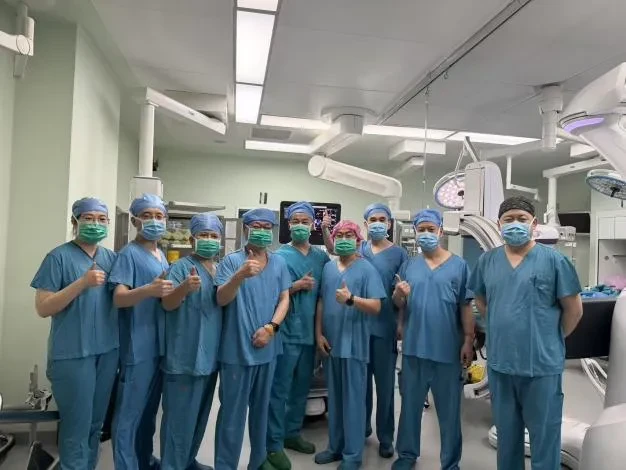
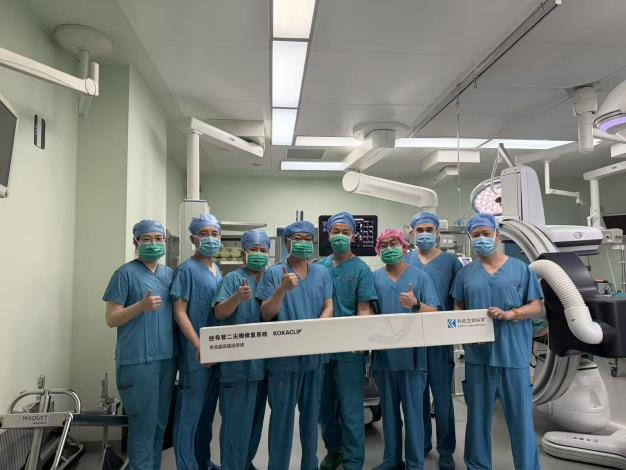
The Heart as the "Engine" of the Human Circulatory System: Its Intricate Valve Structure Acts Like a One-Way "Valve," Ensuring Blood Flows in the Prescribed Direction. When Mitral Regurgitation Occurs, Blood Flows Backward, Increasing Cardiac Load, and Patients Often Experience Symptoms Such as Chest Tightness, Shortness of Breath, and Reduced Exercise Tolerance. Transcatheter Mitral Valve Clipping, an Advanced Interventional Technology for Structural Heart Disease, Features Technical Advantages Such as No Need for Thoracotomy, Continuous Heart Function During Surgery, and Minimal Trauma. This Technology Uses a Catheter System to Deliver a Clipping Device to the Affected Area of the Heart, Clamping the Prolapsed Valve Tissue to Restore Valve Function. Compared with Traditional Open-Heart Surgery, This Procedure Is Especially Suitable for Elderly, Frail Patients or Those with Multiple Comorbidities Who Cannot Tolerate Extracorporeal Circulation or Thoracotomy.

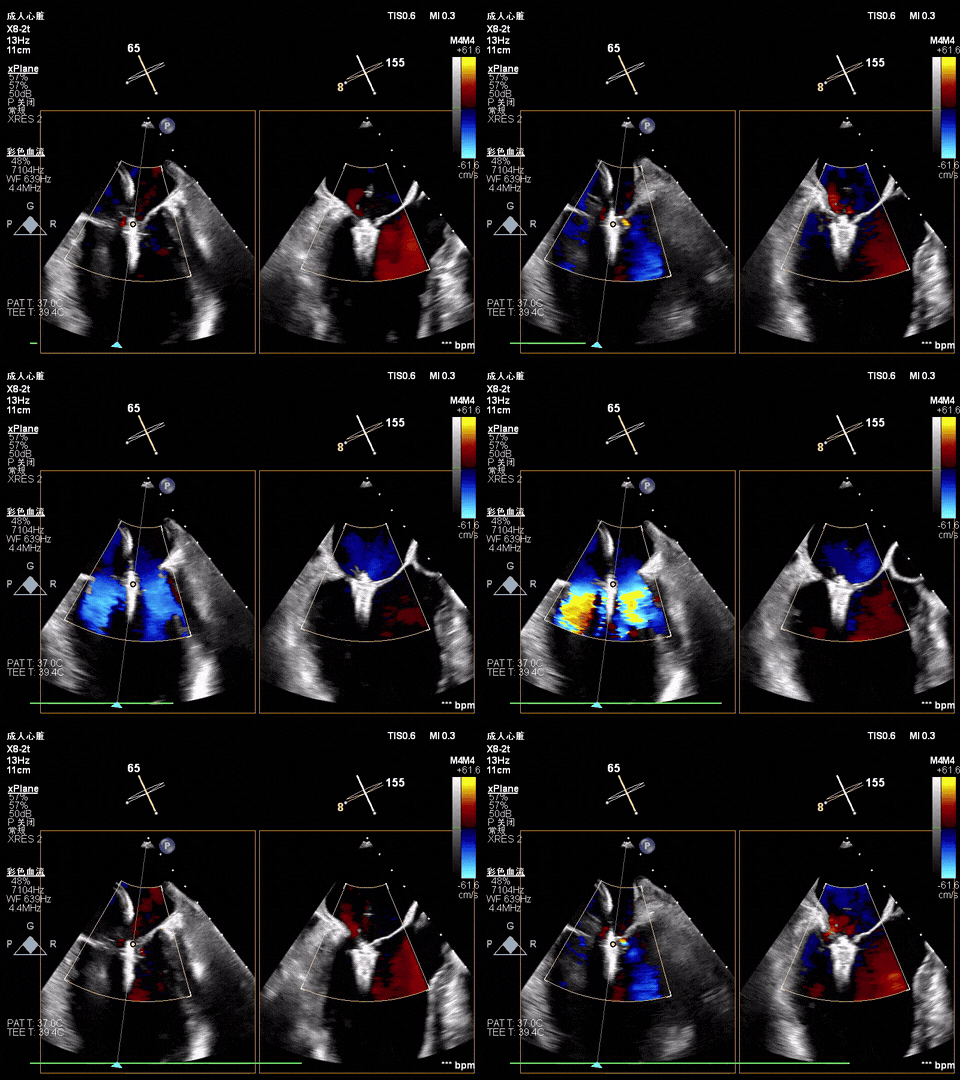
The patient is a 56-year-old male who, one month ago, suddenly experienced chest tightness, chest pain accompanied by profuse sweating. The pain radiated to the left shoulder and back, and the symptoms persisted without relief. He was diagnosed with "acute non-ST-segment elevation myocardial infarction and acute heart failure." After symptomatic treatment, his symptoms gradually stabilized. One week later, during coronary angiography, two stents were implanted in the anterior descending artery. Postoperatively, the patient’s symptoms improved. During this period, echocardiography showed decreased cardiac function with an EF value of 43%. After discharge, the patient continued oral secondary prevention medications. One week ago, the patient again experienced sudden chest tightness and shortness of breath while sleeping in the early morning hours, requiring upright sitting to breathe. Pulmonary CT examination suggested pleural effusion, which was considered to be due to cardiac insufficiency. Electrocardiogram (ECG) revealed frequent ventricular premature beats. After symptomatic treatment, the symptoms improved. The patient had severe lesions in the circumflex artery and right coronary artery. Preoperative echocardiography indicated restricted closure of both anterior and posterior mitral valve leaflets, more pronounced in the posterior leaflet. Regurgitation mainly originated from region 2, with a wide regurgitation width of approximately 17 mm. The length of the leaflets in region 2 was 2.7/1.3 cm, the valve orifice area was 6.4 cm², the AP diameter was 30 mm, and the coaptation height was 11 mm.
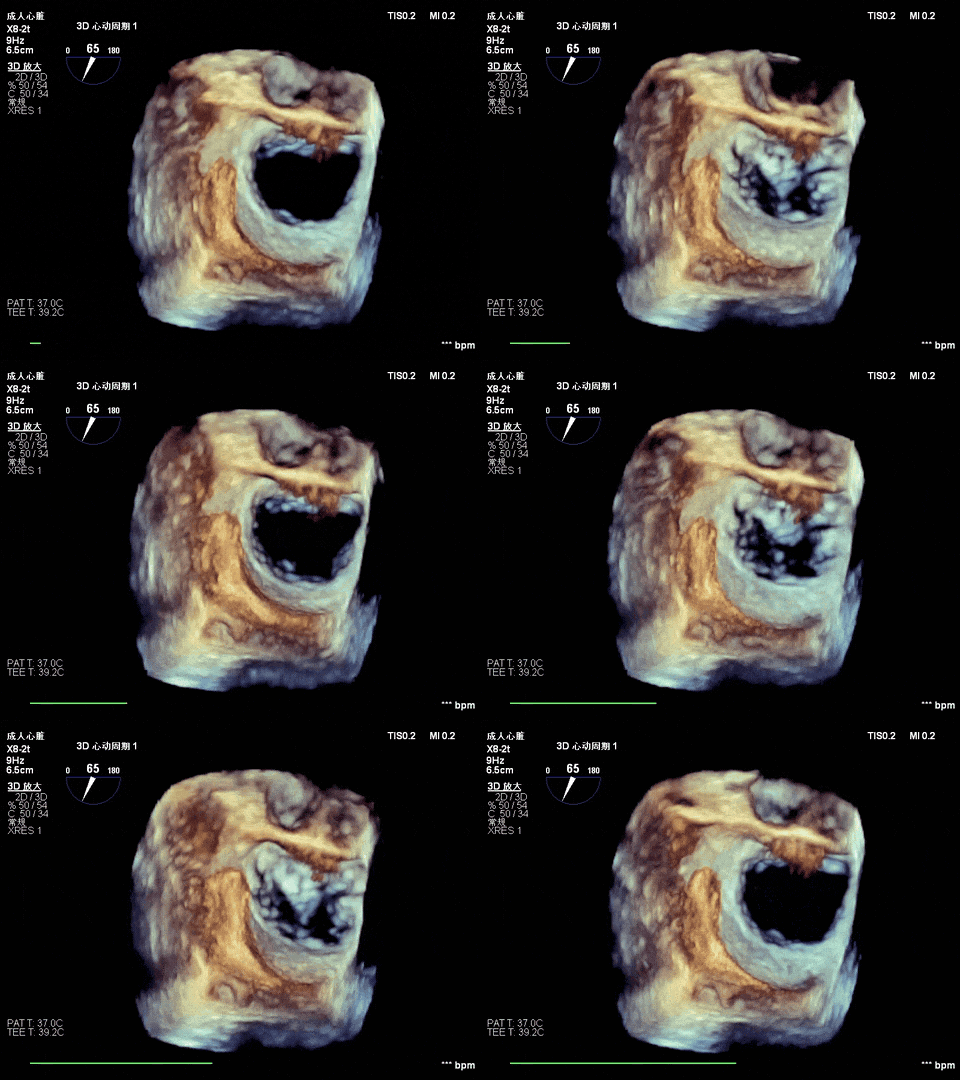
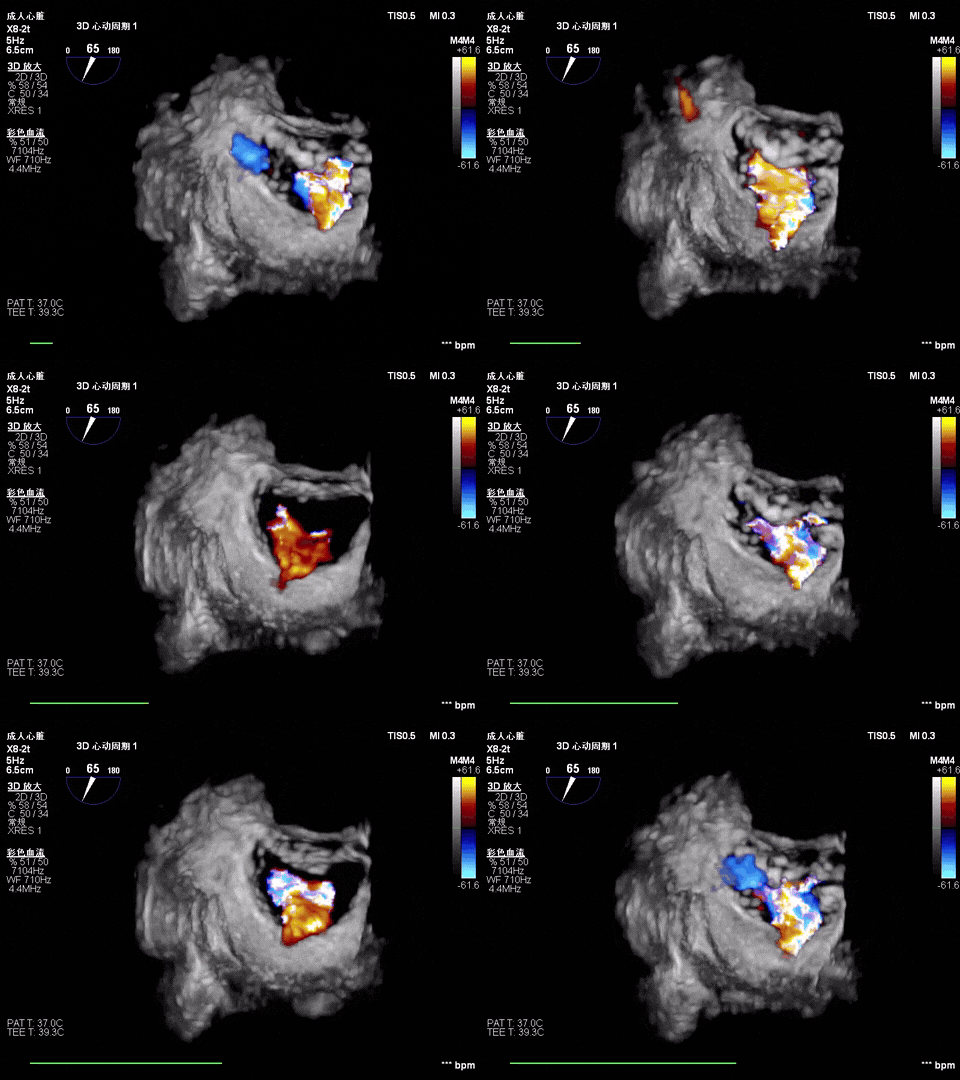
No prolapse or chordae tendineae rupture of the mitral valve was observed, but a large amount of regurgitation was noted.
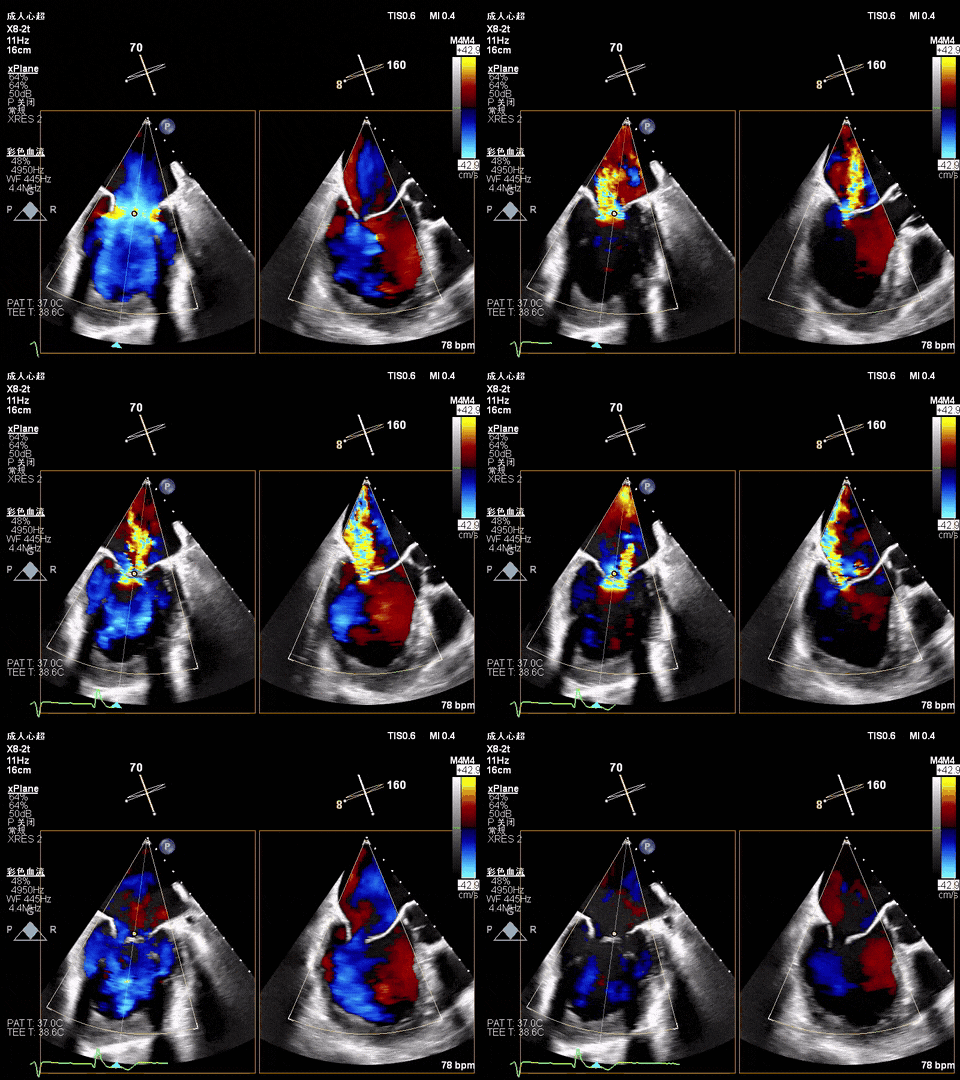
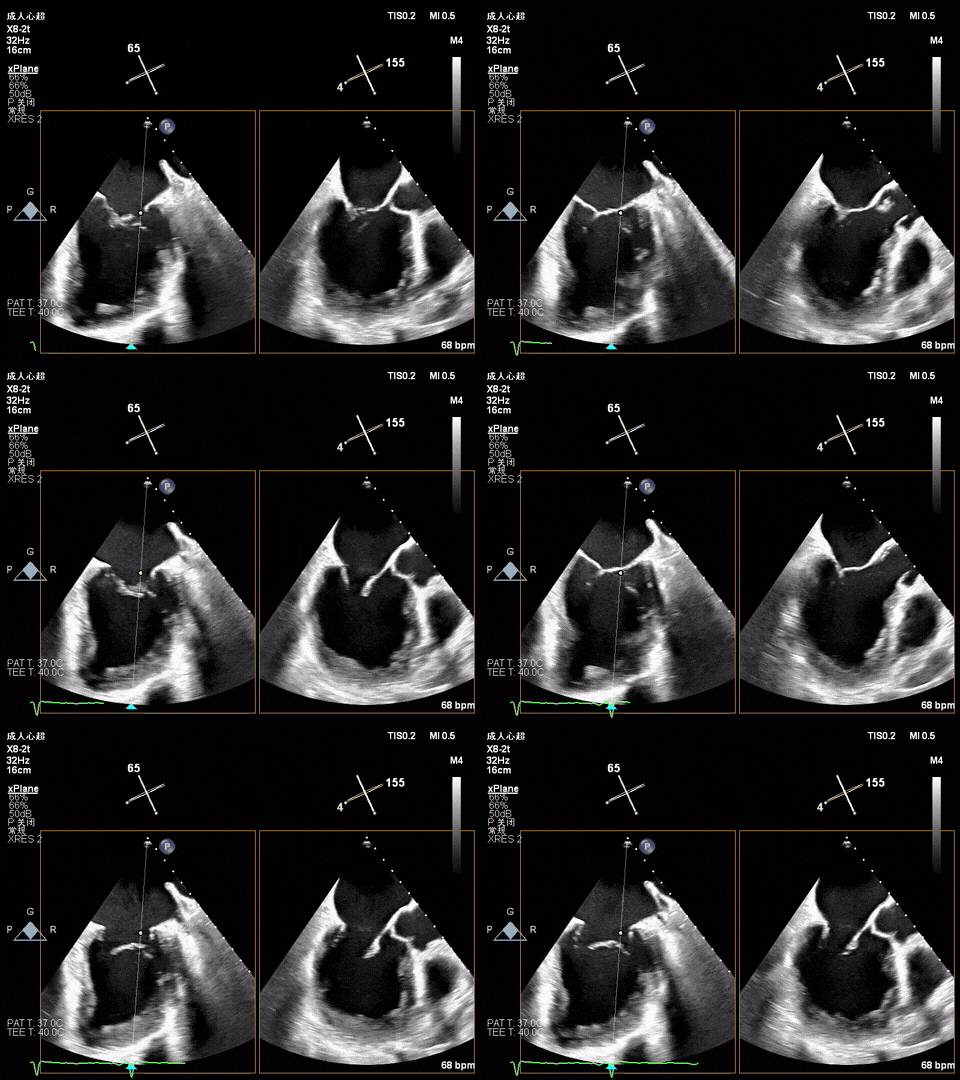
Both anterior and posterior leaflets showed restricted closure, more pronounced in the posterior leaflet, with regurgitation mainly originating from zone 2.
Surgical Strategy
After thorough communication and analysis, Director Wu Gang's team decided to prioritize the placement of the G12P model KoKaClip® mitral valve clip in Zone 2. After clipping, whether to add another clip would be determined based on residual regurgitation and mean transvalvular pressure gradient. During the procedure, constant attention was paid to the tension of the valve leaflets to avoid leaflet tearing.
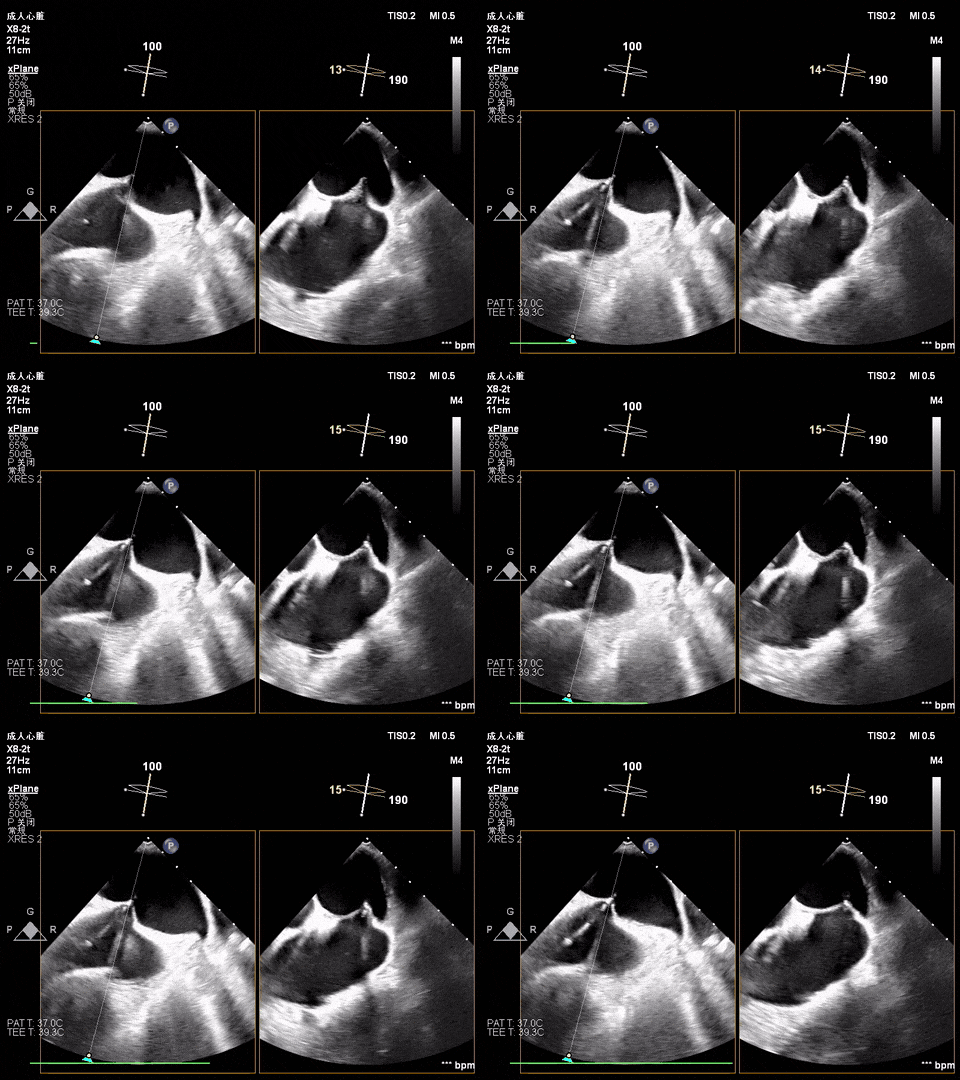
Atrial septal puncture, valve clip placement in the left atrium
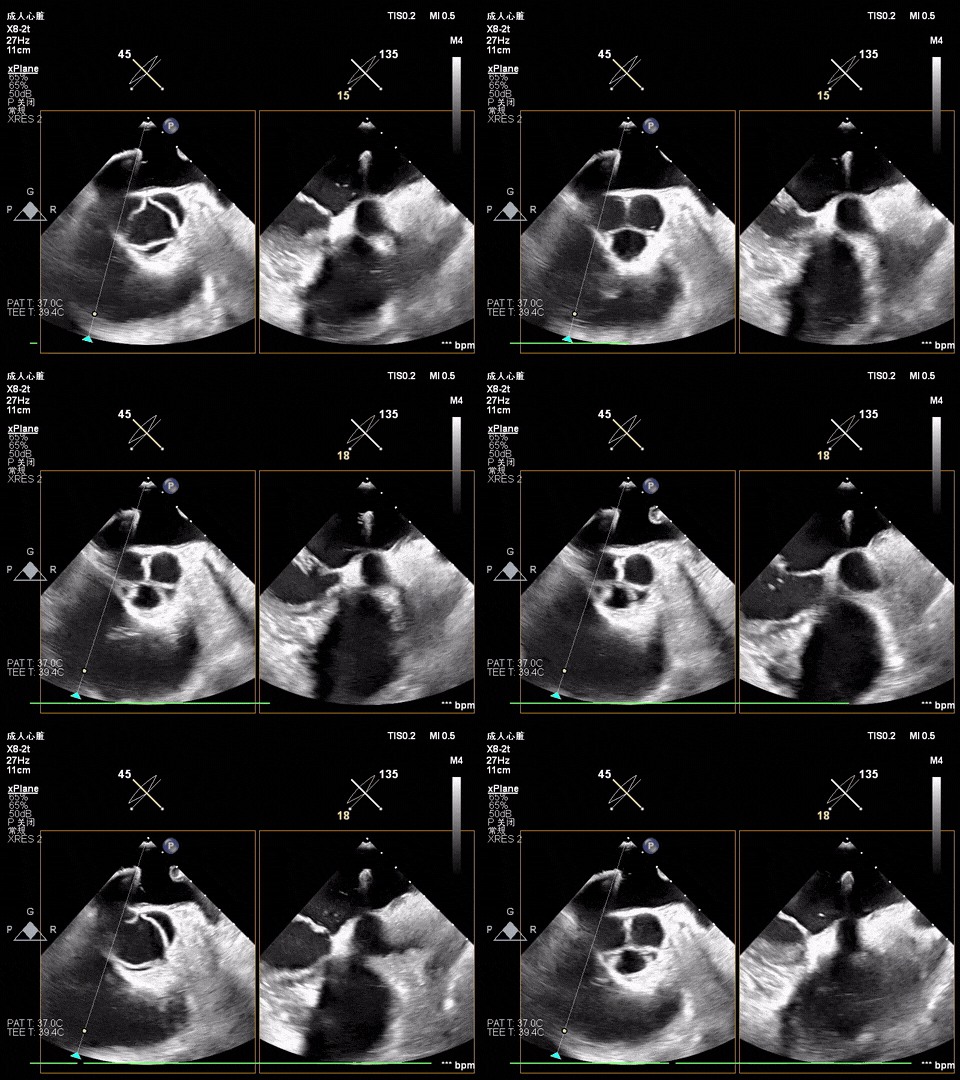
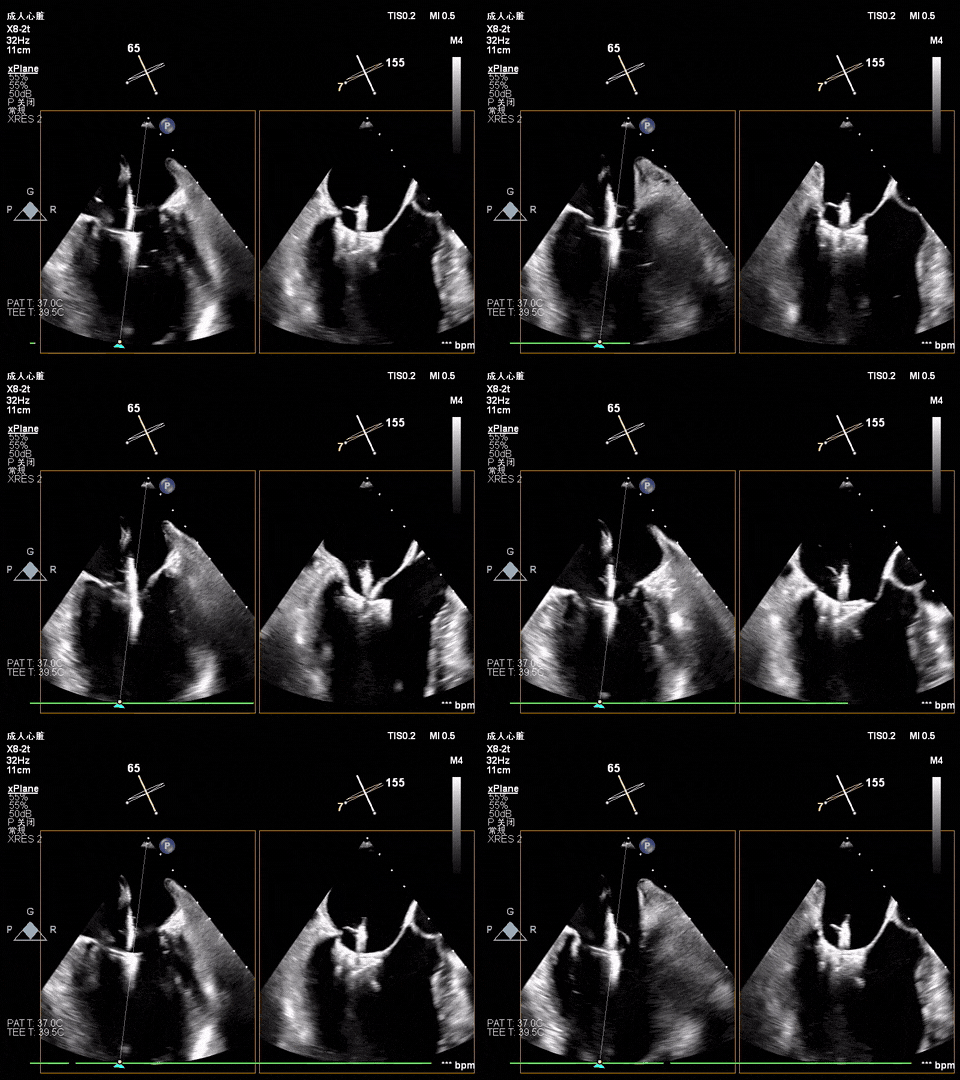
Adjusting the position and axial direction of the valve clip above the valve
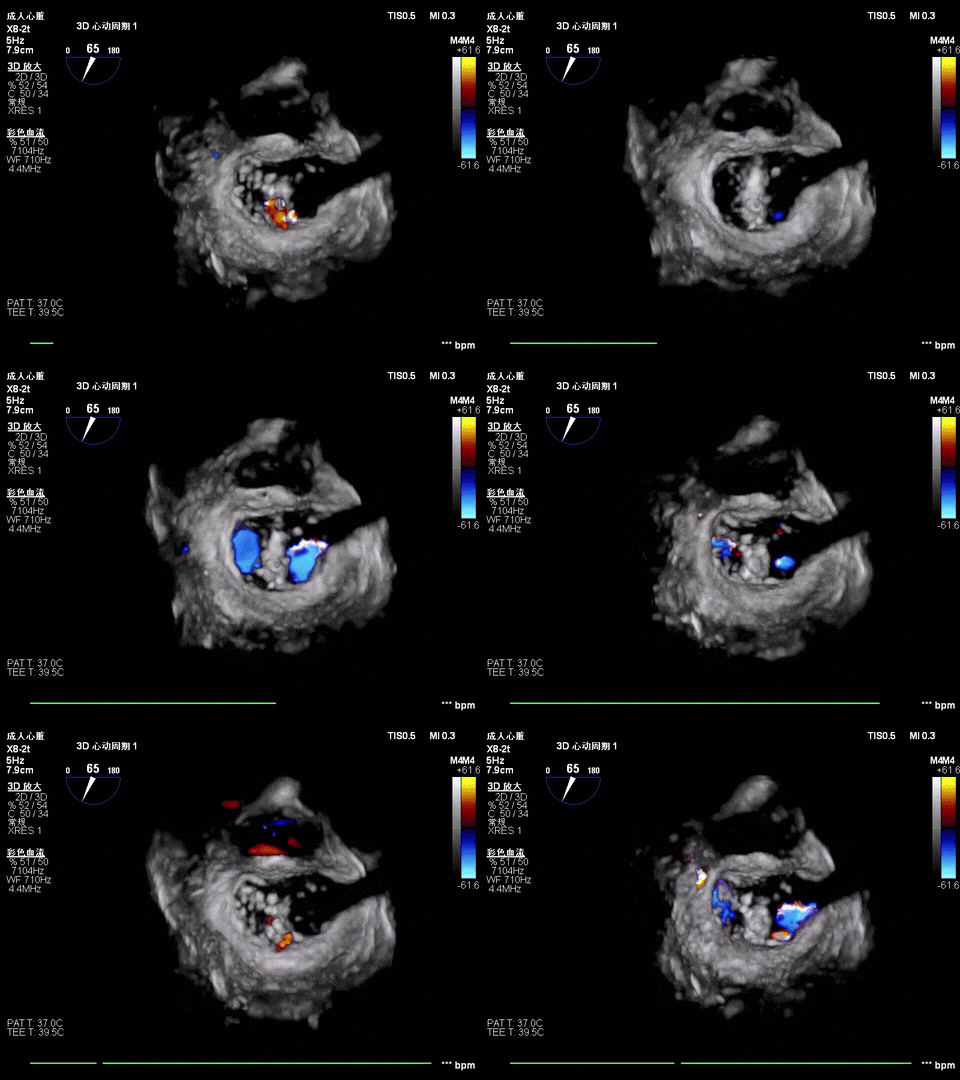
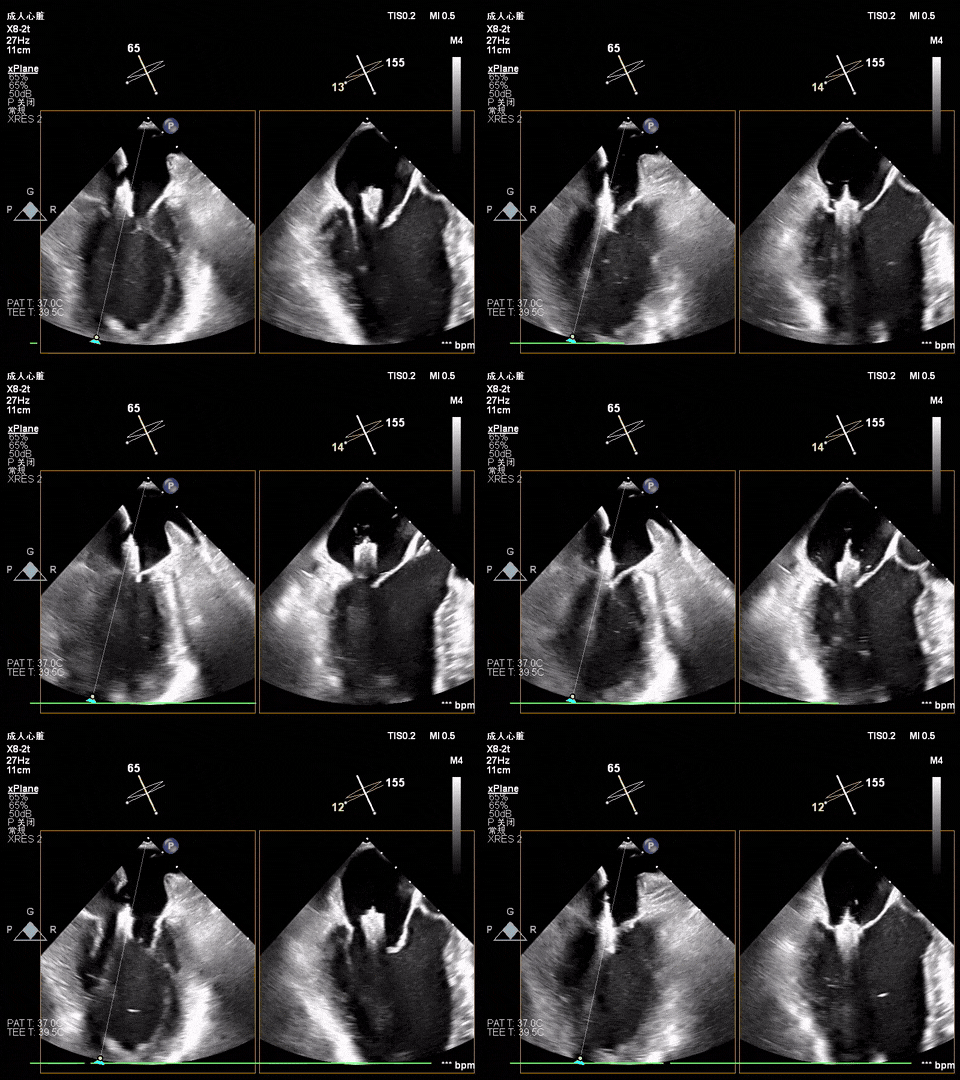
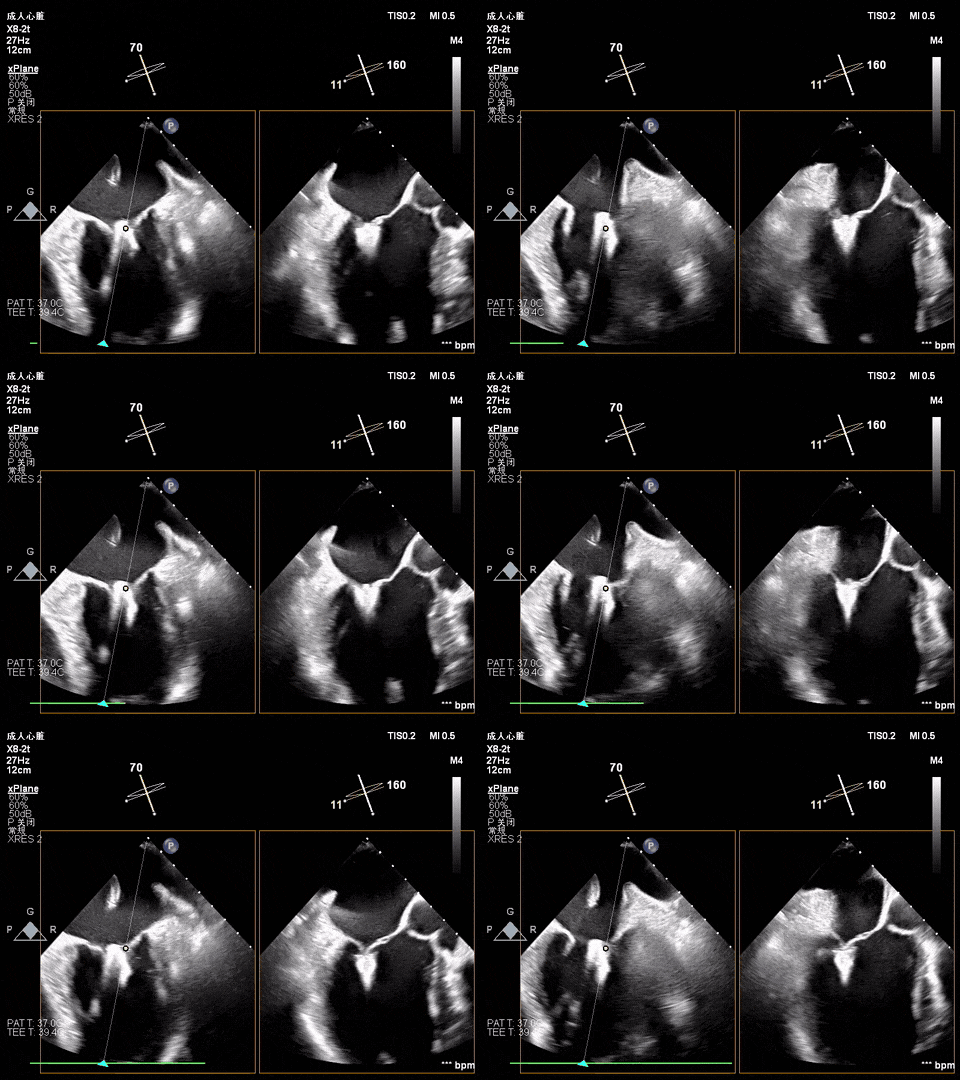
Capture the valve leaflets below the valve and verify the axial position of the valve clip.
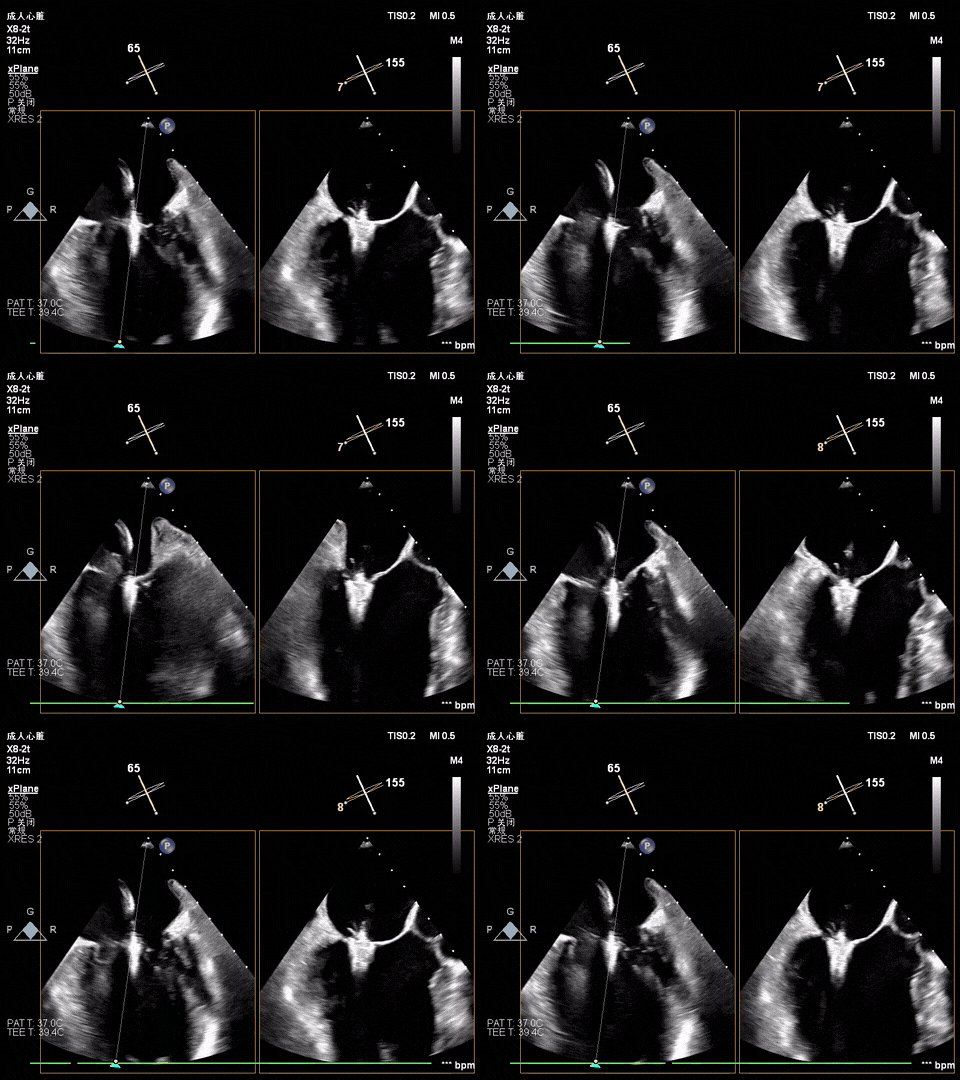
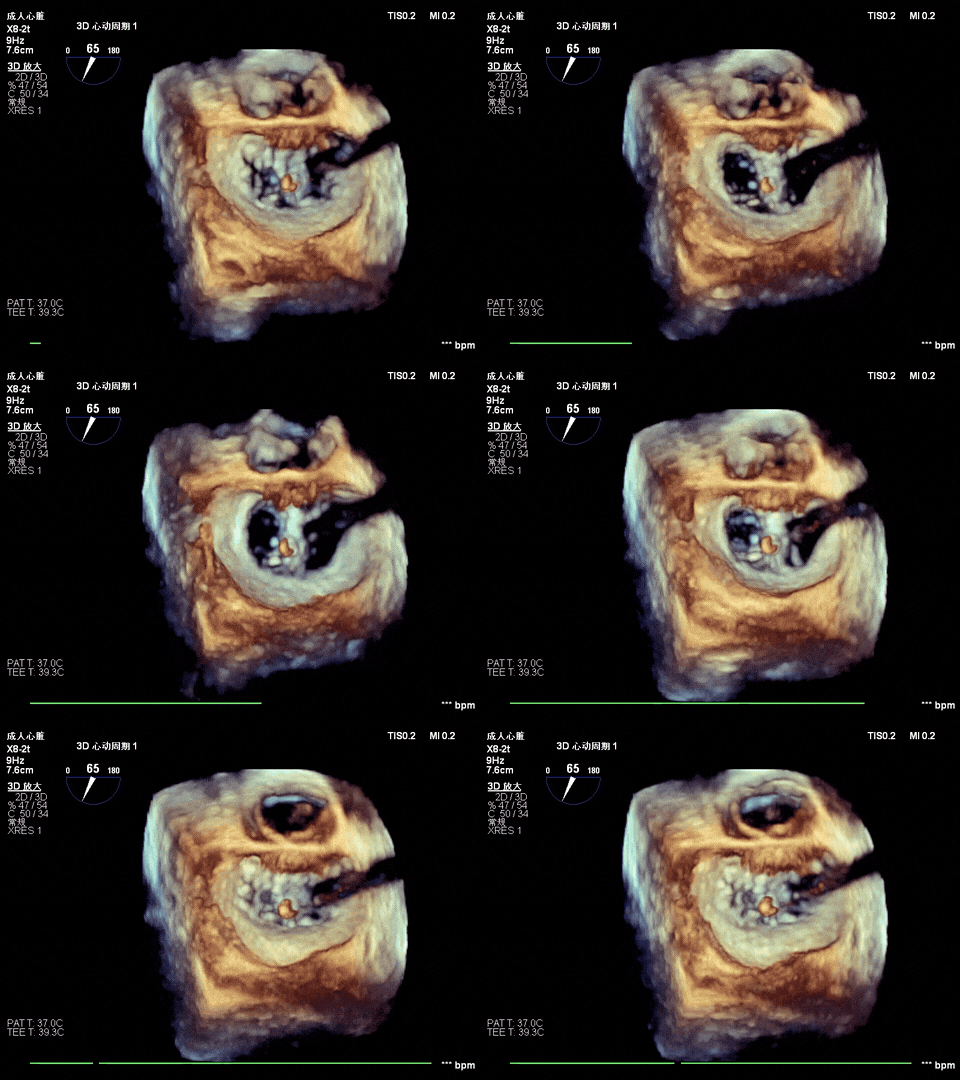
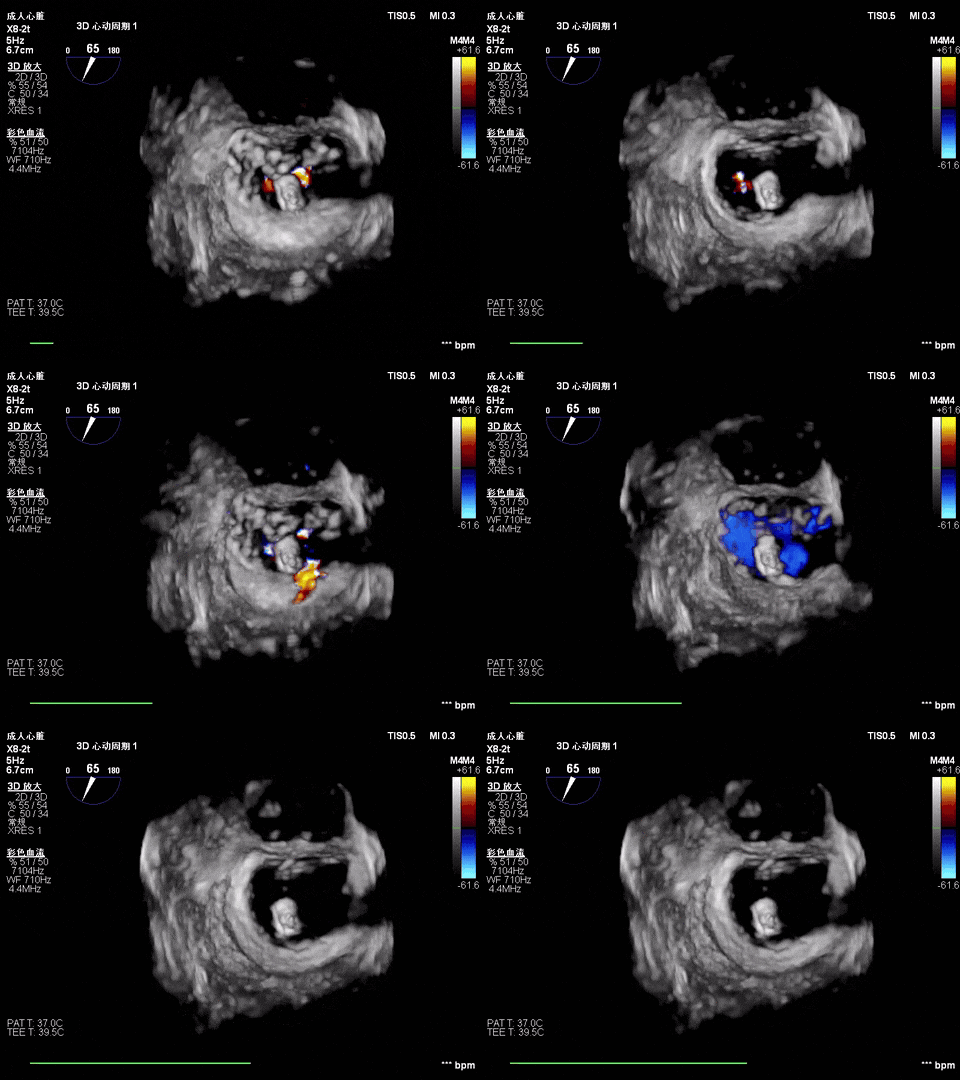
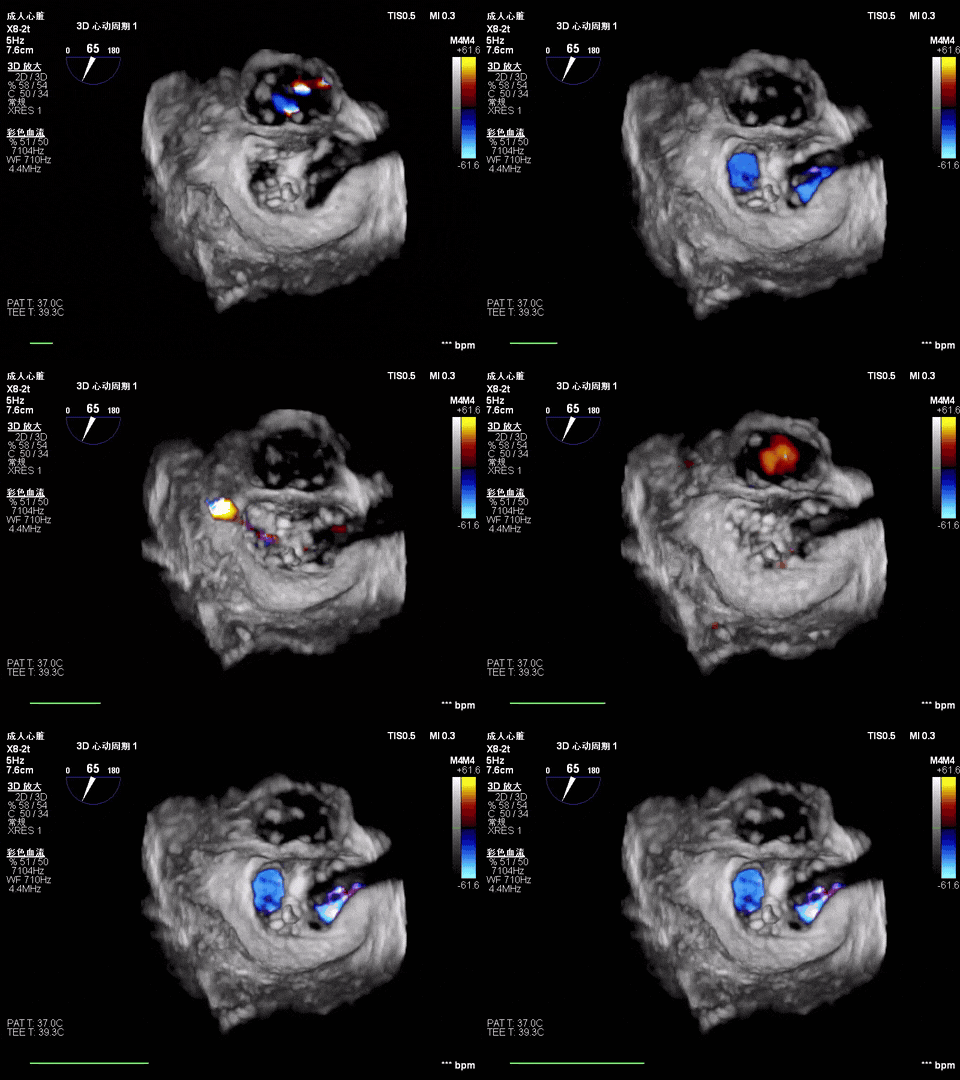
Gradually close the valve clip, 3D observation shows good tissue bridge structure.
Significant reduction in reflux
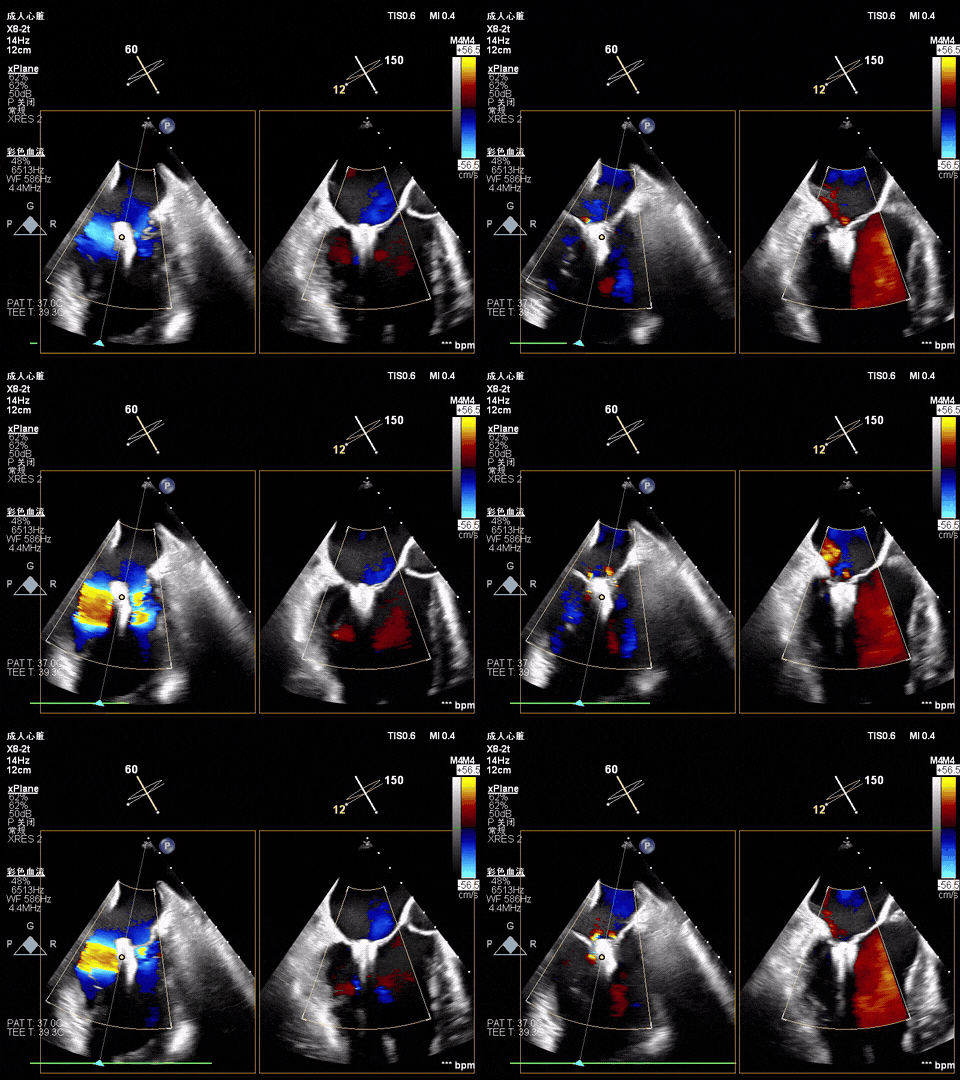
After release, the valve clip is stable, and no significant increase in regurgitation was observed.
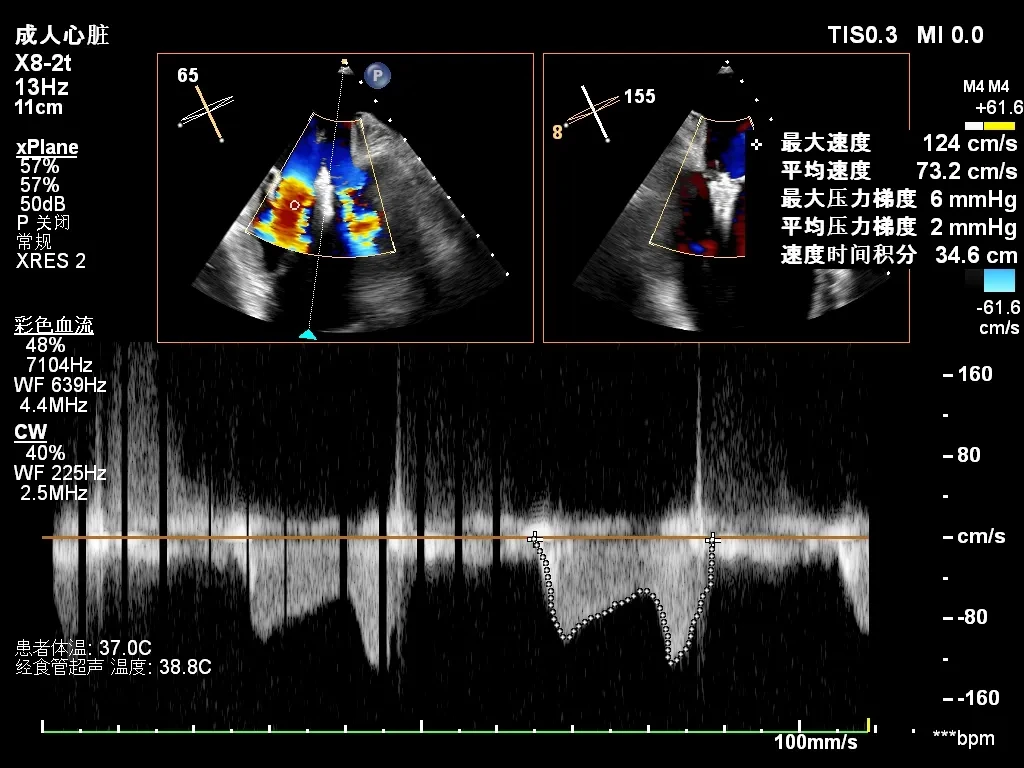
Mean transvalvular pressure gradient 2mmHg
Summary
The surgery in this case proceeded smoothly overall, with remarkable results. Based on the preoperative ultrasound imaging assessment, Director Wu Gang's team formulated a detailed surgical strategy. During the operation, they precisely adjusted the position of the valve clip above the valve and cautiously operated below the valve to capture the anterior and posterior leaflets. Using only one valve clip, they significantly improved the patient’s mitral regurgitation, ensuring both the effectiveness and safety of the procedure.
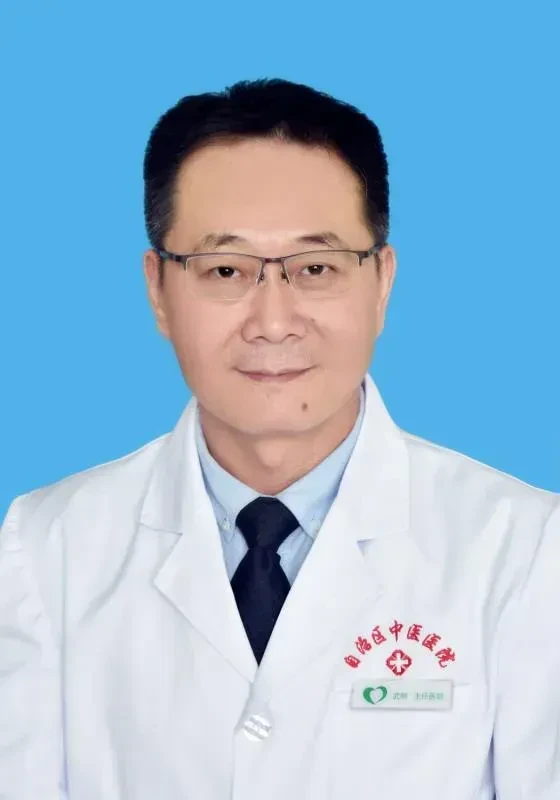
Wu Gang
Interventional diagnosis and treatment of various types of coronary heart disease, especially complex coronary artery lesions, such as: chronic total occlusion, left main artery lesions, bifurcation lesions, rotational atherectomy for coronary calcified lesions, and IVUS (intravascular ultrasound), OCT (optical coherence tomography), FFR (fractional flow reserve) guided optimization of coronary interventions. Additionally, skilled in the implantation techniques of various pacemakers, particularly multi-chamber pacing and ICD implantation, and proficient in handling radiofrequency ablation treatments for common types of supraventricular tachycardia.
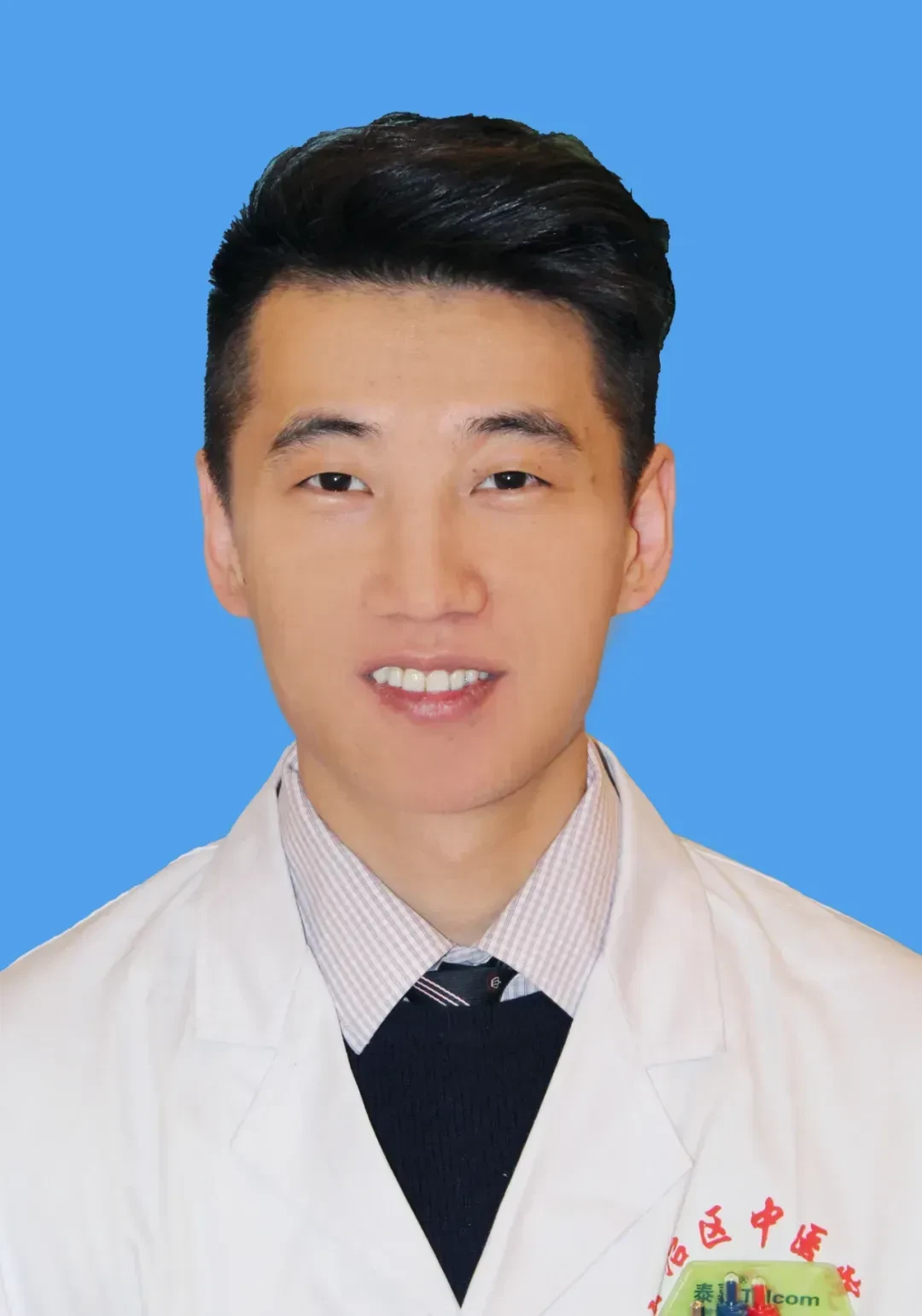
Lu Lu
Precision interventional surgery and comprehensive treatment strategies for complex and difficult coronary heart disease, various pacemaker implantation procedures, interventional occlusion for adult congenital heart disease, and interventional cardiology procedures such as radiofrequency and cryoablation.

Zhai Hong
Chief Physician, Doctor of Medicine, Associate Professor, Master's Graduate Supervisor. Director of the Abdominal Ultrasound Department and Director of the Cardiac Ultrasound Department at the Affiliated Traditional Chinese Medicine Hospital of Xinjiang Medical University; Vice Chairman of the Ultrasound Medicine Special Committee of the Xinjiang Medical Association; Vice President and Secretary General of the Xinjiang Ultrasound Medicine Engineering Society; Standing Committee Member of the Ultrasound Committee of the Chinese Integrative Medicine Association; Standing Committee Member of the Integrative Ultrasound Special Committee of the Chinese Ultrasound Medicine Engineering Society; Standing Committee Member of the Superficial Organs and Musculoskeletal Ultrasound Professional Committee of the China Medicine Education Association; Standing Committee Member of the Ultrasound Professional Committee of the Chinese Medical Imaging Integration Alliance.
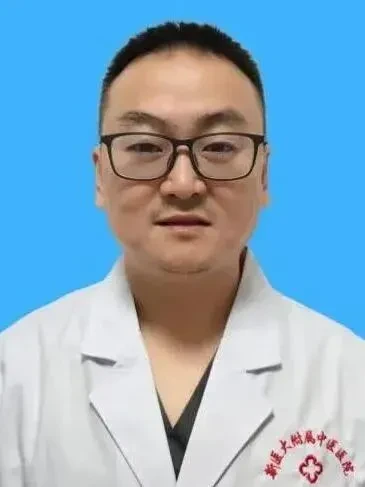
Niu Ming
Associate Chief Physician, with 22 years of experience in ultrasound work. Presided over and participated in one National Natural Science Foundation project, two Autonomous Region Natural Science Foundation projects, one Urumqi municipal project, one Xinjiang Science and Technology Support Project, and one Innovation Project of Xinjiang Medical University. Published dozens of research papers. Currently serves as the leader of the Cardiac Intervention Group in the Ultrasound Department, specializing in interventional treatments under ultrasound monitoring, assisting clinical teams in conducting various routine and complex interventional surgeries, such as Transcatheter Aortic Valve Implantation (TAVI), Transcatheter Mitral Valve Edge-to-Edge Repair (TEER), and Transcatheter Tricuspid Valve Plasty, among others.
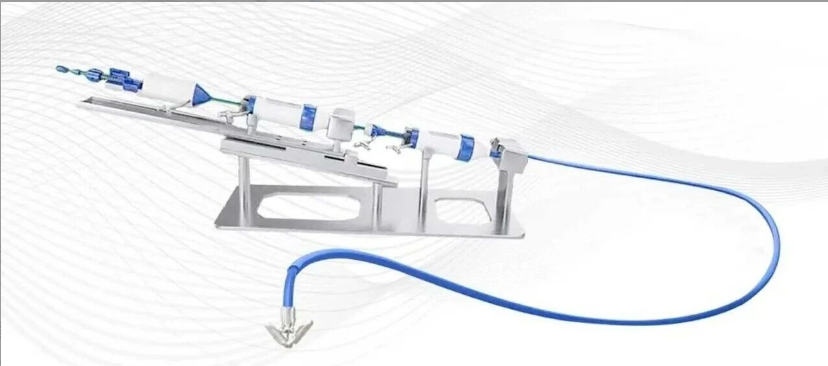
Introduction to Intraoperative Instruments
Kokai Life Sciences: Heart Without "Tangles"
World's First "Lotus Petal" Design, Addressing a Wider Range of Prolapse Lesions
Smaller Radius Bend, Adapting to More Complex Anatomy
"Flexible self-locking" protects the valve leaflets and reduces leaflet damage.
"One-Word Shape" Mitral Valve Clip, Avoiding Chordae Tendineae Entanglement
Visualization window for more precise and convenient operation
Global Launch with the Most Comprehensive Model Specifications, Fully Adapted for Chinese Patients
About Kokai
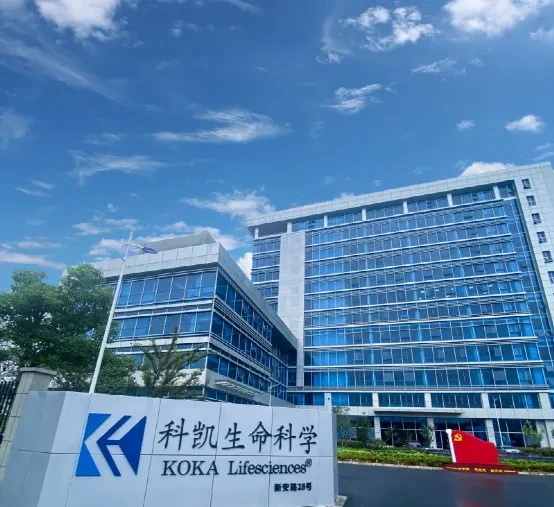
Kokai (Nantong) Life Sciences Co., Ltd. was established in September 2018. It is a high-end biopharmaceutical technology enterprise that integrates the research and development, production, and sales of medical devices in the field of structural heart disease. The company develops systematic solutions for valve diseases targeting different populations, needs, and scenarios. Its technical team is primarily composed of returned R&D personnel from the United States and Germany, with years of experience in the cardiac medical field. Their technical level is among the leading in China and is synchronized with cutting-edge technologies in advanced cardiac medicine worldwide.
The company has been honored with:
2025 Innovation QingShang Award
2024 Hurun Global Cheetah Companies List
2024 Hurun China Healthcare New Forces Enterprises
2023 Hurun Global Cheetah Companies List
Top 100 Emerging Medical Device Companies in China 2023
2023 Future Healthcare 100 Strong List "Top 100 China Innovative Medical Devices"
Innovation Star of the 2022 Outstanding Contribution to Science and Technology Innovation in the North High-Tech Zone of the City
2022 KPMG China's Second Biotech Innovation 50
2022 China Investment Healthcare VENTURE50 List