

Asia's First Transapical Percutaneous Mitral Chordal Reconstruction Patient Completes Six-Month Follow-Up at Zhongshan Hospital, Fudan University
On May 27, 2021, Professor Wang Chunsheng, Director of the Department of Cardiac Surgery at Zhongshan Hospital, Fudan University, and Professor Wei Lai’s team, with assistance from Professor Guo Kefang of the Department of Anesthesiology and Professor Dong Lili of Echocardiography, performed a minimally invasive transapical puncture for posterior leaflet chordae tendineae reconstruction of the mitral valve in a 55-year-old male patient. The procedure successfully reversed severe preoperative regurgitation to immediate postoperative absence of regurgitation.
Preoperative transesophageal echocardiography demonstrated: posterior mitral leaflet prolapse, ruptured chordae tendineae, and severe regurgitation.
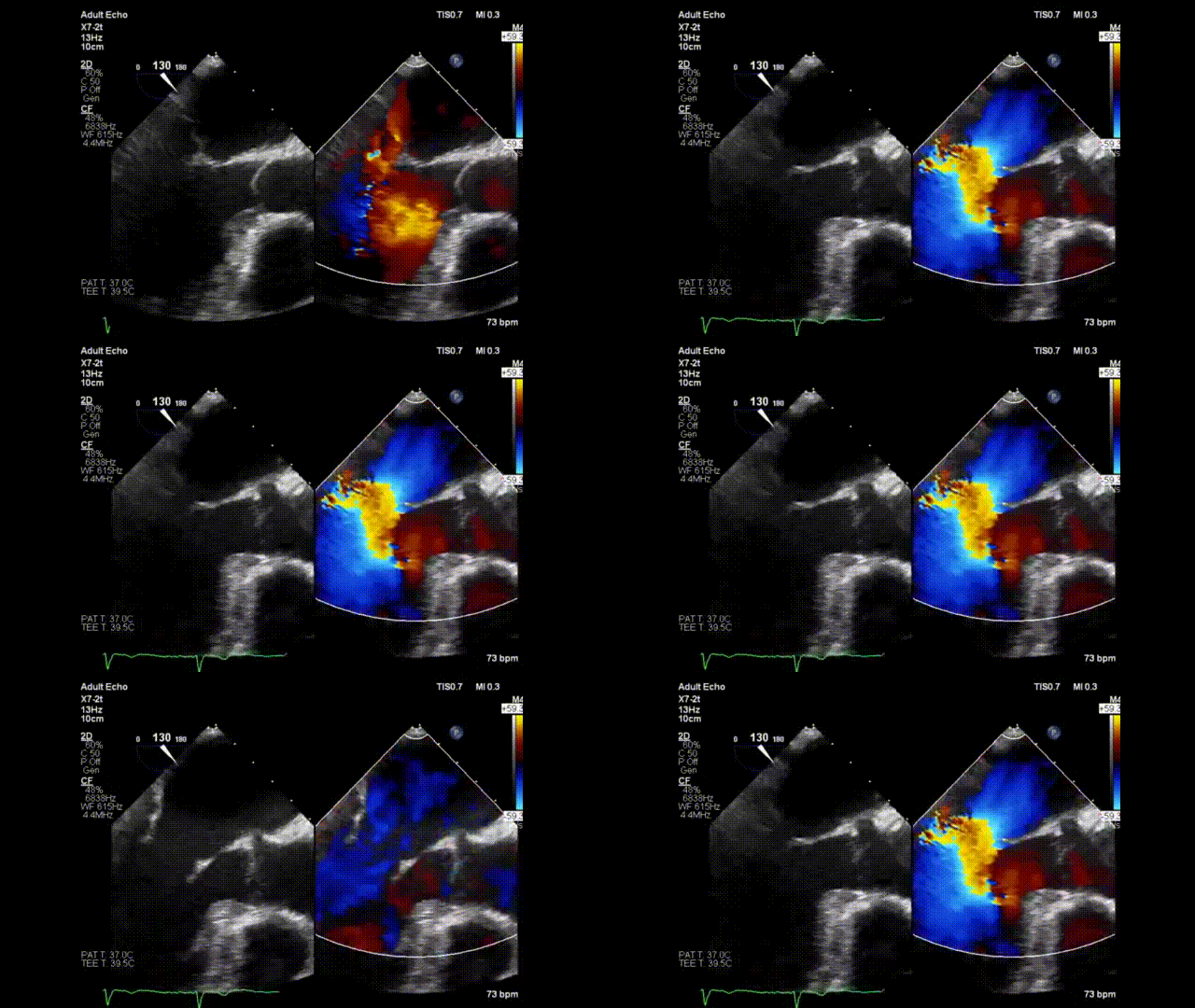
Preoperative Echocardiography
During the procedure, Professor Wei Lai created an approximately 5 cm incision in the left fourth and fifth intercostal spaces of the patient, located inferior to the left nipple or left breast (at the point where the apex beat was most prominent). Under direct visualization combined with ultrasound guidance, the puncture sheath was successfully advanced into the patient’s left ventricle. After 20 minutes of careful maneuvering and attempts, the mitral valve repair device was precisely delivered to the intended puncture site. Following observation of several cardiac cycles via ultrasound imaging, Professor Wei Lai operated the device single-handedly, triggering it with a single button press to simultaneously accomplish both leaflet puncture and artificial chordae tendineae implantation. The implantation of two artificial chordae significantly improved the patient’s mitral regurgitation. Taking into account the patient’s long-term postoperative recovery, Professor Wei Lai assessed the specific clinical situation and decided to implant a third artificial chorda between the first two puncture sites to reinforce the repair outcome. Ultimately, under transesophageal echocardiography guidance, Professor Wei Lai successfully implanted three artificial chordae tendineae in the patient, effectively correcting the regurgitation.
The surgery was successfully completed, with an operative time of only one hour and minimal intraoperative blood loss. The patient regained consciousness quickly and was in good condition postoperatively, and was discharged smoothly on the third day after surgery. A follow-up echocardiogram before discharge showed that the left atrial diameter had significantly decreased to within the normal range (from 45 mm preoperatively to 40 mm), with normal mitral valve structure and function and no regurgitation.
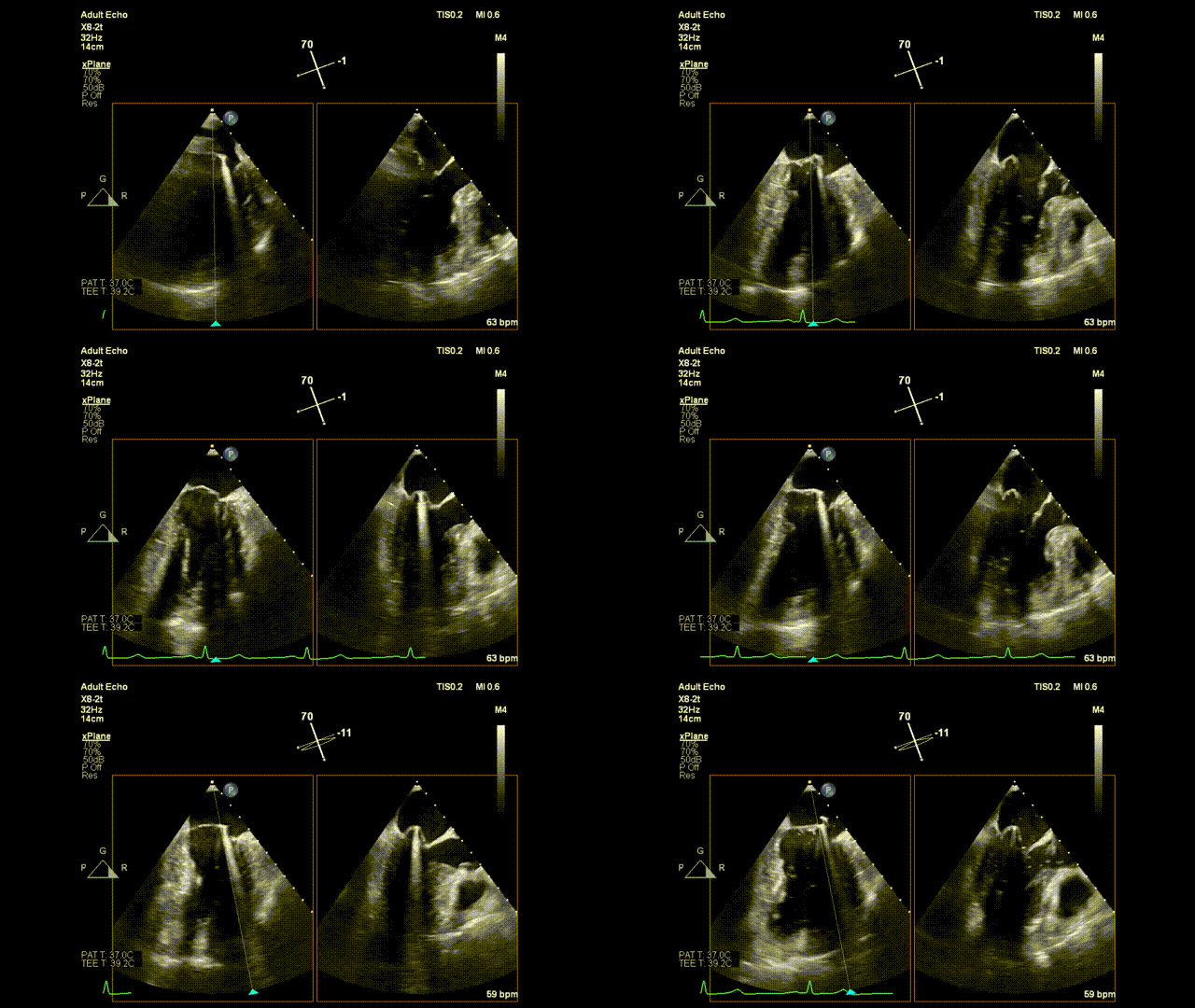
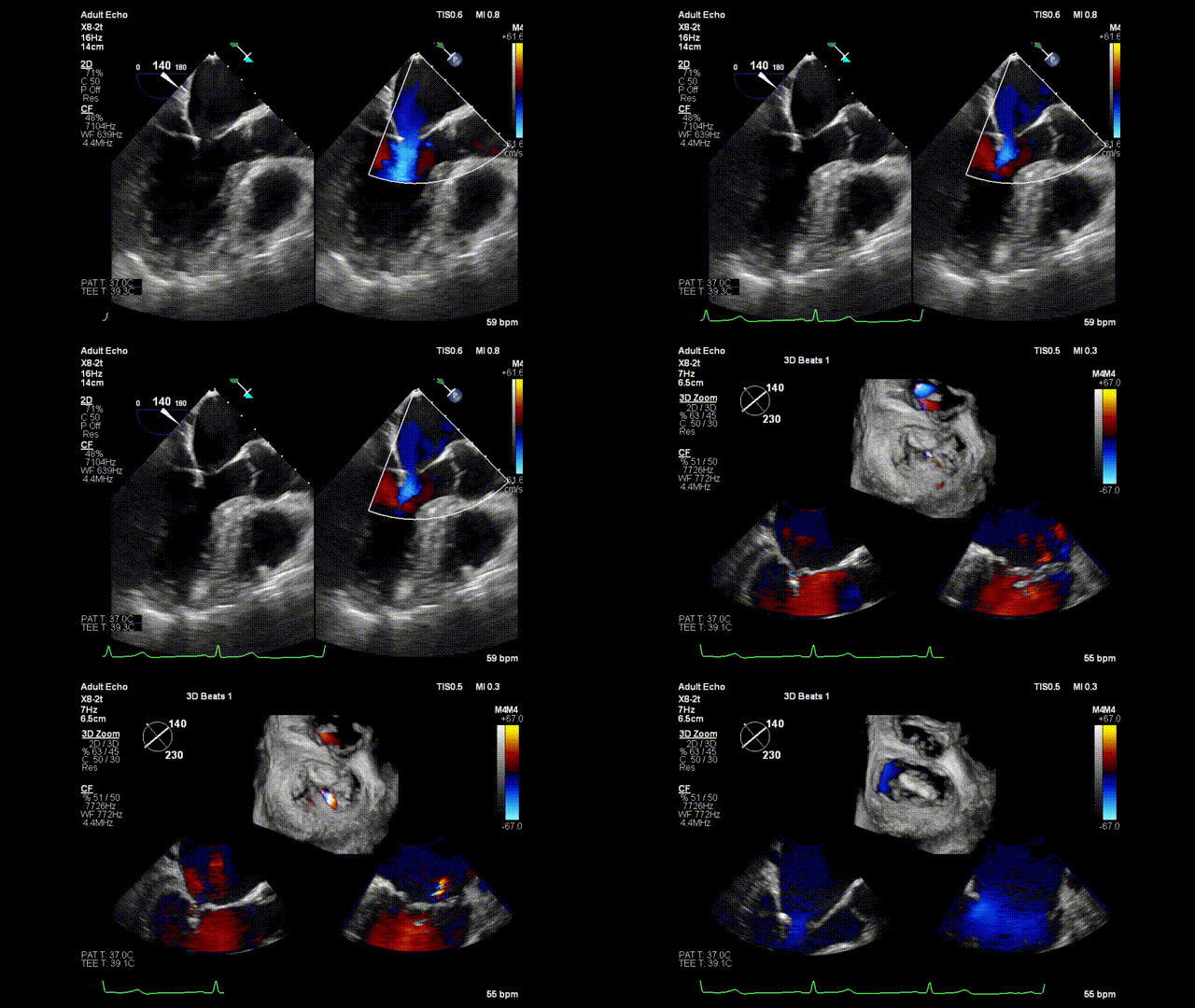
Intraoperative, Postoperative, and Pre-discharge GIFs
The patient completed the 6-month postoperative follow-up on December 10, 2021. Cardiac function improved from NYHA Class III preoperatively to Class I, indicating a favorable recovery. Follow-up echocardiography showed complete resolution of the severe mitral regurgitation present before surgery. The left atrial diameter decreased from 45 mm to 42 mm, and the left ventricular end-diastolic diameter decreased from 53 mm to 47 mm. The left ventricular ejection fraction (LVEF) was 69%. Currently, the patient experiences no chest tightness or shortness of breath after activity, and overall mental status has significantly improved compared with the preoperative period.
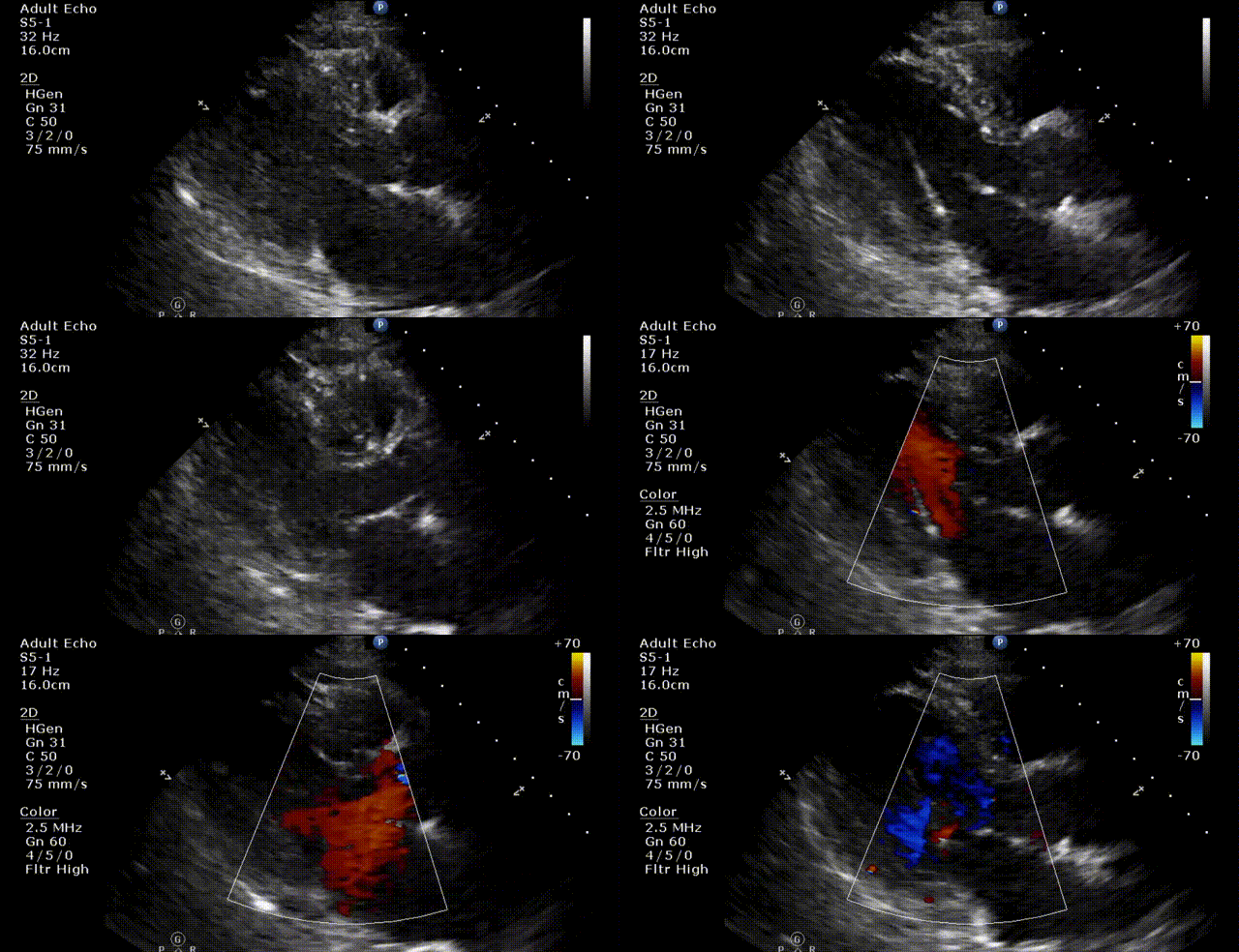
At 6 months postoperatively, transthoracic echocardiography showed no significant mitral regurgitation.
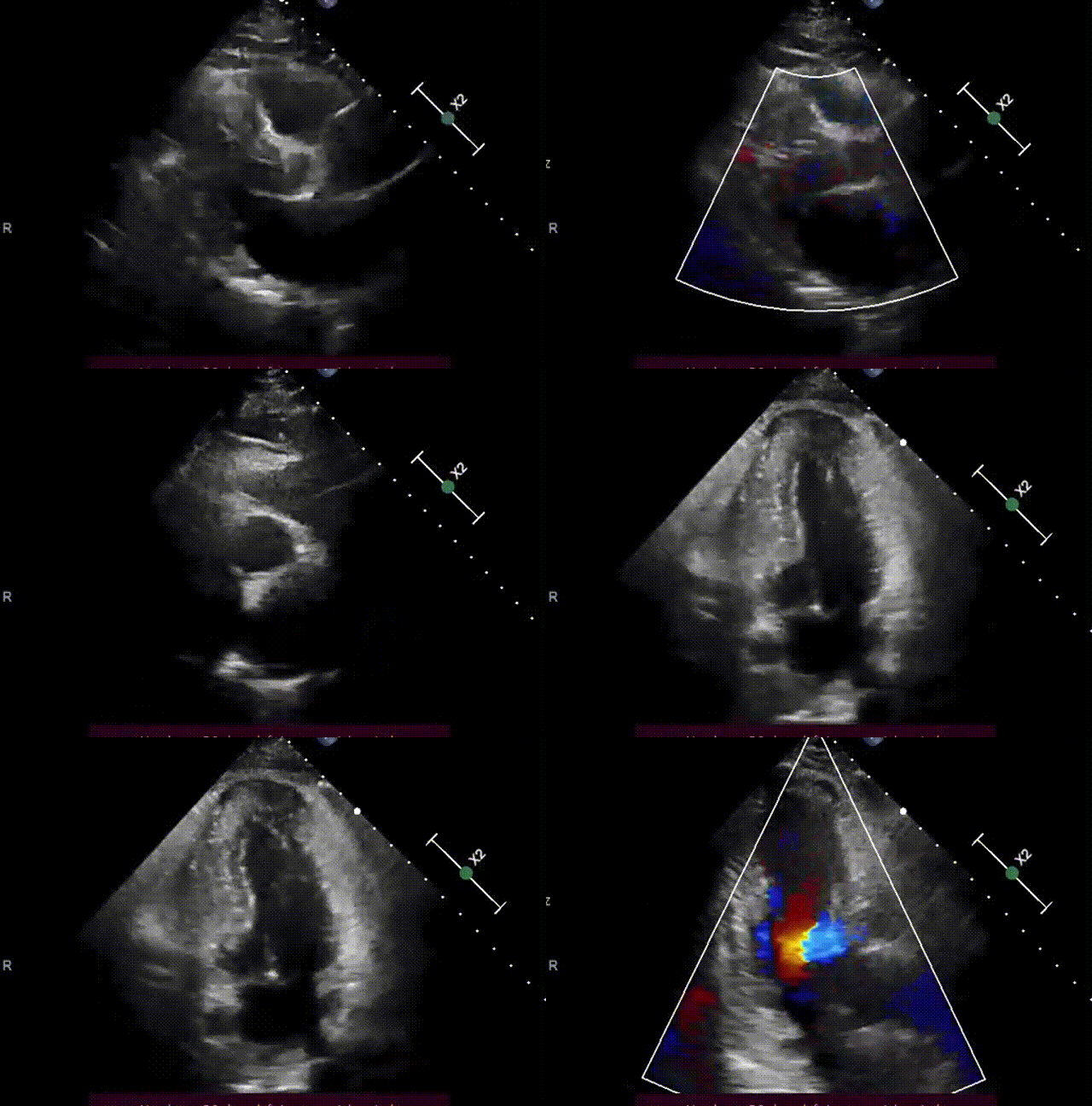
Echocardiography at 6 Months Postoperatively
E-ChordⓇThe design concept of the mitral valve repair device is derived from surgical techniques, achieving physiological mitral valve repair through a minimally invasive approach. Guided by ultrasound and implanted via a transapical approach using a puncture technique, the device enables precise positioning of the neochordae implantation sites. Leaflet puncture and neochordae deployment are performed simultaneously in a single puncture step. The procedure is conducted on a beating heart, allowing for precise adjustment of neochordae length according to the patient’s physiological status. This approach preserves the natural anatomical state of the patient’s leaflets. In addition to neochordae repair, when used in conjunction with MedPeak’s commercially available Easy-KnotⓇ system, it also facilitates edge-to-edge leaflet repair and annuloplasty.
Compared with similar products abroad, E-ChordⓇThe outer diameter of the mitral valve repair device is reduced by two-thirds, and the puncture needle length is more rational, which can avoid injury to atrial tissue while ensuring more reliable chordae tendineae anchoring. The device is easier to operate and learn, making the procedure safer and faster.
In the future, with E-ChordⓇExpanded clinical adoption of the mitral valve repair device will further demonstrate Meditop’s innovative design philosophy, technological advantages, and excellent clinical outcomes. We are confident that the application of this innovative product will have a significant impact on the treatment landscape for mitral valve repair!
Innovation Knows No Bounds; The Future Holds Even Greater Promise!
Zhongshan Hospital’s Department of Cardiac Surgery is a leading authority in the field of heart valve care in China, performing over 3,000 valve procedures annually. It provides patients with comprehensive, professional, rational, and safe solutions for minimally invasive heart valve surgery, including thoracoscopic surgery, robotic-assisted surgery, mini-thoracotomy, and various transcatheter valve interventions.
For patients who meet the screening criteria, you may also voluntarily enroll in multiple free clinical research programs on interventional valve procedures conducted by the Department of Minimally Invasive Cardiovascular Surgery at Zhongshan Hospital. These programs cover the treatment of aortic, mitral, tricuspid, and pulmonary valve diseases. You will not only benefit from the most advanced minimally invasive techniques available internationally but also significantly reduce out-of-pocket expenses for your family, while receiving professional long-term follow-up care provided by our team at no cost.
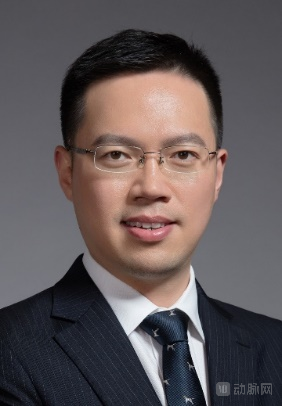
Prof. Wei Lai, Chief Physician, Doctoral Supervisor
Director, Department of Minimally Invasive Cardiovascular Surgery, Zhongshan Hospital Affiliated to Fudan University
Deputy Director of the Department of Cardiac Surgery, Zhongshan Hospital Affiliated to Fudan University
Deputy Director, Shanghai Engineering Research Center for Heart Valve Technology
Vice Chairman, Cardiac and Great Vessel Surgery Branch, Shanghai Medical Association
Standing Committee Member and Secretary-General, Minimally Invasive Cardiovascular Surgery Professional Committee, National Center for Cardiovascular Diseases
National Committee Member, Society of Thoracic and Cardiovascular Surgery, Chinese Medical Association
National Committee Member, Branch of Cardiovascular Surgeons, Chinese Medical Doctor Association
Vice Chair, Heart Valve Disease Expert Committee, Endovascular Branch of the Chinese Medical Doctor Association
Standing Committee Member, Robotic Surgery Branch of the Chinese Medical Doctor Association
Special Needs Outpatient Clinic: Wednesday Morning (3rd Floor, Building 15, Zhongshan Hospital)
Expert Clinic: Wednesday Afternoon (3rd Floor, Building 16, Zhongshan Hospital)