

Fudan University Zhongshan Hospital Successfully Completes First Two Implants of Novel Domestic PT-Valve® Transcatheter Pulmonary Valve
Valvular heart disease has become the third most common cardiovascular disease, posing a serious threat to human health. Traditional open-heart surgery is the primary treatment for valvular heart disease; however, it requires thoracotomy, cardiopulmonary bypass, and cardiac arrest, resulting in high surgical risks for elderly patients, those with a history of prior thoracic surgery, and individuals with poor cardiopulmonary function. PT-Valve®It is a novel, domestically produced transcatheter pulmonary valve system. The implantation procedure does not require open-heart surgery, causes minimal trauma to patients, involves virtually no bleeding, and allows for rapid recovery. Recently, two successful implantations were completed by the Department of Cardiac Surgery at Zhongshan Hospital, Fudan University, bringing hope to patients with severe pulmonary regurgitation or stenosis.
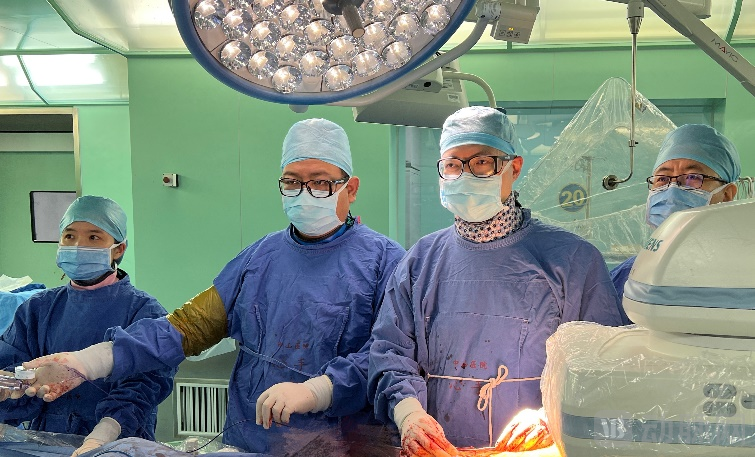
The patient is a 36-year-old female who underwent open-heart surgical correction for congenital heart disease (tetralogy of Fallot) 14 years ago. In May of this year, she again experienced chest tightness and shortness of breath after exertion, accompanied by palpitations, cyanosis, and nausea. Echocardiography indicated severe pulmonary valve regurgitation.
After evaluating the patient, Professor Wei Lai, Deputy Director of the Department of Cardiac Surgery and Director of Minimally Invasive Cardiovascular Surgery at Zhongshan Hospital, determined that the patient’s symptoms were caused by right heart dysfunction secondary to severe pulmonary valve regurgitation, and that pulmonary valve replacement would effectively alleviate these symptoms. However, the pulmonary patch implanted during the patient’s initial surgery had become severely calcified, posing significant risks for a repeat open-heart valve replacement. Performing transcatheter pulmonary valve implantation via a peripheral vascular approach would substantially reduce surgical risk while achieving comparable therapeutic outcomes.
Following rigorous preoperative measurement and assessment, on November 25, Professor Wang Chunsheng and Professor Wei Lai’s team performed the surgery with assistance from Professor Guo Kefang of the Department of Anesthesiology, Professor Dong Lili of Echocardiography, and others. Preoperative right heart catheterization angiography demonstrated significant diastolic regurgitant flow across the pulmonary valve. Via the right femoral venous approach, an extra-stiff guidewire was advanced into a branch of the pulmonary artery. The PT-Valve transcatheter pulmonary valve was then delivered along the guidewire to the main pulmonary artery. Based on preoperative planning, the valve was gradually deployed after accurate positioning under angiographic guidance. Repeat pulmonary angiography and transesophageal echocardiography confirmed proper stent positioning and normal leaflet function, with no evidence of significant pulmonary regurgitation or paravalvular leak.
The entire procedure lasted approximately one hour, with minimal intraoperative bleeding. The endotracheal tube was extubated immediately after surgery, and the patient was transferred to a general ward on the same day. The patient was discharged on the second postoperative day. At the three-week follow-up, recovery has been favorable.
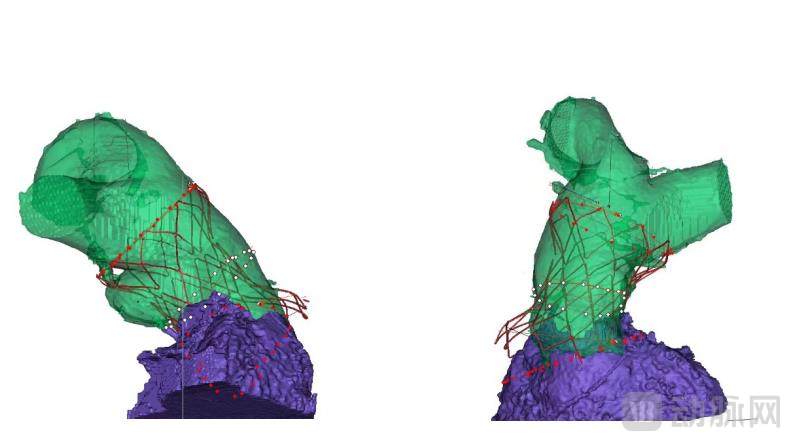
Preoperative 3D Reconstruction Assessment
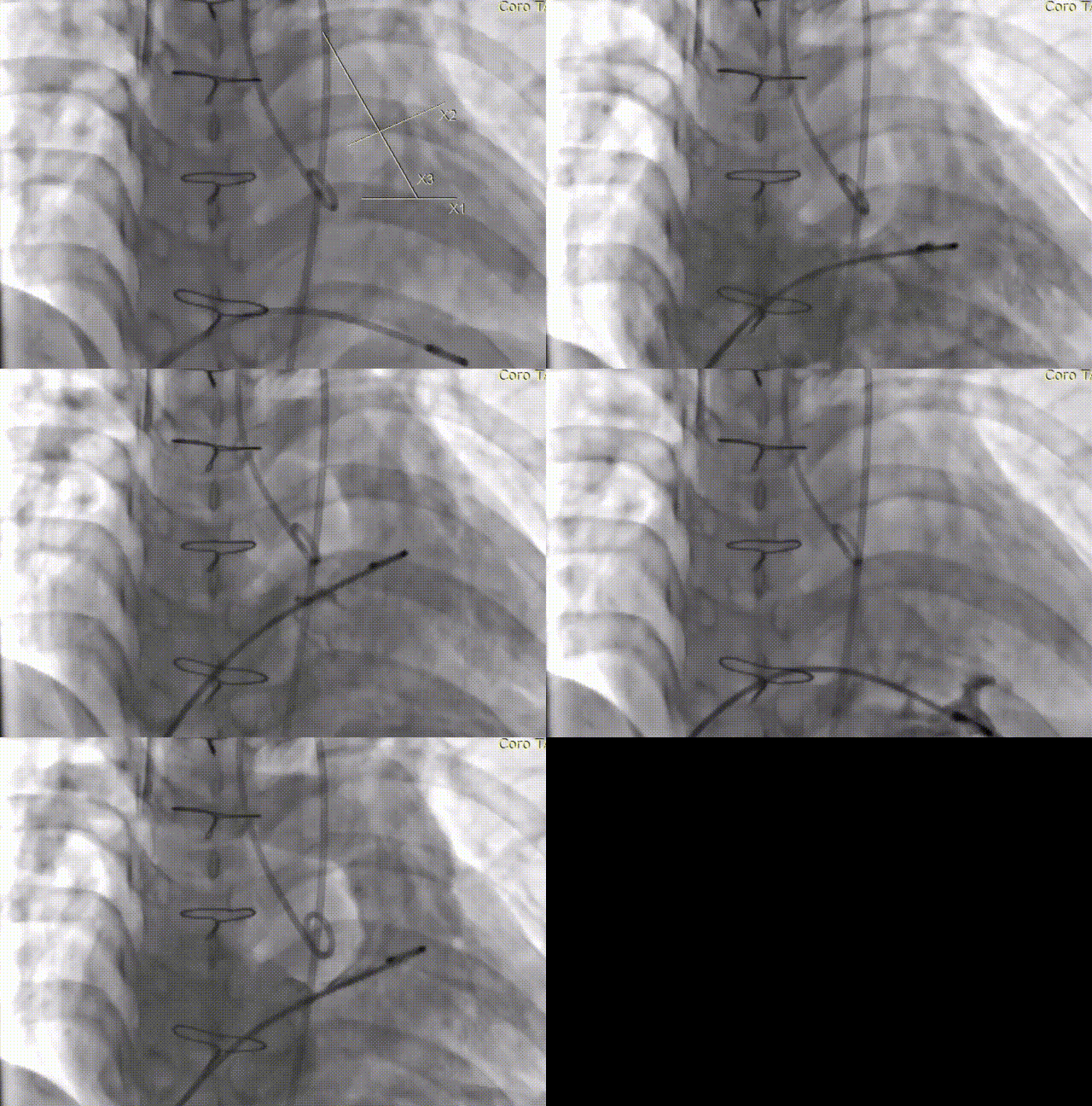
Preoperative Angiography (Anteroposterior View)
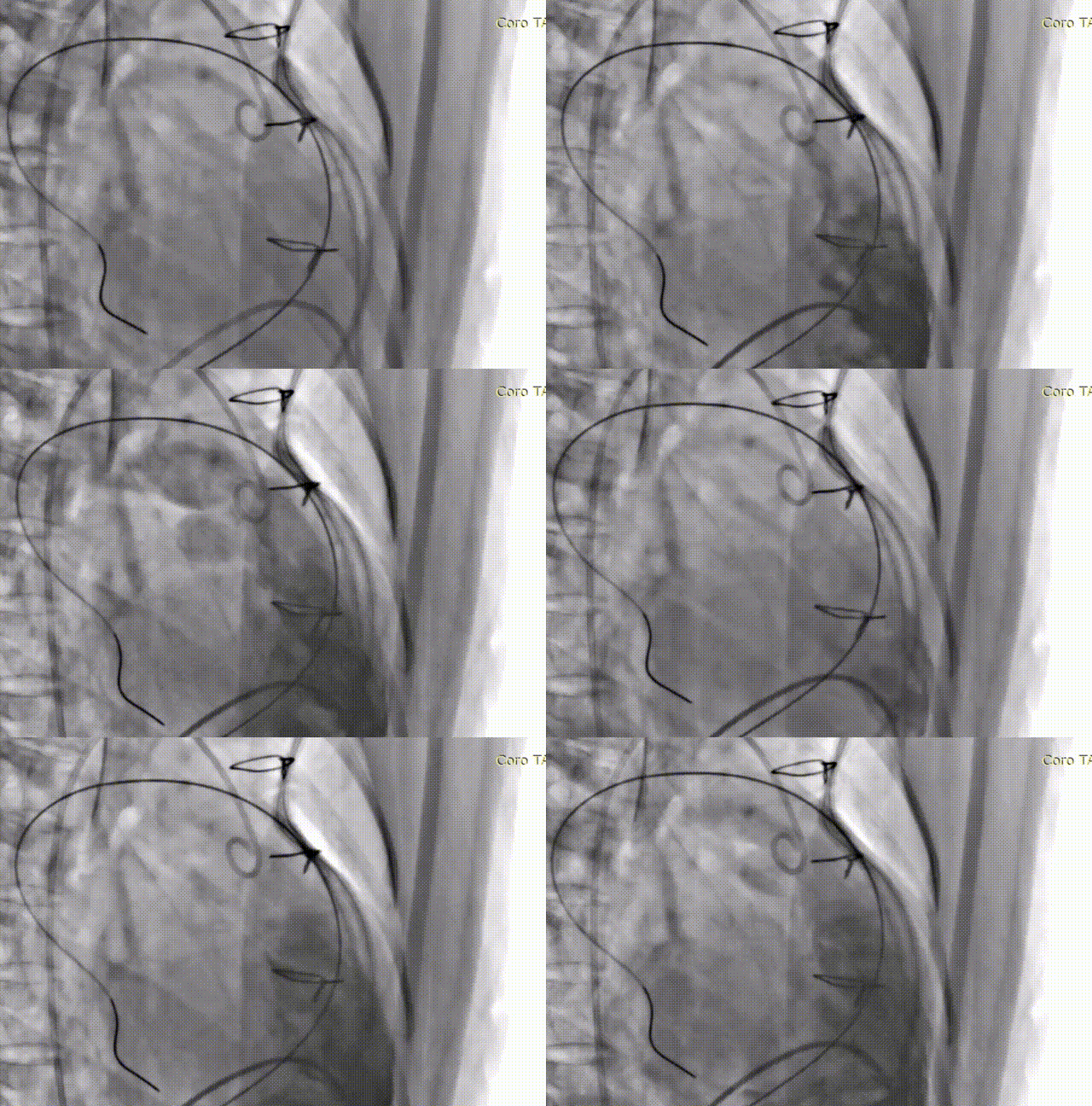
Preoperative Angiography (Lateral View)
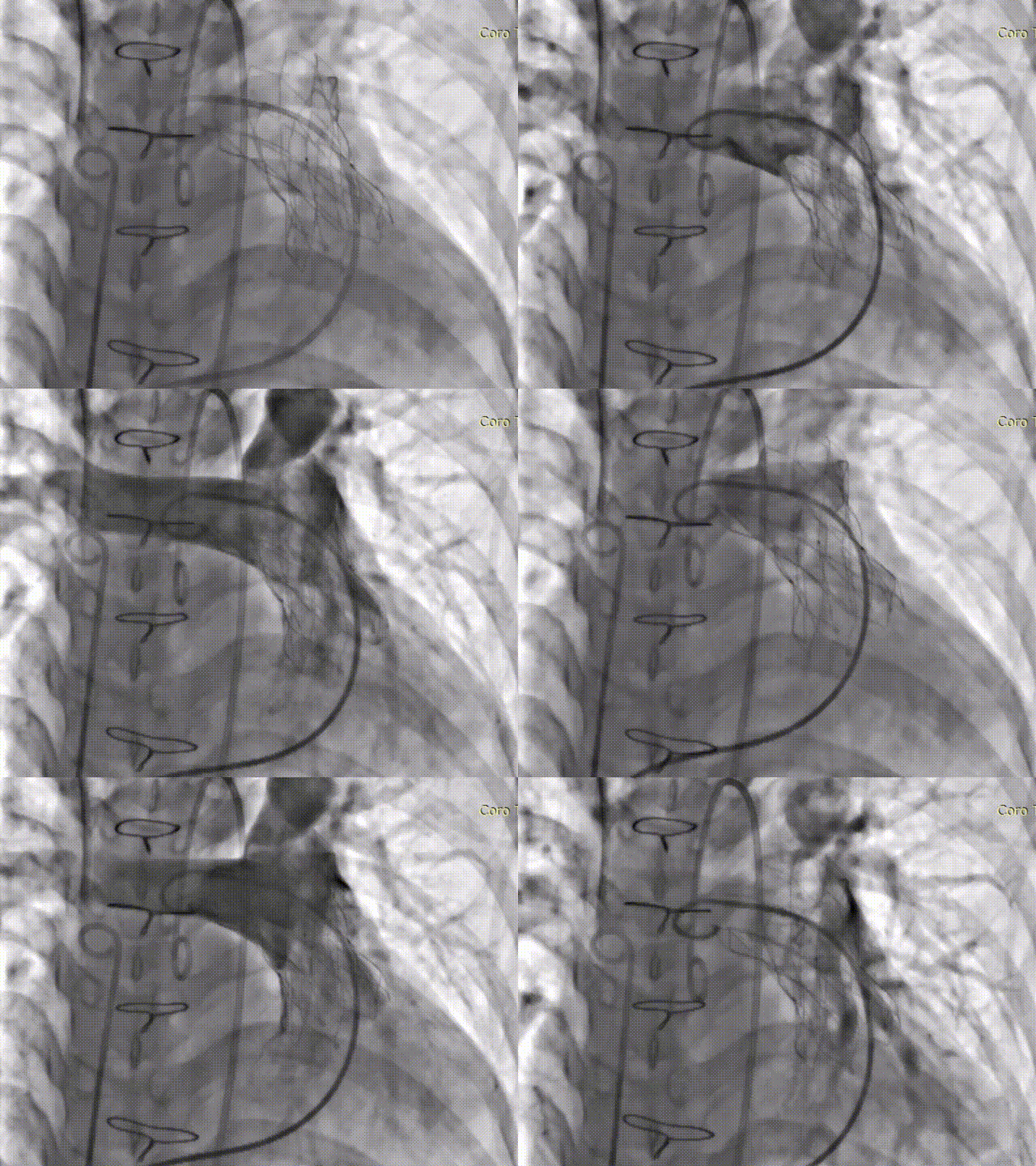
Postoperative Angiography (Distal)
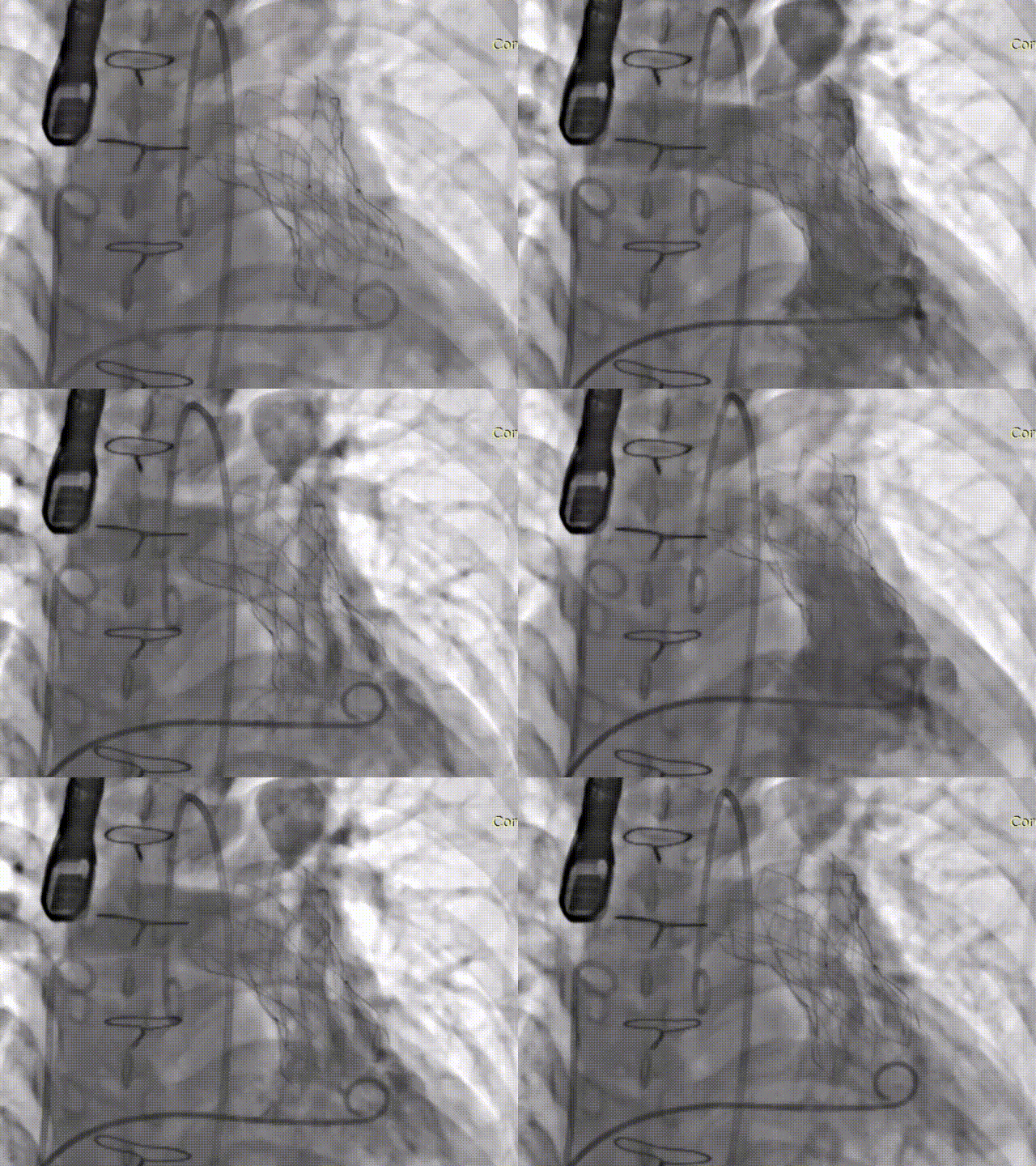
Postoperative Angiography (Proximal)
The patient is a 73-year-old female who underwent open-heart surgery for correction of congenital heart disease (tetralogy of Fallot) 16 years ago. Three years ago, she began experiencing recurrent, refractory edema in both lower extremities, with poor response to oral diuretics. In June of last year, her lower extremity edema worsened further, accompanied by fatigue, anorexia, and weight loss. Echocardiography revealed severe pulmonary valve regurgitation.
After evaluating the patient, Professor Wang Chunsheng determined that, given the patient’s advanced age and frailty, severe pulmonary regurgitation was the primary clinical issue. However, redo sternotomy for valve replacement carried substantial risk. Therefore, transcatheter pulmonary valve replacement using the PT-Valve system, which offers minimal invasiveness, shorter operative time, and faster recovery, was considered a safer option.
Following rigorous preoperative measurement and assessment, on December 10, Professor Wang Chunsheng and Professor Wei Lai’s team performed the surgery with assistance from Professor Guo Kefang of the Department of Anesthesiology, Professor Dong Lili of Echocardiography, and others. The surgical procedure was similar to the first case. Postoperative pulmonary angiography and transesophageal echocardiography demonstrated proper positioning of the valve stent and normal leaflet function, with no significant pulmonary regurgitation or paravalvular leak observed. The core procedural time, from femoral venous access with the delivery system to its removal from the body, did not exceed 10 minutes. There was minimal bleeding during the operation. The patient was extubated and returned to the ward on the second postoperative day and was discharged on the fourth postoperative day.
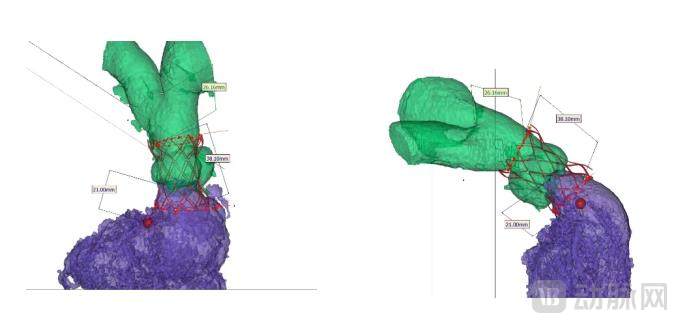
Preoperative 3D Reconstruction Assessment
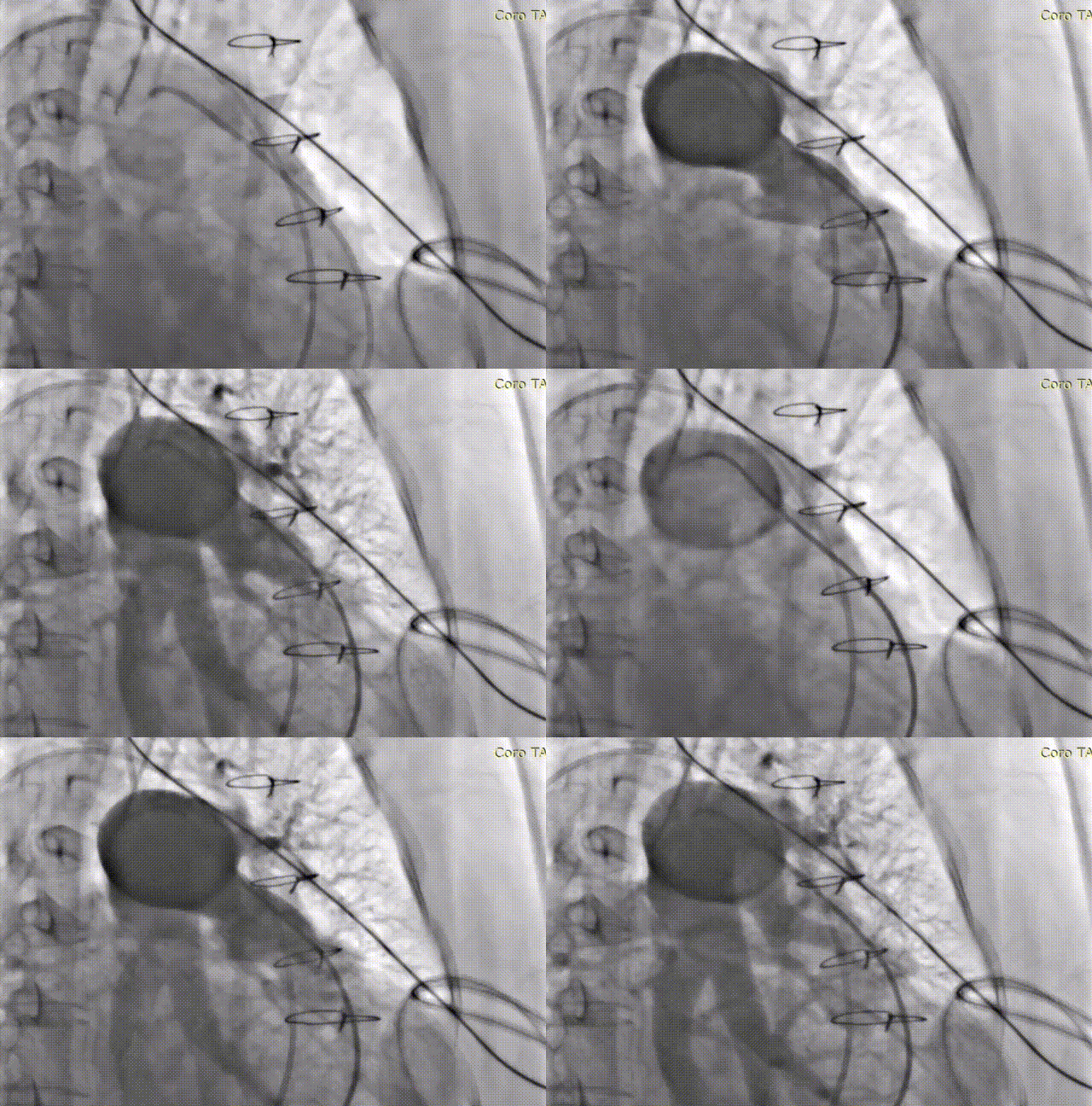
Preoperative Angiography
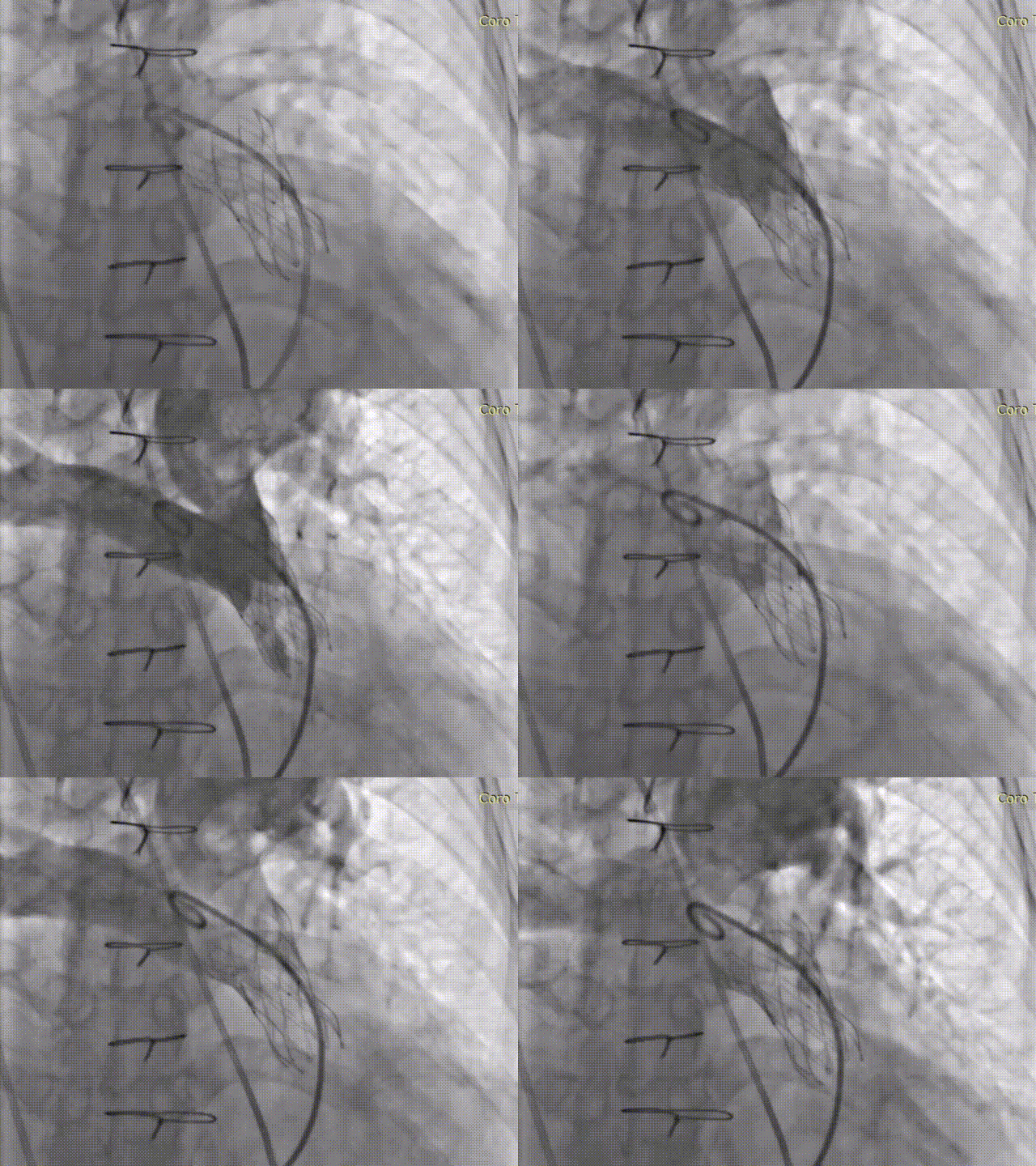
Postoperative Angiography (Distal)
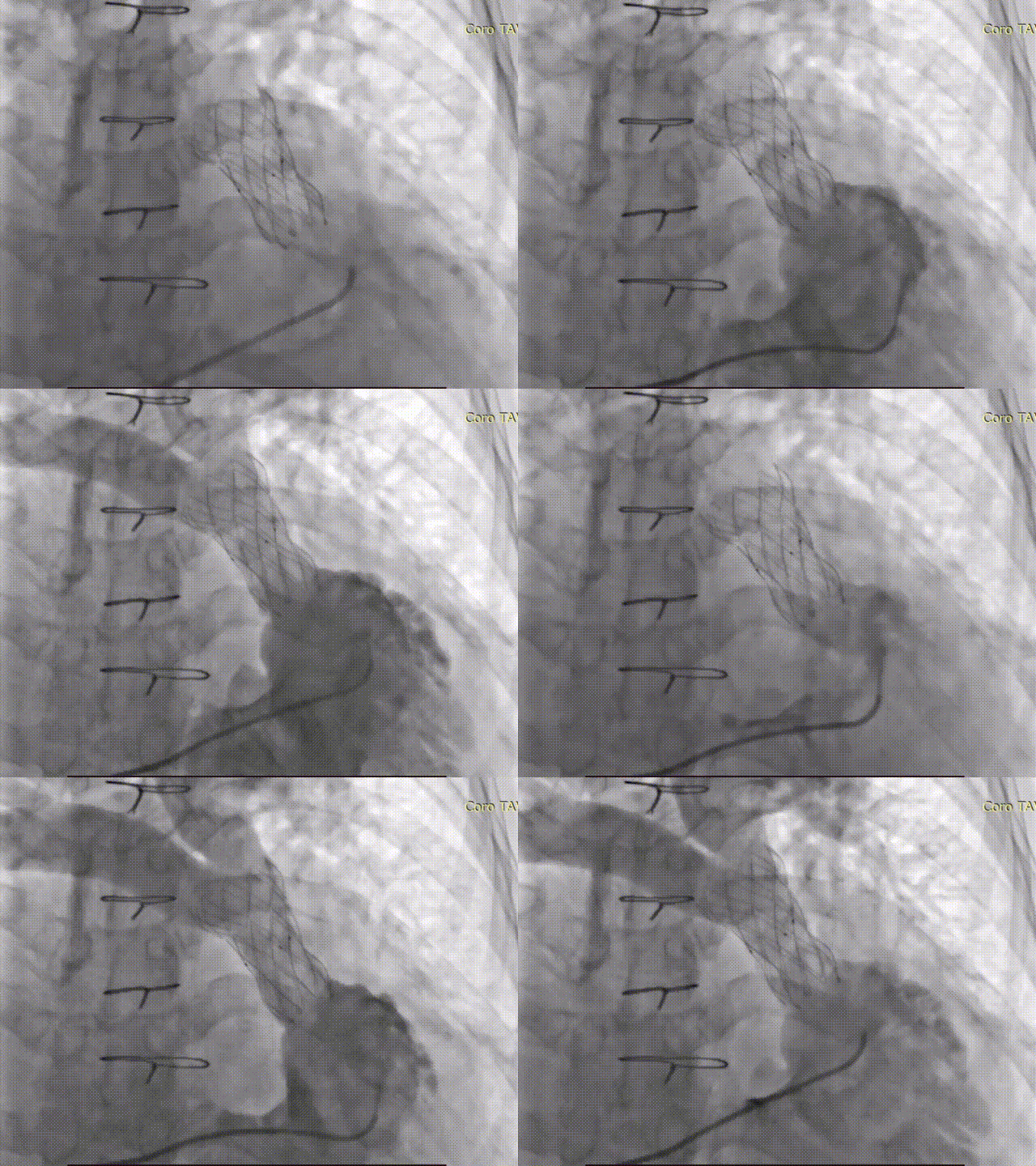
Postoperative Angiography (Proximal)
PT-Valve®The transcatheter pulmonary valve is a new generation of domestically produced self-expanding valve developed by Beijing Medtop Technology Co., Ltd. It is primarily indicated for pulmonary regurgitation or stenosis following surgical correction of congenital heart disease. Featuring advantages such as broad applicability, minimal invasiveness, low procedural risk, and ease of manipulation, the device effectively improves cardiac function in these patients and significantly enhances their quality of life. Compared with conventional therapies, it demonstrates distinct technical advantages and superior clinical value.
Zhongshan Hospital’s Department of Cardiac Surgery is a leading authority in the field of heart valve disease in China, performing over 3,000 valve procedures annually. It provides patients with comprehensive, professional, rational, and safe solutions for minimally invasive heart valve surgery, including thoracoscopic surgery, robotic-assisted surgery, mini-thoracotomy, and various transcatheter valve interventions.
For patients who meet the screening criteria, you may also voluntarily enroll in multiple free clinical research programs on interventional valve procedures conducted by the Department of Minimally Invasive Cardiovascular Surgery at Zhongshan Hospital. These programs cover the treatment of aortic, mitral, tricuspid, and pulmonary valve diseases. You will not only benefit from the most advanced international minimally invasive therapeutic techniques but also significantly reduce financial burdens for your family, while receiving professional long-term follow-up care provided by our team free of charge.

Prof. Wei Lai, Chief Physician, Doctoral Supervisor
Director, Department of Minimally Invasive Cardiovascular Surgery, Zhongshan Hospital Affiliated to Fudan University
Deputy Director, Department of Cardiac Surgery, Zhongshan Hospital Affiliated to Fudan University
Deputy Director, Shanghai Heart Valve Engineering Technology Research Center
Vice Chair, Cardiac and Great Vessel Surgery Branch, Shanghai Medical Association
Standing Committee Member and Secretary-General of the Professional Committee on Minimally Invasive Cardiovascular Surgery, National Center for Cardiovascular Diseases
National Committee Member, Thoracic and Cardiovascular Surgery Branch of the Chinese Medical Association
National Committee Member, Branch of Cardiovascular Surgeons, Chinese Medical Doctor Association
Vice Chairman, Heart Valve Disease Expert Committee, Endovascular Branch of the Chinese Medical Doctor Association
Standing Committee Member, Robotic Surgery Branch of the Chinese Medical Doctor Association
Special Needs Outpatient Clinic: Wednesday Morning (3rd Floor, Building 15, Zhongshan Hospital)
Specialist Clinic: Wednesday Afternoon (3rd Floor, Building 16, Zhongshan Hospital)