

Dr. Song Haibo of West China Hospital: Professor Liu Jin Opened the Door to Innovation, but Walking Through It Relies on Oneself
To further clarify the pathways for medical device and technological innovation centered on research-oriented hospitals, VCBeat Chengguo Bureau and the Sichuan Western Medical Technology Transfer Center have jointly launched survey interviews targeting various innovation teams within research-oriented hospitals, jointly exploring new models for hospital-based innovation translation.

Personal Profile: Chief Physician, Department of Anesthesiology, West China Hospital; Chairman, Anesthesia Ultrasound Group, Ultrasound Medicine Professional Committee, China Medical Education Association; Secretary-General, Intelligent Medicine Branch, Sichuan Computer Society; Academic Secretary, Ultrasound Group, Anesthesiology Branch, Chinese Medical Association; Member, Expert Committee, Specialized Capacity Building Project for Ultrasound Medicine. Editor-in-Chief of the textbook "Clinical Department Ultrasound Skills Volume" published by the National Health Commission's Continuing Education Center. First proposed the method of "continuous echocardiographic monitoring" worldwide and pioneered the development of a wearable color Doppler ultrasound diagnostic system. First proposed the "West China Weisimo Simulation Teaching Method" and pioneered TEE simulation teaching equipment based on real cardiac ultrasound images.
Research Direction: Research on intelligent recognition, classification, and automated analysis and measurement techniques for cardiovascular ultrasound images; wearable cardiovascular imaging technology; translational research on perioperative circulatory function monitoring; research on morphological simulation techniques for the circulatory system; and research on hemodynamic visualization simulation technology.
Research Findings: Presided over 6 national and provincial projects, including one General Program project of the National Natural Science Foundation of China. Secured over 2 million RMB in vertical research funding. Undertook two industry-sponsored projects, with technology transfer earnings exceeding 4 million RMB. Holds 7 patents authorized by the Chinese government, including 4 utility model patents. Awarded the Third Prize of the Sichuan Provincial Science and Technology Progress Award and the Third Prize of the Chengdu Science and Technology Progress Award in 2015. In 2016, the project “Innovative Application and Promotion of Ultrasound Visualization Technology in the Perioperative Period” received the First Prize of the Sichuan Medical Science and Technology Award.
This September, a piece of“West China Hospital Doctor Liu Jin Donates 100 Million Yuan to Establish a Special Fund for Training Outstanding Physicians”has sparked widespread attention across all sectors of society.
It is understood that since June last year, West China Hospital of Sichuan University and YichangHumanwell HealthcareSigned"Novel Skeletal Muscle Relaxants""Ultra-long-acting local anesthetics"Two patent licensing and project co-development contracts, with a total amount of 750 million yuan. As the patents involved in both contracts were developed and produced by Professor Liu Jin and his team, according to“The West China Nine”, Professor Liu Jin personally received a reward of 100 million yuan.
Professor Liu Jin is the “head” of the Department of Anesthesiology at West China Hospital and a “pioneer” in the translation of scientific research achievements. The proposal he put forward“4P4B4S”The concept has provided clear direction for many physicians in their scientific research, includingProfessor Song Haibo, Expert in the Department of Anesthesiology, West China Hospital, he personally participated in Professor Liu Jin's scientific research projects and also achieved certain accomplishments in the translation of scientific research outcomes.
It is reported that,Prof. Haibo SongPresided over a total of six national and provincial projects, including one General Program project funded by the National Natural Science Foundation of China, with vertical research funding exceeding RMB 2 million. Undertook two industry-sponsored projects, generating over RMB 4 million in technology transfer revenue. Currently holds seven patents granted by the Chinese government, including four utility model patents. With the support of West China Hospital, the research team has established a company that is currently in operation.
Why Has West China Hospital Achieved Consecutive Successes in Translating Scientific Research Outcomes? Hailed as a Domestic Model for Translation“The West China Model”What exactly sets it apart? How has Professor Song Haibo, deeply influenced by this model, devoted himself to innovative endeavors? To uncover the answers to these questions, VCBeat’s Orange Fruit BureauProf. Haibo Songconducted an exclusive interview.
Below is the transcript of the dialogue between VCBeat’s Orange Bureau and Professor Song Haibo. For the sake of readability, VCBeat’s Orange Bureau has made editorial adjustments to the text without altering its original meaning.
“4B4P4S”: Not Just a Concept, but a Conviction
VCBeat: You have worked alongside Professor Liu Jin for nearly two decades. In your view, what impact has Professor Liu Jin had on the translation of scientific research achievements at West China Hospital? What are your personal insights in this regard?
Song Haibo: I have known him since 2001 and have been following his lead ever since. All in all, it has been nearly 20 years, so one could say I have been profoundly influenced by constant exposure to him. He pioneered the“4B4P4S”This theory has invigorated the entire Department of Anesthesiology and facilitated the successful commercialization of numerous laboratory achievements. Furthermore, within this robust culture of innovation, the department’s clinical capabilities have also been enhanced.The Department of Anesthesiology at West China Hospital has consistently ranked first in China.。
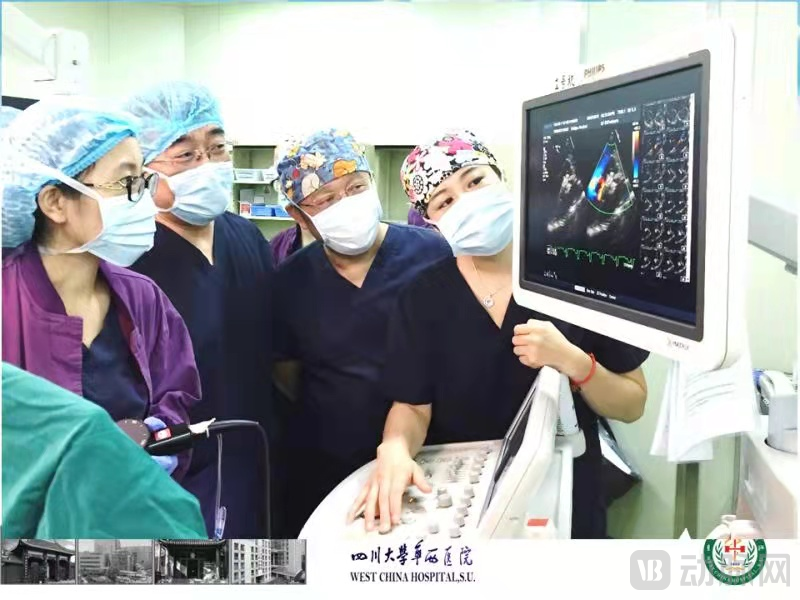
Professor Liu Jin (third from left) and Chief Physician Song Haibo (second from left)
In essence,“4B” stands for “Bed, Bench, Back, Better”, which expands to “From bedside, To bench, Back to bedside, With better outcome,” meaning that clinical problems drive laboratory and translational research, enabling rapid application of research findings to clinical practice and achieving improved clinical outcomes.
However, the transition from the laboratory to clinical practice is not easy; it also requires ““4P,” namely “New Product, New Procedure, New Protocol, New Proof”, which translates to “new products, new treatment modalities, new guidelines, and new evidence.” Under this new research paradigm, novel clinical practice methods will emerge, offering opportunities to enhance clinical outcomes.
However, the definition of clinical efficacy should still be based on the “4S” criteria. “4“S” stands for “Save more lives, Save higher quality of life, Satisfied patient, Save more medical resources”, which translates to “saving more lives, improving patients’ survival outcomes, enhancing patients’ healthcare experience, and conserving medical resources.”
This framework is highly comprehensive. By following this logic, you can be confident that your strategic direction will remain sound. Many innovation and commercialization projects at West China Hospital have been advanced using this “4B4P4S” model. I have personally drawn significant inspiration from it, which has greatly benefited my subsequent entrepreneurial endeavors.
VCBeat: Beyond this system, what other core factors drove you to embark on your entrepreneurial journey?
Song Haibo: Our team started relatively early, back in 2007, but it took a long time to incubate and develop our achievements. This was actually a good thing, as we did not act rashly. By the time we truly took that step, the “West China Nine Measures” had just been introduced, and we were already highly mature in many aspects.
Another point is thatAs clinicians, we possess a natural advantage in conducting translational research. We are well-versed in real-world clinical scenarios and familiar with the processes involved in carrying out clinical translational studies., we work on the front lines every day; all we need to do is integrate the challenges encountered in clinical practice and our personal experience into research application scenarios.
VCBeat: Nowadays, everyone is encouraging doctors to engage in scientific research and start their own businesses, but in reality, few have truly succeeded. What do you think are the reasons for your success?
Song Haibo: First, ourThe research is closely aligned with the practical needs of clinical practice and teaching.In other words, we have been consistently addressing specific challenges in clinical practice and medical education. Coupled with the state’s strong emphasis on accelerating innovation in medical education, surgical techniques are rapidly evolving toward minimally invasive, standardized, visualized, digitalized, and intelligent approaches. There remain unmet pain points in China at the current stage, making this solution truly valuable. The market currently demands alternative solutions.
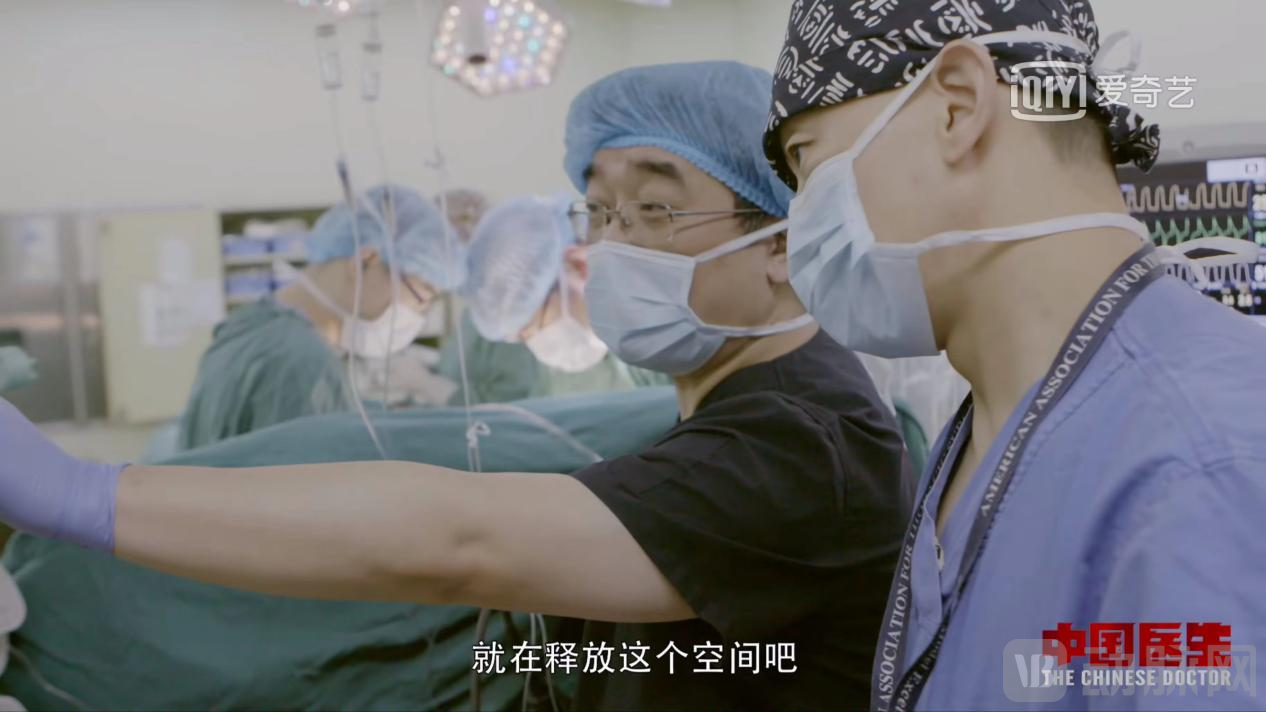
Song Haibo (left) and Lin Ke (right) appear in the documentary *Chinese Doctors*
Second, we have a veryA Strong Research Team and China's Premier Translational Platform, includingProf. Liu Jin, Prof. Tang HongA cohort of top-tier physicians has participated in our translational research, providing substantial support. Furthermore, our initial innovation and entrepreneurial endeavors were conducted on-site, leveraging West China Hospital as a natural translational platform. Consequently, we have aggregated the finest resources in both research hardware and software.
Third, we must once again mention Professor Liu Jin.His philosophy not only provided us with methods for driving innovation, but more importantly, instilled in us the confidence to do so.. We did encounter challenges during our entrepreneurial journey. For instance, in the second year of our project launch, the Wenchuan Earthquake struck, forcing us to suspend operations for a year. Later, while conducting transesophageal echocardiography research under Professor Liu Jin’s Perioperative Visualization Project, we faced a bottleneck in large-scale promotion due to the lack of suitable “models.” Consequently, we developed simulators. China’s first simulator was developed in 2010; it achieved remarkable success at the time and was subsequently imitated by many large companies.
VCBeat: Could you please provide a brief overview of your company’s current status? What are your primary areas of focus?
Song Haibo: In fact, we have recently accomplished three things. First, we upgraded our core product, the transesophageal echocardiography simulation teaching device, to the fourth generation; second, we launched a“West China Perioperative TEE Training Alliance”, which relies onWest China Hospital, Sichuan Universityestablished, with the aim of demonstrating the West China VisiModel teaching methodology and the clinical reasoning approach for perioperative transesophageal echocardiography across China, promoting the application of visualization technologies in clinical practice, and empowering young physicians. The alliance has currently established bases in Shenzhen, Zhengzhou, and Deyang; thirdly, we have successfully developed “Wearable, Continuously Adhesive, Miniaturized Echocardiography Device”, this product is unique globally and can be used to optimize perioperative cardiopulmonary exercise stress testing protocols.
You must take the initiative; once you become passive, you will remain so.
VCBeat: As one of the first physicians to “test the waters” of entrepreneurship, what experiences can you share with doctors who are currently considering or embarking on their own entrepreneurial journeys?
Song Haibo: As physicians, we inherently possess a clinical advantage, enabling us to accurately identify clinical issues. However, this alone does not suffice to drive innovation, as there may already be products on the market that address these clinical problems. Therefore, weIdentify clinical gaps, i.e., those unresolved issues, while also broadening one’s horizon to explore existing solutions worldwide.。
Another point is that we need to have long-term goals., many physicians engaging in innovation lack a clear vision of the desired outcome and are uncertain about the ultimate market destination for their developed products, which is undoubtedly unacceptable. We must establish clear objectives, as having defined goals enables us to determine the next steps and identify the necessary resources to align with, rather than feeling lost and directionless like headless flies.Therefore, successful entrepreneurs must adhere to long-termism, avoid "path dependence," and possess the mindset of systems integration as well as the courage to innovate continuously.。
The final point is to identify suitable investment institutions.In fact, if your project is strong, you will not lack interest from investment firms. However, failing to identify suitable investors can have the opposite effect. For instance, some investment firms engage purely in financial investing, seeking quick profits before exiting. In recent years, China’s tech-finance sector has made significant progress, with investors both within and outside the state-owned system becoming increasingly standardized and professional.Some investment institutions not only bring you capital but also provide resources to help you solve practical problems., so you can rapidly scale up the project and promote it.
VCBeat: You mentioned earlier that you encountered some difficulties during your entrepreneurial journey. Could you elaborate on the common pitfalls that physicians tend to fall into?
Song Haibo: I think this varies from person to person; there is no standard answer. But for me personally, the most memorable thing isProtection and Use of Intellectual Property Rights。
We previously partnered with a company and signed an agreement, with the counterparty assuring us that they would certainly facilitate the commercialization of our technology. In reality, however, the project remained dormant for years, as they made no substantial investments in intellectual property development, resulting in little progress. Ultimately, we took matters into our own hands. When we began to achieve results and move toward market launch, they imposed conditions, claiming that their approval was required for any commercial translation. Consequently, the project has since been progressing at a sluggish pace.
Therefore, upon reflection, while the unsuccessful collaborations with these companies are one factor, we also have our own issues.Initially, we did not impose any restrictions on them, believing that we could simply reap the rewards by handing over the patents.. But in fact, that is not the case. We should have included a clause in the early stage specifying when activation is mandatory; otherwise, I would unconditionally reclaim it.You must take the initiative; once you become passive, you will remain passive.。
VBInsight: In addition to safeguarding your own patents, are there any particular aspects of team building that warrant special attention? Our research has revealed that many physicians face significant challenges in this area. What recommendations would you offer?
Song Haibo: I think there are two aspects,One is channels, the other is values.Let’s start with recruitment channels. For physicians, we can quickly identify suitable candidates given our expertise in the healthcare sector; however, it is challenging for us to access talent for foundational roles such as finance, human resources, operations, and sales. Therefore, we need to leverage our professional networks or collaborate with investment institutions to establish mechanisms for talent acquisition and mobility.
The other is values.How to Select the Right Talent? While competence is certainly a factor, I believe shared values are equally critical. First, the individual must possess impeccable integrity; second, they must genuinely align with the mission; and third, they must have a sincere interest in the work. These core elements enable them to devote themselves wholeheartedly to their responsibilities, free from distractions.
The issues have always existed, but everything is moving in a positive direction.
VBInsight: What is the biggest challenge you are currently facing?
Song Haibo: In fact, challenges are an inherent part of entrepreneurship; they existed in the past, persist in the present, and will continue to arise in the future, differing only in their dimensions. For us at this stage, the primary difficulties we face fall into two main areas,One is how to select investment firms, and the other is how to bring them on board.。
First, let’s discuss how to select investment institutions. Although I have previously mentioned the types of investment institutions we need, as physicians, we still lack sufficient understanding in this area and are unsure how to identify which investment firms are suitable for us. Therefore, we hope that the technology transfer center or other partner organizations can genuinely assist us in screening and identifying investment institutions that are a good fit for us, or alternatively,A Comprehensive Database of Investment Institutions, we can match and select.
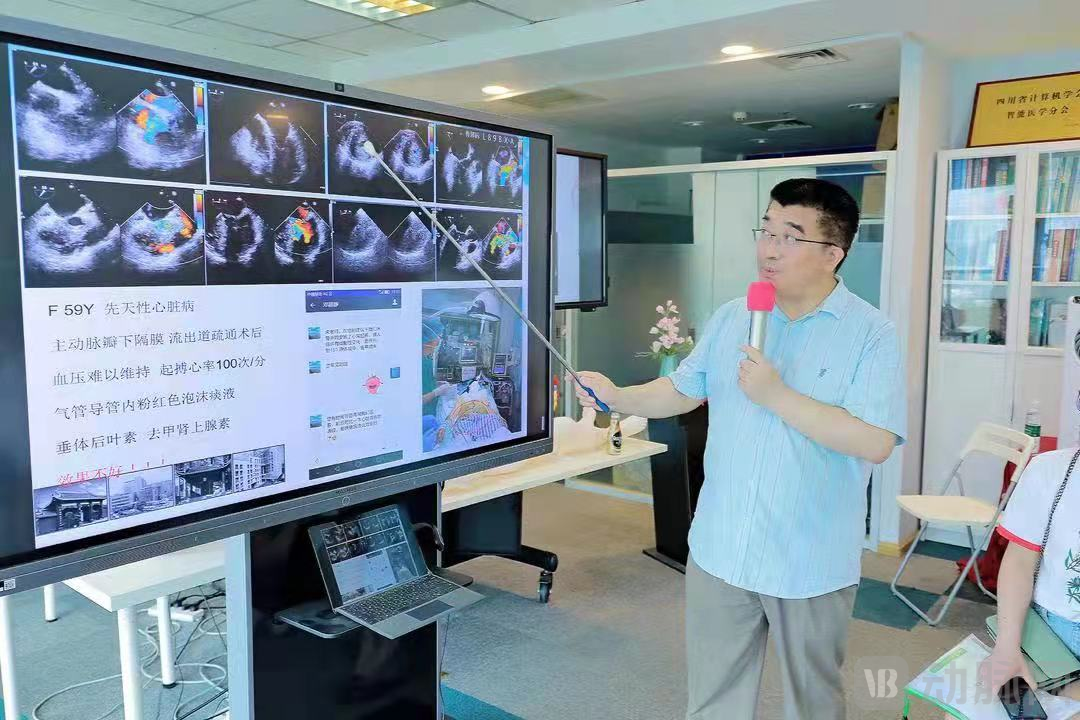
Professor Song Haibo, who is teaching
However, making the right choice is merely the first step; attracting investment institutions poses even greater challenges.. We belong toState-Owned Asset Management Model, so every action requires following procedures, but this process is truly lengthy, taking nearly half a year or even longer to complete. At this pointThe original investment plan may need to be adjusted again, or re-evaluated due to changes in valuation.。
Even if investment firms are willing to wait, missing the optimal market window could cause the ultimately developed technology to lose its competitive edge. Nevertheless, we are already exploring solutions. We have also observed continuous changes and adjustments across various stakeholders. I believe these issues will be resolved in due course, as everyone shares the same goal: to drive the implementation of more innovations.
VCBeat: The atmosphere in the entire medical innovation sector is currently very vibrant, with a wide variety of initiatives underway. What new changes have you observed?
Song Haibo: The current landscape of technological innovation is no less significant than the rural household responsibility system reform, known as the “Da Baogan” (all-round contract) system, which allocated land to farmers, ensured sufficient contributions to the collective, and allowed farmers to prosper first. However, the “land” we are cultivating today isIntellectual Property in the Brain, and "becoming prosperous" is equivalent toFostering a Continuous Flow of Creative Ideas in Scientists' Minds. Moreover, innovation only becomes an asset when it is transformed into a practically applicable product; otherwise, it is worth nothing—not even a penny—and remains merely a piece of “barren land.”
Furthermore, for our medical device industry, the greatest benefit brought by the implementation of centralized procurement policies isMore Transparent Sales Channels,The approval process is also shorter.. For instance, if a distributor approaches us, we simply need to sign an authorization agreement to ensure a clean and clear separation.
Another point is that everyone has started to focus.Niche and Elegant Market SegmentsBefore the implementation of centralized volume-based procurement (VBP), investment institutions largely overlooked niche sectors, deeming them to have limited market size and little value. However, with the advent of VBP, this mindset has begun to shift. Undiscovered, specialized, and high-quality niche segments are now becoming highly sought-after opportunities. This transformation is highly beneficial for us as well as for the entire market.
VCBeat: What are your expectations for future medical innovation?
Song Haibo:First, we hope to see more genuinely responsible pharmaceutical innovation and translation service platforms, such as the West China Medical Technology Transfer Center of West China Hospital and Huaxi Health Technology.. Physicians spend long hours in hospitals and are largely out of touch with external developments. Therefore, there is a need for individuals to step forward to help them secure resources, provide reference information, and bridge the gap between them and investment firms or enterprises. If physicians were required to handle every matter personally, they would not only lack the time but also find themselves operating outside their core competencies.
Secondly, we hope that more investment institutions will pay attention to these innovative projects in the laboratory.For physicians, the most acute shortage of capital and resources occurs at the earliest stages. However, investment institutions tend to be cautious about these early-stage projects due to significant variables and high risks, a concern that is widely understood. Yet innovation follows a cycle; if everyone waits to harvest the fruit without anyone sowing the seeds, the entire ecosystem will eventually reach a dead end. With the gradual improvement of technological financial services, banks, insurance companies, and securities firms are intervening in projects at an earlier stage. Under the guidance of medical experts, they can strategically allocate resources to support the development of new products that meet actual clinical needs and facilitate their commercial-scale production. They also provide first-product liability insurance covering both production and sales, and offer registration-based IPO services tailored for specialized, refined, distinctive, and innovative small and medium-sized enterprises (SMEs). These measures help avoid unnecessary detours and safeguard investors’ interests.
Finally, Establish an Innovation Ecosystem. Currently, much of the innovation is concentrated in interdisciplinary fields, where a single technology alone may not be viable. For instance, when developing an anesthesia device, one needs to understand the principles of anesthesia—a domain in which physicians are proficient. However, they are often less adept at addressing issues related to mechanics or materials. Therefore, there is a need for professionals with specialized expertise in these areas to provide solutions. This approach can not only improve the success rate of translation but also shorten the development timeline. ButIt is imperative to emphasize the leadership role of medicine., proposed by the West China Medical Center of Sichuan University"Medicine + Materials," "Medicine + Manufacturing," "Medicine + Information"The reform philosophy has promoted the interdisciplinary integration of medicine with engineering, science, and humanities.
During the interview, Professor Song Haibo made a remark that left a deep impression on me. He said, “We have only just begun to take steps in the translation of medical innovations. It is impossible to advance rapidly all at once, because as we progress, more issues will emerge that require resolution. This is a process that requires exploration.”But in any case, we are moving in the right direction.。”
About the Western Sichuan Medical Technology Transfer Center
West China Medical Technology Transfer CenterThe West China Medical Technology Transfer Center is an independent, non-profit civil organization with legal person status, jointly established under the leadership of West China Hospital of Sichuan University and directly affiliated units of the Sichuan Provincial Department of Science and Technology, the Chengdu Municipal Government, and the High-Tech Zone Government. It serves as a key platform and external window for West China Hospital to carry out technological innovation and the transfer and commercialization of achievements in the biomedical field. Based on the integration of the innovation chain, industrial chain, and value chain, the Center adopts an open cooperation model to provide comprehensive support to both technology suppliers and demanders. This includes precise project identification and matchmaking, commercialization assessment, market research and analysis, end-to-end intellectual property management, transformation scheme design, clinical study assistance (for Investigator-Initiated Trials [IIT] and Industry-Sponsored Trials [IST]), academic conferences, training, and the organization of industry-academia-research exchange activities. By establishing a medical innovation service and evaluation system, the Center has promoted the development of the regional biomedical industry towards high-end, refined, and quality-driven growth.