

As Pharma Innovation Gathers Momentum in Shanghai, a Transformation-Focused Industry Shift Quietly Unfolds
From Shanghai Release“25 Measures for Sci-Tech Reform”Thus began a quiet industrial transformation centered on pharmaceutical innovation, unfolding in this land where “every inch is worth its weight in gold.”
June 2019,Johnson & JohnsonJLABS, an innovation incubator, officially launches in Shanghai; In October 2019, with an investment of 863 million yuanRocheThe Shanghai Innovation Center was inaugurated at the Roche Park in Zhangjiang Hi-Tech, Shanghai; September 2021,Siemens HealthineersShanghai Innovation Center officially opened in Zhangjiang Science City; October 2021,AstraZenecaUpgrade the Shanghai R&D Center into the Global R&D China Center.
The successive entry of these industry “giants” has undoubtedly made Shanghai’s biopharmaceutical innovation sector more vibrant than ever before. It is reported that,Of the top 20 global pharmaceutical companies, 18 have established their China regional headquarters or R&D headquarters in Shanghai; there are 57 national- and ministerial-level key laboratories., Shanghai has clearly become a global hub for leading pharmaceutical companies and a hotbed for medical innovation.
But this is a leap from 0 to 1; if Shanghai wants to go from 1 to 10 or even 100, it still has a long way to go on the path of biopharmaceutical innovation.
One aspect is the insufficiency of pharmaceutical innovation.Data show that Shanghai ranked fifth in the number of invention patents granted nationwide in 2020, trailing Guangdong, Beijing, Zhejiang, and Jiangsu. Notably, Shenzhen, known as the “City of Innovation,” saw its patent grants reach 222,400, more than twice the figure for Shanghai.
On the other hand, it is a common ailment plaguing China’s entire pharmaceutical innovation market—Low Conversion Rate. It is reported that Shanghai currently has weak innovation commercialization capabilities, with a conversion rate of less than 10%, representing a significant gap from international leading standards. This also means that a large number of pharmaceutical innovation projects have fallen into the "valley of death."
How can these pharmaceutical innovation achievements be better implemented in Shanghai, and how can Shanghai truly become a global hub for pharmaceutical innovation? To find answers to these questions, byChina Association for Pharmaceutical EducationHosted by and Supported by AstraZeneca“Shanghai Pharmaceutical Innovation Summit”Recently held with great success, the forum focused on various stakeholders in Shanghai’s pharmaceutical innovation ecosystem, offering in-depth analysis and discussion on how to build an innovative ecosystem for the translation of pharmaceutical research achievements in Shanghai.
The forum is divided into two sessions: keynote presentations and a roundtable dialogue. The following areVBInsightKey Takeaways from Guest Speakers' Presentations.
Dean's Dialogue: How to Precisely Unleash Hospital Innovation
Qin Huanlong, President of the Tenth People’s Hospital Affiliated to Tongji University: Public Hospitals Should Not Over-Reliance on Government for Innovation
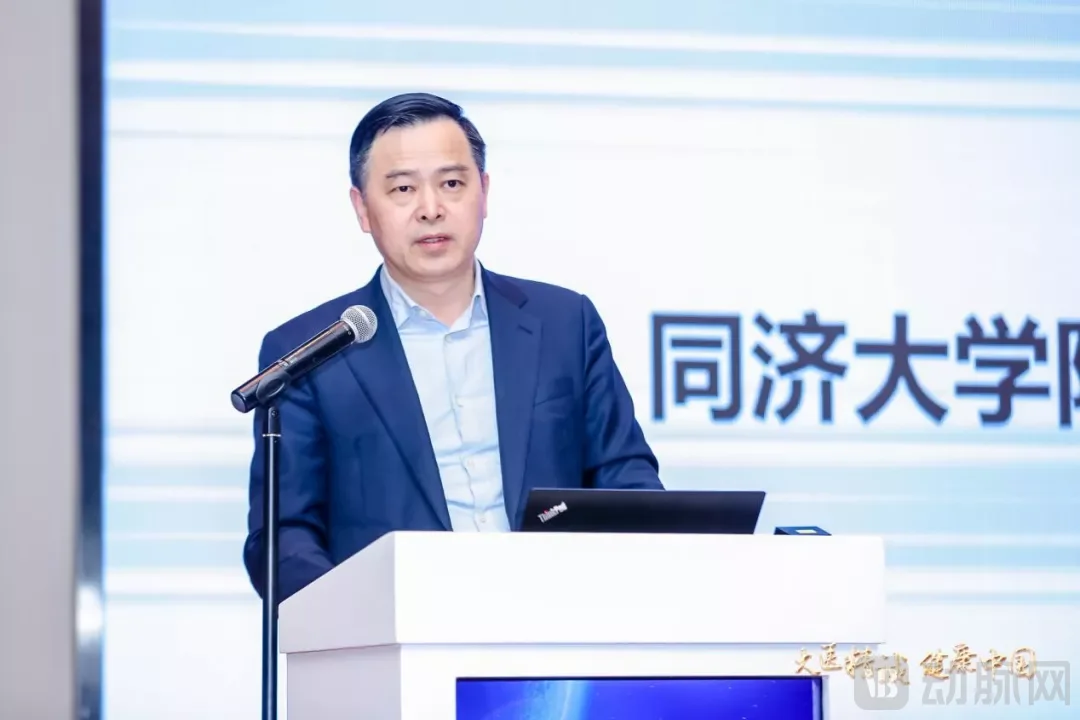
At present, the development of public hospitals, pharmaceutical enterprises, and national healthcare reform have reached a convergence point. First, national healthcare reforms are driving significant price reductions for drugs and medical consumables while providing strong policy support for pharmaceutical innovation. Second, enterprises are formulating long-lifecycle strategies and continuously exploring avenues for pharmaceutical innovation. Third, public hospitals are beginning to proactively engage in core innovation activities, assuming greater responsibility for innovation.
However, compared with enterprises, public hospitals still lack sufficient initiative in innovation. They primarily rely on government fiscal appropriations to address funding needs for innovation. This model fails to fully unlock the innovative potential of hospitals and cannot support their sustainable development in innovation.
Therefore, as the source of innovation, public hospitals should build their own innovation ecosystems. This can be achieved by establishing joint R&D collaboration mechanisms with pharmaceutical and medical device companies, exploring pathways for physicians to engage in entrepreneurial ventures within enterprises, seeking government support for projects that promote industrialization, and implementing patent value assessment systems. By taking proactive steps to deepen cooperation with partners across the innovation ecosystem, public hospitals can effectively address the key challenges hindering innovation at the hospital level.
Zhou Jian, Vice President of Zhongshan Hospital Affiliated to Fudan University: Seizing the Two Core Innovation Links of Discipline Construction and Talent Management
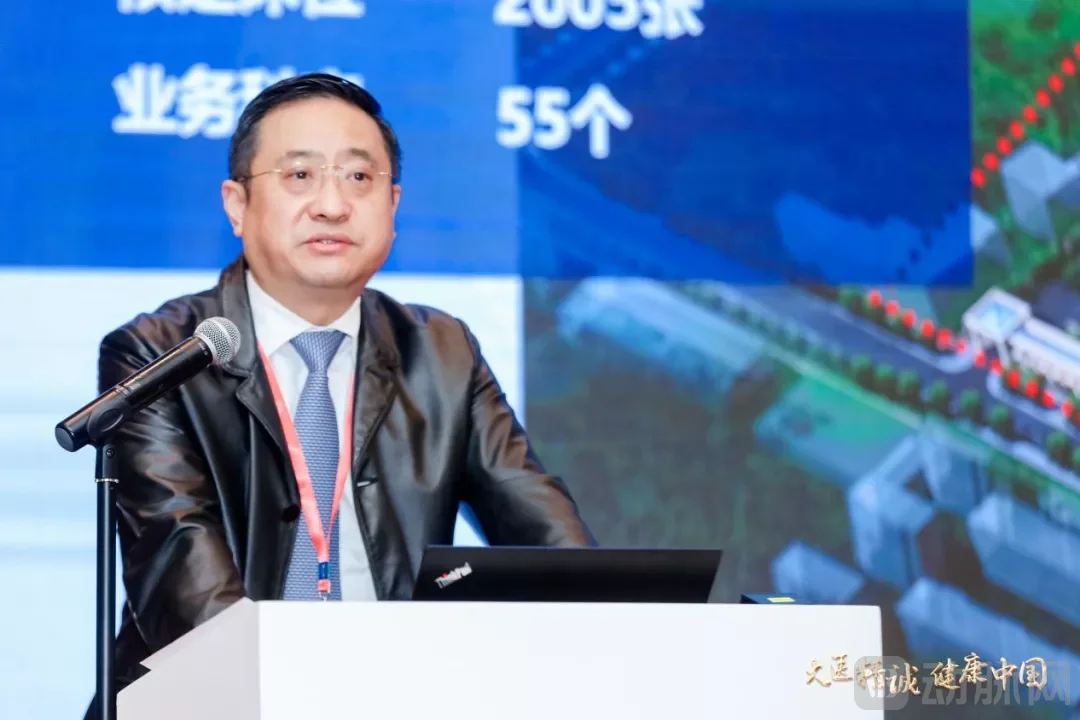
Priority should be given to disciplinary layout and platform construction. On one hand, leading disciplines can drive the enhancement of research capabilities across all disciplines, providing a prerequisite for unlocking greater innovative potential; on the other hand, hospital-level disciplinary platforms should be established to precisely, personally, and efficiently accelerate the rapid development of every stage of innovation.
Secondly, it is essential to establish a high-quality system for innovative talent, forming a talent pipeline that is well-structured, highly competent, sufficiently numerous, and characterized by innovation, multidisciplinary expertise, and senior-level proficiency. This effort primarily relies on three approaches: first, attracting “key talents” with strong innovative capabilities; second, formulating human resource development plans to build specialized talent pipelines; and third, improving performance appraisal mechanisms and implementing a differentiated compensation management system.
Finally, the hospital should establish an integrated management system for research outcomes that covers end-to-end management, patent filing, patent promotion, and patent commercialization. This entails developing a standardized service and incubation framework encompassing core stages from the selection and cultivation of innovative research projects to their matchmaking and collaboration.
Li Jiyu, Vice President of Huadong Hospital in Shanghai: Striving to Translate Strategic Scientific Theories into Technological Achievements
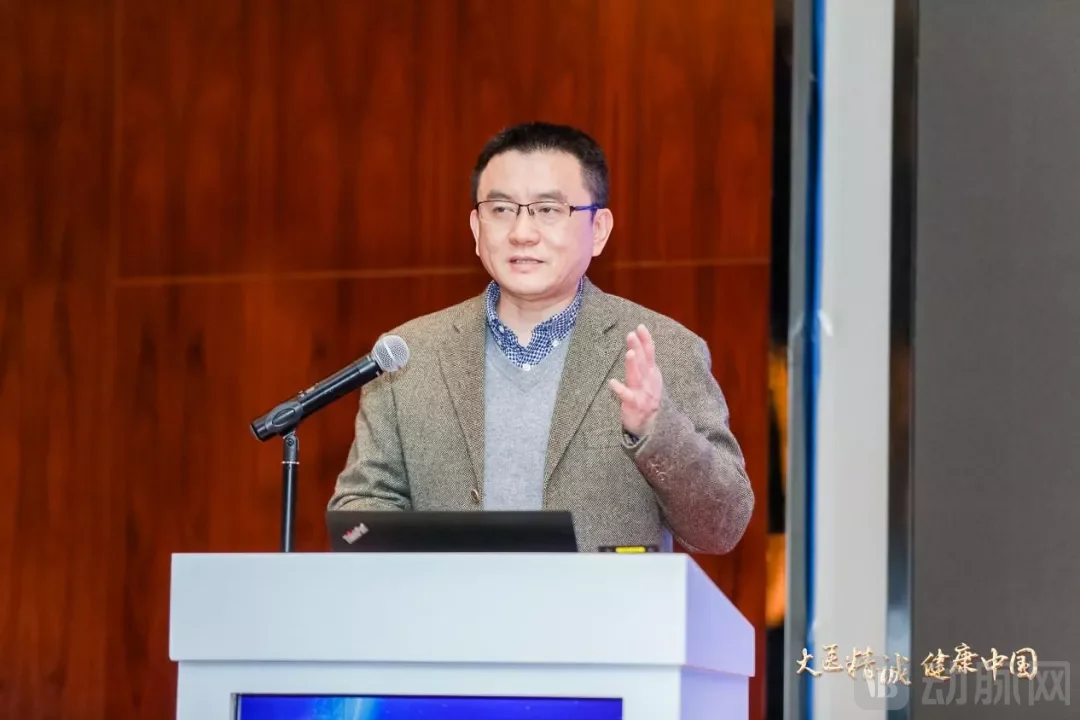
“Innovation from 0 to 1” relies primarily on original breakthroughs—that is, prioritizing pioneering innovation that creates something from nothing—and leverages third-party technology transfer institutions to develop disruptive technologies and cutting-edge “black tech.” This approach tests a hospital’s capacity for independent research and development as well as its ability to maintain autonomous control over core technologies.
“Innovation from 1 to 100” relies primarily on applied translation, namely the ability to effectively transform scientific and technological achievements into real-world productive forces. This tests the composite management capabilities of third-party organizations, as reflected in their coordination with various hospital departments, and requires concerted efforts in establishing innovation mechanisms, stimulating innovative vitality, and addressing critical bottlenecks in innovation.
Innovation from “100 to 1 million” primarily relies on bridging the “last mile” of industrialization policies, namely achieving scaled mass production of innovative outcomes. This is key to unleashing scientific and technological innovation capabilities in the era of globalization, and it imposes requirements on core aspects such as technical market access, medical insurance reimbursement, and applicability for both physicians and patients.
Cheng Weiwei, President of the International Peace Maternity and Child Health Hospital of the China Welfare Institute: Shanghai Should Play a Leading Role in Pharmaceutical Innovation
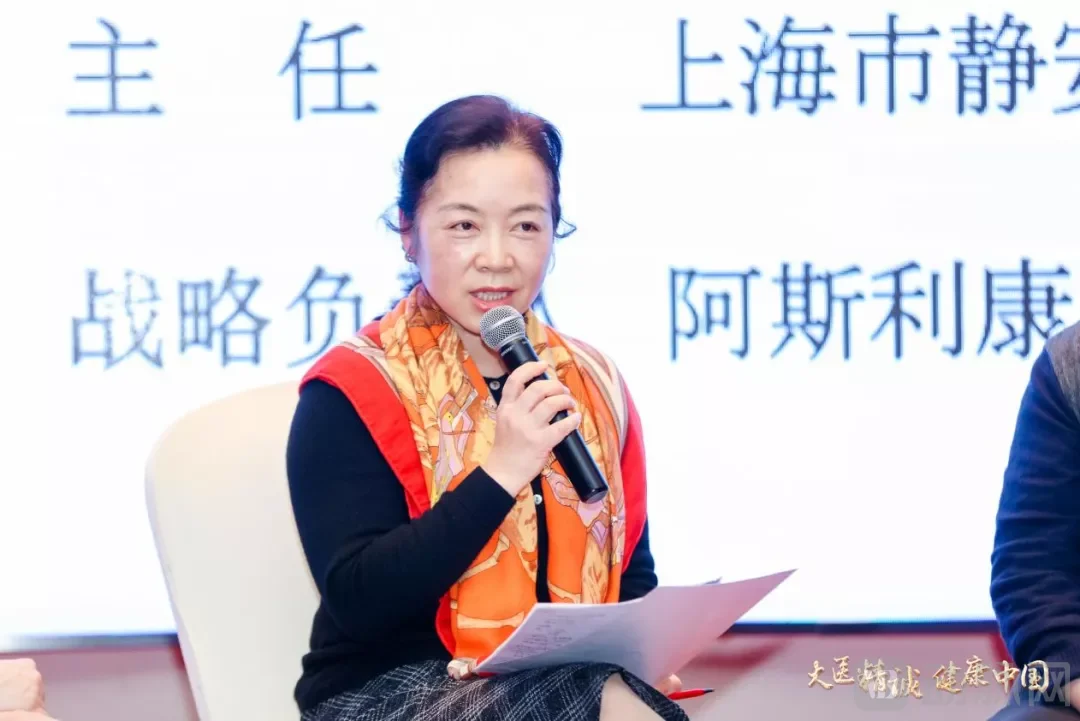
From a domestic perspective, the biomedical sector has entered a phase of rapid development, with Shanghai playing a leading role across China. Therefore, the government, pharmaceutical companies, and medical institutions should share a common goal: to continuously drive innovation in the biomedical field, maximize the translation of research into clinical applications, effectively address the current clinical challenges faced by the public, and make tangible contributions to the Healthy China strategy.
How Can Relevant Functional Agencies Shoulder the Responsibility for Pharmaceutical Innovation?
Yu Xiaojing, Director of the Shanghai Regional TTO Platform (Technology Transfer Office): Establishing a Standardized Service System on the Basis of Personalization

Step 1 is the screening and onboarding of innovative achievements.
The second step is to conduct comprehensive, multi-dimensional, and high-frequency transformation evaluations. This includes assessments of market prospects and technological substitutability; evaluations of corporate innovation directions and investment tracks; as well as intellectual property and compliance reviews.
Step 3: Operational Planning. This primarily involves optimizing core conversion processes, including business model design and revenue distribution schemes.
Step 4 is industrial implementation. This involves guiding innovative projects to launch at the most appropriate time and location through a standardized translation system.
Liang Bing, Deputy Director of the Innovation Service Division of the Shanghai Municipal Science and Technology Commission: Establishing Full-Lifecycle Management for Pharmaceutical Innovation
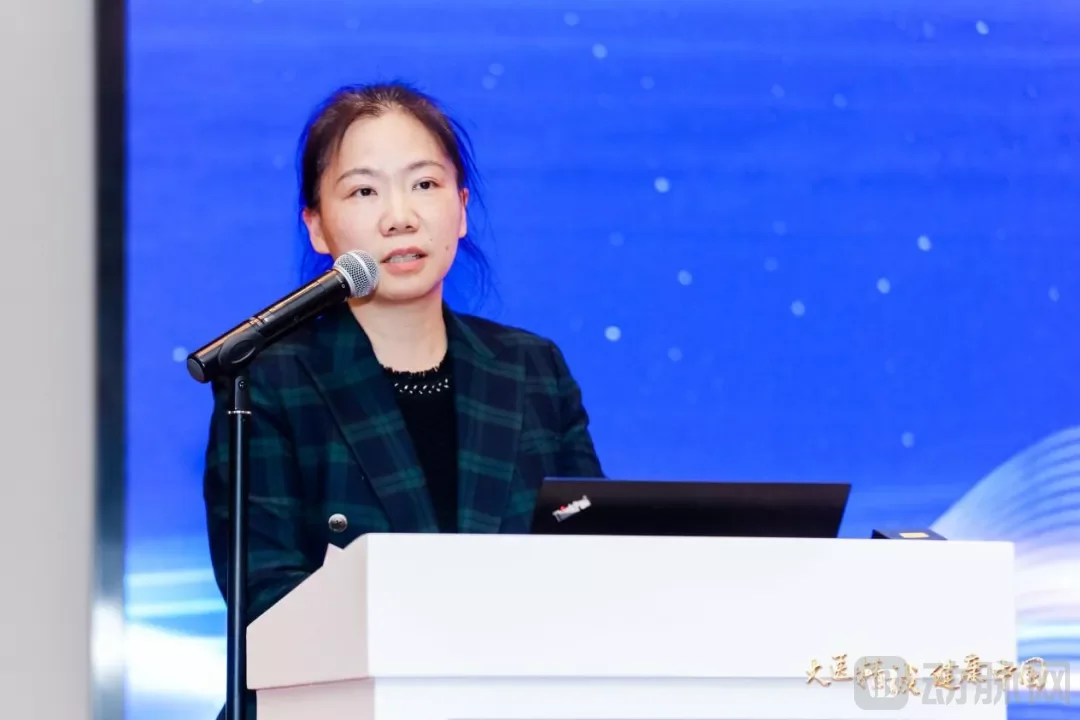
First, it is essential to improve the management system for scientific and technological achievements, establishing a coordinated mechanism that integrates technological innovation, intellectual property management, and the transformation of scientific and technological achievements. Specifically, this involves setting up a dedicated technology transfer department within the hospital, which, as a third-party entity, will facilitate communication channels between the hospital and the external innovation ecosystem.
Next, pilot programs should be launched to grant researchers long-term patent probationary periods and ownership rights. This approach will comprehensively dismantle institutional and procedural barriers, shifting researchers from a passive to an active role and facilitating the more effective advancement of innovation projects.
Finally, it is essential to cultivate specialized talent related to innovation, such as technology transfer managers and marketing executives. Additionally, by leveraging the hospital’s channel resources, more market-oriented elements can be allocated to innovative projects.
Tian Feng, Director of the Industry Services Department at the Shanghai Biomedical Industry Promotion Center: Collaborating with Regional Government Organizations to Expand the “Denominator”
The first task is to enhance self-capability, requiring relevant transformation personnel to master core competencies related to innovation.
The second initiative involves implementing a project review mechanism to tag physicians, accurately identify their areas of greatest expertise within specialized research fields, and ensure effective boundary management.
The third initiative is to establish a nationwide technology collaboration network. A standalone information platform is insufficient, as the success rate of technology transfer remains very low. Tracking data reveals that the initial screening rate does not exceed 1%, and fewer than one in a thousand projects proceed to the tracking stage. Therefore, it is essential to expand the base by building a national technology collaboration network and enlarging the expert pool.
The fourth initiative involves collaborating with regional government organizations to expand the “denominator,” fully connecting with overseas technology platforms and investment institutions, strengthening the project sourcing network, and making the innovation denominator larger and more clearly defined.
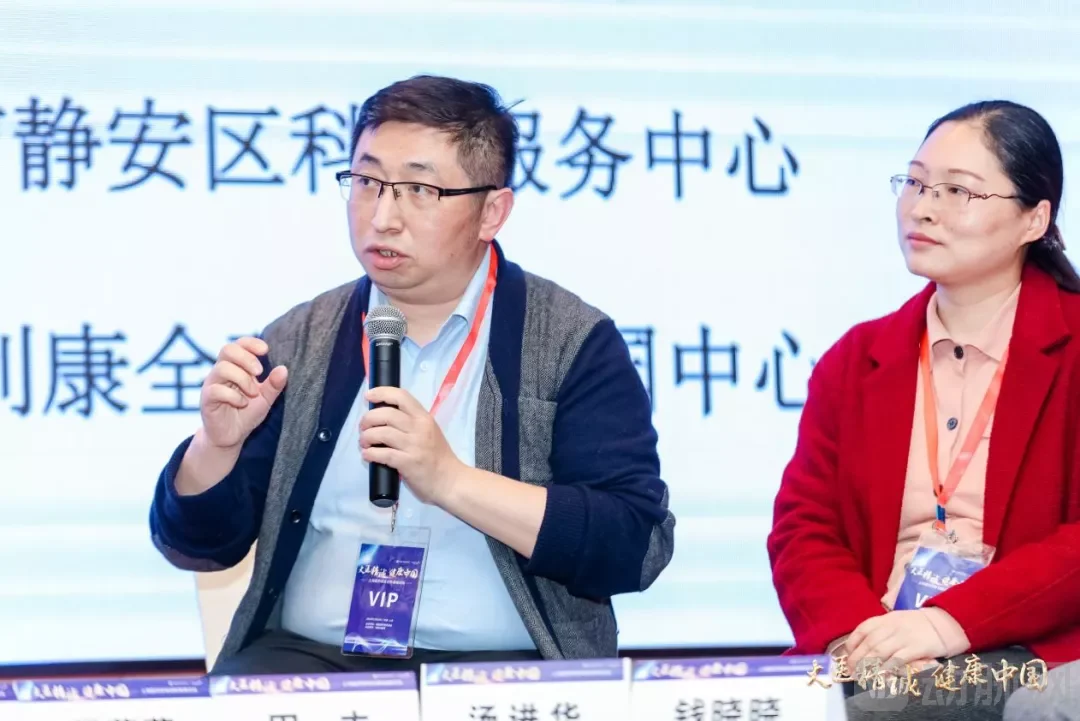
Tang Jinhua, Director of the Evaluation Department at the Shanghai Science and Technology Project (Evaluation) Management Center: Leveraging Evaluation Channels to Connect the Innovation Ecosystem Chain

Outcome evaluation serves as the “baton” and should play a more significant role. First, empower innovation entities by actively fostering an ecosystem conducive to the commercialization of research outcomes, encompassing core elements such as policy, finance, and market.
Second, remove innovation bottlenecks. From the perspective of functional centers, provide targeted empowerment across core areas including policy design, information disclosure, resource matching, outcome evaluation, investment and commercialization, and project implementation.
Third, systematically improve the evaluation system by deeply engaging in the innovation ecosystem from the perspective of evaluation management, thereby targetedly transforming truly high-value innovation projects.
Liu Lejing, Director of the Jing’an District Science and Technology Innovation Service Center in Shanghai: Introduce “Full-Lifecycle Entrepreneurship Policies”

To unlock greater innovation potential in Jing’an District, the Science and Technology Innovation Service Center will prioritize the commercialization of research achievements from public hospitals and the development of biomedical innovation platforms. In addition, a “full-lifecycle entrepreneurship policy” tailored for high-tech enterprises will be implemented, featuring measures such as rental subsidies, social insurance premium subsidies for founding teams, and financial grants for innovation and entrepreneurship competitions.
AstraZeneca: Strengthening Internal Capabilities and External Collaborations to Drive Localized Innovation in China’s Pharmaceutical Market
He Jing, Senior Vice President of Global Oncology R&D at AstraZeneca and Head of the China Center for Global R&D: Incubating More Innovative Projects Locally in China

AstraZeneca officially established its new drug R&D department in China in 2013, with the core objective of narrowing the gap between China and Europe and the United States in the development timeline of AstraZeneca’s new drug pipeline.
In 2015, thanks to reforms in the drug regulatory system, many pharmaceutical companies began discussing how to conduct global simultaneous R&D in China. However, AstraZeneca had already established this concept as a core direction for its R&D efforts at that time, and by 2021, it has essentially become standard practice. Building on this norm and standing at the forefront of a new era of innovation, the question we must actively consider now is how AstraZeneca can scale from “0 to 1” to “1 to 100.”
Therefore, AstraZeneca aims to leverage the favorable development trends in China’s current healthcare innovation ecosystem, focusing on addressing practical clinical challenges at this stage in China. By fully capitalizing on its core strengths, AstraZeneca seeks to promote industry-academia-research collaboration and facilitate the successful local incubation of more innovative projects in China.
Qian Xiaoxiao, Head of Strategy at AstraZeneca’s Global R&D China Center: Identifying Innovation Synergies Closely Aligned with China’s Clinical Needs

The establishment of the AstraZeneca Global R&D China Center aims to deepen our engagement in China’s pharmaceutical ecosystem, further integrate local innovation into our product pipeline, and introduce innovative medicines from AstraZeneca’s portfolio to the Chinese market in a faster, better, and more tailored manner to address unmet clinical needs, thereby solving real-world problems for Chinese patients.
Therefore, we need to fully consider the actual clinical needs of Chinese patients in our R&D efforts and optimize clinical trial designs with a focus on quality, ensuring that patients derive genuine benefit. In addition, we established the Digital and Data Innovation Department in 2020, followed by the Translational Medicine Department and the Strategy Department in 2021. These initiatives aim to leverage AstraZeneca’s core strengths to identify more opportunities for innovative synergy, comprehensively empower local innovation projects in China, promote more innovative research within the Chinese market, and facilitate the successful implementation of high-value localized innovation initiatives.