

MedMotion: Pioneering Digital Therapeutics in Musculoskeletal Rehabilitation and Sports Medicine
Sports medicine, as a popular discipline, is receiving increasing attention.
Sports medicine is an interdisciplinary field dedicated to the study of medical issues related to physical activity. It employs medical techniques and knowledge to monitor and guide exercise, with the aims of preventing and treating diseases, enhancing athletic performance, and promoting overall health. Currently, it is widely applied in the treatment of various disease conditions.
Whether in the global market or the domestic market, sports medicine is currently experiencing rapid growth. According to data from Global Market Insights, the global sports medicine market size will exceed $9 billion by 2025, with an average annual growth rate of nearly 8%. China’s sports medicine sector is growing even more rapidly; according to the “Special Report on Orthopedic Sports Medicine in the Pharmaceutical Industry,” the market size for sports medicine in China is projected to exceed RMB 5 billion in 2023.
In recent years, China’s sports medicine market for musculoskeletal rehabilitation has been vast, with robust demand. It is reported that the prevalence of cervical spondylosis in China is approximately 3.8%–17.6%; in 2020, there were about 180 million patients with osteoarticular diseases in the country; currently, the number of patients with spinal deformities in China exceeds 3 million, increasing by 300,000 annually.
However, China’s rehabilitation medical service capacity is insufficient, with a scarcity of physical therapy resources. There is a severe shortage of rehabilitation medicine departments in general hospitals, specialized rehabilitation hospitals, rehabilitation physicians, rehabilitation therapists, rehabilitation equipment, and hospital beds, leading to a persistent undersupply of systematic and comprehensive rehabilitation medical services. According to the 2018 China Health Statistics Yearbook, there are only 3.6 rehabilitation therapists per 100,000 people in China, which is more than ten times lower than the international standard of 50 therapists per 100,000 people. The inadequate supply of rehabilitation medical professionals will severely constrain industry development.
Traditional treatment methods have certain limitations, requiring patients to possess a certain level of medical knowledge and high compliance.Digital therapeutics can effectively improve patient adherence and accessibility, thereby addressing the shortage of rehabilitation therapists.Digital therapeutics in China are still in their nascent stage, but given the rapid development of internet-based healthcare and the country’s large population base, the prospects for their growth in the domestic market are broad.
Professor Ma Xin, Vice President of Huashan Hospital Affiliated to Fudan UniversityHe stated, “The entry of digital therapeutics into the rehabilitation field holds revolutionary significance for the industry. First, digital therapeutics can capture extensive baseline data; with such data accumulation, treatment processes can be made more precise, which is critically important. Second, digital therapeutics enhance the accessibility and verifiability of medical interventions. Previously, we relied on physicians’ experience; now, treatment approaches can be validated through data. Via the internet, patients can promptly engage in the rehabilitation phase, thereby providing rehabilitation physicians and technicians with greater opportunities to apply their expertise. Finally, the internet offers young physicians ample room for practical practice. In internet-based healthcare, there are no department chiefs or hospital directors, and young physicians are more likely to adapt to this mode of care.”
According to the “Digital China Development Report (2020)” released by the Cyberspace Administration of China, China’s digital economy has risen to become the second largest in the world, establishing itself as a key source of global innovation in the digital economy. The digital economy has become a new engine for China’s economic growth, with rapidly advancing mobile networks and artificial intelligence increasingly dominating our daily lives. As the digital economy continues to flourish, Digital Therapeutics (DTx) is emerging as a rising force in the healthcare industry.
The outbreak and spread of the COVID-19 pandemic have further deepened patients’ acceptance of online diagnosis and treatment. As a novel solution, the remote technology advantages of digital therapeutics are beginning to stand out.
Digital therapeutics offer a novel therapeutic approach that complements existing conventional treatments, including pharmacotherapy, non-pharmacological interventions (such as surgery, radiation therapy, and physical therapy), and psychological and behavioral therapies. Delivered via software applications (apps), digital therapeutics primarily treat diseases by modifying patients’ lifestyles and behaviors. They exert effects equivalent or similar to those of conventional medications in both treatment and prevention, and can also be used in combination with other drugs or medical devices to enhance therapeutic efficacy.
Digital therapeutics serve not only as a supplement to traditional treatments but also pioneer an entirely new therapeutic modality. Essentially, they are “digital drugs,” a special category of “medicines” subject to stringent regulation comparable to that for conventional pharmaceuticals and medical devices, albeit delivered in the form of software applications. Their distinguishing feature is that their clinical safety and efficacy have been substantiated by clinical evidence, and they have obtained certification and approval from drug regulatory authorities.
Currently, digital therapeutics are primarily focused on areas where traditional medical approaches have limitations. Their core value lies in conducting in-depth clinical therapeutic exploration and iterative improvement, leveraging evidence-based methods and clinical evaluation techniques, and ensuring quality through rigorous review and approval processes, thereby gaining recognition from regulators, patients, healthcare providers, payers, pharmaceutical companies, and other stakeholders.
Shanghai Fudong Medical Management Co., Ltd. (hereinafter referred to as “Fudong Musculoskeletal”), as the only orthopedic digital therapeutics team in China with its own medical institution, has built a complete in-house technical team, integrated high-caliber external expert resources, and leveraged internationally leading digital therapeutics along with a robust physical healthcare footprint. This approach establishes an integrated, systematic online-offline diagnostic and treatment service, achieving extensive geographic coverage and precise, efficient clinical outcomes.
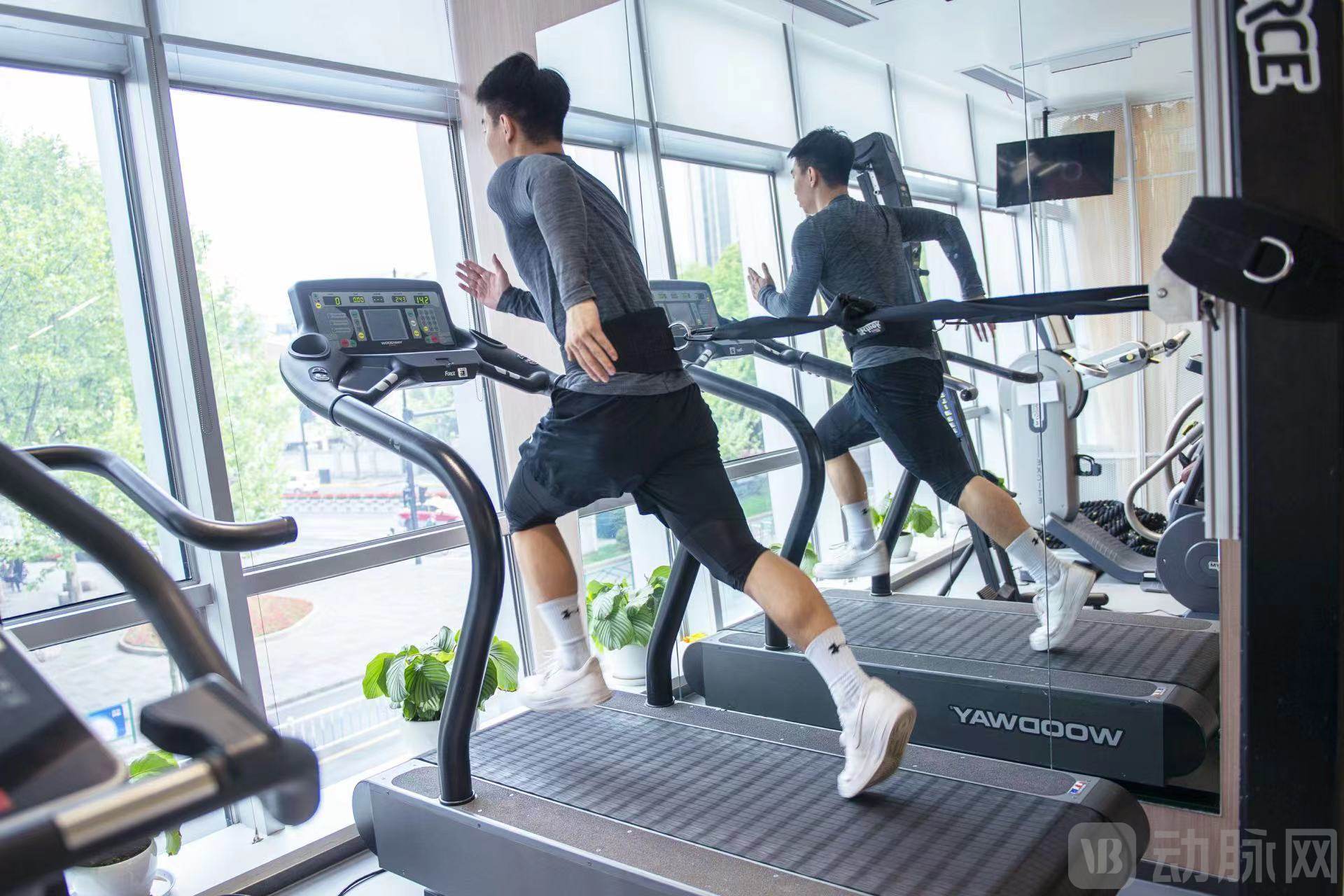
Fudong Musculoskeletal Offline Clinic
As the first flagship center of Fudong’s musculoskeletal layout, Fuyue Rehabilitation Clinic opened in Shanghai in October 2020. Covering an area of 1,000 square meters, it is the largest single-site orthopedic specialty rehabilitation clinic in downtown Shanghai with the most comprehensive service offerings. Since its opening, the flagship center has served nearly 3,000 patients, achieving a monthly compound growth rate of 7.3% in core business, an overall repurchase rate close to 50%, and a postoperative repurchase rate exceeding 70%. The second facility, Fuyu Rehabilitation Clinic, is currently under preparation and is expected to open in March next year.
Zhao Qingyi, Founder and CEO of Fudong MusculoskeletalZhao Qingyi holds a bachelor’s degree from Fudan University and a graduate degree from Rice University, with over six years of experience in startup incubation and investment across China and the United States. When discussing her entry into the sports medicine market, Zhao stated, “In the investment world, there is a ‘snowball effect’ logic: industries with broad market potential are particularly attractive. I believe the sports medicine sector is one such industry.”
Fudong Musculoskeletal aims to address the issue of accessibility in orthopedic rehabilitation through digital therapeutics.“When operating our offline clinics, we observed that in cities with abundant medical resources, a very high proportion of orthopedic surgery patients come from other regions. For instance, nearly 70% of surgical patients at Shanghai’s core Grade A tertiary hospitals are non-local residents, many of whom are unable to access postoperative rehabilitation at our facilities. Additionally, there is a significant shortage of rehabilitation therapists. We hope to address the accessibility challenges in orthopedic rehabilitation through digital therapeutics,” said Zhao Qingyi.
Zhao Qingyi believes that the combination of wearable sensors and a mobile app enables patients to receive precise rehabilitation therapy in home settings. With the support of standardized protocols, rehabilitation therapists can provide remote treatment to patients. Traditional rehabilitation clinics can only offer one-on-one or even two-on-one services,With the assistance of standardized digital therapeutics, the service efficacy of rehabilitation therapists can be increased by more than tenfold.。
The founding team of Fudong Musculoskeletal possesses a professional medical background. Co-founder Zhang Xin holds a Doctor of Physical Therapy (DPT) degree from the University of Nebraska Medical Center, is licensed as a practicing physician (rehabilitation) in China and as a physical therapist in the United States, and serves as a faculty member in the Department of Rehabilitation at Tongji University. He has decades of experience in the fields of sports medicine and rehabilitation.
Currently, Fudong Musculoskeletal employs more than 20 professional rehabilitation therapists and has established standardized clinical pathways for postoperative rehabilitation, based on the standardized techniques and training system outlined in the American Physical Therapy Association’s “Orthopedic Rehabilitation Clinical Practice Guidelines.”
Fudong Musculoskeletal’s offline services currently cater primarily to athletes from CBA teams, Chinese Super League teams, and official sports bureau-affiliated teams, as well as a segment of clients willing to pay for improved quality of life.
Furthermore, with clinical experts at its core and digitalization as its tool, Fudong Musculoskeletal effectively identifies clinical needs and facilitates customized product development. In patient management, it has established disease-specific standards for joint clinical and rehabilitation management, enabling the customization of integrated treatment plans by surgeons/attending physicians and rehabilitation therapists.
“Our approach is based on the principle that the rehabilitation process is indivisible, whether delivered online or offline. The endpoint of treatment is not merely the completion of surgery, but the restoration of function. Typically, our patient services begin with preoperative intervention,” introduced Zhao Qingyi. “Whether for athletes or the general public, functional requirements vary among individuals, necessitating comprehensive, personalized treatment plans. If we define clinical endpoints in terms of functional outcomes, then rehabilitation therapy must be integrated with surgical procedures and subsequent functional training to deliver a complete treatment solution.”
In the United States, 80% of the population is affected by musculoskeletal disorders, particularly chronic back pain and chronic knee pain. Musculoskeletal disorders are potential predisposing factors for many chronic conditions, such as heart disease, diabetes, and mental health disorders. Currently, there are no specific pharmacological treatments available for conservative management of musculoskeletal conditions or for functional recovery following surgery.
Restoring patient function through rehabilitation or exercise therapy is an essential pathway for patients to return to daily life and resume physical activity. Extensive research literature both domestically and internationally demonstrates that exercise therapy yields significant benefits in the rehabilitation of musculoskeletal injuries, with clinical guidelines explicitly classifying therapeutic exercise as a treatment method with Grade A evidence.
According to statistics, there are currently approximately 38,000 outpatient physical therapy clinics in the United States. Outpatient physical therapists account for about 60% of the rehabilitation services industry, with a market size of approximately $34 billion. By 2024, the U.S. outpatient physical therapy market is projected to grow at an annual rate of approximately 3%.
Digital therapeutics have already seen successful applications abroad. Hinge Health, a U.S.-based provider of digital therapeutic solutions for chronic diseases, was co-founded in 2015 by clinical researchers Daniel Perez and Gabriel Mecklenburg after they overcame personal challenges with musculoskeletal (MSK) disorders.
Hingle Health’s digital MSK clinic boasts a comprehensive clinical team and technology stack, delivering clinically validated musculoskeletal (MSK) care tailored to every individual and body part. Starting with musculoskeletal disorders, it integrates wearable sensors, mobile applications, health coaching, and peer support to provide remote physical therapy and behavioral health treatment services for patients with chronic conditions.
Hingle Health’s MSK services leverage a mobile app and wearable sensors to provide patients with real-time feedback and tracking during stretching and exercise routines. Its personalized exercise therapy guides patients through 15-minute sessions, with difficulty levels progressively increasing as they advance. Throughout the treatment process, Hingle Health also offers unlimited one-on-one health coaching: coaches provide personalized support via text message, email, or phone to ensure patients adhere to their plans, sustain behavioral changes, and achieve their goals.
A global musculoskeletal clinical study with the largest sample size (10,000+ patients), jointly conducted by Stanford University, the University of California, San Francisco, and Vanderbilt University, has demonstrated the significant clinical efficacy of Hinge Health’s digital therapeutics. Average data from participants showed a 69% reduction in chronic musculoskeletal pain—four times greater pain relief compared to opioids—a 58% reduction in depression and anxiety, a 62% improvement in work productivity, and a two-thirds reduction in surgical volume. Hinge Health’s digital therapeutics exhibit high patient engagement, with course completion rates exceeding 75%, more than double the industry average.
According to Zhao Qingyi, digital therapeutics are fundamentally the same both domestically and internationally; the key difference lies in the highly developed commercial insurance system abroad. Hinge Health has expanded rapidly in the United States, benefiting from its direct-to-business (B2B) model where products are largely delivered as employee benefits. Leveraging this favorable market environment, Hinge Health has been able to scale its operations quickly, whereas such a business model faces significant challenges in implementation within China.
However, through extensive market research and communication with frontline physicians, the Fudong Musculoskeletal team found that Chinese patients exhibit high compliance with their lead surgeons.Orthopedic patients demonstrate high postoperative compliance and have a rigid demand for rehabilitation. Therefore, targeting the postoperative market, which features more inelastic demand, became Fudong Musculoskeletal’s first step in breaking into the market., with gradual expansion into the chronic disease market in the future.
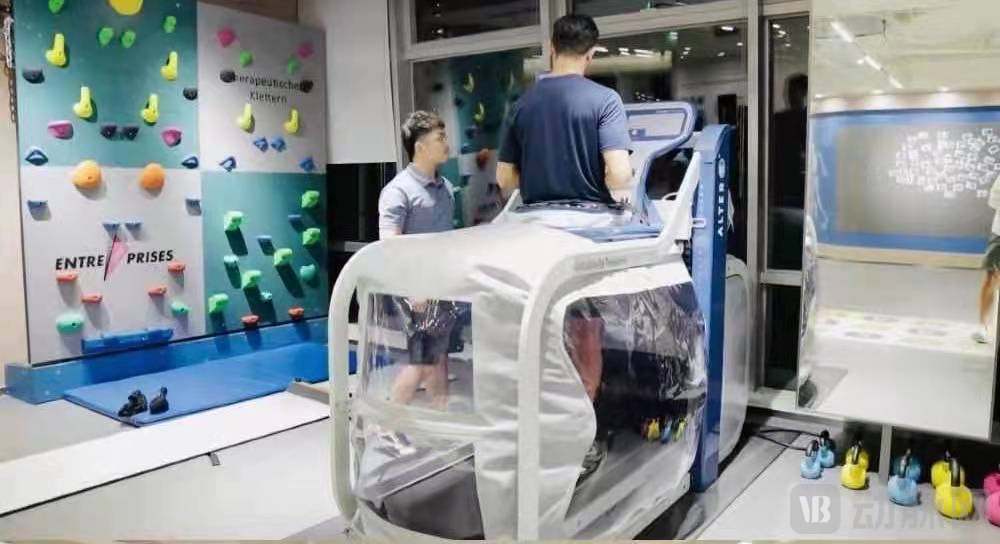
Fudong Musculoskeletal Offline Clinic
Zhao Qingyi believes that in specific fields of orthopedics, the existence of offline institutions is necessary, as intensive offline treatment cannot be replaced by online services. However, this does not mean that a division between online and offline care is required. Digital therapeutics can address the shortage of rehabilitation therapists in China and expand access to rehabilitation for orthopedic patients.
Therefore, Fudong Musculoskeletal has established two medical entities in Shanghai and will adopt an expansion model featuring a central hub plus peripheral partnerships (such as collaborations with community clinics) to move closer to end customers and provide comprehensive solutions.
At present, Fudong Musculoskeletal is collaborating with orthopedic and sports medicine experts from top-tier (Grade 3A) hospitals, including Shanghai Sixth People’s Hospital and Huashan Hospital, to develop intelligent musculoskeletal products and advance their clinical applications. While developing digital therapeutic products, Fudong Musculoskeletal is also actively establishing its online digital healthcare infrastructure.
Looking Ahead,Fudong Musculoskeletal will also establish a new Digital Medical Center, creating a comprehensive closed-loop database through synchronized online and offline digitalization, thereby forming China’s first musculoskeletal diagnosis and treatment data system.For patients, we provide potential risk alerts, full-course disease tracking, and personalized treatment plans to achieve optimal therapeutic outcomes; for physicians, we facilitate comprehensive patient management throughout the disease course, establish individual physician-patient databases to support clinical data acquisition for research projects, and develop digital therapeutics guidelines.
Professor Ma Xin believes that precise treatment experiences or foundational data will provide excellent material for future clinical research, guideline development, and consensus building. However, he emphasizes that the issue of medical data security must not be overlooked. He stated that digital therapeutics involve patients' personal data, and safeguarding core private patient information is fundamental; this remains a critical focus for the future digitalization of healthcare.
Professor Ma Xin further stated, “In the field of traditional medicine, Western countries began their research in rehabilitation early and have developed comprehensive systems, which constitutes their advantage. However, we benefit from the advantages of latecomers. China’s internet infrastructure, strong government support, and favorable macro-environment are all highly advantageous. By leveraging the internet, big data, and advanced technologies, I believe we can lead the world in ensuring that more patients receive guidance from top-tier rehabilitation institutions at the earliest possible stage.”
About Fudong Musculoskeletal
Founded in 2018, Fudong Musculoskeletal is an innovative healthcare enterprise dedicated to the fields of musculoskeletal rehabilitation and sports medicine. By engaging in innovative business activities—including operating musculoskeletal rehabilitation clinics, developing digital therapeutics for sports medicine, pursuing patent projects for derivative products such as orthoses, building multi-disease databases for the musculoskeletal system, and collecting data on clinical cases and research topics in musculoskeletal rehabilitation—the company has established itself as a research-oriented, specialized medical innovation enterprise. It is deeply vertically integrated into orthopedic rehabilitation, postoperative rehabilitation, and sports medicine, while achieving deep multidisciplinary integration of clinical medicine, software and hardware development, artificial intelligence, and big data processing. The core team comprises orthopedic surgeons from top-tier (Grade III Class A) hospitals, professors of rehabilitation from prestigious “985” universities, architects and algorithm experts from leading domestic internet companies, and specialists in intelligent sensing, measurement, and control.
Fudong Musculoskeletal Official Websitewww.medmotion.cn