

Stealth Private Hospitals: A Breakthrough Gateway for Domestic Medical Devices

Aohua
Developer and Manufacturer of Flexible Electronic Endoscopes
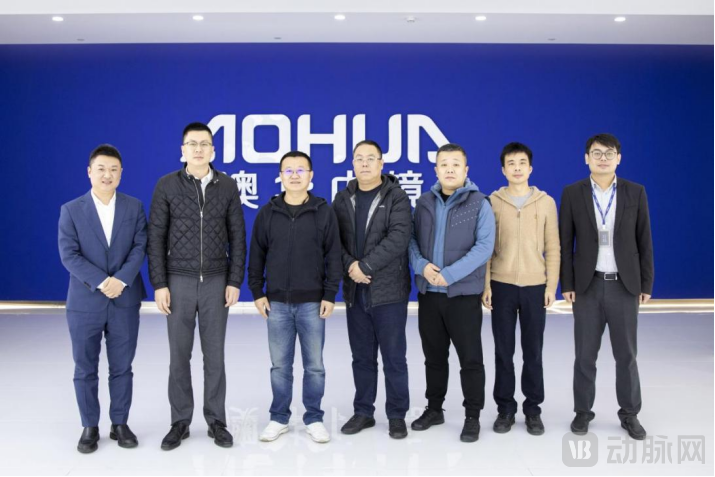
It is reported that in December 2021, Dongda Medical Group and AOHUA Endoscopy Partner reached a cooperation agreement in Shanghai. The two parties will join hands to carry out in-depth industry-medical collaboration, aiming to build regional diagnosis and treatment centers and jointly explore new clinical technologies and new directions for scientific research.
In recent years, rising household incomes, consumption upgrades, population aging, and changes in family structure in China have driven growing demand and service enhancements across sectors such as healthcare, culture, and education. This period of industrial transformation holds substantial, stable, and long-term market potential.
Currently, domestically produced medical devices are experiencing unprecedented rapid growth, with diverse sectors flourishing. The endoscopy field is seizing substantial market opportunities driven by the high prevalence of gastrointestinal diseases. Meanwhile, private healthcare providers are also encountering unprecedented opportunities, bolstered by the 14th Five-Year Plan’s emphasis on expanding healthcare service capacity through non-public medical institutions as a complementary component.
Essential Demand Gap: Large Population Base and Rapid Aging
The seventh national census revealed that China’s population exceeded 1.41 billion, with 264.01 million people aged 60 and above, accounting for 18.70%. These data indicate that China has entered an aging society and is progressively transitioning into a “moderately aging” society.
High-Quality Service Gap: Demand for Premium Medical Services
In 2020, per capita GDP exceeded US$10,000, comprehensive victory was achieved in the battle against extreme poverty, the middle-income population continued to expand, and health insurance coverage surpassed 98%. In 2020, China’s total national health expenditure exceeded RMB 7 trillion (RMB 7230.64 billion), with government spending accounting for 30.4%, social spending for 41.8%, and individual out-of-pocket spending for 27.7%. Total health expenditure accounted for 7.1% of GDP.
National Policy Support: Promoting the Sustainable, Healthy, Standardized, and High-Quality Development of Private Healthcare; Supporting Endoscopy Projects
In recent years, policies have clarified that non-public medical institutions are an important component of China’s healthcare service system and a vital force in meeting the diverse healthcare needs of different population groups while expanding the overall supply of medical services. It is essential to stimulate the vitality of non-public medical practice, cultivate a cohort of high-quality, distinctive brands, and foster a diversified healthcare landscape characterized by coordinated development between public and non-public medical institutions.
In October 2019, the National Development and Reform Commission (NDRC) revised the Catalogue for Guiding Industrial Restructuring (2019 Edition), listing electronic endoscopes, surgical robots, and other products as encouraged projects to be prioritized for development.
Specialty Meets Focus
Southeast University Partners with AOHUA to Forge a Path Toward High-Quality Development in Gastroenterology
Dongda Medical: Specialization is an Important Path for Private Healthcare Providers
In the field of diagnosis and treatment of gastrointestinal and anorectal diseases, Dongda Medical has long been rooted in the anorectal health industry, consistently adhering to the professional philosophy of “excelling in this craft and making it our livelihood,” and striving to be “the premier provider of diagnostic and therapeutic solutions for gastrointestinal and anorectal diseases.” Currently, Dongda Medical operates inInvested in and operates multiple anorectal specialty clinics across 53 cities in China, becoming one of the fastest-growing modern healthcare groups in China's specialized medical sector.
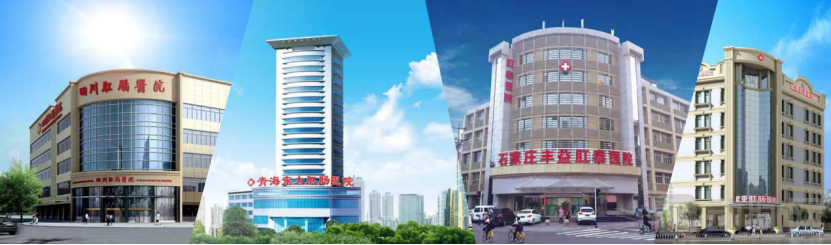
Image from Dongda Medical
Meanwhile, the ability to join medical consortiums led by large Grade 3A hospitals is also regarded as a threshold for entering the “inner circle.” Since 2018, multiple institutions under its umbrella have officially joined the Anorectal Specialty Alliance of Beijing University of Chinese Medicine, and some hospitals have become members of local provincial-level Grade 3A hospital medical consortiums.
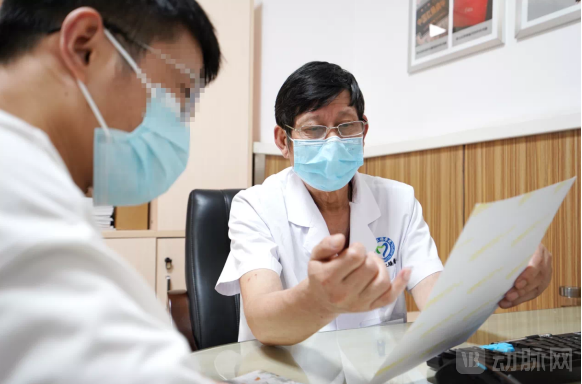
Image from Dongda Medical
Most physicians are members or board representatives of organizations such as the Anorectal Branch of the China Association of Chinese Medicine, the Anorectal Professional Committee of the China Promotion Association for Traditional Chinese Medicine Research, and the Colorectal and Anal Diseases Professional Committee of the Chinese Medical Doctor Association. This signifies that Dongda Medical Group has become part of the “mainstream.”
It is reported that multiple private hospitals under Dongda Medical Group have completed the installation of AOHUA Endoscopy systems and have officially put them into use.
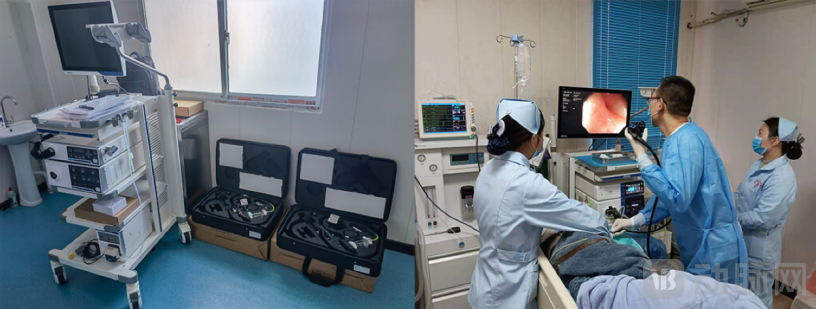
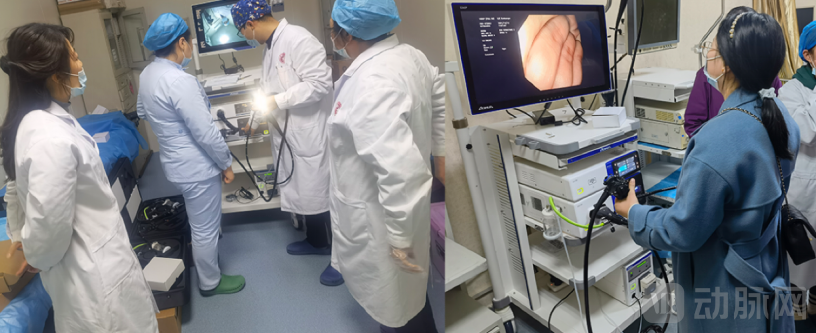
AOHUA Endoscopy Installation Site
AOHUA Endoscopy: Breaking Through with Domestically Produced Endoscopes through Independent Innovation
Since its establishment in 1994, AOHUA Endoscopy has been dedicated to the field of endoscopy. As a domestic enterprise with innovative independent R&D and professional manufacturing capabilities, it has established in-depth collaborations with Grade-A tertiary hospitals such as Beijing Friendship Hospital, Capital Medical University, and Hangzhou First People’s Hospital, jointly establishing the National Clinical Research Center for Digestive Diseases.
Industry-Medical Collaboration: Promoting Upgrading and Advancement
Moving forward together with shared vision, the deep collaboration between Dongda Medical, as a representative of non-public medical institutions, and Shanghai AOHUA Endoscopy, an independent Chinese brand, will surely make a meaningful contribution to gastrointestinal health in China.
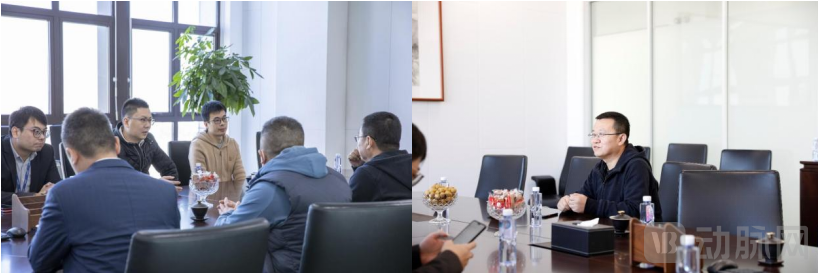
Due to the highly complex overall structure of flexible endoscopes, which integrate multiple modern high-precision technologies, a complete disassembly can reveal more than one hundred components. Furthermore, the assembly process demands exceptionally high standards from technicians; even minor variations, such as the placement of a single component or differences in adhesive bonding, can lead to perceptible changes in the physician’s tactile feedback and the flexibility or stiffness of the endoscope.
A delegation of leaders from Dongda Medical conducted a special tour of AOHUA Endoscopy Partner’s production lines. They learned that over the years, AOHUA has cultivated a base of core component suppliers offering high quality at controllable costs, and that senior technicians with more than 10 or even 20 years of industry experience oversee key manufacturing processes, thereby ensuring the precision production of endoscopes and processors.
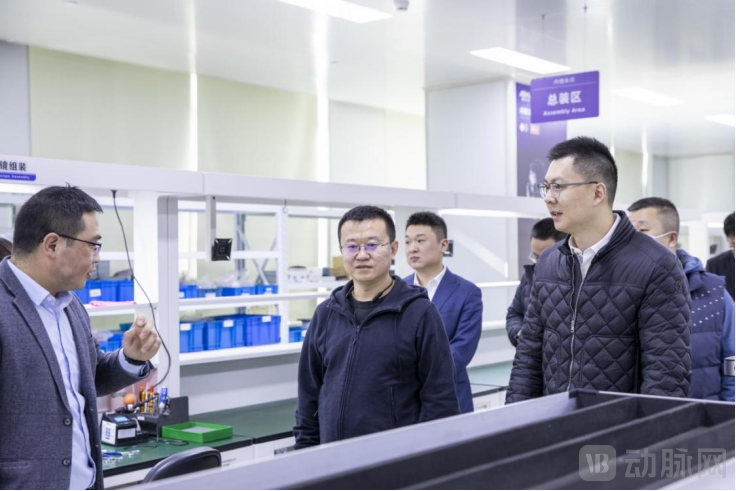
With growing public attention, increasing policy support, and substantial investment from major capital players, China’s domestically produced medical industry is radiating vitality.
Analysts believe that the primary care market and private hospitals have driven significant expansion in the medical device market. Promoting tiered diagnosis and treatment and encouraging social capital to invest in healthcare are effective measures for China to further deepen healthcare reform and improve the efficiency of medical resource allocation. Equipping these institutions with mid-to-high-end devices and enhancing the professional skills of medical staff constitute the main model for improving service levels in primary care and private healthcare markets and guiding patient分流 (patient distribution). Leveraging their cost-performance advantages and aligned with policy directions, domestically produced medical devices will seize substantial development opportunities.
It can be said that private hospitals and domestically produced medical devices are engaged in a well-considered “win-win cooperation.”
The relationship between the two parties extends beyond simple equipment supply; they are innovation partners who fully understand each other’s development aspirations and grow together. Through the collaboration between Dongda and AOHUA, a new path of deep integration and mutual success may be explored, helping to drive leapfrog, high-quality development in the private healthcare sector, provide more comprehensive and diverse health services, and thereby unlock the vast blue ocean of opportunities in private healthcare.