

Six Biotech Companies and Three Institutions Unite to Tackle Neurodegenerative Diseases with Novel Tools and Interdisciplinary Approaches
On Earth, a new dementia patient emerges every three seconds., of whom 60%-70% have Alzheimer's disease. To date, there are over 50 million people with dementia worldwide; China has more than 10 million patients, including 6 million with Alzheimer's disease, making it the country with the largest and fastest-growing Alzheimer's patient population in the world.
Given the complexity of the central nervous system (CNS) and the challenges in drug development, there are still no truly effective therapeutic agents available for this trillion-dollar market.Among these, neurodegenerative diseases are the focus of CNS therapeutic interventions, predominantly affecting the elderly population, with Alzheimer's disease and Parkinson's disease being the two most common age-related neurodegenerative disorders.
Moreover, unlike malignant diseases such as cancer, neurodegenerative disorders are generally not immediately fatal but carry an extremely high rate of disability, imposing a heavy burden on families and society. There is an urgent need to develop truly safe and effective drugs to meet market demand.
With this pressing problem to be solved,VCBeat/VBNewMed, in partnership with Bohe Angel Fund and Bohe Innovationand outstanding partners within the industry, held an offline salon themed “Integrated Solutions for Neurodegenerative Diseases.”Featuring insights from six industry experts, three investment professionals, and other specialistsFocusing on diverse explorations in diagnosis and treatment, we discuss integrated solutions for neurodegenerative diseases, offering more insights into current diagnostic and therapeutic challenges within the industry and presenting a richer space for imagination.
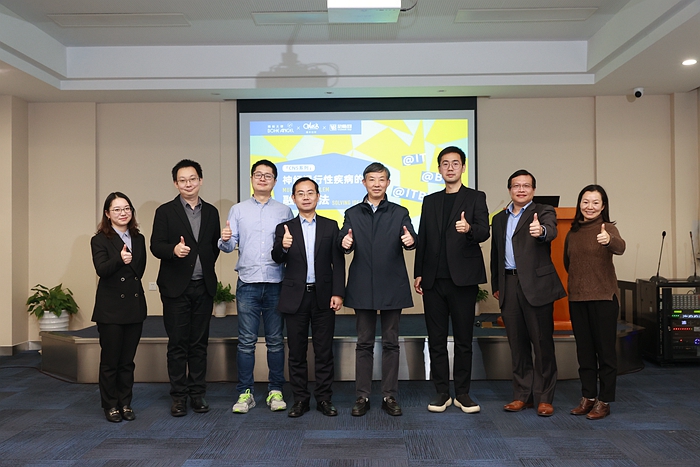
The guests attending this special session included Yan Jiemin, General Manager of Quanterix Asia Pacific; Jia Kan, Co-founder of NuoNuo Technology; Guan Xiaoming, Co-founder and CEO of Fubei Biology; Zhong Chunjiu, Co-founder and CSO of Rixin Medicine; Ma Weiwei, General Manager of Zhuokai Biology; Wei Jun, CEO of Ruijian Medicine; Bao Yanghuan, Partner at Mint Angel Fund; Wang Haotian, Investment Vice President at Legend Capital; Ren Wanting, Senior Investment Manager at Juming Venture Capital; as well as numerous industry professionals and researchers. The following are highlights from the conference:
1. Future Therapies for AD: Advocating Collaboration, Establishing Cohorts and Biobanks,
Shared Model Accelerates R&D
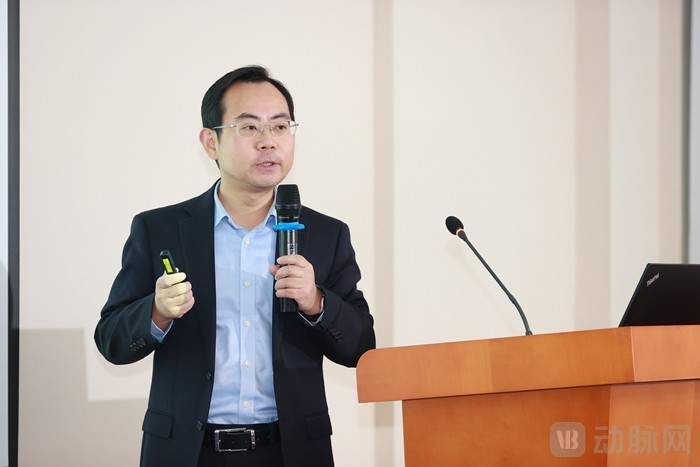 Bao Yanghuan, Partner at Mint Angel Fund
Aducanumab is the first new therapy approved for the treatment of Alzheimer’s disease (AD) since 2003, and the first therapy to target the underlying pathophysiology of the disease.
The approval pathway of aducanumab has been fraught with controversy; although it effectively reduces amyloid-beta (Aβ) deposition in patients’ brains, its efficacy in slowing cognitive decline remains contentious.Bao Yanghuan, Partner at Mint Angel Fund, believes“Aβ as a target for AD is itself controversial in the academic community: Is Aβ the fire or the smoke? If it is the smoke, then just as eliminating smoke does not extinguish a fire, reducing Aβ may not affect the course of AD. Some scientists worry that using key neurodegenerative disease proteins both as therapeutic targets and as surrogate clinical endpoint biomarkers could mislead drug developers.”
Despite the controversy surrounding its approval, aducanumab has nonetheless brought positive significance when viewed against the history of new drug development in oncology and HIV.
Bao Yanghuan stated, “The approval of aducanumab will help shift public perceptions of Alzheimer’s disease (AD). Previously, many people believed that cognitive decline associated with aging was inevitable and untreatable. The attention generated by the approval of aducanumab can help educate the public, encourage more patients and their families to actively seek diagnosis and treatment, and increase patient participation in clinical trials. Another positive impact is that it offers hope to pharmaceutical companies and investors, potentially leading to greater investment in research on AD treatments and diagnostic methods, thereby facilitating the development of safer and more effective drugs.”
Returning to Alzheimer’s disease (AD) itself, the key biomarker protein Aβ serves both as a therapeutic target and as a clinical surrogate endpoint. Could this dual role mislead drug development?
Addressing this issue, Bao Yanghuan stated, “First, drawing on the experience and lessons learned from past failed clinical trials targeting Aβ and Tau, pharmaceutical companies continue to strive to improve their clinical protocols or test new hypotheses. Second, according to the ‘2021 Alzheimer’s Disease Clinical Trials Report’ released by the Alzheimer’s Drug Discovery Foundation, the proportion of R&D focused on innovative targets continues to rise, particularly in Phase I clinical trials. In 2021, there were 118 therapies aimed at modifying the course of Alzheimer’s disease (AD). The top three target categories were: misfolded proteins, namely Aβ and tau (23%); neuroprotective agents (20%); and synaptic activity and neurotransmitters (20%).”
“Furthermore, given the complexity of Alzheimer’s disease (AD), a multi-target approach via combination therapy may be necessary. Fortunately, the rapid advancement of novel therapies has brought new hope to AD treatment, with emerging modalities such as gene therapy, small nucleic acid drugs, cell therapy, and microbiome-based therapy coming to the fore. Blood-based biomarkers for AD are also on the verge of entering clinical diagnostics and being incorporated into drug clinical trials, enabling early diagnosis and even prediction of AD. Relevant studies have been published by leading institutions in China, including Xuanwu Hospital, Huashan Hospital, Shanghai Jiao Tong University, and The Hong Kong University of Science and Technology.”
Finally, Bao Yanghuan stated, “To accelerate the drug development process in the field of Alzheimer’s disease (AD), it is necessary to gradually establish domestically certain resources that have significant value for R&D, similar to those available abroad. Examples include cohorts such as BioFINDER and the Alzheimer’s Disease Neuroimaging Initiative (ADNI); the Diagnostics Accelerator, co-initiated by Bill Gates, which provides both funding and resources; and specialized information-sharing platforms like Alzforum.”
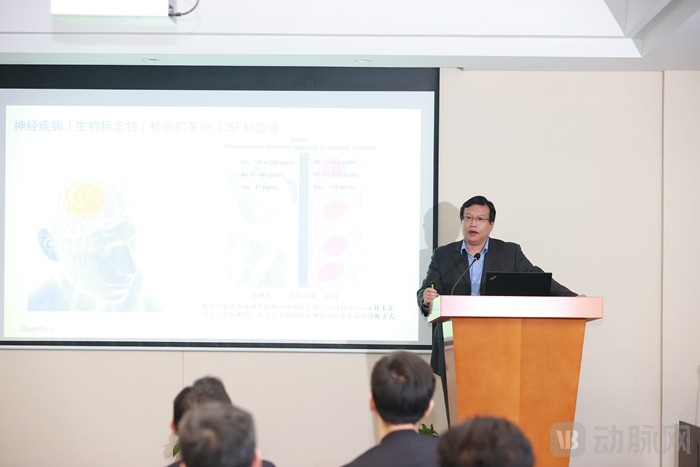 Yan Jiemin, General Manager, Quanterix Asia-Pacific
Neurological biomarkers, previously detectable only in cerebrospinal fluid, can now be measured in peripheral blood using Simoa technology, transforming the diagnosis of brain injury and neurodegenerative diseases. Compared with ELISA, whose readout sensitivity is limited by dilution, Simoa reduces the required sample volume by 2 billion-fold relative to the standard 100 µL ELISA assay, enabling signal detection with only a small number of fluorescent product molecules.
Yan Jiemin, General Manager of Quanterix Asia-Pacific, said“Simoa technology originates from Quanterix, a company founded in 2007 by Dr. David Walt, founder of Illumina. Dr. Walt is a member of the U.S. National Academy of Engineering, the U.S. National Academy of Medicine, and the American Academy of Arts and Sciences. The company developed Simoa (Single Molecule Array), the world’s most sensitive immunoassay platform, launched the fully automated Simoa HD-1 Analyzer (for research use only) in 2014, and introduced the SR-X benchtop analyzer in 2017.”
“Researchers from Sweden, Canada, the United Kingdom, and other regions have published significant findings in the prestigious journal Lancet Neurology. They developed an ultra-sensitive assay for plasma p-tau181 based on the Simoa platform and validated its utility as a biomarker for Alzheimer’s disease across four cohorts. This assay can be used for screening and diagnosing Alzheimer’s disease, offering advantages such as simplicity, accessibility, and scalability.”
Furthermore, blood biomarkers have diverse applications in clinical trial design:In high-risk populations, Aβ and pTau markers can be used for preliminary screening. During enrollment in clinical trials, Aβ and pTau markers may be employed for the prescreening of Alzheimer’s disease, ultimately integrated with NfL, GFAP, and other cognitive metrics into an algorithm to determine cutoff points for inclusion and exclusion criteria. Among enrolled patients, concentrations of pTau, GFAP, and NfL markers are stratified into distinct progression thresholds, which can be utilized to assess biological effects.
Yan Jiemin concluded, “In short, the application of ultra-sensitive blood biomarker detection technology in clinical diagnosis is beginning to show promise. The next critical step is to determine the utility of these biomarkers at the individual patient level. Given the comprehensive complexity of Alzheimer’s disease pathology, we also need to integrate basic research with clinical practice to discover more neuron-specific blood biomarkers.”
“Furthermore, in accordance with the national 14th Five-Year Plan and clinical needs, adhering to the principle of early diagnosis and early treatment, we should rapidly advance the development of an integrated healthcare delivery system involving medical institutions, communities, health examination centers, and health management organizations, thereby accelerating the advancement of brain science.”
3. 70% of patients with brain disorders are undiagnosed or untreated,
Building Smart Solutions with EEG-Powered AI
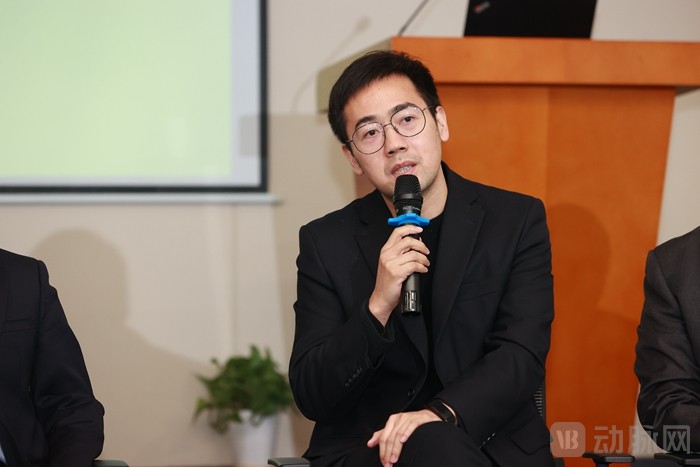 Jia Kan, Co-founder of NuoNuo Technology
The three areas with the greatest commercial potential in the brain science sector are brain diseases, brain-controlled interaction, and the metaverse.The foundation of advances in brain science lies in breakthroughs in the study of brain function. Electroencephalography (EEG) serves as a signal of changes in brain function, acting as the brain’s external language.The key to decoding and translating EEG signals (the brain’s language) lies in standardized EEG databases combined with artificial intelligence algorithms, among which the development of EEG databases constitutes the most fundamental infrastructure in the field of brain science.
Jia Kan, Co-Founder of NuoNuo Technology, introduced“Nuono Technology was founded in 2014, focusing on exploration and services in the field of brain science. The founding team consists of Ph.D. graduates from Zhejiang University. It possesses the world’s largest EEG database and an AI development platform for brain science, providing product services based on ‘database + AI’ to empower sectors such as diagnosis, treatment, and management of brain disorders, as well as brain-controlled devices.”
In this sector, China currently has over 200 million patients with brain disorders, among whom approximately 70% remain undiagnosed or untreated. There is a severe shortage of electroencephalogram (EEG) diagnostic and treatment capabilities in primary and secondary healthcare institutions.
Jia Kan stated, “To address this pain point, Nuonuo Technology partnered with Zhejiang University to establish a Brain Science Research Center, collaborated with nine top-tier Grade 3A hospitals to jointly build provincial-level regional centers, and set up 50 data collection points (monitoring centers). Its business now covers more than 20 provinces, municipalities, and autonomous regions across China, establishing a city-level three-tier prevention system for brain health.”
“Leveraging Nuono Technology’s nationwide EEG monitoring centers, the company can acquire extensive data on patients with mental disorders and establish standards for continuous monitoring. Furthermore, through joint development of videos and courses with Talking Tom Cat, combined with VR technology, Nuono Technology enhances patient adherence and diversifies treatment modalities. The company also assists pharmaceutical companies deploying digital therapeutics both in China and abroad to track patient medication usage and side effects, while developing digital therapeutics for depression, post-traumatic stress disorder (PTSD), anxiety, and insomnia.”

Guan Xiaoming, Co-founder and CEO of Fubei Biotech
Central nervous system diseases are among the most detrimental to human health, ranking as the second leading cause of death. With the accelerating aging of the population, the prevalence of neurodegenerative diseases is on the rise; however, many such conditions currently lack effective medical interventions, representing a substantial unmet clinical need.
Taking Alzheimer’s disease as an example, according to World Health Organization statistics, a new case of dementia occurs every three seconds, with over 60% of these cases being Alzheimer’s disease.Faced with this trillion-dollar market, the drugs approved over the past two decades have only addressed symptoms rather than root causes, offering limited therapeutic efficacy.
Guan Xiaoming, Co-founder and CEO of Fubei Biotech, said: “It is well known that earlier intervention yields better outcomes in the treatment of Alzheimer’s disease (AD). However, due to the lack of obvious symptoms in the early stages of AD, evaluating the efficacy of a drug poses a significant challenge. The FDA has repeatedly sought input from the industry to identify a more reasonable evaluation criterion.”
“Not long ago, the FDA approved aducanumab, a drug for the treatment of Alzheimer’s disease (AD). Although both the drug and its approval process have been highly controversial, it is nonetheless a positive development that regulatory agencies can facilitate the market entry of new drugs for severe neurological conditions like AD—which pose significant health risks and lack effective treatments—and enable early clinical validation of patient benefits through approval reforms (i.e., accelerated approval pathways utilizing surrogate endpoints plus post-marketing verification). This brings new opportunities and advances, providing a substantial impetus to the industry.”
“Of course, challenges remain. For instance, we lack translational preclinical disease models, as animal models differ significantly from humans. In our search for translational models, we should prioritize those that best recapitulate human pathological features.”
Guan Xiaoming added, “The etiology of the disease is multifactorial, and our understanding of its pathogenic mechanisms remains insufficient. The gradual development of new targets, along with combination therapies involving dual or multiple targets, has offered novel therapeutic strategies. Neuronal death is irreversible; therefore, the timing of intervention is critical, necessitating early diagnosis and early treatment. Furthermore, challenges persist, such as the penetration of drugs—particularly large biological molecules—across the blood-brain barrier.”
“Overall, the challenges are evident, but so are the accompanying advances and opportunities.”
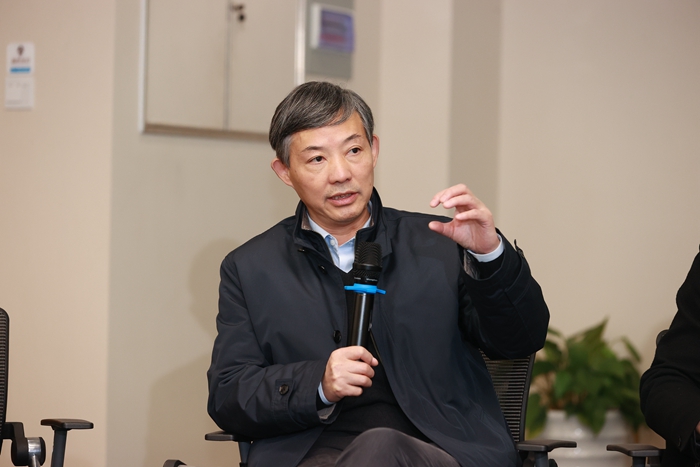
Zhong Chunjiu, Co-founder and CSO of Rixin Pharmaceuticals
Zhong Chunjiu, Co-founder and CSO of Rixin Pharma, said“Although the industry has consistently emphasized early diagnosis and early treatment, as a clinical practitioner, I personally believe that we cannot—and medical ethics do not permit us to—abandon these CNS patients who have already developed overt symptoms; they equally require novel therapeutics for treatment.”
“During the FDA’s approval process for aducanumab, there was a reluctance to thoroughly consider why identical study designs, enrollment criteria, and treatment standards yielded different results. Although its approval has been encouraging for patients and companies, the most fundamental attributes of any drug are efficacy and safety, which remain the key basis for new drug approvals.”
“To develop effective drugs, it is essential to identify the key pathological damage factors; targeting these factors provides the most robust foundation for new drug development.
“Furthermore, in current clinical practice for Alzheimer’s disease (AD), we indeed lack robust diagnostic biomarker assays. In contrast, the rapid progress in oncology is largely attributable to the availability of numerous biomarker evaluations; a single venous blood draw can screen out a subset of patients with early-stage cancer.”
In this challenging and unresolved field, Rixin Pharma has been making continuous efforts and has finally achieved a breakthrough. Zhong Chunjiu introduced, “Based on the innovative academic concept of ‘brain energy (glucose) metabolism impairment’ and novel targets, we have established a globally unique AD innovative drug R&D system and preclinical evaluation platform with full independent intellectual property rights, as well as a novel diagnostic research system, thereby exploring an effective pathway to address the global challenge of Alzheimer’s disease.”
“We have achieved significant progress in industrialization. Currently, five new drug candidates are at various stages of the Investigational New Drug (IND) process; one of these has been proven effective in Phase II clinical trials conducted in both China and the United States. Over 1,000 novel structural compounds are undergoing druggability evaluation and international patent protection, while diagnostic kits for early and precise diagnosis are being developed concurrently.”
6. Modifying Disease Progression by Inhibiting Rac1 Activity
is the key to controlling memory storage status
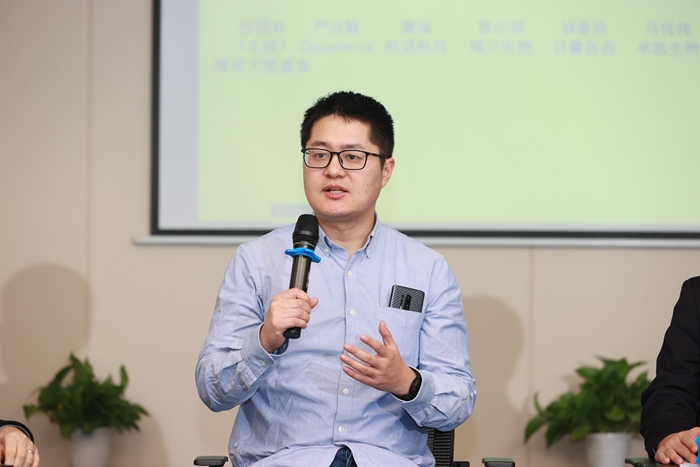
Ma Weiwei, General Manager of Zhuokai Biotechnology
Currently, global R&D for new drugs in the central nervous system (CNS) field is highly active, with dispersed mechanisms and targets, and is dominated by small biotechnology companies. In China, the proportion of drug R&D projects in the CNS field is lower than in other regions, and large pharmaceutical companies have fewer R&D projects in this area.
To break through the convergence point of new CNS solutions,Ma Weiwei, General Manager of Zhuokai Bio, said“Zhuokai has chosen the development of a novel Alzheimer’s disease drug as the starting point to validate its corporate strategy. Leveraging Professor Zhong Yi, the founder’s, three decades of R&D experience in neuroscience and the identification of validated targets, Zhuokai aims to overcome key challenges in CNS drug development, including the difficulties in early assessment of efficacy and toxicity, blood-brain barrier penetration, and the translation from pharmacologically active molecules to clinical candidates.”
“In 2010, the founder of Zhuokai Bio discovered that the Rac1 protein regulates active forgetting. The primary clinical cognitive symptom in Alzheimer’s disease patients (memory impairment) is abnormal forgetting. Its pathogenic mechanism involves Alzheimer’s disease etiologies activating Rac1 activity, whereas inhibiting Rac1 activity can suppress abnormal forgetting while simultaneously reducing toxic proteins and inflammation.”
Modifying the disease course by inhibiting Rac1 activity can mediate reversible forgetting of memories, which is key to controlling the state of memory storage.
Discussing current developments, Ma Weiwei continued, “Zhuokai Biotechnology’s small-molecule drug 50561, targeting Rac1, received clinical trial approval in March this year, with the first patient enrolled in September. 50561 is the first-in-concept novel therapy for Alzheimer’s disease (AD) that targets memory loss mechanisms, and is expected to enter Phase IIa trials in Q3 2022. 50561 also has potential applications in other common clinical forms of dementia, such as vascular dementia, which has already been validated in animal studies.
“In addition, Zhuokai has developed JK-new, a Class 1.1 novel drug for amyotrophic lateral sclerosis (ALS), and Agiforget, a drug repurposing project for autism. The company has also made strategic moves in the memory-enhancing health supplement sector. Through Drosophila screening, Zhuokai identified a formulation that improves memory across multiple dimensions; this formulation has been shown to enhance memory in healthy mice and improve volunteers’ recall of dreams.”
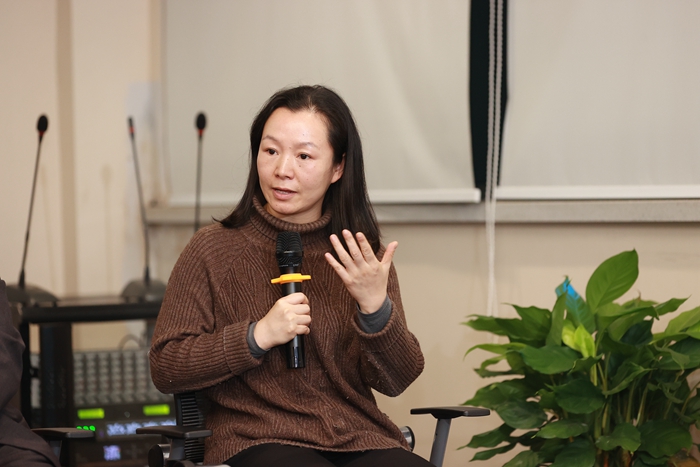
Wei Jun, CEO of Ruijian Pharmaceutical
The Dawn of the Regenerative Medicine Era Brings New Hope for Parkinson’s Disease TreatmentParkinson’s disease is a neurodegenerative disorder of the central nervous system. Common treatment approaches include deep brain stimulation (DBS) surgery and oral medications such as levodopa, which alleviate Parkinsonian symptoms by compensating for the functional loss of dopaminergic neurons. However, neither of these methods can reverse neuronal death in the brain, and thus they cannot provide a complete cure for Parkinson’s disease.
Cell replacement therapy using iPSC-derived cells is also regarded as a novel approach for treating Parkinson’s disease. iPSCs possess the proliferative capacity required for industrial-scale manufacturing and overcome the ethical constraints associated with the use of embryonic stem cells. Furthermore, various strategies can be employed to reduce the immunogenicity of iPSCs, thereby mitigating the risks associated with allogeneic cell transplantation. Consequently, iPSCs offer unique advantages in the development of cell-based therapeutics.
In the industrial-scale production of iPSCs, there are two major industry pain points: 1. How to achieve convenient, efficient, and synchronous differentiation of iPSCs at an industrial scale? 2. How to mitigate the potential risks associated with genomic modification techniques?Ruijian Pharmaceuticals achieves transcriptional regulation of core target genes through small-molecule compounds, enabling the safe, convenient, and precise conversion of iPSCs into highly efficient and homogeneous functional cells.
Specifically, Ruijian Pharma is a pharmaceutical company dedicated to identifying the core determinant genes underlying cellular functional conversion and inducing functional cell regeneration through chemical small molecule-mediated “non-genomic modification” transcriptional regulation.Ruijian Pharmaceutical CEO Wei Jun introduced“Leveraging our proprietary bioinformatics platform, we identify key genes that determine specific cellular functions and perform regulatory network functional analysis to fully uncover the core driver genes governing diverse cellular characteristics. Upon identifying these driver genes for cell transdifferentiation, Regend Therapeutics utilizes AI-driven screening to discover compounds capable of inducing such cellular conversion.”
“Ultimately, by simply combining a select few suitable compounds with a chemically defined basal medium, we can achieve highly efficient and precise differentiation from iPSCs to functional adult cell therapeutics at an industrial scale. In terms of production capacity, this R&D strategy, leveraging Ruijian’s unique chemical induction platform, has significantly enhanced the manufacturing efficiency of cell-based therapies. Taking our Parkinson’s disease pipeline as an example, we have currently achieved an industrial production capacity of 360,000 doses in 21 days.”
Based on the pharmacological efficacy trials and safety evaluation results of Ruijian Medicine’s Parkinson’s disease therapy, the cell-based therapeutics derived from this unique R&D platform not only substantially restored behavioral functions in Parkinsonian animal models but also significantly improved multiple physiological and biochemical indicators.
Regarding Regend Therapeutics’ innovation and industrialization platform, Mr. Wei added, “Furthermore, to accelerate the R&D of cell-based therapies and enhance the effectiveness of their practical translation, we have established a GMP-grade iPSC germplasm resource bank, a three-tiered production cell bank, and a library of over one hundred small-molecule induction compounds. In addition, Regend has developed a unique clinical-grade universal cell production strategy by leveraging compound-mediated inhibition of MHC pathway development and epigenetic regulation. This innovative platform is a global first and has already attracted collaboration discussions with multiple pharmaceutical companies both in China and abroad.”
Investor attention, corporate collaboration,
The Convergent Solution for Neurodegenerative Diseases Is Within Reach
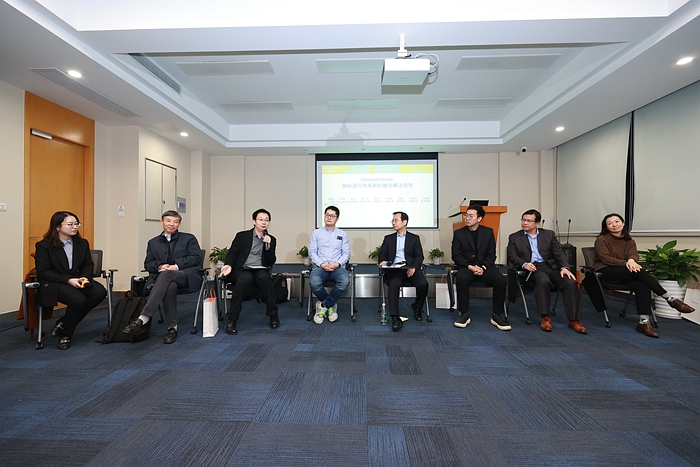
Investors have long set their sights on the vast, high-demand market for neurodegenerative diseases.
Ren Wanting, Senior Investment Manager at Juming Venture Capital, stated“As investors, we have observed that neurodegenerative diseases are characterized by high public attention yet a persistent lack of effective treatments, as well as rising incidence rates driven by global population aging. With scientific advancements, pharmaceutical companies are gradually moving beyond conventional mindsets; for instance, therapeutic strategies for Alzheimer’s disease have evolved from focusing solely on the amyloid target to diversifying into the development and layout of various novel targets. In this era of ‘contention among a hundred schools of thought,’ even better therapies may emerge at any moment.”
Wang Haotian, Vice President of Investment at Legend Capital, said“We are grateful for the opportunities afforded to us by this era. A decade ago, we lacked the conducive atmosphere and environment to come together and discuss innovative drug development. Times are constantly changing, and market demand is steadily rising. For instance, in the field of Alzheimer’s disease (AD), the vast patient population and deepening societal aging will drive increasingly greater demand for effective therapies. The landscape for innovative drugs in the central nervous system (CNS) therapeutic area has not yet fully matured in the current Chinese market, and it is unlikely to become monopolized in the future, leaving substantial opportunities for us today.”
However, an information asymmetry between industries persists between investors and enterprises. In the face of emerging technologies in the biopharmaceutical sector, how can investors maintain continuous understanding and engagement?
Ma Weiwei replied,: “Although biotech companies in China have only been developing new drugs in the CNS field for a short time, the scientists behind them possess over a decade or even decades of continuous research experience. The translation of these achievements is underpinned by years of basic research conducted by these scientists. Furthermore, in terms of animal models and pipeline screening, the industry adheres to a straightforward reductionist approach, namely phenotypic screening. While specific models and pipeline details vary across companies, the underlying rationale remains the same.”
“Based on these two points, it can be expanded. For example, after identifying the first target, we can extend this target to other indications. This is precisely what Zhuokai is doing currently; our Drosophila models include not only Alzheimer’s disease (AD) models, but also amyotrophic lateral sclerosis (ALS) and autism spectrum disorder (ASD) models. Its scalability offers significant potential for future development.”
Yan Jiemin stated“I believe that blood-based biomarker screening for Alzheimer’s disease (AD) will likely be translated into clinical diagnostic applications within the next 2–3 years. Of course, this emerging approach will not serve as the sole diagnostic criterion; rather, it should be integrated with other methods to form a comprehensive diagnostic framework. We also hope that within the next 5–8 years, the field of neurodegenerative diseases can establish approaches akin to cancer screening and companion diagnostics, thereby enabling the integration and application of targeted therapeutic regimens. Through joint efforts by the government and enterprises, we aim to achieve grid-based coverage at the primary care level, facilitating early screening and the rapid implementation of treatment solutions.”
Wei Jun added“In fact, much like Alzheimer’s disease, Parkinson’s disease involves significant pathological changes in dopaminergic neurons by the time early motor symptoms such as tremor manifest; at this stage, at least 60% of the brain’s dopaminergic neurons have already degenerated. Theoretically, earlier intervention yields superior clinical outcomes. However, current clinical trials predominantly enroll patients with moderate-to-severe Parkinson’s disease. Beyond considerations of trial efficacy, another contributing factor is the lack of definitive diagnostic criteria for Parkinson’s disease. If Parkinson’s could be diagnosed and treated prior to symptom onset, it would hold substantial clinical significance for the management of neurodegenerative diseases, including Parkinson’s disease.”
Jia Kan continued,“The major trend in medical diagnosis is the integration of multi-dimensional, multi-modal approaches for diagnostic and therapeutic purposes, where new technologies are inherently complementary. Electroencephalography (EEG) is a typical representative of digital biomarkers. As the level of societal digitalization continues to rise, the development of digital biomarkers is poised for rapid advancement over the next two to three years, aligning with the broader pace of social development. With the evolution of EEG-based digital biomarkers, precision medicine, precise diagnosis, and digital therapeutics related to neurological and psychiatric disorders will play an increasingly important role. In the future, biological biomarkers and digital biomarkers may complement each other, providing stronger support for multi-dimensional treatment strategies. This is particularly relevant for the diagnosis and treatment of neurodegenerative diseases, where digital therapeutics for brain disorders could offer a promising solution.”
As new technologies flourish, age-old concepts such as “drug repurposing” and “phenotype-based screening” are being revitalized.
According to the “2021 Alzheimer’s Disease Clinical Trials Report,” 35% of current clinical projects involve drug repurposing. In the realm of drug repurposing, we should fully leverage real-world data to facilitate the rapid entry of existing drugs into clinical trials, thereby shortening drug development timelines.
Bao Yanghuan said“Drug repurposing” refers to a model that leverages omics data—including genomics, transcriptomics, proteomics, and epigenomics—to screen approved drugs, natural products, and traditional Chinese medicines; seeks evidence from real-world data; and subsequently investigates potential mechanisms and targets. For instance, recent reports on the use of the diuretic bumetanide and sildenafil (Viagra) for treating Alzheimer’s disease (AD) exemplify this strategy of drug repurposing combined with real-world data validation.
Zhong Chunjiu believes: “In the CNS field, there are many instances of drug repurposing. Existing ‘old drugs’ can provide new insights, and the accumulation of real-world data can accelerate the pace of their ‘new applications.’ Furthermore, whether for old or new drugs, effective therapeutics can only be developed after key pathological damage factors have been identified.”
In this regard, Ma Weiwei explained: “Targeted therapy has seen rapid development only in the past two decades. In the 1970s and 1980s, drug discovery strategies were largely based on phenotypic screening. In oncology, because the underlying mechanisms are well understood, effective drugs can be developed against clearly defined targets. However, our understanding of neurological diseases has not yet reached that level, so phenotypic screening remains somewhat aligned with current developmental needs.”
Yan Jiemin added,“Excessively complex clinical trial designs often lead to changes in the final evaluation framework. By aligning clinical trial methodologies more closely with key therapeutic endpoints, we can significantly accelerate drug development for neurological disorders. Furthermore, given the considerable complexity of blood-brain barrier mechanisms, substantial data accumulation is still required to achieve a deeper understanding.”
About the Mint Angel Fund
Mint Angel Fund is China’s first life sciences and healthcare investment fund dedicated to full-cycle incubation. The fund’s seasoned investment team collaborates with an international “think tank” of top-tier scientists, entrepreneurs, and founders, focusing on cutting-edge life science technologies urgently needed in the Chinese market, as well as the R&D of novel drugs targeting new mechanisms and targets in oncology, autoimmune diseases, and anti-infectives. It also strategically invests in innovative precision medicine solutions, including early disease screening and molecular imaging. By leveraging a deep understanding of the pathways and timelines for technology translation, the fund helps enhance portfolio companies’ success rates and accelerate their growth. Mint Angel has also initiated and operates Beijing Newborn Nest and Suzhou Bohe, incubation and innovation centers that aggregate original scientific achievements, providing end-to-end innovation ecosystem services to accelerate the incubation and commercialization of source innovations.
About Bohe Innovation
Adock was initiated by Mint Angel Fund, China’s first life and health investment fund dedicated to full-cycle incubation. By introducing and incubating life and health startups empowered by information technology (IT), Adock builds an innovative ecosystem characterized by cross-disciplinary integration. Supported by professional infrastructure platforms and robust scientific incubation services, Adock is committed to becoming China’s first innovation incubation center specializing in the convergence of information technology (IT) and biotechnology (BT).
VB Insight Forum
VB Think Tank is one of VCBeat’s flagship events, serving as a face-to-face platform centered on exploring solutions in the pharmaceutical and healthcare sectors, with the mission to “focus on practical challenges and discuss industry trends.” The event conducts in-depth discussions, analyses, and brainstorming sessions around the current development status of core themes, addressing encountered difficulties, pain points, and barriers. Meanwhile, it delves into the resource endowments of participating enterprises, fostering practical collaborations through the exchange of ideas.