

Frozen Microneedle! Huaganglong Bio Launches Third-Generation Microneedle Technology for Transdermal Delivery of Insulin and Other Macromolecular Drugs
In the 1970s, the United States Patent and Trademark Office granted the first patent related to microneedles, and the U.S. Food and Drug Administration (FDA) approved the first transdermal drug delivery product. First-generation microneedles were predominantly made of metal and generally required an external drug reservoir for administration. After decades of development, first-generation metallic microneedle products have evolved into second-generation polymeric microneedles. Represented by solid microneedles, coated microneedles, dissolving microneedles, and hollow microneedles, these have become the most common forms of microneedles currently available on the market.
As in vitro drug delivery carriers, microneedles naturally possess characteristics such as minimal invasiveness, painlessness, and a high safety profile. However, due to factors like the limited loading capacity of traditional polymer microneedles and constraints associated with small molecules, second-generation microneedle products still face certain technical challenges in delivering biologics, particularly large biomolecules, live cells, and nucleic acids.
Huaganglong Biotechnology Co., Ltd. from Hong Kong (hereinafter referred to as “Huaganglong Bio”) has launched its third-generation microneedle product—Frozen Microneedles. This innovative combination product enables the effective delivery of macromolecular drugs, such as insulin, peptide-based therapeutics, and cell therapies. As a novel drug-device combination, it offers customizable integrated solutions tailored to the type and loading capacity of the delivered agents, allowing for bespoke configurations of the frozen microneedle device.
VCBeat (WeChat ID: vcbeat) conducted an exclusive interview with Mr. Wu Zilong, founder of Huaganglong Biotech, offering an in-depth analysis of third-generation frozen microneedle technology and outlining the company’s entrepreneurial journey and product portfolio. Mr. Wu holds a Master’s degree in Biomedical Sciences from City University of Hong Kong—his fourth master’s degree. He is also a multidisciplinary professional with diverse expertise, serving as a senior certified public accountant while holding master’s degrees in Finance and Investment, Business Administration, and Science, along with a bachelor’s degree in Commerce.
City University of Hong Kong’s Key IP Incubation: A Strategic Alliance with Experts in Drug Delivery Devices and Skin Repair
During his part-time Master’s studies in Biomedical Sciences at City University of Hong Kong, Mr. Wu Zilong was encouraged by his supervisor, Vice President Yang Mengsu, to pursue entrepreneurship through the HK Tech 300 initiative. Subsequently, he selected a project of personal interest with strong commercial potential from nearly 1,000 intellectual property portfolios available within the university for incubation.
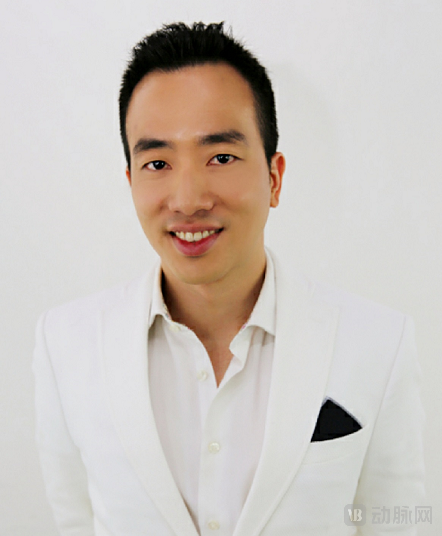
Mr. Wu Zilong, Founder of Huaganglong Biotech
Prior to founding his own company, Mr. Wu Zilong served as a senior executive at renowned firms including Ernst & Young, Australia and New Zealand Banking Group (ANZ), and Standard Chartered Bank. He also provided business strategy and project incubation consulting services to the families of major shareholders of several publicly listed biopharmaceutical and medical device companies, with the chairman of one such listed company encouraging him to embark on his entrepreneurial journey. His extensive experience across the Big Four accounting firms, investment banking, venture capital, and project incubation has led him to be optimistic about the growth prospects of the dermatology-related sector.
Therefore, Mr. Wu Zilong chose to focus on dermatological projects he had long favored, collaborating with Dr. Xu Chenjie, a world-renowned expert in transdermal drug delivery devices, and Professor Liu Wei, an internationally acclaimed specialist in skin regeneration and reconstructive surgery. In 2021, they co-founded Huaganglong Biotechnology.
Dr. Xu Chenjie is an Associate Professor in the Department of Biomedical Engineering at City University of Hong Kong. During his postdoctoral research at Harvard Medical School, he studied under Robert Langer, a professor at the David H. Koch Institute for Integrative Cancer Research at the Massachusetts Institute of Technology (MIT) and a member of the U.S. National Academy of Sciences, National Academy of Engineering, and National Academy of Medicine, who is known as “the Edison of medicine” and is the founder of Moderna.
Dr. Xu Chenjie was honored as the Outstanding PhD Graduate of Brown University in the United States and received the Tan Chin Tuan Fellowship from Nanyang Technological University in Singapore. As the first or corresponding author, he has published more than 150 SCI-indexed papers, co-edited two international monographs, contributed to ten other international monographs, holds or is applying for ten international patents, and has been invited to deliver over 60 presentations at international conferences. He is a co-founder and Chief Scientific Advisor of Huaganglong Bio.
Professor Liu Wei serves as a Dermatology Consultant for Huaganglong Biotechnology. He is an expert in Skin Regeneration and Reconstructive Surgery at Shanghai Ninth People’s Hospital, affiliated with Shanghai Jiao Tong University School of Medicine, with particular expertise in scar repair. Professor Liu is a founding member of the international “Scar Club” and the “Global Scar Society.” He also holds several prominent positions, including Standing Committee Member and Deputy Secretary-General of the Chinese Society for Biomaterials, Chairman of the Tissue Regenerative Materials Branch, and Standing Committee Member of the Chinese Society for Tissue Engineering and Regenerative Medicine.
Powered by Third-Generation Cryo-Microneedle Technology: A Drug-Device Combination for Low-Temperature Insulin Delivery
Frozen microneedles can be used to deliver various types of living cells and biologics. Stem cells, immune cells, peptides, nucleic acids, probiotics, and other agents can all be stored, transported, and delivered via the frozen microneedle platform. This technology has been patented by City University of Hong Kong, and Huaganglong Biotechnology has obtained the relevant license. Research findings on frozen microneedles have been published in Nature Biomedical Engineering.
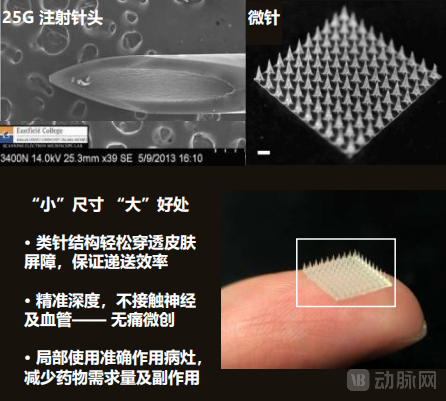
Huaganglong Biologics’ frozen microneedle product is an innovative drug-device combination product that requires customization with specific payloads to form tailored frozen microneedles. The company’s preferred payload is insulin, which is combined with the platform to create an insulin-loaded frozen microneedle product. Explaining the rationale behind choosing insulin, Wu Zilong, founder of Huaganglong Biologics, told VCBeat that the company first recognized the enormous patient population with diabetes in China and the substantial market potential for diabetes treatment. Secondly, delivering insulin via frozen microneedles can address many of the pain points associated with traditional insulin injection therapy.
First, traditional syringe injections require a certain level of technical proficiency (e.g., injection site, depth, angle, and speed), making them less patient-friendly for individuals with trypanophobia or needle syncope.
Second, long-term injections using traditional syringes cause severe damage to patients’ skin, resulting in symptoms such as subcutaneous induration and subcutaneous fat hyperplasia;
Third, injection administration results in the waste of disposable syringes, generating medical waste that poses potential risks to patients and their families;
Fourth, if insulin freezes in winter, it must be discarded and cannot be drawn into a syringe for use.
Accordingly, the advantages of frozen microneedles for insulin delivery are particularly prominent:
1. The microneedle length generally does not exceed 1 mm, so it will not reach the nerves to cause pain;
2. Painless, minimally invasive insulin delivery to minimize the risk of subcutaneous induration and other symptoms;
3. Microneedles are convenient, simple to use, easy to master, and safe, thereby reducing the generation of medical waste.
In China, there are approximately 130 million people with diabetes, and the insulin market exceeds RMB 25 billion. If calculated based on a frequency of four insulin injections per day, a patient would receive a total of 14,600 injections over ten years. By adopting Huaganglong Biotech’s frozen microneedle technology, not only can the use of 14,600 needle tips be avoided, but patients’ quality of life and treatment adherence can also be significantly improved.
Currently, Huaganglong Biotech is also in discussions with insulin manufacturers regarding potential collaborations, with animal trials for its insulin microneedle product expected to commence in 2022. Meanwhile, the company is expanding its portfolio to include microneedle delivery systems for other macromolecular drugs, initiating partnerships with pharmaceutical companies to co-develop customized microneedle-based delivery products for these therapeutics.
Regarding the cell delivery capability of cryo-microneedles, the Huaganglong Biotech team also conducted relevant clinical studies: compared with conventional subcutaneous (SC) and intravenous (IV) injection of ovalbumin-pulsed dendritic cells (OVA-DC), vaccination with OVA-DC via cryo-microneedles (CMN) demonstrated superior anti-tumor efficacy, with this delivery route generating a greater number of mature and activated DCs.
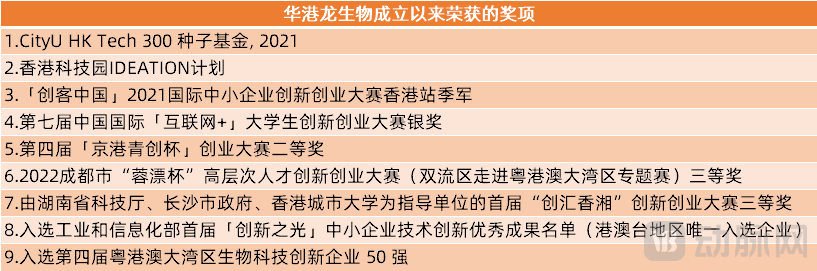
It is reported that Huaganglong Biotech has also launched its first round of financing, amounting to tens of millions of yuan, to support the company’s initial establishment of branches in mainland China, subsequent experiments, and the commercialization of its products.