

Big Tech Races into Blood Pressure Smartwatches: Where Does the $10B Health Wearables Market Stand?
In the era of data-driven healthcare, wearable devices, as one of the primary data interfaces, are garnering increasing attention. Driven by collective industry efforts, the health wearables sector is flourishing as expected.
How many times did you turn over last night? How long was your deep sleep? Was your heart rate within the normal range? As vital sign metrics such as heart rate and sleep monitoring have become standard features in today’s smartwatches and fitness bands, blood pressure and blood glucose monitoring—requiring higher accuracy and posing greater technical challenges—are poised to become the “new frontier” for health-focused wearable devices.
Technology Is Reshaping the Future of the Health Wearables Industry. How Far Has the Technology in the Current Health Wearables Market Advanced? VCBeat (WeChat ID: vcbeat) has outlined the development directions and opportunities for health wearables in China.
According to the global wearable smart device shipment report released by IDC on December 6, global wearable device shipments reached 138.4 million units in the third quarter of 2021, a year-on-year increase of 9.9%. Consumers' growing engagement in outdoor activities and heightened focus on health have kept demand for wearable devices strong this quarter.
In the wrist-worn device segment, Huawei’s shipments in Q3 2021 tied with Apple for first place globally, marking Huawei’s return to the top of the global wrist-worn device market after previously leading in Q2 2020. With strong momentum in the wearable device industry, Huawei’s first smartwatch capable of measuring blood pressure, the WATCH D, which had been anticipated for over half a year, was officially unveiled on December 23.
The HUAWEI WATCH D blood pressure watch measures blood pressure using the oscillometric method. It features a built-in piezoelectric micro air pump with an area comparable to that of a one-jiao coin, capable of reaching a maximum pressure of 300 mmHg, thereby ensuring accurate measurement of systolic blood pressure up to 230 mmHg.
In October 2018, Jin Yidi launched a blood pressure watch equipped with a micro airbag that had received CFDA certification. In December of the same year, Omron also introduced its wearable blood pressure monitor, HeartGuide. Of course, unlike other smartwatches, these two products are capable only of blood pressure monitoring.
HeartGuide features a wristband that doubles as a blood pressure cuff, enabling 24/7 real-time monitoring of blood pressure fluctuations. To measure blood pressure, users simply press the inflation button on the side of the watch; this activates an air tube to inflate the strap, replicating the functionality of a conventional sphygmomanometer to obtain blood pressure readings.
In recent years, many leading companies in the smart wearables industry have begun to tackle photoplethysmography (PPG)-based measurement solutions. In August 2020, Samsung’s Galaxy Watch3 already supported blood pressure monitoring. In October 2021, Huami launched the Amazfit GTR 3 Pro smartwatch, equipped with its PumpBeats blood pressure monitoring engine. This device leverages high-precision optical sensors to perform data acquisition and fusion, build AI models, and thereby enable blood pressure measurement.
Optical blood pressure monitoring has long been a global challenge, primarily due to the stringent accuracy requirements. Blood pressure measurement necessitates not only tracking the frequency of pulse wave oscillations but also capturing waveform characteristics, including structural and morphological information. Throughout this process, environmental and physiological factors such as the patient’s skin tone, skin condition, movement, and behavior can also influence the final results.
The formidable technical barriers have kept the niche field of blood pressure monitoring a blue ocean within the wearable device market. This vast market potential is attracting a cohort of “lone warriors” with robust technical expertise, who are striving to scale the lofty peaks of technological innovation.
In 2018, after returning to China upon completing his studies, Sheng Yibing conducted an in-depth survey of the domestic health wearable device market and found that smart medical wearables currently on the market generally lack precision. For instance, most blood pressure readings are derived from photoplethysmography (PPG) sensors alone or in combination with electrocardiogram (ECG) data, resulting in insufficient accuracy.
Thus, Sheng Yibing decided to start with medical-grade smartwatches and founded Yanhe Intelligence to provide users with more reliable vital sign monitoring data.In 2020, Yanhe Intelligence successfully developed the BP DOCTOR PRO smartwatch, which integrates an air-pump-based blood pressure monitoring system with photoplethysmography (PPG) technology.
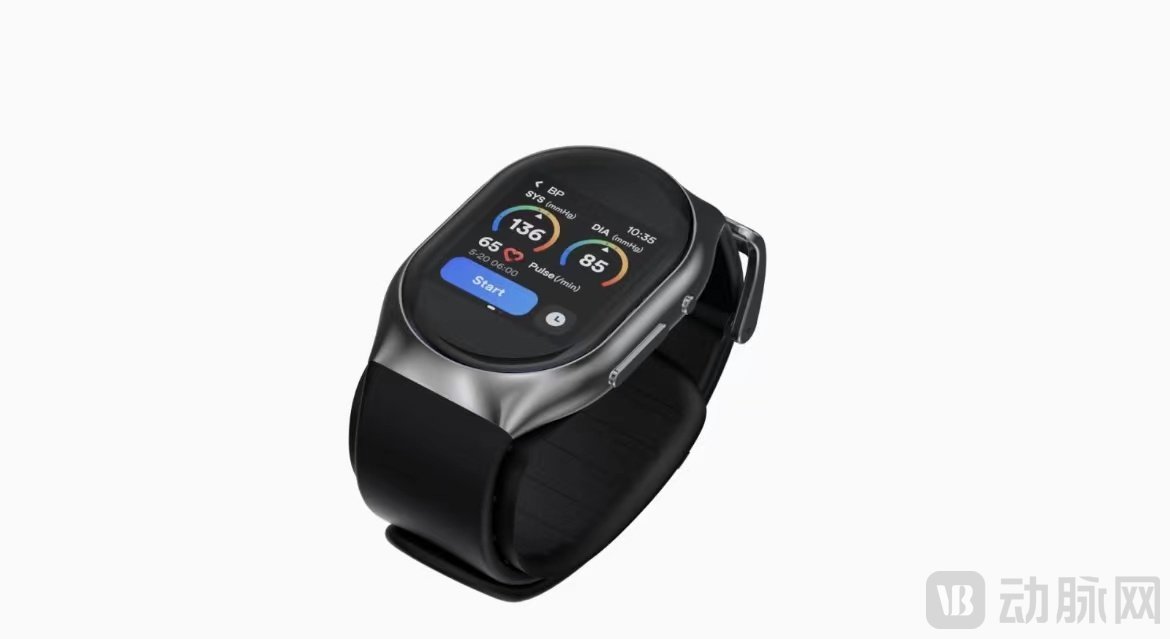
For blood pressure watches, accuracy of monitoring results is the top priority. Yanhe Intelligent BP DOCTOR PRO’s pump-based blood pressure monitoring system employs medical-grade pressure sensors and utilizes oscillometric measurement to achieve medical-grade precision in blood pressure monitoring.
The principle is that when the first pulse wave is generated, the system automatically adjusts the inflation rate based on the identified characteristics of the individual being measured to acquire sufficient pulse waves. When the pulse wave disappears or its peak falls below a certain threshold, the cuff-based blood pressure measurement is completed, and rapid deflation is initiated.
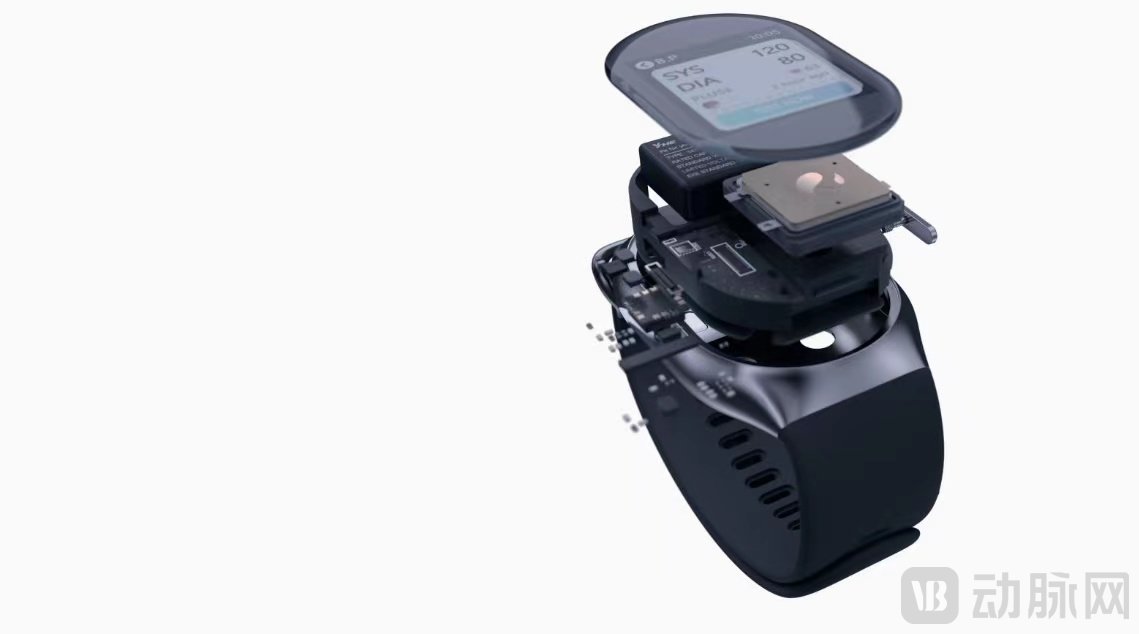
During use, the user taps the blood pressure measurement button on the display screen, and the internal air pump inflates the inflatable bladder located on the inner side of the strap (at a rate greater than 10 mmHg/s). Under identical conditions, inflation rates vary among individuals and depending on how the device is worn. Currently, BP DOCTOR PRO has a mean error of less than 5 mmHg, which is below the medical standard requiring a mean error not exceeding 5 mmHg and a standard deviation not exceeding 8 mmHg.
BP DOCTOR PRO is positioned as a consumer-grade smartwatch, with user experience serving as a key evaluation criterion.To enhance wearing comfort, Yanhe Intelligent has adopted micro air pumps and micro airbags.
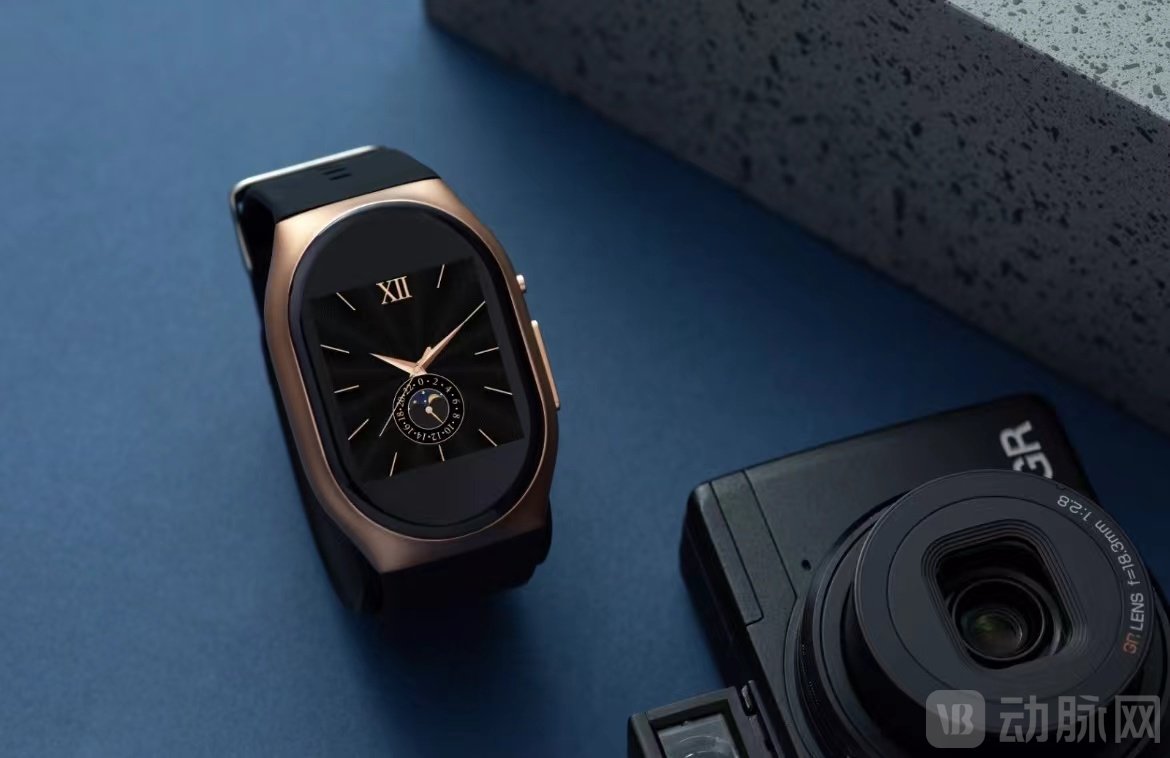
“The manufacturing processes for the micro air pumps and airbags are intricate and complex. We devoted considerable time and effort to refining these processes, but fortunately, we ultimately succeeded in producing the desired product to perfection,” said Sheng Yibing.
Sheng Yibing introduced that motor-driven air pumps, commonly used in wrist blood pressure monitors, provide strong inflation and can complete the process in a short time. However, this type of pump is noisy, has low inflation linearity, and is relatively bulky, making it unsuitable for blood pressure watches.“Yanhe Intelligence employs micro piezoelectric pumps to ensure silent operation during inflation, and leverages its proprietary hardware drivers to guarantee linearity in the inflation process.”
The technical challenge of micro airbags lies in the difficulty of balancing compression efficiency with the waveform quality required for the oscillometric method, due to constraints on volume.
Yanhe Intelligent requires that the micro-balloon must meet the specifications of a unilateral cantilever length of up to 100 mm, a unilateral thickness of 0.6 mm, and consistent silicone elastic modulus.After repeated trials and errors, Yanhe Intelligence finally identified a supplier with qualified process capabilities. Through close collaboration between both parties, they successfully developed a silicone airbag that meets the required specifications and is suitable for low-cost mass production.
Yanhe Intelligence has also devoted considerable effort to the external materials of the watch.
For the casing, Yanhe Intelligent employed metal powder metallurgy technology—not yet widely adopted—to craft a full 316L stainless steel case through multiple processing steps, ensuring the watch’s robust durability.; To avoid the shielding interference of the stainless steel metal body on Bluetooth signals, Yanhe Intelligence conducted multi-version signal simulations for Bluetooth signals. By placing the antenna strip beneath the glass to achieve an air-gap effect, the Bluetooth signal performance meets international standards.
For the watch strap, Yanhe Intelligence has custom-developed a strap with high tensile strength to enable the entire blood pressure monitoring system to achieve optimal compression efficiency. Through a series of processes including exterior design, material selection, prototyping, and mass production implementation, the final product can withstand a tensile force of over 30 kilograms without breaking.
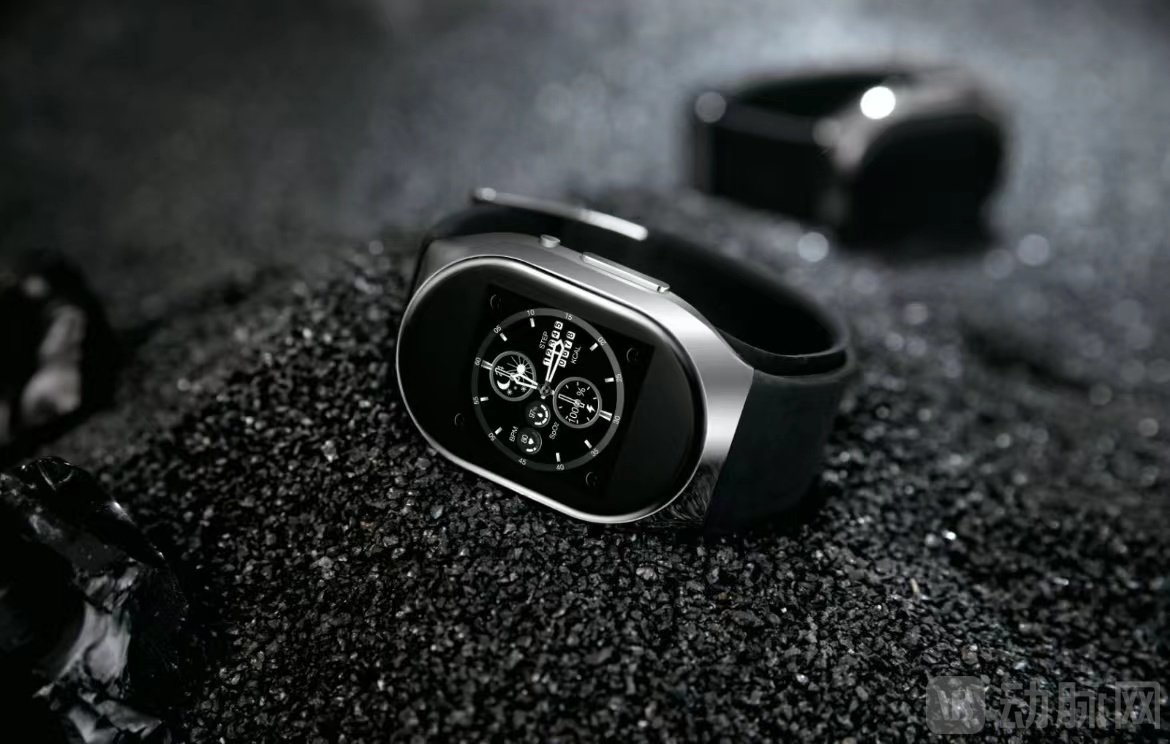
In addition to blood pressure and blood oxygen monitoring, the Yanhe Smart BP DOCTOR PRO also offers consumer-oriented features such as activity tracking, sleep monitoring, calorie counting, and call notifications. Users can independently monitor and assess their health via the app, access historical monitoring data at any time, and gain insights into their vascular health status.
Currently, the severe aging population, the expanding and increasingly younger demographic of chronic disease patients, coupled with a shift in health concepts from passive treatment to active monitoring and prevention, have endowed wearable medical devices with significant application potential in the healthcare sector. IDC estimates that the global market size for wearable devices was approximately $578 million in 2021. The global market size for wearable devices is projected to reach approximately $1.968 billion by 2026.
Currently, the industry transformation may usher in two major opportunities: one is the development of medical-grade wearable devices; the other is to explore data entry points and discover new approaches from disease prevention to adjuvant therapy.
To this end, Yanhe Intelligence has initiated the development of its second-generation medical-grade blood pressure watch, BP Doctor MED, targeting the B2B market, with more refined technical optimizations.
To enhance the efficiency of airbag compression, Yanhe Intelligence has adopted TPU materials that comply with both biocompatibility testing and mechanical property requirements. These materials offer strong skin-friendliness and high stability. Furthermore, the inherently non-elastic TPU material is constructed into a four-layer insulated composite structure to achieve arterial compression at the wrist upon inflation.
Sheng Yibing explained that because TPU itself lacks elasticity, while the air bladder needs to fill the gap between the watch and the wrist and expand to achieve compression of the radial artery, the TPU requires multi-layer lamination. “While two-layer TPU air bladders are easier to manufacture and more common in the current market, we have achieved a four-layer structure. The advantage is that even if the user does not wear the device very tightly, our four-layer TPU air bladder still has sufficient expansion space to fill the gap.”
Furthermore, to address mass production challenges and enhance manufacturing efficiency, Yanhe Intelligence conducted months of prototype testing. After evaluating options such as the reinforced single-airbag design, dual-airbag, triple-airbag, and array sensors, the company ultimately selected the dual-airbag solution and correspondingly incorporated micro pneumatic valves to regulate the inflation volume of each airbag.
Given the absence of comparable products for reference, Yanhe Intelligence initiated a “ground-up” technology development approach, encompassing miniaturized design of pneumatic valves, research into materials and manufacturing processes for valve components, and ultimately determining the current dimensions.
“The smaller the product, the higher the precision requirements for component machining. In the design and production of miniature pneumatic valves, our team tested a large number of imported raw materials to optimize product performance, achieving extremely high machining precision—even at the cost of scrapping two or three sets of molds. After finalizing the prototype, we conducted the first small-batch trial production in early November, achieving a yield rate of 50%. Through subsequent iterations, the yield has gradually improved; currently, the trial production yield stands at approximately 90%, with our shipment target yield set at 99.5%. While primarily meeting our internal needs, we are also considering selling to other manufacturers.”
It is understood that Yanhe Intelligence will collaborate with domestic and international resources to jointly explore application scenarios for flexible electronic textile watch straps, aiming to achieve mass production in its third-generation products to meet strong market demand.
As wearable device monitoring becomes increasingly precise, the range of vital signs tracked continues to expand—from existing metrics such as body temperature, heart rate, blood pressure, and respiratory rate to include blood glucose, electroencephalogram (EEG), and blood oxygen saturation—further integrated with cloud computing and artificial intelligence.These vast amounts of health data can indeed trigger a qualitative leap through quantitative accumulation, paving the way for novel approaches to disease prevention and adjunctive therapy.
To meet the needs for multi-dimensional collection and management of users’ vital sign data and health guidance, Yanhe Intelligence is developing an intelligent personal health vital signs monitoring and management platform.
The platform can automatically generate real-time, complete, non-sensitive user health records, analyze and mine the potential correlations between medical health data and disease occurrence, achieve early prediction of diseases—especially high-prevalence chronic conditions such as hypertension and cardiovascular diseases—and forecast health status trends. Based on this, it provides personalized health management and diagnostic and treatment plans.
From simple communication tools to medical-grade vital signs monitoring devices, technological innovation has made this possible, and any innovation serves people. Facing cross-industry consumer giants and established medical companies, innovative enterprises like Yanhe Intelligence must maintain a medical mindset—existence, empathy, trust, care, and humanization—to secure their place in the fiercely competitive market.