

From Scientist to Founder: Key Pitfalls to Avoid in Commercializing Deep-Tech Innovations
December 22, at the first session hosted by Matrix Partners China“Sci-Tech Hub”Above, Founding Managing Partner of Matrix Partners ChinaZhang Ying, Co-CEO of OrienspaceYao Song, Founder and CEO of SandiejiCheng SenpingThree individuals, on ““Pitfalls to Avoid for Founders with a Scientific and Technical Background Amid the Transition from Scientist to Founder”This topic has sparked intense discussion.
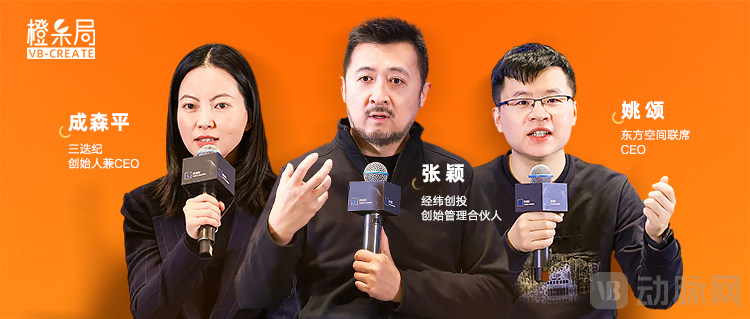
The following is a verbatim transcript of the forum, provided for the convenience of readers,VCBeat Orange BureauEditorial changes were made to the text without altering its original meaning:
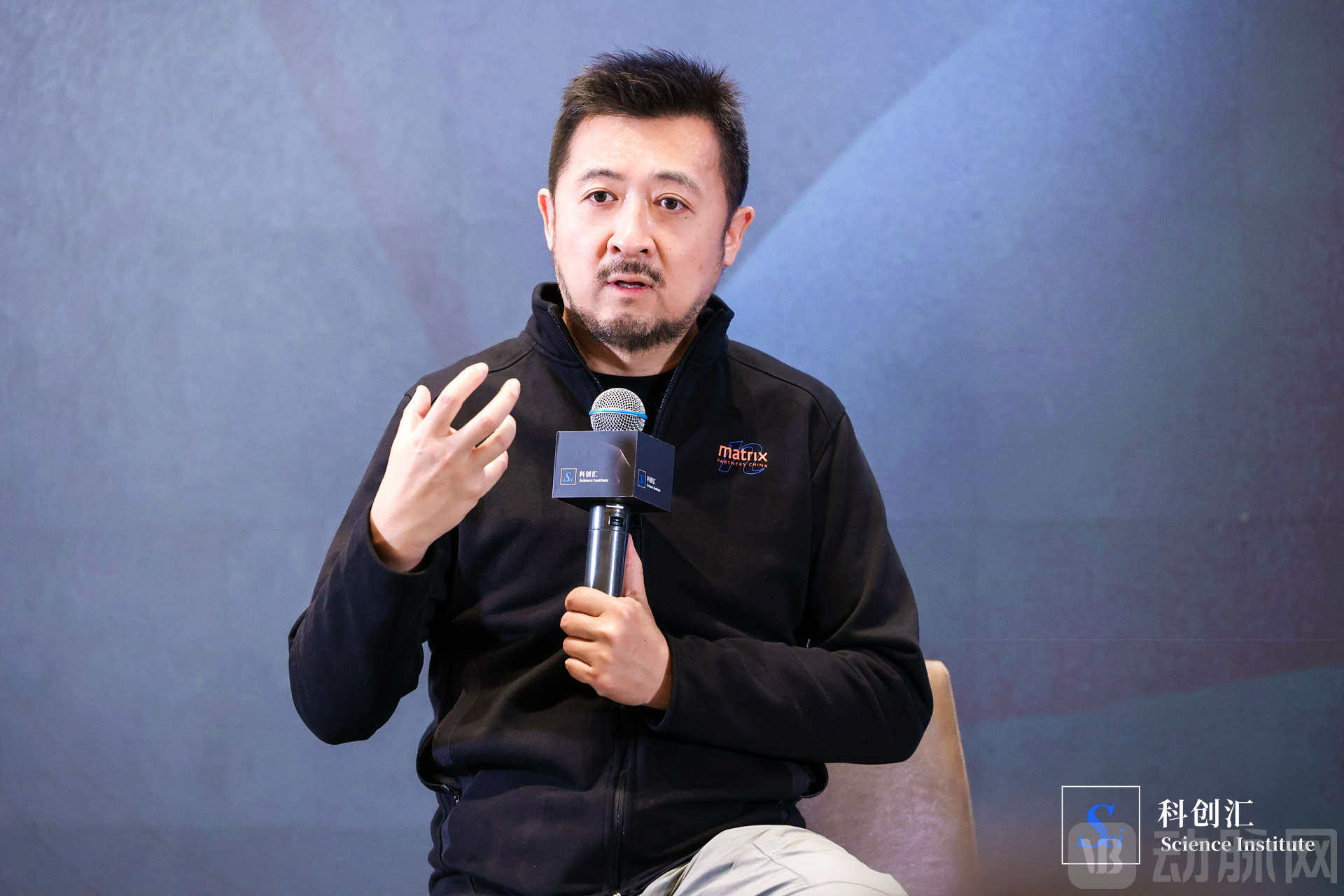
Zhang Ying, Founding Managing Partner of Matrix Partners China
Zhang Ying: Let me start with a brief introduction,Cheng SenpingHe is the founder of Triastek, a highly innovative pharmaceutical technology company specializing in 3D printing.Yao SongPreviously the founder of a chip company, which was later sold to a publicly listed company; currently the founder of a private rocket company.
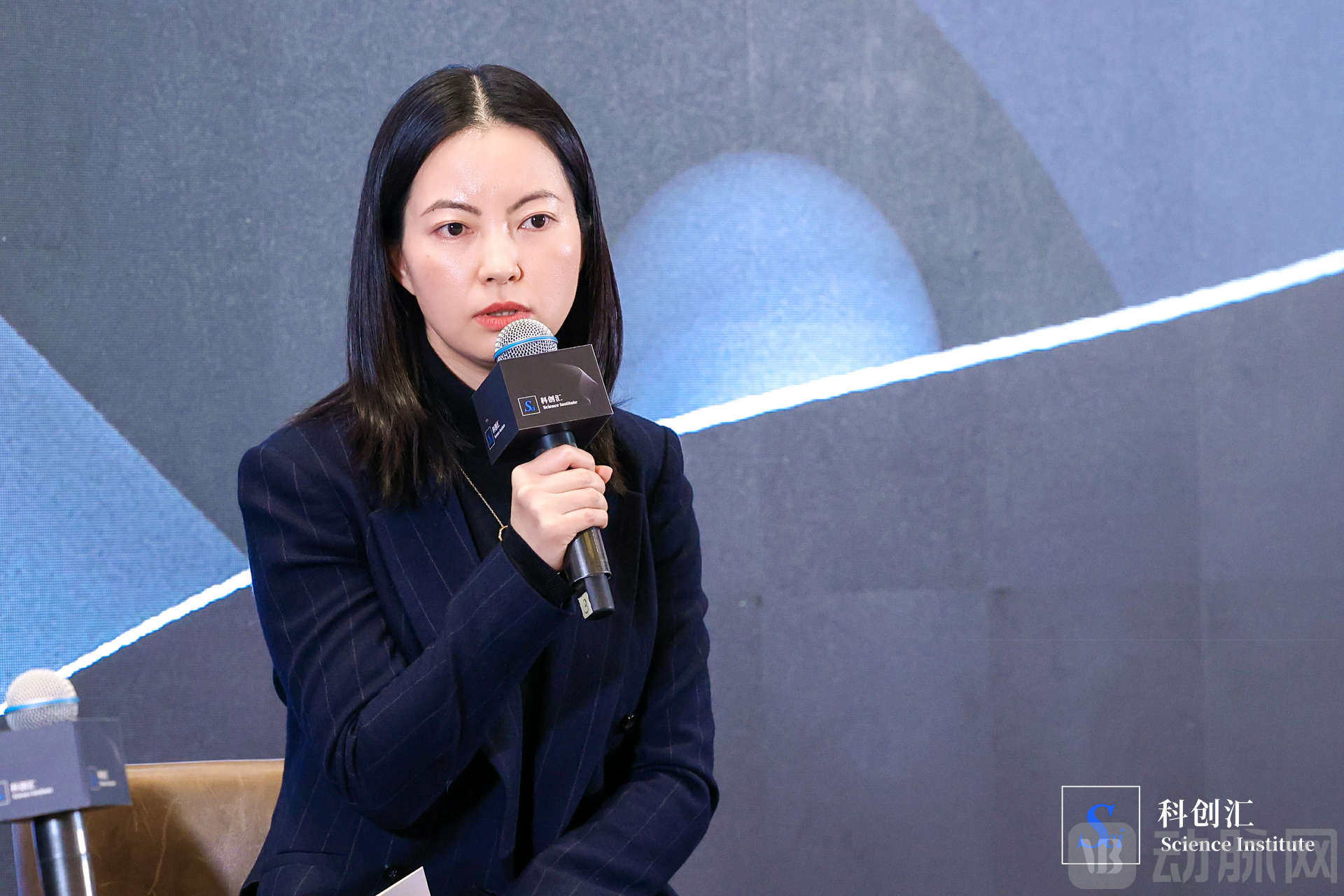
Cheng Senping, Founder and CEO of 3D Iteration
Cheng Senping: Hello everyone, I am Cheng Senping, a serial entrepreneur. This year marks the eleventh year of my entrepreneurial journey. As Mr. Zhang Ying just introduced,TriassicThis is my third project. Triassic focuses on one thing: turning3D PrintingIts application in pharmaceutical manufacturing may sound straightforward, but it is far from easy to implement, as it represents an innovation in foundational pharmaceutical technologies.
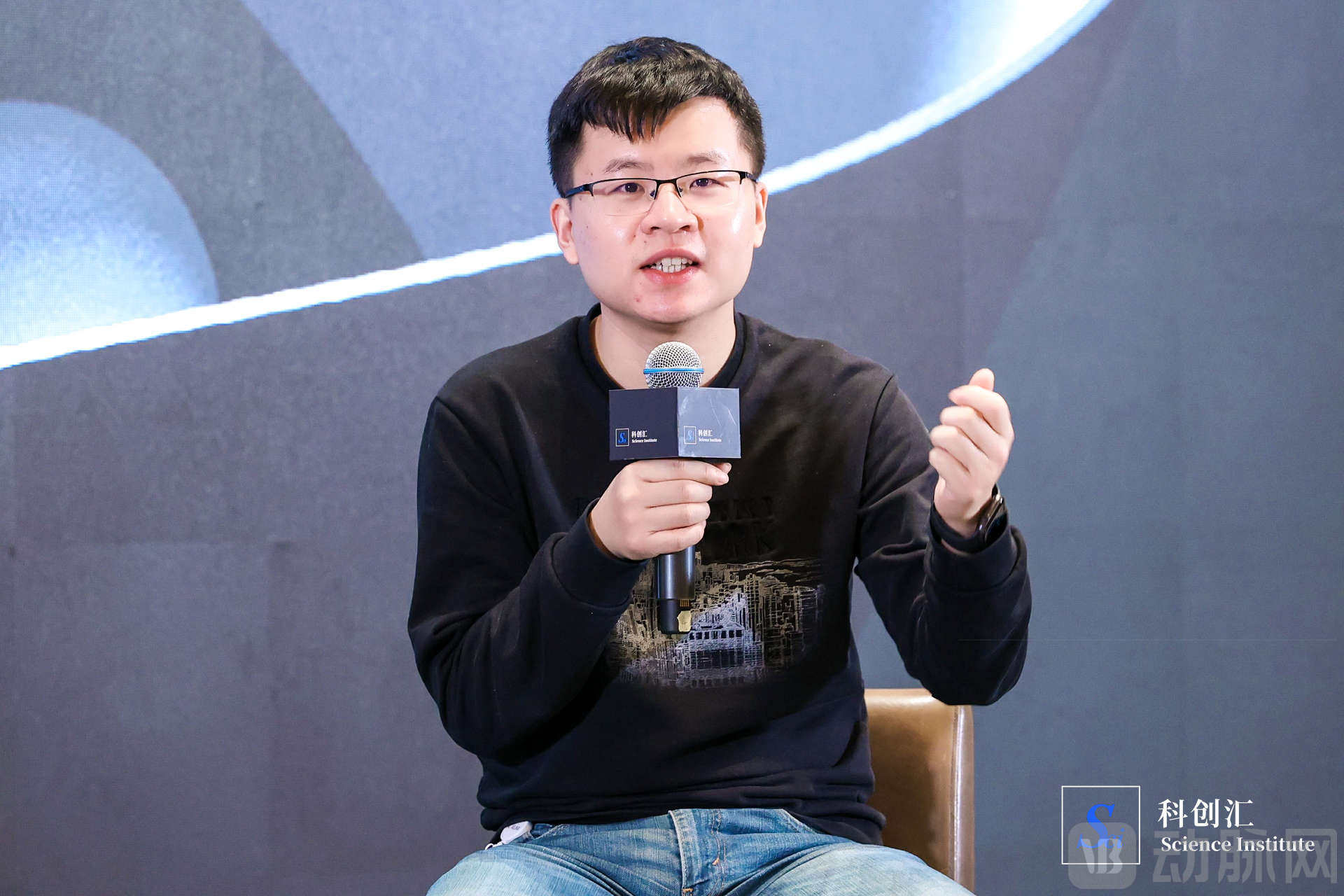
Yao Song, Co-CEO of Orienspace
Yao Song: Hello everyone, I am Yao Song. After graduating from the Department of Electronic Engineering at Tsinghua University in 2015, I founded an AI chip company calledDeepInsight, Deephi Tech was acquired by a U.S. FPGA chip company in July 2018, just two and a half years after its foundingXilinx. In my subsequent work at Xilinx, I served part-time as a virtual partner at Matrix Partners China for two years, primarily engaging inHard-Tech Focusinvestment work.
It is also because, during my two years at Matrix Partners China, I explored many different directions and engaged in extensive reflection, which ultimately led me to decide that I should pursue solving a significant problem, namelyIn-Depth Exploration of Aerospace. Unlike most commercial spaceflight companies before us, we focus more onHow to Improve Efficiency at the Foundational Level and Reduce Costs, with the sincere hope that my efforts will bring value to China's aerospace industry.
Zhang Ying: First, let's talk aboutPitfalls Encountered and Lessons Learned in the Commercialization of Scientific Research Projects, let’s see what unique insights the two of you have on this topic and share them briefly with everyone.
Yao Song: Drawing from my own entrepreneurial journey and the projects I have observed, I believe that the “pitfalls” commonly encountered generally fall into three categories.The first is that people are more willing to engage in research rather than engineering., you will find that most scientific researchersThey are very reluctant to engage in engineering projects; students are only willing to pursue cutting-edge research and development., but after completing that task, over 90% of the time is spent on pure engineering work, which people are actually quite resistant to in their hearts.
As a result, many people failed to persevere. They would be thrilled to develop a brand-new algorithm, only to find it impractical in real-world scenarios. After spending a week repeatedly tuning parameters, they grew weary. At this point, it becomes essential for everyoneHold yourself to the standards of a professional engineer, not those of a researcher.。
The second is precise market analysis, many innovative projects face pivots or even exit mid-stream. This is primarily because, after reaching a certain stage, companies suddenly find it difficult to penetrate the market. Numerous factors contribute to this challenge, such as production costs and market size, all of which are latent risks stemming from inadequate market analysis at the outset.
The third point is to fully consider the characteristics of the industry in question., the development path of each field is distinctly different, so in the process of operating a business,We need to consider other factors within the industrial chain., for instance, you must maintain a stable supply chain and uphold rigorous quality assurance, thereby instilling confidence in others that your enterprise can sustain long-term viability.
Cheng Senping: First, I will outline how emerging technologies in the pharmaceutical industry progress from scientific research to final commercialization. This process follows a defined pathway, primarily consisting of several key steps. It begins with a scientific hypothesis or theory, which is then developed into industrial-grade technology. Following this, a product development project is initiated. Once this phase is completed, the product must clear the hurdle of regulatory registration. Unlike other industries, the pharmaceutical sector is subject to extremely stringent regulations. After overcoming this regulatory barrier, the product enters the commercialization stage, also referred to as the commercial validation of the new technology. Additionally, companies must develop robust capitalization strategies.
The second point I’d like to share concerns a strategic consideration for startups.Bidirectional thinking is required to form a closed loop.My co-founder and I are a scientist and an entrepreneur, respectively, representing two distinct modes of thinking: the former employs forward thinking, while the latter utilizes reverse thinking. My co-founder has been deeply engaged in the field of science and technology for over 30 years, and I have 11 years of entrepreneurial experience. Together, we have formed a closed loop from technology to commerce in our collaboration.
Once a closed loop of bidirectional thinking is established, it poses no problem to adjust the phased implementation paths during subsequent development. However, if such a closed loop is not formed, there is a high likelihood of major strategic shifts occurring in the course of the company’s development.
The third point is a common misconception among tech entrepreneurs: the belief that sound scientific theories will inevitably lead to advanced technologies, which in turn will yield competitively viable products and ultimately generate substantial commercial returns. In reality, however, there is no necessary causal relationship between these stages.Each step serves as the foundation for the next, but does not necessarily lead to the subsequent outcome.。
Zhang Ying: Following up on the point raised by Mr. Cheng, this leads directly to my next question, which is that often,Scientists tend to idealize their research findings; however, the scenarios they devise may not be applicable in the real world, leading them into a mindset akin to “to a man with a hammer, everything looks like a nail.”. Mr. Cheng has already touched upon this issue; could the two of you please elaborate further?
Yao Song: Let me share my personal reflections and the story of what happened to me. When we were starting our business, we read many books, such as Zero to One and The Lean Startup. However, I have found that a large number of technical professionals today do not read these books, as they believe these works are about internet entrepreneurship and have little relevance to them.
But in fact,We have a great many ideas that can be shared.For instance, the principle of lean startup applies to product trial-and-error in any industry. However, many industries do not allow for genuine lean startup experimentation. For example, developing a chip requires an iteration cycle of more than two years, and iterating a rocket version takes three years. In such contexts, we must prompt ourselves to reflect.Is it possible for us to apply the experience summarized by predecessors in other industries, which can significantly enhance products, to ourselves?, this is a relatively cost-effective and efficient approach that significantly helps improve the company’s overall efficiency and product competitiveness.
Therefore, we drew on the core theories of entrepreneurial economics to compress an iteration cycle of two to three years into a three-month, rapidly iterable FPGA-based process. By summarizing the underlying patterns and leveraging our experience with Matrix Partners China as well as establishing a small fund for Tsinghua University, we found that many experts, both in the past and present, are grappling with the same issues.
First,He failed to clearly distinguish between science and technology.. Science seeks to uncover the essence of things; this process is often theory-driven, with experimental validation following theoretical propositions. It is not feasible to derive fundamental laws solely through data collection and fitting, making such endeavors highly unpredictable.Unpredictable ventures are inherently unsuitable for entrepreneurship and are also ill-suited for investment by venture capital funds., what is being invested in is technology—applying it when the underlying physical and chemical principles are clearly defined, to see what can be created.
However, this process involves several key stages. Transforming an academic paper into a mature technology typically takes three to five years; developing a mature technology into a product may require an additional one to two years. Finally, turning a product into a marketable commodity entails determining its pricing—specifically, identifying a price point acceptable to the broader market—which constitutes another critical step.
Thus, you will find that the difficulty increases as you progress further.The best approach is to define what I do based on market demand from the outset.. Because when it comes to the product, I believe greater emphasis should be placed on functional completeness. In many scenarios, we even need to implement technological downgrades rather than upgrades, due to cost considerations and other factors related to mass production.
Cheng Senping: Let me start by sharing my perspectives and ideas. The first point concerns technology and products; their objectives and definitions of success differ, which is a realization I have gained since starting my own venture.The goal of technology is to pursue advancement and uniqueness, making it a pursuit that stands alone at the pinnacle., mainly reflected in high-quality research papers and strong patents. However, this is not the case for products,A product is defined as successful by its ability to meet market and user demands, achieve a high development rate and strong conversion rate, and demonstrate promising commercial prospects.。
The second point I would like to raise is a summary of my own, includingTechnology, Products, and BusinessA Triangle Built on Three Core Elements. When developing an emerging technology, the following conditions must be considered and met: First, it must enable stable, industrial-scale mass production with controllable costs and, ideally, broad applicability. Second, the product must ensure two key rates: high efficiency in product development and a high success rate of the system. Third, it must address two distinct levels of commercial demand—patient needs and market needs. These two demands differ; if both are satisfied, the product will face no commercial challenges in the future.
Zhang Ying: My next question concerns the pitfalls and lessons learned in the transition from scientist to founder. Both of you have been working in the entrepreneurship field for many years and are entrepreneurs yourselves, so I believe that during this process, regardingThere should be many insights on how to balance the transition between the identities of a scientist and a founder., could the two of you please share your insights?
Yao Song: First of all, from a short-term perspective to long-term strategy, if we are scientists or technical professionals, we often do not think three years, five years, or ten years ahead. Basically, everyone at this stage is thinking about what to do in the next phase.However, a company’s strategy must be guided by its end goal; therefore, you should first establish a ten-year overarching objective and then work backward to break it down.。
Once you clearly define what your company should look like in seven years, five years, and three years, as well as the objectives to be achieved within one year, the path forward becomes naturally clear. Instead, if you merely set goals for the next year and then determine the following year’s targets only when that time arrives, the process often becomes increasingly difficult. For instance, achieving a five-year goal may require the prior completion of four prerequisite milestones. If you have accomplished only one of them, you will later realize that three remain, and you will find the progress slowing down considerably. Therefore, shifting from short-term thinking to long-term strategic planning—a more abstract mode of thought—is exceedingly challenging.
Therefore, my understanding is that,Transitioning from a scientist to an entrepreneur tests one’s comprehensive capabilities. You must extricate yourself from deep, specialized focus to think increasingly macroscopically, adopting a higher-level and more abstract perspective, thereby enabling you to span across diverse fields.。
Cheng Senping: After some reflection, I have identified three key differences between conducting scientific research and entrepreneurship.The first is dimension: researchers emphasize depth, while entrepreneurs prioritize breadth.If entrepreneurs are likened to drivers navigating an 8-lane or 12-lane highway, they must remain vigilant on all sides and attentive to every direction; only then can they steer their venture successfully.
The second is core competency. I believe imagination is crucial for conducting scientific research.. Imagination can help break through underlying theories and technologies, and breakthrough technologies can evolve into significant competitive advantages. However, in the entrepreneurial process, if I were to rank priorities myself, I would place execution capability first; it is extremely important.
The third point of focus, while researchers tend to focus on relatively static aspects such as objects, phenomena, and data, entrepreneurship demands attention to dynamic elements—more complex factors like the world, landscape, and people. The ability to switch between static and dynamic perspectives is therefore crucial.
Zhang Ying: In fact, such a role transition requires us toFirst, founders must continuously iterate on themselves and strive to become increasingly well-rounded., so-called comprehensiveness is relative. Some individuals can sprint along the path of comprehensive development, continuously improving and achieving remarkable breakthroughs akin to "carp leaping over the Dragon Gate." However, some scientists, or technical professionals, reach a certain ceiling beyond which they cannot break through.
In this scenario, I believe it is crucial to have a comprehensive team, including the business partners and co-founders around you.It is essential to have talent whose capabilities and perspectives are complementary to your own., so within this context,A crucial point is to proactively gain a genuine understanding of oneself., honestly confront your weaknesses, rapidly identify your breakthrough points, objectively evaluate the outcomes of your comprehensive growth, and determine whether you are truly achieving rapid development.
Therefore, if you are aware of your ceiling and recognize that it is beyond your capacity to break through,At this point, you need to fill the gaps in your immediate team.。
The final point I wish to make is about human nature.. If we are to become better versions of ourselves and ultimately evolve into entrepreneurs, we must conduct more thorough research on human nature, gain greater experience, and place increased emphasis on it. This is because human nature is present with us every second of every day. Understanding human nature, employing empathetic thinking to comprehend it in complex situations, and identifying solutions accordingly are of paramount importance.
"This is a profound topic. Everyone has their own pace in understanding it and transforming it into their personal strength, but I believe that the concept of 'human nature' deserves sufficient attention."