

BioEngine's Smart Manufacturing Culture Media Plant Powers the Acceleration of China's Biopharmaceutical Industry

BIOENFINE
Supplier of Animal Cell Suspension Culture Products and Services
Under the immense pressure of the global pandemic, China’s biopharmaceutical industry is emerging from its cocoon and transforming into a butterfly.
“Urgent market demand, strong policy support, and capital influx” have become powerful drivers accelerating the industrialization of innovative pharmaceuticals, while technologies related to large-scale mammalian cell culture products—a core upstream segment of the industry—are rapidly undergoing domestic substitution in China.
“The opportunities and challenges brought by 2021 may be greater than those we have encountered in the past 30 years.”Dr. Liu Xuping, President of BIOENFINE“It is truly moving to reflect on our journey. Since the 1990s, under the leadership of Professor Tan Wensong, our team has been dedicated to researching industrial-scale mammalian cell culture processes, receiving strong support from initiatives such as the National High-Tech R&D Program (863 Program), National Major Science and Technology Projects, and Key Shanghai Municipal Projects. At that time, China’s biopharmaceutical industry was in its early stages, with limited industrialization scale. Moreover, the first generation of innovative biopharmaceutical companies predominantly relied on imported brands for equipment, consumables, and raw materials. Through years of technical collaboration with these enterprises, the BIOENFINE team has accumulated profound expertise in equipment, culture media, and process optimization. Consequently, as domestic companies have increasingly shifted to local suppliers over the past five years, we have naturally become a primary partner for many well-known enterprises.”
The Rapidly Growing Biopharmaceutical Market Needs Excellent Domestic Brands
According to Frost & Sullivan data, the global biologics market size was $286.4 billion in 2019, and is projected to grow rapidly to $456.7 billion by 2024, and further expand to $768.0 billion by 2030, representing a compound annual growth rate (CAGR) of 9.0%. In China, the biologics market size reached RMB 312.0 billion in 2019, and is expected to surge to RMB 712.5 billion by 2024, with a CAGR of 18.0% from 2019 to 2024—significantly higher than that of the global biologics market during the same period. By 2030, the market is forecast to further grow to RMB 1,302.9 billion. The substantial growth potential of the biologics market presents significant opportunities for participants in China’s biologics industry.
In the research, development, and industrial-scale manufacturing of products such as vaccines, antibodies, recombinant proteins, cell therapies, and gene therapies, large-scale, high-density animal cell culture technology serves as the cornerstone of the global biopharmaceutical industry. Within this framework, cell culture media are indispensable core raw materials for the biopharmaceutical sector.
To this day, the domestic cell culture media market remains almost entirely monopolized by foreign companies. Most of the cell culture media used by major Chinese pharmaceutical companies are imported, and there are very few domestic manufacturers capable of competing with established international brands.
Dr. Liu Xuping recalled, “At that time, the raw materials for laboratory consumables used by major universities, research institutes, and hospitals in China were almost entirely imported, while domestically produced raw materials failed to gain industry trust.” The cell culture technologies and formulations he and his supervisor, Professor Tan Wensong, had diligently developed and accumulated over many years at East China University of Science and Technology ultimately served only to benefit foreign suppliers. “Partner companies obtained our technologies and formulations but could only commission international brands for contract manufacturing, then resold the products back to China at high prices. This deeply affected us. At the time, we believed that our technologies were no inferior to those abroad, and that building a truly outstanding domestic brand of cell culture media would be both highly valuable and a source of great pride.”
National guidance policies have brought opportunities. In 2014, the state advocated “mass entrepreneurship and innovation” to promote the implementation and industrialization of research achievements from scientific research institutions and universities across China, encouraging researchers to “write their papers on the vast land of the motherland.” The Ministry of Education began selecting high-quality projects nationwide. At the end of that year, in response to Shanghai’s call to “build a science and technology innovation center with global influence,”Professor Tan Wensong, academic leader of the State Key Laboratory of Bioreactor Engineering at East China University of Science and Technology, led his team to register and establishShanghai Beitongji Biotechnology Co., Ltd., the company’s English name is BioEngine (literally translated as “biological engine”), signifying its commitment to becoming the driving force of the biopharmaceutical industry.
In 2015, BIOENFINE undertook the major project from the third batch of the “12th Five-Year Plan” Zhangjiang Special Development Fund, titled “Construction of a Technology Application Service Platform for Antibody and Vaccine Biomanufacturing in the Zhangjiang National Independent Innovation Demonstration Zone and Establishment of a Pilot-Scale Base for Localization of Raw Materials and Equipment (Phase I).” The company completed the construction of a 2,500 m² technology R&D and service platform, achieved breakthroughs in personalized culture media manufacturing technologies, and established the Key Technology R&D Service Center for Large-Scale High-Density Animal Cell Culture, the Antibody and Vaccine Pilot-Scale Technology R&D Service Center, the Product Quality Analysis and Testing Service Center, and a pilot-scale production system for culture media raw materials. These efforts have helped initially scale up the innovation R&D, application services, and support infrastructure for key technologies in the industrialized production of biopharmaceuticals, including antibodies, vaccines, and cell therapies. Meanwhile, the company’s growth has attracted a significant influx of industry talent from leading organizations such as 3M and Pfizer, further enriching and refining BIOENFINE’s commitment to technological excellence.
30 Years of Deep Expertise in Animal Cell Culture Earns Market Recognition
The Tan Wensong Team, established in 1986, is the earliest founded and currently the only team in China dedicated exclusively to scientific research and teaching in large-scale, high-density animal cell culture technology.The team has successively undertaken and successfully completed more than 30 major national-level projects, including the National “863” Program, the National Key Scientific and Technological Research Program, and the National Science and Technology Major Project on “Major New Drug Innovation.” It has accumulated extensive experience in the basic research and applied development of serum-free culture technologies for animal cells and bioreactor engineering, and has established a comprehensive proprietary library of serum-free media formulations that support large-scale, high-density cultivation of various animal cell lines.
Over three decades of deep engagement in animal cell culture have endowed the team with profound technical expertise and extensive application experience, which has correspondingly driven BIOENFINE’s rapid development since its establishment.
Within just two years of its establishment, BIOENFINE completed a Series A financing round exclusively invested by Shanghai Technology Venture Capital Co., Ltd., and builtChina's First Fully Automated, Low-Temperature, Sealed Pilot Production Line for Culture Media Powder with International Advanced StandardsIn 2017, BIOENFINE became the first and only culture media R&D and manufacturing enterprise in China to obtain BSI Quality Management System Certification from the European Union. In 2019, it received exclusive investment from the National Small and Medium Enterprises Development Fund managed by Oriental Fortune Capital, completed its Series B financing round, and was recognized as a “High-Tech Enterprise” by Shanghai Municipality.
Dr. Liu Xuping stated, “After years of accumulation and development, Chinese manufacturers of cell culture media have made significant strides in related technologies and product quality. In 2019, changes in the international landscape heightened domestic biopharmaceutical companies’ awareness of risks to upstream supply chain stability, creating opportunities for the rapid development of domestically produced raw materials and consumables. The outbreak of the COVID-19 pandemic in 2020 further intensified global supply chain tensions. Encouragingly, during this critical period, domestically produced cell culture media withstood the test, providing support for the stable development of China’s biopharmaceutical industry amid the pandemic, and playing a particularly important role in the research and development of numerous COVID-19 vaccines and therapeutics. As one of the key players in this field, BIOENFINE has deepened its collaborations with many new and existing clients, fulfilled numerous orders, and further strengthened customer trust. This track record also attracted WuXi AppTec to become the company’s largest external shareholder.”
In 2020, BIOENFINE was recognized as a “Specialized, Refined, Differential, and Innovative” (SRDI) SME in Shanghai and designated as a “Technology Little Giant Cultivation Enterprise.” In the same year, it signed an agreement with the Shanghai Zhangjiang Jinshan Biopharmaceutical Park and launched the construction of its Phase II comprehensive production base. In June 2021, BIOENFINE secured investment from Hankang Capital, completing its Series B+ financing round, and its culture media production facility in Jinshan officially commenced operations.
Full-Throttle Coverage of Culture Media Across the Three Major Biopharmaceutical Sectors
Cell culture media are critical core raw materials throughout the research and development of biopharmaceuticals.BIOENFINE specializes in the research and development, production, manufacturing, and supply of culture media.Currently, the company has expanded to over 120 employees, including more than 30 R&D personnel (accounting for nearly 30% of the total workforce) and 60 production and supply chain staff (accounting for nearly 50%).From an overall structural perspective, R&D and supply chain personnel account for nearly 80%.
It is precisely due to this team structure that BIOENFINE rapidly achieved breakthroughs in multiple key technologies for the industrial manufacturing of serum-free culture media within just seven years. These core technologies include the design and optimization of serum-free culture media formulations, the development of processes for high-density animal cell culture, and the design, scale-up, and intensified operational optimization of bioreactors.
BIOENFINE's core product, the DrivingM Standard Catalog Media, covers three major fields: antibodies, vaccines, and cell therapy.
In the antibody field, BIOENFINE has successfully helped antibody manufacturers establish China’s first fusion protein drug production line with a cell density of 10 million cells/mL and a reactor scale of 1,000 liters. Its independently developed Eden series of CHO cell chemically defined (CD) media have supported over 30 Investigational New Drug (IND) applications and provided technical support and product services for more than 80 projects.
In the vaccine sector, we established the largest single-site influenza vaccine production line in China based on serum-free, high-density suspension culture of MDCK cells for a vaccine manufacturer, achieving industrial-scale application at the thousand-liter level.
In the field of cell therapy, BIOENFINE’s independently developed HIPP-T009 series of serum-free media for immune effector cells has become the first truly serum-free medium launched in China that is suitable for high-density culture and expansion of immune effector cells such as CAR-T and CAR-NK cells, and has supported customers in successfully submitting clinical trial applications.
According to Dr. Liu Xuping, the formulation development and manufacturing of culture media products are both critical and challenging aspects.
In formulation development, given that culture media comprise over 100 different components, it is challenging to identify high-performance and stable formulations using simple Design of Experiments (DOE) approaches. Furthermore, potential chemical interactions among various components may lead to changes in product performance during manufacturing, logistics, and storage. Therefore, stability assessment constitutes a critical aspect of formulation development.
For a high-quality cell culture medium product, a well-formulated composition is fundamental, and its manufacturing process is equally critical.
Dr. Liu Xuping explained, “The culture medium contains over 100 different components with vastly varying physical properties—some are feather-like, some are powdery, and others are crystalline. Ensuring uniform mixing of these diverse materials to prevent stratification during long-term transportation and storage poses significant challenges to manufacturing processes. Furthermore, the quantities of individual components in a formulation can vary greatly, necessitating highly effective blending techniques to ensure that every portion of the final product consists of a homogeneously mixed complete formulation.”
Leveraging over three decades of accumulated expertise in formulation and manufacturing, the BIOENFINE team has developed unique insights and core technologies in powder processing and trace element blending. The company’s independently developed Eden series of CHO culture media achieves product titers of up to 14 g/L, thereby enhancing production efficiency. Due to its chemically defined composition, the media exhibits minimal batch-to-batch variation and high stability. Furthermore, the Eden series offers broad applicability, meeting the production requirements of diverse cell lines.
Furthermore, BIOENFINE integrates four major R&D technology support platforms. Its basal media formulation database covers 30 engineered cell lines and over 300 media formulations. The intelligent high-throughput screening and customization platform for culture media, powered by AI technology, screens 1,000 formulations per run, reducing R&D time by 50%. The bioreactor cell culture process research module supports multiple bioreactor systems and related purification systems. The comprehensive product testing and analysis platform conducts thorough analysis and testing of antibody/vaccine yield and activity, cell behavior and metabolism, and the physicochemical properties of culture media, thereby enhancing production efficiency and accuracy.
Building a World-Class Culture Media Factory — Beijin Biotech
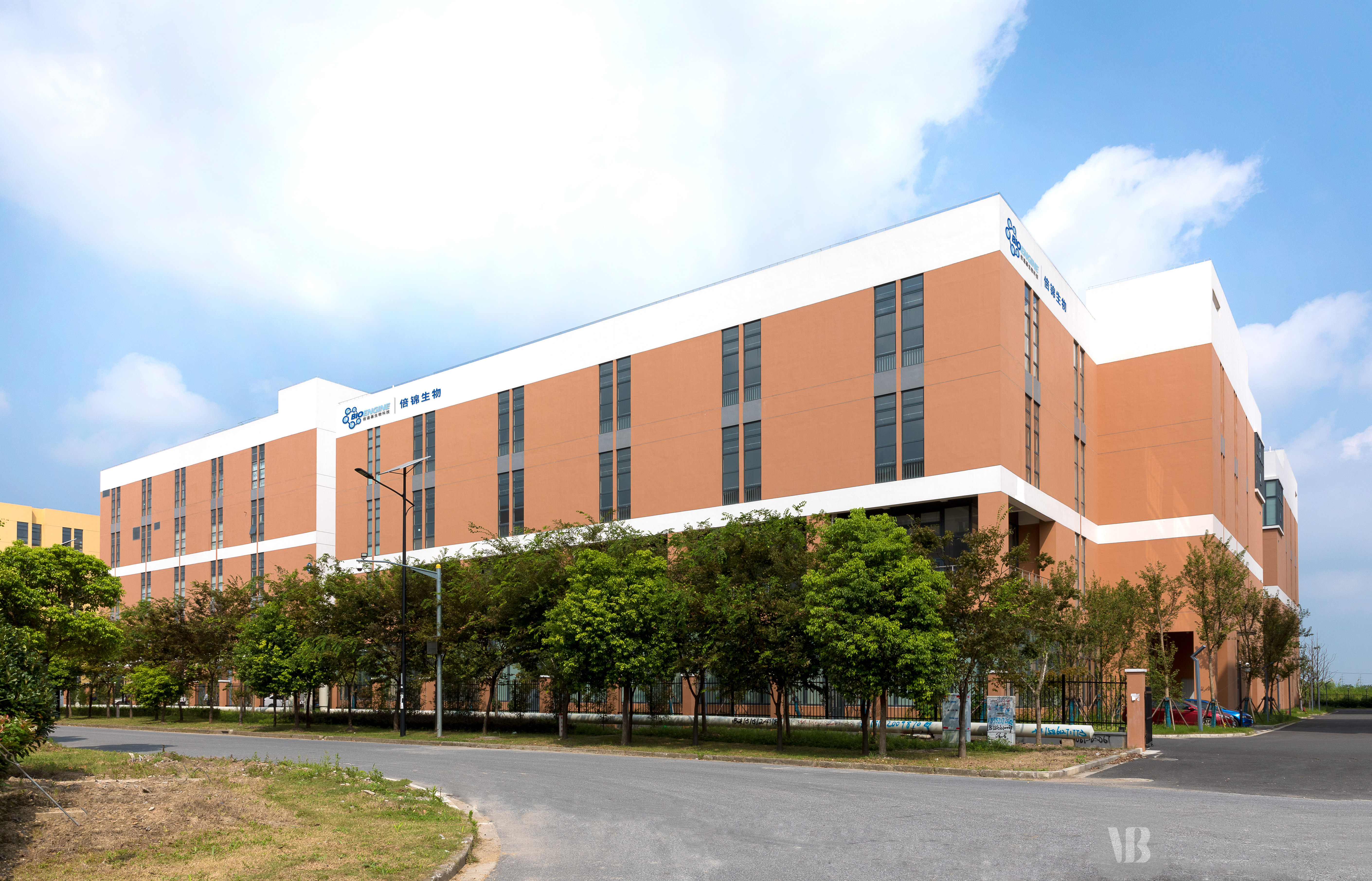
BIOENFINE Phase II Production Base — Beijin Bio
Dr. Liu Xuping believes that although China's domestically produced upstream raw materials and consumables for the biopharmaceutical industry have developed rapidly in recent years, the sector remains in a relatively early stage overall, with imports still accounting for 80% of the domestic market. Currently, domestic cell culture media companies have not yet undergone large-scale industrialization; the entire industry is expanding its product pipelines and increasing production capacity, with the overall trend gradually improving.
In addition to having an experienced team and years of technical accumulation,BIOENFINE’s core advantage lies in its highly competitive cost-effectiveness.BIOENFINE’s scaled production capacity and localized raw material supply system ensure the stable availability and competitive pricing of its culture media products.
As BIOENFINE’s new Phase II production base, Beijin Bio is located in the Shanghai Jinshan Industrial Park. Integrating functions such as production operations, quality control, engineering construction, material procurement, and warehousing and logistics, it is a fully upgraded world-class culture media factory. It possesses intelligent manufacturing capabilities for cryogenic jet-milled powders at scales of 1,000 liters, 10,000 liters, and 100,000 liters, ensuring the stability of product processes. Beijin Bio has an annual production capacity of 55 million liters for powdered culture media—the largest powdered production line in China to date—with a maximum batch size of 100,000 liters, and an annual capacity of 250,000 liters for liquid culture media. While helping customers reduce costs, it ensures batch-to-batch consistency.
Beijin Biotech was established and commenced operations in June 2021, achieving full-scale production by December. Its products comply with ISO certification and GMP standards, and have obtained approvals from the NMPA and the U.S. FDA, as well as completed product registration filings in the European Union. The company is also comprehensively implementing informatization initiatives, supported by an electronic quality management system and a lean production management system, to ensure stable, efficient, and orderly production operations.
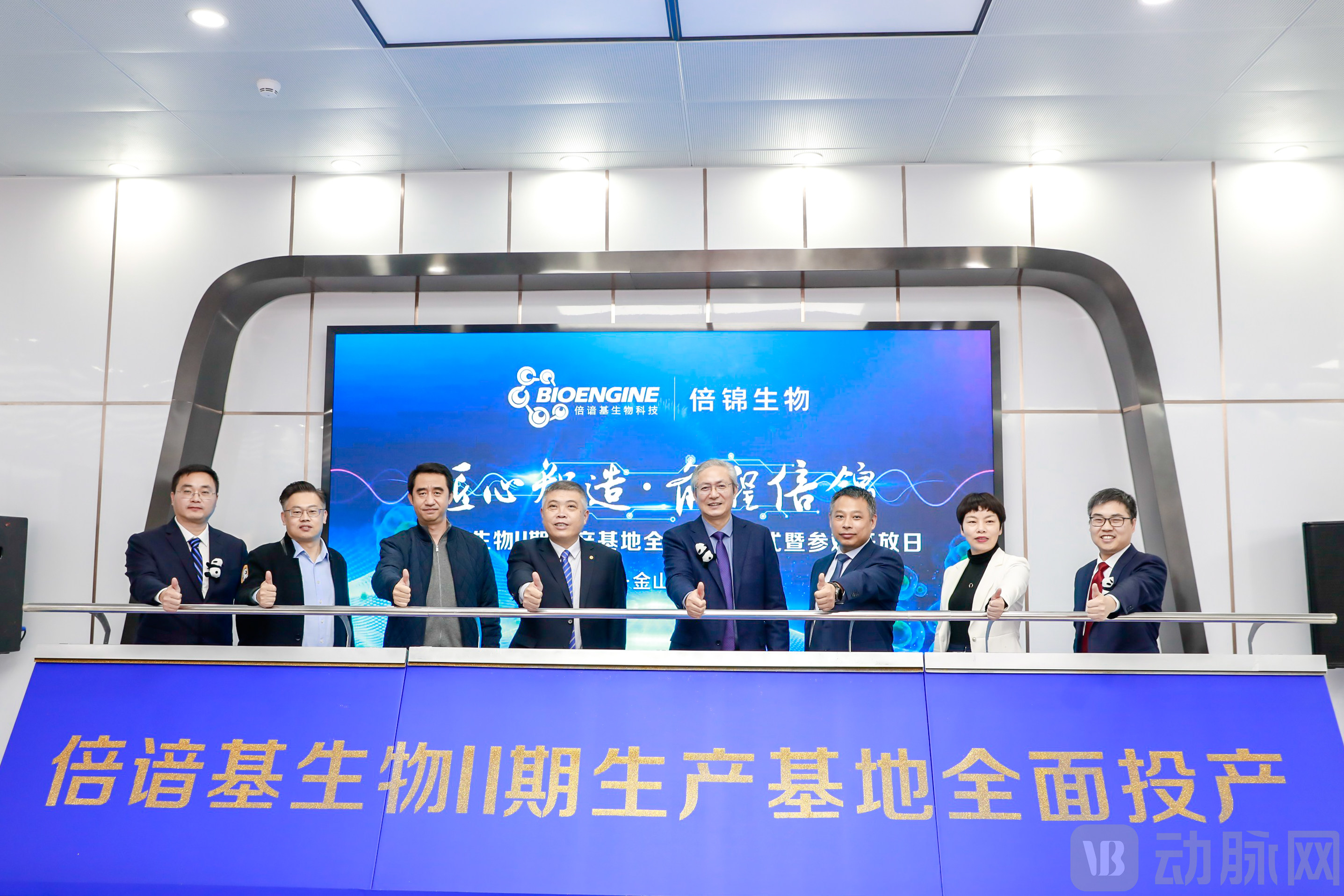
Beijin Biotech Production Launch Ceremony
From a mere 10 partners in 2018, BIOENFINE’s partner network has expanded to over 160 today, covering most representative enterprises in the biopharmaceutical industry, including Biocytogen, Junshi Biosciences, Alphamab Oncology, CStone Pharmaceuticals, and CSPC Pharmaceutical Group. Looking ahead, BIOENFINE will continue its efforts to become the leading domestic enterprise in the cell culture media sector. We also aim to collaborate with domestic peers to further enhance the quality and supply stability of Chinese-made culture media, thereby gradually increasing our market share.
In terms of horizontal expansion, BIOENFINE will continue to leverage its product pipeline advantages, refine its series product layout, and increase R&D investment in currently hot fields such as gene therapy to launch more competitive products. Vertically, the company will continue to accelerate the innovation and iteration of its leading products, striving for higher cost-effectiveness and better formulations.
The company’s vision is to become the most trusted cell culture partner globally. To realize this vision, BIOENFINE will continue to prioritize the development of its R&D team, strengthening its research capabilities through both horizontal expansion and vertical integration. Adhering to its development philosophy of “technology-led, service-driven, industry-oriented, and future-focused,” BIOENFINE will provide high-quality products and technical services to China’s antibody, vaccine, and cell therapy enterprises, facilitating the transition of domestically produced culture media from being merely usable to being highly effective.