

Shenzhen Institute of Advanced Technology Showcases 200 Innovations at Hi-tech Fair, Highlighting Synthetic Biology and Brain Science
On December 27, the 23rd China Hi-Tech Fair (abbreviated as"CHTF") opened at the Shenzhen Convention and Exhibition Center. The Shenzhen Institute of Advanced Technology, Chinese Academy of Sciences (hereinafter referred to as “Shenzhen Advanced Institute”) brought nearly200 Technological Innovation AchievementsDebuting at Hall 5 of the China Hi-Tech Fair, the six schools of the Shenzhen University of Chinese Academy of Sciences (provisional name, abbreviated as “Shenzhen Polytechnic”) made a simultaneous appearance.
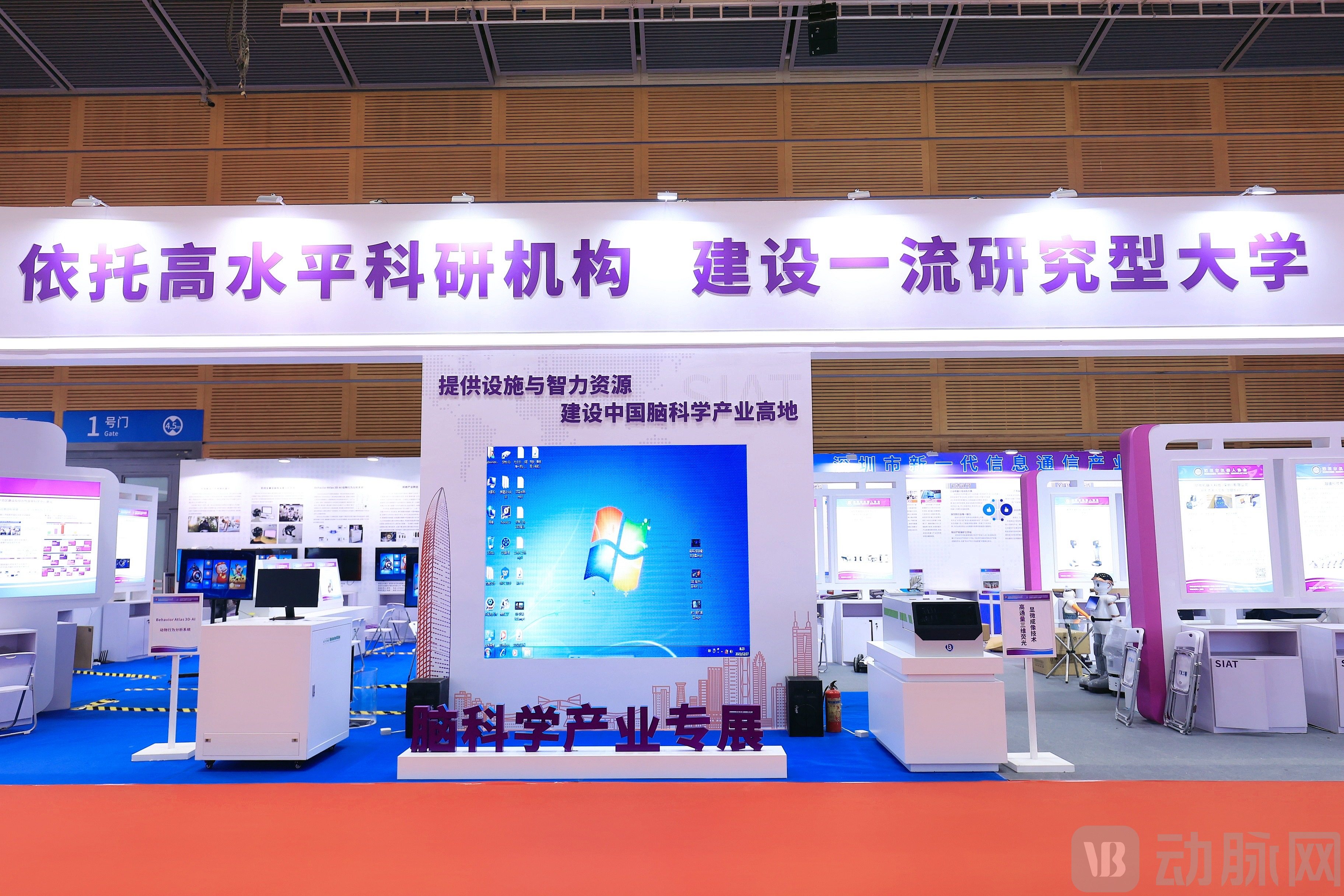
The first on-site launch of"Synthetic Biology," "Brain Science"Two specialized industry exhibitions emerged as the highlight, comprehensively showcasing the technological innovations achieved by Shenzhen University of Advanced Technology and the Shenzhen Institute of Advanced Technology in the frontier fields of synthetic biology and brain science, under a new mechanism for translating research outcomes.
“Adhering to the spirit of China’s national science and technology team, the Shenzhen Institute of Advanced Technology (SIAT) has strengthened its mission and responsibility as a strategic force in national scientific and technological innovation. By launching two specialized industrial exhibitions on synthetic biology and brain science, SIAT and Shenzhen University of Advanced Technology have demonstrated their determination to tackle key scientific and technological challenges in the field of public health in the new era, while also highlighting SIAT’s role as a core engine in building Shenzhen into a comprehensive national science center.”Fan Jianping, Director of the Shenzhen Institute of Advanced Technology and Director of the Preparatory Office for Shenzhen University of Advanced Technologyindicated.
Targeting the Industrialization of the "Final Frontier" in Human Science
Broadband brain-computer interface systems, stereotactic head frames, ultra-fast 3D fluorescence imaging systems, active neuromodulation wearable devices... At the specialized exhibition on the brain science industry, 32 landmark achievements in the industrialization of brain science were showcased. Meanwhile, a number of foundational brain science research institutions, enterprises, and key incubation platforms made their appearance, including Shenzhen Delikai Medical, Qianao Xingke Nanjing Biology, Lingxi Medicine, Zhongke Huayi, the Shenzhen-Hong Kong Institute for Brain Science Innovation, the Brain Science Industry Fund, the School of Life and Health Sciences at Shenzhen University of Advanced Technology, and the Nobel Prize Laboratory for Neural Plasticity named after Edvard Moser and May-Britt Moser.
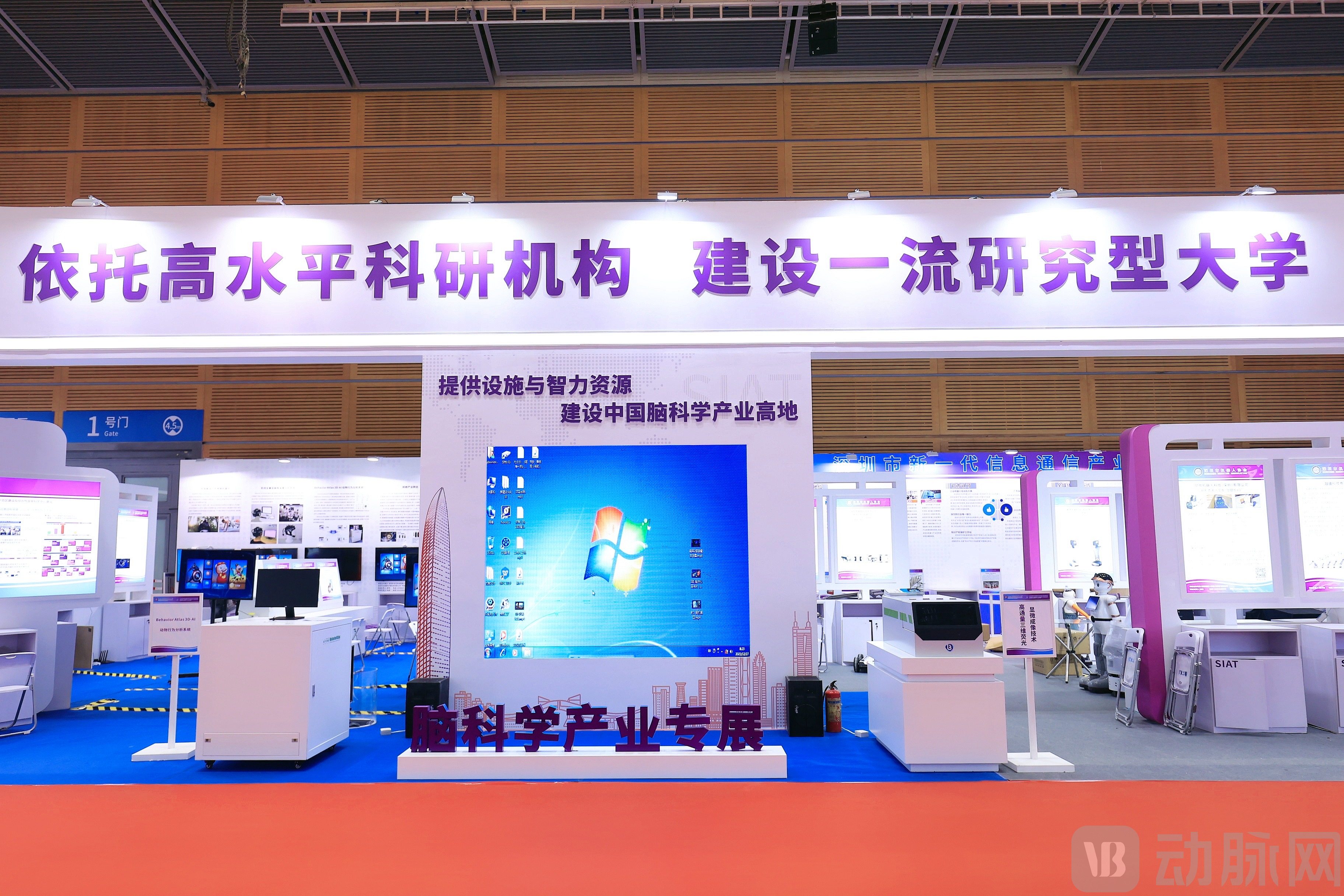
Capable of accurately identifying multiple body parts in animals without the need for manual labeling, tracking three-dimensional skeletal sequences, and enabling computers to “see” animal behavior clearly—this is the Behavior Atlas, a novel intelligent system for precise analysis of animal behavior. Independently developed by the team led by Wang Liping and Wei Pengfei at the Institute of Brain Cognition and Brain Diseases, Shenzhen Institutes of Advanced Technology, the system has been applied to animals such as mice, rats, dogs, and monkeys, and has initially been used in patients with epilepsy. The related achievements have been patented, and the system is now in production, with signed orders amounting to several million RMB.
Brilliance (Shenzhen) Biotechnology Co., Ltd., with Xu Fuqiang, a researcher at the Institute of Brain Cognition and Brain Diseases, Shenzhen Institutes of Advanced Technology, serving as Chief Scientist, has introduced the “Large-Scale Preparation System for Gene Therapy Viral Vectors.” This system focuses on viral vectors for neural circuit tracing tools, has achieved large-scale production capacity, and effectively meets the R&D needs of domestic research institutions, biopharmaceutical companies, and hospitals. According to relevant company representatives, the company was founded in 2020 and is projected to reach a valuation of over RMB 3 billion by 2025.
For decades, neuroscience has been regarded as the “final frontier” of human scientific inquiry and the most elusive pearl in the crown of scientific research. The industrialization of neuroscience requires the combined support of specialized neuroscience teams with core technologies, professional industry teams, and platforms for translating scientific achievements into practical applications. Such collaboration is essential to minimize the risk of falling into the “valley of death,” accelerate the iteration cycles of technologies and products, and fully realize innovation-driven development.
The major brain science infrastructure for brain analysis and simulation, spearheaded by the Shenzhen Institute of Advanced Technology, will facilitate breakthroughs in fundamental brain science research. With a total estimated investment of approximately RMB 880 million, it is expected to become operational in early 2023.
The Guangming Brain Science and Technology Industry Innovation Center, unveiled at the special exhibition on brain science, has a total project investment exceeding RMB 100 million and provides over 10,000 square meters of incubation space, accelerating the transfer and commercialization of research achievements in the field of brain science. Meanwhile, to support the mid-to-late stage development of startup technology teams at the Brain Innovation Center, the Guangming Science City Brain and Brain-like Intelligence Industrial Park is also under planning and construction.
“Shenzhen Institute of Advanced Technology (SIAT) and Shenzhen University of Advanced Technology have established 72 high-level research teams in the field of brain science, with a total staff size of nearly 500. These teams continuously provide high-quality talent and innovative achievements for the development of Shenzhen’s brain science and brain-inspired intelligence industry. We aim to forge a new path for the development of the brain science and brain-inspired intelligence industry, which requires innovation in our models of innovation. We will strive to promote an integrated model combining ‘innovation, venture capital, and entrepreneurship,’ fostering their convergence and coordinated development. By closely aligning with academic and industrial frontiers as well as industry trends in this field, we will gather domestic and international innovative resources. With policy support, we will continuously enhance our industrial support service system, particularly strengthening our capabilities in professional talent development, core technologies, hardware infrastructure, source innovation, scientific and technological resource sharing, and strategic consulting. Our goal is to establish a national-level innovation hub for the brain and health industry.”Wang Liping, Director of the Institute of Brain Cognition and Brain Disorders at Shenzhen Institute of Advanced Technology, and Dean of the Shenzhen-Hong Kong Institute of Brain Scienceindicate.
“Upstairs and Downstairs” Star Enterprises Shine at the Synthetic Biology Special Exhibition
Fully automated, fully enclosed cell preparation workstations, high-throughput sample pre-processing systems, microbial artificial carbon fixation systems, and fully automated cell-based drug screening systems... At the specialized exhibition for the synthetic biology industry, multiple innovative achievements and projects in the field of synthetic biology—either already commercialized or on the verge of industrialization—were showcased. In addition, a cohort of star startups with significant successes in synthetic biology industrialization, major scientific and technological infrastructure facilities, and related industrialization platforms were also featured in this exhibition area.
According to the on-site person in charge, the Shenzhen Engineering Biology Industry Innovation Center—the first “upstairs-downstairs innovation and entrepreneurship complex” of its kind in China—has attracted 13 enterprises, including Shenzhen Boyin Biotechnology Co., Ltd. and Shenzhen Saiqiao Bio-Innovation Technology Co., Ltd., with the relevant companies’ valuations reaching hundreds of millions of yuan.
“Upstairs,” researchers engage in original innovation activities, while “downstairs,” entrepreneurs conduct engineering technology development and pilot-scale translation of these innovations. Scientists and entrepreneurs interact within the same building, which not only effectively addresses the bottleneck of lacking facilities and technical platforms for startups but also significantly shortens the cycle from original innovation to industrial commercialization.
After addressing the “1 to 10” phase in the commercialization of scientific and technological achievements, startups graduating from the Innovation Center can access greater growth opportunities in the Synthetic Biology Industrial Park, located less than two kilometers away. For instance, Shenzhen Saiqiao Biological Innovation Technology Co., Ltd., established in March 2020, moved into the Synthetic Biology Industrial Park this May after graduating from the Innovation Center. The company has recently secured nearly RMB 100 million in financing led by several prominent domestic investment firms and is on the verge of closing an A+ round worth hundreds of millions of yuan.
“Saiqiao Bio primarily focuses on the research and development, as well as commercial application, of platform-based intelligent manufacturing technologies and supporting core equipment for synthetic biology products. The Engineering Biology Industry Innovation Center has provided professional talent, facility platforms, innovation mechanisms, and corporate partners in the field of synthetic biology, thereby expanding the application of Saiqiao Bio’s intelligent manufacturing equipment across various sectors of synthetic biology. Through deep collaborative R&D driven by user scenarios in the Synthetic Biology Industrial Park, we have further accelerated the large-scale adoption of Saiqiao Bio’s related technological products,” stated Zhang Youming, Member of the German Academy of Engineering Sciences, Researcher at the Institute of Synthetic Biology, Shenzhen Institute of Advanced Technology, and Chief Scientist of Saiqiao Bio.
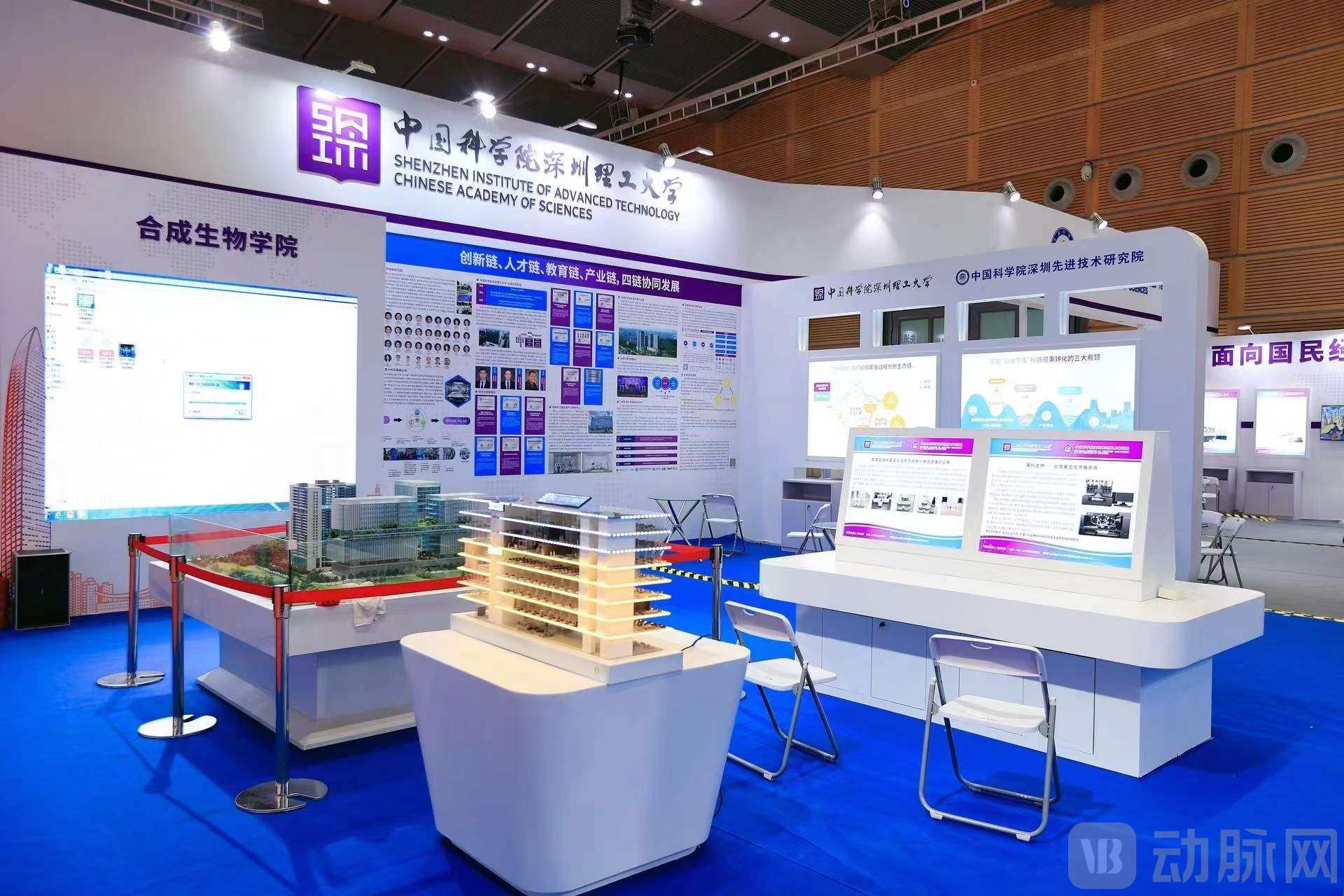
At the exhibition site, it is evident that the driving force behind the growth of the synthetic biology industry is a full-chain innovation model for translating scientific achievements into industrial applications. This model spans the entire commercialization journey—from “0 to 1,” “1 to 10,” “10 to 100,” and “100 to infinity”—and is supported by the world’s largest synthetic biology research team, the world’s first School of Synthetic Biology, major synthetic biology infrastructure facilities, the Engineering Biology Industry Innovation Center, the Synthetic Biology Industrial Park, and the Synthetic Biology Industry Fund.
Liu Chenli, Deputy Director of the Shenzhen Institute of Advanced Technology and Director of the Institute of Synthetic BiologyIt was stated that global research and industry in synthetic biology are experiencing rapid development. Although China started more than a decade later than the international community, it has established a solid research foundation through nearly ten years of collaborative efforts among experts from various disciplines and fields, as well as through international cooperation. Moving forward, we will further strengthen the integration of the “four chains”—with the industrial chain as the core, the innovation chain as the driver, the talent chain as the foundation, and the education chain as the safeguard—seize the opportunities presented by the convergence of information technology (IT) and biotechnology (BT), and promote the development of the synthetic biology industry in Shenzhen and across China.
Shenzhen’s First “National Team” Participates in the China Hi-Tech Fair with High-Quality Exhibits for 15 Consecutive Years
In 2006, the Shenzhen Institute of Advanced Technology (SIAT) made its debut at the China Hi-Tech Fair under the theme “Shenzhen Now Has a National Team,” and has since participated in the fair with high-quality exhibits for 15 consecutive years. In 2007, SIAT hosted the first domestic robotics-specific exhibition, an event it has continued to organize to this day.
Previously, Fan Jianping stated at the China Hi-Tech Fair that robots would be present in every household within a decade. While this vision seemed somewhat “distant” at the time, devices such as robotic vacuum cleaners have now entered an increasing number of homes. Shenzhen’s robot industry output value has exceeded RMB 100 billion.
“The synthetic biology and brain science industries today are akin to the robotics industry of 15 years ago. Shenzhen’s brain science sector is developing rapidly and holds great promise! Although the synthetic biology industry is still in its early stages, its future prospects are already becoming apparent,” said Fan Jianping.
In Fan Jianping’s view, technological innovation is Shenzhen’s distinctive “gene,” and the Shenzhen Institute of Advanced Technology (SIAT) has been continuously exploring and advancing on this path. As a national research institution that has taken root in Shenzhen for 15 years, SIAT actively embodies the ethos of serving as part of the “national team” and “national personnel,” keeping “national interests” at heart and shouldering “national responsibilities.” In step with Shenzhen’s high-quality development, the institute has strived relentlessly and achieved remarkable accomplishments.
Currently, the Shenzhen Institute of Advanced Technology has a staff of over 4,900 people. It has cumulatively secured funding totaling RMB 13.5 billion, undertaken 8,027 projects, filed more than 12,000 patent applications (with 4,903 patents granted and 2,137 PCT applications), achieved a technology transfer rate of 27.5%, accumulated industry collaboration funds exceeding RMB 2.9 billion, established 180 joint laboratories with enterprises, and incubated 1,346 companies.
After 15 years of development, innovative measures implemented by the Shenzhen Institute of Advanced Technology (SIAT)—including its efficient “laying eggs along the way” mechanism for transforming scientific and technological achievements, the formation of innovation consortia by enterprises and strategic scientific research platforms, and the “full-chain, matrix-style, and clustered” development of industrial chains—have been selected by the National Development and Reform Commission as part of the 47 advanced experiences from the Shenzhen Special Economic Zone for nationwide promotion. These innovative initiatives will provide stronger reference points for converting scientific and technological innovations into real drivers of economic and social development, continuously fostering new industries, new business formats, and new models, and identifying the next sources of economic growth.
Relying on Shenzhen Institute of Advanced Technology (SIAT) to establish the upcoming Shenzhen University of Advanced Technology, it has already assembled a high-caliber faculty of over 500 members, including 11 full-time academicians. The Shenzhen Municipal Government has allocated RMB 5 billion in construction funding, with the main campus covering 810 mu and a total building area of 560,000 square meters. The Mingzhu Campus is now operational, and the first cohort of jointly trained undergraduate students has commenced their studies. Significant progress has been made in the industrialization of fields such as brain science and synthetic biology, making it a cornerstone force in the development of Guangming Science City.