

Bohui Ruojin's Founder Zhao Bo: Delivering Comprehensive Solutions for Clinical Surgery

Proxima Capital
Investment Institutions in the Medical Technology Field
12At the end of the month, in Beijing. VCBeat conducted an interview with Zhao Bo, Chairman and Founder of Biosis Healing, on topics including the company’s entrepreneurial journey, innovation in platform technology R&D, breaking foreign monopolies, product internationalization, and future development directions.
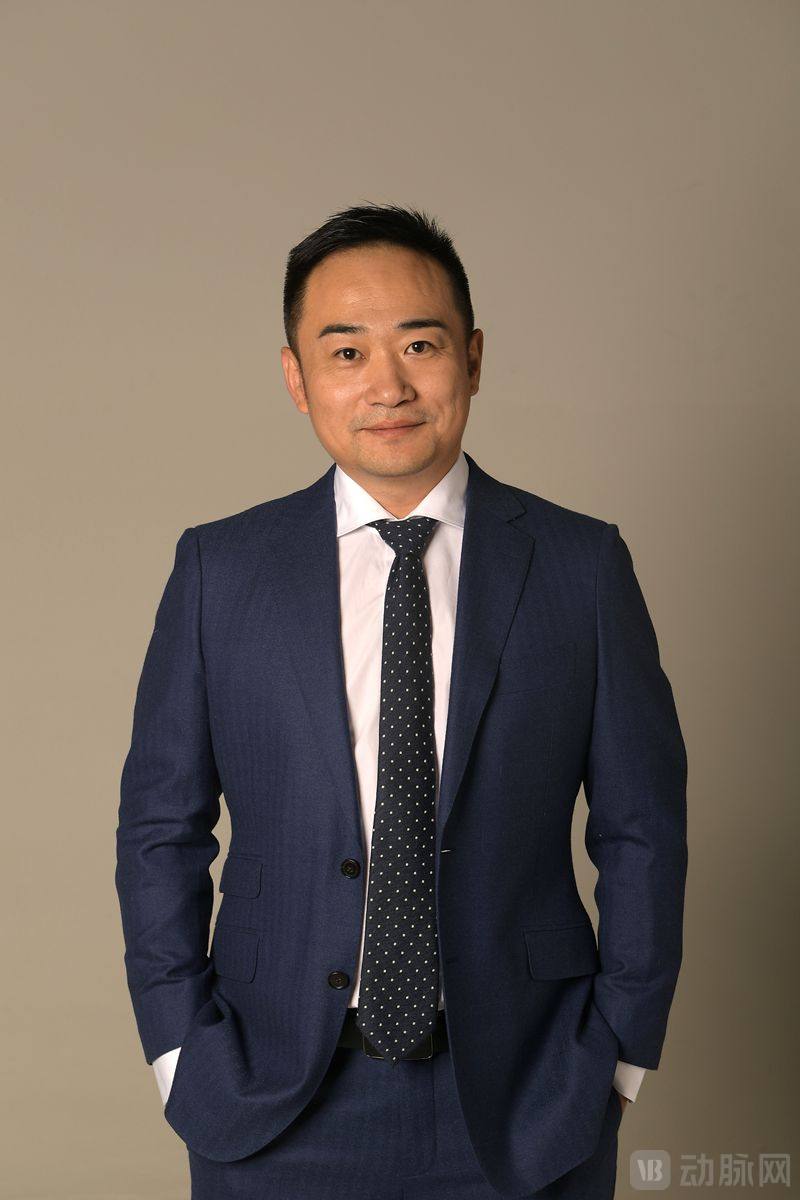
(Zhao Bo, Chairman and Founder of Biosis Healing)
Zhao Bo has a clear vision for his company’s past and future: “As a physician by training, I have a deeper and more acute understanding of the pain points in clinical medical practice than other entrepreneurs. My company is rooted in and serves clinical practice. Looking ahead, I have a plan: Biosis Healing aims to become a comprehensive provider of surgical solutions.”
“I have always been passionate about the medical profession and take great joy in seeing my patients recover. I chose to become an entrepreneur because there were matters more important than practicing medicine that demanded my attention.” Reflecting on his decision to found Beijing Biosis Healing Biological Technology Co., Ltd. in 2012, Zhao Bo spoke with unwavering resolve.
The SIS biomaterials platform, one of the core technological platforms of Beijing Biosis Healing Biological Technology Co., Ltd., now boasts fully mature manufacturing processes and a robust product pipeline; however, at its inception, it represented a gap in the domestic market.
Zhao Bo clearly remembers that in 2005, at the annual meeting of the Hernia and Abdominal Wall Surgery Group of the Chinese Medical Association, the President of the American Society of Colon and Rectal Surgeons was invited to engage in academic exchange. During his presentation, he showcased a novel biomaterial for the treatment of anal fistula—a minor yet notoriously refractory condition.
This material is SIS (Small Intestinal Submucosa), derived from the submucosal layer of animal small intestines. It can be completely degraded and absorbed after implantation, while offering infection resistance and anti-adhesion properties. As a platform-type biomaterial, it is applicable to the repair of nearly all soft tissues throughout the body, making it the most ideal restorative material both at the time of its introduction and to this day. While it has been widely adopted in the United States, it remains largely unknown in China.
The physician’s acumen inspired Zhao Bo to pursue the development of SIS-based biomaterials. However, easier said than done: the technology for preparing SIS materials has long been monopolized by U.S. companies, and domestic research data and expertise remain scarce.
A series of challenges emerged one after another, looming like massive mountains before them. In the face of these technical hurdles, Zhao Bo and his startup team embraced the spirit of “the Foolish Old Man who moved the mountains,” conducting systematic research from scratch on the physical and chemical properties of SIS materials.
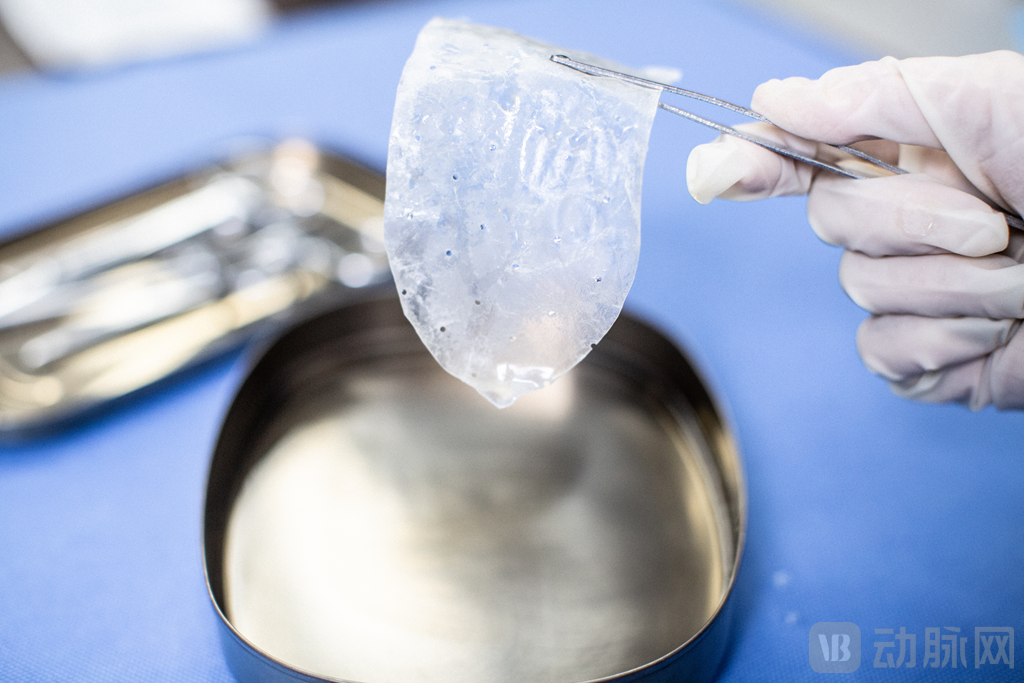
(Beijing Biosis Healing's SIS biomaterial products with independent intellectual property rights)
Through perseverance and thousands of trials, Zhao Bo overcame critical challenges in the processing and mass production of SIS (Small Intestinal Submucosa) materials, including quality control of animal-derived tissues, immunogenicity removal, non-crosslinked forming, and preservation of biological activity. By removing these major obstacles, he established an independent intellectual property rights-based technological platform for SIS material preparation at Beijing Biosis Healing Biological Technology Co., Ltd.
"Go fast alone, go far together."
At Beijing Biosis Healing, there is no shortage of employees with over nine years of tenure, who have steadfastly followed Zhao Bo’s footsteps through thick and thin.
Spirit is intangible, yet it unites hearts and gathers strength; one person influences a group, which then draws in more people, ultimately forming a team of like-minded individuals.
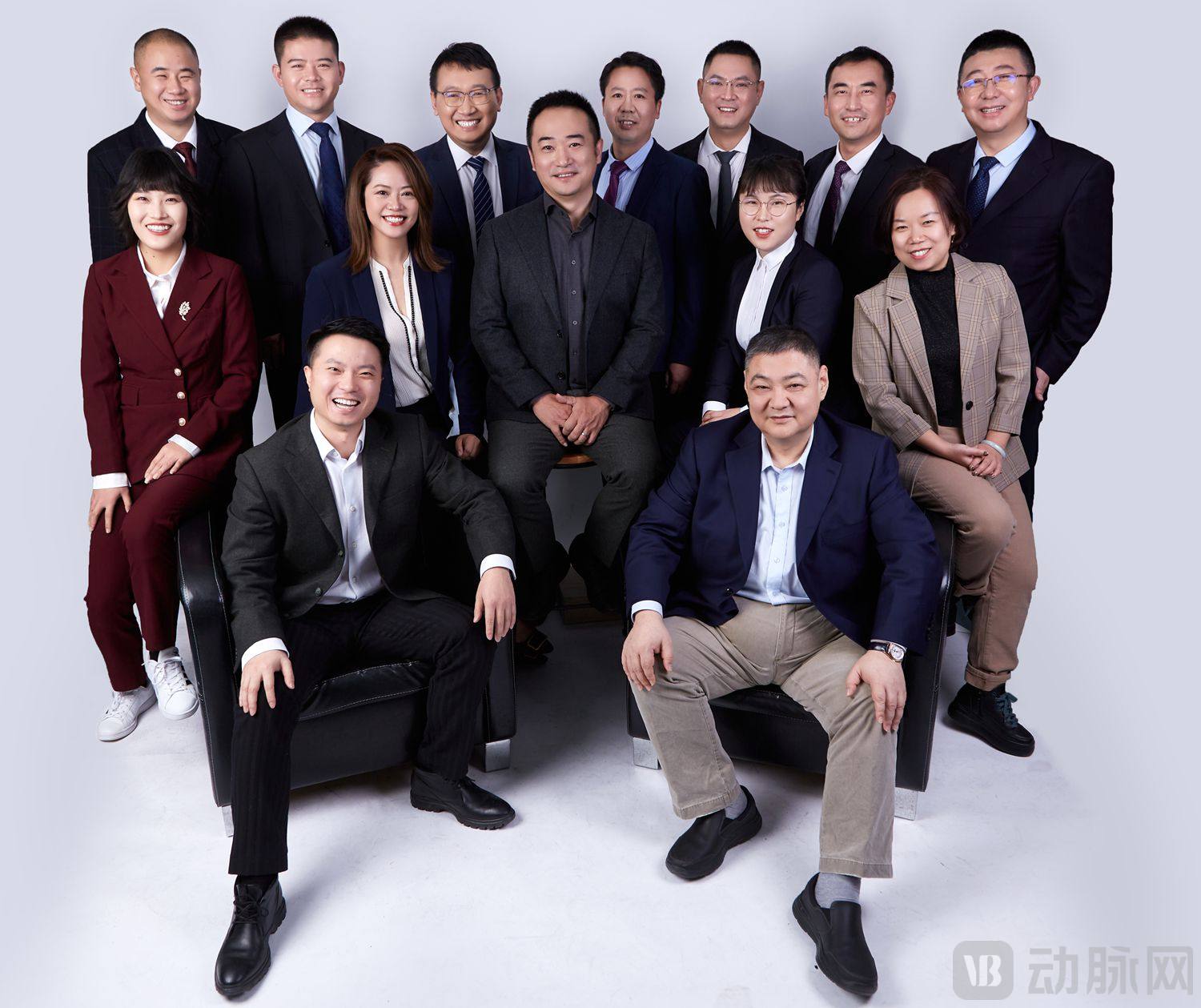
(Biosis Healing Core Team)
This highly capable and battle-tested BoHui team has successfully undertaken a wide range of research projects at various levels, including the Ministry of Science and Technology’s Major Special Project in New Materials under the 12th Five-Year Plan (863 Program), the National Development and Reform Commission’s “Pharma Valley No. 1” public service platform construction, the Beijing Municipal Science & Technology Commission’s preclinical studies on innovative drug candidates, and the cultivation of high-end, precision, and advanced industries in the Zhongguancun National Independent Innovation Demonstration Zone.
The R&D team at Biosis Healing comprises young core professionals from diverse disciplines, including surgery, materials science, molecular biology, and clinical medicine. The team is capable of independently executing comprehensive development activities for innovative biomaterials and medical devices, encompassing laboratory R&D, preclinical studies, clinical trials, regulatory registration, quality system certification, and pilot-scale technology transfer.
In addition, Biosis Healing boasts a robust marketing team. Li Xuejun, one of the company’s partners, heads its marketing operations. With over 20 years of experience in medical device sales, he has played a key role in advancing the localization of surgical staplers in China.
Through the efforts of Li Xuejun and his marketing team, multiple products from Beijing Biosis Healing Biological Technology Co., Ltd have won bids in centralized procurement programs across many provinces and cities in China, gaining entry into nearly 1,000 hospitals nationwide.
This elite Biosis Healing team also delivered an outstanding performance during the pandemic.
In early 2020, following the outbreak of the epidemic and faced with a domestic shortage of epidemic prevention supplies, Beijing Biosis Healing Biological Technology Co., Ltd. responded to the government’s call by urgently repurposing its production capabilities. Leveraging its existing manufacturing advantages, the company converted its Class 100,000 cleanroom facilities into workshops for the production of medical masks and protective suits. Drawing on years of experience in medical device manufacturing and quality management, it rapidly established multiple production lines for protective products.
Having weathered the epidemic, the Biosis Healing team has demonstrated the fortitude of “the strong, who meet adversity with courage.” In 2020, the cumulative domestic and international sales revenue of Biosis Healing’s protective products reached nearly RMB 1 billion, contributing the strength of Biosis Healing to the global fight against the COVID-19 pandemic.
In late November, the Overseas Edition of People’s Daily published an article titled “Breaking Foreign Monopolies, Focusing on R&D Innovation, and Injecting New Vitality into Biomedical Development with the Participation of Specialized, Refined, Differential, and Innovative SMEs,” highlighting how Chinese biomedical enterprises have broken foreign monopolies and offered “Chinese solutions” to the global healthcare sector.
This report has caused quite a stir in the biomedical industry. One of the companies mentioned in the report is Biosis Healing.
In March 2021, Biosis Healing’s SIS-based biological mesh for inguinal hernia repair obtained the first CE certificate in China for an animal-derived surgical mesh. In May, the company secured its first order in Europe, marking the official entry of China’s SIS-based biological material products into the international market.
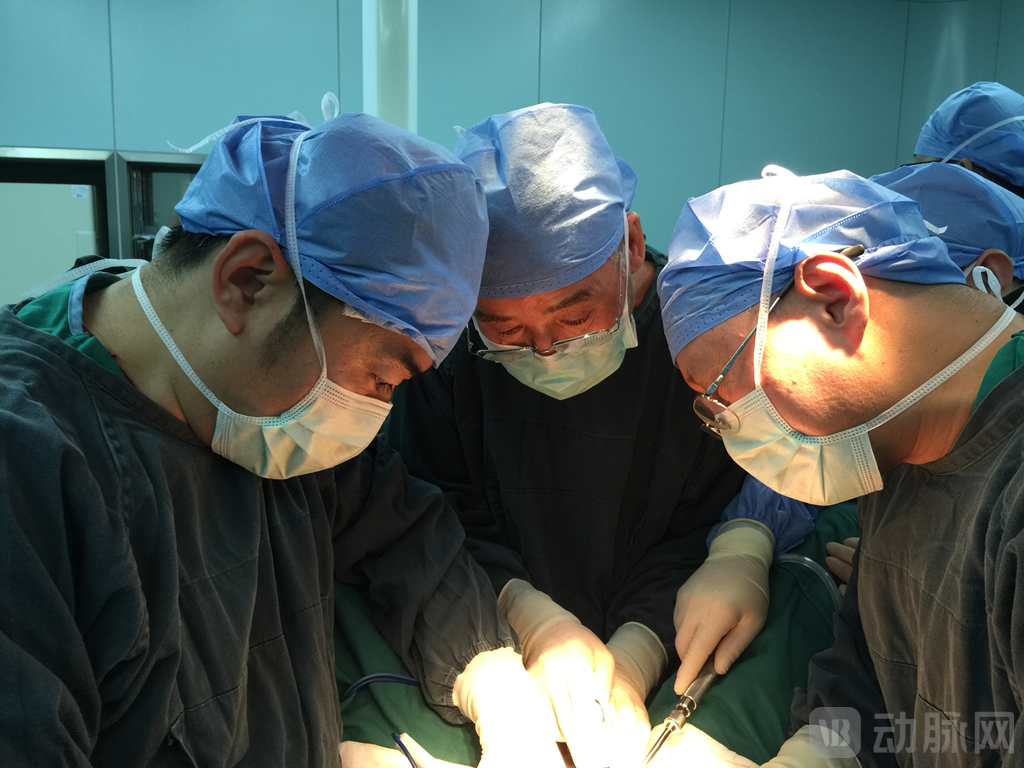
(Zhao Bo from Biosis Healing performing the surgery)
From first encountering SIS materials in 2005, to formally establishing the company for R&D in 2012, and now expanding into international markets, Zhao Bo acknowledges that this represents not only a breakthrough for Biosis Healing but also another strong voice from China’s biomedical industry on the global stage.
Nowadays, an increasing number of startups in China have recognized the advantages of SIS biomaterials and joined the R&D efforts. In response to these potential competitors, Zhao Bo stated, “Beijing Biosis Healing Biological Technology Co., Ltd. currently possesses a fully mature SIS material preparation process and has more than 10 product pipelines in reserve, giving us an absolute leading advantage in this field.”
“It is encouraging that an increasing number of enterprises and investors are turning their attention to the field of SIS materials. By joining forces, we can collectively expand our market presence, which represents a crucial pathway for the internationalization of China’s biomedical industry. Beijing Biosis Healing Biological Technology Co., Ltd. has taken the lead in exporting SIS material products, setting a benchmark for others to follow,” emphasized Zhao Bo.
In addition, Dr. Zhao, who holds a Ph.D. in Surgery, is well aware that innovation and R&D cannot be conducted in isolation; rather, the collaborative development of industry, academia, research, and clinical practice is the approach that biomedical enterprises should adopt.
In 2021 alone, Biosis Healing collaborated with multiple institutions and universities—including the School of Stomatology at Tianjin Medical University, the University of California, Los Angeles (UCLA), the Institute of Process Engineering of the Chinese Academy of Sciences, and the Plastic Surgery Hospital of Peking Union Medical College Hospital under the Chinese Academy of Medical Sciences—to publish six papers in SCI-indexed core journals. The total impact factor of these publications was 62.055, with an average impact factor of 10.343 per paper. Biosis Healing’s research achievements in the field of materials science have reached a leading position internationally.
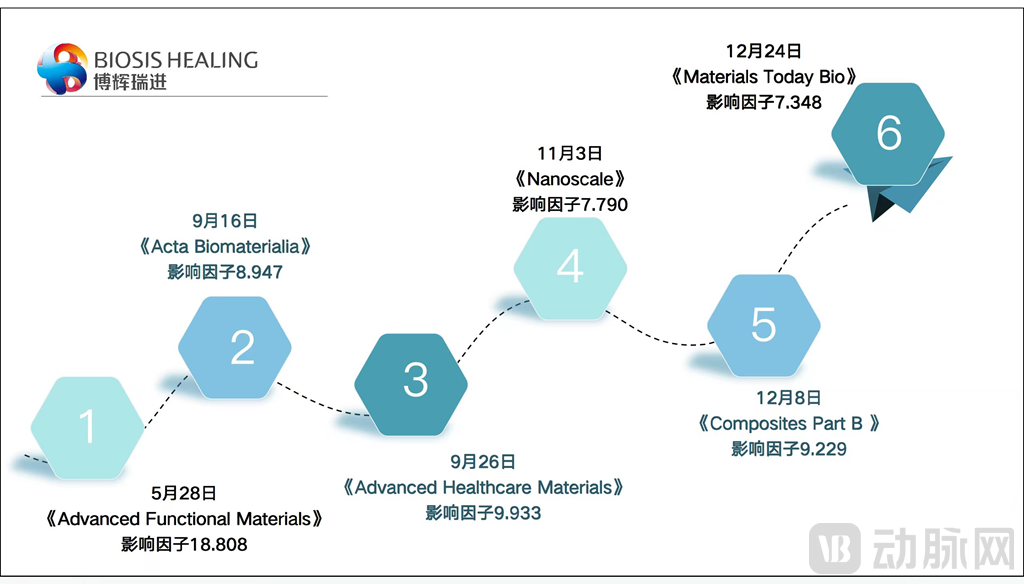
(Publications by Beijing Biosis Healing Biological Technology Co., Ltd in 2021)
With the development of clinical surgery and advances in medical technology, clinical surgical practice has shifted from open incisional procedures to minimally invasive, tissue-preserving approaches, with greater emphasis on patients' postoperative quality of life.
Founded by Dr. Zhao, Biosis Healing is deeply rooted in and dedicated to clinical practice, with a profound understanding of the pain points and challenges encountered in clinical settings.
The SIS biomaterial platform addresses the challenges of postoperative tissue repair and regeneration, while Biosis Healing’s other key platform, the multi-arm PEG material platform, tackles the intraoperative challenges of tissue adhesion and rapid hemostasis.
Multi-arm PEG materials are currently the only FDA-approved biodegradable materials for in vivo tissue adhesion, rapid hemostasis, and wound closure.
Bonds within 10 seconds, features high viscosity, and is fully biodegradable in vivo. It offers strong adhesion, low toxicity, and biodegradability, demonstrating significant superiority over existing fibrin glues and cyanoacrylate adhesives.
In 2017, Beijing Biosis Healing Biological Technology Co., Ltd. officially initiated the multi-arm PEG material platform project. Currently, leveraging this platform, the company has developed a portfolio of products including absorbable endoscopic sealing medical adhesives, completed animal studies, and emerged as a first-tier global enterprise in this field.
To date, in the field of clinical surgery, Biosis Healing has launched over 10 products on its SIS biomaterials platform and nearly 20 products on its minimally invasive surgical instruments platform, complemented by a pipeline of multi-arm PEG material-based products under development. The company’s extensive portfolio of surgical clinical solutions is already quite impressive.
Yet Zhao Bo remained unsatisfied: “Centered on clinical practice, there is still so much we can and want to do. What Biosis Healing aspires to become in the future is China’s largest provider of comprehensive solutions for clinical surgery.”
Mr. Sun Xiaolu, Partner at Proxima Capital, is highly optimistic about the business model of Beijing Biosis Healing Biological Technology Co., Ltd. He once stated: ““Startups like Biosis Healing, which position themselves as comprehensive surgical solution providers and are backed by multiple platforms with dozens of products, are rare not only in China but also globally. The future commercial value of Biosis Healing holds immense potential.”
At the Joint Conference of Academicians of the Chinese Academy of Sciences and the Chinese Academy of Engineering and the 10th National Congress of the China Association for Science and Technology held in May this year, General Secretary Xi Jinping emphasized that we must adhere to making self-reliance and self-improvement in science and technology a strategic pillar for national development. We should base ourselves on the new stage of development, implement the new development philosophy, foster the new development paradigm, and promote high-quality development. Oriented toward the global scientific and technological frontiers, the main battlefield of the economy, major national needs, and people’s lives and health, we must thoroughly implement the strategies for invigorating China through science and education, strengthening the country with talent, and innovation-driven development. By grasping the general trend, seizing opportunities, confronting problems head-on, and rising to challenges, we will improve the national innovation system, accelerate the building of a leading country in science and technology, and achieve high-level self-reliance and self-improvement in science and technology.
Represented by Beijing Biosis Healing Biological Technology Co., Ltd, domestic biomedical technology enterprises have received strong support from governments at all levels. They should always bear in mind the mission of “serving to improve people’s health and well-being,” respond to national calls, and live up to public trust.
With a spirit that keeps pace with the times and unwavering determination, we shoulder the significant responsibilities entrusted to us by this era. Through technological innovation, we enable more people in China and around the world to access higher-quality, more convenient medical services at lower costs.