

Sirnaomics Becomes China's First RNA Therapeutics Company Listed on HKEX, Leveraging Proprietary PNP Technology to Expand Beyond GalNAc Limitations
Sirnaomics
Nucleic Acid Interference New Drug Developer
On December 30, 2021, Sirnaomics, Inc. (stock code: 2257.HK) officially listed on the Hong Kong Stock Exchange, issuing 7.54 million shares (with 10% allocated to the Hong Kong public offering and 90% to the international offering, plus a 15% over-allotment option). The issue price was HK$65.9 per share, raising net proceeds of HK$396 million; if the over-allotment option is exercised, an additional HK$74.5 million can be raised.
Sirnaomics will primarily use the proceeds from this IPO to advance the development and commercialization of its core pipeline candidate, STP705 (57.9%), followed by the development of its pipeline candidate STP707 (15.6%). The remaining funds will be allocated sequentially to its GalNAc platform products, research and development of other preclinical candidates, and general corporate and working capital purposes.
Prior to Sirnaomics’ listing on the Hong Kong Stock Exchange, no company in the HKEX biopharmaceutical sector was exclusively focused on RNA-based drug research; with this IPO, Sirnaomics will become the first publicly listed company in China dedicated to RNA therapeutics.
Sirnaomics, founded in 2007, is a U.S.-based clinical-stage biopharmaceutical company specializing in RNA therapeutics. Headquartered in Maryland, USA, it has subsidiaries in Suzhou and Guangzhou, China, and maintains functional offices in Beijing and Hong Kong, China, as well as in Boston and Los Angeles, USA.
Dr. Lu Yang, founder of Sirnaomics, has long been dedicated to the research and development of nucleic acid therapeutics. He pioneered the use of peptide nanoparticles (PNP) as a delivery platform for nucleic acid drugs, expanding the indications of RNAi therapeutics from hepatocyte-related diseases to oncology, and advancing clinical trials globally. Meanwhile, by recruiting international industry experts and promoting source innovation, he has leveraged optimized GalNAc drug delivery technology to further diversify Sirnaomics’ technological platform.
As early as 2000, Dr. Lu Yang co-founded Intradigm, a biotechnology company based on PNP delivery technology, with colleagues who were also from Novartis. Six years later, Intradigm was acquired by an investment consortium led by Genentech, and Dr. Lu gradually shifted his focus to the Chinese market. As one of the few technology-driven experts who truly foresaw the dawn of success, Dr. Lu firmly believes that nucleic acid therapeutics, which operate via mechanisms more upstream than those of antibody drugs, can play a greater role in the treatment of complex diseases and even change the rules of the game for traditional therapies.
Nucleic acid therapeutics, as commonly referred to, primarily include antisense oligonucleotides (ASOs), small interfering RNA (siRNA) therapeutics, aptamer drugs, and messenger RNA (mRNA) therapeutics. These agents work by disrupting the mechanisms of the central dogma from DNA to protein, thereby blocking the formation of specific proteins to achieve therapeutic effects. Before Moderna rose to prominence with its COVID-19 mRNA vaccine, ASOs and siRNAs were the relatively mainstream types of nucleic acid therapeutics. Among these, siRNA is a common molecule involved in the RNA interference (RNAi) mechanism. Bolstered by Nobel Prize recognition, RNAi has attracted significant attention from the industry, and many multinational pharmaceutical companies mentioned earlier have chosen siRNA as their primary focus when making substantial investments in nucleic acid therapeutics.
In a sense, nucleic acid therapeutics may represent the most ideal class of drugs for humanity, offering the combined advantages of long-lasting efficacy, low cost, and broad indications.
Specifically, nucleic acid therapeutics directly target mRNA and inhibit the production of disease-associated proteins, thereby modulating the expression of various extracellular and intracellular proteins. This approach has the potential to broaden the range of druggable targets. This mechanism of action leverages natural biological processes to achieve gene silencing, and with technological advancements, the risks of cytotoxicity and immunogenicity have been significantly reduced.
Take Leqvio® (inclisiran), an RNA interference therapeutic targeting PCSK9 for cholesterol reduction acquired by Novartis for a hefty $9.7 billion, as an example. Patients require only two injections per year to achieve efficacy comparable to that of monoclonal antibodies targeting the same pathway, which typically necessitate twice-monthly administration. Moreover, this long-acting characteristic is evident across RNA interference therapeutics targeting various pathways and indicated for multiple conditions.
Data show that zilebesiran, for which Alnylam is initiating Phase II clinical trials, can be administered via subcutaneous injection once every six months to patients with hypertension. Meanwhile, Sirnaomics’ STP122G demonstrated target inhibition lasting more than 140 days in recently completed non-human primate studies. Furthermore, compared with conventional drugs, nucleic acid therapeutics require smaller doses per administration and involve lower hardware investment in manufacturing processes, thereby resulting in lower production costs.
Of course, nucleic acid therapeutics are still far from ideal at present. For instance, Biogen’s antisense oligonucleotide (ASO) drug nusinersen sodium injection, used to treat spinal muscular atrophy, once drew public attention due to its high price. However, as global demand for nucleic acid therapeutics continues to grow, it will stimulate sustained efforts on the supply side, ultimately leading to lower prices through a mature industrial ecosystem. According to industry practitioners speaking to VCBeat, once nucleic acid therapeutics achieve large-scale production, treatment costs could drop to one-third of those for antibody drugs, with virtually no technical barriers remaining—only the accumulation of demand is needed. In this sense, the real challenge facing nucleic acid therapeutics is the expansion of indications. Addressing this challenge involves complex technical logic, which has been the focus of Dr. Lu Yang’s dedicated exploration over the past two decades.
To elaborate slightly, siRNA is a synthetically produced double-stranded RNA molecule consisting of 19–25 nucleotides. By designing their sequences, researchers can create siRNAs that are complementary to short regions of mRNA transcribed from genes encoding specific target proteins, thereby inhibiting the production of disease-causing proteins. In other words, nucleic acid therapeutics act at a more upstream level in the mechanism of action compared to antibody drugs or small-molecule drugs, and they function within cells. This implies that the effective delivery of engineered RNA molecules to their target sites represents the most significant bottleneck in the development of nucleic acid therapeutics into viable drugs. Indeed, this has been the case; even before Alnylam mastered the technical nuances of GalNAc-based delivery for RNA molecules, there was considerable debate over whether nucleic acid therapeutics could ultimately succeed in clinical applications.
In many scenarios, GalNAc defines the boundaries of nucleic acid therapeutics. However, Sirnaomics has chosen a different path, achieving what GalNAc cannot. Before founding Sirnaomics, Dr. Lu Yang worked at Novartis for over seven years, primarily participating in the multinational giant’s early-stage gene therapy drug development. He gained deep expertise in the methodologies and respective advantages and disadvantages of various delivery systems, including what later became Sirnaomics’ key foundational technology: PNP (Polymer Nanoparticle). Composed of natural amino acids, PNP degrades into naturally non-toxic byproducts while overcoming challenges related to drug targeting and stability. It demonstrates superior targeting capability and efficiency in cell types beyond hepatocytes compared to both GalNAc and earlier-generation lipid nanoparticles (LNPs). Furthermore, because PNP can simultaneously carry multiple siRNAs with different targets, it enables synergistic gene silencing effects within the same target cells, thereby enhancing the therapeutic efficacy of RNA interference (RNAi) drugs.
Here is an interlude. When Dr. Lu Yang founded Intradigm based on PNP technology, he had engaged with Alnylam’s angel investors. Although the collaboration did not ultimately materialize, this episode somewhat strengthened his resolve to persevere. Upon observing Alnylam’s continuous development of a series of nucleic acid therapeutics leveraging GalNAc technology, Dr. Lu became even more convinced that his initial choice was correct. After all, the development of nucleic acid drugs is a process of continuous trial and error and accumulation; starting earlier means being closer to the destination.
As a biopharmaceutical company still in the clinical stage, Sirnaomics requires substantial capital investment for its early-stage drug development, making financing one of the primary sources of funding to advance its pipeline. According to Sirnaomics’ prospectus, since its establishment in 2007, the company has completed seven rounds of financing, raising nearly USD 300 million in total. Its investors include Suzhou Industrial Park Venture Capital, Xiantong Capital, and Huakong Fund, among others.
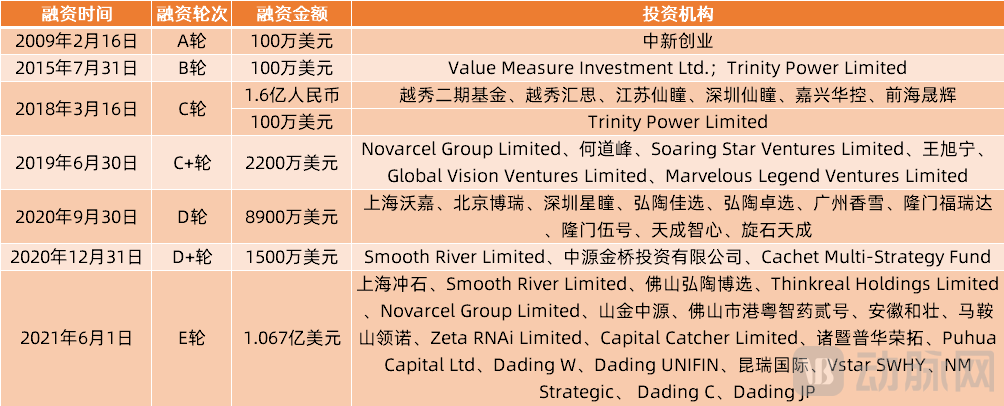
Sirnaomics' Historical Financing Rounds (Source: Prospectus)
As shown in the table above, Sirnaomics has primarily undergone Series A, B, C, C+, D, D+, and E financing rounds. The company raised the largest amounts during its Series D (including Series D+) and Series E financing stages, securing $104 million and $106.7 million, respectively. The funds raised were primarily used for the development and advancement of the company’s pipeline, as well as for general corporate operations.
Drug discovery and development require substantial long-term investment of resources. As can be seen from Sirnaomics’ prospectus, the company’s R&D expenditure has increased year by year (as shown in the figure below):
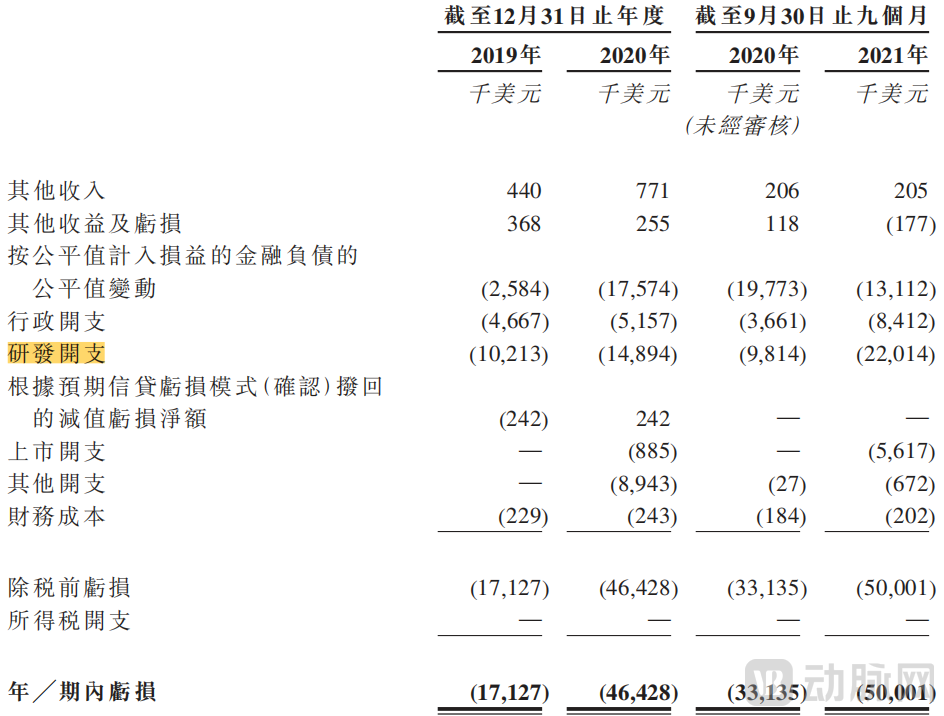
In 2019, 2020, and the nine months ended September 30, 2021, Sirnaomics’ research and development (R&D) expenses were US$10.2 million, US$14.9 million, and US$22.0 million, respectively, accounting for 67.6%, 73.4%, and 71.9% of the company’s total expenses during the corresponding periods. Among these, the R&D expenses for Sirnaomics’ core product, STP705, were US$6.0 million, US$9.2 million, and US$8.1 million in 2019, 2020, and the nine months ended September 30, 2021, respectively.
Sirnaomics’ R&D investment increased by 45.8% from USD 10.2 million in 2019 to USD 14.9 million in 2020, and then surged by 124.3% from USD 9.8 million in the first nine months of 2020 to USD 22.0 million in the first nine months of 2021. The primary drivers of the company’s increased R&D expenditures included compensation for R&D personnel, as well as costs associated with clinical and preclinical trials.
Sirnaomics is a biopharmaceutical company deeply engaged in RNA therapeutics and the first enterprise to achieve positive Phase IIa clinical results in the field of oncology RNAi therapy.
The RNA-based therapeutics developed by the company represent a novel therapeutic approach that achieves root-cause intervention by targeting messenger RNA (mRNA) to either inhibit or enhance gene expression. Specifically, the strategy for inhibiting gene expression is RNA interference (RNAi) therapy, which includes small interfering RNA (siRNA). This specialized class of RNA degrades mRNA, thereby silencing disease-causing genes at their source and achieving therapeutic efficacy.
Traditional therapies typically exert their therapeutic effects by directly targeting disease-causing proteins, whereas RNAi therapies work by silencing the genes that encode these proteins, thereby preventing the production of disease-associated proteins and minimizing or eliminating their potential adverse effects. RNAi therapy can be understood as an advanced form of RNA-targeted treatment; technological breakthroughs have enabled RNAi therapies to target specific pathogenic genes previously considered “undruggable,” thus expanding the scope of disease treatment.
Sirnaomics’ core pipeline candidates are primarily focused on RNAi therapeutics. The company concentrates on developing RNAi therapies for indications with significant unmet needs, accelerated development opportunities, and potential for faster commercialization, ultimately selecting oncology, fibrosis, medical aesthetics, and antiviral applications as its key therapeutic areas.
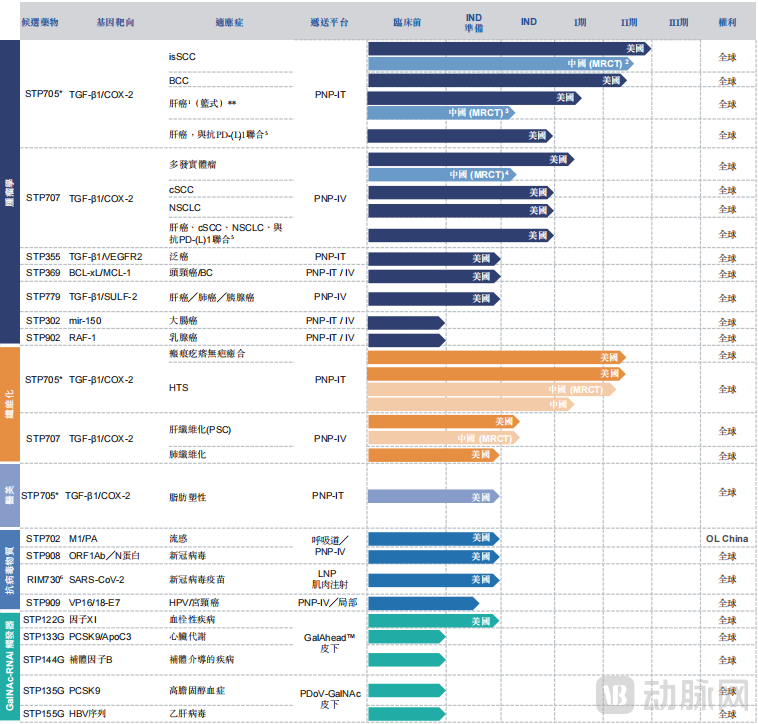
An examination of Sirnaomics’ clinical pipeline reveals two core products, STP705 and STP707, which have made significant progress in clinical development in both China and the United States for multiple indications, including basal cell carcinoma (BCC), liver cancer, and cutaneous fibrosis.
Sirnaomics’ core candidate product, STP705, is composed of two distinct siRNA oligonucleotides and a histidine-lysine polypeptide (HKP), and is designed as a dual inhibitor targeting TGF-β1 and COX-2. TGF-β1 and COX-2 are regarded as “gatekeeper” targets in the development of therapeutics for oncology and fibrotic diseases. TGF-β1 regulates cell proliferation, differentiation, apoptosis, extracellular matrix production, angiogenesis, inflammation, and immune responses, while COX-2 promotes the production of inflammatory and proliferative mediators. Silencing the expression of TGF-β1 and COX-2 leads to the downregulation of multiple pro-tumorigenic and pro-fibrotic factors. Furthermore, simultaneous silencing of both TGF-β1 and COX-2 within the same cell significantly enhances therapeutic efficacy.
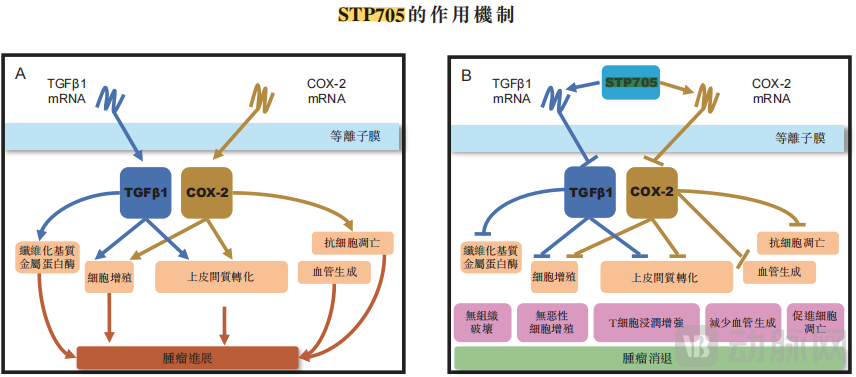
Upon systemic administration of STP705, siRNA molecules are gradually taken up by target cells via endocytosis, with HKP facilitating the escape of siRNA into the cytoplasm. Subsequently, the siRNA activates the RNA-induced silencing complex (RISC). RISC processes the double-stranded siRNA to release one strand and uses the other as a guide to locate mRNA transcribed from the TGF-β1 and COX-2 genes. Ultimately, all such mRNA molecules are cleaved, preventing the production of the corresponding proteins, thereby achieving gene “silencing.”
Based on the therapeutic mechanism of STP705, the company is developing three major indications: non-melanoma skin cancer (NMSC), including squamous cell carcinoma in situ (isSCC) and basal cell carcinoma (BCC); cutaneous fibrosis; and solid liver tumors.
Among these, the most rapid clinical progress has been made in the indication for non-melanoma skin cancer (NMSC). The Phase IIa clinical study for NMSC (particularly invasive squamous cell carcinoma, isSCC) has been successfully completed in the United States, and the Phase IIb study for isSCC was initiated in May 2021.
According toSirnaomics’ Clinical Efficacy Results Show: STP705 is effective in treating isSCC lesions. Histological clearance of lesions at the end of treatment (EOT) was achieved in the majority of subjects across all dose groups and in the majority of subjects in the study overall (76%, 19/25). The recommended Phase IIb dose level achieved a histological clearance rate of 90% (9/10), demonstrated an excellent safety profile, and had no drug-related adverse events (AEs) or serious adverse events (SAEs).
In addition to its NMSC indications, Sirnaomics initiated a Phase II study of STP705 for the treatment of BCC in Q4 2020, launched a Phase I/II study on scarless healing for keloids in April 2021, and is currently conducting a Phase II trial for cutaneous fibrosis, all of which have demonstrated outstanding clinical performance.
As Sirnaomics’ second-largest pipeline asset, STP707 is a dual TGF-β1/COX-2 inhibitor utilizing the same targeted siRNA mechanism as STP705. However, STP707 represents an upgraded version of STP705’s local administration approach, enabling systemic delivery through an optimized PNP formulation design and thereby expanding the therapeutic indications for TGF-β1/COX-2 inhibitors. The company is also developing intravenous STP707 for the treatment of liver cancer, multiple solid tumors, and liver fibrosis, as well as for lung cancer and pulmonary fibrosis.
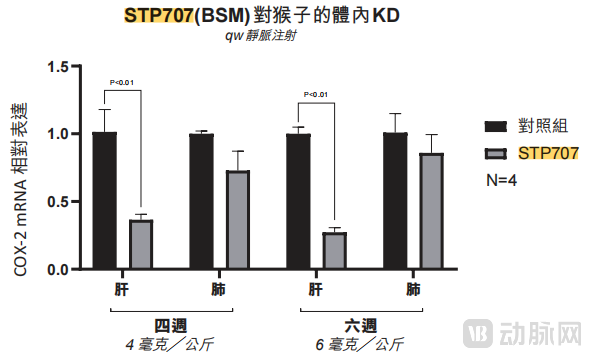
Sirnaomics initiated the Phase I clinical trial of STP707 for solid tumors in the United States in November 2021, and plans to submit an Investigational New Drug (IND) application in China for a Phase I clinical trial in hepatocellular carcinoma (HCC). In the same month, it also submitted an IND application in the U.S. for STP707 in the treatment of primary sclerosing cholangitis (PSC), a rare form of liver fibrosis. As disclosed by the company’s GLP study results in non-human primates (see figure below), intravenous administration of STP707 achieved “silencing” of TGF-β1 and COX-2 in the liver and lungs, demonstrating the strong therapeutic potential of STP707 in lung and liver tissues.
Meanwhile, the Company is also exploring combination therapies of STP707 with immune checkpoint inhibitors and other novel oncology drugs currently used to treat hepatocellular carcinoma (HCC), metastatic cutaneous squamous cell carcinoma (cSCC), and non-small cell lung cancer (NSCLC). In a preclinical study using an orthotopic HCC mouse model, the Company evaluated the combination therapy of STP707 and an anti-PD-L1 monoclonal antibody.
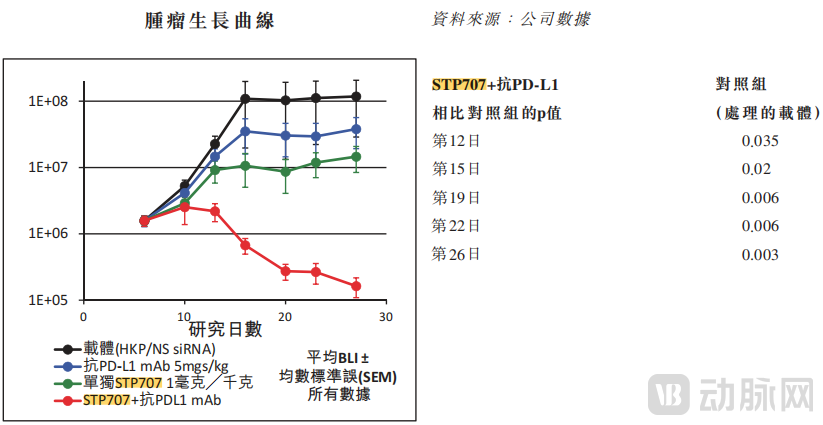
Comparison of intravenous administration of STP707 alone (2 mg/kg) versus in combination with an anti-PD-L1 monoclonal antibody (5 mg/kg) demonstrated that the STP707 and anti-PD-L1 antibody combination effectively eradicated tumors, with no regrowth observed after 28 days. In further murine model studies, Sirnaomics administered STP707 at a lower dose (1 mg/kg) in combination with the anti-PD-L1 monoclonal antibody. STP707 exhibited greater efficacy and synergistic activity compared to either STP707 or the anti-PD-L1 monoclonal antibody used alone (as shown in the figure above), providing strong support for combination therapies based on synergistic activity and enhanced efficacy of immune checkpoint inhibitors.
The primary challenge in developing RNA therapies lies in protecting RNA from degradation in the bloodstream and delivering it to target cells. To support its RNA drug development, Sirnaomics has independently established three delivery platforms: the PNP delivery platform, the GalNAc RNAi delivery platform, and the PLNP delivery platform. These platforms are designed for local or systemic administration of RNAi therapies to hepatocytes, systemic administration of RNAi therapies to the liver, and delivery of mRNA vaccines and therapeutics, respectively.
It is reported that the delivery platforms approved by the U.S. Food and Drug Administration (FDA) for RNA therapies are based on lipid nanoparticle (LNP) technology and GalNAc RNAi technology. However, deploying LNP delivery platforms to develop drugs suitable for multiple indications presents challenges, as they require multiple basic components and involve a higher degree of manufacturing complexity. Therefore, Sirnaomics has developed a transformative proprietary polypeptide nanoparticle (PNP) platform, which is the most widely used delivery method for its RNAi therapies. The PNP delivery platform enables the delivery of siRNA and mRNA to diseased cells via local or systemic administration. This delivery method offers significant advantages, including low toxicity, ease of manufacturing, and the ability to reach target organs and various cell types.
Building on its PNP delivery technology, Sirnaomics has also developed a peptide-lipid nanoparticle (PLNP) delivery platform. As mRNA therapies and vaccines aim to deliver mRNA into cells for expression to compensate for defective genes or provide therapeutic proteins, RNAimmune, an affiliate of Sirnaomics, is leveraging the PLNP delivery platform to develop mRNA therapies and vaccines for infectious diseases, rare diseases, and oncology indications. This delivery platform demonstrates advantages such as lower toxicity and higher efficiency in several applications.
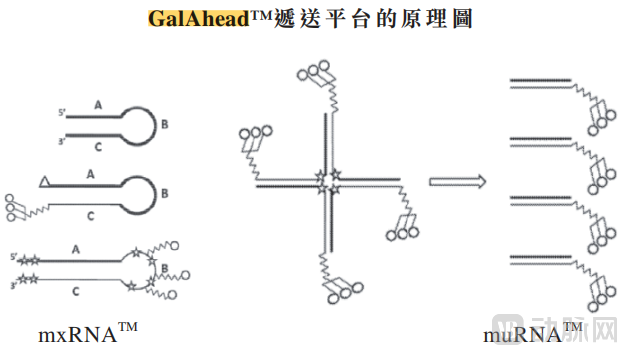
Sirnaomics’ novel GalNAc RNAi delivery platform (GalAhead™+PDoV-GalNAc) enables highly efficient and specific delivery to hepatocytes by enhancing endosomal escape properties and employing a dual-siRNA target design. Specifically, GalAhead™ is a GalNAc RNAi delivery platform that conjugates GalNAc moieties with RNAi triggers; PDoV-GalNAc is a GalNAc RNAi delivery platform that conjugates GalNAc moieties with peptide docking vehicle (PDoV) peptide linkers and couples up to two siRNAs to the peptides.
To date, leveraging Sirnaomics’ several core pipelines and delivery platforms, the company has secured 9 patents in China, 8 patents in the United States, and 2 patents granted in Europe, along with 76 pending patent applications.
RNAi therapy can inhibit tumorigenesis by targeting multiple genes involved in tumor progression. By targeting specific pathogenic genes previously considered undruggable, RNAi therapy holds potential for treating various diseases with prolonged activity in the human body, while also shortening the development timeline for new therapeutics.
RNAi therapies treat diseases by leveraging RNAi molecules to silence the expression of specific genes. RNAi molecules are generally categorized into three types: small interfering RNA (siRNA), microRNA (miRNA), and short hairpin RNA (shRNA). siRNAs are synthetically produced double-stranded RNA molecules, 19–25 nucleotides in length, characterized by high target specificity and potent silencing activity. miRNAs and shRNAs share a common pathway, wherein they are first processed into short double-stranded RNAs before being loaded into the RNA-induced silencing complex (RISC).
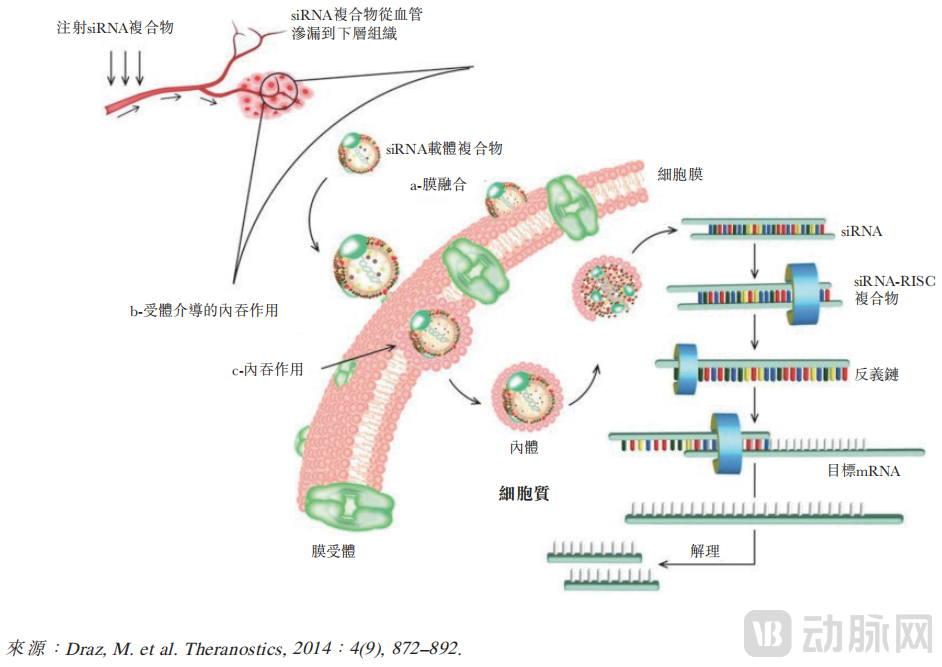
Mechanism of Action of RNAi Therapeutics
In November 2017, the U.S. FDA designated patisiran, an RNAi therapy developed by Alnylam Pharmaceuticals, as a Breakthrough Therapy. More than nine months later, patisiran received FDA approval and was launched as a specific treatment for hATTR amyloidosis with polyneuropathy, marking the advent of the first-ever RNAi drug in human history. This represents a pioneering milestone both for Alnylam, a leading nucleic acid therapeutics company, and for the numerous global teams still committed to innovating new nucleic acid-based drugs. It demonstrates that viable solutions have been found for the drug delivery challenges that had long constrained the development of small nucleic acid therapies and deterred multinational pharmaceutical companies. These solutions enable the next generation of nucleic acid drugs—characterized by lower doses and longer durations of action—to be safely and effectively delivered into patient cells. Starting in 2018, multinational pharmaceutical giants such as Roche, Novartis, Eli Lilly, Amgen, and Regeneron have heavily reinvested in the blue ocean of nucleic acid therapeutics.
To date, four siRNA drugs and eight ASO drugs have been approved for marketing worldwide. Among them, Spinraza, an ASO drug developed by Ionis, achieved sales of $2.097 billion in 2019, becoming the first “blockbuster” in the field of oligonucleotide therapeutics. Nucleic acid therapeutics truly entered the mainstream spotlight following the outbreak of the COVID-19 pandemic. Moderna and BioNTech developed mRNA-based COVID-19 vaccines within just a few months, generating billions of dollars in global revenue within only one quarter of their market launch. Moderna’s stock price surged, with its market capitalization briefly surpassing that of Merck & Co., a century-old pharmaceutical giant. Hailed as a “technology capable of saving the universe,” nucleic acid therapeutics have once again taken center stage.
Meanwhile, the development and exploration of nucleic acid therapeutics in China are also gaining momentum. Although starting a few years later than star players such as Alnylam and Ionis, China’s nucleic acid therapeutics sector has gathered numerous specialized teams with years of deep expertise, including Sirnaomics, Ribo Life Science, Ribobio, GenePharma, and Staidson. As pharmaceutical supply chain companies such as WuXi AppTec, Asymchem, and Porton Biopharma actively expand their nucleic acid drug manufacturing capacities, the industrial ecosystem for nucleic acid therapeutics in China is continuously maturing. Industry practitioners told VCBeat that even from a global perspective, China demonstrates significant supply-side advantages in the field of nucleic acid therapeutics; some nucleic acid drug developers based in the United States have already begun to frequently collaborate with Chinese active pharmaceutical ingredient (API) manufacturers.
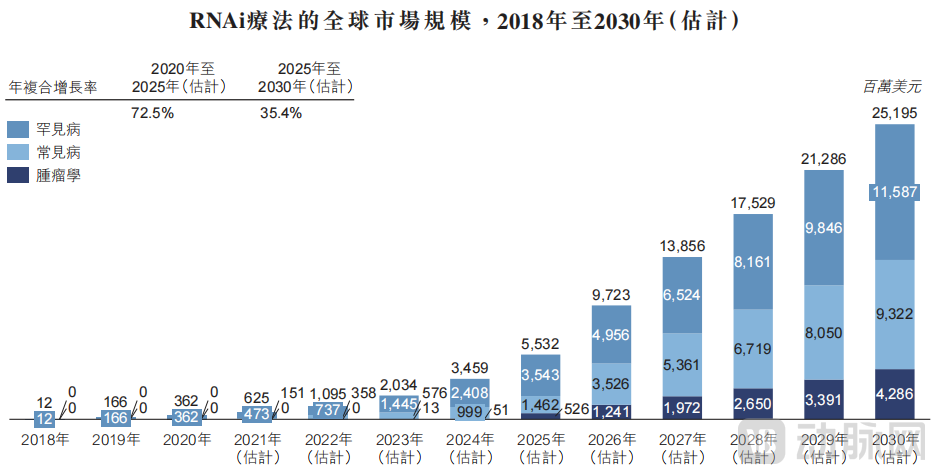
According to data from the Frost & Sullivan report, the global market size for RNAi therapies increased from USD 12 million in 2018 to USD 362 million in 2020, representing a compound annual growth rate (CAGR) of 449.2%, and is projected to reach USD 21 billion by 2030. By 2030, the market size for RNAi therapies applied to common diseases and oncology is expected to account for 49% of the total market size.
It is reasonable to predict that the clinical application of RNAi therapies will expand significantly in the future, unlocking substantial untapped market potential beyond liver-focused treatments. Secondly, efficient and safe delivery systems are critical to the efficacy of RNAi therapies; thus, more diverse delivery and target selection platforms are expected to emerge. Finally, as a genome-based personalized therapeutic approach, RNAi therapy is poised to become a mainstream trend in the personalized treatment of rare diseases and cancer.