

BoRui Bio Achieves Key Milestone in Immuno-Oncology: World’s First CD3/CD19/CD20 Trispecific Antibody BR110 Granted IND Approval in China
On December 29, Zhejiang Biocytogen Pharmaceuticals Co., Ltd. (hereinafter referred to as “Biocytogen”) received approval from the National Medical Products Administration for its investigational new drug application for the tri-specific antibody BR110 (CMG1A46). This marks the first globally approved clinical trial of a CD3/CD19/CD20 tri-specific antibody product. Developed by Enmab Therapeutics, Biocytogen has entered into an exclusive collaboration and licensing agreement with Enmab to secure exclusive rights for the clinical development, manufacturing, and commercialization of CMG1A46 in the Greater China region (including Mainland China, Hong Kong, Macao, and Taiwan).
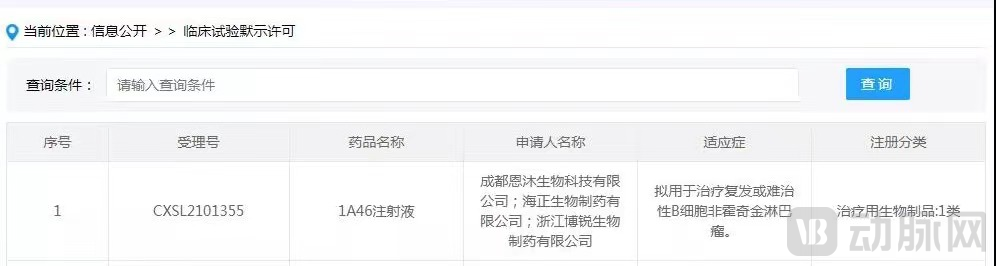
Public information indicates that BR110 is a first-in-class T-cell engager trispecific antibody targeting CD3, CD19, and CD20. It simultaneously targets CD3 on the surface of T cells and two distinct biomarkers, CD20 and CD19, on tumor cells. By reducing the spatial distance between tumor cells and T cells, it activates T cells to kill tumor cells expressing CD19 and/or CD20.
In the BR110 molecule, CD19 and CD20 serve as tumor-associated antigens (TAAs), with a TAA:CD3 ratio of 2:1. Currently, both the 2:1 TCB technology platform developed by Roche and the 2+1 XmAb bispecific antibody technology platform developed by Xencor employ a TAA:CD3 ratio of 2:1. The distinction lies in BR110’s use of two different markers, CD19 and CD20, as TAAs. Both CD19 and CD20 are well-validated, mature targets in lymphoma, and CD3-engaging bispecific antibodies as well as CAR-T therapies have demonstrated excellent clinical data. By design, the BR110 trispecific antibody integrates the advantages of 2:1 bispecific antibodies with the synergistic effects of dual targeting of CD19 and CD20, holding promise to become a best-in-class therapeutic agent.
BR110 addresses unmet clinical needs by offering a superior therapeutic option. Currently, downregulation or even loss of the target antigen is one of the primary causes of drug resistance and relapse in lymphoma. Studies have shown that nearly 30% of patients who relapse after R-CHOP therapy exhibit CD20 loss or downregulation, while CD19 loss or downregulation is also commonly observed following relapse after CAR-T cell therapy. In response to these challenges, BR110 effectively overcomes drug resistance or relapse caused by target loss or downregulation associated with other single-target therapies.
Commenting on this acquisition, Dr. Wang Haibin, CEO of Biorythm Biotherapeutics, stated, “The approval of the Investigational New Drug (IND) application for BR110 in China marks a significant milestone in the progress of Biorythm Biotherapeutics’ oncology immunotherapy pipeline and represents another breakthrough for domestically produced trispecific antibody products. This will help Biorythm Biotherapeutics further expand its innovative product portfolio in the field of tumor immunology, accelerate the development of immunotherapeutic agents, and enhance the company’s R&D capabilities.”
Regarding the indications for BR110, this product will be primarily used for hematologic malignancies such as relapsed/refractory non-Hodgkin lymphoma (NHL), chronic lymphocytic leukemia (CLL), and acute lymphoblastic leukemia (ALL), as well as for patients who have failed CAR-T therapy. According to the “Strategic Development Planning and Investment Scale Forecast Report on China’s Non-Hodgkin Lymphoma Drug Industry (2020–2026)” released by Zhiyan Consulting, the number of newly diagnosed NHL patients in China is projected to reach 92,000 by 2023, growing at a compound annual growth rate (CAGR) of 1.9%, and to continue growing at a CAGR of 2.0% thereafter. Consequently, the eligible patient population for this product will expand by an order of magnitude, significantly enlarging its market potential.
Notably, Biologics Pharma has obtained authorization to develop multiple bispecific/multispecific antibody assets using Enmab Therapeutics’ proprietary DICAD/TRIAD bispecific/multispecific antibody platform (hereinafter referred to as the “DICAD/TRIAD Platform”). It is reported that Enmab Therapeutics has deeply cultivated the field of bispecific and trispecific antibodies. Its patented antibody engineering platform, DICAD/TRIAD, boasts significant technical advantages, enabling the development of various valency ratios—including 1:1:1, 1:2, 2:2, and 1:1—with high flexibility. Furthermore, the platform features low immunogenicity, favorable pharmacokinetic properties, and a long half-life, while the CMC characteristics of its symmetric structure antibodies are virtually indistinguishable from those of conventional monoclonal antibodies. The DICAD/TRIAD technology platform will undoubtedly provide a solid foundation for Biologics Pharma’s further expansion in the bispecific/multispecific antibody sector.
Currently, numerous biopharmaceutical companies are seeking to design target-combination drugs with iterative advantages through trispecific antibodies, with industry giants such as Sanofi, Novartis, Roche, BeiGene, and Promab Biotechnologies actively establishing their presence in this field. As the world’s first CD3/CD19/CD20 trispecific antibody product, BR110 from Bio-Thera Solutions is poised to leverage novel trispecific antibody technology to establish a differentiated competitive edge among its peers, making its clinical performance highly anticipated.
Bio-Thera Solutions is an innovative biopharmaceutical company with comprehensive capabilities in research and development, manufacturing, and commercialization. In recent years, the company has made sustained and robust R&D investments in the promising field of immunology, achieving breakthrough progress in its core products. To date, Bio-Thera Solutions has more than 20 products in its pipeline, including four commercially launched products, with a focus on immunology (autoimmunity and tumor immunology).
In the field of autoimmunity, Bio-Thera Solutions has adopted the “Four An” strategy (Anbainuo®, Anjianning®, Anbote®, An Shuzheng®) as the core product line covering major departments such as rheumatology, dermatology, and gastroenterology, while actively laying out other pipelines to horizontally accelerate and expand departmental market share. It is understood that Anbinuo®(Recombinant Human Tumor Necrosis Factor Receptor II-Antibody Fusion Protein for Injection), Anjianning®(Adalimumab Injection), Anbait®(Infliximab for Injection) and Anshuzheng®(Tofacitinib Citrate Tablets) is BioRay Pharmaceuticals’ core product, with vast market potential. According to Fierce Pharma data, Anjianning®The Originator Drug Humira®®, Enbrel, a similar product to Anbinuo®®He Anbate®Original Research Drug Remicade®In 2020, their global sales reached $20.39 billion, $6.37 billion, and $4.195 billion, ranking 1st, 11th, and 20th in global pharmaceutical sales, respectively. The advent of Bio-Thera Solutions’ “Four An” era will continue to solidify its leading position in the industry.
In the field of tumor immunology, Biologics Pharma has established its strategic focus on cell type coverage, employing mechanisms of diverse immune cells within the tumor microenvironment as its product development strategy. The company is comprehensively building a robust portfolio of immuno-oncology pipelines: its PD-L1 inhibitor has entered Phase II clinical trials; its anti-CD73 monoclonal antibody and anti-PD-L1/TGF-β fusion protein have received approval for clinical trials; and its anti-SIRPα monoclonal antibody has submitted an investigational new drug (IND) application. Bispecific and trispecific antibody technologies, recently disclosed by the company, also represent a key strategic direction for Biologics Pharma.
According to reports from Frost & Sullivan and the China Pharmaceutical Industry Information Center, the overall market size for autoimmune disease drugs in China is projected to reach US$8.7 billion in 2025, with a compound annual growth rate (CAGR) of 29.4% from 2021 to 2025, and is expected to reach US$24.7 billion by 2030. Furthermore, Frost & Sullivan analysis predicts that the global oncology immunotherapy market will expand to US$95.7 billion in 2024 at a CAGR of 27.0%, and continue to grow to US$183.2 billion by 2030. The Chinese oncology immunotherapy market is anticipated to reach RMB 19.85 billion in 2025, growing at a CAGR of 44.1%. Given China’s large population base, the therapeutics and technologies within China’s immunology market face substantial and long-standing unmet clinical needs.
In recent years, BioRay Pharmaceuticals has established industry-leading large-scale production capacity for biologics, an excellent quality management system, and a commercialization platform covering China. Statistical data show that BioRay’s compound annual growth rate (CAGR) in revenue exceeds 70%, significantly outpacing the IMS market’s average CAGR of 18%. The company has secured a leading position in the autoimmune disease sector. Leveraging its substantial progress in oncology immunotherapy and autoimmune diseases, along with a diversified and synergistic product pipeline, BioRay is poised to embrace new development opportunities.