

Zepp Health Releases 2021 China Health Report: Daily Step Count Slightly Rises Amid Worsening Sleep Deficiency
Recently, Huami Technology released the “2021 Report on the Health Status of Chinese People.” The report analyzes and interprets data collected by Huami’s ZEPP Digital Health Management Platform from its smart wearable devices, including metrics such as step count, sleep patterns, BMI, physical activity, and stress levels. It provides a comprehensive overview of the physical and health status of the Chinese population in 2021. Additionally, the report includes synchronized analyses for Spain, Italy, the United States, and Russia, enabling more individuals to benchmark their personal health status and understand the overall health level of their respective countries.
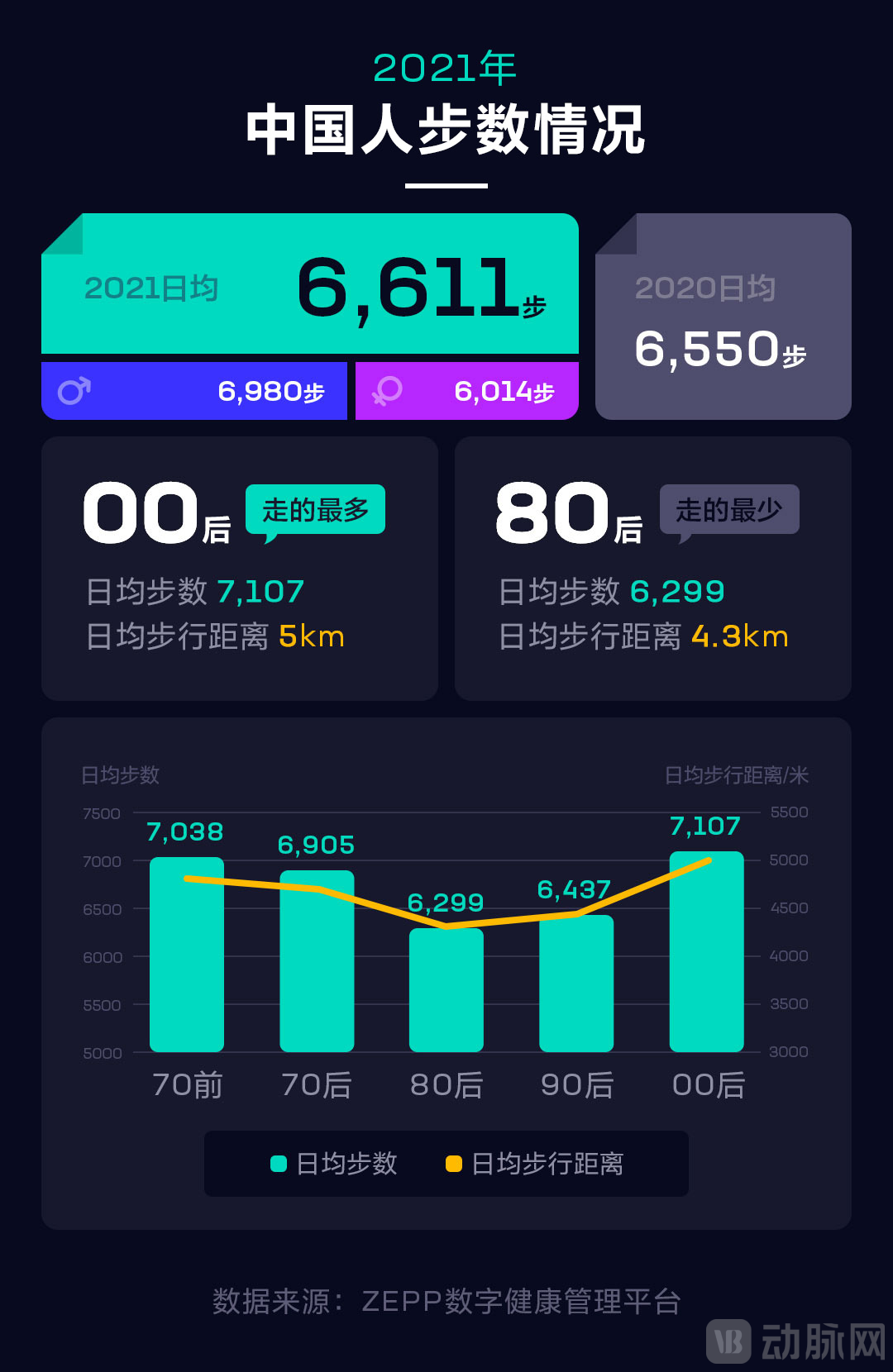
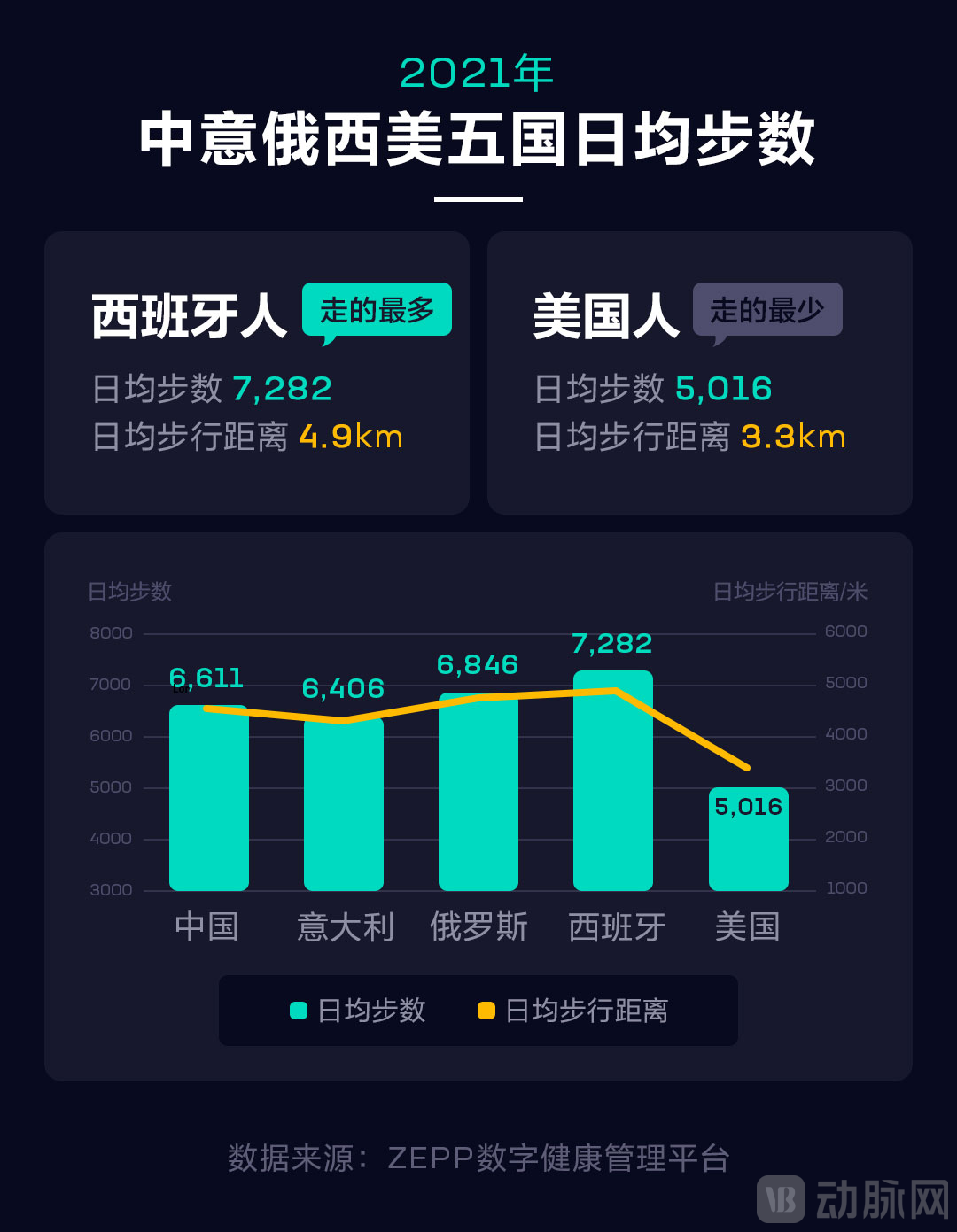
In 2021, the average daily step count for Chinese residents was 6,611 steps, representing a slight increase from 6,550 steps in 2020. Among them, men averaged 6,980 steps per day, which is 966 steps more than women on average. The group with the highest average daily step count was those born after 2000, reaching 7,107 steps, equivalent to approximately 5 kilometers based on height estimates. The group with the lowest average daily step count was those born in the 1980s, with only 6,299 steps per day, equivalent to about 4.3 kilometers. Compared with other countries included in this data analysis, Spain had the highest average daily step count at 7,282 steps, equivalent to approximately 4.9 kilometers; Americans had the lowest average daily step count, with only 5,016 steps per person per day, equivalent to about 3.3 kilometers.
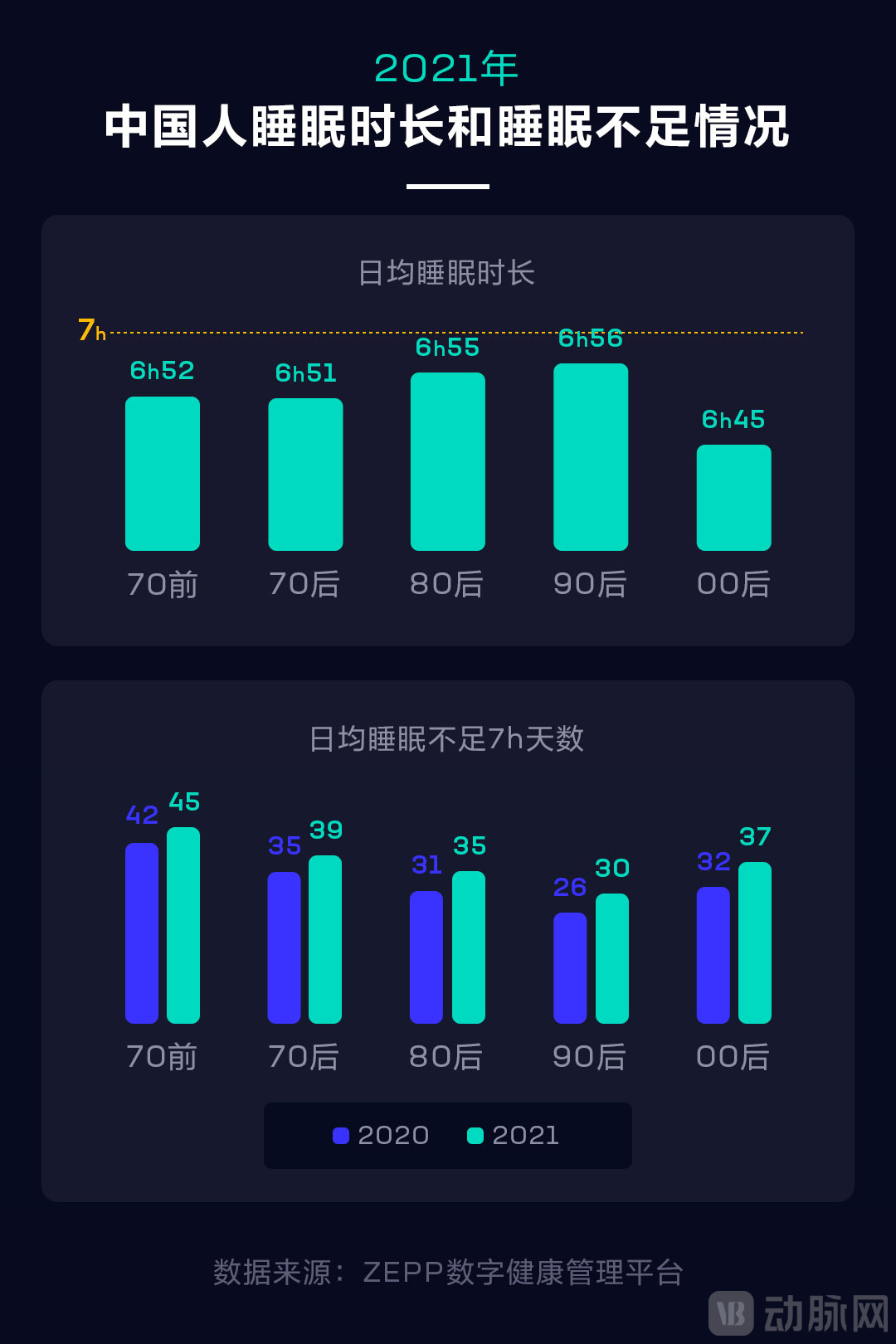
In terms of sleep, the average sleep duration for all age groups in China failed to reach 7 hours in 2021. Sleep deprivation was more severe among the post-00s generation, who slept an average of only 6 hours and 45 minutes per night. The post-90s generation had the longest sleep duration, but it was only 11 minutes longer than that of the post-00s group. The number of days per year with less than 7 hours of sleep increased by 3–4 days compared to 2020. In other countries, the average nightly sleep duration exceeded 7 hours, with Spain having the longest sleep duration among the nations surveyed.
The report also analyzed the population utilizing the stress detection feature. Cross-analysis data on stress, resting heart rate, and sleep indicate that elevated stress levels are associated with increased resting heart rate and decreased sleep scores. For instance, compared to individuals in a relaxed state, those experiencing moderate stress exhibited an average daily resting heart rate nearly 13% higher and a 5% lower sleep score. Since an elevated resting heart rate can increase the risk of cardiovascular disease or accelerate its progression, attention should be paid to the health risks posed to the body by excessive stress.
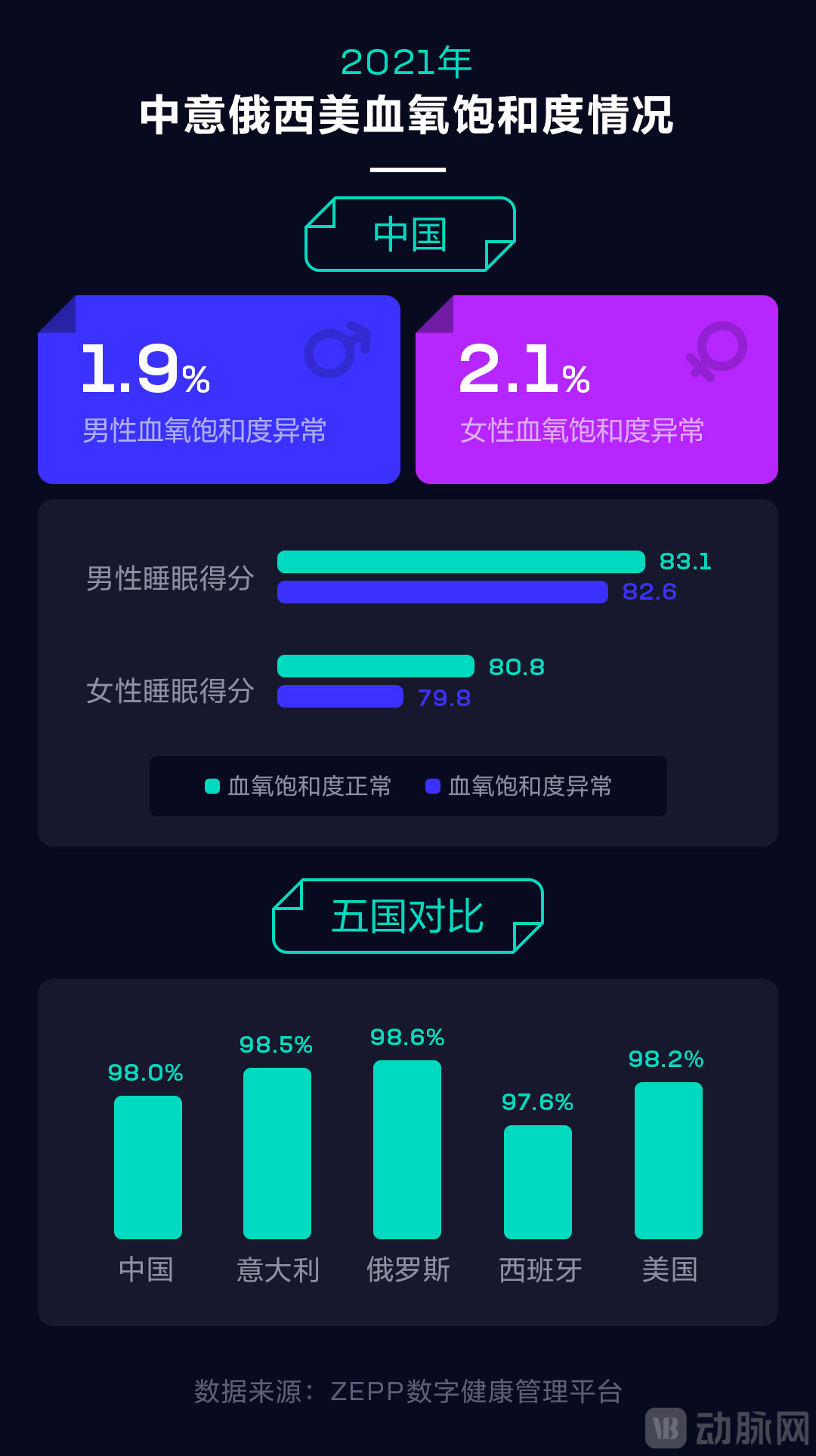
Blood oxygen saturation is a critical physiological indicator of the respiratory and circulatory systems. Data from this report show that individuals with normal blood oxygen saturation levels have significantly higher sleep scores than those with abnormal levels. In China, 2% of the population exhibits abnormal blood oxygen saturation; among them, the proportion of males is slightly lower than that of females, with a marginal difference of only 0.2%. Among other countries, Russians have the highest proportion of individuals within the normal blood oxygen saturation range, while Spaniards have the lowest.
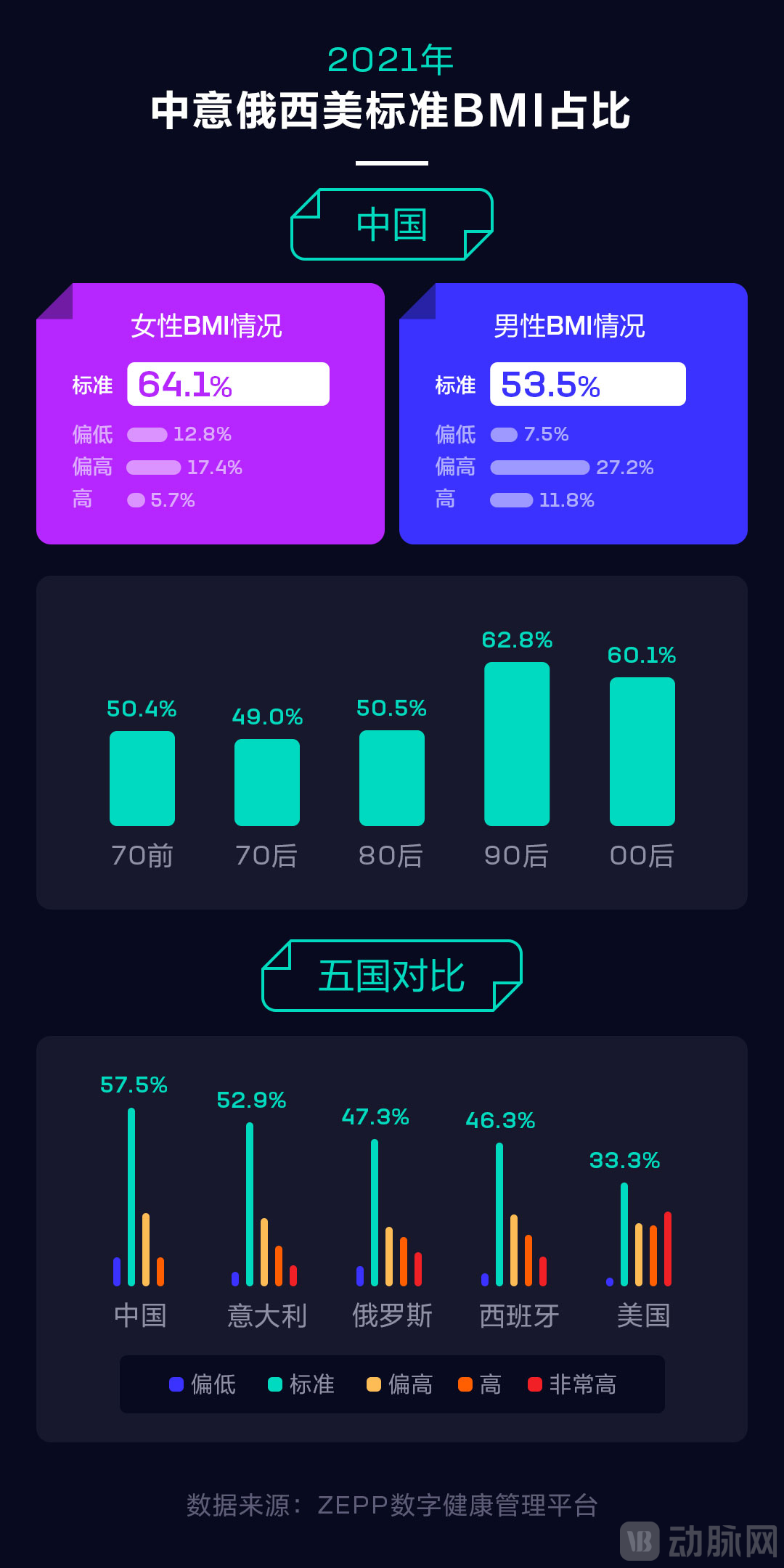
In 2021, the proportion of Chinese women with a standard BMI was significantly higher than that of men. Among all age groups, individuals born in the 1990s had the highest proportion of standard BMI, exceeding 60%, whereas those born before the 1980s reached only 50%. International comparisons revealed that China had the highest proportion of individuals with a standard BMI, while the United States exhibited a lower proportion of standard BMI and a significantly higher rate of severe obesity compared to other countries.
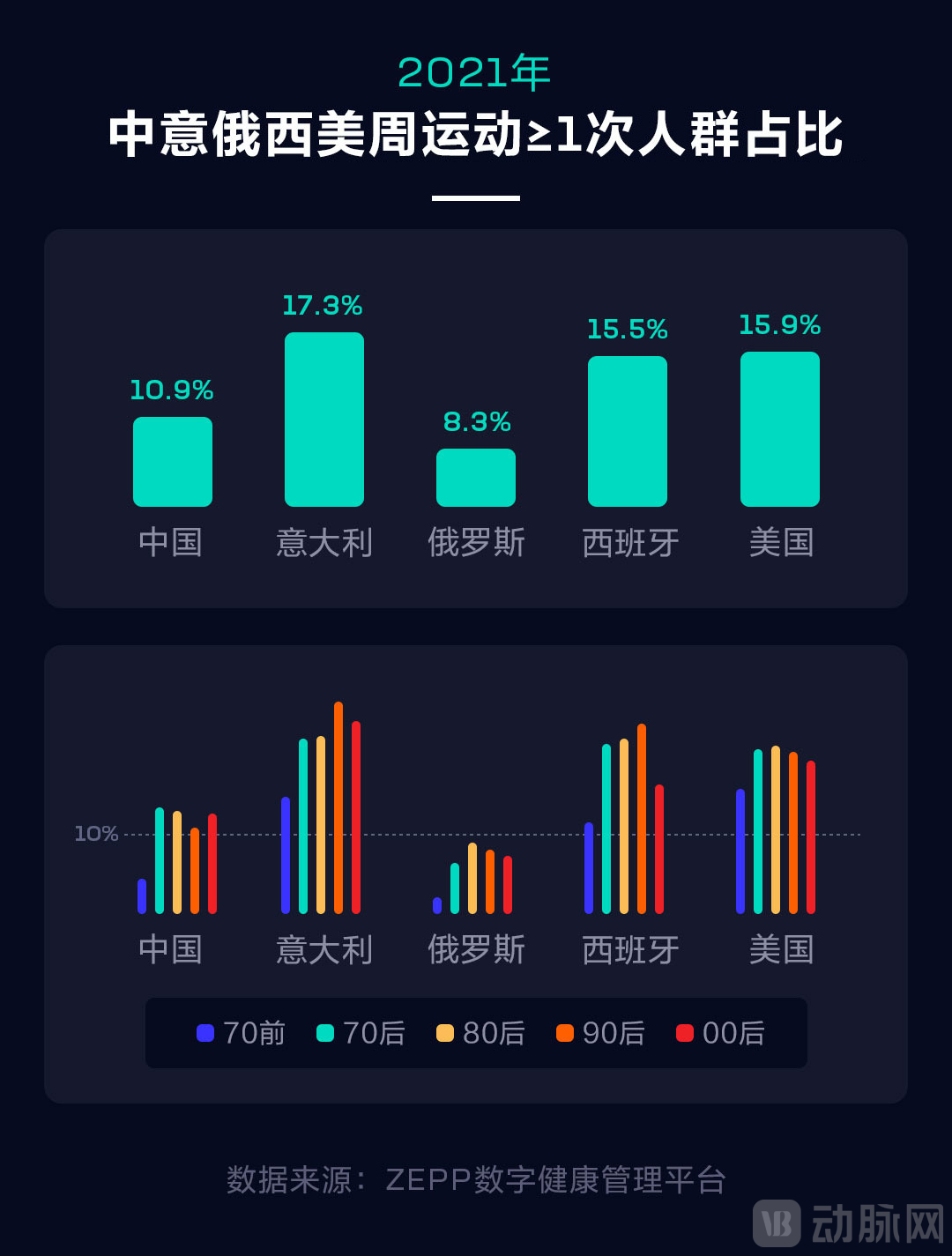
In 2021, 10.9% of the Chinese population exercised at least once per week on average, representing a 1.7 percentage point increase from 2020. Among men, 11.5% exercised at least once weekly, compared to 9.9% among women. By age group, individuals born in the 1970s and 1980s reported higher exercise frequencies than other cohorts, while those born before the 1970s engaged in less physical activity, a trend that warrants attention. In international comparisons, Italians reported the highest average weekly exercise frequency, whereas Russians reported the lowest.
Huami Technology currently owns two proprietary brands, Amazfit and Zepp. Its products have entered more than 90 countries and regions worldwide, with cumulative global shipments exceeding 170 million units. As a global leader in smart wearables and health cloud services, Huami Technology is committed to connecting health through technology. Leveraging powerful artificial intelligence algorithms and big data analytics capabilities, the company provides users with 24/7 health monitoring services. By integrating smart wearable technology into the global Internet of Things (IoT), Huami Technology creates a smarter and more convenient lifestyle for its users.
In recent years, Huami Technology has continuously released reports on sports and health-related topics. Notably, in January 2022, Huami Technology will, for the first time, publish country-specific sports and health reports for multiple overseas markets, leveraging professional big data analytics to showcase the physical activity and health status of citizens in these countries.