

The Next Frontier in Biotech: What Makes the Ideal Drug Delivery Vehicle?

Proxima Capital
Investment Institutions in the Medical Technology Field
The outbreak and persistence of the COVID-19 pandemic have accelerated the clinical application of innovative medical technologies, such as mRNA-based COVID-19 vaccines. We have witnessed scientific research advancing at a historic pace, with many previously unattainable technologies successfully demonstrating remarkable clinical efficacy. If mRNA vaccines represent a single “point” on the track of scientific research and investment, the broader field of “RNA therapeutics” constitutes an extensive “plane.” Where, then, will the even more expansive “spatial” applications and technologies emerge? VCBeat has observed that since last year, “drug delivery systems” have become a frequent and unavoidable topic of discussion at biotechnology conferences both in China and abroad. Drug delivery has clearly emerged as a new battleground in the era of innovative therapies.
Drug Delivery System (DDS) refers to a technological framework that comprehensively regulates the distribution of drugs within the body in terms of space, time, and dosage. Its goal is to deliver the appropriate amount of drug to the right location at the proper time, thereby enhancing drug utilization efficiency, improving therapeutic efficacy, reducing costs, and minimizing toxic side effects.
Drug delivery systems represent a multidisciplinary field integrating medicine, engineering (including materials science, mechanical engineering, and electronics), and pharmacy. The scope of study encompasses not only the drugs themselves but also the carrier materials and devices used to deliver them, as well as the technologies involved in the physicochemical modification and functionalization of drugs or carriers. In simple terms, a drug delivery system acts as a “carrier” medium, which can be vividly likened to a “delivery vehicle” that transports the correct therapeutic agent (“cargo”) precisely, safely, and efficiently to the intended “destination” (such as target organs, tissues, or cells). The research and development of drug delivery systems involve interdisciplinary collaboration, integration of multiple technologies, and interconnection of various processes, thereby establishing certain technical barriers.
Why Drug Delivery Systems Have Become the Main Battleground for Next-Generation Technologies? This is largely due to their critical importance. Functionally, drug delivery systems are akin to rocket technology in space exploration. Although not the most conspicuous component of space technology, rocketry remains the core determinant that distinguishes technological prowess among nations competing in space capabilities. Furthermore, contemporary opportunities are accelerating the emergence of this competitive landscape. This is specifically manifested in the following two aspects:
First, let us take RNA therapeutics as an example to examine the longitudinal trajectory. As a new generation of “super drugs” held in high esteem, the sector has been propelled by the COVID-19 pandemic into a golden age of accelerated development.The greatest challenge in RNA drug development is how to prevent rapid degradation of RNA, ensure its precise entry into target cells to exert therapeutic effects, and minimize damage to normal cells. Although chemical modification technologies have significantly improved the stability of RNA drugs in the bloodstream and reduced their immunogenicity, failure to deliver them into target cells will still prevent them from performing critical functions such as “interference,” “silencing,” and “expression/production,” and may even cause unintended “off-target” toxicity. Therefore, the delivery system, serving as the “vehicle” carrying the RNA “cargo,” has the primary mission of ensuring accurate and efficient target delivery.
Secondly, taking a broader view of the biotechnology sector, the delivery challenges associated with RNA therapies are merely a representative microcosm.Cytokines, despite their long-standing history, remain limited by high cytotoxicity; nanobodies, for all their excellence, are plagued by short half-lives due to their compact structure; and oncolytic viruses, though ideal partners, must overcome the bottlenecks of intravenous administration to fully realize their potential. While these therapies can be further optimized individually, advanced delivery systems can significantly enhance their efficacy, safeguarding them in vivo and improving both therapeutic safety and effectiveness. Thus, delivery systems play a pivotal role in achieving precision medicine, while also offering broad extensibility in their applications. Consequently, developing high-performance delivery systems and demonstrating their superiority in real-world therapeutic settings has become a key focus of competition among major pharmaceutical companies.
So, what is the competitive landscape in the field of delivery systems? What attributes should an ideal delivery vector possess? How should we view the strategic opportunities in this new arena? Accompanied by reflections on these questions,VCBeat Interviewed Mr. Sun Xiaolu, Partner at Proxima Capital, and Mr. Song Haolin, Partner at Proxima Capital.Proxima Capital has strategically invested in two innovative drug delivery platform companies, Cytonus Therapeutics and Coastar Therapeutics, from a unique perspective. Through the lens of industry investors, we aim to gain deeper insights into the drug delivery sector and explore the investment rationale behind these two distinct delivery technologies.
Proxima Capital is an emerging healthcare-focused venture capital firm in China. Since launching its fund in 2016, the firm has built a strong industry reputation for its innovative approach to medical device investments. With more than ten portfolio companies filing for IPOs, this young fund has rapidly entered a substantial harvest period. Over the past year, seven biotechnology innovators have joined Proxima Capital’s portfolio, continuing the fund’s strategy of “focusing on major unmet clinical needs and identifying significant global technological innovations.” By targeting critical unmet needs in nucleic acid therapeutics, cell therapy, and gene therapy, Proxima Capital has made innovative drug delivery platforms a key investment focus.
“Although the development of ‘delivery systems’ has a long history, no industry gold-standard technology platform has yet emerged in this field. In 2021, after Moderna surpassed the traditional pharmaceutical giant Merck in market capitalization, it not only announced comprehensive development of mRNA technology applications across various diseases but also placed particular emphasis on its future plans to develop next-generation delivery system platforms. Feng Zhang, one of the inventors of gene editing, also unveiled his latest mRNA delivery system in 2021. These developments suggest that a core key element in these next-generation mainstream therapeutic approaches is the delivery system itself,” said Sun Xiaolu.
Currently, the representative delivery vectors in the fields of gene therapy and mRNA therapy—AAV (adeno-associated virus) and LNP (lipid nanoparticles)—still have relative limitations. Although AAV and LNP are two types of vectors with different properties and applications, their shortcomings share commonalities. The two interviewees stated that these deficiencies are also the areas where new technologies are striving to improve, mainly including:
(1) The intrinsic safety of the vector, encompassing risks such as immunogenicity and cytotoxicity, which will directly impact post-administration safety and the feasibility of subsequent repeated dosing.
(2) The cargo capacity of the vectors themselves needs to be improved. AAV is the mainstream vector for gene therapy, but its cargo capacity of <4.5 kb limits the delivery of large gene fragments.
(3) Delivery efficiency remains suboptimal, a limitation that is particularly pronounced in LNP-mediated RNA therapeutics.
Although local injection can meet the needs of certain applications, the larger market lies in systemic administration. When LNP carriers loaded with RNA drugs are infused into the body, they encounter different “barriers” depending on their target destination.Many LNP nanoparticles accumulate in the liver and spleen; therefore, the capability and performance of extrahepatic delivery are critical to enabling applications across a broader range of indications.Crossing the hepatic barrier and precisely reaching the target site rely on targeted delivery capabilities.Certain indication sites also present natural delivery barriers, such as pulmonary fibrosis and the blood-brain barrier in the brain, which further increases the difficulty of delivery.Finally, after LNP vectors loaded with RNA therapeutics reach the target cells at the desired site through systemic circulation, they must undergo cellular uptake, intracellular entry, and endosomal escape. For gene therapies, the vector must also successfully complete the final step of entering the cell nucleus.
Song Haolin told us, “In our preliminary industry research, we observed that major pharmaceutical companies and emerging biotech firms developing next-generation therapies have been highly active in carrier technology over the past two years. For instance, large pharmaceutical companies with gene therapy pipelines, such as Takeda and Eli Lilly, have made strategic investments in novel carrier technologies like extracellular vesicles, aiming to identify superior non-viral vector platforms. Another example is Rubius Therapeutics in the United States, a leader in red blood cell-based carriers, which reported positive data from its Phase 1/2 clinical trial for solid tumors in 2021, further boosting its stock price and market capitalization. Other teams both domestically and internationally are also working to advance biomimetic or synthetic carriers, such as virus-like particles (VLPs), bacterial vectors, and peptide nanoparticles (PNPs).”
What Is an Ideal Vector? Each vector technology has its own characteristics; returning to clinical needs and the essence of the technology,If a class of vectors inherently evades immunogenicity, boasts high safety, offers substantial capacity for loading “therapeutic cargo,” and possesses inherent or engineerable superior targeted delivery capabilities, such vector technologies qualify as versatile platforms.Most importantly, manufacturing processes that are both scalable and capable of incorporating these features into drugs at the lowest possible cost will strongly attract capital investment.
Regarding Proxima Capital’s portfolio in drug delivery, Sun Xiaolu stated, “Currently, the two projects we have invested in possess significant potential for future growth. Upon reviewing Cytonus Therapeutics’ technology, we quickly recognized that its carrier platform exhibits remarkable versatility. Cytonus uses mesenchymal stem cells (MSCs), which have a high clinical safety profile, as the base material for its carriers and removes the cell nuclei to address regulatory concerns regarding safety. In addition to their high safety profile, these cellular carriers retain other critical functional organelles, allowing them to be flexibly engineered to achieve excellent targeted migration and multi-payload delivery capabilities. More importantly, MSCs naturally possess the ability to cross the blood-brain barrier and the blood-lung barrier, positioning Cytonus to develop ideal carrier solutions for diseases that currently lack effective treatments, such as lung cancer and brain cancer. The company is currently leveraging this novel cellular carrier to develop new therapies for major pipelines targeting inflammatory diseases and tumor immunology.”
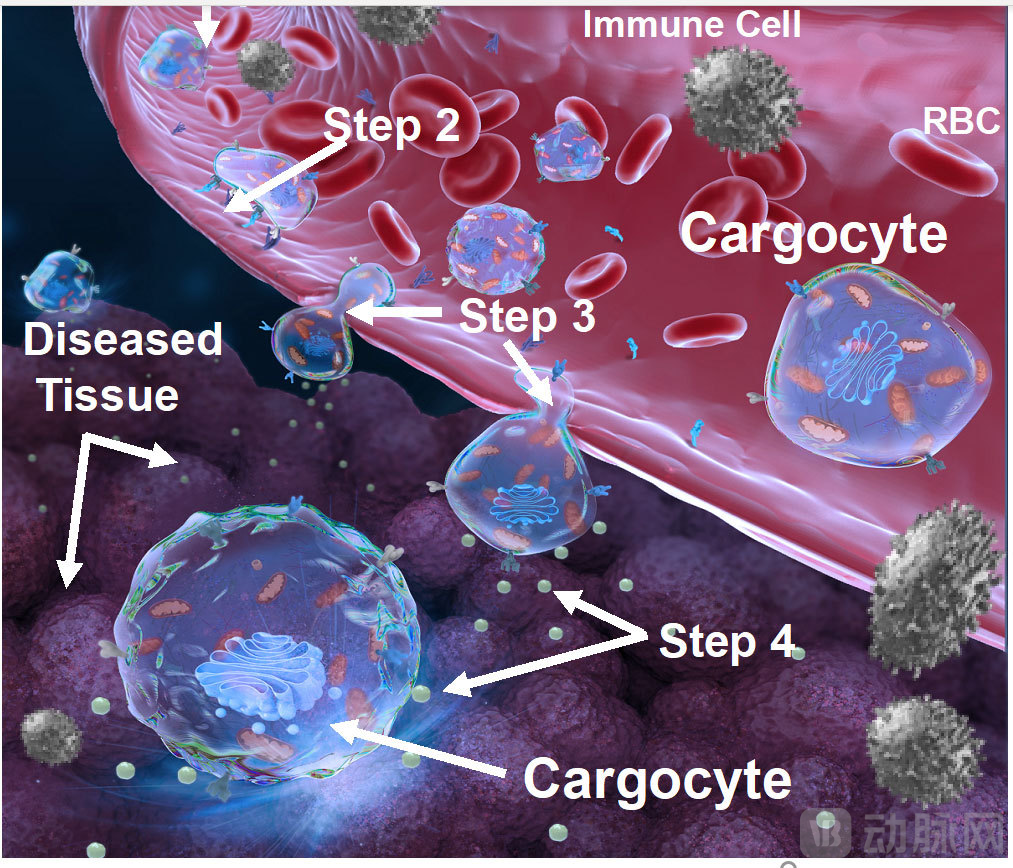
Cytonus Therapeutics Inc. Technology: Cargocytes (Published in Nature Biomedical Engineering)
“Based on our understanding of cell-based vectors, we recognize that Coastar Therapeutics possesses a more natural and pure profile. It leverages the inherent high safety and circulation properties of red blood cells to smartly cloak ‘cargo’ such as oncolytic viruses—which seek delivery protection—in an ‘invisibility cloak,’ thereby evading immune system recognition and attack. This approach holds promise for resolving the challenges associated with systemic and repeated administration of these therapies. Meanwhile, Coastar’s proprietary technology and the unique characteristics of red blood cell membranes enable it to readily overcome challenges in manufacturing process industrialization and standardization, while offering cost advantages. These factors will significantly enhance its future druggability.”

Coastar Therapeutics Inc. ELCV Technology
“It is evident from these two projects that the vector itself is not merely a delivery tool; it can also serve as, or give rise to, an innovative therapy. This is precisely the appeal of vector platforms. Furthermore, beyond being a pivotal technology for novel therapies, vector technology offers significant flexibility in its business model. The companies we invest in will no longer place all their bets on the success or failure of a single target. Instead, they can forge diverse, multi-faceted collaborations, rapidly and continuously advancing therapies across different disease areas into clinical trials. This approach will enhance the likelihood of success and, to some extent, mitigate investors’ preclinical risks. For early-stage investment funds like Proxima Capital, risk management is just as crucial as mastering technology and anticipating future trends,” added Song Haolin.
Regarding the future development of the industry, Proxima Capital stated that emerging technologies such as gene therapy and RNA therapy are in a phase of upward growth, with broad therapeutic indications. Benefiting from the sustained momentum of these “therapeutic payloads,” Proxima Capital remains optimistic about the strategic prospects for delivery vectors. Although Proxima Capital has already invested in two companies in this space, the battlefield for vector technology is vast enough to accommodate further innovation. The firm looks forward to these “vector vehicles” bringing more novel therapies to clinical practice, thereby fulfilling Proxima Capital’s vision of “Technology for a Better Life.”