

Neglected 'Cardiovascular Cancer' Sees New Hope as Pulnovo Medical's Breakthrough PADN Device Shines in Clinical Trials
Why Do Many Heart Failure Patients Still Face a High Risk of Death Despite Improvements in Cardiac Function?
This has long been a challenging problem for countless cardiovascular specialists, and an important underlying disease that cannot be overlooked is Pulmonary Hypertension (PH).
This disease has recently seen a new ray of hope for treatment. A novel therapy for pulmonary hypertension, originally developed by the Chinese company Pama Medical and based on percutaneous pulmonary artery denervation (PADN) device products, completed follow-up for all patients in its domestic clinical trials by the end of 2021. The data have now met the primary endpoints of the clinical study, preliminarily validating the efficacy and safety of the PADN technology.
PADN is a vascular interventional ablation therapy that utilizes radiofrequency ablation to block the sympathetic nerves in the pulmonary vascular intima, thereby reducing pulmonary arterial pressure and slowing disease progression.
Since its inception, the PADN technique has garnered significant attention from cardiovascular and pulmonology experts worldwide. This is because pulmonary hypertension is not only prevalent in cardiology but also represents a high-incidence condition in critical care medicine and pulmonology.
Pulmonary hypertension, understood in terms of its disease characteristics, is defined by elevated pulmonary vascular resistance and increased pulmonary arterial pressure. When pressure in the pulmonary vessels rises, the heart must work harder to pump blood into the lungs, which also impairs oxygen exchange in the lungs. Ultimately, the overburdened heart becomes weakened, leading to heart failure. This condition is known as “the cancer of the cardiovascular system.”
Any structural or functional abnormalities that can lead to increased pulmonary blood flow and/or elevated pulmonary vascular resistance may trigger PH. Elevated pulmonary artery pressure increases right ventricular afterload, leading to right ventricular hypertrophy, dilation, and dysfunction, ultimately resulting in right heart failure.
Pulmonary hypertension is referred to as the “cancer of the cardiovascular system” becauseCurrent treatments for pulmonary hypertension have limited efficacy, while the mortality and disability rates associated with the condition remain exceedingly high.
According to the Chinese Guidelines for the Diagnosis and Treatment of Pulmonary Hypertension (2021 Edition), during the era of conventional therapy prior to the availability of targeted drugs, idiopathic pulmonary arterial hypertension (IPAH) had a poor natural prognosis, with a median survival time of only 2.8 years.
Currently, although there has been no formal epidemiological survey on pulmonary hypertension in China, making it impossible to determine the exact number of patients, Jing Zhicheng, Director of the Department of Cardiology at Peking Union Medical College Hospital, has stated that the number of pulmonary hypertension patients in China is conservatively estimated to be around 5 to 8 million.[1]
In China, not only is the number of patients with pulmonary hypertension large, but the treatment rate is also very low. Although targeted therapies have been launched on the market, a significant proportion of patients discontinue treatment due to the inability to afford the high costs of these medications.
Therefore, PADN technology has become one of the most closely watched technologies in this field. Since the successful development of PADN technology in 2012 and the subsequent creation of PADN products based on this technology, the journey from the laboratory to the operating table and finally to commercialization has involved extensive exploration and pioneering trials. In 2021, the PADN product developed by PulmOne Medical based on the PADN procedure received FDA Breakthrough Device Designation in just 15 days, making PulmOne the first Chinese company in this field to obtain such certification. In November 2021, Gregg W. Stone, Chair of the TCT Conference and a world-renowned cardiovascular expert, announced at the Transcatheter Cardiovascular Therapeutics (TCT 2021) conference in the United States that he would lead a team of global experts in pulmonary hypertension and cardiovascular medicine to support PulmOne Medical in launching a global multicenter clinical trial for pulmonary hypertension.
Recently, PAM Medical has achieved another breakthrough, with impressive domestic clinical trial data meeting the primary clinical endpoints, thereby preliminarily validating the efficacy and safety of its PADN technology and products.
For a long time, research into the prevention and treatment of pulmonary hypertension and right heart disease has significantly lagged behind that of systemic hypertension and left heart disease. In the fields of systemic hypertension and left heart disease, important therapeutic avenues have emerged, such as renal denervation, interventional valve therapies, and artificial hearts. In the field of pulmonary hypertension, what new era of treatment will PADN technology usher in? VCBeat has reviewed this technology.
Pulmonary hypertension is a progressive and fatal disease, yet it remains poorly recognized. Even among physicians in China, many harbor misconceptions about the condition, mistakenly regarding it as an incurable disease.
Some people mistakenly regard pulmonary hypertension as a rare disease; however, it is not rare but rather a highly fatal condition affecting hundreds of millions of people worldwide.
According to the standards published by the World Health Organization (WHO), pulmonary hypertension is classified into five categories: (1) Pulmonary Arterial Hypertension (PAH); (2) PH due to left heart disease; (3) PH due to lung diseases and/or hypoxia; (4) Chronic Thromboembolic Pulmonary Hypertension (CTEPH) and/or PH due to other pulmonary artery obstructions; and (5) PH with unclear and/or multifactorial mechanisms. Among these various subcategories, only idiopathic and heritable pulmonary arterial hypertension are recognized by the WHO as rare diseases.
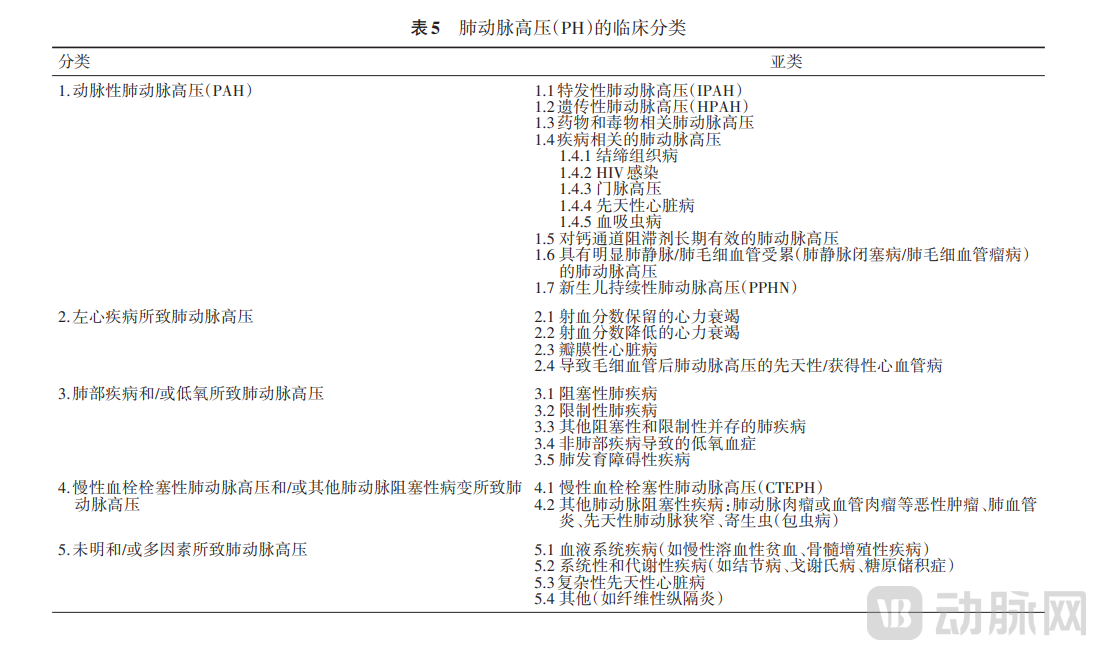
Figure source: Guidelines for the Diagnosis and Treatment of Pulmonary Hypertension in China (2021 Edition)
In fact, pulmonary hypertension is not a rare disease; it is highly prevalent worldwide, with the majority of cases remaining undiagnosed. Epidemiological data on pulmonary arterial hypertension (PAH) from multiple international registry studies indicate an annual incidence of approximately 2.4 per million adults and a prevalence of approximately 15 per million. (Data sourced from the Chinese Guidelines for the Diagnosis and Treatment of Pulmonary Hypertension [2021 Edition])
"The hallmark of pulmonary hypertension lies in its low awareness and cure rates."Pulmonary hypertension, as a pathological condition, can be caused by various diseases such as left heart disease, lung disease, and chronic thromboembolic pulmonary hypertension. Compared with other diseases, the specialization level of research and treatment for pulmonary hypertension is relatively low. This has, to some extent, led to a gap between clinical understanding of pulmonary hypertension and its actual incidence.
Many clinicians’ understanding of pulmonary hypertension (PH) remains stuck at the level of 30 years ago, still believing that PH—especially pulmonary arterial hypertension (PAH)—has a very poor prognosis and is untreatable.
According to the White Paper on the Current Survival Status of Patients with Pulmonary Arterial Hypertension in China, delayed diagnosis is common among patients due to low disease awareness and insufficient diagnostic capabilities. For patients with pulmonary hypertension, the average time from symptom onset to confirmed diagnosis is 2.2 years, with some patients requiring five years or even longer. Currently, the average time from confirmed diagnosis to initiation of treatment for patients with pulmonary arterial hypertension is 2.6 years.
According to the data on the current survival status of pulmonary arterial hypertension (PAH) patients in China released in the White Paper on the Survival Status of PAH Patients in China, the diagnosis and treatment of PAH in China are non-standardized, with multiple pain points. The quality of life for these patients is poor and urgently needs improvement; the disease burden is heavy, creating an urgent need for effective treatments to help patients return to normal life.
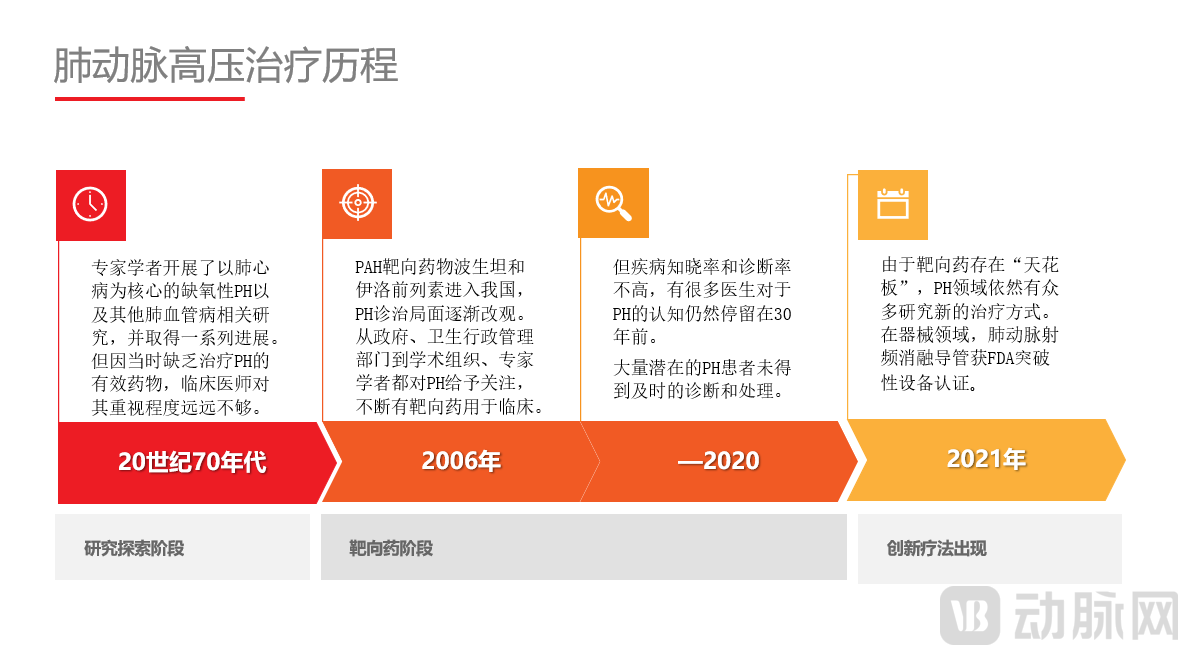
Currently, in the more mature diagnostic and therapeutic markets of Europe and the United States, the treatment of pulmonary hypertension holds significant market potential. In recent years, the global pharmaceutical industry has been actively seeking new drugs developed based on novel mechanisms of action.
In 2017, Johnson & Johnson acquired the Swiss pharmaceutical company Actelion for $30 billion, gaining three drugs for the treatment of PAH, two of which generated combined sales exceeding $4 billion.
In 2021, Merck & Co. acquired Acceleron for approximately $11 billion; Acceleron’s key investigational asset was sotatercept, a treatment for pulmonary arterial hypertension.
According to a research report by Grand View Research, the U.S. pulmonary hypertension market is projected to reach $7.7 billion by 2028, while China is expected to be the fastest-growing market. It is foreseeable that the treatment of pulmonary hypertension will become a significant market in the future.
Improving the treatment and survival challenges faced by patients with pulmonary arterial hypertension (PAH), as well as unlocking China’s PAH market, requires not only greater attention to this disease but also more accessible therapeutic options.
The launch of targeted therapies has rewritten the history of treatment for pulmonary arterial hypertension.
According to the Chinese Guidelines for the Diagnosis and Treatment of Pulmonary Hypertension (2021 Edition), in the era of conventional therapy prior to the availability of targeted agents, idiopathic pulmonary arterial hypertension (IPAH) carried a poor natural prognosis, with a median survival of only 2.8 years and 1-, 3-, and 5-year survival rates of 68%, 48%, and 34%, respectively. With advances in targeted pharmacotherapy, the prognosis of IPAH has improved significantly.
The U.S. REVEAL registry study showed that since the widespread clinical application of targeted therapies (after November 2001), the 1-, 3-, 5-, and 7-year Kaplan-Meier survival rates for patients with pulmonary arterial hypertension (PAH) were 85%, 68%, 57%, and 49%, respectively. Japanese studies demonstrated that targeted therapy significantly improved long-term survival in patients with idiopathic pulmonary arterial hypertension (IPAH), with 5- and 10-year survival rates reaching 96% and 78%, respectively. A 2011 study in China reported 1- and 3-year survival rates for IPAH of 92.1% and 75.1%, respectively, which are comparable to those reported in developed countries.
In China, the high cost of targeted therapies has become the primary reason for treatment discontinuation among domestic patients. Targeted drugs for pulmonary arterial hypertension, such as ambrisentan, tadalafil, riociguat, and bosentan, are all imported medications with exorbitant prices. Some of these targeted therapies can cost tens of thousands of yuan per month.
In 2020, targeted therapies for pulmonary arterial hypertension—bosentan tablets, macitentan tablets, selexipag tablets, and riociguat tablets—were officially included in the National Reimbursement Drug List. However, patients’ out-of-pocket expenses remain substantial, still amounting to thousands of yuan. Meanwhile, according to guideline recommendations, the treatment of pulmonary arterial hypertension has evolved from monotherapy to dual therapy, and now entered an era of triple-combination therapy. For patients, the financial burden associated with multi-drug regimens will be further exacerbated.
In terms of efficacy, targeted drugs provide slower symptom relief, and their therapeutic effect gradually diminishes due to a ceiling effect, leading to drug-related side effects; overall treatment outcomes remain unsatisfactory. As there is still no complete cure for pulmonary arterial hypertension, the global pharmaceutical industry has been actively seeking to develop new drugs based on novel mechanisms of action in recent years.
A Two-Pronged Approach: Innovative Device-Based Therapies for Pulmonary Hypertension. Surgical treatment options for pulmonary hypertension include interventional therapy (commonly used for pulmonary hypertension caused by congenital heart disease and chronic thromboembolic pulmonary hypertension), balloon atrial septostomy, pulmonary thromboendarterectomy, and lung transplantation.
Balloon Atrial Septostomy is a palliative treatment that cannot cure pulmonary hypertension; it can only improve patients' clinical symptoms and provide a certain waiting period for those preparing for heart-lung transplantation. This procedure carries a high mortality rate and is reserved for critically ill patients who have not responded to adequate medical therapy, and it must be performed at experienced centers.
Pulmonary thromboendarterectomy is indicated for the treatment of chronic thromboembolic pulmonary hypertension; whereas lung transplantation is limited by donor scarcity, risk of rejection, and high costs.
Compared to the limitations of other device-based therapies, the pulmonary artery radiofrequency ablation catheter used in PADN (PADN Catheter) is an innovative medical device. The pathophysiological basis of this technique lies in the abnormal sympathetic hyperactivity innervating the pulmonary arteries, which induces vasoconstriction; ablation of the proximal pulmonary sympathetic nerves leads to a reduction in pulmonary arterial pressure.
Evidence of sympathetic nervous system excitation dates back to 1980, and for decades, ablation targets remained unchanged. After nearly a decade of exploratory research, the team at Pamu Medical identified and localized key therapeutic targets. The efficacy and safety of the PADN product were demonstrated through comprehensive animal studies, human trials, and before-and-after controlled clinical trials. Published clinical data from multiple studies have shown significant improvement in long-term prognostic indicators for patients. Compared with existing therapies, PADN yields significantly better long-term prognostic outcomes.
In the PADN-5 multicenter study, PAM Medical continues to explore the application of PADN in the treatment of various forms of pulmonary hypertension, aiming to further validate the efficacy and safety of PADN in patients with combined pre- and post-capillary pulmonary hypertension due to left heart disease.
Recently, PAM Medical has made further progress in the commercialization of PADN. The randomized controlled trial (RCT) for the world’s first medical device for treating pulmonary hypertension has completed all patient enrollment and follow-up. Preliminary clinical trial data have shown promising results, with the potential to extendPulmonary HypertensionPatient Survival Period.
In addition to pioneering a new frontier in the treatment of pulmonary hypertension, PADN therapy significantly reduces the disease burden from a health economics perspective. Compared with existing therapies, it eliminates the need for secondary surgery in the majority of patients following the procedure.
For the medical industry both in China and abroad, PADN represents a breakthrough technology. The PADN product obtained FDA Breakthrough Device Designation in just 15 days and has garnered support from experts worldwide. The global multicenter clinical trial on pulmonary hypertension conducted by Palm Medical, known as Global PI, will be led by Gregg W. Stone, Chairman of the TCT Conference and a world-leading cardiovascular expert.
Why Is Pamu Medical Capable of Developing World-First Original Medical Devices?
First, Pama Medical’s founding team has been able to keenly identify clinical pain points. The company’s technical founder is a leading national expert in cardiovascular disease, and its R&D team possesses extensive experience in integrating medicine and engineering. For many years, the team has maintained continuous and close attention to the treatment of pulmonary hypertension. As previously mentioned, this condition long lacked effective therapeutic solutions. In 2012, Pama Medical’s technical founder proposed percutaneous pulmonary artery denervation (PADN) and collaborated with engineers to develop high-frequency ablation devices and intravascular catheters specifically designed for use in PADN procedures.
Secondly, in terms of product design, Pama Medical has adopted a design with a low learning curve for physicians and applicability to the majority of cases, based on clinical needs and the characteristics of medical device research and development. Given the significant inter-patient variability associated with medical devices, rigorous pre-market trials are required; therefore, a concise and straightforward approach can facilitate broader clinical application.
Throughout history, widely adopted medical devices have not only offered innovative disease treatments but also demonstrated stable long-term clinical performance, withstanding millions of clinical validations. During the R&D process, Pama Medical adopted a med-tech integration approach, evaluating all available energy platforms. The energy source currently employed represents an optimal solution, offering stability and suitability for the Pulmonary Artery Denervation (PADN) procedure. Additionally, the self-developed catheter shape conforms better to the inner wall of the pulmonary artery, significantly reducing surgical time.
After Pamu Medical pioneered the PADN technology, numerous followers have emerged globally. However, the team has established a robust patent barrier in this field and accumulated extensive clinical data and international reputation over its long-term development. The CFDA-registered clinical trials were conducted as multicenter studies at more than ten top-tier Grade 3A hospitals across China. Furthermore, the company has gradually established dozens of clinical education demonstration centers nationwide, organized around core regions in the east, west, south, north, and central areas, thereby continuing to strengthen Pamu Medical’s leading position in the industry.
Overall, over the past decade, research on pulmonary arterial hypertension (PAH) has continuously deepened, with significant advances made in both understanding and treatment. Emerging technologies are poised to deliver greater clinical benefits, public awareness of PAH has become more comprehensive, and insurance coverage for PAH has entered a new era. In the future, the treatment of PAH will reach a new level.
Reference Article: Hoping Patients with Pulmonary Hypertension Will “Take Fewer Detours” — Guangming Online
AstraZeneca’s $250 Billion Mega-Merger, Merck’s Multi-Billion Dollar Spending Spree: What Is the Allure of the Rare Disease Sector? What Does the R&D Ecosystem for New Rare Disease Drugs in China Look Like? What Are the Unique Challenges in Developing Treatments for Pediatric Rare Diseases? — E-Pharma Manager
Pulmonary Hypertension: A Chinese Case Study of the Drug Reimbursement Dilemma — E-Pharma Manager
[1] http://k.sina.com.cn/article_1784378667_6a5b752b02700seei.html
About Parmu Medical
Wuxi Pamu Medical Technology Co., Ltd. (Pamu Medical), founded in 2013, leverages proprietary technologies in the field of pulmonary hypertension to establish China’s pioneer in cardiopulmonary device R&D—the Global OTM Innovation Platform. All of its currently developed core products are global firsts, with over forty invention patents granted domestically and internationally. The company has successfully entered the CFDA’s Green Channel for Innovative Medical Devices and obtained CE quality system certification. In February 2021, Pamu Medical’s proprietary radiofrequency ablation catheter was awarded Breakthrough Device Designation by the U.S. FDA. As the first Chinese pulmonary hypertension enterprise to receive FDA Breakthrough Device Designation, Pamu Medical has emerged as a dark horse leading the pulmonary hypertension sector, building a global OTM innovation platform with world-class proprietary technologies.