

Expert Insights on Fate Therapeutics’ Latest ASH Data and Future Trends in iPSC-Based Therapies — An Interview with Dr. Xiaodong Liu

iCamuno
Developer of Universal Cell Therapies
This article is approximately 3,100 words long and takes about 6 minutes to read.
Recently, the iPSC-NK clinical data presented by Fate Therapeutics (hereinafter referred to as “Fate”) at the annual meeting of the American Society of Hematology (ASH) has attracted widespread attention. As a pioneer in induced pluripotent stem cell (iPSC) technology, Fate is dedicated to developing “off-the-shelf” cellular immunotherapies derived from iPSCs.
Compared with previous data, the clinical results released by Fate this time further validate the safety and efficacy of the FT516 and FT596 pipelines, and preliminarily demonstrate the durability of their therapeutic effects.As an observer of the healthcare industry, VCBeat has been closely monitoring the global clinical R&D progress of iPSC-based cell therapies. Driven by this curiosity, we had the privilege of interviewing Dr. Liu Xiaodong, Founder and Chairman of Aikailiyuan Biotechnology, to hear how this industry scientist interprets Fate Therapeutics’ clinical data and the underlying trends and implications for the development of iPSC technology.
Dr. Liu Xiaodong has conducted research at Monash University in Australia, the Francis Crick Institute in the United Kingdom, and the University of Cambridge. He possesses nearly a decade of research experience in fields such as induced pluripotent stem cells (iPSCs), epigenetics, cell fate regulation, gene editing, and human embryonic development. His research achieved the world’s first successful in vitro construction of human blastoid structures using somatic cell reprogramming. This breakthrough was published as a cover article in Nature in March 2021 and was also selected as one of the Top 10 Breakthroughs of the Year by Science magazine in 2021.
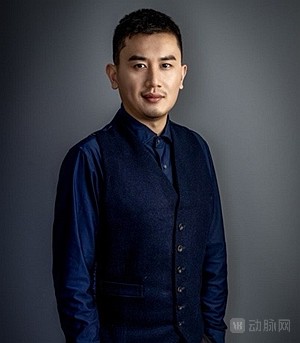
Dr. Liu Xiaodong, Founder & Chairman of Aikai Biotech
VCBeat: Since 2019, this marks the third time Fate has presented clinical trial results at the ASH Annual Meeting. Compared with previous presentations, what are the distinctive features of the clinical results showcased by Fate this time?
Dr. Liu Xiaodong:In terms of safety, compared with T-cell therapy, NK cell drugs possess numerous advantages in their mechanism of action.The FT516 and FT596 clinical trials, involving a cumulative total of 50 subjects, further validated the safety advantages of NK cell therapy in follow-up results exceeding six months., indicating no dose-limiting toxicities were observed, and no cases of ICANS (Immune Effector Cell-Associated Neurotoxicity Syndrome) or GVHD (Graft-Versus-Host Disease) occurred. Only three cases of Grade 1–2 CRS (Cytokine Release Syndrome) were reported in the FT596 study, all of which resolved following simple treatment.
In terms of efficacy, FT516 and FT596 continued to demonstrate positive signals in a larger population, with high objective response rates (ORR) consistent with previous results., particularly demonstrating favorable efficacy in the treatment of heavily pretreated patients who had previously received CAR-T therapy, marking another step toward achieving clinical “POC” (Proof of Concept) for cell-based therapies.
VCBeat: Compared with previous results, what insights do Fate’s latest data provide?
Dr. Liu Xiaodong:These results present clinical trial data for gene-engineered, off-the-shelf iPSC-NK cell therapies in a larger patient population, providing a more objective and real-world reflection of the clinical profiles of FT516 and FT596, while also demonstrating early positive signals in terms of durability of response.The most critical focus at this stage is whether cell therapies such as FT516 and FT596 can sustain their efficacy in vivo.
In the design of Fate’s existing clinical trial protocols, the dosing cycle for multiple administrations is relatively short (once weekly), and lymphodepletion preparation must be repeatedly performed after every three doses. Combined with the data presented by Fate prior to this meeting, it is evident that there remains room for further improvement in the immunogenicity of Fate’s current iPSC-NK cell therapy.
At this conference, FT516 and FT596 initially demonstrated relatively positive mid- to long-term efficacy data, with some cases of sustained remission observed particularly in the higher-dose cohort of FT596.However, we also noted that some patients experienced disease progression after achieving a therapeutic response (for example, one patient treated with a single dose of FT596 achieved complete remission but experienced disease progression at 1.7 months of follow-up),Overall, the results of this clinical trial indicate that the immunogenicity risks associated with FT516 and FT596 are relatively controllable, thereby alleviating prior concerns to some extent.
Although data on the durability of efficacy remain incomplete, the positive results have been encouraging to the industry, and clinical efficacy will be further validated through progression-free survival (PFS) and overall survival (OS) data in the future.
VCBeat: Using Fate as an example, what current global trends and insights in the iPSC industry can be observed?
Dr. Liu Xiaodong:At the ASH Annual Meeting, Fate Therapeutics presented three oral reports and five poster presentations. In addition to the notable data on FT516 and FT596, Fate shared insights on the batch production of its iPSC-derived CAR-T cell product, FT819; development strategies for off-the-shelf cell therapies targeting tumor neoantigens; and the synergistic effects of combining anti-tumor mechanisms with iPSC-derived T cells in overcoming tumor heterogeneity and cancer immune escape.
In addition, Century and other iPSC-based cell therapy companies presented their respective results at the ASH Annual Meeting. These developments underscore the rapid progress in the field of iPSC-based cell therapies, highlighting significant future potential. Meanwhile, the emergence of these novel technologies inevitably entails ongoing optimization and challenges, primarily in three areas: bottlenecks in the industrial translation and differentiation potential of iPSC technology itself; challenges regarding the safety and sustained efficacy of iPSC-derived products; and the expansion of development opportunities for iPSC-derived products.
iPSC technology currently faces certain inherent bottlenecks. In terms of industrialization,iPSC needs to complete the transition pathway from laboratory-scale products to industrialized pharmaceutical cell-based therapies.This issue requires coordinated collaboration among regulatory authorities, industry stakeholders, and the scientific research community.Fate has already completed this process and initiated multiple clinical trials. On the other hand, while induced pluripotent stem cells (iPSCs) are theoretically capable of differentiating into various tissue and organ cell types, in practice, their differentiation potential after reprogramming is limited. Issues such as epigenetic memory and abnormalities during somatic cell reprogramming, as well as heterogeneity among iPSC lines, have constrained the development of iPSC-based cell therapies. To address these challenges, the scientific community has been actively exploring solutions. Leveraging our years of research on the mechanisms regulating cell fate during somatic cell reprogramming, we have developed a proprietary somatic cell reprogramming method that significantly enhances the pluripotency of iPSCs and their potential for future industrial-scale production.
Regarding the safety and sustained efficacy of iPSC-derived products, there are concerns within the community about such products in terms of tumorigenicity and stability.However, with the establishment of stringent quality control methods for iPSC-based therapeutics during GMP manufacturing, improved reliability of preclinical assessment approaches, and feedback from ongoing Fate Therapeutics clinical trials, although challenges to safety remain, our established system ensures product safety.
On the other hand, challenges regarding the durability of efficacy in iPSC-derived products represent a key trend for continuous optimization in the future.For instance, by incorporating relevant synthetic components to engineer iPSC-derived products. Both our colleagues in the scientific community and we have accumulated substantial experience in this area through prior research efforts, and we are confident that more achievements will be presented in the near future.
VCBeat: Turning to you personally, as a scientist in the iPSC field, how do you plan to apply your expertise to support the development of this emerging industry?
Dr. Liu Xiaodong:We believe that iPSC-derived universal cell therapy is the ultimate solution., building on the extensive experience that I and other core members have accumulated over many years in both iPSC scientific research and industry,We hope our team can make contributions in this field, providing affordable cell therapies to countless patients.Therefore, we established Aikailiyuan Biotechnology, dedicated to the development of iPSC-derived off-the-shelf cell therapy drugs. Since its inception 10 months ago, Aikailiyuan Biotechnology hasSuccessfulEstablished an iPSC reprogramming platform, an iPSC gene-editing platform, and an algorithm-guided iPSC differentiation platform to provide targeted, efficient solutions to current technical pain points.
Currently, iCell Bioscience has completed the establishment of a clinical-grade cell bank and entered into a global strategic partnership with Promiscience to jointly develop multiple iPSC-CAR-NK cell therapy products targeting solid tumors. This collaboration has facilitated the translation of research-grade products into industrial-grade therapeutics, and construction of a 2,500-square-meter GMP manufacturing facility in Suzhou has now commenced. In the near future, iCell Bioscience is poised to deliver safe, rapid, and effective cell therapy solutions to countless patients.
About Dr. Liu Xiaodong:
Dr. Liu Xiaodong has conducted research at Monash University in Australia, the Francis Crick Institute in the United Kingdom, and the University of Cambridge. He has nearly a decade of research experience in fields such as induced pluripotent stem cells (iPSCs), epigenetics, cell fate regulation, gene editing, and human embryonic development.
During the course of their research, they applied techniques such as single-cell sequencing and epigenomic sequencing to comprehensively reveal, for the first time worldwide, the dynamic epigenetic regulation during iPSC reprogramming. Their work elucidated the dynamic cell fate regulation in the reprogramming process from human somatic cells to induced pluripotent stem cells (iPSCs), and captured cellular states such as naive pluripotent stem cells and trophoblast stem cells through induced reprogramming (Nature Methods, 2017; Nature, 2020). Furthermore, they achieved the world’s first successful in vitro construction of human blastoid structures using somatic cell reprogramming methods (Nature, 2021, cover article). This research was selected as one of the Top 10 Breakthroughs of the Year by Science magazine in 2021.
About Aikai:

Leveraging Dr. Liu Xiaodong and other core members’ years of accumulation in the iPSC field and industry, Aikailiyuan Biotechnology was established to focus on the research and development of universal cell therapy drugs derived from iPSCs. Since its establishment in March 2021, Aikailiyuan has successfully built an iPSC reprogramming platform, an iPSC gene editing platform, and an algorithm-guided iPSC differentiation platform, providing targeted and efficient solutions to current technical pain points.
Aikai has completed the construction of a clinical-grade cell bank and entered into a global strategic partnership with Biotheus Inc. to jointly develop multiple iPSC-CAB-NK cell therapy products targeting solid tumors, thereby achieving the translation of research-grade products into industrial-scale development. The company has secured support from numerous renowned investment institutions, completed financing exceeding RMB 100 million, and initiated the construction of a 2,500-square-meter GMP cell manufacturing facility in Suzhou.