

From Laggard to Leader: Harvard University's Untold Transformation in Medical Innovation
No one would question Harvard University’s global influence.
Founded in 1636, the oldest university in the United States has, after more than four centuries of development, become a global center of education and nurtured numerous epoch-making innovators. To date, Harvard University has nurtured8 U.S. Presidentsand161 Nobel Laureates. In addition, Harvard University has long held the top spot in various global university rankings.
However, Harvard University appears somewhat “lopsided” in terms of medical innovation. Although it boasts thousands of top-tier medical researchers, it remains distant from the world’s most important engine of medical innovation—Kendall SquareIts biotechnology center is only a few miles away, but its performance in medical innovation has not lived up to its reputation.
According toMilken InstituteA released study shows that,Between 2000 and 2004, Harvard University ranks highly in innovation dimensions such as comprehensive technology licensing, licensing revenue, and the number of startups createdRanked only 18th, far from its position as the world’s top university.
However, Harvard was clearly unwilling to accept this somewhat embarrassing reality. The university swiftly implemented sweeping reforms in the translation of biomedical technologies, primarily includingEstablishment of the Office of Technology Development (OTD), improvement of regulations on the distribution of proceeds from research outcomes, and establishment of the Center for Clinical and Translational Science (Harvard Catalyst) as landmark initiatives.
After a period of consolidation, Harvard University has begun to reap the benefits. In the 2014 issue released by ReutersThe World's Most Innovative Universities RankingIn China, Harvard University has risen to third place and has held this high position for four consecutive years. This indicates that Harvard University has, in the fields of innovation and translation within the healthcare sector, moved fromFrom Initial “Follower” to “Leader”。
So, how exactly did Harvard University achieve this pivotal transformation in identity?
Stepping Up in a Crisis: OTD Bridges the Gap Between Scientific Research and Commercialization of Results
Prior to 2005, although Harvard University possessedNearly $26 billion...endowment and world-class research laboratories, it has not achieved many substantive results; in particular, Harvard University lags significantly in the critical area of commercialization.
Therefore, in order to seek closer ties with the industry,Harvard University established the Office of Technology Development (OTD) in 2005., and shall be uniformly responsible for the commercialization of invention patents.
However, at that time, it was virtually impossible to find any competent team on campus, so the then Harvard University PresidentSummersVisit in PersonTel Aviv University, invited the former head of the university’s technology transfer officeIsaac KolbergServed as the Director of OTD.
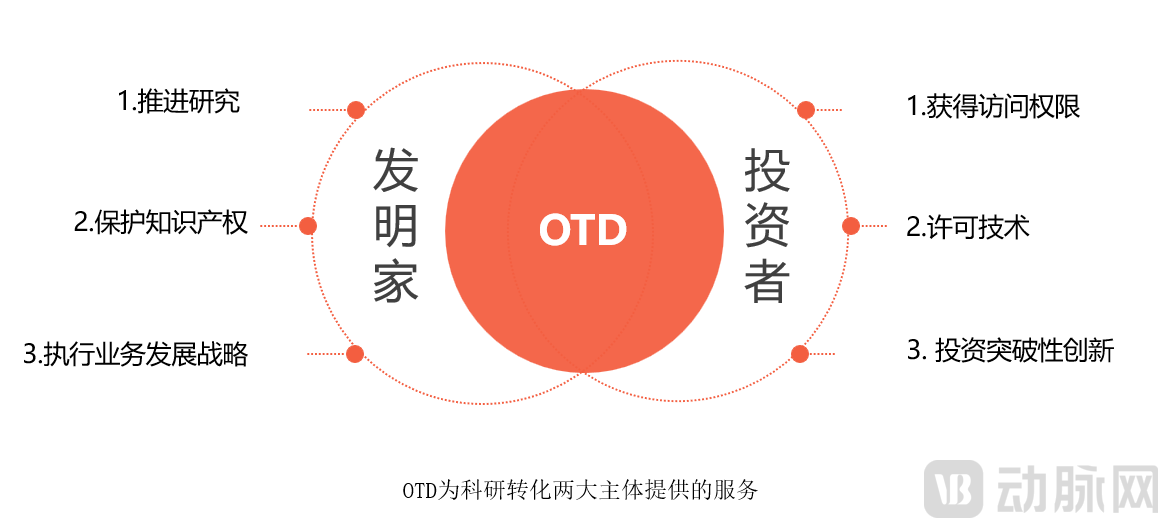
Figure 1 | Services Provided by OTD to the Two Main Entities in Scientific Research Translation
In fact, OTD isThe Link Connecting Harvard’s Internal Innovation with the Outside World, by engaging in commercial negotiations with external parties and signing technology transfer and commercialization agreements on behalf of the stakeholders, it provides efficient services to both sides of the ecosystem chain, thereby accelerating the implementation of innovative projects.
Specifically, forFor researchers and inventors,, OTD primarily offers three services: first, through corporate partnerships and accelerator programs toAdvancing Research; Second,Protecting Intellectual Property Rights, paving a clear path forward for business development; third,Licensing and Authorization for New Enterprises, implement the business development strategy.
As forIndustry and Investorsneeds, OTD provides three additional services: first, obtainingCommunicate and Interact with Harvard Researchersopportunities; second, to provide commercially viable solutions that mitigate business risks.Licensed Technology; third, to promote entrepreneurship,Prioritize Investment in Breakthrough Innovations。
In addition, OTD has also establishedLife SciencesandPhysical SciencesTwo accelerator funds, aimed at accelerating the commercialization of research outcomes in these two specialized fields.
According to statistics, over the past decade, OTD has been serving regions worldwideOver 145 Harvard-affiliated startupsFinancial support has been provided. Notably, in the past five years alone, the launch ofOver 90 Harvard Startupsin China, raisedOver $4.5 billionequity financing.
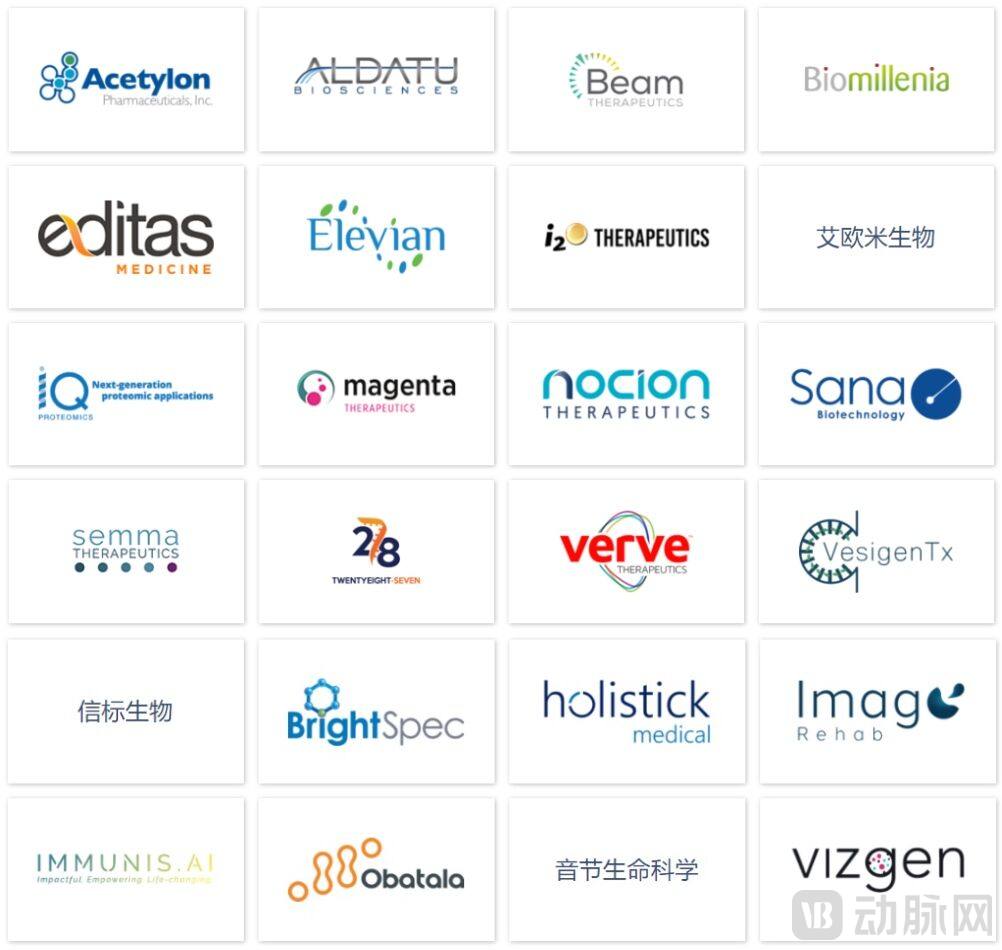
Figure 2 | Matrix of Harvard-Incubated Biomedical Innovation Companies (Source: Harvard University Official Website)
If OTD is the breakthrough point for the transformation of Harvard University's scientific research achievements, thenSystem for the Distribution of Proceeds from the Commercialization of Scientific and Technological AchievementsIt is the catalyst that drives the successful translation of Harvard’s scientific research achievements.
Harvard University’s current regulations on the distribution of proceeds from technology transfer, revised in April 2010, exhibit three key features:First, the target population is clearly defined., there are clear and actionable distribution plans for all allocating entities, whether they are laboratories, colleges, universities, R&D management funds, or individual or multiple creators.
Second, more work yields more pay., the distribution of proceeds from achievements can be allocated based on the relative value of each creation, with individual creators typically receiving around 30% of the revenue, andAll individual income and proceeds shall be paid to the individual.。
Third, equitable resource allocation.Creators typically receive approximately 30% of the personal income, while around 55% is allocated to various departments and levels within the university. The remaining 15% serves as subsequent research funding for the creators.
In the translation of scientific research achievements,Personnel Incentive Mechanismis a critical component. This“Clear targets, clear methods, and a high ‘feedback’ ratio”regulations, which have fully mobilized the enthusiasm and creativity of Harvard’s research personnel.
It is precisely based on this,OTD Bridges Basic Scientific Research and Commercialization of Results, enabling Harvard professors to commercialize their achievements and reap significant financial rewards while pursuing truth. Meanwhile, the university and its schools have also generated substantial revenue from the technology commercialization process.
“Harvard Catalyst”: Interdisciplinary and Cross-Institutional, Accelerating the Translation of Medical Research Achievements
Clearly, Harvard has established a mature incubation system for the commercialization of scientific research achievements. So, focusing on the healthcare sector, how does Harvard University tap into its internal innovation potential?
"As a medical center of Harvard University,"Harvard Medical School(Harvard Medical School, HMS)is one of the top medical schools in the United States. Harvard Medical School has made indelible contributions to the advancement of human medicine,Mechanical Ventilators, External Cardiac Pacemakers, the Invention and Application of Polio Vaccines, the Application of Ether Anesthesia, and Kidney Transplantation SurgeryHistoric breakthroughs in the medical field have all originated here.
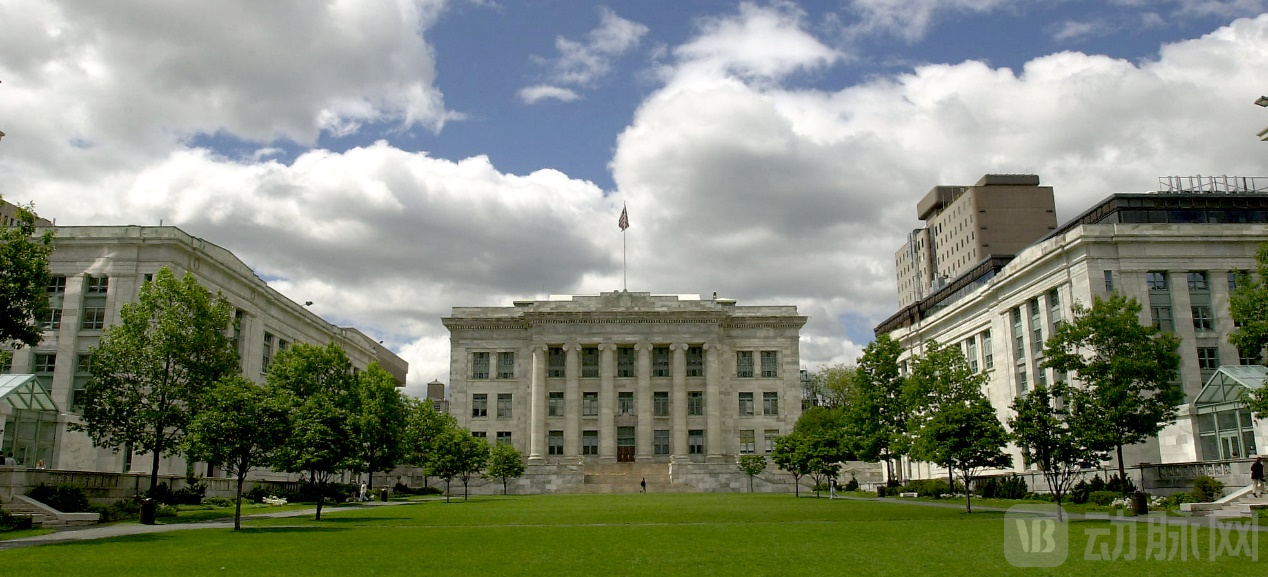
Figure 3 | Harvard Medical School (Source: Harvard Medical School Official Website)
Particularly in the translation of Harvard’s medical research achievements, Harvard Medical School has made tremendous contributions and opened its doors in May 2008.Center for Clinical and Translational Science (Harvard Catalyst), and referred to it as“Harvard Catalyst”。
“Harvard Catalyst”Require faculty members from Harvard University’s various schools to collaborate with researchers from the Medical School and its affiliated healthcare institutions, so thatPromote complementary strengths among researchers from different disciplines or institutions for mutual development, to develop new methods for the prevention, diagnosis, and treatment of diseases.
In thisInterdisciplinary, Inter-institutionalUnder this operational model, the following three main areas of work were carried out:
First, social networks, this is “Harvard Catalyst”’sUnderlying Foundation, this platform aggregates detailed profiles of all professors and researchers at Harvard University, connecting users to a wealth of valuable informational resources, such as ongoing clinical trials, funding navigation tools, and multidisciplinary resources.
2. Research Navigator, which is equivalent to the "eyes" and "ears." Responsible forConnectionResearchers, along with the funding opportunities and resources provided by Harvard Catalyst, facilitate quicker and easier access to technology centers, translational technology centers, and other resource centers.
3. Talent Evaluation, leveraging information from social networks to establishExpert Database, to evaluate the contributions and work capabilities of Harvard University's talent.
To date, the achievements of Harvard’s biomedical research have accounted for a significant proportion of technology transfer at Harvard University.>50%, gave rise toAldatu Biosciences, Beam Therapeutics, Aiom Bio, BrightSpecand many other biomedicine and health technology companies.
Where Is the Path for the Commercialization of Scientific and Technological Achievements in Chinese Universities?
The translation of medical research achievements is a crucial link in improving the development level of the healthcare sector. As the country places increasing emphasis on the translation of medical research outcomes,The Translation of Medical Research Achievements in Chinese Universities Has Greatly Improved。
In recent years, Peking University Health Science Center has successively introduced multiple policies to improve its incentive mechanisms.Taking the division of intellectual property rights as an example, Peking University Health Science Center adoptsInventors: 70%, Medical Department: 15%, College: 15%allocated according to the model, while also granting scientific and technical personnel a certain percentage ofTax Exemption Incentives. In addition, technicians will alsoAcquire 70% Technical Equity, a clear and precise benefit distribution mechanism will maximize the stimulation of innovation vitality.
In addition, there areTsinghua University Academy of Scientific Research, in order to better incubate more innovative forces in the field of medical devices, Tsinghua University's Academy of Sciences and Technology established in 2017GHIC(Global Health Industry Innovation Center), a translation platform dedicated to providing comprehensive support and incubation for early- to mid-stage medical device projects, has currently incubated such asTopview Medical, Chaomu Technology, etc.Industry Leader.
However, it is imperative to acknowledge that the current capacity of Chinese universities for translating medical innovations into practical applicationsStill a significant gap remains compared to developed countries in Europe and the United States., especially inInnovationandConversion RateThe disparity in these two key metrics is particularly pronounced, representing a widespread and urgent issue that currently faces Chinese universities.
From this perspective, Harvard University’s pathway for translating medical research achievements into practical applications offers valuable insights for Chinese universities.
First, it is based on solid technical research and competitive innovation.. An examination of Harvard University’s pathway for translating scientific achievements reveals that robust technical research and the generation of competitive innovative outcomes form the foundation of its successful technology transfer.
Data shows that Tsinghua University files ten times as many patent applications annually as Harvard University,Yet Tsinghua University ranks around 600th globally in terms of its contribution to technology.. Chinese universities must be rooted in basic research to resolve the awkward predicament of “trying to cook without rice” faced in the translation of scientific and technological achievements.
Next, we must enhance organizational coordination and streamline mechanisms for education and teaching, technological innovation, and technology transfer.The three organizational departments share an inseparable relationship in the successful commercialization of scientific research achievements. Education and teaching provide support for technology transfer, while successful technology transfer projects can also be utilized for educational and instructional purposes.
Accordingly, there is also an interaction between technology transfer and technological innovation,Establish and improve collaborative working mechanisms to ensure the smooth flow of information between organizations., to better promote the transformation of achievements.
ThenEstablishing a Professional TTO as the Bridge for Technology Transfer. TTOs have not been given sufficient attention in Chinese universities, resulting in these offices often serving merely a coordinating function, with their staff frequently composed of researchers serving in part-time capacities.
However, this is clearly unworkable; universities shouldEstablish an independently operated entity for the commercialization of scientific and technological achievements, and grant it rights, must“Let professionals handle professional matters”, freeing researchers to devote themselves to scientific research and talent development.
Finally, ensure effective allocation of key benefits.Harvard University has implemented equitable and transparent principles for the distribution of proceeds from technology transfer, under which creators, their respective departments, and the university all share in the benefits derived from such transfers.
Therefore, universities in China should adhere to the corresponding principles of benefit distribution,Set Reasonable Benefit Distribution Ratios, enabling researchers, academic institutions, and operational management personnel to formBenefit Distribution Model with Balanced Interests.
From the current perspective, there are still many obstacles hindering the translation of medical research achievements in Chinese universities into practical applications. The path to translating research outcomes is fraught with challenges and long, but we are still moving in a positive direction. Perhaps we are currently like Harvard University once was, still in the “Chaser” role, but one day, we can also become true “Leader”。