

Qingzhu TCM: An Integrated Platform for Education, Training, and Employment in Traditional Chinese Medicine
Calls for addressing the gap and shortage of clinical practitioners in traditional Chinese medicine (TCM) have persisted in recent years, with many TCM hospitals—particularly those at the primary care level and TCM clinics—urgently needing talent to fill vacancies.
In recent years, a seemingly paradoxical phenomenon has emerged in the job market for traditional Chinese medicine (TCM) practitioners: on one hand, veteran TCM doctors are vocally expressing concern over a shortage of successors; on the other hand, the employment landscape for TCM graduates appears oversaturated, with many struggling to secure positions.
The primary reason lies in the widespread public perception that Traditional Chinese Medicine (TCM) practitioners become more proficient with age. Given the already limited number of TCM hospitals across China, renowned senior specialists tend to remain in clinical practice for extended periods, making it difficult for recent TCM graduates to secure positions in public hospitals in first- and second-tier cities. Furthermore, a large proportion of TCM graduates lack sufficient clinical experience, failing to meet the staffing requirements of healthcare institutions.
In response to this situation, Qingzhu Traditional Chinese Medicine (TCM) was established. Founded in December 2017, Qingzhu TCM is a healthcare + internet + technology company that integrates TCM medical education, the dissemination of TCM culture, and TCM medical services.
Qingzhu TCM leverages its extensive pool of physicians, TCM instructors, and talent resources to empower healthcare institutions by enhancing the professional competencies of young and middle-aged TCM practitioners in the short term through online and offline TCM education. By supplying medical institutions with high-caliber TCM professionals, it significantly alleviates the current shortage of qualified personnel in the TCM industry.
Recently, VCBeat (WeChat ID: vcbeat) interviewed Zheng Wen, founder of Qingzhu Traditional Chinese Medicine, and Chen Yong, its Chief Operating Officer, to discuss TCM training.
Traditional Chinese Medicine (TCM) is a precious asset of the Chinese nation, profoundly reflecting its cognitive approaches and value orientations, and serving as an important manifestation of China’s cultural soft power. Although the state has frequently introduced favorable policies to promote the development of TCM, progress at the grassroots level remains sluggish due to various factors, with the shortage of successor talent becoming particularly pronounced.
According to the results of the national survey on the basic status of traditional Chinese medicine (TCM) released by the National Administration of Traditional Chinese Medicine in 2011, China had only approximately three licensed TCM practitioners per 10,000 people and fewer than four TCM hospital beds per 10,000 people. Licensed TCM practitioners accounted for 21% of all licensed physicians in the country, while TCM medical institutions comprised only 8%, and TCM services represented just 10% of all healthcare services.
According to the “2016 Statistical Bulletin on the Development of Health and Family Planning in China” issued by the National Health and Family Planning Commission, the total number of health personnel nationwide reached 11.173 million by the end of 2016, while the total number of traditional Chinese medicine (TCM) health personnel was only 613,000. This clearly illustrates the scarcity of TCM professionals.
Currently, China’s traditional Chinese medicine (TCM) sector is being tenuously sustained by a cohort of practitioners aged over 50, and the acute shortage of TCM talent urgently needs to be addressed.
Qingzhu Traditional Chinese Medicine aims to explore a talent development model for TCM practitioners that adapts to the current social and environmental context, empowering young TCM professionals to grow with remarkable momentum and addressing the critical shortage of TCM talent.
Qingzhu Traditional Chinese Medicine (TCM), established in December 2017, is a healthcare-internet-technology company that integrates TCM medical education, the dissemination of TCM culture, and TCM medical services. Its business scope encompasses postgraduate entrance examination preparation for TCM majors, training for licensed TCM practitioners, clinical application of TCM classics, development of clinical skills, organization of academic conferences in the TCM industry, and collaborative TCM medical services. The company secured millions in investment from Yuanlian Capital in 2018.
Qingzhu TCM serves 400,000 young and middle-aged TCM practitioners, bringing together academicians of the Chinese Academy of Engineering, renowned senior TCM experts, and top talents from TCM universities. The company is actively collaborating with 32 leading TCM institutions (organizations) across China.
The team specializes in new media operations, the publication of Traditional Chinese Medicine (TCM) books, the design of professional TCM training programs, and the organization of academic conferences. It has published best-selling physical products such as *Key Points for the TCM Comprehensive Examination* and *Essentials for the TCM Comprehensive Examination*, and has produced exclusive materials for internal students, including the *Qingzhu Shanghan/Jinkui Notebooks*, *Qingzhu Quick-Reference Handbook for Shanghan, Jinkui, and Wenbing Diseases*, *Comic Illustrations of Meridians in Ancient Chinese Style*, *Herbal Calendar*, and *Treasure Chest of Chinese Materia Medica*.
According to founder Zheng Wen, the company’s extensive online learning resources have served over 200,000 students through its TCM postgraduate entrance examination online courses, with the “Intensive Reading VIP Member Course” emerging as a leading brand in the industry. Its online course for licensed physicians, the “Licensed Physician Exam Pass Class,” has served more than 50,000 licensed practitioners, becoming an influential product in the sector. In terms of clinical academic advancement, programs such as the “National Renowned TCM Physicians’ Academic Inheritance Program,” “Systematic Courses on Classical Formulas and Acupuncture,” “Shanghan/Jingui/Bencao Classics Training Camp,” and “Qingzhu TCM Book Club” have reached an audience of 400,000 through text, image, audio, and video content.
Figure: Qingzhu TCM Clinical Course
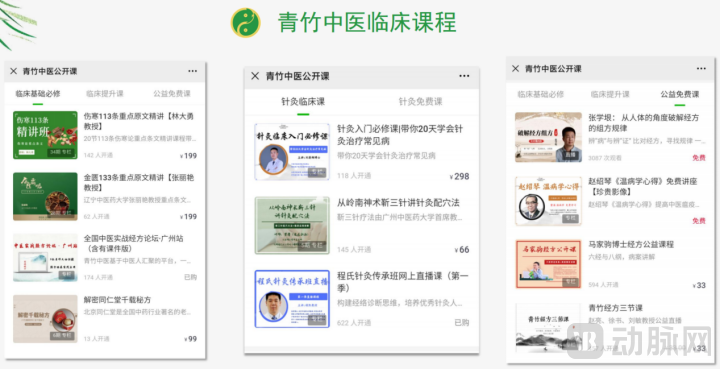
Qingzhu TCM operates four official WeChat accounts, offering medical student training, licensed physician consultations, forum lectures, and open-course training. These services cover the entire professional lifecycle of TCM practitioners, from students to practicing physicians.
So, who are the people behind Qingzhu TCM?
The core team members of Qingzhu Traditional Chinese Medicine all graduated from top-tier universities, possess extensive clinical management experience in frontline healthcare systems, and have dedicated many years to the operation of TCM educational programs.
Zheng Wen, Founder and CEO, holds dual bachelor’s degrees in Clinical Pharmacy and Acupuncture & Tuina from Tianjin University of Traditional Chinese Medicine. He previously served as Director of the Medical Administration Department at two private hospitals, bringing to the role profound academic expertise and extensive management experience.
Chief Operating Officer Chen Yong, a graduate of the Acupuncture and Tuina program at Ningxia Medical University, studied under Dr. Chen Zerong, pioneer of the “One-Needle Therapy.” He is a member of the Guangdong Provincial Association of Acupuncture and Moxibustion and operates a new media matrix for Traditional Chinese Medicine with over 400,000 followers.
Lin Zeming, Director of Academic Affairs, graduated from the First Military Medical University with a major in Traditional Chinese Medicine (TCM). With extensive experience in TCM curriculum operations, he has cumulatively planned over 20,000 course sessions and served as the project lead for million-level course initiatives.
According to Zheng Wen, the team has been deeply engaged in the field of Traditional Chinese Medicine (TCM) education for over six years. Early users have already entered clinical practice, accumulating considerable professional experience and a solid patient base, and they demonstrate a strong sense of belonging to Qingzhu.
Qingzhu TCM has established a companion-style service loop of “Learning (Nurturing) – Practice (Selection) – Entity (Investment).” According to Zheng Wen, such a full-cycle companionship typically takes about seven years.
The Learning (Education) section primarily addresses the pain points of difficult certification exams and suboptimal treatment outcomes through textbooks, courses, forums, and clinical preceptorship services.
Work (Optional) Section: Primarily leverages the Qingzhu TCM Cloud platform to facilitate job searches, physician recruitment, and product sales, thereby reducing institutional operating costs, matching institutions with physicians, and screening for high-quality business partners.
In the physical (investment) segment, Qingzhu TCM primarily leverages an integrated industrial internet platform to either operate clinics independently or provide rapid clinic-launch services for TCM practitioners.
Figure: Qingzhu Traditional Chinese Medicine Zhengyi Tang Internship Base
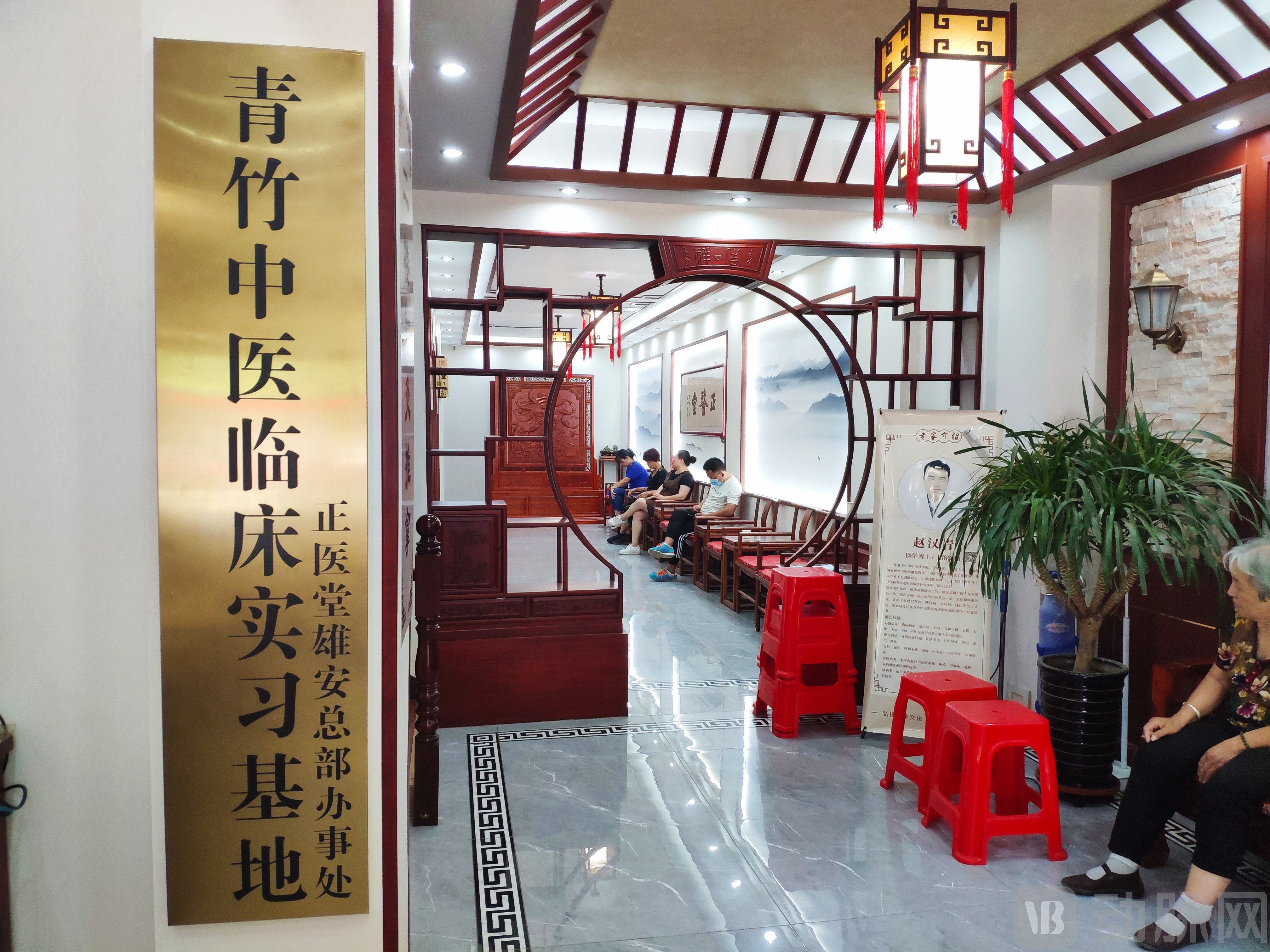
Chen Yong stated that the advantages of Qingzhu Traditional Chinese Medicine are reflected in the following four aspects:
(1) Strong team operational capabilities: Through operations in new media, community management, and private domain traffic, the team has accumulated 400,000 users over four years, with approximately 200,000 being high-precision private domain users.
(2) Strong R&D capabilities: curriculum development, textbook publishing, and creation of blockbuster products.
(3) Comprehensive service system: Community services promptly address user needs and continuously improve products and services based on user feedback.
(4) High user stickiness: Continuously optimize user operations and prioritize user experience.
Figure: Zheng Wen, founder of Qingzhu TCM, delivers a speech at the 10th National Academic Forum for Doctoral Scholars in Traditional Chinese Medicine
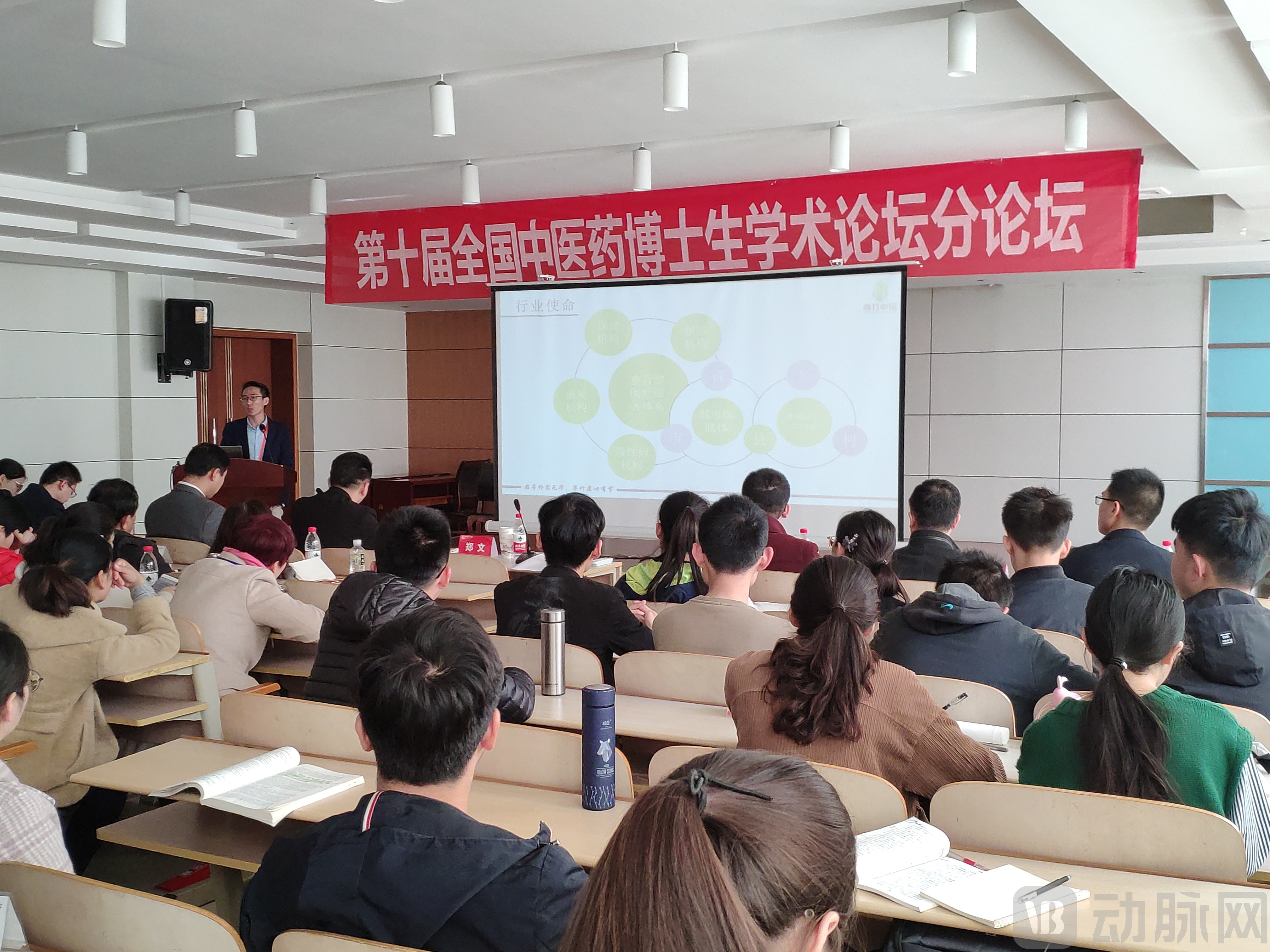
Chen Yong added that the highlights of its products are mainly reflected in:
(1) Product: Aligned with user needs, offering a diverse and comprehensive curriculum system that provides full-cycle coverage—from Traditional Chinese Medicine (TCM) postgraduate entrance exams, licensed physician qualification exams, and apprenticeship certification exams to clinical skills training. Systematic courses are available for learners at all levels, from foundational to advanced.
(2) Faculty: The team includes lecturers with master’s and doctoral degrees, renowned TCM practitioners, and National Masters of Traditional Chinese Medicine, demonstrating a high level of professional expertise in the field.
(3) Service: Strong user reputation, with a positive review rate exceeding 90%, and reaching 98% for certain products.
Figure: Qingzhu Traditional Chinese Medicine’s Clinical Academic Inheritance Program in Collaboration with Academician Shi Xuemin, National Master of Traditional Chinese Medicine
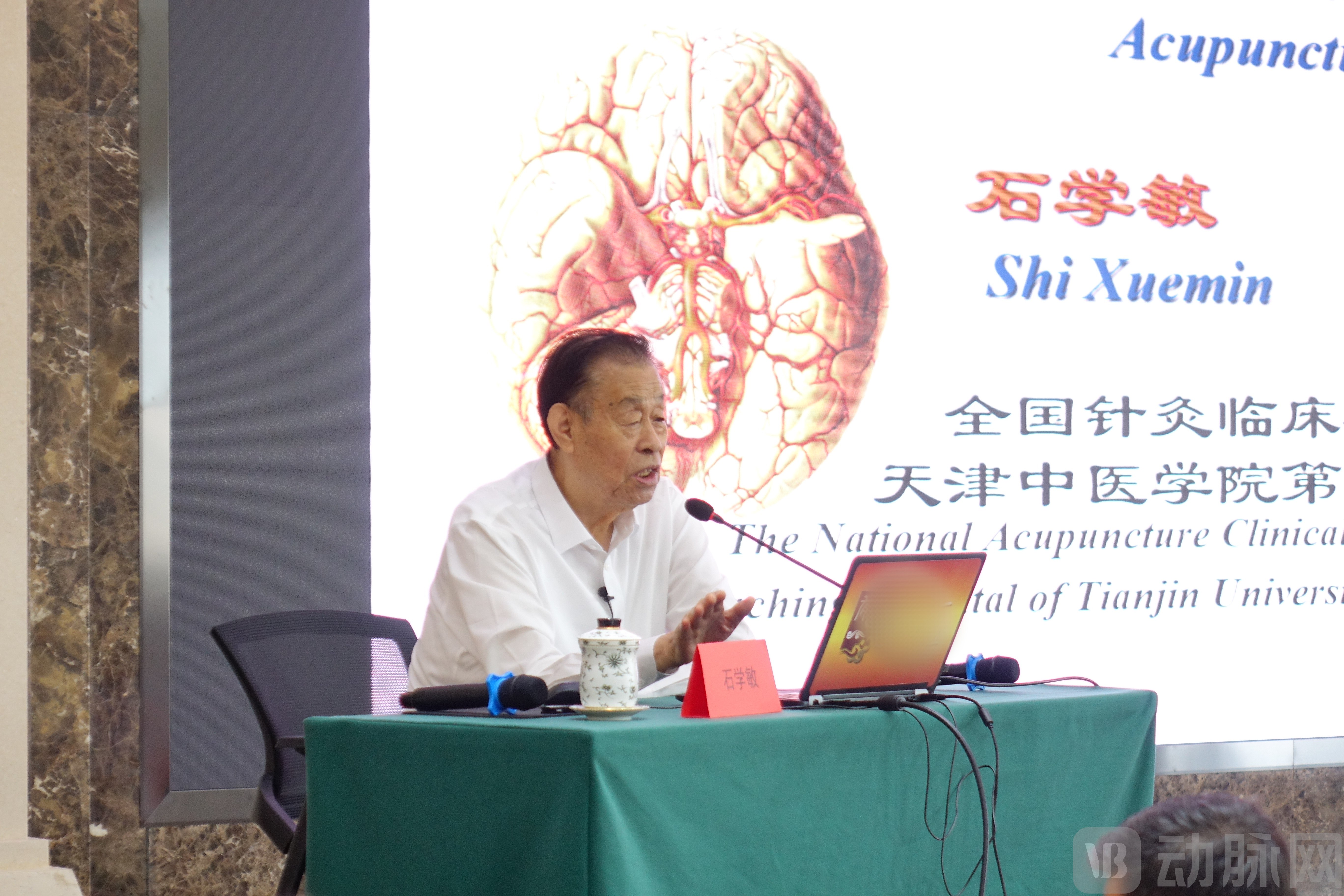
Qingzhu TCM Training integrates online and offline instruction with teaching and practice, precisely addressing the pain points of three key stakeholders to provide a one-stop solution and create a closed-loop ecosystem encompassing education, training, and employment.
Zheng Wen stated that the current challenges in the education sector primarily stem from regional and sectarian differences. Due to the natural barriers imposed by geographical limitations, Traditional Chinese Medicine (TCM) has developed numerous schools with deep-rooted lineages, where each group carves out its own niche and operates independently. Qingzhu TCM adopts a principle of seeking common ground while reserving differences; its curriculum is built upon TCM consensus classics, such as Treatise on Cold Damage Disorders (Shang Han Lun) and Essential Prescriptions from the Golden Cabinet (Jin Gui Yao Lue), thereby avoiding sectarian disputes.
According to reports, in terms of course refinement, Qingzhu TCM has currently collaborated with faculty members from Tianjin University of Traditional Chinese Medicine and Beijing University of Chinese Medicine. Meanwhile, the platform has onboarded renowned frontline clinical experts such as Professors Hao Wanshan, Xu Shu, Wang Sanhu, Mao Jinjun, Liu Min, Zhao Liang, Lin Dayong, and Zhang Liyan. It has also partnered with National Medical Masters Shi Xuemin and Xiong Jibo, as well as nationally recognized TCM masters including Hao Wanshan, Gao Jianzhong, Wang Qingguo, and Xiong Lu, to conduct clinical academic inheritance programs, thereby providing robust expert support for offline forums. To date, over 20,000 courses have been launched, and four sets of teaching materials have been published. The platform’s users cover all 32 provincial-level administrative regions across China, with a total user base exceeding 400,000.
In terms of talent development, it has established strategic partnerships with offline hospitals and institutions such as Kong Yitang and Zhengyi Tang, providing young TCM practitioners with opportunities for hands-on learning and practice.
Regarding future plans, Zheng Wen stated that Qingzhu TCM will continue to focus on talent development and placement. Currently, Qingzhu TCM is seeking its next round of financing.
Qingzhu TCM remains committed to cultivating TCM professionals, contributing to the development of healthcare resources and laying a talent foundation for the explosive growth of Traditional Chinese Medicine. We look forward to an exciting future!