

Guanglang Vision Files IPO Prospectus: Pioneering a Comprehensive Ophthalmic Digital Therapeutics Ecosystem with 'Beibeile' VR Myopia Control Glasses

DOBOSO
Intelligent Medical Platform Provider
Ophthalmic diseases have long been one of the most closely watched medical subsectors globally.
Among various ophthalmic diseases, refractive errors account for 44%, with approximately 1.4 billion people affected by myopia worldwide. In China, the total number of individuals with myopia is nearly 600 million, with adolescent myopia being particularly severe. In 2020, the overall myopia rate among children and adolescents in China was 52.7%, higher than the current average myopia rate in high-income Asia-Pacific regions. The myopia rate among Chinese high school students reached as high as 80.5% in 2020, indicating a very serious situation.
Although clinical research in ophthalmology has remained at the forefront of scientific interest and ophthalmic clinics in China have gradually become more systematized, innovative treatment approaches—particularly in the field of myopia prevention and control—still represent a largely untapped area ripe for development.
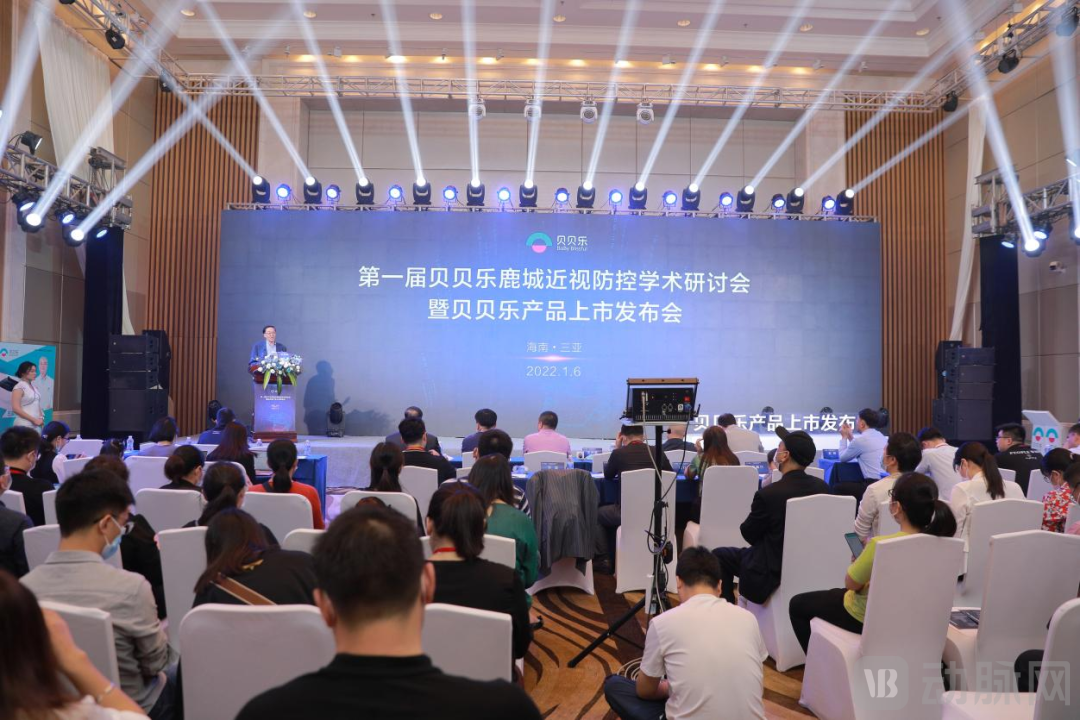
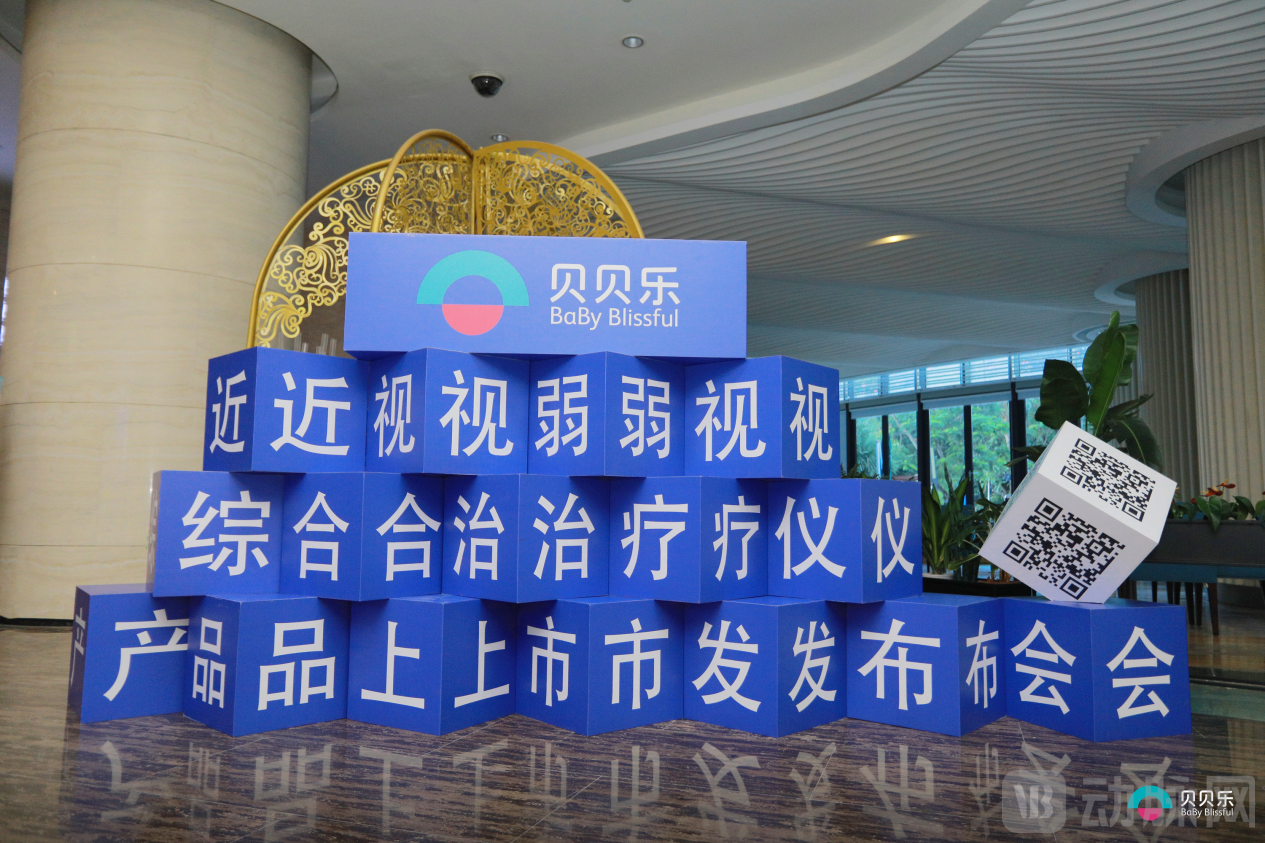
On January 6, 2022, the First National “Beibele Lucheng Myopia Prevention and Control Academic Symposium” was held in Sanya, Hainan, where the launch ceremony for the “Beibele” integrated therapeutic device for myopia and amblyopia took place. “Beibele” is a new commercialized product by Guangzhou Shijing Medical Treatment Software Co., Ltd. (DOBOSO) that is ready for mass production and large-scale market deployment.
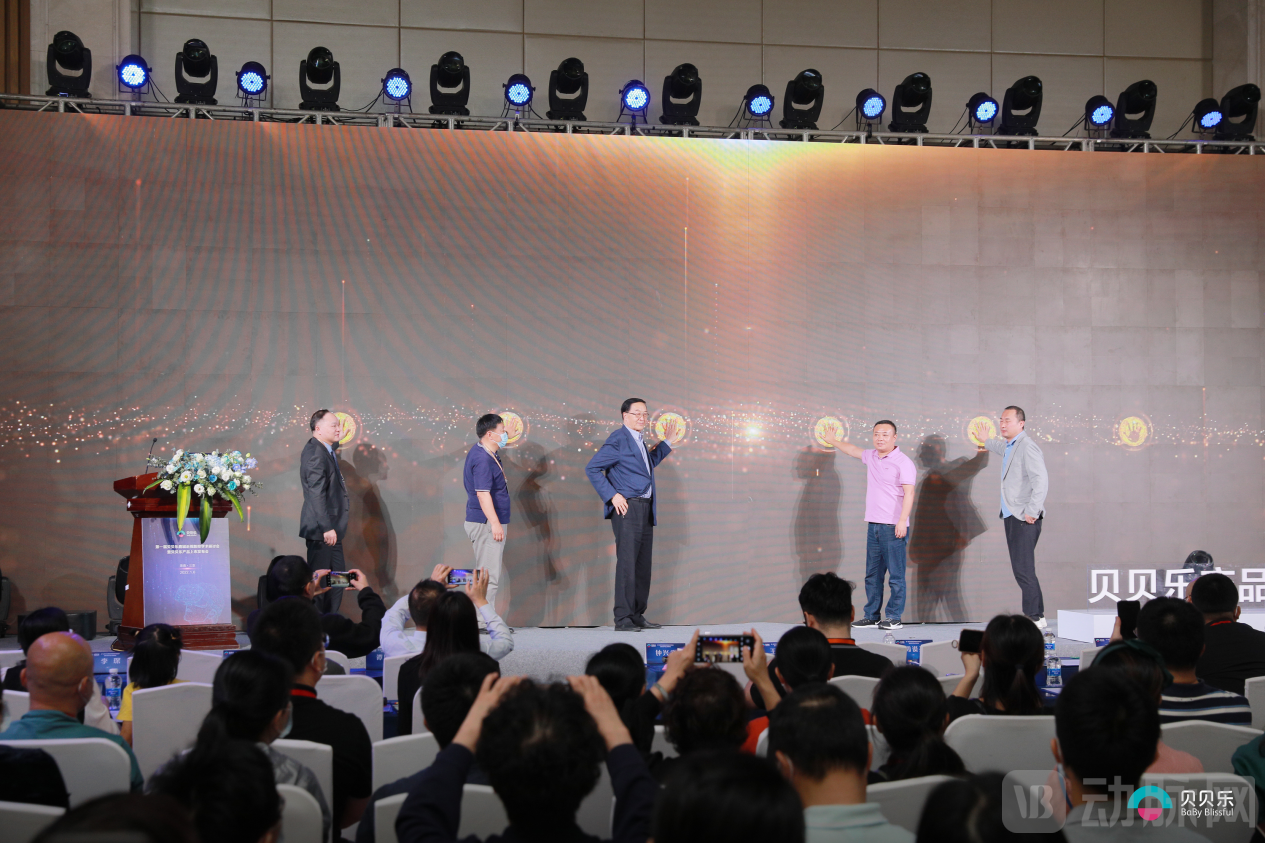
On that day, Mr. Zhang Fenglou, former Vice Minister of the Ministry of Health; Professor Zhong Xingwu, Executive Vice President of Hainan Eye Hospital; Professor Wang Lejin from the Ophthalmology Center of Peking University People's Hospital; Mr. Zhou Mosheng, Chairman of Guanglang Shijing; and Mr. Gao Te, Head of R&D and Production, jointly pressed their handprints to launch the new Beibeile product.
It is reported that DOBOSO’s previously launched “Duobaoshi” vision training product for strabismus and amblyopia, as well as the newly introduced “Beibele” comprehensive treatment device for myopia and amblyopia, have both obtained NMPA Class II medical device certification.
To date, DOBOSO has successfully commercialized its products in the two major markets of strabismus/amblyopia and myopia. Its “Duobaoshi” product has achieved industry leadership in the digital treatment of strabismus and amblyopia after years of development, while the recent launch of “Beibeile” further enhances its ecosystem layout for ophthalmic digital therapeutics.
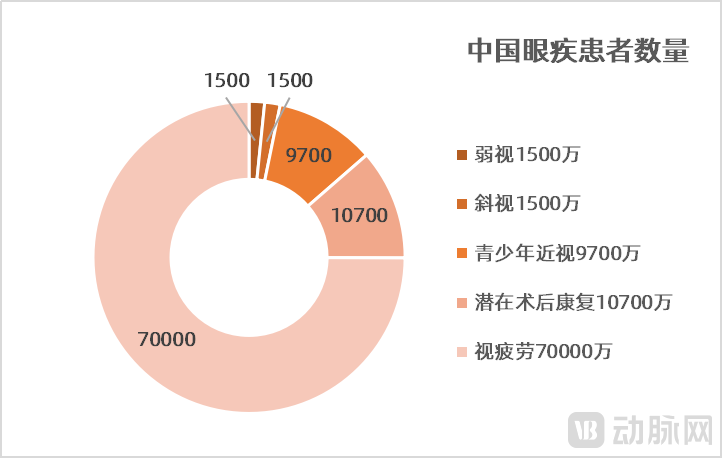
In China, the patient population with ophthalmic diseases is substantial, with refractive errors (myopia, hyperopia, and astigmatism) being the most prevalent. Axial elongation and thinning of the retina and choroid caused by high myopia can lead to a series of pathological changes, which may result in blindness in severe cases.
Furthermore, China has a vast patient population suffering from strabismus and amblyopia in children, postoperative rehabilitation needs, visual fatigue, and other vision dysfunction-related disorders, supporting a market worth hundreds of billions of yuan. The market potential for treating convergence insufficiency is even more expansive.
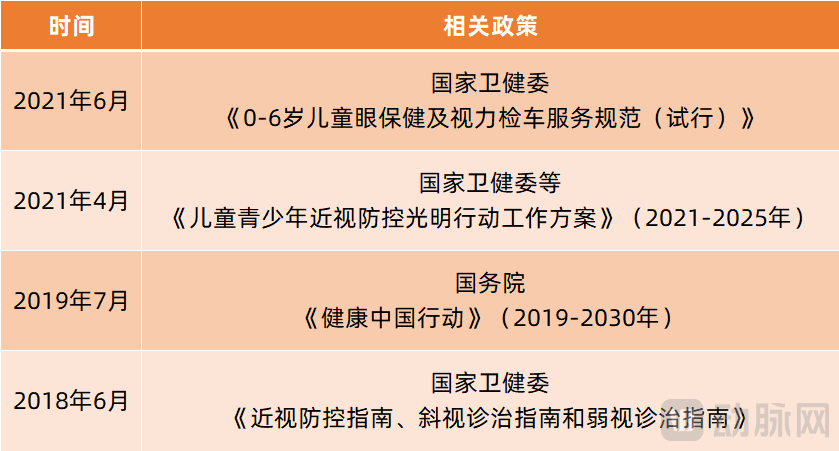
At the policy level, over the past three years, the Chinese government has continuously increased its attention to and investment in national eye health, particularly among children and adolescents. In the screen-dominated era, “eye care” has become an essential consumer need for the general public. Driven by a combination of policy support and market demand, the eye health industry has demonstrated strong momentum, gradually emerging as one of the fastest-growing sectors today.
Meanwhile, the rise of digital therapeutics presents a promising avenue when integrated with ophthalmology. First, the ophthalmic treatment market benefits from high levels of patient education, well-established clinical guidelines, and robust evidence-based medical support. Digital therapeutics empower ophthalmic care by not only facilitating patient management but also delivering direct, rapid, and highly effective outcomes. Compared to the long-term or even lifelong treatment cycles required for chronic and severe diseases, ophthalmic interventions offer shorter, more acceptable treatment durations.
Furthermore, the engaging design and non-invasive nature of digital therapeutics in ophthalmology help improve patient adherence. The primary patient demographic consists of children and adolescents, whose parents demonstrate high levels of concern, willingness to pay, and ability to pay, resulting in a clear payer structure.
Guanglang Shijing (the merged brand of Guanglang Biology and DOBOSO) is committed to providing comprehensive visual health solutions that cover the entire lifecycle, from pediatric strabismus and amblyopia, myopia prevention and control in adolescents, visual fatigue in young and middle-aged adults, to presbyopia.
DOBOSO has launched its amblyopia product line, “Duobaoshi,” which includes a home software version, an institutional polarized 3D version, an enterprise VR version, and visual function examination software, with a personal VR version forthcoming. Its myopia product line, “Beibele,” featuring personal VR digital glasses, has obtained NMPA Class II medical device certification.
Leveraging a mature business model and high-quality digital therapeutics products, Guanglang Shijing has achieved near-nationwide coverage across all administrative regions in China, serving over 2,000 hospitals and clinics. With a cumulative user base exceeding 200,000 patients treated, it holds a leading market share domestically.
In terms of building core barriers, Guanglang Shijing has applied for 39 patents, obtained 15 authorized patents, registered 35 software copyrights, registered 9 works of fine art copyrights, and registered 46 trademarks. The number of intellectual property rights is far ahead.
DOBOSO’s newly released product, the “Beibele” Comprehensive Treatment Device for Myopia and Amblyopia, may emerge as a new high-quality solution for myopia prevention and control. To understand why, we must first examine the current predicament facing existing myopia prevention and control methods.
When low myopia progresses to high myopia, the incidence of associated ophthalmic diseases is significantly higher than in individuals with normal vision. As myopia worsens, the axial length of the eye continues to elongate. Once the myopic refractive error exceeds 600 degrees (−6.00 diopters), changes occur in the normal physiological structure of the eye, leading to a marked increase in the incidence of ocular diseases.
The critical period for rapid progression of myopia is during adolescence; therefore, timely and correct correction of myopia, along with prevention and control of high myopia, are crucial to patients’ normal daily lives and long-term ocular health. However, the mainstream myopia control treatments currently available on the market—such as low-concentration atropine eye drops and orthokeratology lenses (OK lenses)—are far less effective than commonly perceived.
Although atropine eye drops are effective in controlling myopia, the adage “all medicines have some degree of toxicity” holds true, and their side effects are quite pronounced. Many adolescents who use atropine eye drops with unstable concentrations experience adverse reactions such as blurred vision, photophobia, facial flushing, and dry mouth. Consequently, ophthalmology experts in China have publicly highlighted the potential side effects associated with the use of atropine eye drops and advise against their use without medical supervision. These safety concerns have also led the National Medical Products Administration (NMPA) of China to adopt a cautious stance toward atropine eye drops.
Orthokeratology (OK) lenses are one of the myopia correction devices currently available on the market. They not only correct vision but also help control the progression of refractive error. Primarily worn overnight, they do not interfere with normal daytime activities. As a non-surgical approach, they offer high reversibility and safety. Mainly targeted at children and adolescents, OK lenses are an officially recognized corrective measure. Despite their numerous advantages, there are also extensive precautions to consider.
Prior to lens fitting, ophthalmologists must conduct more than 10 examinations, including visual acuity testing, keratometry, and corneal topography, to determine the patient’s suitability for lens wear, select appropriate trial lenses, and collect customization parameters for submission to the manufacturer. After fitting, patients are required to undergo regular follow-up examinations and maintain strict lens hygiene to prevent infections.
Orthokeratology (OK) lenses are primarily used by children and adolescents, requiring continuous parental encouragement and supervision throughout the lens adaptation, consistent wear, maintenance, and follow-up examination processes. The compliance with OK lens usage remains to be further validated. Moreover, due to numerous contraindications, a shortage of qualified fitting professionals, and the highest retail prices in the terminal market, among other factors, the market penetration rate is even less than 2%.
To address these pain points, DOBOSO has developed a third prevention and control method—the “Beibeile” Integrated Therapeutic Device for Myopia and Amblyopia.
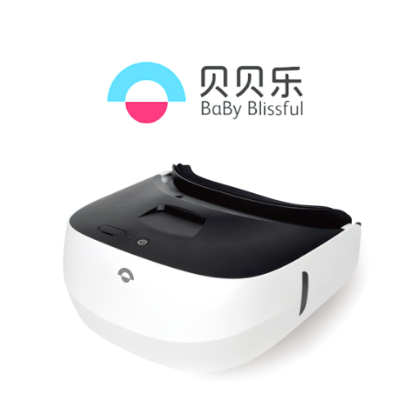
“Beibeile” integrates red-light photobiomodulation, VR accommodative training, and VR visual function training. It enables timely hand-eye-brain coordinated ciliary muscle accommodative training while the eyes are exposed to red laser light to highly activate fundus blood circulation, thereby slowing axial elongation and controlling myopia progression, achieving a synergistic effect where 1+1+1>3 in myopia prevention and control.
Red Light Photobiomodulation Therapy involves irradiating the fundus with low-energy, high-intensity red light at a specific wavelength (650 nm) emitted by the device’s main unit. This treatment improves blood supply and oxygenation to the choroid and sclera, promoting their thickening and growth. The high-brightness red light induces pupillary constriction, which increases depth of field and reduces blur. The dual mechanism of retinal oxygenation via red light and the eye’s triad response demonstrates a clear efficacy in controlling myopia progression.
Accommodative Function Training leverages Beibeile VR equipment’s patented Autofocus technology, which synchronously fuses object and retinal images with dynamic focus tracking. This ensures consistently clear imaging without prolonged adaptation periods. The training enables patients’ binocular vision to track real-world object distances ranging from 60 meters to infinity within interactive virtual reality scenarios. Meanwhile, dynamic objects in the game move correspondingly from far to near, thereby relaxing the ciliary muscles and enhancing or restoring accommodative function.
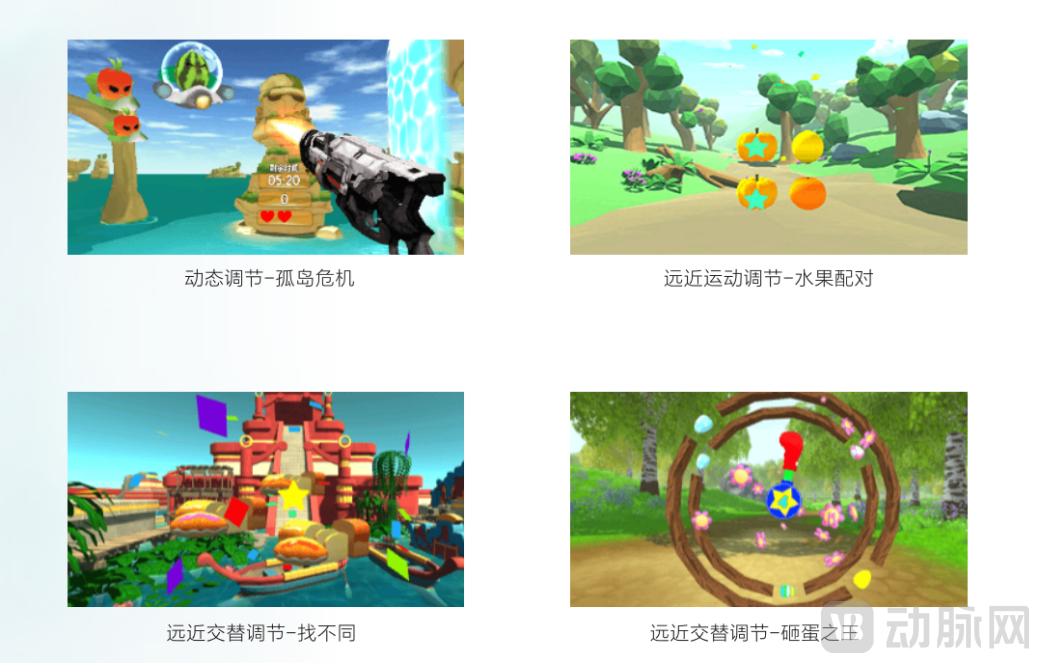 VR Accommodation Training Interface
Binocular Vision Function Training
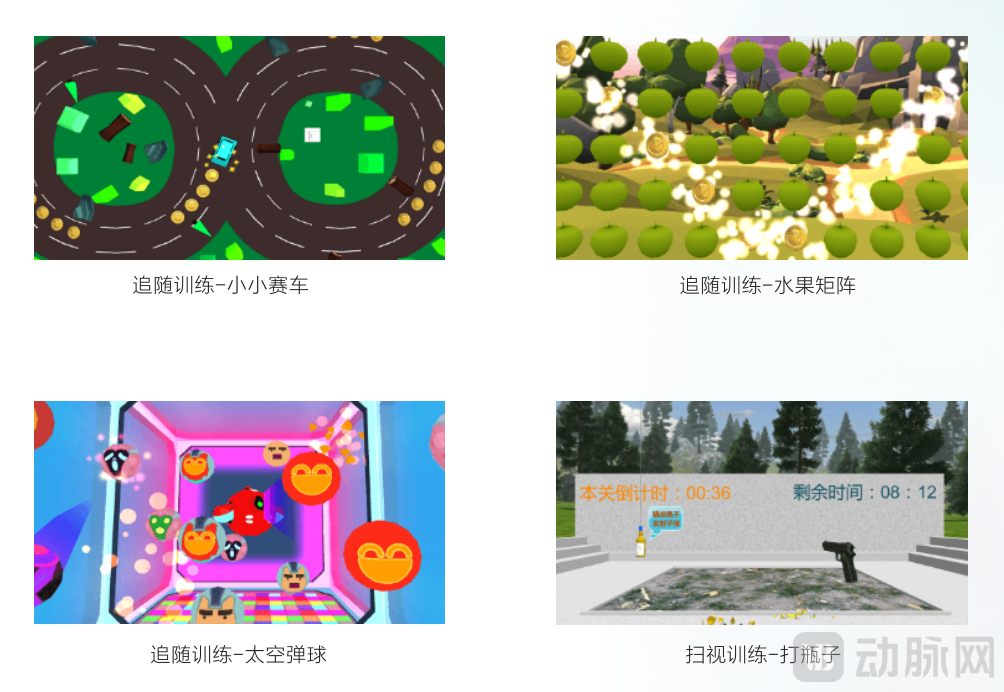 VR Eye Movement Training Interface
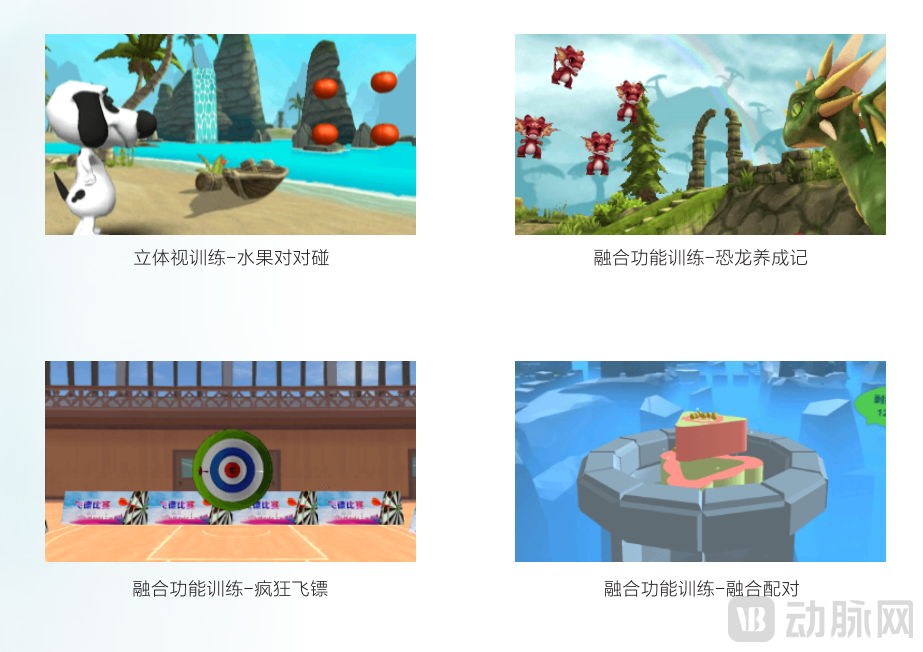 VR Visual Function Training Interface
“Beibeile” users can manage devices via the Eye Care Angel mobile app, with core parameters supporting cloud-based configuration. Its cloud system leverages big data and intelligent analytics to generatePersonalized training plans, scheduled reminders, and training history tracking to help cultivate eye care exercise habits.
In addition to treating pseudomyopia and providing adjunctive therapy for mixed myopia and refractive myopia, “Beibele” can also serve as an adjunctive treatment for moderate ametropic, anisometropic, and strabismic amblyopia in children and adolescents, indicating a broad range of indications. In terms of cost, if users begin wearing “Beibele” at age 8 and continue until age 18,The total lifecycle cost is as low as one-tenth that of orthokeratology lenses.
According to Zhou Mosheng, founder and chairman of Guanglang Shijing, market education for myopia prevention and control has been underway for over 20 years. Myopia management products such as orthokeratology (OK) lenses and red-light therapy devices are chosen by five to six million users annually. Parents have a high level of awareness regarding the risks associated with high myopia. As an innovative, safe, and effective intervention, “Beibele” holds significant market potential.
The successful launch of “Beibeile” is just the tip of the iceberg in DOBOSO’s expansion into the ophthalmic digital therapeutics market. In the future, DOBOSO will consolidateTreatment of Strabismus and Amblyopia in ChildrenContinue to expand on the basis of core positionsDry Eye Disease, Presbyopia Visual Function Rehabilitation Market, and Post-Refractive Surgery Visual Function RehabilitationMarket, Develop “Intelligent, VR/AR-enabled, Full-screen, Hardware-integrated, Diversifiedophthalmic digital therapeutics products, and strengthen KOL development as well as patient-physician education.
In terms of market expansion, Guanglang Shijing will leverage the sales network system of its predecessor, DOBOSO, to further enhance coverage and penetrate deeper into lower-tier markets. Meanwhile, it will establish an internet-based ophthalmology hospital and launch visual health experience centers, thereby achievingOnline and Offline, Within and Beyond the Hospitalcomprehensive layout. In addition, DOBOSO will establish an artificial intelligence research team to develop AI-based eye disease screening products compatible with its offerings, and expand into international markets at the appropriate time.
In terms of industry promotion, Guanglang Shijing has participated in the formulation of the White Paper on the Current Status of Digital Therapeutics for Pediatric Strabismus and Amblyopia in China, contributing to the formation of expert consensus in the field of ophthalmic digital therapeutics. The company will also establish an advisory board of pediatric ophthalmology experts, conduct multi-center randomized controlled trials (RCTs) for various diseases, link industry resources, and build a comprehensive ecosystem for the ophthalmic digital therapeutics industry, thereby achieving “Creating Enjoyable Training Methods to Promote Human Visual Health” corporate mission.