

2021 Forum on Smart Diagnostics Achievements and Industrial Innovation Concludes Successfully in Baoshan, Shanghai
On January 9, 2022, the “2021 Smart Diagnostics Achievement Transformation and Industrial Innovation Forum” successfully concluded. Guided by the Shanghai Baoshan District Science and Technology Commission and the Administrative Committee of Shanghai Baoshan High-Tech Industrial Park, and hosted by the Baoshan Smart Diagnostics Medical R&D and Translation Functional Platform and VCBeat VB100, with HistoMed N-Media as the organizer, the forum centered on the theme “Embracing the New Digital Economy, Pioneering a New Future in Healthcare.” It focused on the challenges and opportunities facing the development of smart diagnostics amid digital transformation, providing a platform for exchange and collaboration among government, industry, healthcare providers, academia, and research institutions in the smart diagnostics sector.
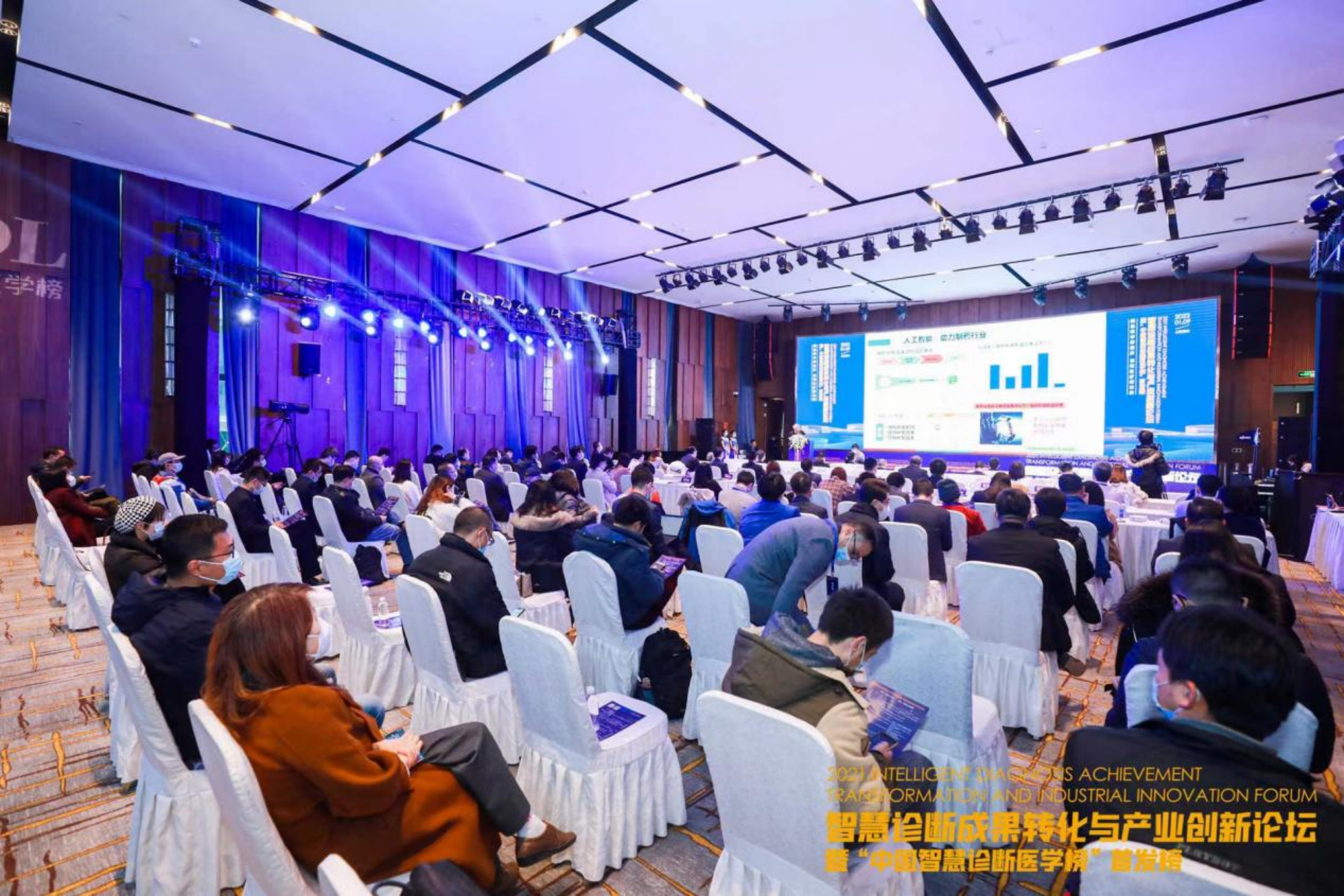
Led by Academician Ding Jian of the Chinese Academy of Engineering and Zhou Gongwei, Deputy Director of the Statistical Information Center of the National Health Commission, the conference brought together top industry experts and leaders of innovative enterprises, including Zheng Junhua, Party Secretary of Renji Hospital Affiliated to Shanghai Jiao Tong University School of Medicine and leader/Party branch secretary of Shanghai’s first medical aid team to Hubei; Zhou Shaohua, Chair Professor at the University of Science and Technology of China and Member of the U.S. National Academy of Inventors; and Qi Hua, Chairman of Sinotest Biology. They shared insights and engaged in intellectual exchanges, exploring innovation and development in the field of smart diagnostics from perspectives such as policy, market, technology, clinical translation, and the innovation ecosystem. Liu Jianzhong, Director of the Baoshan District Science and Technology Commission; Liu Huibin, Director of the Management Committee of Baoshan High-Tech Industrial Park; Shi Minghong, Director of the Baoshan District Economic Commission; and Leng Weiwei, Deputy Director of the Baoshan District Science and Technology Innovation Commission (District Investment Promotion Office), attended the conference and unveiled the rankings.
At the conference, Liu Huibin, Director of the Management Committee of Baoshan High-Tech Industrial Park, delivered a welcome address, extending warm greetings and sincere gratitude to all industry experts who participated in and supported the event. Director Liu pointed out that Baoshan District is steadfastly upholding the banner of “Sci-Tech Innovation Baoshan,” comprehensively promoting the high-quality development of emerging industries, making every effort to advance the “Northern Transformation” initiative, and accelerating its establishment as the main hub of Shanghai’s Science and Technology Innovation Center.
The Baoshan Smart Diagnostic Medicine R&D and Translation Functional Platform, a key initiative in Baoshan District, focuses on the development of smart and digital diagnostics. It actively promotes R&D and the translation of technological achievements into practical applications, aiming to establish smart diagnostics as a distinctive hallmark of Baoshan District. Director Liu Huibin stated that outstanding entrepreneurs in the smart diagnostics industry are welcome to innovate and start businesses in Baoshan, Shanghai. Baoshan District is committed to providing high-quality services and fostering a favorable environment for innovation and entrepreneurship.
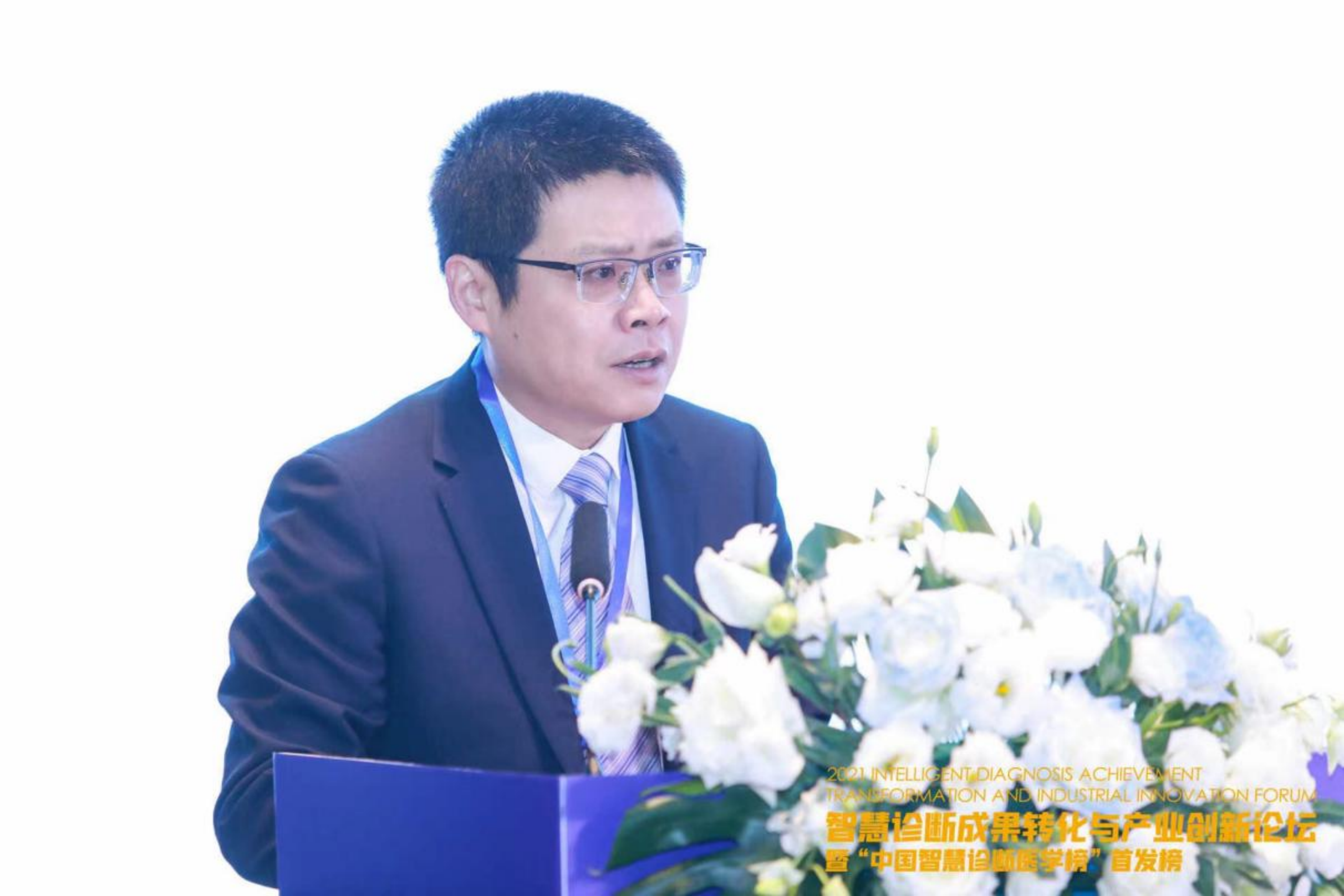
Liu Huibin, Director of the Administrative Committee of Baoshan High-Tech Industrial Park
Top-Tier Expert Panel: Multi-Dimensional Interpretation of Smart DiagnosticsTrends
Academician Ding Jian of the Chinese Academy of Engineering and researcher at the Shanghai Institute of Materia Medica, Chinese Academy of Sciences, delivered a presentation titled “Applications and Development of Smart Medicine in Diagnosis, Treatment, and New Drug R&D,” starting from the academic frontier. In the field of oncology diagnosis and treatment, artificial intelligence (AI), particularly through the use of deep learning, has made rapid strides. As an auxiliary tool for pathologists, AI can help oncologists address certain challenges arising in companion diagnostic analyses based on genetic or tissue-specific biomarkers. In new drug research and development (R&D), leveraging AI can shorten development timelines, improve R&D efficiency, and control costs. Academician Ding Jian believes that precision drug design, combining AI with big data, offers new strategic opportunities for new drug R&D. However, several issues remain to be gradually resolved, including in-depth mining of big data, information security and privacy protection in data sharing, related ethical concerns, cultivation and discovery of relevant technical talent, and consolidation and development of technological foundations. Finally, Academician Ding Jian expressed his vision for the future blueprint of smart medicine.
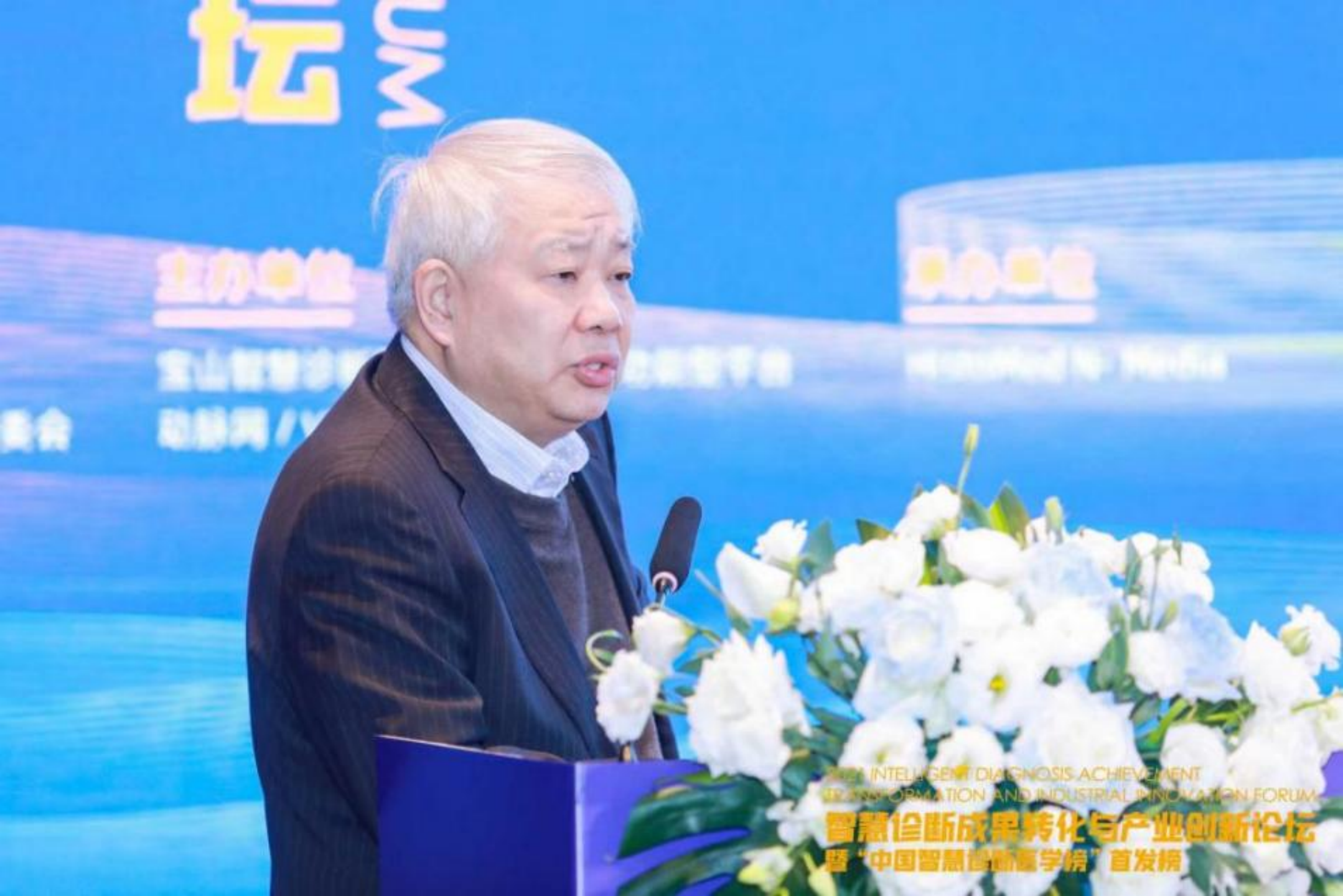
Academician of the Chinese Academy of Engineering, Researcher at the Shanghai Institute of Materia Medica, Chinese Academy of Sciences Ding Jian
Zhou Gongwei, Deputy Director of the Statistical Information Center of the National Health Commission, analyzed the topic “The Surging Digital Transformation of the Diagnostic Industry Under the 14th Five-Year Plan” against the backdrop of digital transformation, structuring his analysis into three parts. The first part addressed the foundations of digital transformation. Rapid development and significant achievements have been made in information systems, the application of information technology, IT support for epidemic prevention and control, as well as health statistics and the development of informational talent pools. These accomplishments have laid a solid foundation for the digital transformation of health during the 14th Five-Year Plan period and have gathered substantial momentum for reform and innovation in China’s health sector. The second part examined the opportunities and challenges facing digital development during the 14th Five-Year Plan. While priority areas such as digital government initiatives accelerating data sharing and digital society efforts providing convenient and accessible public health services have placed health at the forefront, significant pressure remains regarding the open utilization of data resources and ensuring their security, requiring concerted efforts to overcome these challenges. The third part explored the digital transformation of health during the 14th Five-Year Plan. China’s health sector is at a critical juncture, transitioning from informatization construction to intelligent applications and digital operations. Director Zhou emphasized that in upgrading digital infrastructure, it is essential to unleash the potential of new infrastructure development. In addressing data as a strategic resource, focus should be placed on data governance and ensuring data security.
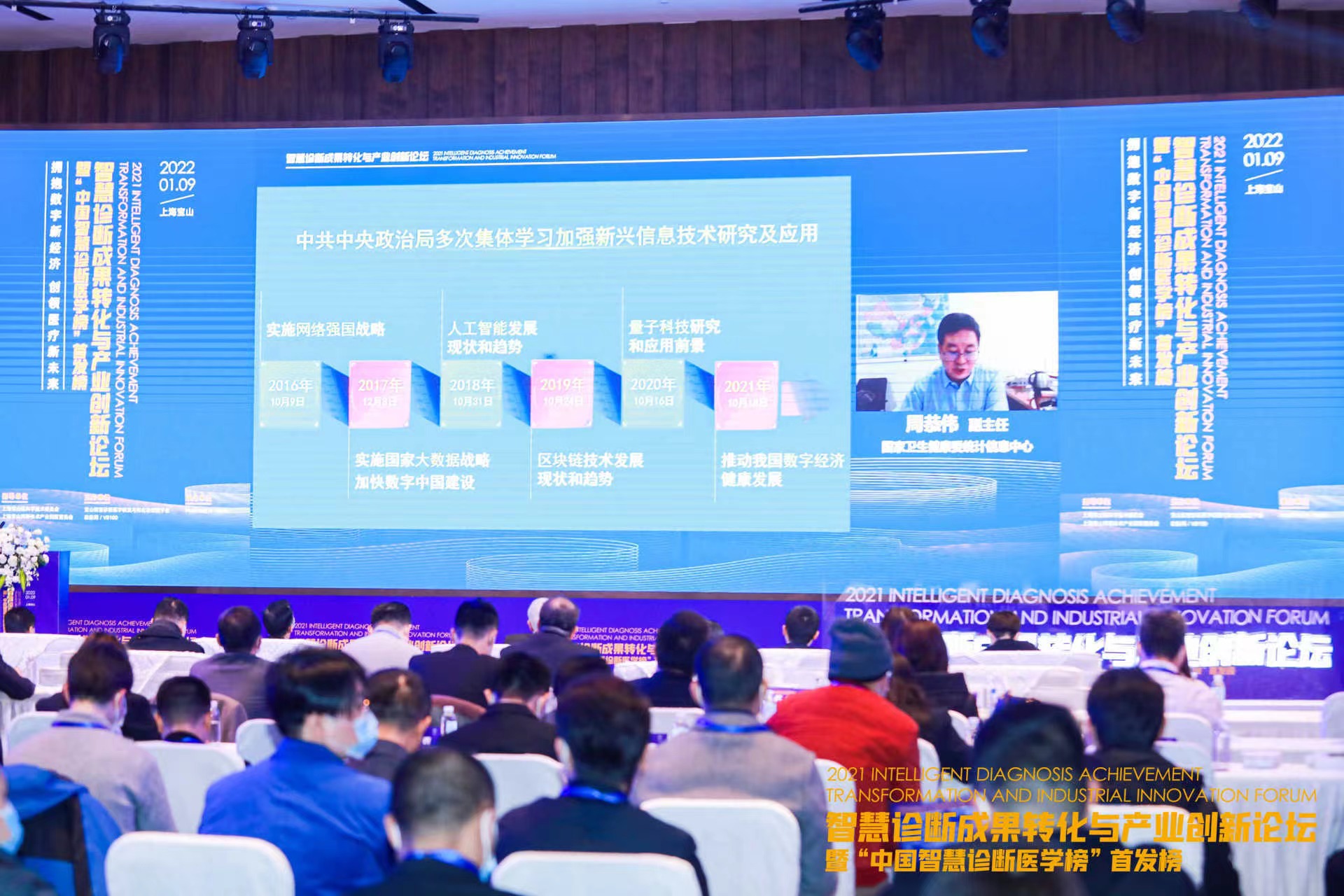
Deputy Director of the Statistical Information Center, National Health Commission Zhou Gongwei
As a representative of the hospital experts at this conference, Zheng Junhua, Party Secretary of Renji Hospital Affiliated to Shanghai Jiao Tong University School of Medicine, delivered a speech on basic and translational research in renal cell carcinoma from a clinical perspective. Secretary Zheng pointed out that the fundamental driver of clinical advancement lies in addressing issues in both basic and clinical research, emphasizing that insights derived from clinical practice must ultimately be applied back to clinical care. Finally, Secretary Zheng stated that the world has entered the era of cancer atlas; if tumor prognosis can be understood more individually within the scope of precision medicine, this field will hold great promise for the future.
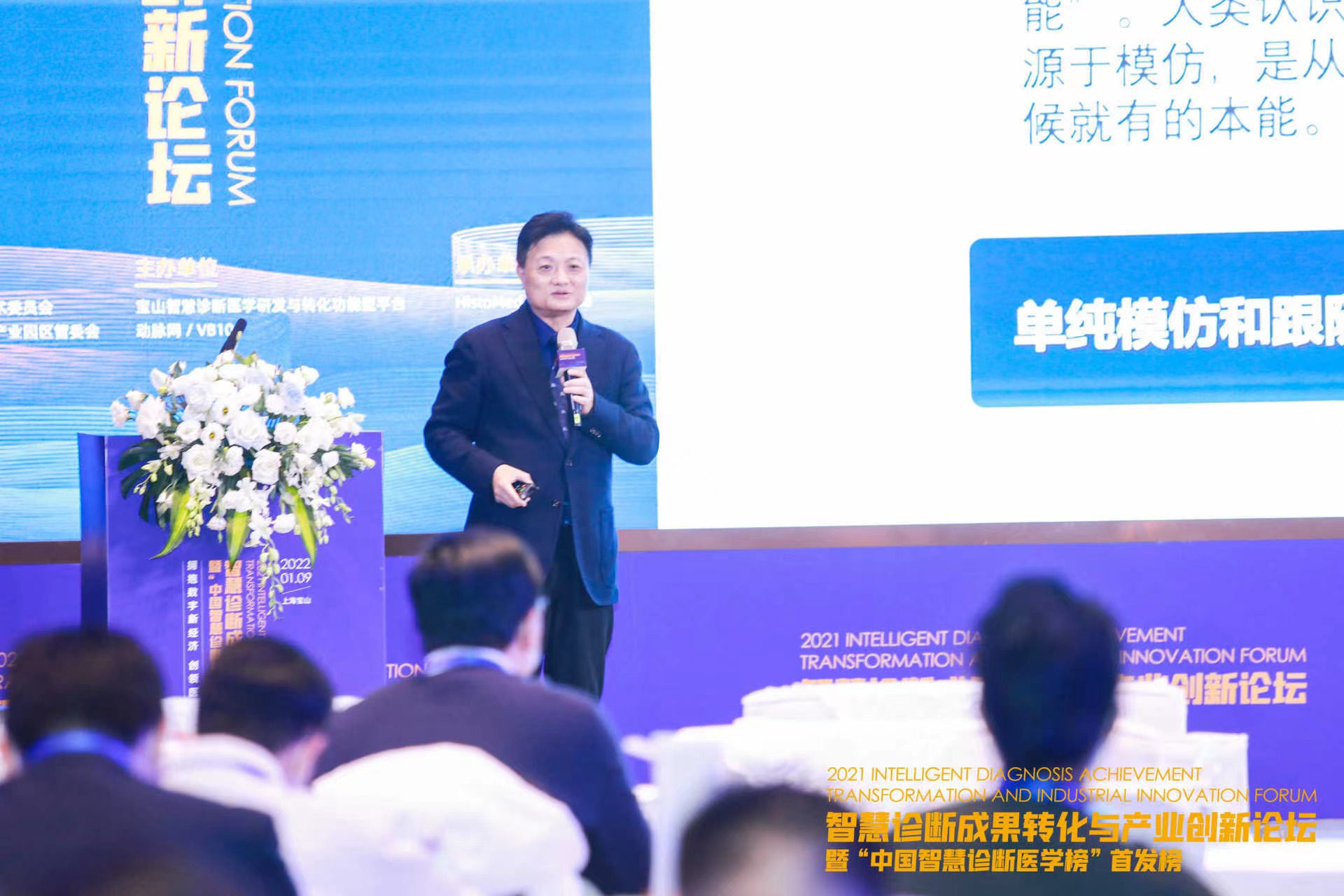
Secretary of the Party Committee, Renji Hospital Affiliated to Shanghai Jiao Tong University School of Medicine; Leader and General Party Branch Secretary of Shanghai’s First Medical Aid Team to Hubei
Zheng Junhua
Chair Professor at the University of Science and Technology of China and Member of the U.S. National Academy of Inventors, Zhou Shaohua, provided a profound analysis of the development of artificial intelligence in medical imaging, examining its characteristics, technologies, and trends from multiple dimensions. Professor Zhou pointed out that medical imaging and current algorithms have distinct technical features, thereby introducing the “crown jewel” challenge in medical imaging: “small tasks with big data.” Finally, Professor Zhou presented several explorations conducted by his team: first, how to reduce reliance on annotated data; second, how to build versatile, general-purpose models; and third, how to integrate learning with knowledge.
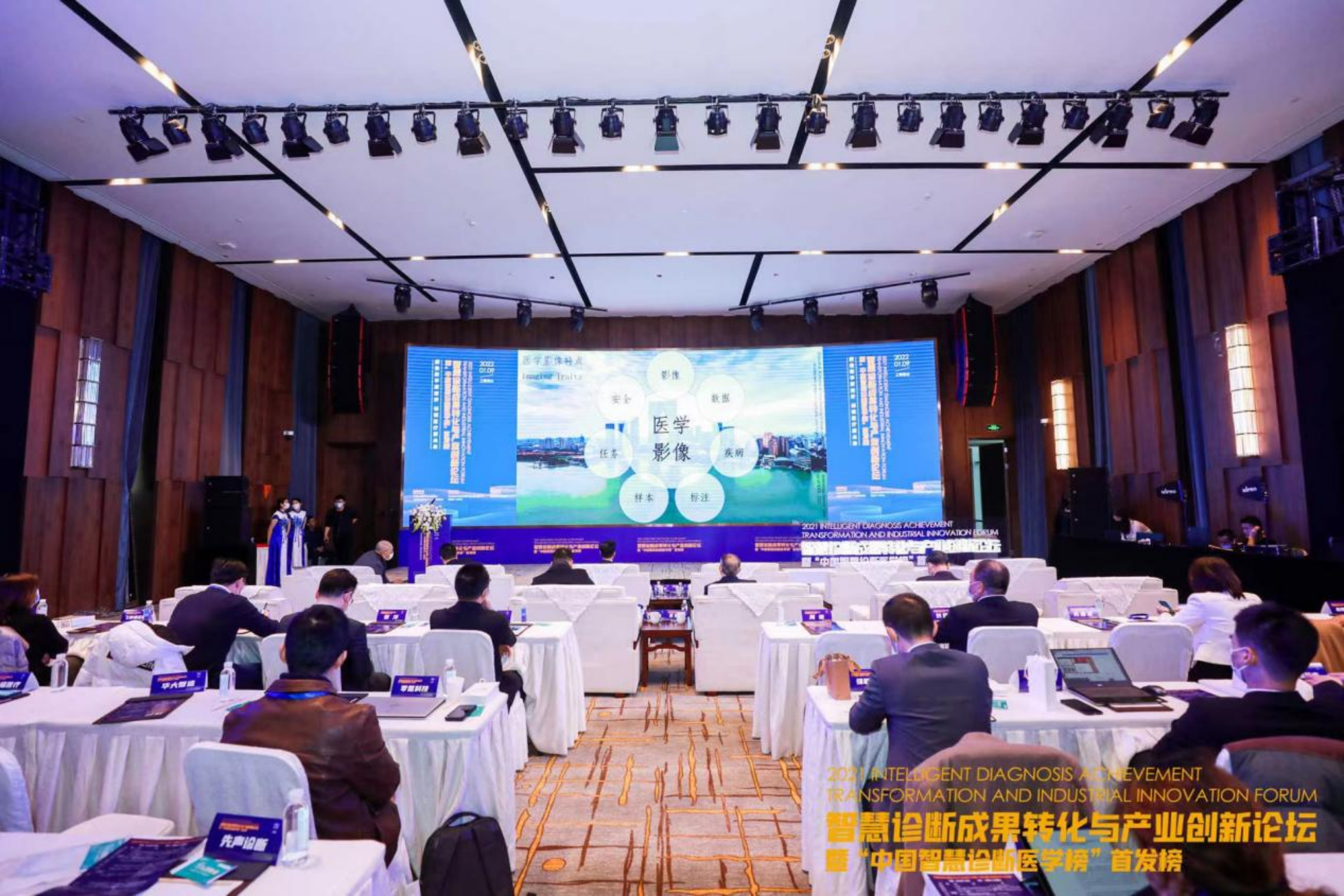
3Release of the Rankings for Major Sub-sectors,The Visionaries of Future Medical Innovation
Shanghai’s Baoshan District has established “building the main hub of the Shanghai Science and Technology Innovation Center” as its core development strategy for the next five years and beyond. Accelerating the establishment of the smart diagnostics industry in Baoshan is one of the key measures to build this main hub. The release of the “China Smart Diagnostics Medicine Ranking” will be another important step in creating a distinctive brand identity for Baoshan.
Shi Minghong, Director of the Baoshan District Economic Commission; Liu Huibin, Director of the Management Committee of Baoshan High-Tech Industrial Park; Liu Jianzhong, Director of the Baoshan District Science and Technology Commission; and Leng Weiwei, Deputy Director of the Baoshan District Science and Technology Innovation Commission (District Investment Promotion Office) (from left to right), unveiled the emblem for the “2021 China Smart Diagnostic Medicine List” and designated its permanent host location. Going forward, the “Smart Diagnostic Technology Transfer and Industrial Innovation Forum” will be held annually in Baoshan, Shanghai, to support the research, development, and commercialization of smart medical technologies and products, build a service platform for the industrialization of medical technology achievements, and promote industrial transformation and upgrading.
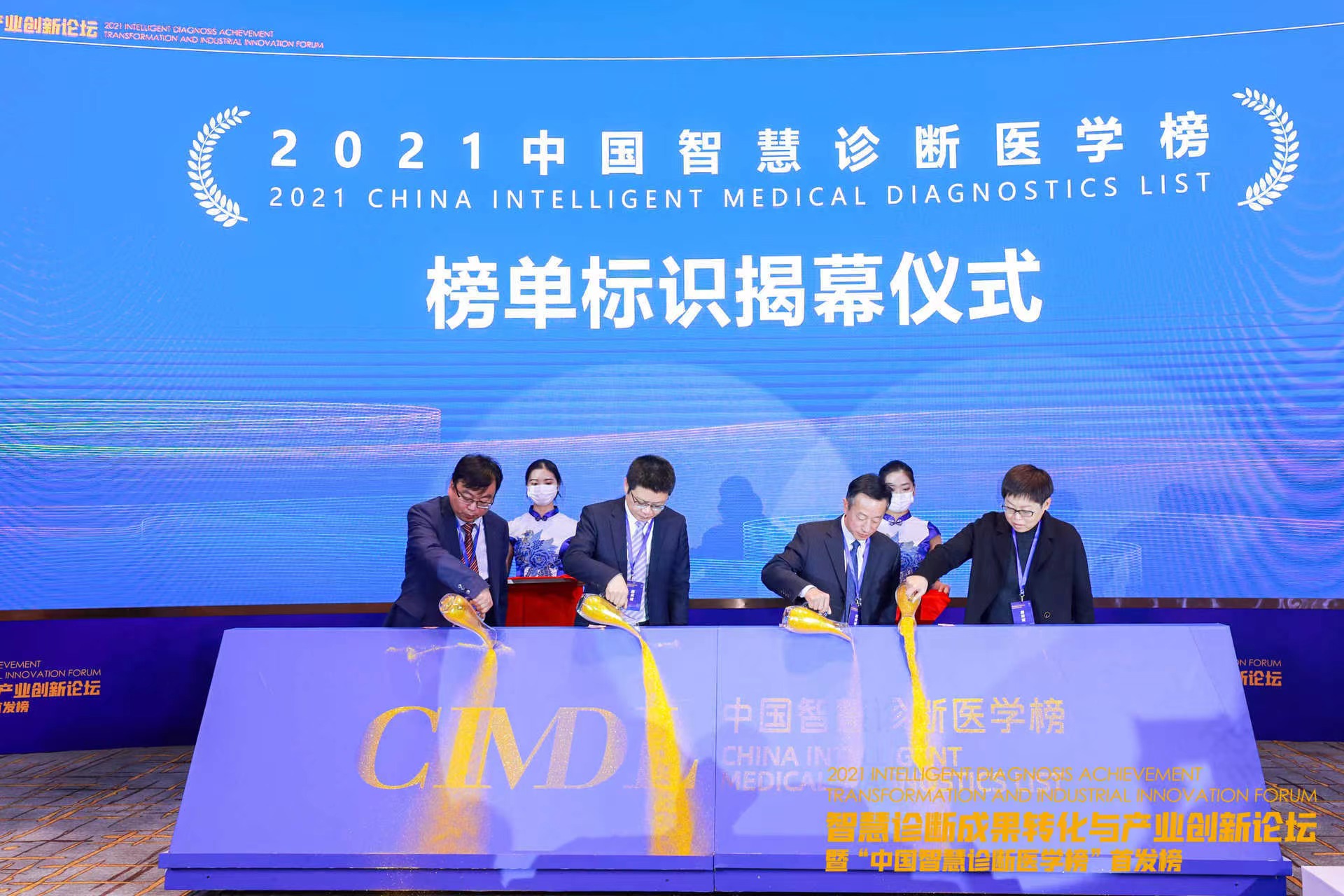
From left to right: Director Shi Minghong, Director Liu Huibin, Director Liu Jianzhong, and Deputy Director Leng Weiwei.
The “2021 China Smart Diagnostic Medicine List” unveiled rankings in three specialized categories: high-end medical imaging equipment, digital intelligent computer-aided diagnosis, and innovative in vitro diagnostics—high-throughput sequencing. Ding Xianting, Professor at the School of Biomedical Engineering of Shanghai Jiao Tong University, Director of the Molecular and Nanomedicine Platform, and Executive Vice Dean of the Institute for Personalized Medicine; Tang Feng, Director of the Department of Pathology at Huashan Hospital Affiliated to Fudan University and Director of the Shanghai Huashan Hospital Standardized Residency Training Base; and Yi Xianghua, President of the Pathologist Branch of the Shanghai Medical Doctor Association and Director of the Department of Pathology at Tongji Hospital Affiliated to Tongji University, served as presenters, conferring awards upon representatives from 30 of the most representative and high-growth innovative enterprises in the smart diagnostics sector for 2021.

Innovative Enterprise Leaders Gather to Discuss the Smart Diagnostic Innovation Ecosystem
Mr. Wang Depeng, CEO of Hope Genomics, delivered a presentation titled “Opportunities and Challenges in Long-Read Sequencing Technology.” He stated that Hope Genomics plans to establish a new diagnostic paradigm for genetic diseases by employing short-read sequencing for first-line diagnostics and long-read sequencing for second-line diagnostics. This year, innovative long-read technologies have enabled the assembly of the human genome into a complete T2T (Telomere-to-Telomere) map. Long-read sequencing allows for comprehensive detection of various complex structural variants, indicating that the technology has largely matured. Mr. Wang proposed that leveraging long-read sequencing to address the 98% non-coding regions, or even every base across the entire genomic sequence, to tackle undiagnosed diseases in fields such as genetics, reproduction, oncology, and pathogen identification, will present entirely new opportunities.
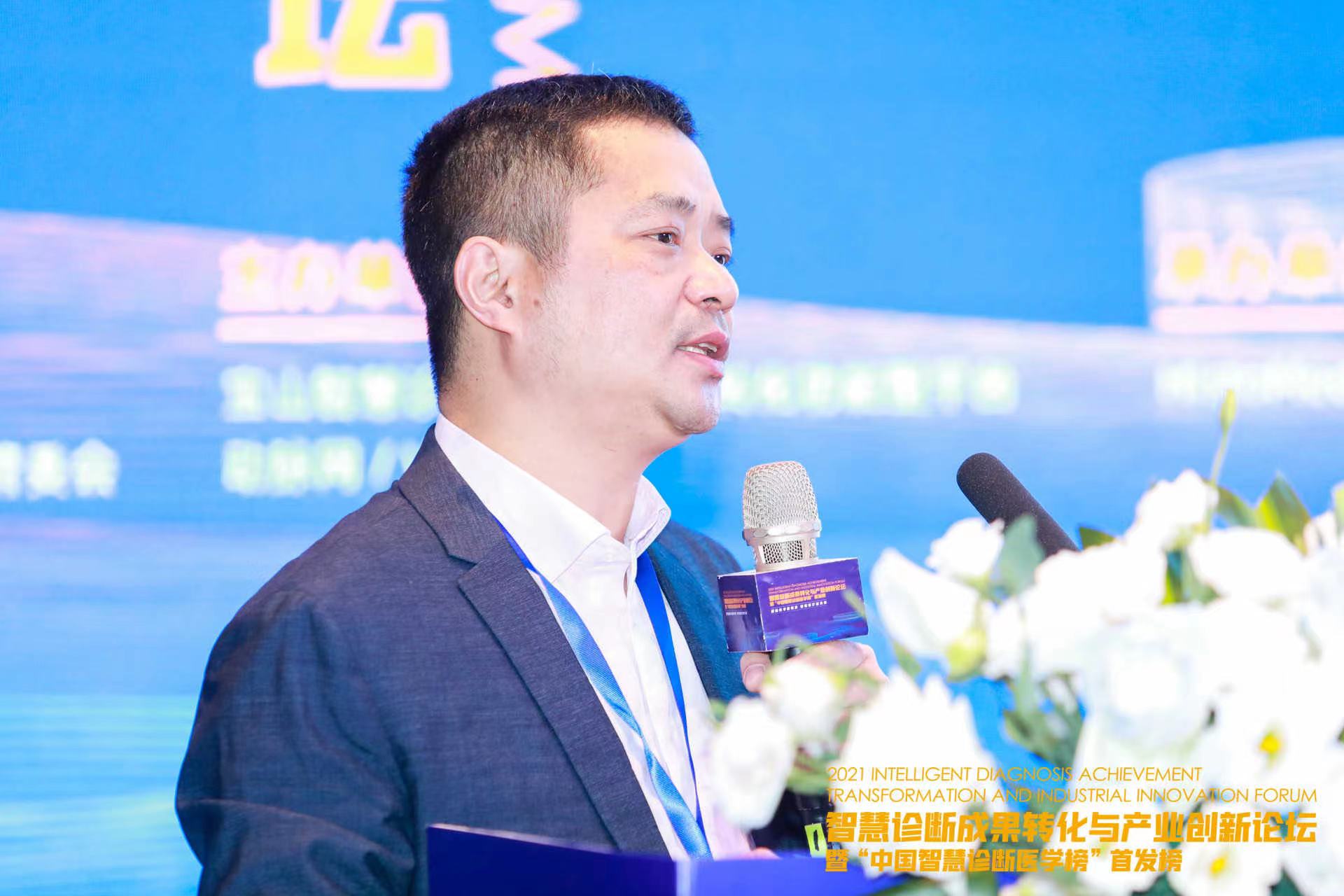
Wang Depeng, CEO of Hope Group
Yang Zhenzhou, General Manager of the Pathology Division at Fosun Xingmai, discussed advances in AI-powered pathology, highlighting three key areas: big data, specific AI algorithms, and remote diagnosis. In collaboration with the government, Fosun Xingmai provides big data resources, remote diagnostic services, and AI algorithms, supported by a robust research platform. The company is also developing AI-based diagnostic tools for breast cancer biomarkers. Looking ahead, Yang stated that Fosun Xingmai aims to achieve fully digital diagnosis without physical slides or microscopes. This transformation will proceed in three stages: first, digitizing and storing entire physical slides; second, implementing information systems; and third, enabling remote diagnosis.

Yang Zhenzhou, General Manager of the Pathology Division, Fosun Xingmai
Zhu Bin, General Manager of the Imaging Division at UnionStrong Intelligence, delivered a presentation titled “The Application of Artificial Intelligence in the Diagnosis and Treatment of Stroke in the Digital Wave.” He introduced UnionStrong Intelligence’s foundational technological research and the strengths of its expert team. Through three projects supported by the Ministry of Science and Technology and more than ten provincial and municipal projects, the company has collaborated with clinical experts to identify, define, and address clinical pain points, while commercializing research outcomes. Focusing on the vertical domain of stroke, UnionStrong Intelligence emphasizes prevention, treatment, and emergency care, providing comprehensive intelligent assistance solutions across the entire diagnostic and therapeutic workflow for all types of hemorrhagic and ischemic stroke.
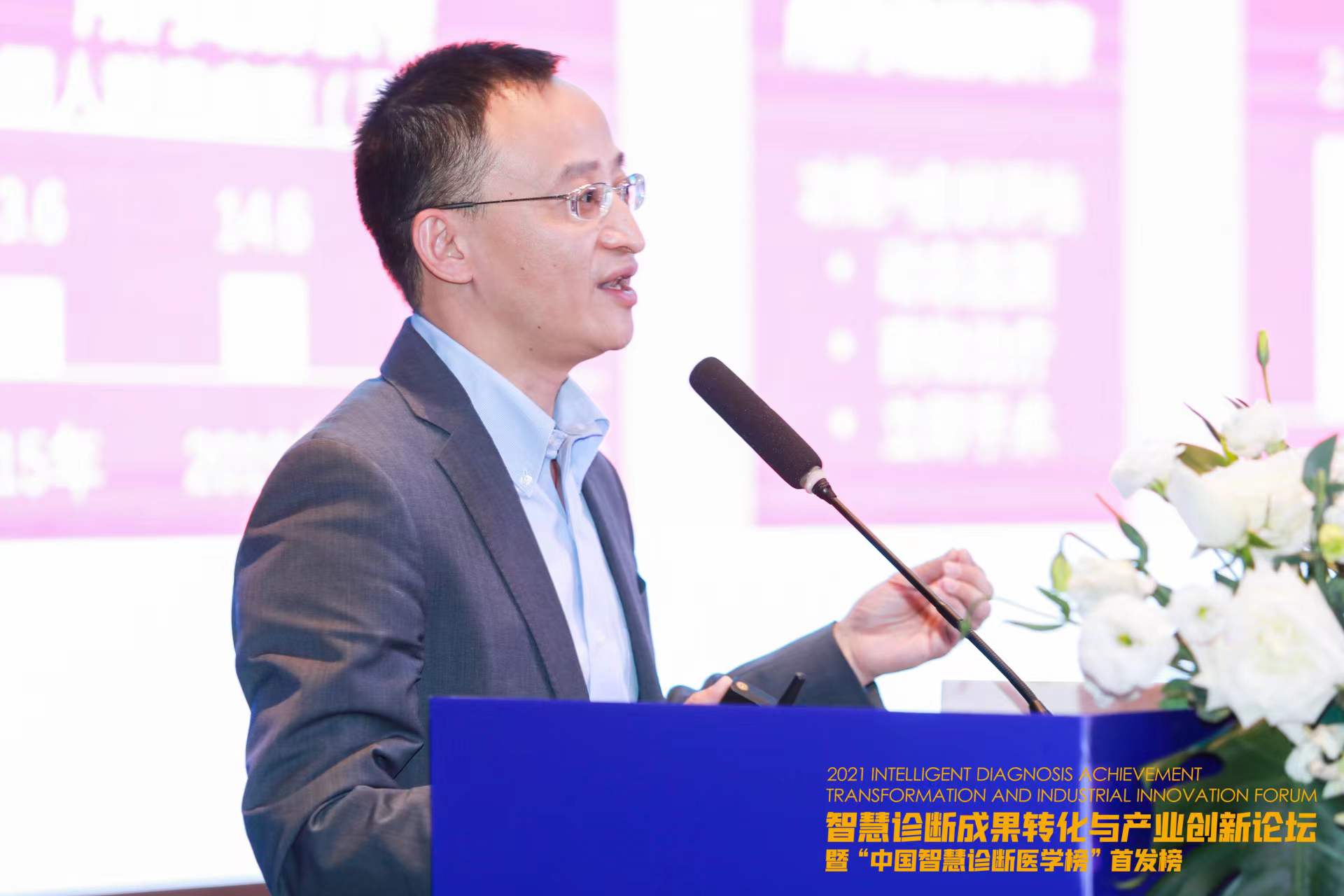
Zhu Bin, General Manager of the Imaging Business Division at Qianglian Zhichuang
Dr. Wu Yifei, Founder and Chairman of Yinjia Bio, shared his insights on the topic “Precision Diagnosis and Treatment: Reflections on Core Competitiveness.” Dr. Wu stated that Yinjia Bio is a protein platform company focused on the extensive applications of proteins in the biopharmaceutical field. By integrating cutting-edge interdisciplinary technologies, the company develops core upstream raw materials and extends its reach into precision diagnostics and companion diagnostics. Yinjia’s breakthroughs in high-end raw materials also benefit downstream innovative products, including precision diagnostics, vaccines, cell therapies, and new drug development. Currently, the company has established collaborations across various sectors, such as new drug development, diagnostics, vaccines, and cell therapy.
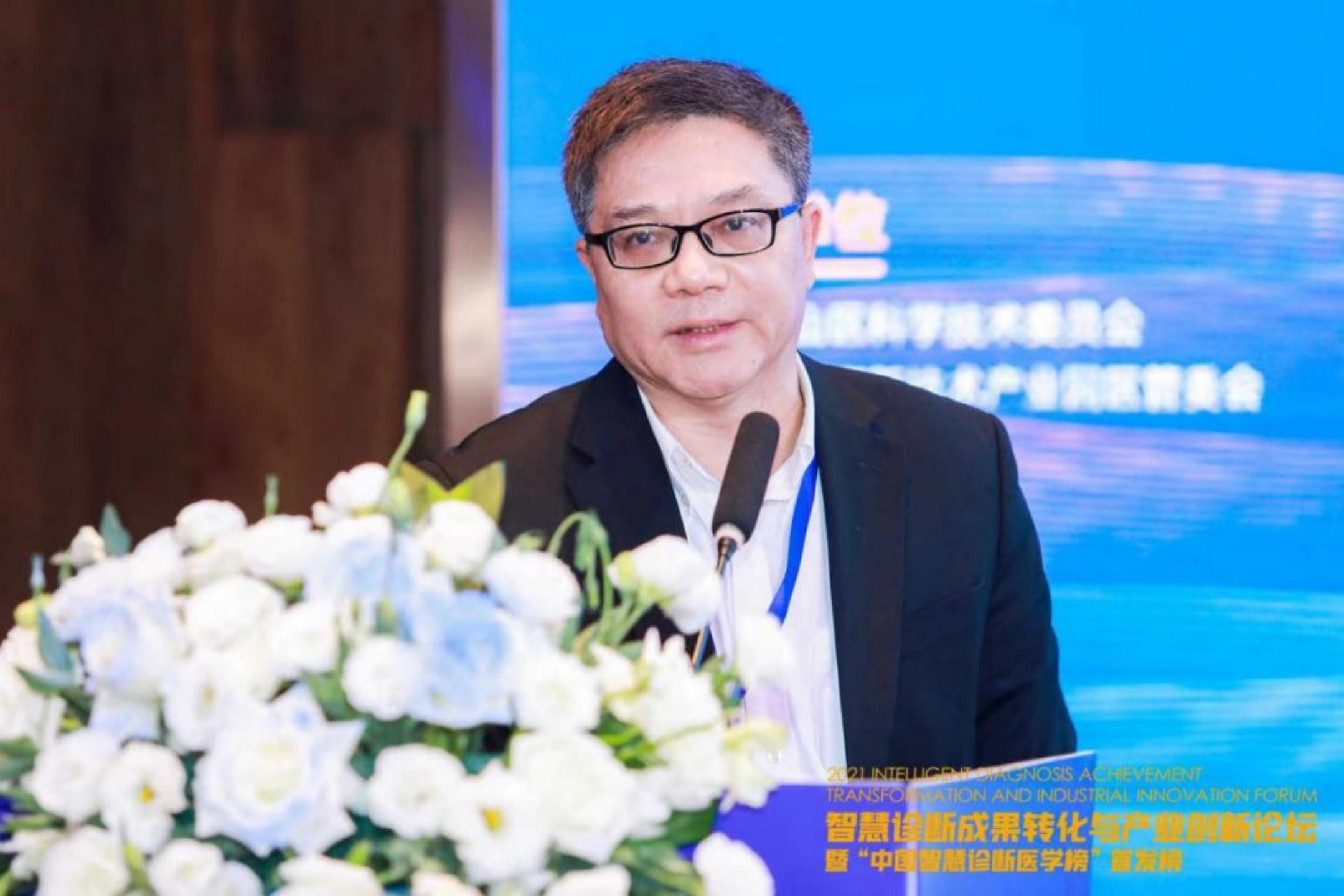
Wu Yifei, Founder and Chairman of Yinjia Bio
Expert Roundtable,New Technologies, New Scenarios, and New Trends in Intelligent Diagnosis
With the advancement of technologies such as artificial intelligence, 5G, big data, and cloud computing, smart diagnostics—a frontier field in medical diagnosis—has made significant progress. Investment and financing activities have remained robust, and the industry is accelerating from early-stage R&D toward the translation and practical application of innovations. Addressing the current challenges and future development directions of the sector, Zhou Mi, Managing Partner at Puhua Capital; Wang Chaofu, Chair of the Department of Pathology at Shanghai Jiao Tong University School of Medicine and Director of the Department of Pathology at Ruijin Hospital; Qi Hua, Chairman of Sinotest Biology; Liu Bingxian, Chairman and General Manager of Jiangfeng Bio; and Duan Qi, CTO of SenseTime Smart Health, engaged in a high-level dialogue.
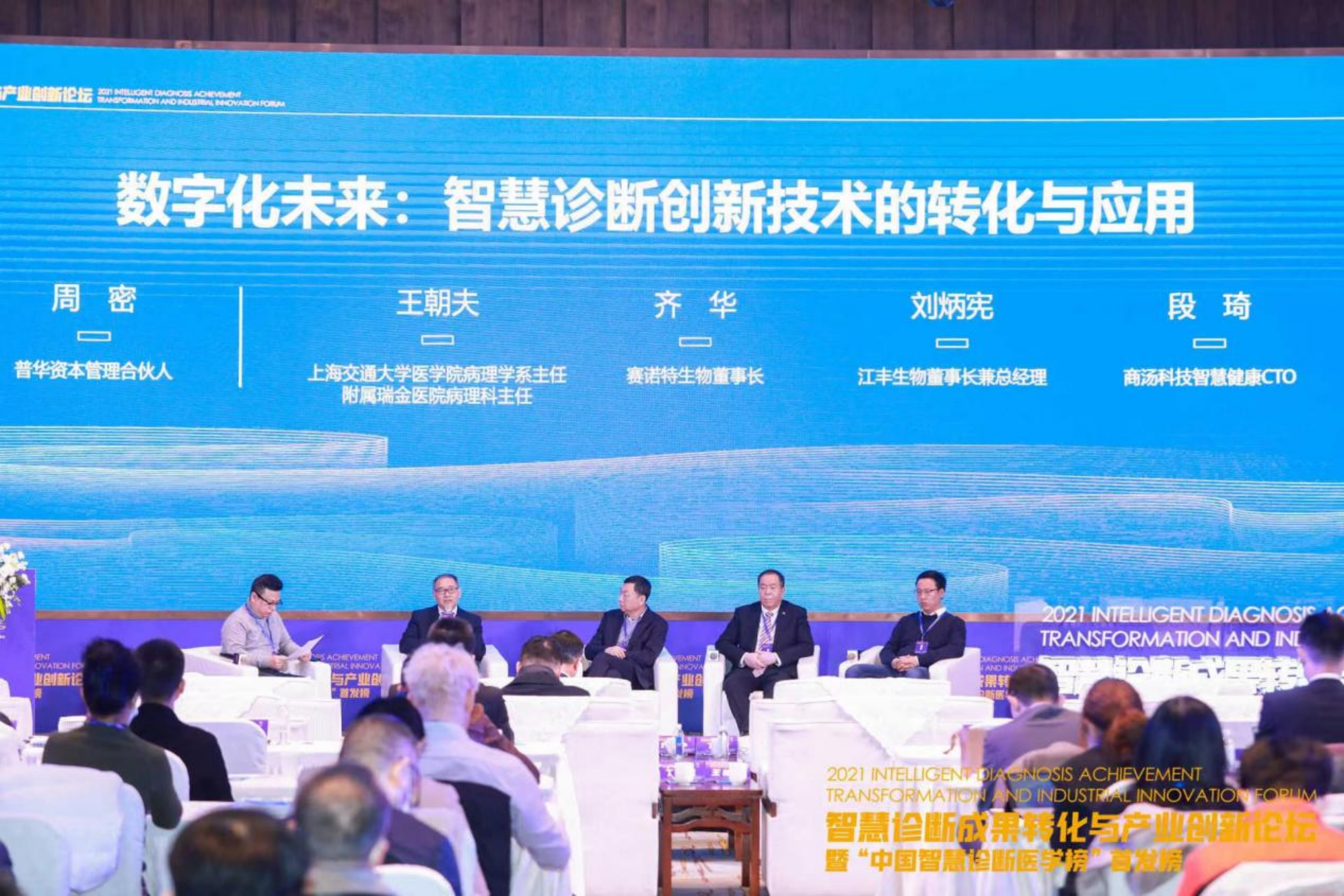
As a representative of authoritative clinical experts, Professor Wang Chaofu, Director of the Department of Pathology at Shanghai Jiao Tong University School of Medicine and Director of the Department of Pathology at Ruijin Hospital, shared insights on the demands for smart pathology and the development of digitalization in hospital settings. He pointed out that there is currently a shortage of pathological talent in China, and the emergence of smart pathology can effectively improve the efficiency and quality of pathological diagnosis, thereby addressing the imbalance between supply and demand. However, smart pathology currently faces many challenges, such as fragmented research and a lack of statistical standards. Professor Wang believes that the development of smart pathology should follow a three-step approach: from digital pathology to intelligent pathology, and finally to smart pathology. This requires collaborative innovation among industry, academia, research institutions, and medical practitioners to jointly promote its advancement.
Qi Hua, Chairman of Sinotell Biology, approached the topic from an industry perspective, asserting that intelligent pathology, serving as an assistant to pathologists, should address the cumbersome, repetitive, and computational tasks within pathology departments. Citing examples from the specialized field of immunohistochemistry, Qi Hua proposed that intelligent diagnostics will assist pathologists in areas such as quantitative analysis, tumor screening, and multi-target diagnosis, with applications spanning various stages including tumor diagnosis, prognosis, and companion diagnostics.
Digitization of tissue sections is the foundation and key to the digital transformation of pathological diagnosis. In this regard, Jiangfeng Bio undoubtedly stands as a representative and leader among domestic brands. Liu Bingxian, Chairman and General Manager of the company, noted that digital pathology significantly facilitates remote consultations, remote diagnostics, and the improvement of diagnostic capabilities at primary healthcare levels. Currently, digital pathology encompasses broader implications. Jiangfeng Bio has also launched a series of products and solutions for whole-process pathological information management and AI-assisted diagnosis, contributing to more accurate diagnoses by physicians and promoting the digitization, automation, and intelligence of pathology departments, ultimately achieving smart pathology.
SenseTime is committed to empowering healthcare through artificial intelligence, driving the development of specific scenarios such as telemedicine and tiered diagnosis and treatment. Duan Qi, CTO of SenseTime’s Smart Health division, stated that SenseTime has established industrial layouts spanning from medical big data management to medical imaging analysis, pathology, genomics, and new drug R&D. The company continues to invest in AI healthcare talent to further empower clinical practice and medicine. Looking ahead, Mr. Duan suggested that more fields, including pathology and new drug development, are likely to achieve deeper integration with artificial intelligence. Leveraging robust platforms and computing power, AI may employ systematic approaches to integrate fragmented models and data, thereby unleashing a novel force for the development of the healthcare industry.
At the conclusion of the conference, a panel discussion was held under the moderation of Su Zhenbo, Founding Partner of Danlu Capital. The distinguished panelists included Ding Xianting, Professor at the School of Biomedical Engineering of Shanghai Jiao Tong University, Director of the Molecular and Nanomedicine Platform, and Executive Vice Dean of the Institute for Personalized Medicine; Zhan Huiying, Vice President of Business Operations at Benchmark Medical; Shen Shuo, CEO of Bosh Vision Medical; and Zhu Bin, General Manager of the Imaging Division at Qianglian Zhichuang. Centered on the theme “New Technologies, New Scenarios, and New Trends in the Development of the Intelligent Diagnostics Industry Amidst the Digital Wave,” the panelists engaged in a dynamic exchange of ideas. Drawing on their respective research focuses, core business activities, and current development status, they explored the pain points, opportunities, and challenges facing the industry in the digital era from the perspectives of technology, future scenario models, and emerging trends.
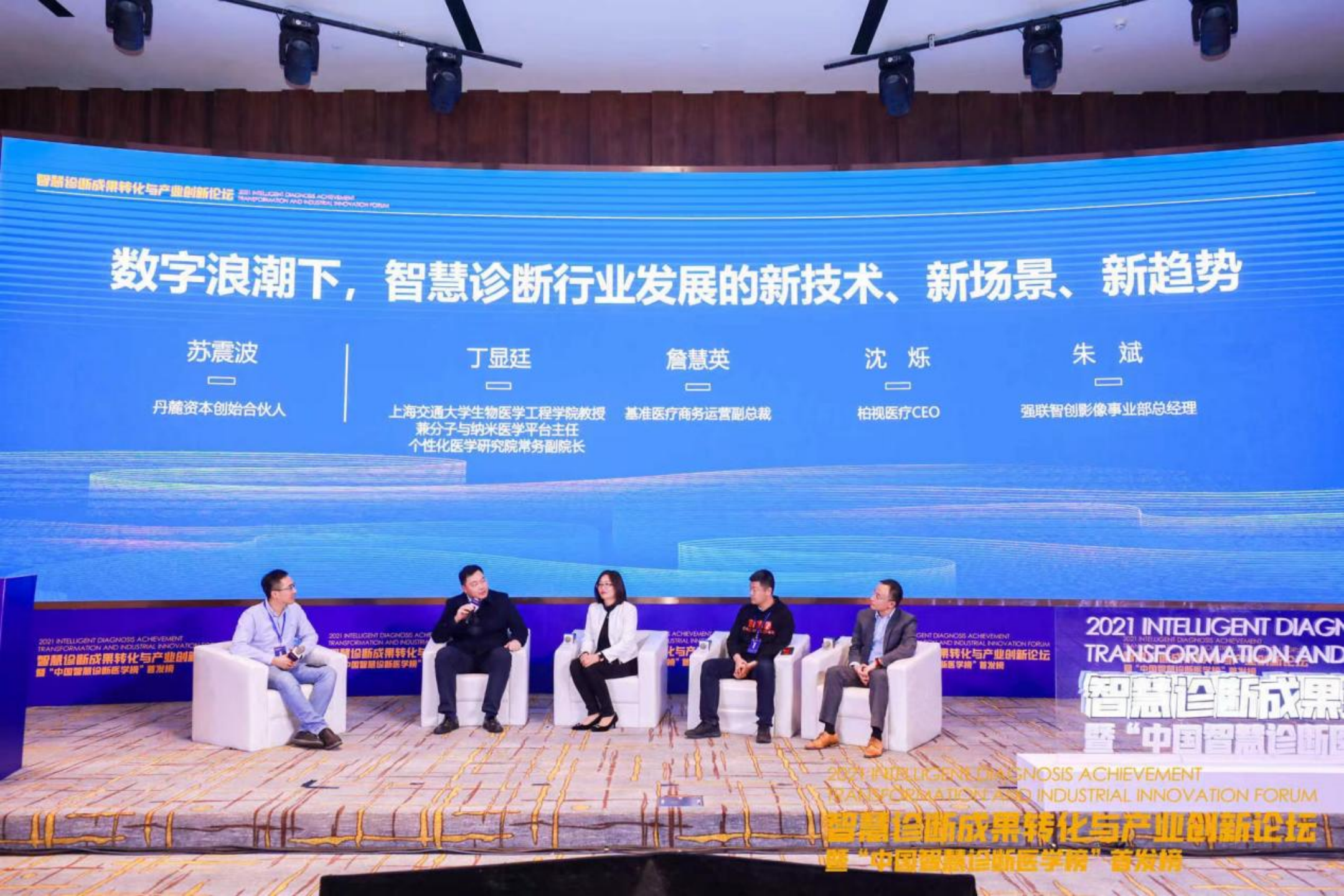
Ding Xianting, Professor at the School of Biomedical Engineering of Shanghai Jiao Tong University, Director of the Molecular and Nanomedicine Platform, and Executive Vice Dean of the Institute for Personalized Medicine, approaches the subject from an academic perspective. He posits that the classical approach to digital pathology involves AI-based analysis of medical images, and identifies two key requirements for improved acquisition of pathological information: first, increasing precision, and second, enhancing richness.
Jian Huiying, Vice President of Business Operations at Burning Rock Biotech, discussed two major pain points in early diagnostic screening: first, the need for product accessibility, and second, the current lack of large-scale prospective experimental studies and clinical validation. As a company dedicated to developing products for early cancer screening and diagnosis, Burning Rock Biotech launched the “Zhongsheng Project” in 2018—the world’s first large-scale prospective clinical validation study for early lung cancer screening. This project, conducted in collaboration with Academician Zhong Nanshan’s team, has spanned more than three years and included 10,560 samples in clinical trials. Such efforts require not only the accumulation of technology, samples, and experience, but also, more importantly, the passage of time, which represents a significant temporal barrier facing the entire industry.
Outlook on the Future of Intelligent Diagnosis in the Next Decade: Shen Shuo, CEO of Bosh Vision Medical, expressed hope for two key advancements. First, achieving a balance between data privacy and openness; second, addressing challenges in remote communication. Enhanced remote communication can improve efficiency and timeliness while helping to alleviate the imbalance of medical resources in China.
Zhu Bin, General Manager of the Imaging Division at Qianglian Zhichuang, pointed out that the construction of China’s first medical imaging database, initiated by the Chinese Society of Radiology, was launched in 2020, marking a strategic first step in the field of medical imaging. Standardizing and normalizing the annotation of data for relevant diseases within the database can attract more high-tech enterprises to learn and iterate on this platform, which is a crucial component in building China’s digital economy. Additionally, leveraging digital tools to reduce the risk of acute onset through early screening, while helping to raise patient awareness and improve diagnostic and treatment capabilities at the primary care level, represents another key direction of our efforts.
Government-Enterprise Collaboration for Mutual Development,Empowering Industrial Upgrading in Baoshan
That afternoon, a government-enterprise exchange session themed “Smart Diagnostics on the Fast Track” was held concurrently. The event brought together eight leading Chinese smart healthcare companies: Jinshi Technology, Ruixun Biology, Jialiang Medical, Zhiyuan Huitu, Tailai Biology, Triastek, Aibu Artificial Intelligence, and Linghang Genomics. Government representatives, including Liu Jianzhong, Director of the Shanghai Baoshan District Science and Technology Commission; Zhang Jun, Director of the Investment Promotion Center for the North Zone of the Shanghai Baoshan High-Tech Industrial Park Management Committee; and Yang Zhengrong, Director of the Investment Promotion Department for the South Zone, attended the meeting. They delivered speeches, introducing the relevant policies and resource advantages supporting Baoshan District’s development as the main hub of the Shanghai Science and Technology Innovation Center. The participants engaged in in-depth discussions to understand the companies’ development needs and promote high-quality industrial growth.
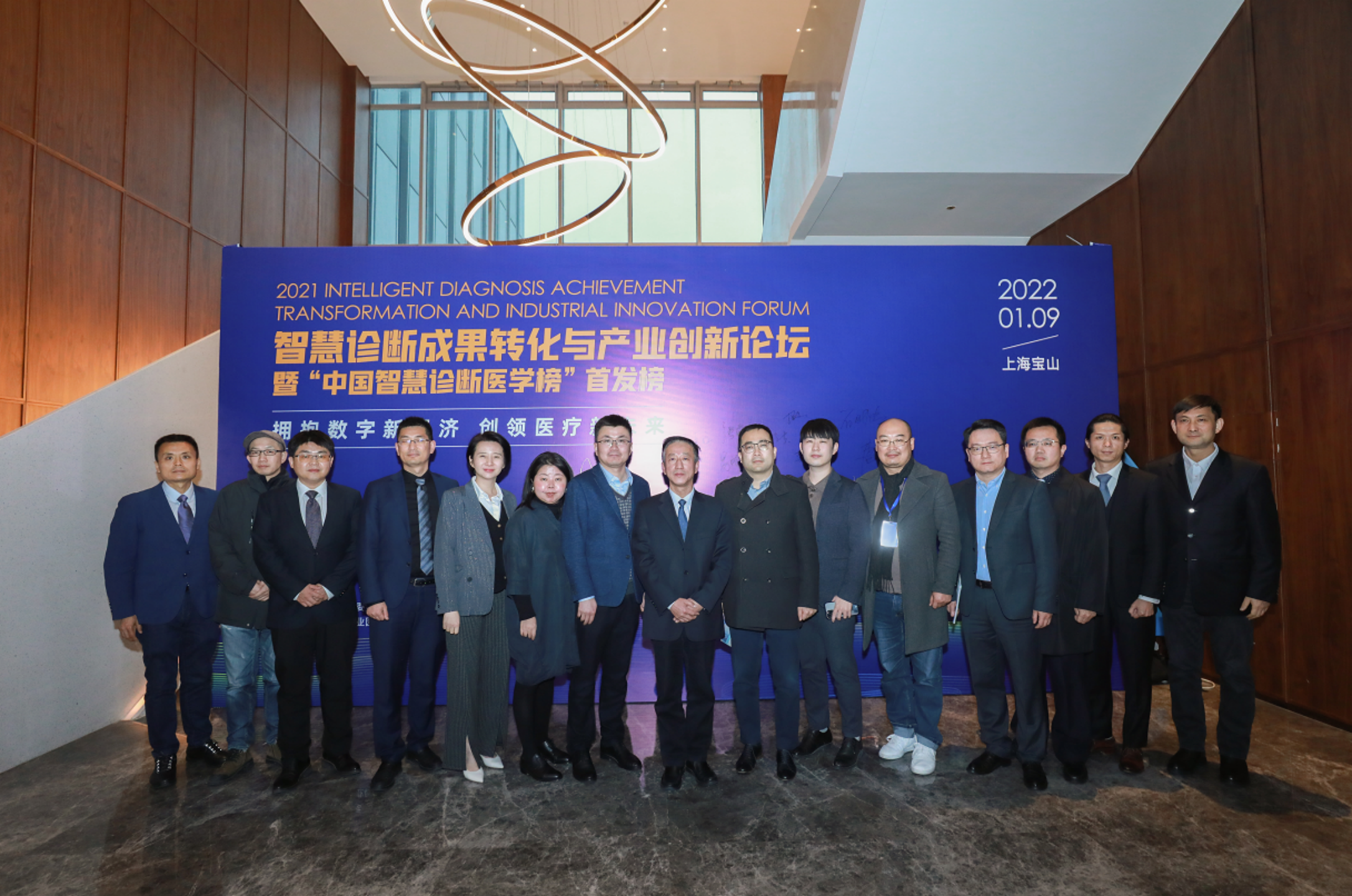
The conclusion of this forum is not a full stop, but rather signifies a brand-new beginning. On this path brimming with innovation and endless challenges, Shanghai’s Baoshan District has positioned itself at the forefront of the intelligent diagnostics industry. We sincerely invite more “partners in medical innovation” to join us in charting the blueprint for the future of intelligent diagnostics, pooling our wisdom and efforts to drive the industry forward.