

Global Governments Commit Billions and 148 Funding Rounds Fuel Rapid Advancement in the Brain-Computer Interface Sector
205 AD, Changsha, Night.
In the study of the Prefect’s residence, an antique-style oil lamp was burning. An elderly man bent over his desk, with weathered scrolls at hand: “Su Wen: Treatise on Wind,” “Su Wen: On the Generation of the Five Zang Organs,” and The Inner Canon of the Yellow Emperor (Huangdi Neijing), among others. As he consulted these texts, he recorded a prescription for treating headaches: “When wind qi travels upward along the Fengfu point, it results in brain wind.” “Thus, headaches and vertex disorders arise from deficiency below and excess above, with the pathology residing in the Foot Shaoyin and Taiyang channels; in severe cases, it penetrates into the Kidneys.”
This elder was named Ji, with the courtesy name Zhongjing. He drew reference from the earliest extant work of traditional Chinese medicine theory in China, The Yellow Emperor’s Inner Canon (Huangdi Neijing), which comprises two parts: Su Wen (Plain Questions) and Ling Shu (Spiritual Pivot). This text contains numerous discussions on the understanding of brain activity by human ancestors. For instance, Ling Shu · Hai Lun (Treatise on Seas) states: “The brain is the sea of marrow; its upper transport point lies at the vertex (Baohui), and its lower point at Fengfu (GV16).” It further states: “When the sea of marrow is abundant, one feels light and vigorous, possesses great strength, and exceeds normal limits; when the sea of marrow is deficient, one experiences dizziness, tinnitus, soreness and weakness in the shins, vertigo, visual impairment, lethargy, and a desire to lie down.”
The History of Human Understanding of the Brain
In ancient China, medical research on the brain began with the dialectical therapy of Traditional Chinese Medicine. In the Western world, humanity’s earliest understanding of the brain originated from philosophy: Where does thought arise?
Coincidentally, in *Shuowen Jiezi* (Analyzing Characters and Explaining Graphs), compiled by the Eastern Han dynasty classicist and philologist Xu Shen (c. 58–147 AD), the character “思” (si, meaning “thought”) is described as being composed of the radicals for “heart” (心) and “fontanelle” (囟). Duan Yucai (1735–1815), a Qing dynasty philologist and classicist specializing in exegesis, interpreted this character to signify that the connection from the fontanelle to the heart is continuous and unbroken, like a silk thread. In other words, “思” represents the integrated functioning and seamless coordination between the heart and the brain.
The Early Stages of Human Understanding of the Brain, where consciousness and thought originate and how they arise remain chaotic and ambiguous; sages have attempted to address these questions through philosophy, yet the conclusions reached are oftenBuilt upon abstract reasoning and argumentation based on pure concepts, characterized by strong critical thinking, z over a long period ofOver the course of more than a dozen centuries of history, Human Understanding of the BrainLack of Objective Coordinates。
It was not until the 19th century that breakthroughs were made in the fundamental research on the human brain.Meanwhile, technological advancements in related disciplines—including medical imaging, bioengineering, materials science, psychology, artificial intelligence, and communication technologies—have created opportunities for the development of the brain-computer interface (BCI) industry, sparking extensive exploration by researchers and professionals in this field.
Brain-Computer Interfaces: Breaking Free and Unveiling Their Potential
The Essence of BCI,Namely, the information exchange after human-machine connection.Although the global development of brain-computer interfaces (BCI) has spanned only slightly more than half a century, it has already sparked a disruptive innovation revolution in the technological landscape, poised to make a significant impact on the advancement of related industries such as healthcare, military, and consumer electronics.
Major countries around the world have designated the next 10–20 years as the “Era of Brain Science,” incorporating brain science research into their national development strategies. As an applied domain of brain science, Brain-Computer Interfaces (BCI) have garnered significant attention in recent years from governments, research institutions, enterprises, and investment firms. Healthcare represents a key application area for BCI, with research advancements in “BCI + Healthcare” serving as a benchmark for industry practitioners.
To clarify the role of BCI in the healthcare sectorTechnical Pathways, Key National Policy Trends, Clinical Application Scenarios, and Future Innovation TrendsTo address these pressing issues, VCBeat Research Institute, in collaboration with the Brain-Computer Interface Community, conducted surveys of two research institutes, two incubators, eight innovative enterprises, and three investment firms, and interviewed 15 experts, company founders, and investors. This effort culminated in the report titled “From Non-Invasive to Invasive: Pioneering a New Paradigm for Treating Brain Diseases—BCI + Healthcare Industry Research Report.” Through this study, we have drawn the following core conclusions:
(1)In healthcare, the short-term application of BCI focuses on monitoring and improvement, the mid-term on replacement, and the long-term on enhanced therapy.
Considering the technical R&D challenges and clinical risks, current clinical applications are primarily focused on monitoring and improving/restoring functions in epilepsy and stroke. In the medium term, clinical applications will be explored for amyotrophic lateral sclerosis (ALS), myasthenia gravis, and severe limb disabilities based on functional substitution. In the future, with technological breakthroughs in invasive brain-computer interface (BCI) systems, functional augmentation will emerge as a new clinical application scenario for treating neurological disorders such as Alzheimer’s disease, Parkinson’s disease, and spinal cord tumors.
(2)BCI Product Clinical Trials and Market Promotion Are Accelerating, with Invasive Products Poised for Launch
BCI innovators such as NeuroPace, Cyberkinetics, BrainGate, Neuralink, Nuono Technology, BrainCo, StrongBrain Technology, and ZhenTai Intelligence have successively initiated clinical trials for their products, accelerating the translation of scientific research into applications and the market promotion of their offerings.
(3) Six major stakeholders collaborate synergistically to jointly advance BCI from scientific research to clinical application.Government departments have increased support for research funding and innovated approval policies; research institutions and universities have intensified theoretical research and patent applications; incubators have improved supporting services required for corporate growth; innovative enterprises have accelerated product R&D and market launch; hospitals have facilitated clinical trials and product adoption; and investment institutions have strengthened capital infusion and integration of industry chain resources.
VCBeat Research Institute will continue to release research findings in the field of BCI + healthcare. The report outline is as follows:

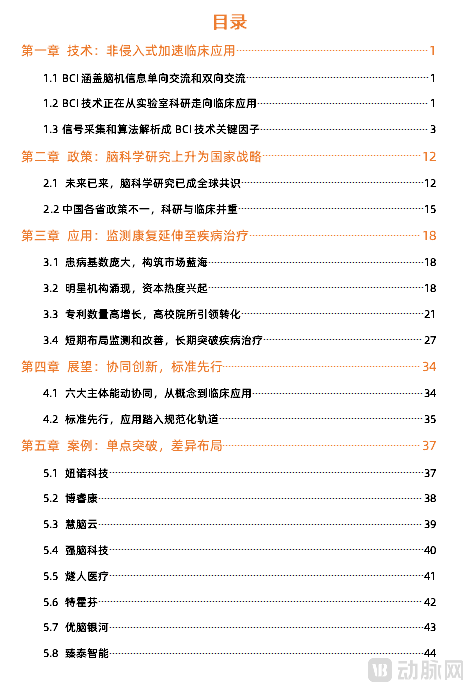
This article excerpts the core content of the report. You can access the full report for free via the mini-program.

BCI encompasses both unidirectional and bidirectional brain-computer information exchange.
Brain-Computer Interface (BCI) or Brain-Machine Interface (BMI) refers to a direct connection established between the human or animal brain and external devices.,Thereby enabling information exchange between the brain and the device.. Based on the direction of BCI information transmission, BCIs are classified into narrow-sense BCIs and broad-sense BCIs.
Narrowly defined BCI refers to output-based BCI, which establishes a direct communication and control channel between the brain (including human and animal brains) and external devices. By leveraging signals generated by the central nervous system, it converts the user’s or subject’s perceptions, cognition, intentions, and thoughts into action commands for external devices, without relying on peripheral nerves or muscles.
In addition to output-based BCIs, the broad definition of BCI also encompasses input-based BCIs and bidirectional closed-loop BCIs. Input-based BCIs primarily refer to the delivery of electrical, magnetic, acoustic, or optical stimuli from external devices to the brain to modulate central nervous system activity. Bidirectional closed-loop BCIs primarily involve the brain sending communication or control commands to external devices, which then feed back the results of command execution to the brain, thereby completing a closed loop of brain-machine signal interaction. This report adopts the broad definition of BCI as its scope of study.
BCI Technology Is Moving from Laboratory Research to Clinical Applications
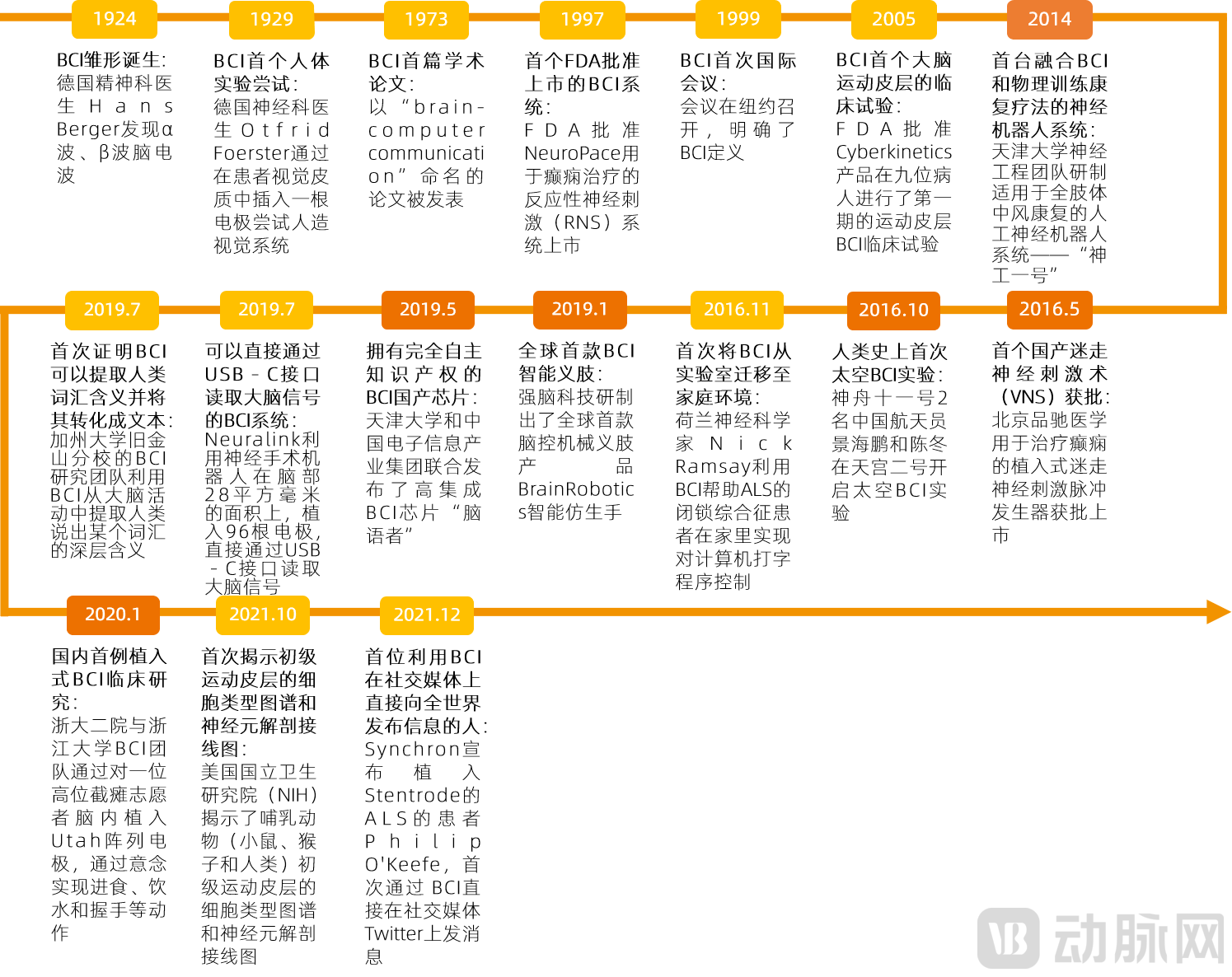
BCI Development Milestones(Data source: VCBeat Orange Database, compiled by VCBeat.)
Nearly a century has passed since German psychiatrist Hans Berger discovered alpha and beta brainwaves, marking the inception of brain-computer interfaces (BCIs). By reviewing milestone events in BCI development, VCBeat has drawn the following three conclusions:
BCI products have already been approved for market launch both domestically and internationally.In 1997, the FDA approved NeuroPace’s Responsive Neurostimulation (RNS) System, a responsive closed-loop cortical stimulator for drug-resistant epilepsy. It is indicated for the treatment of focal epilepsy in patients aged 18 years and older with no more than two epileptogenic foci. In 2016, the China Food and Drug Administration (CFDA) approved Beijing PINS Medical’s vagus nerve stimulation pulse generator for controlling seizures in patients with refractory epilepsy that is not adequately controlled by medication.
BCI Product Clinical Trials Are Accelerating.NeuroPace, Cyberkinetics, BrainGate, the University of California, San Francisco, Neuralink, Zhejiang University, Synchron, and other companies and universities have successively launched clinical trials for their BCI products.
Invasive BCI products are still in the clinical trial phase and have not yet entered clinical application.Neither Neuralink’s product nor Synchron’s Stentrode has entered clinical application. Compared with non-invasive brain-computer interfaces (BCIs), invasive BCI technology presents greater technical challenges and higher risks in clinical trials.
Signal Acquisition and Algorithmic Analysis as Key Factors in BCI Technology
A BCI system comprises four functional modules: signal acquisition, signal processing, signal execution, and neurofeedback.
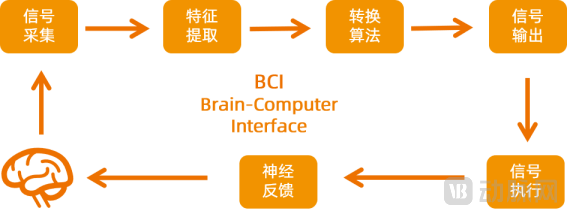
Major BCI Loops(Data source: VCBeat)
Currently, in the BCI loop, signal acquisition and algorithmic analysis in signal processing are relatively important components.
Signal acquisition is the starting point of BCI, and brain signals are the foundation for the operation of subsequent stages. Good algorithm design determines the accuracy of user command interpretation, brings higher safety to machine manipulation, and ensures unobstructed signal transmission between the brain and the machine.
EEG signals are extremely weak, resulting in low acquisition accuracy and high technical difficulty.Human electrophysiological signals are primarily categorized into electrocardiogram (ECG), electromyogram (EMG), electrooculogram (EOG), and electroencephalogram (EEG) signals. The EOG signal can be regarded as a low-pass filtered frontal EEG signal. All of the aforementioned signals are characterized by low amplitude and low frequency. EOG and EEG signals exhibit even smaller amplitudes and lower frequencies, are more susceptible to environmental interference, and are more difficult to acquire. For instance, while the Earth's magnetic field strength is 0.00005 Tesla, the magnetic field generated by the brain is one hundred-millionth of that of the Earth's, posing significant challenges for ultra-weak magnetic field detection technologies. Among these, EEG is an electrical potential signal generated by neural activity in the brain. As a crucial bioelectrical signal in the human body, it reflects the physiological activity of neuronal cell bodies in the brain.Rich inof brain activity information.
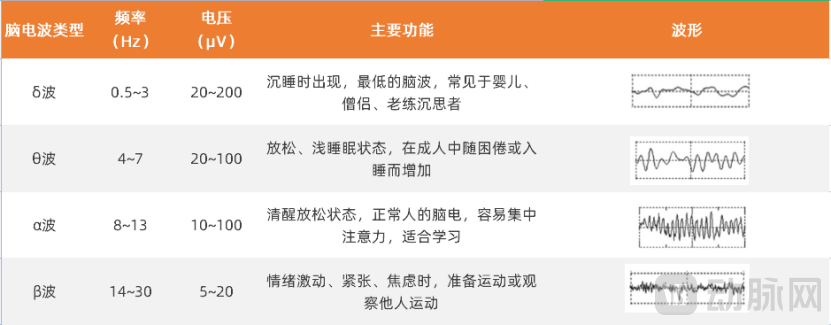
Major Types and Characteristics of EEG Signals(Data source: Arterial Orange Database, VCBeat Research Institute)
Non-invasive EEG is the primary method for acquiring brain signals.Based on the invasiveness of signal acquisition, BCI technology can be classified into three types: non-invasive, semi-invasive, and invasive.
Non-invasive methods acquire brain signals directly from outside the brain using external devices, primarily including electroencephalography (EEG), magnetoencephalography (MEG), functional magnetic resonance imaging (fMRI), and functional near-infrared spectroscopy (fNIRS).
Semi-invasive methods acquire brain signals by placing electrodes on the dura mater or penetrating the skull with screws, as represented by electrocorticography (ECoG).
Invasive methods require surgical implantation of electrodes or chips into the cerebral cortex to acquire brain signals, enabling the recording of local field potentials (LFPs), single-neuron activity (i.e., action potentials/spikes), and multi-unit activity (MUA). Examples include deep brain stimulation (DBS) and silicon nanowire arrays.
Currently, few companies are involved in invasive brain-computer interfaces (BCIs). The BCI device under development by the U.S. company Neuralink is a typical example of an invasive interface. In August 2020, Elon Musk held a Neuralink launch event, showcasing the BCI device via live stream. The device, no larger than a coin, is surgically implanted into the skull and can be controlled through a smartphone app. Musk has stated that Neuralink’s brain-computer interface holds promise for helping individuals with quadriplegia regain full-body functionality through its microchip-based system.
China’s NeuraMatrix has announced that its primary R&D focus is invasive brain-computer interfaces (BCIs). The company’s self-developed system-on-chip (SoC) dedicated to BCIs has completed tape-out, with mass production of devices equipped with this proprietary chip expected by early 2022. NeuraMatrix has launched China’s first wireless invasive BCI device, and its first-generation prototype has already entered into clinical collaborations.
In the Comparison of Spatiotemporal Resolution Among Acquisition Methods, non-invasive methods require brain signals to be acquired through the skull and scalp; due to the longer signal transmission path, they are susceptible to interference. Their temporal resolution is typically in the millisecond range or higher, and their spatial resolution is also in the millimeter range or higher, both of which are inferior to those of invasive methods. However, as non-invasive devices are placed outside the brain, they entail low clinical risk, are easy to operate, and can meet the requirements for monitoring brain signals in routine scenarios.
Among the various non-invasive methods, EEG offers higher temporal resolution than fMRI and fNIRS, while its spatial resolution can be improved by increasing the number of electrodes. Moreover, EEG devices are portable and do not require the large-scale imaging and detection equipment needed for fMRI, fNIRS, or MEG. Consequently, EEG has currently become the most widely used non-invasive method for acquiring brain signals.
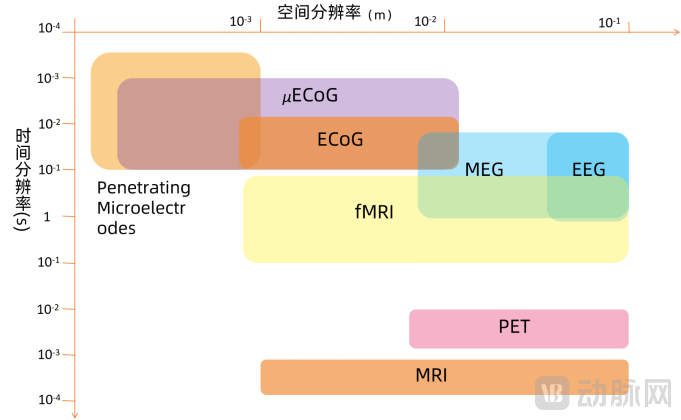
Spatiotemporal Layout of Major EEG Signal Acquisition Methods(Data source: SCI; prepared by VCBeat.)
Algorithm design is key to signal processing capability and efficiency, with artificial neural networks, time/frequency domain combined analysis, and Bayesian analysis emerging as popular research topics.Brain signal processing employs relevant algorithms to extract specific features related to the subject’s intent from preprocessed electroencephalogram (EEG) signals. These extracted features are then fed into a classifier for categorization, with the classifier’s output serving as the input for the controller. After the initial acquisition and processing of information, the obtained data is encoded, converting bioelectrical signals into digital signals.
Designing and adopting more effective algorithms can extract more accurate information, thereby enhancing the performance of brain-computer interfaces (BCIs). More complex control systems also necessitate more powerful algorithms. Representative algorithms for brain signal processing include frequency-domain analysis, time-domain analysis, combined time-frequency domain analysis, artificial neural networks, linear discriminant analysis, support vector machines, and Bayesian analysis.
The self-learning capability of algorithms and their ability to handle outliers are important reference criteria for selecting brain signal processing algorithms.Artificial neural networks demonstrate robust learning capabilities on data with nonlinear relationships, offer flexibility in parameter selection, and are capable of identifying outliers; thus, they are widely applied in the classification of EEG signals.
Time-Frequency Domain Combined Analysis Method integrates the advantages of time-domain and frequency-domain analysis methods, effectively avoiding the issue where certain signals are not prominent in either the frequency or time domain, thus making accurate observation difficult. This method enables better analysis of the distribution and variations of EEG rhythms, such as transient waveforms including spike-and-slow waves that reflect epileptic information and sleep spindles that reflect sleep-related information.
Bayesian analysis addresses the limitation of conventional linear classification methods, which yield only class labels without providing the probability of a test sample belonging to a specific class. This capability facilitates subsequent signal processing and enhances signal quality, leading to its widespread application in P300-based brain-computer interfaces (BCIs). In contrast, support vector machines and linear discriminant analysis are not suitable for scenarios involving outliers or strong noise, which restricts their applicability in signal processing.
Therefore, artificial neural networks, time/frequency domain combined analysis, and Bayesian analysis are widely used in brain signal processing.
The Future Is Here: Brain Science Research Has Become a Global Consensus
Brain Science ResearchHas Become a Global Consensus, countries and regions such as the United States, China, Japan, and the European Union have successively issued policies to support brain science research. In particular, the United States released the “National BrainPlan, initiating brain science research. China included "brain science and cognition" for the first time among the eight major frontier issues in basic research in the Outline of the National Medium- and Long-Term Plan for Scientific and Technological Development (2006–2020), marking the elevation of brain science research to the level of national strategy for scientific development.
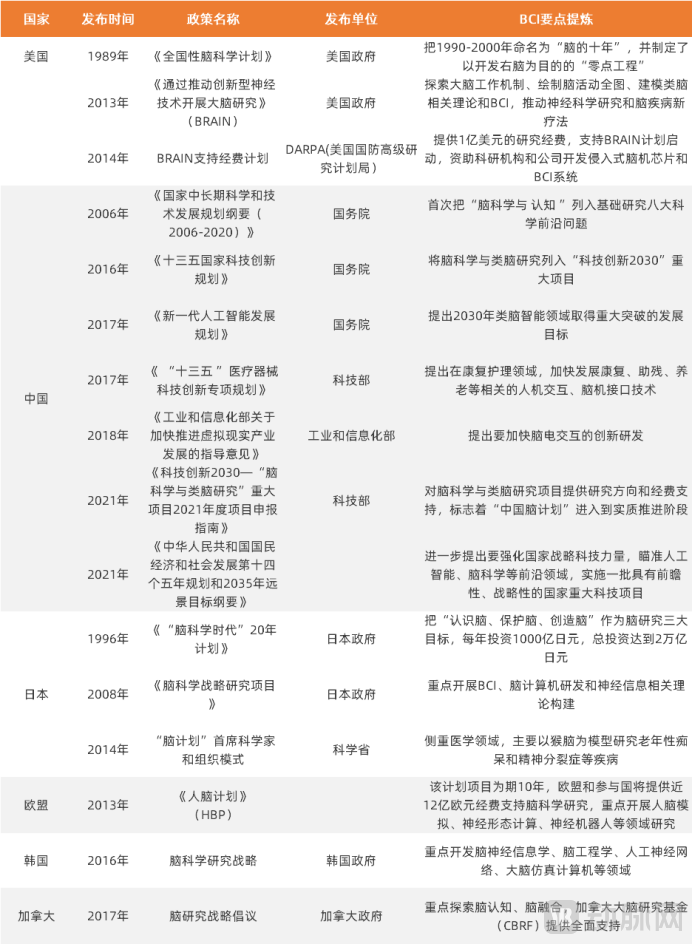
Brain Science Support Policies in Major Countries and Regions Worldwide(Data source: Artery Orange Database, compiled by VCBeat)
Through a review of the policies, we can see that:
There is a significant time lag among countries in launching national-level brain science research initiatives.The United States launched its brain initiative in 1989.Academic research, Japan in 1996Launch, China launched in 2006, South Korea and Canada respectivelyonly in 2016 and 2017Launch, with a nearly 30-year time lag among countries, launchThe Timing Has Impacted Neurology Departments Across CountriesStudyof the research progress.
Brain science research is a major long-term project.US DirectThe period from 1990 to 2000 was designated as the “Decade of the Brain,” and the “Project Zero” was launched with the aim of developing the right hemisphere of the brain. China incorporated brain science research into the Outline of the National Medium- and Long-Term Program for Science and Technology Development (2006–2020) and the “Science and Technology Innovation 2030” initiative, spanning a total period of 25 years. Japan’s proposed “Era of Brain Science” also covered a 20-year period from 1996 to 2016.Annual cycle.
Brain science policies have identified the key priority areas for brain science research.The United States emphasizes prioritizing the development of the right hemisphere as a research objective, focusing on innovative therapies for neural and brain disorders. Japan, meanwhile, points out thatBrain-Computer Interface R&D, Neuroinformatics, Alzheimer's Disease, and PsychiatrySchizophrenia, etc., as the focus of research. OuThe Alliance supports key initiatives in human brain simulation, neuromorphic computing, and neuralThrough scientific research in fields such as robotics, South Korea is prioritizing the development of brain neuroinformatics, brain engineering, artificial neural networks, and brain-inspired computing.
China in the "13th Five-Year" MedicalInstrumentsThe Special Plan for Technological Innovation points out the need to accelerate the development of rehabilitation., disability assistance, elderly care, and other related human-computer interaction and brainBrain-computer interface technology. In August 2021, the Ministry of Science and TechnologyThe “Guidelines for Project Application in 2021 for the Major Project ‘Brain Science and Brain-Like Research’ under the ‘Sci-Tech Innovation 2030’ Initiative” were promulgated, explicitly statingAnalysis of the Principles of Brain Cognition and the Pathogenesis of Major Brain Diseases Associated with Cognitive ImpairmentMechanisms and Intervention Technologies, Brain-Inspired Computing and Brain-Computer Intelligence Technologies and Applications, Brain and Cognitive Development in Children and Adolescents, and Brain Science and TechnologyFive Major Research Directions for Platform Development.
Research funding has become a key focus of brain science policy.On April 2, 2013, the Obama administration announced"Advancing Brain Research Through Innovative Neurotechnologies"(abbreviated as BRAIN), with initial funding exceeding$100 million, later adjusted to a planned total investment of $4.5 billion over the following 12 years; in subsequent years, fiscal support for the "Brain Project"spending has continued to increase year by year. Currently, the United States is the country with the largest number of BCI companies. Japan’s “20-Year Plan for the ‘Era of Brain Science’” allocates an annual investment of 100 billion yen in brain science research, bringing the total investment to 2 trillion yen. China’sMinistry of Science and Technology Issued the "Science and Technology Innovation 2030—Major Project on 'Brain Science and Brain-Like Research' 2020 Annual"The “Project Application Guidelines” also propose increasing financial support for research projects in brain science and brain-inspired research.
Policies Vary Across Chinese Provinces, with Equal Emphasis on Scientific Research and Clinical Practice
Shanghai Has the Highest Number of Policies, Clearly Outlining Five Major Directions for BCI Development.According to statistics from the VBInsight database on provincial-level policies related to brain science, a total of 52 provincial policy documents involve brain science-related content. In terms of content, among the brain science-related policies issued by provincial (including municipalities directly under the Central Government) governments in 16 provinces,Documents from Beijing, Shanghai, Zhejiang, and Chongqing explicitly mention policies supporting BCI technology.Beijing, Shanghai, Tianjin, Liaoning, Jilin, Hebei, Anhui, Shandong, Hunan’s governmentThe policy document states that during the 14th Five-Year Plan periodwill further support the development of brain-inspired intelligence. Among them,, Shanghai has 18 policies related to brain science,Ranking first in China.
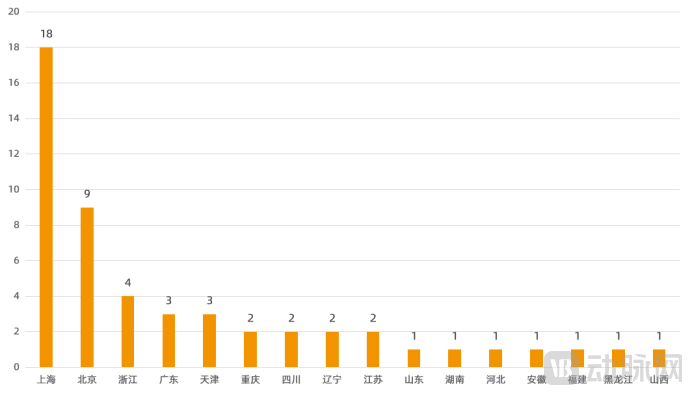
Statistics on the Number of Brain Science-Related Policies by Province(Data source: Artery Orange Database, compiled by VCBeat.)
“13th Five-Year Plan”During this period, Shanghai established the Shanghai Center for Brain Science and Brain-Inspired Intelligence, launched the regional “Brain Science and Brain-Inspired Intelligence” initiative, and provided support to related enterprises. Significant funding has also been allocated to brain science research; for example, the total budget expenditures of the Shanghai Center for Brain Science and Brain-Inspired Intelligence amounted to RMB 103.69 million and RMB 86.51 million in 2019 and 2020, respectively.RMB.
Shanghai CityIn the “14th Five-Year Plan” for Shanghai to Build a Science and Technology Innovation Center with Global Influence, released by the municipal government in September 2021, it was pointed out that breakthroughs in key underlying technologies and their applications should be achieved by establishing communication and control channels between the brain and external devices through “brain–machine–environment–brain” feedback-based interaction. This plan, fromBCI electrodes,Chips, BCI Algorithms, Systems, and Clinical ApplicationsFiveaspects, to the development of the BCI industryprovided relatively detailed guidance for its development.
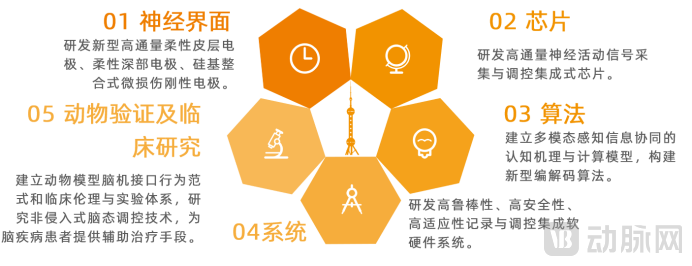
BCI Planning in Shanghai Municipal Policies(Data source: Shanghai Municipal People's Government website; compiled by VCBeat)
Beijing, Jiangsu, Zhejiang, Guangdong, Tianjin, Liaoning and other provinces have successivelyImplementation of Industrial Technologies for Brain Science and Brain-Inspired Researchtechnological innovation initiatives to advance the development of the brain science industry. Based on the brain science technology innovations announced by major provincesView the New Plan Policy Details, with the following three key trends:
(1) Emphasize that brain science is an interdisciplinary field, requiring strengthened integrated research across artificial intelligence, biology, and neuroscience.
(2) Based on fundamental research in brain science, vigorously develop the full chain of related interdisciplinary fields,Including various constituent elements such as materials, chips, algorithms, and systems.
(3) Establish specialized research institutions to promote basic brain science research; provinces have pointed out the establishment of Institutes for Brain Science and Brain-Inspired Intelligence to gather talent in the field of brain science and conduct systematic research.
The Patient Base Creates a Blue Ocean Market
Driven by the large patient base for brain disorders and global population aging, the markets for neuroscience and brain-computer interfaces (BCI) continue to expand. Meanwhile, supportive policies across various countries are fostering coordinated development throughout the upstream and downstream segments of the industry chain. This expansion of the industry chain, coupled with economic growth, will continually broaden the application scenarios for BCIs, gradually penetrating niche sectors such as military, education, and consumer entertainment. Currently, numerous institutions worldwide remain optimistic about the sector’s long-term, steady growth.
According to QYResearch data,In 2019, the BCI market size reached $1.2 billion, and it is projected to reach $2.7 billion by 2026, with a compound annual growth rate (CAGR) of 12.4%.Among them, North America is the largest market globally, accounting for 60% of the total market share.
The Emergence of Star Institutions and the Rise of Capital Enthusiasm
Capital Has Become a Catalyst for the Accelerated Development of BCI, with 2016 Marking a Watershed Moment. According to statistics on global BCI company investment and financing events from 2008 to 2021, there were a total of 148 such events in the BCI industry. The distribution of these events by year shows that 2016 was a breakthrough year for the global BCI industry, with an 89% year-on-year increase in investment and financing activities.
Prior to 2016, the brain-computer interface (BCI) industry saw an average of 4.8 financing events per year; from 2016 onward, this figure rose to an annual average of 18.1 events, indicating that investment institutions have been accelerating their strategic investments in BCI projects in recent years. However, an analysis of the distribution of financing rounds reveals thatSeries A and earlier rounds account for as high as 58%, indicating that the entire BCI industry is still in its nascent stage., the industry is at a relatively low level of maturity, with significant potential for future development.
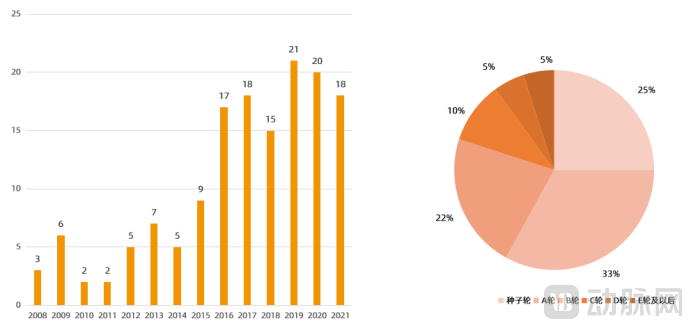
Number and Distribution of Funding Rounds for Global BCI Companies(Data source: Artery Orange Database, compiled by VCBeat)
Investment and financing interest in China’s BCI industry is primarily concentrated in non-invasive BCI.As of the end of 2021, a total of 16 BCI companies in China had secured financing, with the largest single funding round reaching RMB 500 million; some companies had obtained multiple rounds of financing. In terms of core business activities, most funded companies focused on non-invasive BCI products, including wearable BCI devices, imaging-based diagnosis of neurological disorders, and cognitive rehabilitation. However, some companies have begun to explore the invasive BCI sector; for instance, Neura Matrix primarily focuses on the research and development of hardware and software solutions for invasive BCI.
Diversified Layout in Top-Tier Capital Sectors: Analyzing the Core Logic for Screening Investment Targets.Prominent investors with high investment frequency in China’s brain science sector include Sequoia China, Qingchi Ventures, and China Electronics Corporation.
Among them, Sequoia China’s current investment targets in the field of brain science cover sub-sectors such as brain-computer interfaces (investing in NeuroXess), specialized neurological hospitals (investing in Donglei Brain Hospital), neurological pharmaceuticals (investing in Saishen Pharmaceutical), and digital imaging (investing in Shukun Technology), thereby achieving a relatively comprehensive layout across the brain science industry landscape.
In December 2021, VCBeat interviewed Ms. Yang Yunxia, a partner at Sequoia China responsible for the healthcare sector. She stated, “Brain science has reached a new height of importance from the perspectives of industry, investment, and policy. One of the criteria Sequoia China uses when screening investment targets in the brain science sector is”Does the enterprise possess prominent technological and R&D achievements, and can it significantly promote the development of the brain science industry?”
Universities and Research Institutes Lead Technology Transfer
China’s BCI Research Landscape Features Diversified Entities and Emerging Multi-Stakeholder Synergies.Currently, China’s research institutions in this field are broadly categorized into three types. The first comprises the two major centers of the China Brain Project—the northern and southern hubs—represented by the Shanghai Center for Brain Science and Brain-Inspired Technology and the Beijing Academy of Brain Science and Brain-Inspired Technology. The second includes frontier science centers under the Ministry of Education, such as Fudan University’s Frontier Science Center for Brain Science and Zhejiang University’s Frontier Science Center for Brain-Computer Integration. The third encompasses various research institutes established by domestic universities and scientific research organizations, such as the McGovern Institute for Brain Research, jointly founded by Tsinghua University, Peking University, Beijing Normal University, the Shenzhen Institutes of Advanced Technology of the Chinese Academy of Sciences, and IDG.
The establishment of the two centers in Shanghai and Beijing marks the formation of a brain science research landscape in China, with one hub in the north and one in the south. But now,The initial duopoly is being shattered by brain science centers emerging across China.
Currently, 91 brain science research centers have been established across 23 provincial-level administrative regions, including China’s Taiwan Province. The vast majority of these centers are built upon the academic foundations of local higher education institutions; however, there is no shortage of privately funded research centers globally. For instance, the Tianqiao and Chrissy Chen Institute (TCCI), which has set up laboratories in China, was founded with a $1 billion investment by Chen Tianqiao. Additionally, the Bill & Melinda Gates Foundation has donated to brain research projects, including those focused on Alzheimer’s disease.
As brain science research centers and laboratories rapidly emerge, various science parks dedicated to supporting basic brain science research and the translation of scientific achievements have also come into being. On October 26, 2021, the Shenzhen Guangming Brain Science Technology Industry Innovation Center was unveiled at the Mingzhu Campus of the Shenzhen Institute of Advanced Technology, Chinese Academy of Sciences, in Guangming District, Shenzhen. Leveraging the research foundation in brain cognition and brain diseases established by the Shenzhen Institute of Advanced Technology, Chinese Academy of Sciences, the center provides over 10,000 square meters of incubation space. It aims not only to support the development of local technology teams but also to introduce top-tier international teams specializing in neuroscience and mental health to Shenzhen, thereby fostering a healthy and symbiotic brain science ecosystem.
On November 17, 2021, the “Sequoia China Intelligent Healthcare Accelerator” was officially launched in Zhangjiang, Shanghai. This marks the first specialized healthcare incubation platform established by Sequoia China since it began investing in the healthcare sector 16 years ago. Currently, the center comprises two major platforms: the “Sequoia China Intelligent Healthcare Genomics Incubator” and the “Sequoia China Brain Science Incubation Center,” which focus respectively on the vertical niches of genomics and brain science. The Sequoia Brain Science Center aims to collaborate closely with research institutions and clinical experts to build an internationally leading platform for brain science technology research and industrial incubation, accelerate the commercialization of technological products, and contribute to the intervention, diagnosis, and treatment of brain disorders.
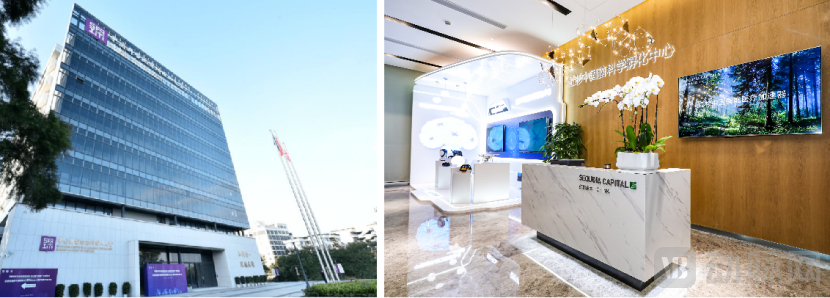
Shenzhen Brain Science Innovation Center Campus and Sequoia China Brain Science Incubation Center(Data source: public information)
VCBeat reviewed over 90 national and local brain science research institutions in China and found that BCI research in the country exhibits the following trends:
(1) Universities and research institutes have become the leaders in BCI research.Among the applicants in China's BCI patent field, the top ten applicants by number of applications are all from universities across the country. Three institutions from Beijing and two universities from Jiangsu Province are among the top ten. The top three are Tianjin University, South China University of Technology, and Xi'an Jiaotong University.
(2) Interdisciplinary research directions based on neuroscience have become the mainstream.Among the more than 90 brain science research institutes currently in China, the majority continue to focus their primary research on brain cognition and neurobiology. Key areas of investigation include the elucidation of principles underlying brain cognition, molecular neural mechanisms of cognition and cognitive disorders, neural mechanisms of major brain diseases, and neural repair and regeneration.
Meanwhile, by integrating psychology, electronics, materials science, medical imaging, and artificial intelligence with research on brain cognition and neural foundations, various research institutes have spawned numerous secondary research tracks of an interdisciplinary nature. These include neuromorphic chips, brain–AI integration, intelligent brain image processing technologies, applications of polymer materials, and digital therapeutic interventions for children’s psychological and behavioral disorders. This demonstrates a clear trend toward multidisciplinary convergence centered on neurobiology and the principles of brain cognition, which has now become the mainstream focus of China’s brain science research institutions.
(3) Research institutes have varying focuses, with regional disparity effects becoming evident.Although most current research directions at scientific research institutes still revolve around brain cognition and the pathogenesis of neurological disorders, different institutes have their respective areas of emphasis. Beijing-based brain science research institutions, represented by the Beijing Academy of Brain Science and Brain-Inspired Intelligence and the IDG/McGovern Institute for Brain Research, primarily conduct comprehensive research covering various aspects of brain science.
In the Jiangsu region, research institutions represented by the Suzhou Institute for Brain Space and Information at Huazhong University of Science and Technology and the Nanjing Institute of Translational Molecular Medicine at Peking University focus on brain imaging processing and analysis. Notably, the Nanjing Jiangbei New Area in Jiangsu has actively introduced national medical imaging processing projects to strengthen its scientific and technological translation layout, further enhancing regional advantages.
Research institutions in Shanghai, such as the Institute of Brain-like Intelligence Science and Technology at Fudan University and the Center for Excellence in Brain Science and Intelligence Technology, are focusing their interdisciplinary research efforts not only on foundational studies of brain cognition but also on the integration of artificial intelligence and neuroscience, including areas such as brain-inspired intelligence and neuromorphic chips.
The Zhejiang University team pioneered China’s first human trial of brain-computer interface (BCI) technology. Leveraging Zhejiang University’s technical foundation, research institutions in this region primarily focus on exploring brain-computer integration and brain-computer interfaces.
(4) Strengthened collaborative mechanisms among research institutions, government entities, and translation platforms.Currently, the overall rate of research commercialization in China’s scientific institutions is lower than that in developed countries in Europe and the United States. The primary reasons are twofold: on one hand, ambiguous ownership of research outcomes at Chinese institutes poses obstacles to the further development of patented technologies; on the other hand, policy implementation regarding research commercialization in China is relatively weak, with certain regulatory and review barriers.
In the field of brain science, similar challenges persist, with the translation of scientific research into practical applications still in its early stages. However, as public attention towards brain science continues to grow, and against the backdrop of the implementation of government-related laws such as the "Action Plan for Promoting the Transfer and Conversion of Scientific and Technological Achievements" and the "National Technology Transfer System Construction Plan," local platforms for the conversion of brain science achievements are being actively established and operated. These platforms serve as bridges connecting research teams with society and capital. In the future, collaborative mechanisms among research institutions, governments, and conversion platforms will be further strengthened.
Short-term focus on monitoring and improvement, long-term breakthrough in disease treatment
In healthcare, the short-term application of BCI focuses primarily on monitoring and improvement, the medium-term on replacement, and the long-term on enhanced therapy.BCIs feature four major functions: monitoring, improvement/restoration, substitution, and augmentation.
Monitoring is primarily conducted through BCI systems to perform real-time monitoring and measurement of human neurological states, such as assessing sleep quality by monitoring sleep stages, or evaluating the level of consciousness in patients with deep coma to assist physicians in clinical assessment.
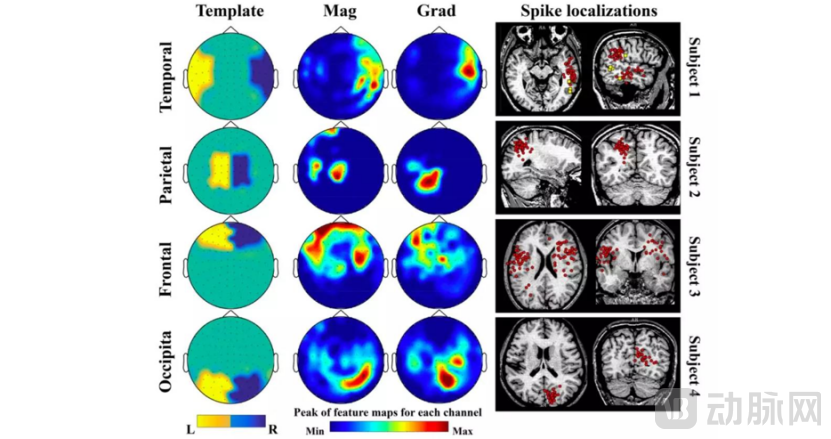
Algorithm for Detecting Epileptic Spikes to Trace Seizure Foci Using Magnetoencephalography(Data source: HuiNao Cloud)
Improvement/Recovery primarily involves formation recovery training for patients with epilepsy, stroke, and attention deficit hyperactivity disorder (ADHD). For example, in stroke patients with damage to areas related to the sensorimotor cortex, brain-computer interfaces (BCIs) can acquire signals from the damaged cortical regions and then stimulate disabled muscles or control orthoses to improve limb movement.
Substitution primarily targets patients who have lost certain functions due to injury or disease, such as those with severe motor impairment of the limbs, amyotrophic lateral sclerosis (ALS), or myasthenia gravis, by transmitting their mental intentions through a brain-computer interface (BCI) system.
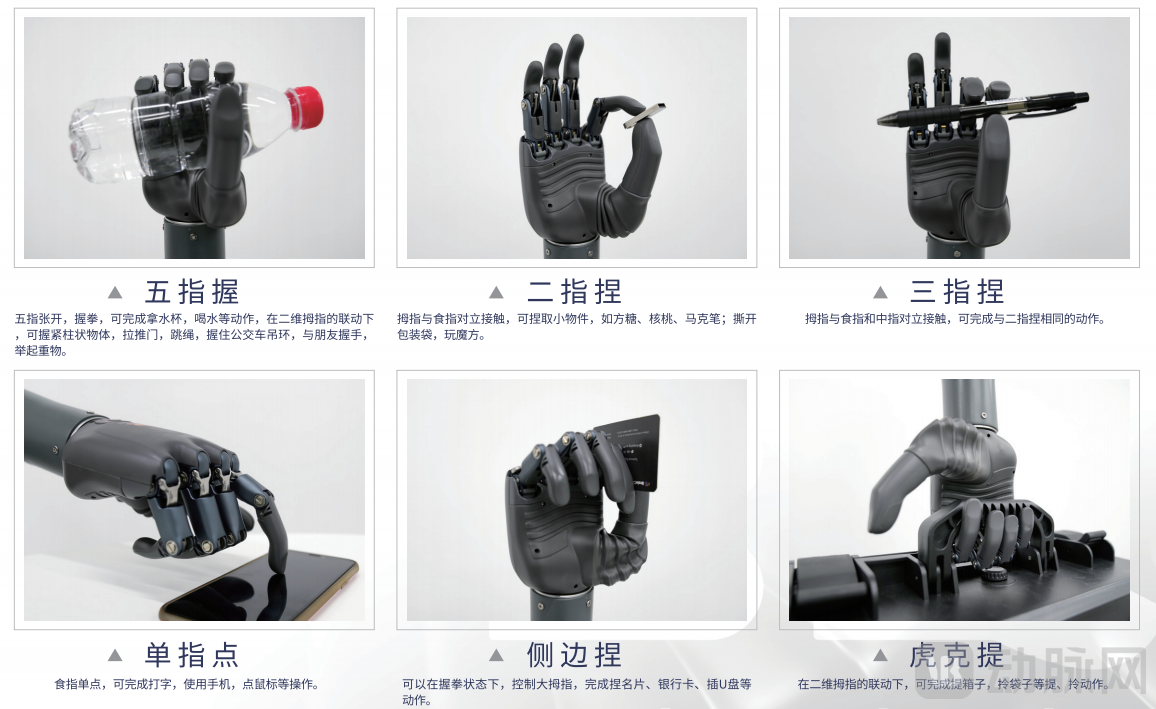
Intelligent Prosthetic Hand for Grasping Using Electromyographic and Neural Signals(Data source: BrainCo)
Enhancement primarily refers to implanting BCI systems into the brain to enhance memory, facilitate direct human-computer interaction, and treat conditions such as Alzheimer's disease.
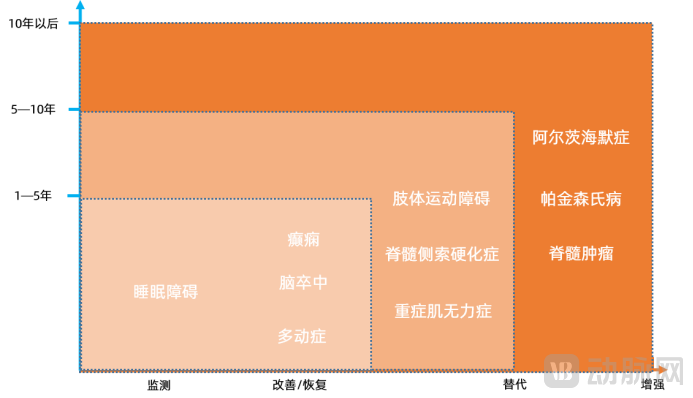
Clinical Applications of BCI in Healthcare(Data source: VCBeat Orange Database; produced by VCBeat.)
Considering factors such as the technical R&D difficulty and clinical risks, current medical applications are predominantly based on non-invasive BCI systems; therefore,BCIs are currently primarily based on monitoring, improving/restoring, and replacing functions, with active applications being explored in certain regions for the treatment of epilepsy, stroke, and motor impairments., with future technological breakthroughs in invasive BCI systems, brain disease treatment based on augmentation functions will emerge as a new clinical application scenario.
Synergistic Collaboration Among Six Major Stakeholders: From Concept to Clinical Application
Exploring the brain is akin to probing the vastness of the universe. According to research and interviews conducted by VCBeat Institute, multiple industry experts indicate that although brain science has accumulated decades of research, our current understanding remains relatively superficial.
Therefore, to accelerate the practical application of BCI, government departments, research institutes/universities, incubators, innovative enterprises, hospitals, and investment institutions must each fulfill their respective roles and work collaboratively to advance the development of BCI in China.
In the theoretical research phase,Government agencies need to provide funding support for scientific research. For instance, the Obama administration planned to invest a total of $4.5 billion over the 12 years following 2013 to support brain science research; Japan annually invests ¥100 billion in brain science research; and China has also provided financial support for the major “Brain Science and Brain-Inspired Intelligence” project.
During the R&D and design phase and the product incubation phase,Research institutes/universities, innovative enterprises, and incubators should strengthen collaboration to jointly conduct the research, development, and incubation of BCI products. For instance, Brown University partnered with BrainGate to develop the Brown Wireless Device (BWD), achieving high-bandwidth wireless transmission between human brain signals and computers. This sensor digitizes and wirelessly transmits signals generated by a 96-channel microelectrode array chronically implanted in the cerebral cortex.
The University of Washington collaborated with Neurolutions to develop the IpsiHand upper-limb rehabilitation system, which records activity in the stroke-unaffected hemisphere of the brain. These data are automatically transmitted to a tablet to identify intended muscle movements, and the tablet then sends signals to actuate a hand orthosis, thereby assisting stroke patients in their rehabilitation training.
Peking University collaborates with HuiNao Cloud to conduct research on a multimodal brain imaging data management, computing, and analysis platform, enabling the analysis and processing of multimodal images acquired from MRI, MEG, EEG, PET, and other devices.
In the clinical trial phase,Innovative enterprises should strengthen collaboration with hospitals to accelerate the clinical trials of BCI products. For instance, BrainCo has conducted clinical trials of its autism training system in partnership with Hangzhou Children’s Hospital and Hangzhou First People’s Hospital to evaluate the product’s clinical efficacy.
During the test approval phase,Relevant government departments should expedite the market launch of innovative BCI products through fast-track approval channels for innovative medical devices.
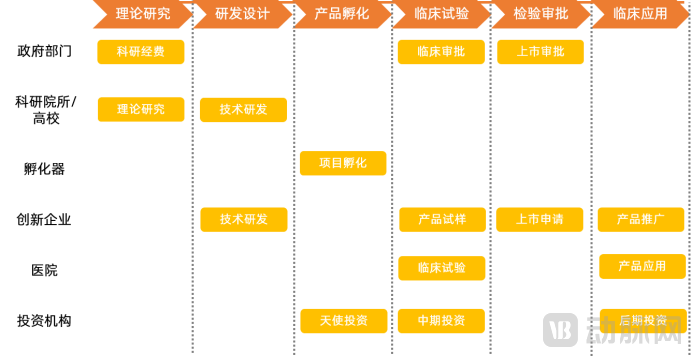
The Role of Various Market Participants in the Development of BCI(Data source: Artery Orange Database, compiled by VCBeat.)
Standards First: Applications Enter the Track of Standardization
Although BCI applications are currently in their early stages, BCIs rely heavily on electronic devices and face challenges related to device safety and personal privacy. Therefore, to prevent unregulated development of BCI technology, it is necessary to proactively establish relevant standards. Based on the operational mechanisms of BCI systems, corresponding standards should be developed for each stage, including signal acquisition, signal transmission, signal processing, and signal execution.
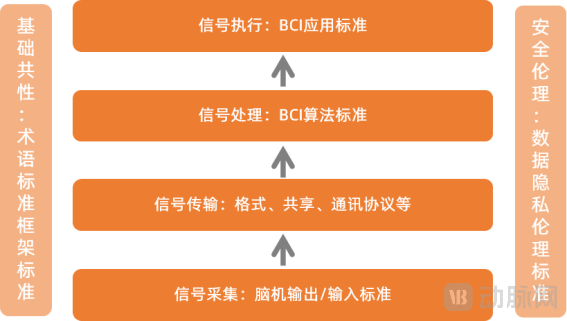
BCI Standard Development Framework and Content(Data source: CESI, compiled by VCBeat)
Currently, relevant international organizations have begun to formulate BCI-related standards:
The Institute of Electrical and Electronics Engineers (IEEE) is developing the P2731 Standard for Unified BCI Terminology and the P2794 Standard for Research Reports on Implantable Neural Interfaces, and has proposed a P300 standard database within P2731.
Relevant organizations under the ISO are actively carrying out standardization work in accordance with their respective functions. ISO/TC 37 (Technical Committee for Language and Content Resources), ISO/TC 69 (Applications of Statistical Methods), ISO/TC 159 (Ergonomics), ISO/TC 187 (Automation Systems and Integration), and ISO/TC 215 (Health Informatics) are working on the standardization of BCI-related terminology and definitions, statistical methods, ergonomics of human-computer interaction, physical device control, and brain-computer sensor data.
The International Electrotechnical Commission (IEC) conducts standardization work on the quality assessment of BCI sensors, implants, sensor cables, and electrical impedance tomography (EIT) components.
The International Telecommunication Union (ITU) and the World Health Organization (WHO) jointly established the Focus Group on Artificial Intelligence for Health (FG-AI4H), with standardized assessment of neurological disorders being one of its key work themes.
Although China lags behind developed countries in Europe and the United States in BCI technology, it is keeping pace with international organizations in the development of BCI standards.
In August 2019, the China Electronics Standardization Institute (CESI) and Zhejiang University jointly authored and released a research report on “Brain-Computer Interface.” Building on these achievements, the AG16 (Advisory Group on Brain-Computer Interaction) was formally established in November 2019, bringing together experts from China, the United States, Japan, South Korea, Norway, Germany, and other countries to conduct research on BCI-related technologies and standardization requirements.
Currently, 16 experts in China have registered for AG16, and based on the BCI research findings submitted by CESI to ISO/IEC JTC 1 (Joint Technical Committee 1 of the International Organization for Standardization and the International Electrotechnical Commission), the standard for brain-computer interface terminology has entered the NP voting stage.
With China’s forward-looking initiatives in the development of BCI standards, it is believed that foundational technical requirements for BCI innovation will be better established, while standardized guidance for the clinical application of BCI will also be provided.
NuoNuo Tech
As a leading global operator of EEG databases, the company is deeply committed to “smart EEG medical services.” Leveraging its exclusively developed smart EEG kits, it has established a nationwide network for the diagnosis, treatment, and brain health management of neurological disorders, spanning communities, primary and secondary care institutions (including Level II hospitals and county-level hospitals), and tertiary Grade A hospitals. This infrastructure enables localized screening, diagnosis, and treatment of brain diseases. Meanwhile, by harnessing its large-scale EEG database and globally leading neural decoding algorithms (for EEG signal analysis), the company has achieved breakthroughs in the field of brain-controlled upper-limb robotics. Its next-generation products will help numerous patients with neurological conditions achieve rehabilitation and embark on a new lease on life.
Borui Kang
In March 2021, Neuracle completed a new round of financing led by Sequoia Capital, Kaifeng Ventures, and Rongtuo Capital. Originating from national key research projects undertaken by Tsinghua University, the company has obtained medical device registration certificates and multiple high-tech product certifications through its collaboration with the Neural Engineering Laboratory at Tsinghua University, accumulating nearly 40 patents. Neuracle has been the sole officially designated equipment supplier for the Brain-Computer Interface Competition at the World Robot Contest for three consecutive editions.
HuiNao Cloud
Beijing HuiNaoYun leverages multimodal imaging and electrophysiological data acquired from MRI, MEG, EEG, PET, and other modalities, integrating cutting-edge artificial intelligence technologies to conduct forward-looking R&D of image analysis algorithms. The company boasts a multidisciplinary team with composite expertise and has established the “HuiNaoYun Collaborative Innovation Laboratory” in partnership with the Magnetic Resonance Imaging Research Center of the Academy for Advanced Interdisciplinary Studies at Peking University. In recent years, the team has published more than 50 papers in top-tier journals in the field of brain science, forming a comprehensive layout encompassing scientific research, patents, and product development.
BrainCo
BrainCo, founded in 2015, is the first Chinese team selected for the Harvard Innovation Lab. It boasts a leading scientific team in North America, with over 70% of its core R&D personnel being distinguished alumni from top global institutions such as Harvard University and MIT. The company currently holds hundreds of core patents in the field of brain-computer interfaces (BCI), approximately 60% of which are invention patents. BrainCo’s business spans three major sectors: healthcare, wellness, and education. Its medical product portfolio includes intelligent bionic prosthetics and the StarKids “Happy Nut” BCI training system for children on the autism spectrum.
UBrain Galaxy
UBrain Galaxy boasts an R&D team of over 100 master’s and doctoral researchers. Led by top-tier scientists with highly interdisciplinary backgrounds, the team comprises experts from fields such as biomedical engineering, neuroscience, computer science, clinical medicine, electronic engineering, psychology, and child education. Leveraging its unique tripartite R&D framework integrating “brain cognition,” “brain medicine,” and “brain-computer interaction,” the company is actively developing a series of products and solutions for the diagnosis and treatment of brain disorders. In August 2021, UBrain Galaxy completed a RMB 500 million Series A financing round, led by Bencao Capital, with participation from Hetang Ventures, FreeS Fund, and Lightspeed China Partners.
The report also discusses BCI innovative enterprisesZhentai Intelligence, Suiren Medical, TehuofenA detailed analysis was conducted.
The above content is an excerpt from the report. Scan the QR code for the mini-program to access the full report free of charge.

Special thanks to the following industry professionals for their strong support of this report (listed in no particular order):
Yang Yunxia, Partner at Sequoia China
Li Jiabin, Assistant to the General Manager of Bonree Medical Technology (Changzhou) Co., Ltd., and Zheng Xu, Brand Manager
Zhou Liang, CEO of Beijing Huinao Cloud Computing Co., Ltd.
Yang Jinchen, Chief Scientist; He Xiyujin, Senior Vice President; and Huang Qi, Head of Prosthetics Products, at Zhejiang BrainCo Technology Co., Ltd.
Du Yijie, Founder of Shanghai Tehuofen Intelligent Technology Co., Ltd.
Wei Kecheng, Co-founder and CEO of Beijing Younao Galaxy Technology Co., Ltd.
Wang Haochong, Founder and CEO of Xi'an Zhentai Intelligent Technology Co., Ltd.
Zou Si, Founder of the Brain-Computer Interface Community