

How Internet Healthcare and Physicians Thrive on Services—Not Prescriptions
After withstanding the test of the pandemic, internet healthcare saw a continuation of physicians’ “online” engagement in 2021, yielding diverse benefits from various perspectives and fostering mutual promotion between physicians and the industry.
Recently, Weimai launched the “Weimai Doctor 2021 Annual Memory” report for its 200,000 registered physicians on the platform. Leveraging big data, the report reviews each doctor’s online service performance over the past year, including metrics such as the number of patient consultations, questions answered, views of health education articles, peak daily service volume, and patient ratings. Delivered in a warm, personalized format akin to an “annual statement,” it provides every physician with an individualized summary.
To gain a more nuanced understanding of physicians’ experiences and insights in delivering internet-based healthcare services, VCBeat engaged in conversations with three Weimai physicians. Through their personal journeys, this article explores the mutual benefits and synergistic relationship between digital health platforms and medical professionals.
Gui Dingwen is the Director of the Department of Urology at the Central Hospital of Edong Medical Group, a leading figure in Hubei Province’s provincial-level key clinical discipline, a standing committee member of the Urology Branch of the Hubei Medical Association, and the head of one of Huangshi’s Top Ten “Famous Doctor Studios.” He specializes in the diagnosis and treatment of common and complex conditions in urology and andrology.
In urology, patients have a strong awareness of privacy protection and are often too embarrassed to describe their symptoms to doctors face-to-face, making the internet an ideal channel for doctor-patient communication. As an expert, Gui Dingwen has many patients from outside Huangshi City who desire more convenient ways to seek medical care. In 2017, Gui Dingwen began to engage with internet-based healthcare, and in 2018, he registered on the Weimai platform to provide services.
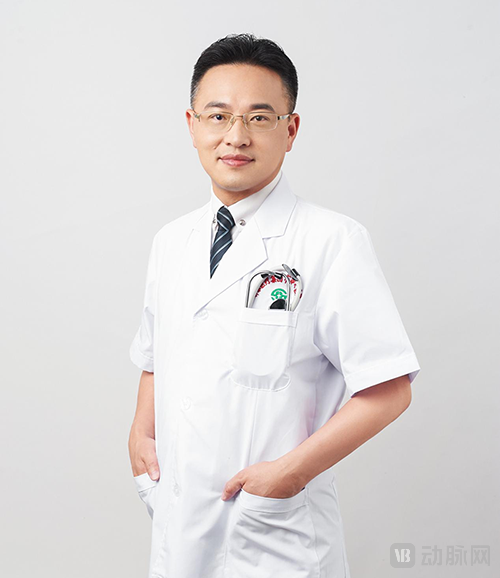
Gui Dingwen, Director of the Department of Urology, Central Hospital of Edong Medical Group
“The Weimai Platform is integrated with hospitals’ appointment registration, payment, and inquiry systems, enabling patients to access end-to-end services spanning appointment scheduling, clinical consultation, report retrieval, and post-consultation follow-up,” stated Gui Dingwen, noting that this has brought considerable convenience to patients.
“Of course, patient convenience should not come at the expense of increasing the burden on healthcare professionals. ‘I hold outpatient clinics for two half-days each week, and spend the rest of my time performing surgeries, conducting ward rounds, leading discussions on complex cases, and engaging in academic exchanges. It is difficult to find time to respond if patients encounter issues using online services or are unclear about the consultation process,’ introduced Gui Dingwen. As a partner in the hospital’s internet-based medical services, Weimai assigns staff to the hospital to promote online services and teach patients how to use the various features of the Weimai APP in high-traffic areas. Online, the platform provides physician assistants to answer patients’ non-clinical questions. ‘This operational model saves time for both patients and doctors.’”
Urology is dominated by surgical treatment, with minimally invasive procedures accounting for the vast majority, all of which must be performed in person. Some industry perspectives hold that offline services such as surgery cannot be delivered through internet-based healthcare, thereby limiting its role in surgical specialties. However, in Gui Dingwen’s view, standardized postoperative management and timely out-of-hospital interventions are also critically important to disease diagnosis and treatment.
Gui Dingwen is proficient in flexible ureteroscopic holmium laser lithotripsy, bipolar plasma resection and enucleation of the prostate, rigid ureteroscopic holmium laser lithotripsy, percutaneous nephrolithotomy, and 3D laparoscopic minimally invasive surgeries for adrenal tumors, renal cell carcinoma, bladder cancer, prostate cancer, and renal cysts. He specializes in TVTO (transobturator vaginal tape) for the treatment of female stress urinary incontinence, and has accordingly launched online long-term services such as postoperative management and private physician care.
Through online platforms, doctors and patients can efficiently engage in one-on-one consultations, follow-up visits, and whole-course disease management, as well as conduct one-to-many health education initiatives. Data from the Weimai platform shows that each of Gui Dingwen’s live health education streams attracted over 10,000 viewers, with peak audiences exceeding 20,000. According to Gui Dingwen, the combination of online consultations, whole-course disease management, health education, and other services has significantly amplified the effectiveness of high-quality medical resources.
In addition to his role as a clinician, Gui Dingwen also assumes the responsibilities of department head and academic leader. From these different perspectives, the value of internet-based healthcare varies. “Developing technology and cultivating talent are key responsibilities for a department head and academic leader, and internet-based healthcare can also play a significant role in this regard.”
Gui Dingwen stated that case discussions and academic exchanges can facilitate technological advancement and talent development. Migrating these activities online can accelerate the accumulation of clinical cases and experience among young physicians. “In the past, we could only organize two academic conferences per year, which required substantial effort. If online activities could be conducted on a routine basis, physicians would gain more learning and exchange opportunities at a lower cost.”
In addition to online services, Gui Dingwen shared an offline case study of his collaboration with Weimai. In March 2021, Weimai assisted Dr. Gui’s team in introducing state-of-the-art mixed reality (MR) technology. During a 3D laparoscopic partial left nephrectomy, Dr. Gui wore MR glasses to overlay a 3D model onto the patient’s body. This gave the surgeon “X-ray vision,” allowing clear visualization of the tumor’s location and its relationship with surrounding tissues. Guided by MR technology, Dr. Gui’s team rapidly, precisely, and completely resected the tumor, with total intraoperative blood loss of less than 20 mL. This was the first MR-assisted tumor resection performed in Huangshi City. Currently, the Weimai platform has launched such 3D precision surgery appointment services.
In 2020, VCBeat once published in “Integration of Online and Offline Services: What Have Physicians Gained from Deep Engagement in Internet Healthcare?“》” article recounted the story of Na Chen, an attending physician in the Department of Pediatrics at Kunming Yan’an Hospital. More than a year has passed; what changes have occurred in his work?
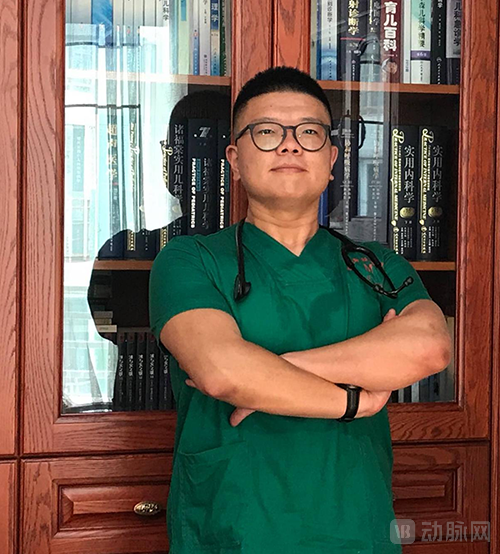
Na Chen, Attending Physician, Department of Pediatrics, Kunming Yan'an Hospital
According to Na Chen, over the past year, there has been a noticeable shift toward a more positive attitude toward internet healthcare among both healthcare providers and patients. This trend is driven, on one hand, by the pandemic, as hospitals and physicians have sought to reduce patient visits and minimize the risk of cross-infection; on the other hand, the internet has enhanced the transparency of medical information, empowering patients with greater choice.
“Dermatologists and obstetricians around me have also begun to join internet medical services under my influence; looking across the entire online landscape, more and more doctors are providing popular science education on social media platforms. Doctors have shifted from passive consultation to proactive intervention, enabling more patients to know how to seek help when they encounter problems.”
Amid the trend of digitizing medical information, Na Chen has also established accounts on platforms such as Weimai, Douyin, and Xiaohongshu, leveraging his spare time to conduct online science popularization. “In addition to being a pediatrician, I am also a member of the China Zhi Gong Party, entrusted by the Yunnan Provincial Committee of the China Zhi Gong Party with the task of disseminating knowledge on childcare and disease prevention,” said Na Chen. He noted that social media and ten WeChat groups serve as important channels for him to efficiently promote knowledge on childcare and disease prevention. “With the implementation of the three-child policy, pediatricians need to explore more opportunities through the internet to help parents practice scientific childcare.”
On the Weimai platform, Na Chen’s monthly patient consultation volume grew from over 30 in 2020 to 300–400 in 2021. Na Chen stated that he provides the most accurate recommendations by comprehensively integrating patients’ chief complaints, offline physical examination findings, and laboratory and diagnostic test results during online consultations, thereby earning increasing trust from patients.
Na Chen specializes in the diagnosis and treatment of pediatric respiratory diseases. He candidly admits that he is not an all-around expert, as disease diagnosis and treatment require a complex knowledge system for support. “The growing recognition from patients is due to the strong technical support behind me,” said Na Chen. This support comes from Professor Zhou Jinyan and Professor Yang Tao of the Department of Pediatrics at Kunming Yan’an Hospital; Professor Zhang Aiqing of the Department of Pediatrics at the Second Affiliated Hospital of Nanjing Medical University; Associate Professor Wang Na of the Department of Pediatrics at Wuhan No. 1 Hospital; and Dr. Zhang Lei of Shenzhen Zhuozheng Pediatrics. The external technical support stems from experts he met during his Ministry of Education MBBS training and numerous national academic exchanges.
“Whenever I encounter confusion or uncertainty, I consult with experts, who patiently provide me with guidance.” Therefore, in Na Chen’s view, the internet has transformed his individual capacity into a cross-regional team effort, ultimately benefiting patients.
How to Participate in Internet Healthcare in the Future? Na Chen stated that in 2021, he joined the Kunming Youth Federation and became a member of the Chinese People's Political Consultative Conference (CPPCC) Committee in Panlong District, Kunming. In the future, he plans to serve patients through both online and offline channels while actively participating in political affairs and offering suggestions for the further improvement of the healthcare system. Meanwhile, Na Chen was deeply touched by his previous participation in poverty alleviation work in Nujiang: Internet healthcare can play a significant role in supplementing high-quality medical resources in remote mountainous areas. He plans to continue participating in health-focused poverty alleviation projects in the future. "Health-focused poverty alleviation is always ongoing."
When Wang Fen, chief physician of the obstetrics department at Huangshi Maternal and Child Health Hospital, first learned that the hospital would collaborate with a third party to provide internet-based medical services, she had reservations. However, after several years of practice, her initial concerns have been dispelled. Wang Fen and her colleagues are now actively exploring ways to leverage the internet to improve the quality of medical services and attract patients.
“In 2011, when I was pursuing advanced clinical training at a hospital in Guangzhou, local hospitals had already begun offering internet-based services,” said Wang Fen. She noted that online and telephone consultations indeed brought considerable convenience to patients, with high levels of acceptance among both physicians and patients.
Huangshi Maternal and Child Health Care Hospital initiated its collaboration with Weimai in 2018. However, when it came to practical implementation, Wang Fen and her colleagues had concerns: Patients in inland areas are less receptive to new concepts compared to those in coastal regions; would they be willing to pay for such services? Were the medical risks significant? “In fact, after the project had been running for some time, we found that these concerns were unfounded,” said Wang Fen. She noted that patients genuinely experienced the convenience and were willing to pay, especially office workers, whose busy schedules meant that online consultations could save them considerable time.
“Since partnering with Weimai, patients have not only raised no objections but have also offered considerable praise. This has led Wang Fen to realize that patient needs are diverse, and hospital services should be equally diversified. ‘As a result, we have become increasingly supportive of internet-based healthcare, especially during the pandemic, when these services proved highly valuable.’”

Wang Fen, Chief Physician of the Department of Obstetrics, Huangshan Maternal and Child Health Care Hospital
Wang Fen is a committee member of the Obstetrics and Gynecology Branch of the Hubei Medical Doctor Association, a committee member of the Professional Committee on the Development of Maternal and Child Health Disciplines under the Maternal and Child Health Research Association, and a standing committee member of the Huangshi Perinatal Medicine Professional Committee. She possesses extensive clinical experience in the diagnosis and treatment of high-risk pregnancies, including perinatal medicine and pregnancy complicated by comorbidities and complications. Wang Fen believes that patients with severe conditions can receive diagnosis and treatment within hospitals while undergoing continuous management outside hospital settings. Internet-based healthcare enhances the continuity of services, thereby leading to more ideal patient recovery outcomes.
Since joining Weimai in 2019, Wang Fen has not only conducted online consultations but also participated in popular science live streams, with single sessions attracting over 10,000 viewers. In her view, merely improving the convenience of access to medical services is insufficient; physicians should also strive to become “familiar acquaintances” to their patients. “For doctors, the same level of effort is devoted to treating patients regardless of whether they are acquaintances or strangers. However, from the patients’ perspective, and in line with traditional Chinese cultural values, a sense of familiarity fosters greater feelings of security and enhances treatment adherence.” Therefore, Wang Fen believes that, alongside clinical consultations, it is essential to leverage formats such as popular science live streams and short videos to engage the public, bridge the distance with patients, and cultivate a stronger sense of closeness and trust toward both hospitals and physicians.
She and her team also launched specialized services, including one-stop prenatal care, labor and delivery support, and maternal nutrition counseling. By collaborating with Weimai case managers, they help expectant and postpartum women achieve comprehensive disease management throughout pregnancy, the postpartum period, and after surgical procedures. This approach not only reduces the need for frequent hospital visits and provides greater peace of mind for expectant mothers, but also enhances the hospital’s management capabilities for high-risk pregnancies.
As the only Grade 3A maternal and child health hospital in Huangshi City, Huangshi Maternal and Child Health Hospital has no direct “competitors” locally. However, in Wang Fen’s view, changes in the external environment have prompted the hospital to place greater emphasis on improving the quality of medical services and enhancing its competitiveness. The most typical change is the overall decline in fertility rates, which is also evident in Huangshi. “The total number of deliveries in Huangshi has decreased by 22%. Although our hospital has not experienced such a sharp decline and still accounts for 49% of the city’s total deliveries, this trend still warrants serious attention,” said Wang Fen. She indicated that leveraging internet-based healthcare to improve service quality is one of the key measures to enhance the hospital’s competitiveness.
According to Wang Fen’s observations, patients in fourth- and fifth-tier cities currently exhibit lower acceptance of internet-based healthcare compared to those in coastal regions. However, as the internet becomes an essential part of young people’s daily lives, the regional disparity in the acceptance of internet healthcare is bound to narrow over time. “The trend is undeniable, but its promotion must proceed gradually; the prospects will become increasingly promising.”
The reviews from the three physicians above are a microcosm of the 2021 annual memories of Weimai’s 200,000 doctors. The “Weimai Doctors’ 2021 Annual Memory” report includes data on each physician’s number of online patients, geographic distribution of patients, health education content published and engagement levels, and patient evaluations, serving as a phased summary and analysis of physicians’ online services.
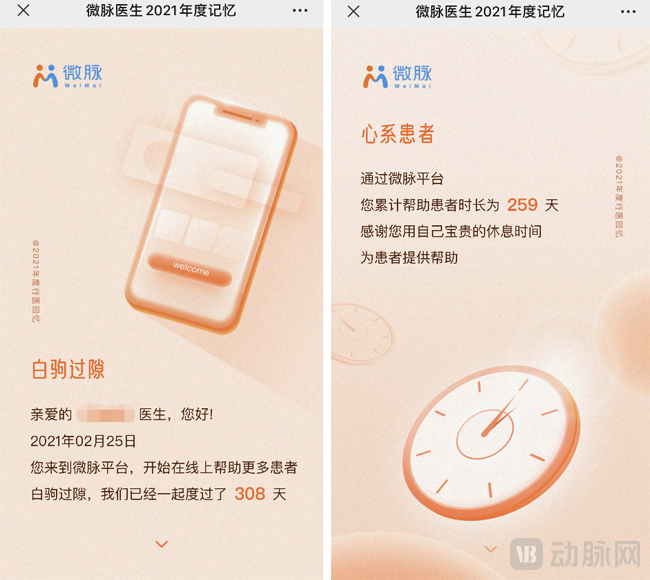
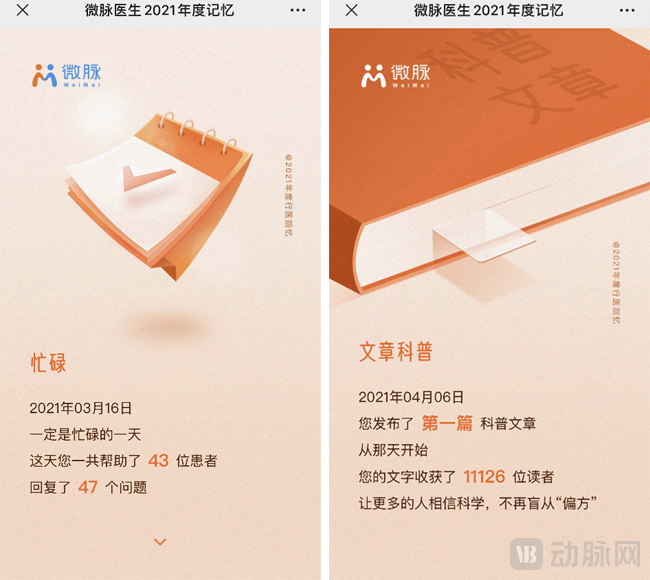
“Screenshots from the ‘Weimai Doctors’ 2021 Annual Memory’ Report”
Despite differences in their medical specialties, professional titles, and job roles, interviews and the “Annual Memory” data reveal that doctors share many commonalities in their mutual engagement with internet healthcare:
First, physicians have demonstrated the courage to innovate, keenly observing and actively implementing the integration trends between their respective disciplines and the Internet.
Secondly, by forging deep collaborations with third-party internet healthcare platforms, healthcare providers can deliver more continuous and high-quality services to patients by focusing solely on providing medical services or expertise, leveraging the platforms’ technical services and operational support.
Ultimately, internet-based healthcare has yielded patient acclaim, professional growth, team or disciplinary development, and even enhanced hospital competitiveness.
As a third-party platform facilitating physicians’ participation in internet-based healthcare, Weimai has attracted more than 200,000 doctors across China to join its network. In addition to basic text-and-image, telephone, and video consultations, physicians on the Weimai platform can leverage their fragmented time to participate in live science-education broadcasts and publish educational content on “Doctor’s Headlines.” Through these channels, they disseminate scientifically sound health knowledge, disease management strategies, myth-busting information, and medication guidance to users. By creating content aligned with monthly trending topics, physicians can receive additional traffic support, thereby enhancing their professional value and sense of accomplishment.
Furthermore, Weimai enables physicians to leverage their individual expertise by flexibly customizing full-lifecycle management services tailored to specific specialties and diseases, thereby providing patients with service combinations across different stages and in various formats. To date, the Weimai platform has facilitated the launch of over 20,000 specialized medical service SKUs covering more than 1,000 specific disease conditions, significantly enhancing physicians’ service efficiency.
With physicians demonstrating greater confidence and proactive engagement, third-party platforms are expanding their service coverage and deepening integration. In the future, the virtuous cycle of mutual benefit between internet healthcare and physicians will become increasingly evident. As Dr. Wang Fen notes, this process may be gradual, but it is undoubtedly an irreversible trend.