

Pacemaker Market in China: Sluggish Growth Amid Accelerated Volume-Based Procurement and Only 5% Domestic Penetration
China Accelerates Centralized Procurement of High-Value Medical Consumables, with Pacemakers Becoming a “Regular” in the Program.
On September 8, 2021, the “3+N” Procurement Alliance of the Beijing-Tianjin-Hebei region (comprising 13 provinces and municipalities, including Beijing, Tianjin, Hebei, Heilongjiang, Jilin, Liaoning, Inner Mongolia, Shanxi, Shandong, Henan, Sichuan, Guizhou, and Tibet) launched a volume-based linked procurement program for high-value medical consumables, specifically coronary drug-coated balloons and pacemakers. Among these participants, Shandong Province joined only the procurement for drug-coated balloons, while Beijing, Shanxi, Henan, and Guizhou Provinces participated solely in the procurement for pacemakers.
Subsequently, on October 18, 2021, Shaanxi Province, in conjunction with Gansu, Ningxia, Xinjiang, the Xinjiang Production and Construction Corps, Hunan, Guangxi, Hainan, and other regions, issued a procurement plan as part of an inter-provincial alliance to launch volume-based procurement of dual-chamber pacemakers.
Among them, for whole-body MRI-compatible dual-chamber pacemakers, Boston Scientific, Abbott, Medtronic, and Biotronik were provisionally selected; Medtronic submitted the lowest bid at RMB 18,871.62, while Abbott submitted the highest bid at RMB 19,879.27. For non-MRI-compatible pacemakers, MicroPort CRM, Lepu Medical, Boston Scientific, Abbott, and Medtronic were provisionally selected; Lepu Medical submitted the lowest bid at RMB 12,895.96, while Medtronic submitted the highest bid at RMB 18,190.29.
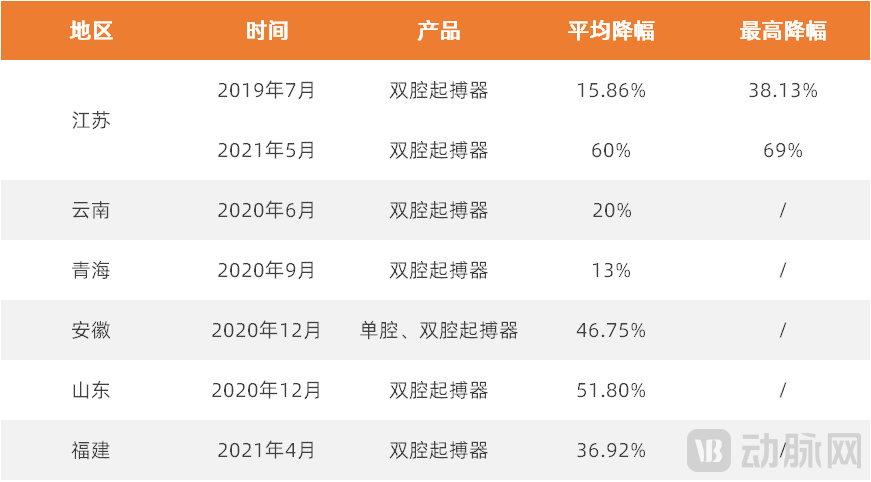
Centralized Procurement of Pacemakers Across China
As early as 2019, centralized procurement emerged in the pacemaker sector. As a major province for pacemaker implantation in China, Jiangsu Province took the lead in launching centralized procurement for dual-chamber pacemakers in 2019. The initial round of procurement was moderate in intensity, with an average price reduction of approximately 15.86%. AndIn May 2021, Jiangsu Province launched the second centralized procurement program for dual-chamber pacemakers, achieving an average price reduction of up to 60%. The average price of whole-body MRI-compatible dual-chamber pacemakers dropped from approximately RMB 60,000 to around RMB 20,000.
Previous centralized procurement rounds for pacemakers in China have been relatively moderate. However, the intensity of procurement is increasing, as evidenced by Jiangsu Province’s second centralized procurement round and the inter-provincial alliance procurement initiatives.
Amid the acceleration of centralized procurement, pacemaker products face two major barriers—1.High technical barriers and strong pricing power for competitive innovative products, for example, during the 2020 centralized volume-based procurement of pacemakers in Shandong Province, experts negotiated with enterprises regarding remote monitoring-enabled and MRI-compatible dual-chamber pacemaker products, resulting in an average price reduction of 16.86% across 13 products, with a maximum reduction of 31.78%; 2.Pacemaker products are characterized by a strong long-term service component., the selling price includes management and maintenance fees, as pacemaker manufacturers need to support engineers. If prices drop too sharply, it may “scare off” some overseas companies.
Therefore, pacemakers are unlikely to experience significant price reductions similar to those seen with coronary stents, but the compression of profit margins remains a major challenge.
The pacemaker is undoubtedly a dark horse that emerged in the 21st century.
In 1984, the National Society of Professional Engineers ranked the cardiac pacemaker alongside semiconductors and lasers as one of the ten most outstanding inventions of the first half of the 20th century. In 2001, the Internet and the pacemaker jointly received the highest U.S. engineering award. In April 2021, former U.S. Vice President Mike Pence underwent cardiac pacemaker implantation surgery.
Cardiac pacemakers are primarily used to treat patients with bradycardia and represent the most effective therapeutic option currently available.Bradycardia may be caused by dysfunction of the sinoatrial (SA) node, atrioventricular (AV) node, or other components of the cardiac conduction system. Patients with this condition experience reduced cardiac output and insufficient blood supply to vital organs and tissues. Mild cases can impair quality of life, while severe cases may lead to syncope or even sudden cardiac death.
With the development of cardiac pacemaker technology,The functions of pacemakers have evolved from solely treating bradyarrhythmias to managing electrical disturbances (such as atrial fibrillation and ventricular fibrillation) and non-electrical cardiac conditions (such as heart failure).CRT-P (cardiac resynchronization therapy pacemaker) can correct interventricular and intraventricular dyssynchrony, thereby improving symptoms and survival rates in patients with heart failure.
Cardiac pacing is a therapeutic technology that integrates bioengineering, electronics, and clinical practice. A cardiac pacemaker consists of a pulse generator and electrode leads. The pulse generator comprises an integrated circuit and a battery, with intricate internal circuitry that controls the pacemaker’s operation. One end of the electrode lead is connected to the pacemaker, while the other end is advanced through a vein to the heart and secured to the myocardial wall via a specialized structure.
Electrical impulses generated by the pulse generator are conducted to the heart via electrode leads, stimulating cardiac contraction to increase the heart rate and alleviate symptoms associated with bradycardia.
Based on the placement, pacemakers can be classified into external temporary cardiac pacemakers and permanent implantable cardiac pacemakers. Clinically, external temporary pacemakers are primarily used in two scenarios: one is for patients with a history of bradyarrhythmias, where a pacemaker is implanted during anesthesia or surgery to prevent various symptoms caused by excessively low heart rates; the other is as a temporary bridge prior to the implantation of a permanent pacemaker.
Based on the differences in electrode lead implantation sites, pacemakers can be classified into single-chamber, dual-chamber, triple-chamber, and quadruple-chamber pacemakers. Among these, single-chamber pacemakers are further divided into VVI pacemakers (with the tip electrode of the lead implanted in the trabeculae carneae of the right ventricular apex) and AAI pacemakers (with the tip electrode of the lead implanted in the pectinate muscles of the right atrial appendage).
Since the implantation of the first pacemaker in 1958, approximately one million patients worldwide currently receive pacemaker therapy annually.According to the “Report on Cardiovascular Health and Diseases in China 2020,” the number of patients receiving pacemaker implants in China increased by 9.3% in 2019 compared with 2018, with dual-chamber pacemakers accounting for nearly 70% of all implants.Regarding indications for pacemaker implantation, sick sinus syndrome accounted for 50.08%, atrioventricular block for 43.52%, and other indications for 6.4%.
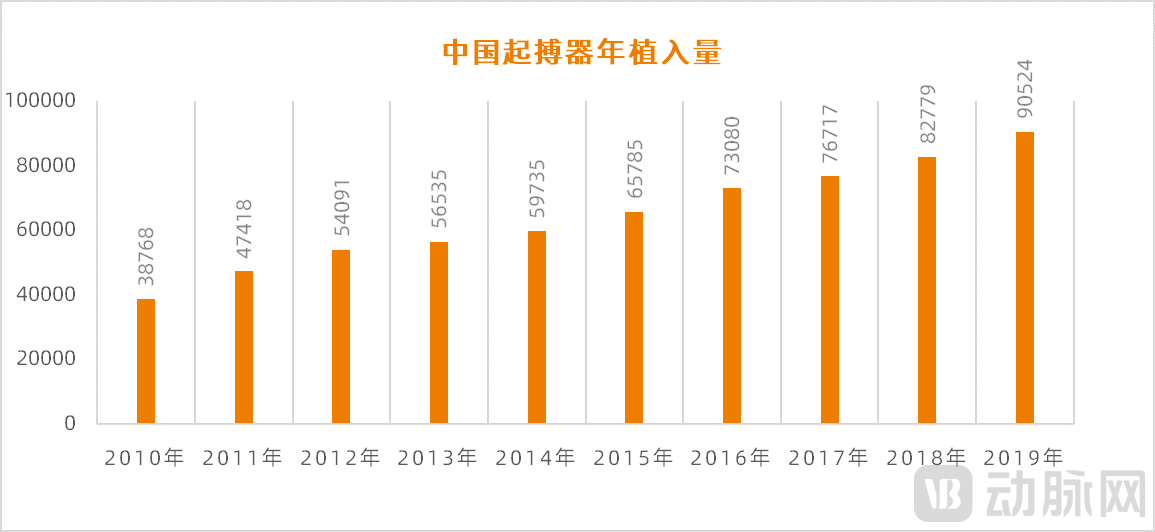
Annual Pacemaker Implantation Volume in China Data Source: "Report on Cardiovascular Health and Diseases in China 2020"
The incidence of arrhythmia is roughly similar in China and the United States, but China’s total population is significantly larger than that of the U.S. However, while 1,000 per million people receive cardiac pacemaker implants in the United States, only 60 per million people do so in China.
Reasons for the Low Penetration Rate of Pacemakers in China: 1. There is a shortage of physicians proficient in pacemaker implantation techniques; currently, pacemaker implantation procedures in China are primarily concentrated in Grade A tertiary hospitals in major cities. 2. The high cost of pacemakers, with single-chamber pacemakers considered low-end products, priced at RMB 20,000–30,000 in the domestic market.Dual-chamber pacemakers are the most predominant product type in the domestic market, with a price of approximately RMB 60,000 in China.Three-chamber pacemakers are the most high-end products, priced at around 100,000 yuan in China, with no domestic brands currently available. Additionally, subsequent replacement of electrode leads, management, and maintenance represent significant expenses.
According to current clinical practices in China, abandoned pacing leads are generally not extracted; instead, they are left in situ alongside newly implanted leads. Lead extraction is typically considered only in cases of infection. In the vast majority of cases, the original leads are truncated and capped, followed by the implantation of new leads. Furthermore, the service life of a pacemaker depends on the patient’s individual health status. If the patient maintains a stable heart rate and requires minimal pacing support, the device’s operational lifespan may be extended.
As MicroPort, Lepu Medical, and Lifetech entered the pacemaker sector, China’s pacemaker market had just begun its initial phase of domestic substitution when it was swept up by the hurricane of centralized procurement, casting a shadow over the entire industry. Faced with the dilemmas of high barriers to entry, high market concentration, and substantial capital requirements, what path will Chinese local enterprises take?
The four global cardiovascular giants are Medtronic, Abbott, Boston Scientific, and Edwards Lifesciences. The first three have established a presence in the cardiac rhythm management sector, collectively accounting for over 80% of China’s cardiac pacemaker market.
In 1958, Medtronic introduced the world’s first battery-powered cardiac pacemaker.
In 2016,Medtronic Micra Leadless Cardiac Pacemaker Receives FDA Approval, for patients requiring right ventricular pacing. Traditional cardiac pacemakers carry a higher risk of infection due to the presence of leads and a subcutaneous pocket. The Micra leadless pacemaker features no electrode leads and no pocket; after implantation, it attaches to the endocardial wall. It is only the size of a vitamin capsule, representing a 93% reduction in volume compared to traditional pacemakers, and weighs approximately 2 grams.
Meanwhile, the Micra leadless pacemaker is compatible with 1.5 T/3.0 T whole-body MRI scans and features Bluetooth connectivity. As a commonly used clinical imaging modality, MRI demand among patients with implanted pacemakers in China has been gradually increasing alongside the aging population. In 2019, the Micra pacemaker received market approval from the National Medical Products Administration (NMPA).
The pre-market clinical study of the Medtronic Micra pacemaker enrolled 726 patients across 56 centers over a two-year observation period. The study found that, compared with traditional pacemakers, the leadless pacemaker reduced the incidence of major complications by 48%, with an immediate procedural success rate of 99.2%. Post-market clinical data further demonstrated that, compared with conventional transvenous (TV-VVI) pacemakers, the Micra system achieved a 38% reduction in reintervention rates and a 31% decrease in chronic complications at two years.
Two large-scale clinical trials have confirmed the advantages of leadless pacemakers. However, an unresolved challenge remains: cost. Since its approval in 2019, approximately 3,000 Micra pacemaker implants have been successfully performed in China.
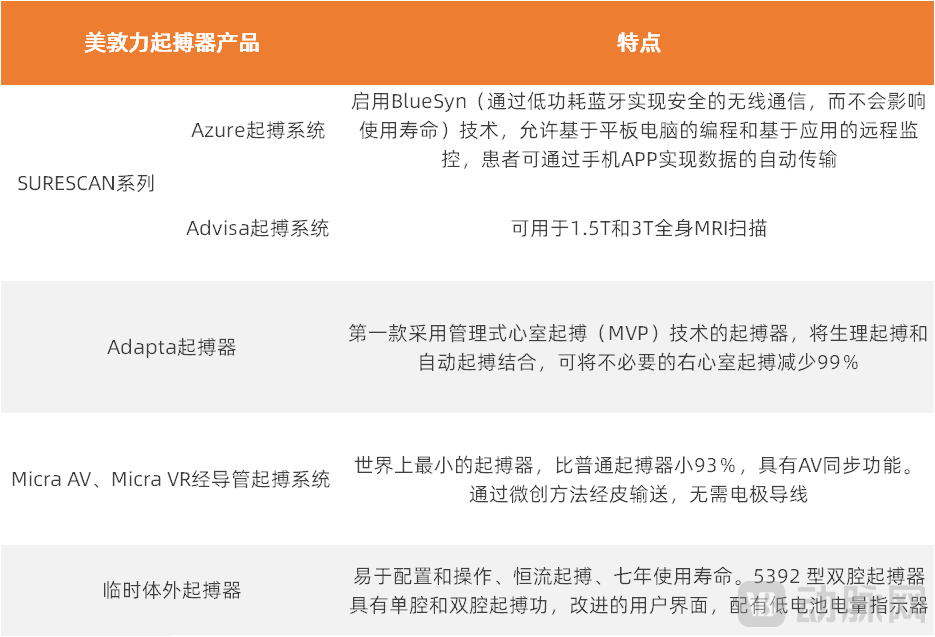
Medtronic Pacemaker Products Source: Medtronic Official Website
Conventional right ventricular pacing increases the incidence of heart failure and atrial fibrillation in patients; reducing unnecessary ventricular pacing can decrease the occurrence of atrial fibrillation. According to Medtronic’s official website, the three major strategies for ventricular pacing are promoting intrinsic conduction, preventing dyssynchrony, and restoring synchrony.
Abbott holds a 23.7% market share in China. The company’s Assurity is the world’s smallest MRI-compatible pacemaker, with a battery life of up to 10 years, thereby reducing the risk of infection and complications associated with pacemaker replacement procedures.
Meanwhile, the Assurity pacemaker has the shortest required interval between implantation and MRI scanning. According to Abbott’s official website, the Instructions for Use (IFU) recommend a 42-day waiting period before undergoing MRI scans for products from Medtronic, Boston Scientific, and Biotronik, whereasAbbott’s products require no waiting period, enabling immediate MRI scans without compromising device performance.。
Furthermore, Abbott’s Aveir leadless pacemaker directly competes with Medtronic’s Micra pacemaker and can be retrieved when system replacement is required or when changes to the patient’s treatment plan are necessary. The device provides on-demand pacing while consuming less energy.
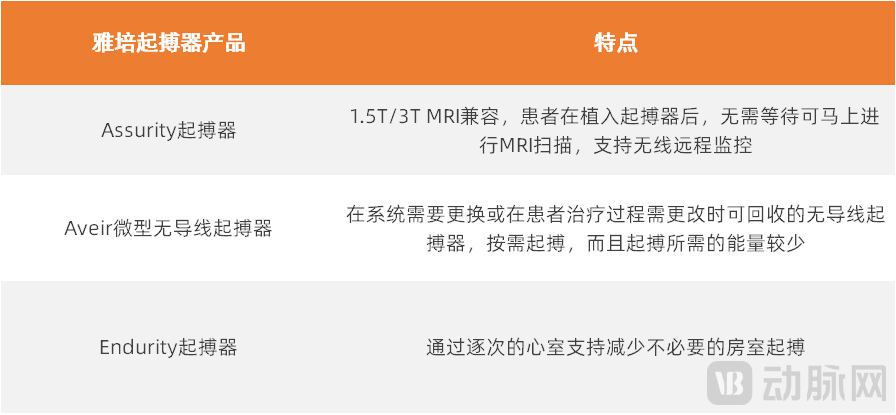
Abbott Pacemaker Products Data Source: Abbott Official Website
The Boston Scientific ACCOLADE series of pacemakers offers the most extensive range of MRI-programmable options among all pacemaker families. It is compatible with 1.5T and 3T MRI scans, imposes no restrictions on MRI scan duration, has no patient eligibility limitations, and features a device longevity of up to 13 years.
Biotronik’s Edora 8 SR-T ProMRI pacemaker is a 10-cc single-chamber device with a service life of 13 years.MRI-Compatible Pacemakers Are Rapidly Advancing, but Pre- and Post-Examination Programming Increases the Burden on Healthcare Professionals.This product features MRI AutoDetect functionality, which automatically detects the magnetic resonance imaging environment and switches to a safe MRI mode within 10 seconds. Within one minute of leaving the magnetic field area, the device automatically reverts to its original settings without requiring additional programming. This not only simplifies clinicians’ workflows but also reduces the time patients spend in MRI mode.
Meanwhile, this pacemaker features Closed-Loop Stimulation (CLS) capability, which interacts with the human autonomic nervous system to simulate normal sinoatrial node function. Clinical trials have confirmed that CLS can respond to varying levels of daily activity and emotional changes in patients, thereby providing physiological support.
Cardiac pacemakers have undergone an evolution from “fixed-rate” to “demand,” then to “physiologic,” and finally to “automatic” types.Early cardiac pacemakers operated at a fixed pacing rate, consistently acting as an ectopic focus relative to the heart’s normal physiological rhythm. In contrast, modern pacemakers can mimic the heart’s natural activity, enabling physiological pacing.
Furthermore,China was the first to propose conduction system pacing, including His bundle pacing or left bundle branch pacing (LBBP). Since 2017, it has developed rapidly in China and has gradually become a mainstream technology in the field of pacing.His-Purkinje system pacing is a physiological pacing modality that, compared with traditional right ventricular pacing, preserves left ventricular systolic synchrony and maintains the heart’s normal conduction. Meanwhile, left bundle branch pacing closely approximates physiological pacing, addressing some of the limitations of His bundle pacing, and is currently being actively implemented in clinical practice.
A review of pacemaker products from leading companies reveals thatKey areas of focus in pacemaker development include miniaturization, intelligence, whole-body MRI compatibility, reduction of unnecessary ventricular pacing, and support for remote follow-up.
In August 2021, the European Society of Cardiology (ESC) released new guidelines based on the 2013 edition of the “Guidelines for Cardiac Pacing and Cardiac Resynchronization Therapy.”The guidelines recommend remote device management to reduce the number of in-office follow-up visits for patients with difficulty accessing care, assigning this a Class IA recommendation. Meanwhile, the guidelines suggest that patients implanted with MRI-conditional pacemakers may undergo MRI examinations in accordance with the manufacturer’s operating instructions, also assigning this a Class IA recommendation.
Furthermore, innovative products are continuously emerging in clinical practice. Researchers in the United States have developed the world’s first bioresorbable cardiac pacemaker, which is temporary, fully wireless, and battery-free, capable of harmless degradation within 5–7 weeks. The device is constructed entirely from absorbable materials and features a compact design, weighing only 0.3 grams. However, current bioresorbable pacemakers require implantation via open-chest surgery, which involves significant surgical trauma.
China has over 10 million patients with arrhythmia. As the population ages, the incidence of arrhythmia is rising year by year, and the market share of cardiac pacemakers and defibrillators is also increasing annually. In 2020, the domestic market size for cardiac pacemakers was approximately RMB 4 billion.
However, China’s cardiac pacemaker market has long been monopolized by imported brands. According to statistical analysis by Bohai Securities Research Institute, in 2018, pacemaker products from Medtronic, Abbott (St. Jude Medical), Biotronik, and Boston Scientific accounted for nearly 95% of the Chinese market, while MicroPort Medical, Lepu Medical, and Lifetech Scientific held only about 5% of the market share.
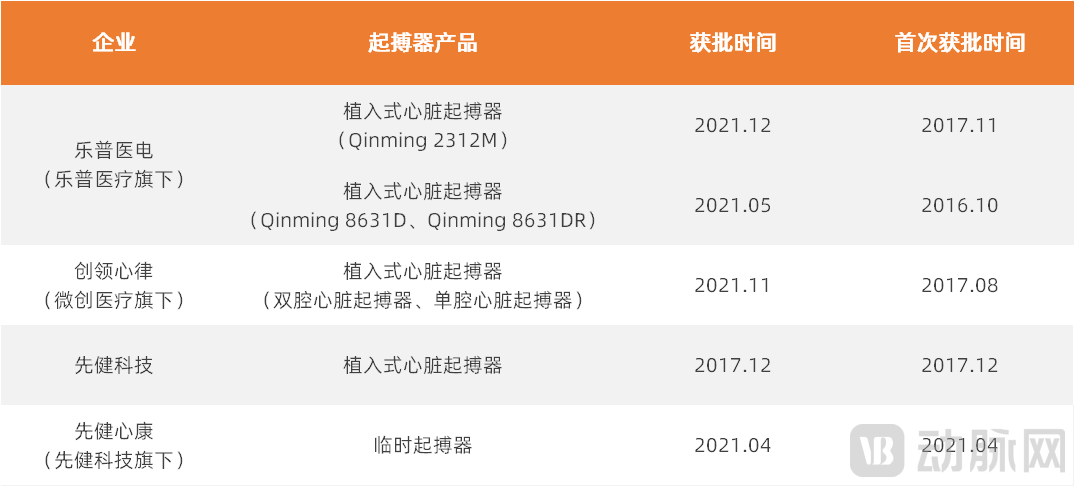
Approved Domestic Cardiac Pacemakers Data Source: Official Website of the National Medical Products Administration
In the field of cardiac pacemakers, none of the three leading domestic manufacturers are long-established players; each has adopted a distinct development path.
MicroPort
MicroPort entered the market early through introductions and acquisitions, becoming the leading domestic manufacturer of pacemakers.In 2014, MicroPort Medical and Sorin (the predecessor of LivaNova) established a joint venture, Chuangling Cardiac Rhythm.MicroPort holds a 51% stake, securing exclusive sales rights for Sorin products in China and initiating independent R&D of domestically produced pacemakers. In September 2017, the Rega series of implantable cardiac pacemakers from MicroPort Cardiac Rhythm Management received NMPA approval through the clinical trial exemption pathway.
The Rega pacemaker comprises three series—Xinlan, Xinyun, and Xinyue—with a total of eight models. It features automated, physiological pacing in a compact, internationally standardized design, along with an extended service life. With a volume of only 8 cubic centimeters, its battery longevity reaches 10–12 years. Notably, the Xinyue series of the Rega product line offers up to 12 years of continuous operation and provides unique sleep apnea detection capabilities, helping to prevent cardiovascular diseases associated with sleep apnea and hypopnea.
In 2018, MicroPort partnered with Yunfeng Capital to acquire the cardiac rhythm management business of LivaNova. Leveraging technology introduced from Sorin in Italy, MicroPort Portman’s pacemakers have a volume of 8 cc, making them the smallest cardiac pacemakers in the world.As of September 2021, the cumulative implantation volume of MicroPort CRM’s “Heart Series” pacemakers exceeded 10,000 cases.
Meanwhile, the Alizea, Borea, and Celea pacemakers from MicroPort Cardiac Rhythm Management (CRM), which feature Bluetooth connectivity and are compatible with the SmartView Connect home remote monitoring system, submitted registration applications in Europe, the United States, and Japan in 2020, respectively. These devices received CE certification in January 2021, accelerating their commercialization process.
In addition, MicroPort CRM’s Kora 100 pacemaker, featuring thoracic MRI compatibility, has been submitted for regulatory approval. The ENO series of pacemakers and Vega leads have completed type testing and are about to initiate pre-market clinical trials for whole-body MRI compatibility at both 1.5T and 3.0T. The domestic leadless pacemaker project has also been officially launched.
According to MicroPort’s 2020 annual report, the company’s revenue in 2020 was US$648.7 million, of which 27.8% came from its cardiac rhythm management business, generating revenue of US$180.3 million.The company’s pacemaker business saw a 24.7% year-on-year revenue growth in 2020, with coverage expanded to an additional 168 hospitals., had entered 480 hospitals by the end of 2020, maintaining its leading market position among domestic pacemaker brands. The company has achieved over 50% growth in the implantation volume of domestically produced pacemakers for two consecutive years.
Lifetech Scientific
Lifetech Scientific and Medtronic Reach Strategic Partnership to Jointly Manufacture Lifetech-Branded Cardiac Pacemakers for the Chinese MarketMedtronic will provide specific technologies, training, and support as LifeTech enters the Chinese pacemaker market, jointly promoting the commercialization of pacemaker systems.
Leveraging the technology and resources of multinational giants, the HeartTone series of implantable cardiac pacemakers, jointly developed by both parties, received approval from the NMPA in December 2017. Meanwhile, LifeTech Scientific’s independently developed Model 8301 temporary pacemaker obtained FDA approval in 2019 and CE marking in 2020 for market launch.
Lifetech Scientific’s Model 8301 Temporary Pacemaker is a multifunctional device that integrates pacing and analysis capabilities, and it received the 2018 German Red Dot Design Award. It provides single-chamber external temporary pacing for patients with bradycardia, facilitates pacing system analysis during pacemaker and defibrillator implantation procedures, and enables real-time continuous display of intracardiac electrograms.This product is the first domestically produced temporary pacemaker with fully independent intellectual property rights, approved by the NMPA in April 2021.
Currently, LifeTech Scientific is still developing the Model 6108 temporary pacemaker, which adopts the same pacing and sensing technology platform as the Model 8301 temporary pacemaker but has a volume only 40% that of the Model 8301. Furthermore, in December 2021, LifeTech Scientific and Medtronic further expanded their strategic cooperation on the “Xintong” pacemaker project, with both parties launching a collaborative project to develop a domestically produced MRI-compatible pacemaker system. Medtronic will provide a series of technical consulting services for this MRI-compatible pacemaker system project and waive royalties for the relevant products under specified conditions.
According to LifeTech Scientific’s 2020 annual report, as of the end of 2020,The pacing and electrophysiology business (primarily related to pacemakers, including cardiac pacemakers and lead products) contributed approximately RMB 24.6 million in revenue, representing an increase of about 11.8%.. In 2020, the global pandemic was in its outbreak phase; taking these social factors into account, the 11.8% growth rate is also commendable.
According to the company’s 2021 semi-annual report, as of the end of June 2021, the revenue from its pacing and electrophysiology business was approximately RMB 15.2 million, representing a year-on-year increase of about 508.0% compared to the same period in 2020.
Lepu Medical
Lepu Medical Acquires Qinming Medical to Establish Lepu Medical Electronics.Lepu Medical is a typical example of a company that has grown larger and stronger through mergers and acquisitions. After acquiring Qinming Medical, the company officially entered the cardiac pacemaker market.Qinming Medical is the first enterprise in China to specialize in cardiac pacemaker business. The single-chamber cardiac pacemaker, jointly developed with Xi’an Jiaotong University, has successfully broken the import monopoly in the domestic market. This product primarily targets the low-end market, but its overall market share remains relatively low.
In October 2016, Lepu Medical’s dual-chamber pacemakers, Qinming 8631D and Qinming 8631DR, received market approval, marking China’s first dual-chamber pacemaker with independent intellectual property rights and rate-responsive functionality. To date, among domestic manufacturers, only Lepu Medical’s dual-chamber pacemakers have been approved by the National Medical Products Administration (NMPA).
Currently, the company is developing an MRI-compatible fully automatic pacemaker, and the Qinming 8632 fully automatic pacemaker is in the clinical trial phase.
Apart from the three leading companies, no other domestic manufacturers have had their pacemaker products approved or entered the innovative medical device approval process in China. Compared with the large number of foreign companies that have entered the Chinese market, local innovation remains relatively scarce. In the high-barrier field of pacemakers, import monopolies persist and centralized procurement is accelerating, seemingly narrowing the survival space for domestic enterprises. The pacemaker market is showing “bradycardic” growth.
However, this market is also showing new vitality. In addition to domestic companies developing MRI-compatible and leadless pacemakers, relevant medical insurance adjustments will reduce the out-of-pocket expenses for patients undergoing pacemaker implantation. Starting from December 1, 2021, Heze City removed the price cap on cardiac pacemakers under its medical insurance payment scheme, settling payments based on actual prices. From January 1, 2022, Zhenjiang City implemented a new policy for reimbursing special medical materials under medical insurance, reducing insured patients’ out-of-pocket costs by more than 20% through adjustments to the reimbursement price caps for pacemakers.
It is evident that centralized procurement of high-value medical consumables is underway, with enterprises, government bodies, and clinical institutions all accelerating their efforts.
References:
Lepu Medical, MicroPort Medical, and Lifetech Scientific 2020 Annual Reports
"Centralized Procurement of Cardiac Pacemakers: A 'Gentle Cut,' Halving Prices Is the Way to Go" — Caijian Dao
"More Expensive Than Coronary Stents, Can Cardiac Pacemakers See Price Reductions Through National Centralized Procurement?" — Caijian Dao
"Report on Cardiovascular Health and Diseases in China 2020"