

Gastrointestinal and Liver Cancer Early Screening Goes Grassroots: Seeking the Most Effective Pathway for Market Penetration
Cancer incidence and mortality rates in China continue to rise. According to the global cancer burden data released by the International Agency for Research on Cancer (IARC) of the World Health Organization, China recorded 4.57 million new cancer cases and 3 million cancer deaths in 2020, ranking first globally in both categories. In this context, promoting public awareness of early detection, diagnosis, and treatment is of significant importance for improving cancer survival rates and prognosis. Early screening can detect cancer at its early or even ultra-early stages, leading to markedly better treatment outcomes, reducing mortality, and significantly lowering medical costs for patients. Therefore, considering the clinical value, social significance, and economic benefits of early cancer screening, as well as healthcare insurance reforms driven by policy initiatives, early cancer screening represents a preferred solution to address the public health challenge posed by cancer.
The early cancer screening industry in China has entered a high-growth phase. According to public data, the market size for cancer screening in China is expected to exceed RMB 100 billion by 2030, indicating substantial market potential. Represented by liquid biopsy, new cancer screening technologies are rapidly evolving, with continuously declining sequencing costs serving as a key driver for the widespread adoption of these technologies and products. Regarding product commercialization, domestic early-screening companies initially relied on collaborations with health checkup centers, hospitals, and insurance providers to reach users. However, since 2021, the industry has begun exploring new channels at the grassroots level. Companies offering early detection technologies and products for multiple cancer types have increasingly partnered with platforms that possess extensive primary healthcare networks and closed-loop service capabilities, thereby penetrating county and township markets and reaching a broader base of grassroots target users.
In July 2021, New Horizon Health, known as the “first stock in early cancer screening,” partnered with PICA, a digital service platform for primary healthcare, to jointly promote the deployment of colorectal cancer early screening services at the primary care level. At the beginning of 2022, PICA, Boer Cheng, and WuXi NextCODE joined forces to implement Boer Cheng’s early screening tests for gastric and colorectal cancers in primary care settings. In the same week, another specialized company in early cancer screening technology, Laimeng Health, established a partnership with PICA to bring its precise early screening products for liver cancer to the primary care level.
Why Have Leading Companies in Early Screening for Gastric, Colorectal, and Liver Cancers All Chosen This Low-Profile Firm as a Partner?
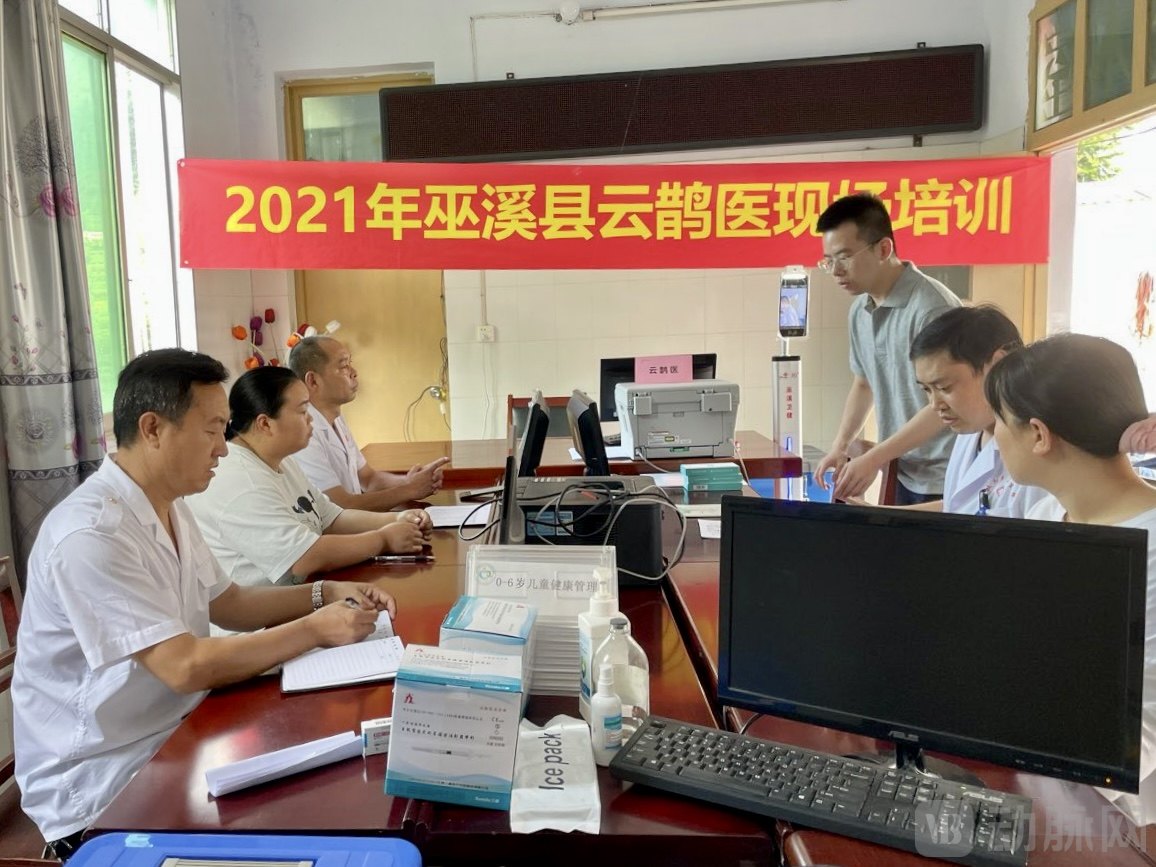
China has more than 3 million primary healthcare workers and nearly 1 million primary healthcare institutions. Unlike physicians at tertiary Grade A hospitals, primary care physicians inherently possess attributes centered on prevention, service delivery, and health management. The training and service capabilities of the primary care sector are critical to the implementation of early screening products and services. According to publicly available information, Yunqueyi (PICA), incubated by WuXi AppTec, has been deeply engaged in primary healthcare services for over five years. Its platform currently serves more than 2.6 million primary healthcare professionals across all 31 provinces, municipalities, and autonomous regions in China, reaching a population of over 800 million residents. Leveraging its capacity to provide education, training, and service outreach to millions of primary care physicians, Yunqueyi holds distinct advantages in promoting early prevention and screening concepts for major diseases among primary care providers, shifting the paradigm from passive treatment to active prevention, and thereby helping leading enterprises in the early screening industry secure their position in the primary care market.
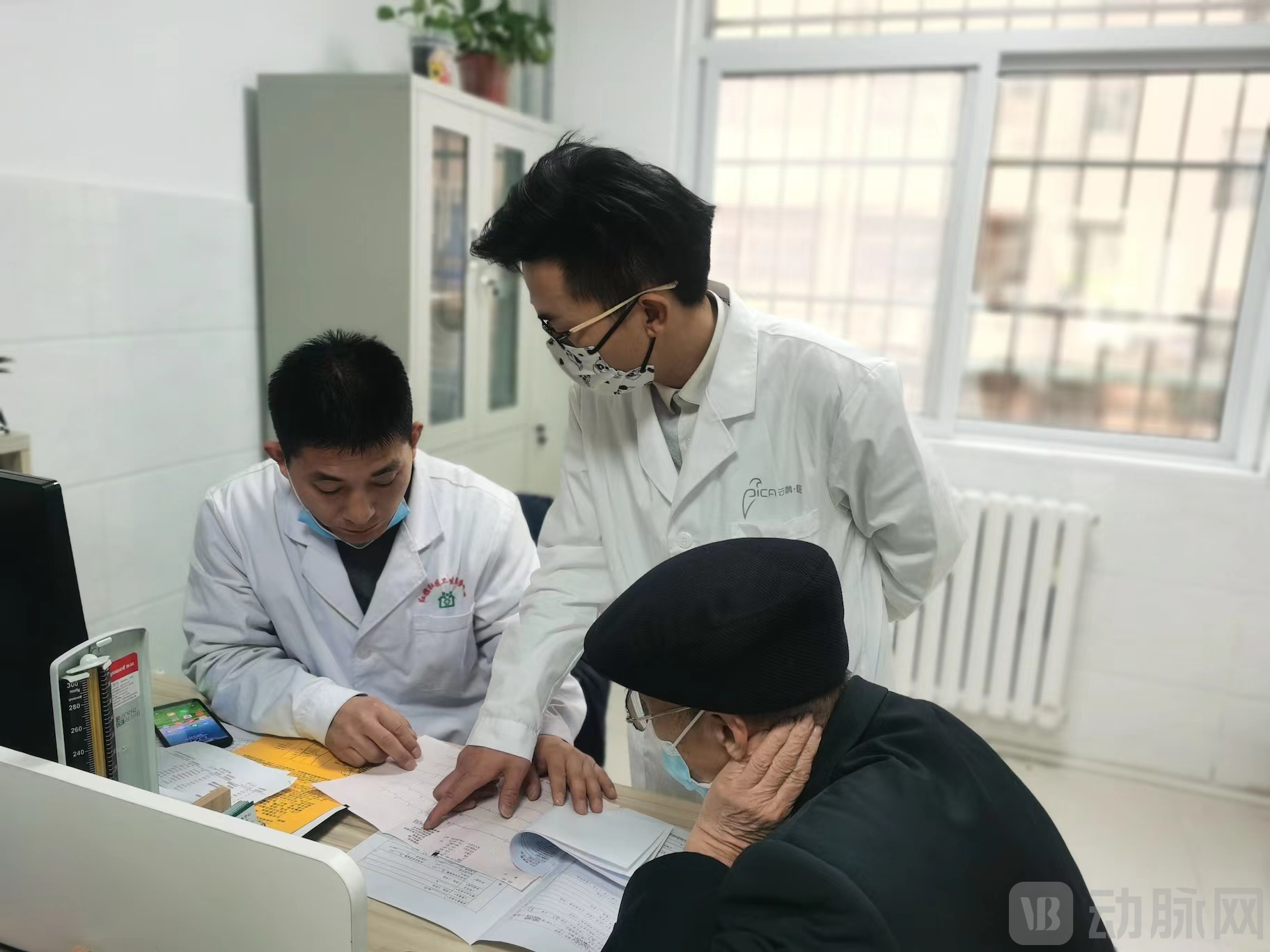
It is reported that, to date, PICA has partnered with multiple early screening and testing companies in the fields of colorectal cancer, gastric cancer, liver cancer, lung cancer, bladder cancer, as well as gastroenterology and immunology, becoming the preferred partner for leading industry players seeking to expand into primary care settings. According to PICA’s 2021 year-end review data, more than 200,000 primary care physicians have used the PICA APP to help residents undergo early screening for cancer and other diseases, cumulatively screening nearly one million people in primary care communities for potential health risks.
Studies have shown significant disparities in the diagnosis and treatment costs between early-stage cancer cases and those at stage II or above: for lung cancer, the cost rises from RMB 22,000 in the early stage to RMB 46,000 for stage II and beyond; for esophageal cancer, it increases from RMB 14,000 in the early stage to RMB 47,000 for stage II and above; and for gastric cancer, the cost surges from RMB 12,000 to RMB 43,000. With more than 500 million people living in rural areas in China, awareness of cancer prevention and screening among grassroots populations remains severely inadequate, and diagnostic facilities are critically lacking due to economic, environmental, and educational constraints. Shifting from passive treatment to proactive prevention, primary care physicians and grassroots medical institutions, as health gatekeepers closely connected with local communities, play a vital role in promoting awareness and adoption of early screening for major diseases.
The National “Healthy China Action” Implementation Plan for Cancer Prevention and Control explicitly sets targets that by 2022 and 2030, the overall five-year cancer survival rate in China should reach no less than 43.3% and 46.6%, respectively; and the awareness rate of core knowledge on cancer prevention and control should reach no less than 70% and 80%, respectively. Therefore, driven by policy support, heightened preventive awareness at the grassroots level, and technological advancements, the field of early cancer screening will establish a virtuous cycle. This will facilitate the decentralization of high-quality medical resources, address the shortage of healthcare resources in township areas, promote early screening, diagnosis, treatment, and rehabilitation, and effectively improve the health status of residents in grassroots communities.